
REVIEW · PHNOM PENH
The Killing Field and Toul Sleng Genocide Museum (S21) Tour
Two sites. One painful truth. This Phnom Penh tour connects the Tuol Sleng Genocide Museum (S21) and the Killing Fields to explain the Khmer Rouge and the Pol Pot era, with an air-conditioned ride and a guided stop at both major locations.
I especially like two things: the way the guide sets clear context before you enter each site, and the fact that you get real time to look, read, and reflect during your visit.
One consideration: the sites are intense, and at S21 the flow can feel fast if you want to read every panel slowly.
In This Review
- Key Things I’d Notice Before You Go
- From Hotel Pickup to a 4-Hour Plan in Phnom Penh
- Price and Logistics: What $19.20 Covers (and What Adds Up)
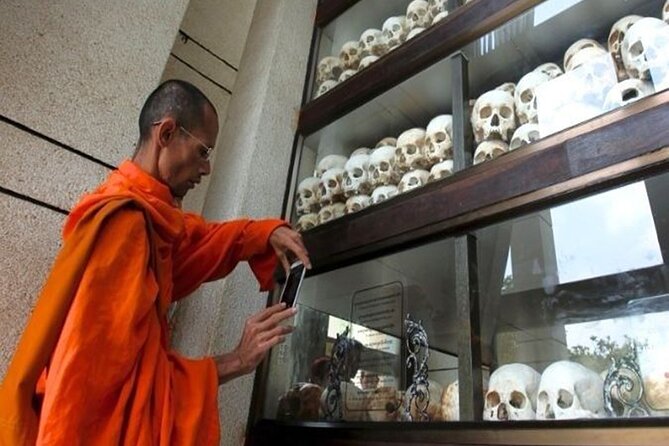
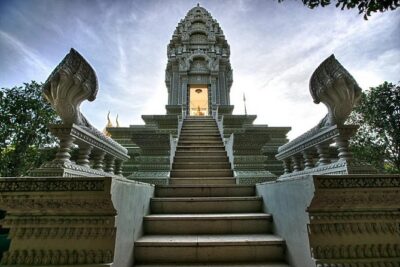
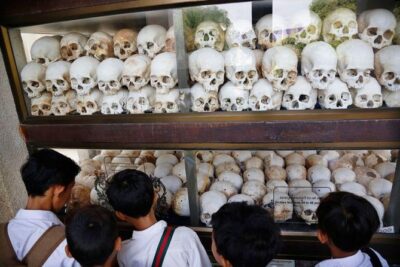
- Choeung Ek Genocidal Center: What You’ll See and How to Stay Grounded
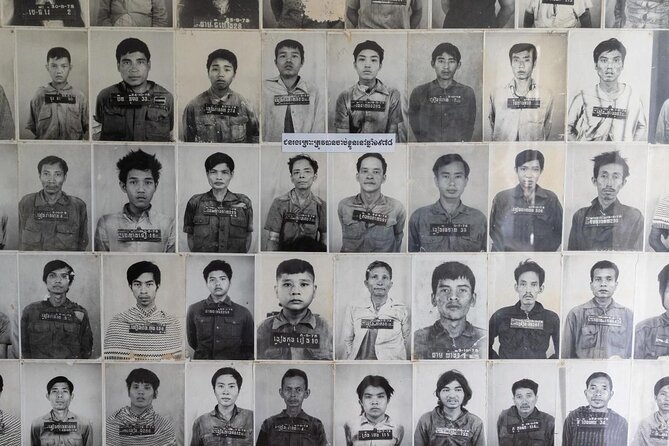
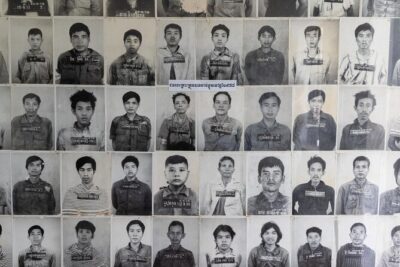
- Tuol Sleng Genocide Museum (S21): Why This Prison Site Hits So Hard
- The Guide Makes or Breaks It: Visal, Cheath, Moon, and Baboon
- Pace, Time to Look, and How to Make It Feel Personal
- Accessibility and Comfort Details That Matter More Than You Think
- Who Should Book This S21 and Killing Fields Tour?
- Should You Book This Tour?
Key Things I’d Notice Before You Go
- Hotel pickup and air-conditioned comfort keep the logistics easy for a half-day outing
- Entry fees are extra, with Choeung Ek at $3 and S21 at $5 per person
- English guidance with strong organization is a major reason the tour earns near-perfect scores
- About 2 hours at each site gives you enough time to see what matters without feeling like a sprint
- Bring cash for on-site needs, since tickets and survivor books may require it
- Some guides share personal context, which can make the experience feel even more grounded
From Hotel Pickup to a 4-Hour Plan in Phnom Penh
This is a group tour built for a half-day rhythm. You choose either a morning or an afternoon slot, and you get picked up from your Phnom Penh hotel (the operator also lists a central start point near Grand River Sports Bar, Riverside Path). Either way, expect a smooth handoff to the group and then a return to your starting area and/or hotel afterward.
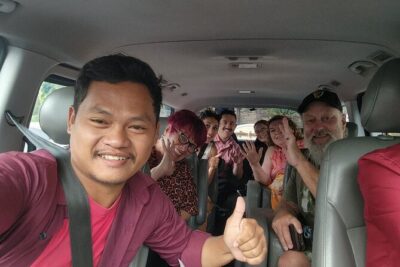
The ride is in an air-conditioned vehicle, and you get cool water during the trip, which matters in Phnom Penh heat. The group size is capped at 50, but your experience often feels more like a bus trip with a manageable crowd than a huge mob.
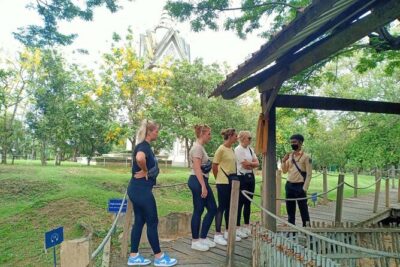
Before you hit the sites, your guide typically gives you the framework you need: what happened from 1975 to 1979 under the Khmer Rouge, why Tuol Sleng became a key prison system, and how the Killing Fields fit into the wider story. That upfront context is one of the biggest value points here. Without it, you can still make sense of the museum displays, but with it, the whole day clicks into place faster.
Price and Logistics: What $19.20 Covers (and What Adds Up)
The advertised price is $19.20 per person, and that’s a real bargain for what you receive. What’s included is the practical stuff that usually costs extra on your own: hotel pickup, a professional English-speaking guide, a driver, air-conditioned transportation, and cool water.
What’s not included is the on-site entry. You pay separately:
- Choeung Ek Genocidal Center: $3 per person
- Tuol Sleng Genocide Museum (S21): $5 per person
Add those in and you’re at about $27.20 total before tipping. This tour is still good value because you are paying for two major sites plus guided interpretation, not just transport.
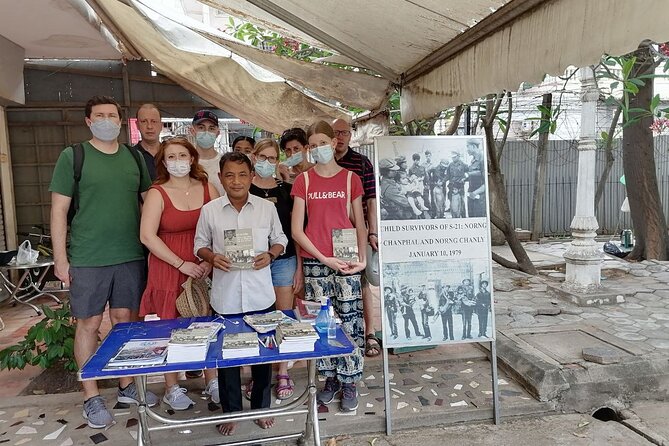
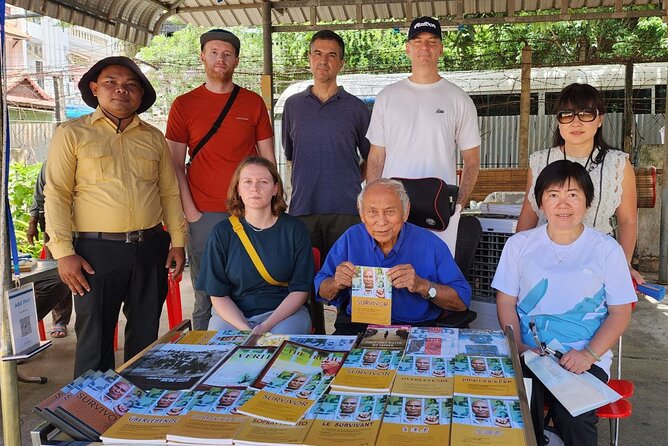
Also remember: tipping and personal expenses are not included. If you want to be generous, plan for it. One small detail from the on-the-ground experience that comes up repeatedly is the need for cash. People are often encouraged to buy books from survivors, and some mention survivor-related purchases needing extra cash. Bring a bit extra so you do not feel stuck at the worst possible time.
Other guided visits to Cambodia's genocide memorial sites
- The Killing Field and Toul Sleng Genocide Museum (S21) Tour★ 5.0 · 1,977 reviews
- Killing field and Toul Sleng genocide museum Tour★ 5.0 · 610 reviews
- Visit 11 Places in One Day including S21 & Killing Field★ 5.0 · 361 reviews
- Half Day Tuol Sleng S21 and Choeung Ek Killing Field Tour★ 5.0 · 228 reviews
Choeung Ek Genocidal Center: What You’ll See and How to Stay Grounded
Choeung Ek is the first major stop, and you typically have about 2 hours there. The admission fee is not included, so you pay separately on arrival.
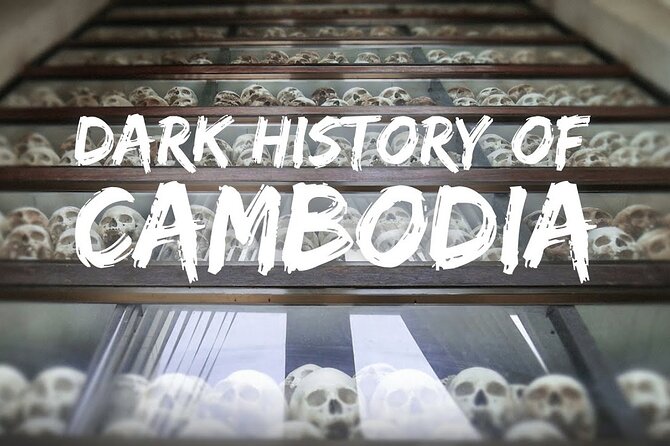
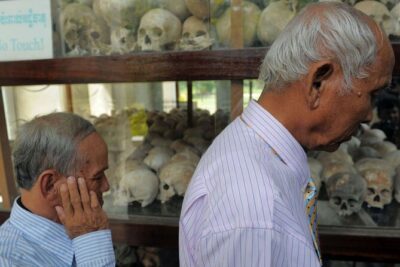
This is the place most closely tied to the term Killing Fields. But the guide value is how they connect the site to the wider Cambodian experience during the Khmer Rouge years. You’re not just touring a location. You’re learning how people were targeted, detained, and killed as part of a system.
How to handle this emotionally is personal. I treat sites like this like a walking journal. I read a little, then I pause. I look away for a second, then I go back. Your guide will likely keep moving as a group, but you can still take short breaks. If you need a moment, step aside. It is better than forcing yourself to “keep up” and losing what you came to understand.
A practical tip: if you care about reading every panel and sign, do not plan to multitask in your head. Focus on what is in front of you, and use your guided explanation as the map. If you try to treat it like a checklist, you’ll just feel more rushed and more numb.
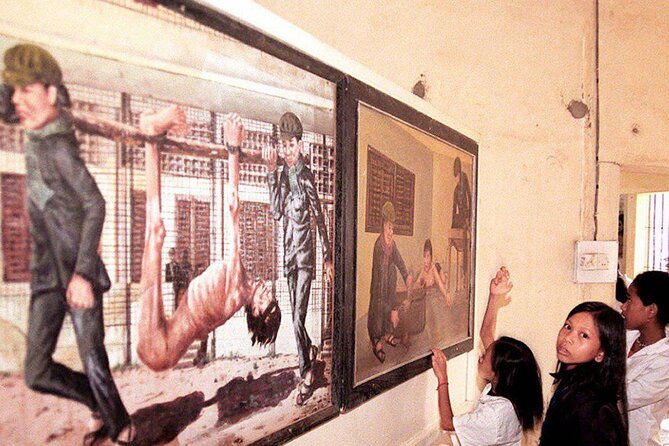
Tuol Sleng Genocide Museum (S21): Why This Prison Site Hits So Hard
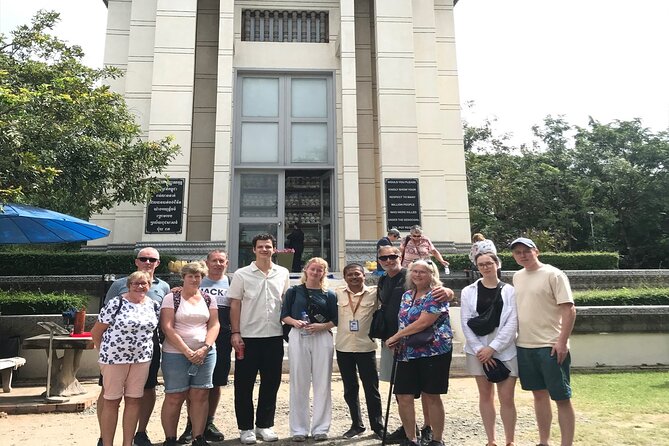
Tuol Sleng Genocide Museum, also known as S21, is the second stop and again usually takes about 2 hours. Admission is not included, so pay the $5 fee separately.
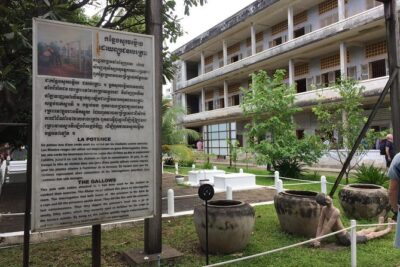
S21 is different from Choeung Ek in how it lands. Choeung Ek is about the aftermath in an outdoor setting. S21 is about what happened inside a prison system, and you feel the claustrophobia of the place through how the museum is organized and presented.
What I like about this tour format is that you reach S21 with context already in your head. Your guide will typically explain the Khmer Rouge prison process, connect Pol Pot era politics to the detentions, and remind you that the story is about real people, not just an abstract timeline. That preparation makes the museum walk more meaningful.
One possible drawback you should take seriously: the museum experience can feel fast if you want to read every detail at your own pace. Some guides balance storytelling and pacing in a way that works great, but the building has a lot of information, and groups move together. If slow reading is your thing, set a plan for how you want to spend your 2 hours. Maybe pick a few key areas to read thoroughly, then skim the rest without guilt. You are still honoring the site, and you’ll get more out of the time you have.
The Guide Makes or Breaks It: Visal, Cheath, Moon, and Baboon
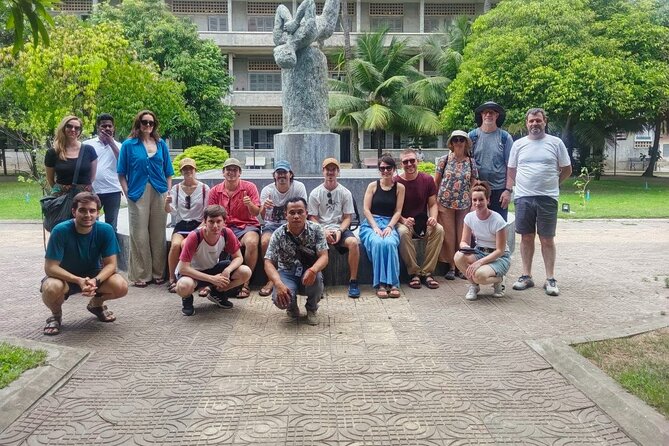
This tour earns its reputation because the guide is usually the glue. A professional English-speaking guide is included, and the best ones do two things at once: they teach the timeline clearly, then they help you manage the emotional impact.
Several guide names show up in the experience stories: Visal, Sum Cheath, Cheath, Moon, and Baboon. People often praise how organized and clear their presentations are, and how willing they are to answer questions. That matters because the Khmer Rouge era is not easy to understand on pure museum labels.
That said, this is heavy material. If you are sensitive to graphic descriptions, it is smart to mention it at the start. A good guide can adjust tone and focus on the historical picture rather than dwelling on details you might find too intense. One review complaint involved a guide giving overly explicit details, so think of your guide like a partner in the experience, not just a lecturer. You can ask for a steadier, less graphic approach.
Also, if you want to ask questions, bring them early. A few people report that question time was limited depending on the guide’s style. You will get more value if you ask your top questions before the visit gets fully underway.
Pace, Time to Look, and How to Make It Feel Personal
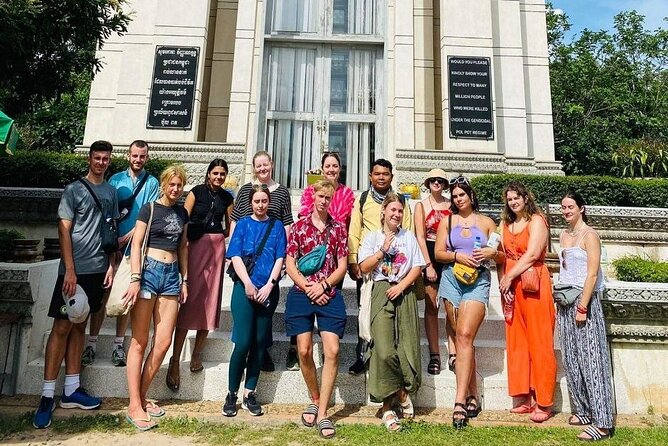
With about 4 hours total, this tour is long enough to do both major sites without turning into a full day. But it is not so long that you can wander endlessly. That is a good tradeoff for most people. The danger is treating it like a “must-see” checklist and not giving yourself breaks.
Here’s how I’d pace it:
- Before you arrive, decide what you want most: context, personal scale, or a slower reading pace.
- During the tour, use the guide for structure, then take your own time in the museum sections.
- If your group feels like it’s moving quickly, step back mentally. You still have your time inside the building.
Two other practical notes from the on-the-ground experience:
1) Bring something modest and comfortable. One account mentions attire complaints from a guide, and another notes provisions at entrances for longer wear covering. Don’t assume you can buy something last-minute. Better to show up ready.
2) Expect emotions. This is not a light stop. If you feel overwhelmed, it’s okay to pause, breathe, and then return to reading when you can.
Other Phnom Penh museum halls worth an hour

Accessibility and Comfort Details That Matter More Than You Think
This tour is set up to be workable for many visitors. The museums are described as wheelchair and stroller accessible, and service animals are allowed. Infant seats are available too, which helps if you have little ones and still want the guided structure.
The comfort side is also real. The air-conditioned vehicle and cool water are included, so you are not dealing with transport fatigue on top of emotional fatigue.
One more point: this is a group tour with a maximum size of 50. In real life, that means you can still have a personal experience if your guide manages the group well, but you should be ready to share attention and space. If you need quiet time with minimal group influence, you may feel more content choosing a slower solo plan instead. For most people, the guide and group pacing are exactly what makes this manageable.
Who Should Book This S21 and Killing Fields Tour?
Book it if you want guided interpretation plus two must-see sites in one half-day. This tour is ideal for first-time visitors who want to understand the Khmer Rouge era without getting lost in dates and names.
It also suits you if you like asking questions and getting a clear narrative. The best-rated guides are praised for organizing the tour well and sharing context in a way that stays understandable even when the subject is unbearable.
I would be more cautious if:
- You know you struggle with very heavy historical topics and might need more pacing flexibility than a group tour allows.
- You want lots of slow reading time at S21 and hate feeling rushed.
Still, even with those concerns, the guided structure is the reason this kind of tour works at all. Without context, it can feel like you are staring at facts with no storyline.
Should You Book This Tour?
If you are visiting Phnom Penh and you want to understand Cambodia’s recent history, I think this is a strong choice. You get real value at $19.20, then you only pay a small additional amount for entry fees. More importantly, the experience is guided, and that guidance is repeatedly praised for clarity, organization, and the ability to handle tough questions.
Just go in prepared for the emotional weight. Bring extra cash, wear respectful clothing, and plan to slow down where you need to. If you do that, you’ll get a far more meaningful visit than a rushed tour where you try to power through.
If your goal is to see the sites and understand them, this is the kind of tour that helps you do both.
More Tours in Phnom Penh
- Killing field and Toul Sleng genocide museum Tour★ 5.0 · 610 reviews
- Phnom Penh Full Day Private Tour Included All Admission Tickets★ 5.0 · 585 reviews
- Phnom Penh Silk Island Bike Tour/ E-Bike or Tuk Tuk★ 5.0 · 495 reviews
- Ultimate Phnom Penh Food Tour by Tuk Tuk: 20 Tastings and Drinks★ 5.0 · 409 reviews
More Tour Reviews in Phnom Penh
- Phnom Penh: Sunset Cruise with Unlimited Beers & BBQ Buffet★ 4.5 · 727 reviews
- Aroma Therapy Massage, Relaxation therapeutic aromatherapy oil massages.★ 5.0 · 645 reviews
- Killing field and Toul Sleng genocide museum Tour★ 5.0 · 610 reviews
- Phnom Penh Full Day Private Tour Included All Admission Tickets★ 5.0 · 585 reviews
Other Guided Visits to the Memorial Sites
- Killing field and Toul Sleng genocide museum Tour★ 5.0 · 610 reviews
- Visit 11 Places in One Day including S21 & Killing Field★ 5.0 · 361 reviews
- Half Day Tuol Sleng S21 and Choeung Ek Killing Field Tour★ 5.0 · 228 reviews
- Killing Fields and Prison S21 Bus Tour★ 4.0 · 206 reviews
Newly written up around Phnom Penh
- Private Transfer From or to Phnom Penh <=> Sihanoukville
★ 5.0 · 3 reviews - Prasith and Reap Temples Private Day Trip from Phnom Penh
★ 4.5 · 3 reviews - Phnom Penh Full Day Private Tour By Tuk Tuk or Taxi Car
★ 5.0 · 3 reviews - Private Transfer From Phnom Penh To Sihanoukville
★ 5.0 · 3 reviews - Phnom Penh Private Pick-Up: Techo International Airport ( KTI )
★ 5.0 · 3 reviews - Island Community Life in Phnom Penh
★ 4.5 · 3 reviews
Killing Fields & Genocide Memorial Tours, side by side.
 ★ 5.0Killing field and Toul Sleng genocide museum TourFrom $19610 reviews
 ★ 5.0Visit 11 Places in One Day including S21 & Killing FieldFrom $30361 reviews
 ★ 5.0Afternoon tour by tuk tuk to bamboo train,bat cave,killing cave,countryside.From $15344 reviews
 ★ 5.0Half Day Tuol Sleng S21 and Choeung Ek Killing Field TourFrom $35228 reviews
 ★ 4.0Killing Fields and Prison S21 Bus TourFrom $15206 reviews
 ★ 5.0Bamboo Train, Bat Cave, Killing Cave by Tuk Tuk182 reviews
 ★ 5.0Private Half Day To Killing Field & S21 Genocidal Museum in Phnom PenhFrom $130137 reviews
 ★ 5.0Tuol Sleng Genocide Museum (S-21) and Choeung Ek Killing Fields TourFrom $19123 reviews
Also appears in