
REVIEW · ANGKOR
3-Days Private Angkor Wat Sunrise/Sunset Tours & Floating Village
Angkor feels less like a contest when it is private. This 3-day route from Siem Reap gives you a sunrise morning at Angkor Wat and photo help from a photographer guide, without trying to cram everything into one exhausting day. The only real catch is budget, since several major temple admissions are not included in the tour price.
What makes this tour work so well is the pacing. Instead of sprinting through the “big hits,” you get time to take in the carvings, read the place with a guide, and revisit key areas with better light and fewer photo headaches. You also move in a private air-conditioned SUV or minivan with hotel pickup and drop-off, plus cold waters and wipes to keep the day feeling human.
Here is the practical thing to know up front: you will still pay for key site tickets separately, so check your totals before you commit. If you do that math early, this is a strong value way to see Angkor with comfort and real attention.
In This Review
- Key Things to Know Before You Go
- The Real Appeal: Private Time, Not Temple Treadmill Mode
- Getting Oriented With Angkor Wat on Day 1
- Ta Prohm: The Jungle-Overgrown Temple People Love for a Reason
- Angkor Thom Core Stops: Bayon, Baphuon, and the Terraces
- Phnom Bakheng Sunset: A Classic View With a Long Day Behind You
- Day 2: Preah Khan and the Temple Circuit Beyond the Main Hits
- The Craftsmanship Break: Why Banteay Srei Feels Different
- Day 3: Sunrise at Angkor Wat, Then Beng Mealea and Kampong Phluk
- Photo Tips and How a Historian-Photographer Guide Helps
- Price and Value: What $370 Covers, and What You Still Pay
- Practical Details That Affect Your Comfort
- Who This Private Tour Is Best For
- Should You Book This 3-Day Private Angkor Tour?
- FAQ
- What time does the tour start?
- Is hotel pickup and drop-off included?
- Are temple and site admission fees included in the $370 price?
- How much are the entrance fees for the main sites?
- Is sunrise and sunset included?
- Is this a private tour?
- What dress code should I follow for temple visits?
- What happens if the weather is bad or I need to cancel?
Key Things to Know Before You Go
- 3-day rhythm means you see the main complex across different times of day, not just one rushed loop
- Historian plus photographer guide helps with both context and picture timing
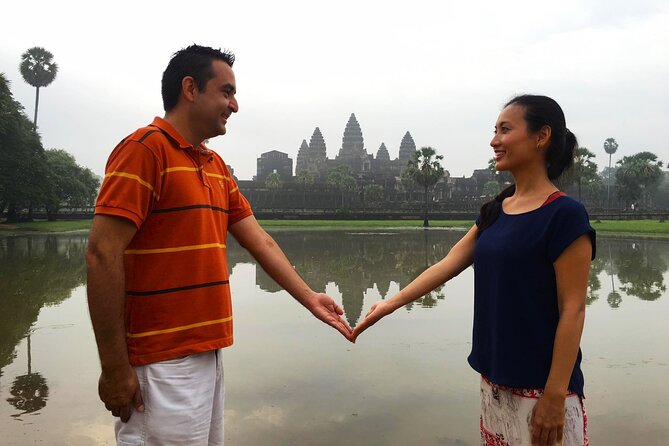
- Sunrise at Angkor Wat and sunset viewing from Phnom Bakheng give you two classic light moments
- Beng Mealea includes a more “Indiana Jones” jungle-ruin feel, with lots of room to explore on your own pace
- Kampong Phluk floating village is included with admission, so you avoid one extra line item
- Up to 12 people total keeps it private while still allowing a group of friends or a family to travel together
The Real Appeal: Private Time, Not Temple Treadmill Mode
Angkor can feel like a giant photoshoot with a crowd attached. This tour is built to avoid that problem. You travel as a private group in a comfortable vehicle with pickup and drop-off at your hotel, and you get a guide who focuses on both story and imagery. That combination matters, because Angkor is not just “old stones.” It is a living museum of design choices, religious symbolism, and urban engineering.
I especially like the idea of three days because it changes how the temples land in your mind. When you only see Angkor Wat once, you remember the scene but miss the logic. With multiple mornings and afternoons, you can connect details like doorways, bas-reliefs, and layout cues to the bigger picture the guide is explaining.
Another reason this feels better is the “two light sessions” plan. You get the iconic early hours at Angkor Wat, and you also get a sunset viewpoint at Phnom Bakheng. Different light means different textures in the carvings, and it helps your photos look less like everyone else’s.
The last big practical win is that you do not have to worry about driving. Your route includes gasoline, parking, and toll roads, so the day runs on schedule without you coordinating anything beyond being ready at pickup.
Getting Oriented With Angkor Wat on Day 1
Day 1 starts with Angkor Wat, and the first thing to appreciate is the mindset. Instead of arriving only to “check the box,” you are doing a guided visit that sets the stage for the rest of the complex. The tour time listed is about 3 hours at Angkor Wat, long enough for you to wander the key areas, notice recurring carving themes, and get your bearings.
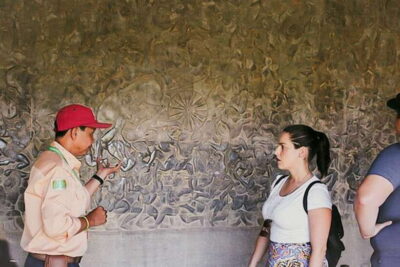
Angkor Wat is also the best place to learn how the site is organized. As you walk, your guide can point out what you are looking at and why it is placed where it is. That turns a big, iconic monument into something you can actually read.
One important budget note: Angkor Wat is part of the broader 3-day Angkor Park admission ticket, and that admission is not included in the tour price. You will buy it during pickup time, so keep your eyes on what the ticket covers.
Other ways to be at the temples before the light comes up
- Angkor Wat Sunrise or Sunset Tour with Guide from Siem Reap★ 5.0 · 12,109 reviews
- Siem Reap: Angkor Wat: Small-Group Sunrise or Sunset Tour★ 5.0 · 9,444 reviews
- Siem Reap: Angkor Wat 2-Day Tour with Sunrise and Sunset★ 4.9 · 4,429 reviews
- Angkor Wat Sunrise tour with Small – Group and Guide tours★ 5.0 · 3,655 reviews
Ta Prohm: The Jungle-Overgrown Temple People Love for a Reason
After Angkor Wat, you head to Ta Prohm for about 1 hour. This is the famous jungle-overgrown temple most people associate with the Hollywood version of Angkor. Even if you have seen images before, you feel the mood shift here.
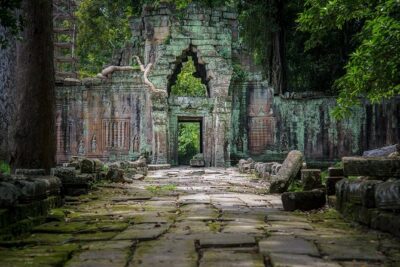
Ta Prohm works because the setting is part of the story. Roots, vines, and broken stones change the texture of the place. It is a great stop for close-up photos too, because you can frame carvings and architecture against natural forms.
Practical tip: Ta Prohm can feel busy, but moving with a private group and a photo-ready guide helps you choose moments to pause, not just pass through.
Angkor Thom Core Stops: Bayon, Baphuon, and the Terraces
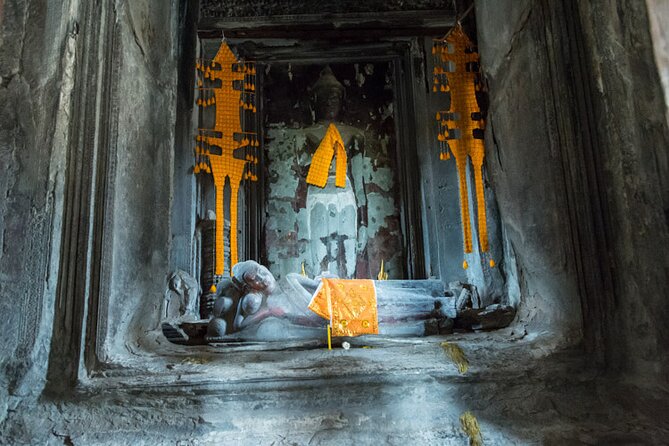
Then you transition to Angkor Thom and spend time inside the city core. The tour groups several stops together, which is smart because these locations are close enough that you can move efficiently without losing your flow.
Here is what you get:
- South Gate (about 15 minutes): You enter through a gate with demon and god figures tugging at a seven-headed serpent theme, plus the huge stone faces that define the look of this area.
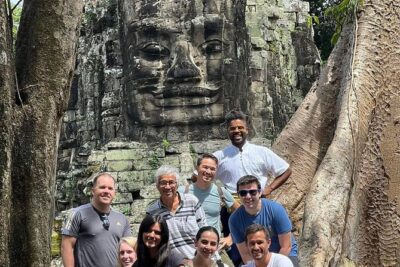
- Bayon Temple (about 45 minutes): The many smiling Buddha faces (over 200) give you a sense of direction because they seem to watch from every angle.
- Baphuon Temple (about 45 minutes): This one adds a different kind of presence, including the reclining Buddha carving at the back of the temple area and the calmer, more “serene at the top” feeling once you climb.
- Terrace of the Elephants (about 30 minutes): This is where the bas-reliefs show scenes like elephant processions and other ceremonial action.
- Terrace of the Leper King (about 20 minutes): Smaller in time, but striking in detail, with the nine-headed serpent imagery and a well-known statue detail that locals associate with the site name.
Why this block is valuable is simple: these are not just separate temples. They are different sections of one urban and religious plan. When you can stay within the area across multiple stops, your guide can help you “see connections” instead of treating each location like a separate stop on a checklist.
Phnom Bakheng Sunset: A Classic View With a Long Day Behind You
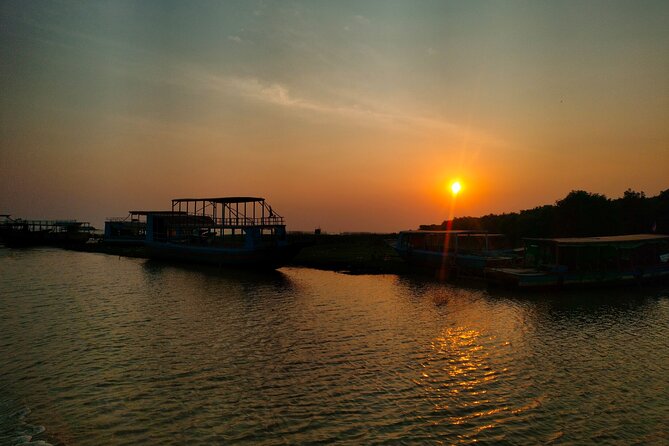
Day 1 ends at Phnom Bakheng with about 1 hour on site, and the big payoff is the sunset viewing from the viewpoint. This is one of those places where timing matters more than you might think. The view over Angkor Wat and surrounding attractions tends to look best when the sky is turning and the stone tones soften.
This is also where a private format earns points. After a full day inside Angkor Thom and beyond, you do not want to be chasing a schedule with strangers. You want to settle in, take a few photos, and actually watch the light shift.
The only consideration here is stamina. This is not a “sit in a bus and be delivered to temples” kind of tour. You should be ready for lots of walking and uneven surfaces.
Day 2: Preah Khan and the Temple Circuit Beyond the Main Hits
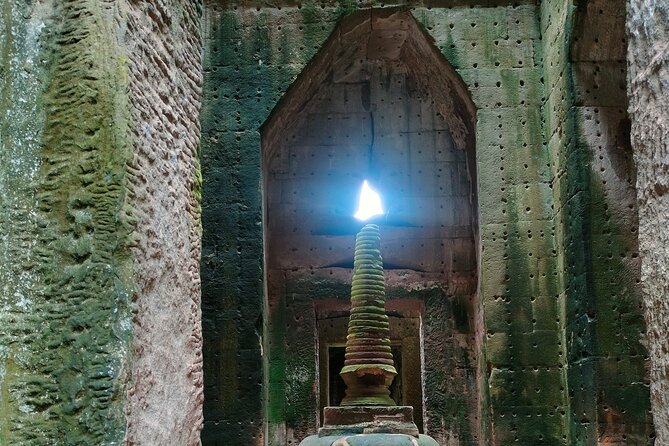
Day 2 is where Angkor starts to feel broader and less like a greatest-hits album. You still see major sites, but the variety leans more Buddhist and includes temple designs that feel different from Angkor Wat and Bayon.
You begin at Preah Khan (about 1 hour). It is a massive temple dedicated to the king father, and it still has an overgrown, vegetation-heavy atmosphere. It feels older and more lived in by nature than some of the more “open” stone complexes.
Next is Neak Pean (about 50 minutes). This stop has a specific character: it is associated with an ancient hospital idea, using holy water for healing. You also cross a long wooden bridge to reach it, which makes the arrival feel like a little journey instead of a quick photo stop.
Then you go to Ta Som (about 40 minutes). This temple is known for the four Buddha faces and the overgrown tree feature at the east gate area. It is the kind of place where your guide can point out details that you would otherwise miss when you are just trying to take in everything at once.
From there, the tour moves to Eastern Mebon (about 45 minutes). It is an island temple that is now tied to a landscape that has changed over time, with standing elephant statues in the mix. Even if you never fully picture the island setting from today, the architectural intention is clear enough once you look at the site as a former water-bound structure.
You then visit Pre Rup (about 50 minutes). It is a mid ten century clay brick temple dedicated to Shiva, and it offers viewpoints from the top with five spires still standing. This is a nice “rest your legs and then climb” balance, especially after a day with more scattered terrain.
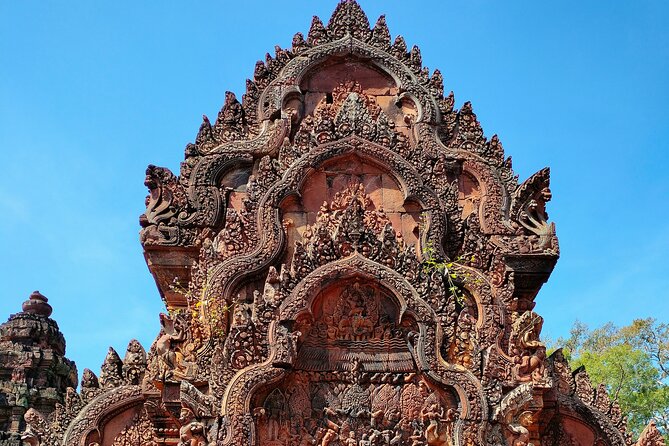
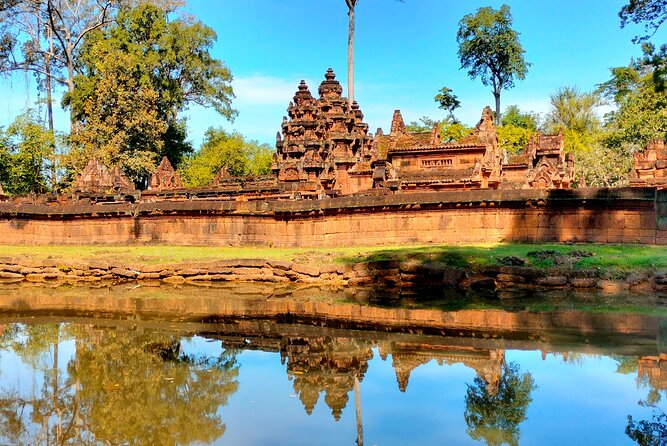
Finally, you reach Banteay Srei (about 2 hours), including a 40-minute drive each way plus about 50 minutes exploring. This stop is famous for its intricate carvings and the pink sandstone look. It also feels more intimate because it is smaller than the headline temples, so you can focus on craftsmanship rather than scale.
More time on the lake, other boats
The Craftsmanship Break: Why Banteay Srei Feels Different
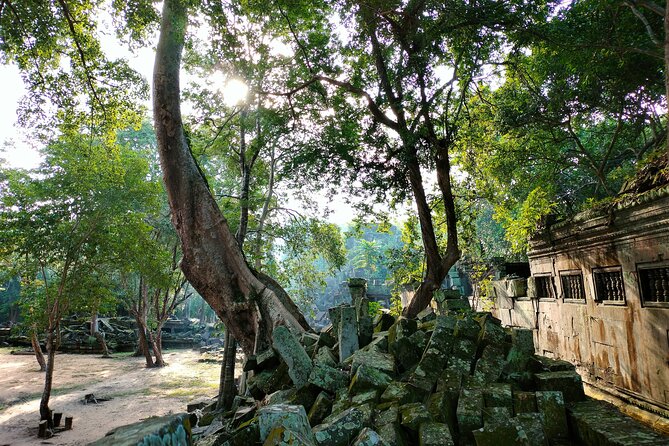
I like how the route handles variety on Day 2. Big temples can blur together if you do not slow down. By the time you get to Banteay Srei, you are ready for something more detailed and delicate.
This is also a good day to pay attention to the way carvers treated surfaces. You can see patterns, motifs, and how different temples emphasize different stories. If you only saw Angkor Wat and called it a day, you would miss this texture.
And yes, the drive time counts. It is part of the cost of seeing the best spread of Angkor beyond the immediate core.
Day 3: Sunrise at Angkor Wat, Then Beng Mealea and Kampong Phluk
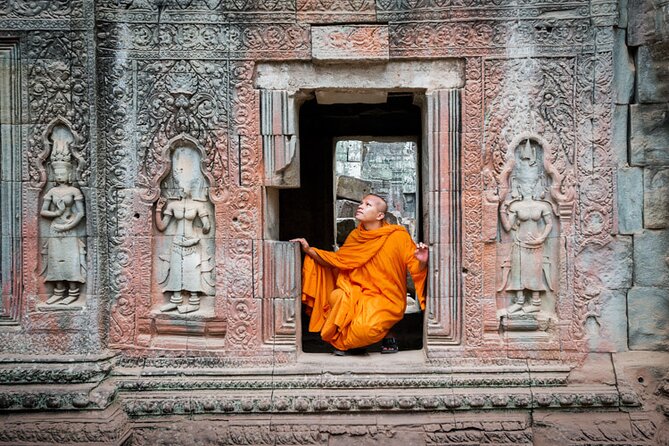
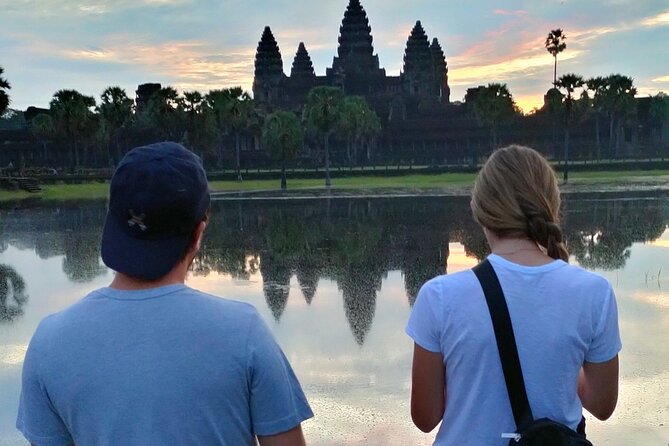
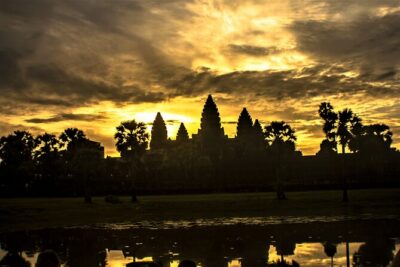
Day 3 gives you the second big light moment: early morning at Angkor Wat for sunrise. The tour time listed is about 2 hours. Sunrise here is all about atmosphere and photo possibilities. Even if you have seen Angkor Wat a dozen times in photos, the early light changes the way the temple colors read.
This is also where having a guide who is thinking about photos helps. You are not just waiting for the sky to do its thing, you are learning where to stand, what angles work, and how to keep your framing from getting swallowed by crowds.
After sunrise, you head to Prasat Beng Mealea (about 3 hours). Beng Mealea is described as a jungle temple about 68 km away that remains mostly untouched, with rubbles and vines. The experience here is less about structured sight lines and more about roaming. That is why people often compare it to an adventure vibe. You will likely feel like you are exploring rather than touring.
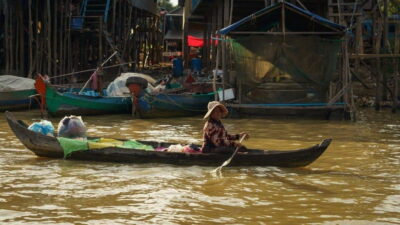
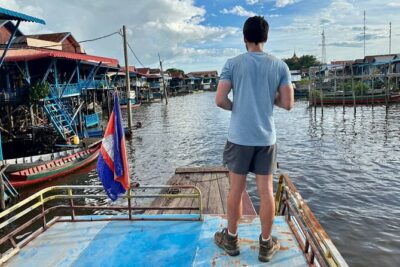
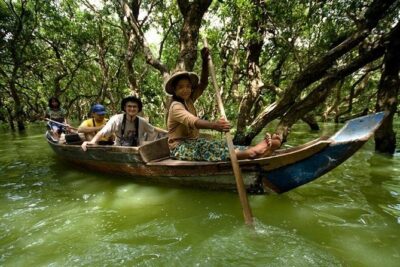
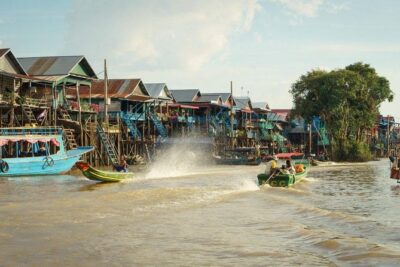
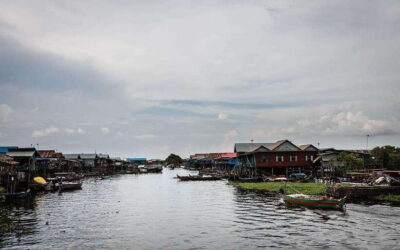
Then you finish with Kampong Phluk Floating Village for about 3 hours, and this one includes admission. It sits on the bank of the Great Tonle Sap lake and is known as a fishing and floating community, with pagoda, schools, rice fields, cattle, mangrove forests, and the overall rhythm of village life shaped by water levels.
A helpful way to think about this stop: it is a change of pace after stone temples. It shows you that Angkor is not just about the past. The region still lives around water systems and seasonal change.
Photo Tips and How a Historian-Photographer Guide Helps
One of the most consistently praised parts of this style of tour is the guide support for getting better photos. In practice, that means they help you avoid common frustration, like standing in the wrong place when the light hits, or framing carvings without showing their context.
It is also the history that makes photos better. When you understand what you are photographing, you do not just capture an image. You capture the meaning. That is how you end up with pictures you actually want to look at later.
Also, the private format matters here. You can pause when the light is right. You can take a few extra minutes when you notice a detail the guide points out. And if your group moves slower than expected, the schedule still feels manageable because it is not built around turning a bus full of people at each stop.
Price and Value: What $370 Covers, and What You Still Pay
The tour price is $370 per group, up to 12 people. That structure can be very good value if you are traveling with family or friends and can actually fill the vehicle with your group.
Here is a simple way to estimate value, using only the numbers provided:
- If you book the full 12-person capacity, the base tour cost works out to about $30.83 per person, before any admission fees.
- If you have a smaller group, the per-person tour cost rises, but you still get a private SUV or minivan, a historian and photographer guide, cold waters and wipes, and hotel pickup and drop-off.
Now add the mandatory ticket costs you need to budget separately:
- Angkor Park 3-day admission: $50 per person
- Beng Mealea entrance: $12 per person
- Kampong Phluk entrance: $20 per person
So, tickets total $82 per person. Kampong Phluk admission is included on the Day 3 stop, but the listed price item is still the amount you should have in mind for your planning totals.
In other words, your “all-in” cost is roughly the tour base share per person plus $82 in admission fees. If your group size is strong, this is one of the more cost-friendly ways to get a private guide over multiple temple days.
Practical Details That Affect Your Comfort
Two small things can make a big difference.
First, you should plan for real walking. Even when the itinerary times look reasonable on paper, Angkor sites involve uneven surfaces and lots of stair steps at some temples.
Second, stick to the dress rules. The tour notes request formal or smart casual dress, and for worship places and selected museums you need shoulders and knees covered. No shorts or sleeveless tops for men or women. If you show up out of compliance, you risk being refused entry.
Bring sun protection too, even though the tour includes cold waters and wipes. The days at Angkor can still feel bright and hot, and you will be moving between multiple stops.
Who This Private Tour Is Best For
This is a great match if you want:
- a private experience with only your group participating
- a photo-forward guide who helps you time shots and frame details
- a slower Angkor approach with three days so key temples feel less overwhelming
It is also ideal if you like learning while you walk, since your guide works as a historian and photographer, not just a driver who points.
If you prefer a purely self-guided trip with zero structure, you might find you do not need this level of guiding. But if you care about understanding what you are seeing and getting better photos without stress, this format does a lot of things right.
Should You Book This 3-Day Private Angkor Tour?
I think you should book if your top priorities are (1) sunrise and sunset light, (2) a guide who can explain the temples while also helping you take better pictures, and (3) spreading Angkor across three days so you are not physically destroyed by Day 1.
You might hold off if you do not want to handle ticket budgeting for Angkor Park, Beng Mealea, and Kampong Phluk on top of the group price. Once you accept those extra admissions are part of the real cost, the tour starts to look like strong value for a private, multi-day plan.
If you do decide to go, I recommend booking ahead. This one is typically reserved about 104 days in advance, which is a sign that many people plan early for the best timing.
FAQ
What time does the tour start?
Pickup begins at 8:30 am, with the Day 1 plan starting from your hotel lobby.
Is hotel pickup and drop-off included?
Yes. The tour includes hotel pickup and drop-off.
Are temple and site admission fees included in the $370 price?
No. Admission fees are not included for the 3-day Angkor Park ticket, Beng Mealea, or Angkor Wat sunrise. Those need separate payment as listed.
How much are the entrance fees for the main sites?
The 3-day Angkor Park admission is $50 per person, Beng Mealea entrance is $12 per person, and Kampong Phluk entrance is $20 per person.
Is sunrise and sunset included?
Yes. You have sunrise at Angkor Wat on Day 3, and you also go to Phnom Bakheng for sunset viewing on Day 1.
Is this a private tour?
Yes. It is a private tour/activity, and only your group participates. The tour price is per group up to 12 people.
What dress code should I follow for temple visits?
For places of worship and selected museums, shoulders and knees must be covered. No shorts or sleeveless tops. Dress codes are listed as formal or smart casual.
What happens if the weather is bad or I need to cancel?
The tour requires good weather. If it is canceled due to poor weather, you are offered a different date or a full refund. You can cancel for a full refund up to 24 hours in advance of the experience start time.
More Tour Reviews in Siem Reap
- Angkor Wat Sunrise or Sunset Tour with Guide from Siem Reap★ 5.0 · 12,109 reviews
- Siem Reap: Angkor Wat: Small-Group Sunrise or Sunset Tour★ 5.0 · 9,444 reviews
- From Siem Reap: Kampong Phluk Floating Village Tour by Boat★ 4.9 · 6,979 reviews
- Siem Reap: Angkor Wat 2-Day Tour with Sunrise and Sunset★ 4.9 · 4,429 reviews
More Hours Out on the Tonle Sap
- From Siem Reap: Kampong Phluk Floating Village Tour by Boat★ 4.9 · 6,979 reviews
- Kompong Phluk Floating Village Half-Day Tour ( Morning / Sunset )★ 5.0 · 1,494 reviews
- Siem Reap: Kulen Mountain, Beng Mealea and Tonle Sap Tour★ 5.0 · 1,483 reviews
- Tonle Sap Lake & Kampong Phluk Village Half-Day Tour★ 5.0 · 1,045 reviews
Sunrise at Angkor, Three More Ways
- Angkor Wat Sunrise or Sunset Tour with Guide from Siem Reap★ 5.0 · 12,109 reviews
- Siem Reap: Angkor Wat: Small-Group Sunrise or Sunset Tour★ 5.0 · 9,444 reviews
- Siem Reap: Angkor Wat 2-Day Tour with Sunrise and Sunset★ 4.9 · 4,429 reviews
- Angkor Wat Sunrise tour with Small – Group and Guide tours★ 5.0 · 3,655 reviews
Newly written up around Siem Reap
- Waterfall & River of 1000 Siva Linga- Kulen Mountain Private Tour
★ 5.0 · 3 reviews - Private Transfer from Siem Reap to Sihanoukville
★ 4.5 · 3 reviews - Private Tour to Koh Ker and Beng Mealea
★ 5.0 · 3 reviews - Private Transfer: Siem Reap Angkor Internation Airport to Hotel
★ 5.0 · 3 reviews - Kulen National Park Ticket -Waterfall & 1000 Lingas
★ 5.0 · 3 reviews - Kulen Waterfall & Kbal Spean Tour
★ 5.0 · 3 reviews
Angkor Wat Sunrise Tours, side by side.
 ★ 5.0Angkor Wat Sunrise or Sunset Tour with Guide from Siem ReapFrom $1812,109 reviews
 ★ 5.0Angkor Wat: Small-Group Sunrise or Sunset TourFrom $159,444 reviews
 ★ 4.9Angkor Wat 2-Day Tour with Sunrise and SunsetFrom $344,429 reviews
 ★ 5.0Angkor Wat Sunrise tour with Small – Group and Guide toursFrom $143,655 reviews
 ★ 5.0Angkor Wat Highlights and Sunrise Guided Tour from Siem ReapFrom $233,213 reviews
 ★ 5.0Full-Day Angkor Wat Sunrise Private Tour with Guide from Siem ReapFrom $602,920 reviews
 ★ 5.0Angkor Wat Sunrise & 3 Main Temples with Breakfast – Small GroupFrom $152,857 reviews
 ★ 4.9Angkor Wat Sunrise and Full-Day Sightseeing TourFrom $142,828 reviews