
REVIEW · ANGKOR
Siem Reap: Angkor Wat 2-Day Tour with Sunrise and Sunset
Skip the line, hit the temples early. This Siem Reap experience pairs an Angkor Wat sunrise morning with a temple sunset finish, and it turns the ruins into a story you can actually follow. You get an English-speaking guide on two separate routes, built around the best light and the best pacing.
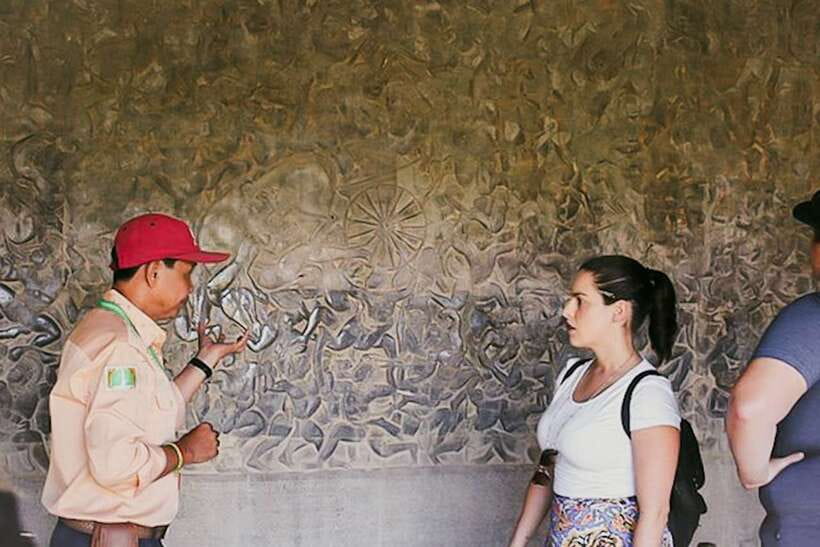
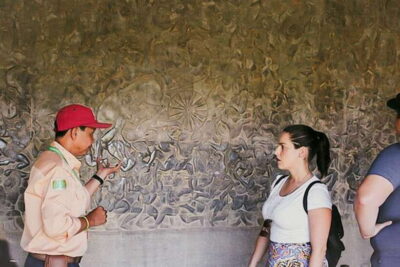
What I liked most is how the tour balances big icons with “wait, look at that” details. I love the way guides like Sary, Sayon, Sok, Sam, and Pheap (depending on your departure) connect the stones to Khmer empire life, so you understand why the temples look the way they do. I also really appreciate the practical comfort, air-conditioned transport, chilled bottled water, and wipe towels during the long, hot walking stretches.
The main drawback is simple: it’s a long two days, and the heat is real. Day 1 starts at 4:30am, and meals are not included, so you’ll want to plan for tired feet and buy food during the scheduled breaks.
In This Review
- Key highlights you’ll feel right away
- Entering Angkor Wat with the right timing
- Price and value: what your $34 really covers
- Day 1 (4:30am to 1:00pm): sunrise energy and the quieter start
- Angkor Wat at dawn
- Ta Prohm: the jungle temple with film-level drama
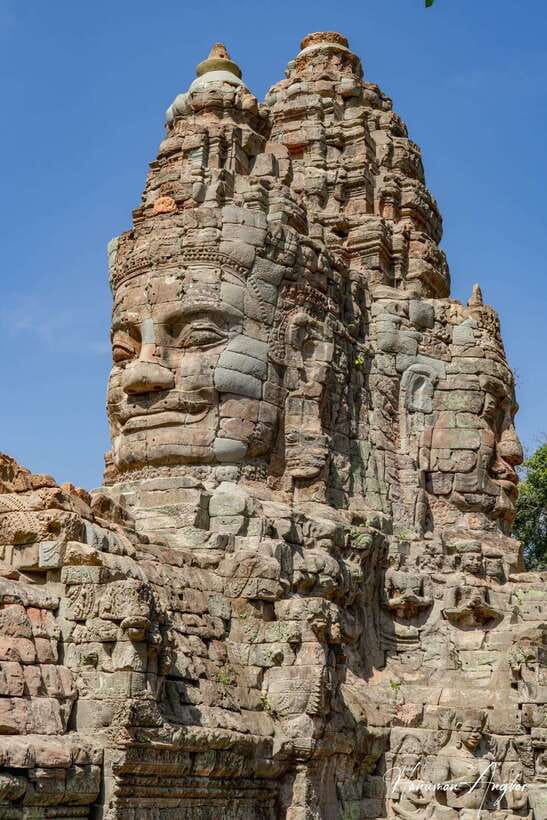
- Angkor Thom and Bayon: the smiling faces and a religious twist
- Ta Keo: climbing a mountain temple
- South Gate: gods and demons, plus the naga bridge
- Day 2 (10:30am to 7:00pm): the bigger loop and the temple variety that surprises you
- Preah Khan: the biggest temple on the loop
- Neak Pean: the health and bathing theme
- Ta Som: the big tree and the dancer sculptures
- East Mebon: ancestral purpose in an older reservoir setting
- Pre Rup: a king’s self-built monument and the “coffin” meditation structure
- Phnom Bakheang: 33 towers and a sky math lesson
- Your guide matters more than you think
- How to stay comfortable on two hot temple days
- Who should book this, and who should skip it
- Should you book this Angkor Wat 2-day sunrise and sunset tour?
Key highlights you’ll feel right away
- A true sunrise and sunset schedule that helps you see the most famous spots at their best light
- 11 temples on two loops, so you do the essentials without hopping randomly across the park
- Storytelling that explains meaning, like Bayon’s smiling faces and Ta Prohm’s jungle setting
- Early-arrival crowd help, especially on Day 1 when you go before the biggest surges
- Heat management that actually helps, with cold water and wipe towels during stops
- Built to match a 3-day temple pass, so Day 3 can be a revisit or a chill tuk-tuk day
Entering Angkor Wat with the right timing
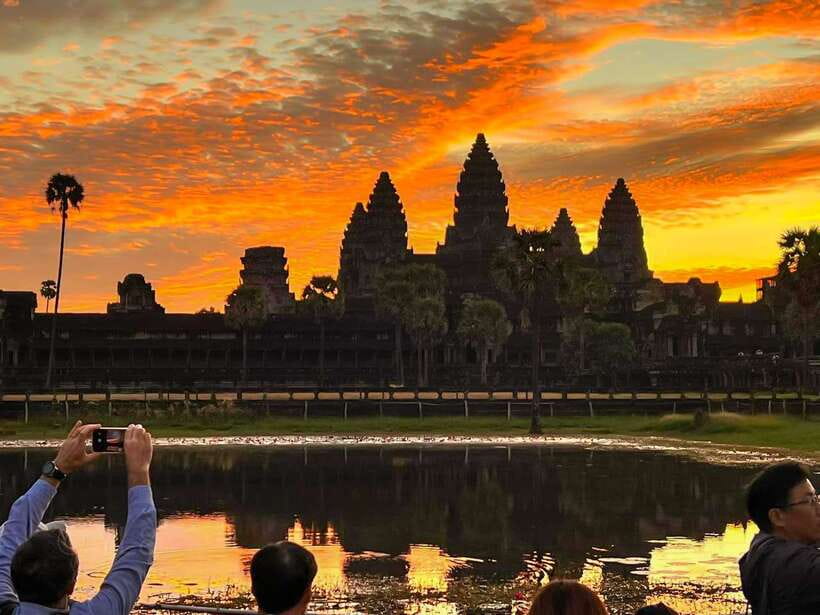
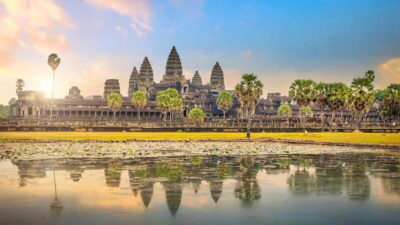
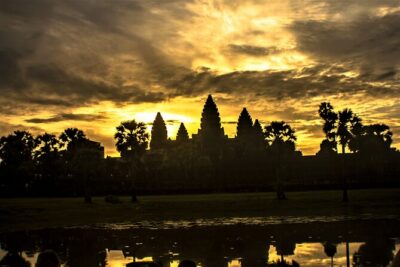
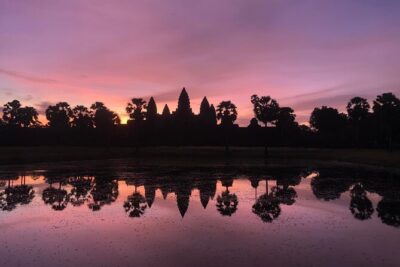
This is the kind of tour that respects how Angkor changes over the day. Day 1 is built around the Angkor Wat sunrise window, when the air is cooler and the temple silhouette looks almost unreal. Day 2 saves the more expansive daytime circuit, then lands you back near sunset when the sky and stone take on a different mood.
I like that you do not have to guess where to stand or when to move. The guide handles the flow, which matters because Angkor is not one place. It is a cluster of different temple styles, religious shifts, and architectural experiments across centuries.
If you only do one day, you tend to rush. If you do two, you start to feel patterns, like how kings used temple building to broadcast power, belief, and legitimacy.
Price and value: what your $34 really covers
At $34 per person for 2 days, the value comes from three things: transport, an English guide, and a structured temple route that hits 11 stops. You get hotel pickup and drop-off, an air-conditioned minibus, and bottled water plus wipe towels during the day. That combination sounds basic, but it makes a huge difference when you are walking in heat and shifting between areas.
One key detail: the temple entry ticket is not included. You must buy the Angkor Archaeological Park entry ticket yourself, either online through the official government site or at the ticket office after your guide collects you from your accommodation.
Also note what is missing: meals. The schedule includes rest and food breaks as the day progresses, but you are responsible for lunch or snacks.
So the real “cost” is not just money. It’s early mornings, sun exposure, and paying for your own meals. If you accept that trade-off, the structure is a smart way to see the most important Angkor highlights without turning your trip into logistics.
Other ways to be at the temples before the light comes up
- Angkor Wat Sunrise or Sunset Tour with Guide from Siem Reap★ 5.0 · 12,109 reviews
- Siem Reap: Angkor Wat: Small-Group Sunrise or Sunset Tour★ 5.0 · 9,444 reviews
- Siem Reap: Angkor Wat 2-Day Tour with Sunrise and Sunset★ 4.9 · 4,429 reviews
- Angkor Wat Sunrise tour with Small – Group and Guide tours★ 5.0 · 3,655 reviews
Day 1 (4:30am to 1:00pm): sunrise energy and the quieter start
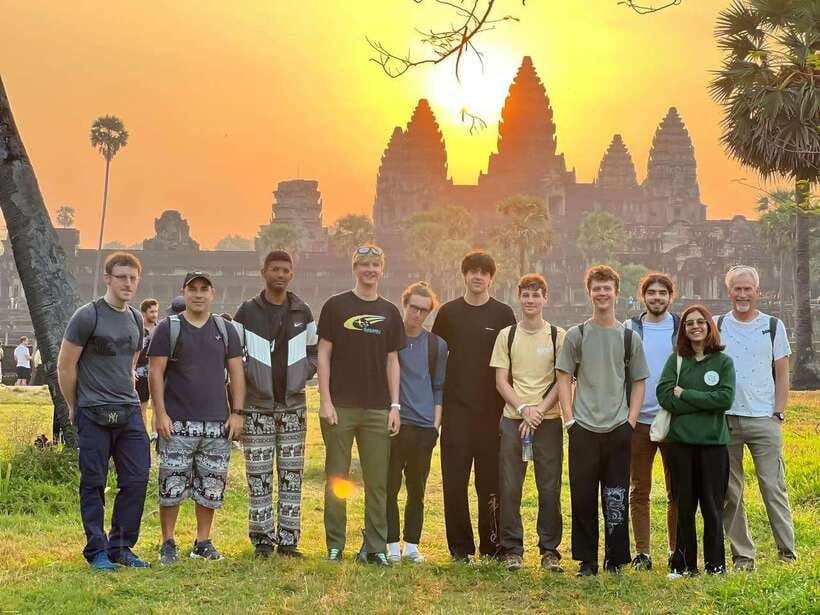
Day 1 is the small-group sunrise route. You start very early, and that’s the point. Angkor Wat is not just famous, it’s famous for a reason, and morning light makes the experience feel calmer and more cinematic than midday crowds.
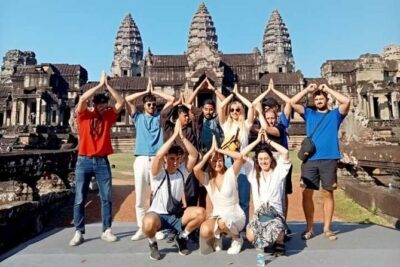
Your early timing also helps with photo spots. You get guidance on where to stand as the sun rises, and guides often take group photos during key stops. You end up with more than just snapshots, you get a sense of how to look at the temple details.
Angkor Wat at dawn
Angkor Wat is UNESCO-listed and still looks powerful even under the rising sun. The guide uses the early hours to frame what you are looking at, not just where to walk next. Expect a lot of “this is why it was built” context, including how Khmer rulers expressed belief through architecture.
Ta Prohm: the jungle temple with film-level drama
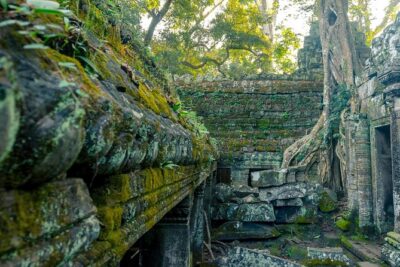
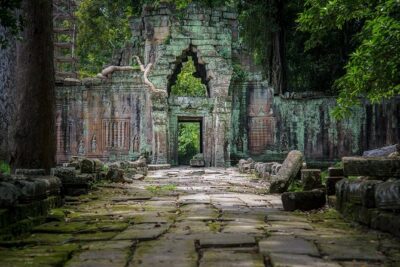
After sunrise, you shift to Ta Prohm, the jungle temple that has a pop-culture footprint from Tomb Raider. What I like about this stop on this particular day is the early arrival rhythm. You get there before some larger tour waves, which means you can enjoy the dramatic root-and-stone look without feeling like you are constantly waiting for people to move.
Look closely at doorways, carved figures, and the way the setting changes how the temple reads. With the guide’s explanations, the ruin turns from a backdrop into evidence of how Angkor buildings were adapted and reclaimed over time.
Angkor Thom and Bayon: the smiling faces and a religious twist
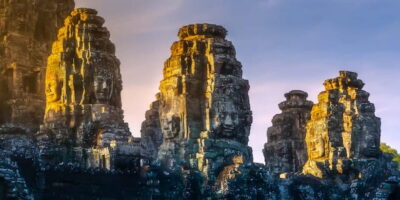
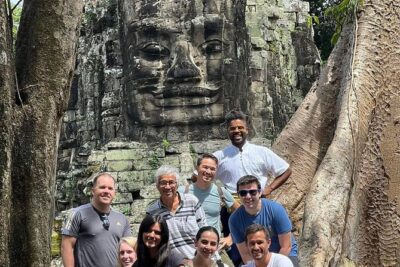
Next comes Angkor Thom and Bayon, famous for the large smiling faces. This is one of those stops where you can easily get lost in the visual overload. The guide helps you organize it, so you notice the placement and symbolism instead of just staring.
Bayon is also described as the only Buddhist state temple and the last to be built in the Angkor empire, constructed during Jayavarman VII’s reign. That kind of timeline context changes how you see the same carvings and arrangement, because you understand the shift in religious focus.
More of Siem Reap after dark
Ta Keo: climbing a mountain temple
Ta Keo is a mountain temple from the 10th century, and you walk up. This is one of the best “feel it in your legs” stops. When you climb, you really understand what builders meant by elevation and arrival.
The guide’s pacing matters here. You’re in sun again, and stairs can be slow if you pause to look. Still, it’s worth it because Ta Keo feels like stepping between ancient and modern senses of time.
South Gate: gods and demons, plus the naga bridge
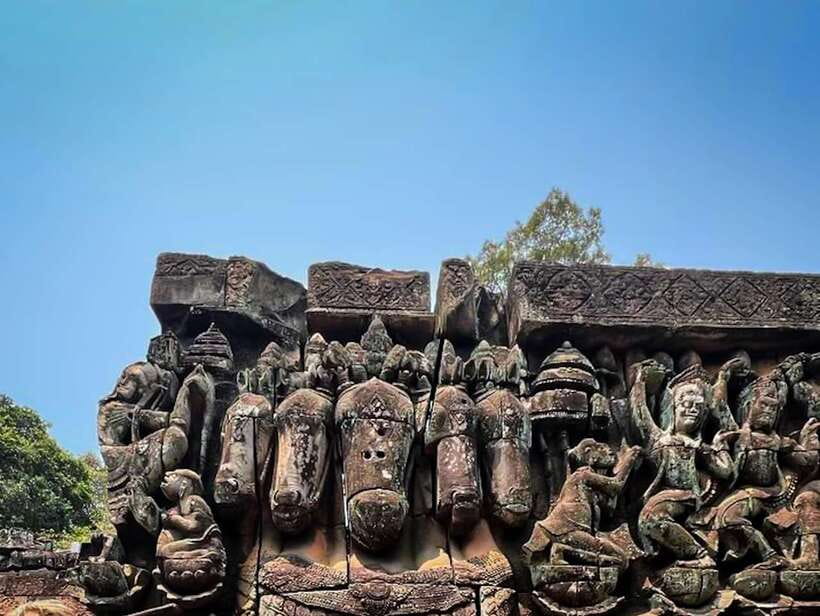
Day 1 ends with the South Gate of Angkor Thom. This is where the famous bridge of statues of gods and demons comes into view, along with two rows of figures carrying a seven-headed naga.
It’s not just decorative. The guide connects the carvings to myth and royal storytelling, which is how you get more than a quick photo. By the time you finish here, you understand that Angkor is packed with “visual arguments” for belief and power.
Day 2 (10:30am to 7:00pm): the bigger loop and the temple variety that surprises you
Day 2 starts later, which is a mercy after a sunrise wake-up. The big tour route is where you see the broader Angkor temple variety, including water-focused structures and temples built for specific royal relationships.
This day also tends to feel less like a race. With the guide’s pacing, you can appreciate the differences between each temple style. It’s also the day when you may get some spots with fewer crowds compared to the most central rush points.
Preah Khan: the biggest temple on the loop
Preah Khan sits at the center of this day’s circuit and is described as the biggest temple on the loop. The guide frames it as a major statement built for royal family and political memory.
This is one of those temples where the scale makes you slow down automatically. There’s more to look at than you can take in during a quick stop, so the guide’s explanation helps you prioritize.
Neak Pean: the health and bathing theme
Neak Pean is tied to water, with the water around the island temple used for bathing and health in the Angkor period. If you’re the type who likes why a place was designed beyond looks, this stop is a good match.
Instead of treating it like another ruin, the guide positions it as part of a practical spiritual system, where water and ritual connected.
Ta Som: the big tree and the dancer sculptures
Ta Som features a distinctive big tree over the east gate. You also see sculptures of dancers with long hair, and it’s described as built for the king’s sister.
This stop is special because it’s a shift in mood. It’s not only war and royalty vibes. It feels more human and artistic, and the guide’s notes help you notice the creative details instead of just the brickwork.
East Mebon: ancestral purpose in an older reservoir setting
East Mebon is built for ancestors and is described as early 10th century, originally placed in the middle of a reservoir. When you hear that before you look around, you start imagining the original setting, not just the current ruin.
A good guide helps you see how the layout supports the intended meaning. Without that, it can feel like you’re walking through stone piles. With context, it feels like a planned stage.
Pre Rup: a king’s self-built monument and the “coffin” meditation structure
Pre Rup is one of the stops where misconceptions can mess with your enjoyment. It’s often mistaken for a crematorium, but it’s described as a stone structure similar to a coffin used by Hindus to meditate within at full moon.
That’s a fascinating detail, because it turns the temple from a grim look into something devotional and timed to the moon. The guide helps you hold both the architecture and the belief in your head at the same time.
Phnom Bakheang: 33 towers and a sky math lesson
Finally, you reach Phnom Bakheang on top of a hill. It’s described as having 33 towers representing the heavens, with a lesson that life on earth is to be lived.
This ending ties the day together. Even if you are tired, the viewpoint helps you see Angkor as a system, not just separate temples. Sunset here is the kind of finale that makes early starts feel worth it.
Your guide matters more than you think
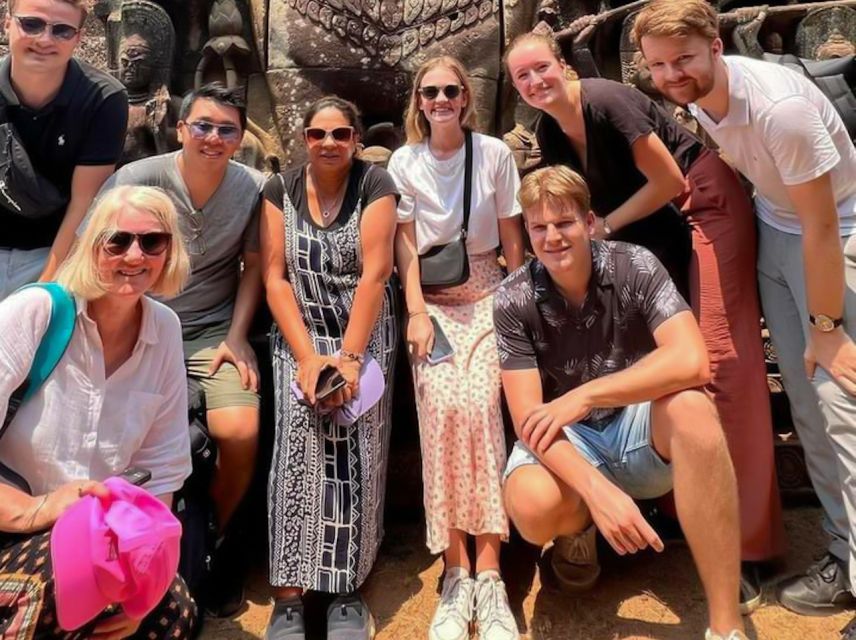
You are not just hiring transport. You’re buying a way of seeing.
Across many departures, guides like Sary, Sayon, Sok, Sam, Pheap, Vone, Nick, Pip, Heang, Simon, and John are highlighted for strong explanations and for pointing out details most people miss. That matches what you should look for when choosing any Angkor guide: the best ones turn carvings into stories and show you where to stand for photos.
A practical sign that you’re in good hands is the pacing. People often need extra time on stairs, and the best guides handle it without rushing the group. You also get help taking group pictures at stops, which is great because Angkor crowds and uneven ground can make solo photos awkward.
How to stay comfortable on two hot temple days
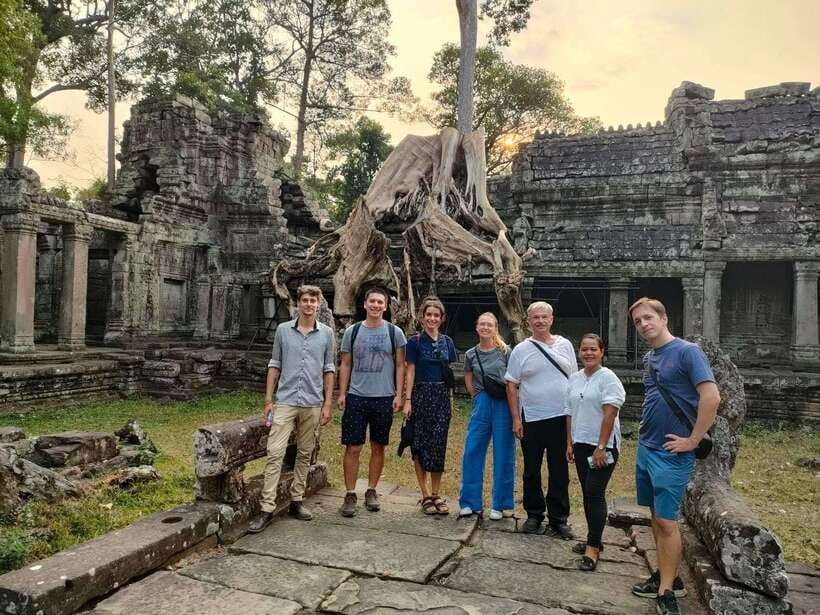
The tour includes chilled bottled water and wipe towels, but you still need to plan like you’re in real tropical sun.
Bring sunglasses and sunscreen. Wear comfortable clothes that fit the rules: no shorts, no short skirts, no sleeveless shirts. Also have your smartphone charged since the day is long and you’ll want to capture sunrise and sunset.
There are occasional rest and food breaks during the day, but meals are not included. I’d treat this as a plan to buy your own lunch or snacks, not a tour where someone feeds you.
Also, think about footwear. You will be walking on uneven stone and climbing steps. If your knees are sensitive, go slower, and tell the guide early so the pacing adjusts.
Who should book this, and who should skip it
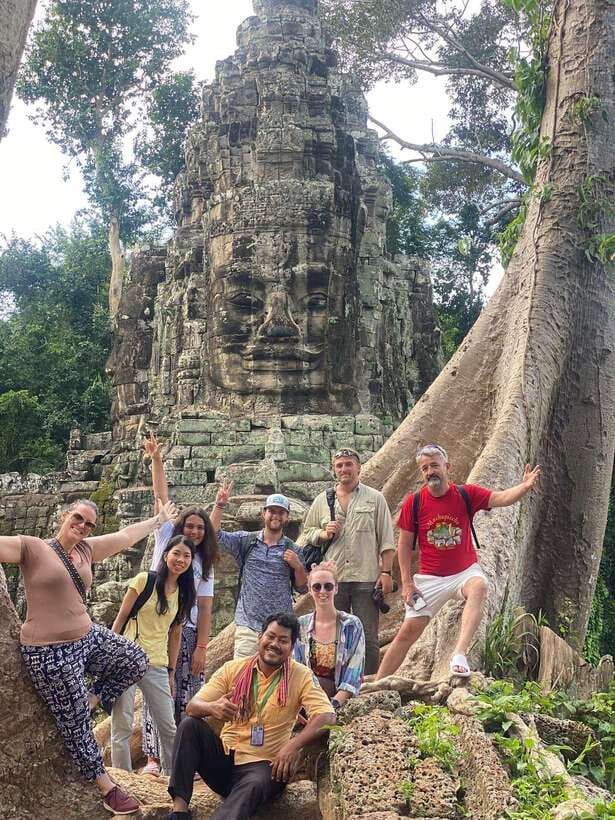
This tour is a strong fit if you want a guided way to see the main Angkor highlights across two different light conditions. It also works well for people who do not want to spend Day 1 figuring out where to go, and who want Day 3 to be flexible for revisits or extra spots in a private tuk-tuk.
It’s less ideal for people over 70 years, and the information also flags wheelchair users as not suitable. At the same time, the activity notes mention wheelchair accessibility. If accessibility matters for you, confirm with the operator before you pay, because the itinerary involves walking and stairs.
If you hate early starts and you are not comfortable in strong heat, you might prefer a slower plan. But if you can handle a very early day, this format is one of the most efficient ways to get the biggest temples and the best mood shifts without stress.
Should you book this Angkor Wat 2-day sunrise and sunset tour?
Yes, if your priority is seeing Angkor Wat at sunrise, then completing the core temple circuit with a structured guide and no guesswork. The value is in the route design: 11 temples over two days, with air-conditioned transport, chilled water, wipe towels, and English explanations that help you understand what you’re looking at.
I would book it if you also care about timing. Sunrise and sunset change how Angkor feels, and the early start on Day 1 is the difference between squeezing through crowds and having actual breathing room to notice details.
Skip it if you want a relaxed, flexible day with no early wake-up, or if you need guaranteed mobility support. In that case, you might prefer a custom tuk-tuk day where you can stop and sit as often as you like.
If you’re ready for long, hot temple days, this tour gives you a clear path and a strong payoff.
More Tours in Siem Reap
- Angkor Wat Sunrise or Sunset Tour with Guide from Siem Reap★ 5.0 · 12,109 reviews
- Siem Reap: Angkor Wat: Small-Group Sunrise or Sunset Tour★ 5.0 · 9,444 reviews
- From Siem Reap: Kampong Phluk Floating Village Tour by Boat★ 4.9 · 6,979 reviews
- Siem Reap: Full-Day Angkor Wat Guided Tour with Sunset★ 4.9 · 3,803 reviews
More Tour Reviews in Siem Reap
- Angkor Wat Sunrise or Sunset Tour with Guide from Siem Reap★ 5.0 · 12,109 reviews
- Siem Reap: Angkor Wat: Small-Group Sunrise or Sunset Tour★ 5.0 · 9,444 reviews
- From Siem Reap: Kampong Phluk Floating Village Tour by Boat★ 4.9 · 6,979 reviews
- Siem Reap: Full-Day Angkor Wat Guided Tour with Sunset★ 4.9 · 3,803 reviews
Sunrise at Angkor, Three More Ways
- Angkor Wat Sunrise or Sunset Tour with Guide from Siem Reap★ 5.0 · 12,109 reviews
- Siem Reap: Angkor Wat: Small-Group Sunrise or Sunset Tour★ 5.0 · 9,444 reviews
- Angkor Wat Sunrise tour with Small – Group and Guide tours★ 5.0 · 3,655 reviews
- Angkor Wat Highlights and Sunrise Guided Tour from Siem Reap★ 5.0 · 3,213 reviews
Newly written up around Siem Reap
- Waterfall & River of 1000 Siva Linga- Kulen Mountain Private Tour
★ 5.0 · 3 reviews - Private Transfer from Siem Reap to Sihanoukville
★ 4.5 · 3 reviews - Private Tour to Koh Ker and Beng Mealea
★ 5.0 · 3 reviews - Private Transfer: Siem Reap Angkor Internation Airport to Hotel
★ 5.0 · 3 reviews - Kulen National Park Ticket -Waterfall & 1000 Lingas
★ 5.0 · 3 reviews - Kulen Waterfall & Kbal Spean Tour
★ 5.0 · 3 reviews
Angkor Wat Sunrise Tours, side by side.
 ★ 5.0Angkor Wat Sunrise or Sunset Tour with Guide from Siem ReapFrom $1812,109 reviews
 ★ 5.0Angkor Wat: Small-Group Sunrise or Sunset TourFrom $159,444 reviews
 ★ 5.0Angkor Wat Sunrise tour with Small – Group and Guide toursFrom $143,655 reviews
 ★ 5.0Angkor Wat Highlights and Sunrise Guided Tour from Siem ReapFrom $233,213 reviews
 ★ 5.0Full-Day Angkor Wat Sunrise Private Tour with Guide from Siem ReapFrom $602,920 reviews
 ★ 5.0Angkor Wat Sunrise & 3 Main Temples with Breakfast – Small GroupFrom $152,857 reviews
 ★ 4.9Angkor Wat Sunrise and Full-Day Sightseeing TourFrom $142,828 reviews
 ★ 5.0Angkor 2-Day Sunset & Sunrise Small-Group TourFrom $492,567 reviews
Also appears in