
REVIEW · BATTAMBANG
A Day TukTuk Handicrafts Bambootrain Killing&BatCaves,Sunset
A day in Battambang feels like five trips. You start at 7:20 AM on a tuk-tuk, bounce through town and countryside, watch rice crafts get made, ride the original bamboo train, and finish with the bat cave at sunset. A guide like Samol, often with his tuk-tuk named Wendy, keeps it moving and turns simple stops into stories you can actually use.
I also like how this mixes delicious food education with serious history, especially at Wat Samrong Knong and Phnom Sampou. You’ll sample rice-based snacks, try spring rolls, taste rice wine, and if you want the spicy adventure, go for K F R (rat barbecue). One thing to consider: inside the caves, the history can be hard to hear, so you’ll want to stay close and pay attention when your guide speaks.
In This Review
- Key highlights to look for
- Battambang All-in-One Day on Tuk-Tuk, starting 7:20 AM
- Rice noodles, bamboo sticky rice, and rice paper you can actually taste
- Rice wine sampling, plus the hard stop at Wat Samrong Knong
- Ek Phnom temples, a 25 m Buddha, and an 11th-century Angkorian remnant
- Bamboo Train Ou Srauo Laou, suspension bridge views, and village life
- Rat barbecue K F R, fruit salad, and how the day feeds you
- Phnom Sampou killing cave, big-hill viewpoints, and monkeys
- Bat cave sunset: waiting for the million bats to fly
- Price and value: what $24 covers and what costs extra
- Who should book, and who should skip this day
- Should you book this Battambang Tuk-Tuk full day tour?
Key highlights to look for
- Rice products made up close, from Khmer rice noodles to rice paper and bamboo sticky rice
- A serious genocide memorial visit, with Wat Samrong Knong and Phnom Sampou handled in context
- The original bamboo train ride, plus a suspension bridge walk and village views
- Food tastings built into the route, including rice wine and optional K F R
- Big-hill viewpoints, monkeys, and sunset timing near the killing caves area
- Bat cave payoff at dusk, where millions of bats take off for 50+ minutes
Battambang All-in-One Day on Tuk-Tuk, starting 7:20 AM
This is the kind of full day that helps you see Battambang without wasting your energy on planning. Pickup is at 7:20 AM from your hotel or a restaurant, and it runs 11-12 hours total. You’re not just doing checkboxes either. The morning leans hard into how people live and eat, then the afternoon shifts to the famous bamboo train and the hills above town.
Most of the day is driven by tuk-tuk, so you feel the speed of the countryside without needing to negotiate transport. You also get periodic photo stops, bottled water, wet wipes, and snack tastings built into the pace, which matters when the day runs long and the weather stays warm.
A practical note: the pickup and drop-off only cover within 5 km of Battambang town. If you’re staying farther out, you may need a different plan. And it’s not a shoes-off kind of day, because you’ll walk and climb at multiple points.
Rice noodles, bamboo sticky rice, and rice paper you can actually taste
The early part of the day is where the tour earns its keep. You’re not handed a plate and told to enjoy. You watch locals make the ingredients behind Khmer comfort food, then you taste what you watched.
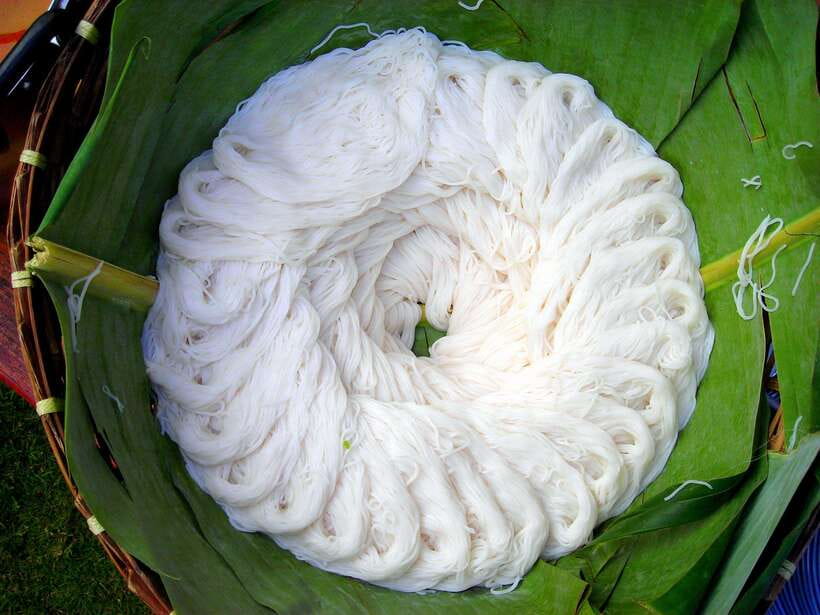
You start at a Khmer rice noodle factory, where you learn how rice noodles are made by locals and why this is a breakfast, lunch, and dinner staple. Expect small tastings so you can connect the process to flavor, and then move on with a better sense of why these foods show up everywhere.
Next comes bamboo sticky rice. It’s not just a novelty. It’s prepared as a dessert or sweet snack, and you’ll see how bamboo is used as part of the cooking and shaping process. This is one of those “simple but smart” techniques that makes you look at food production differently.
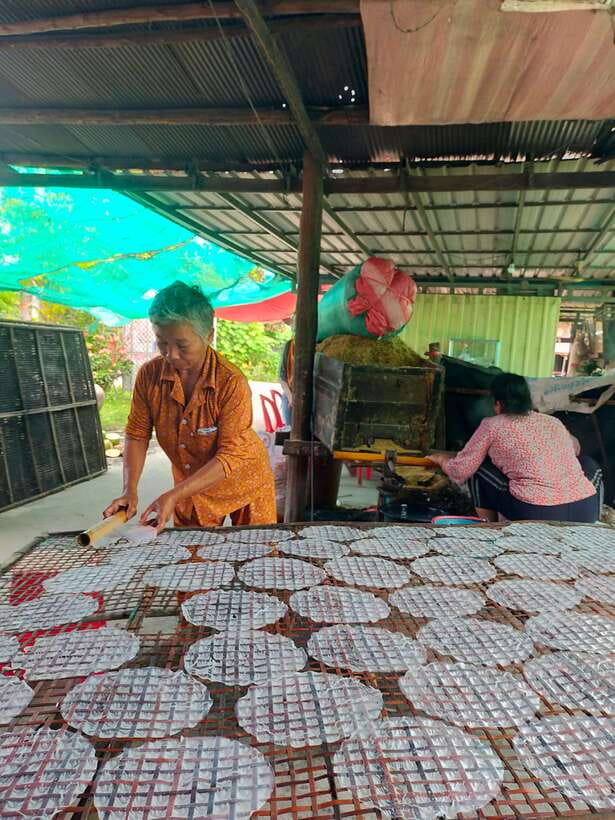
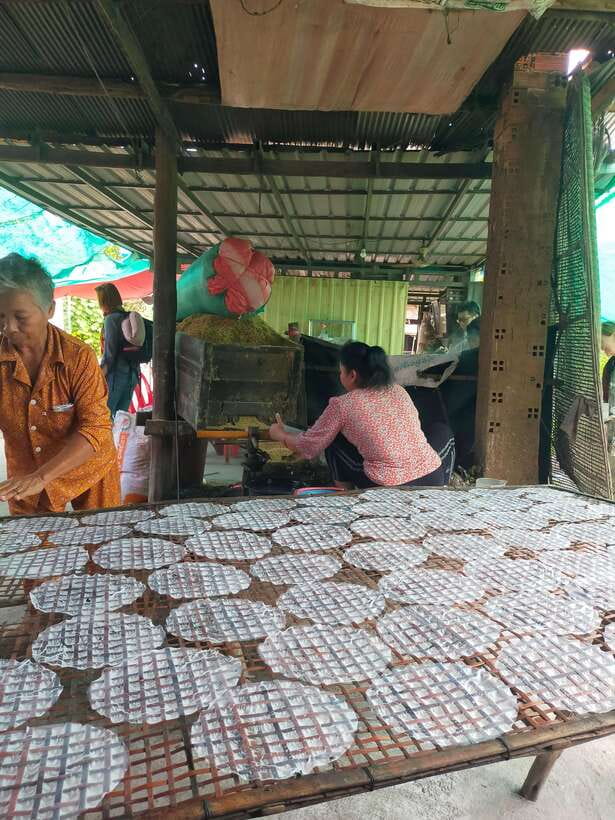
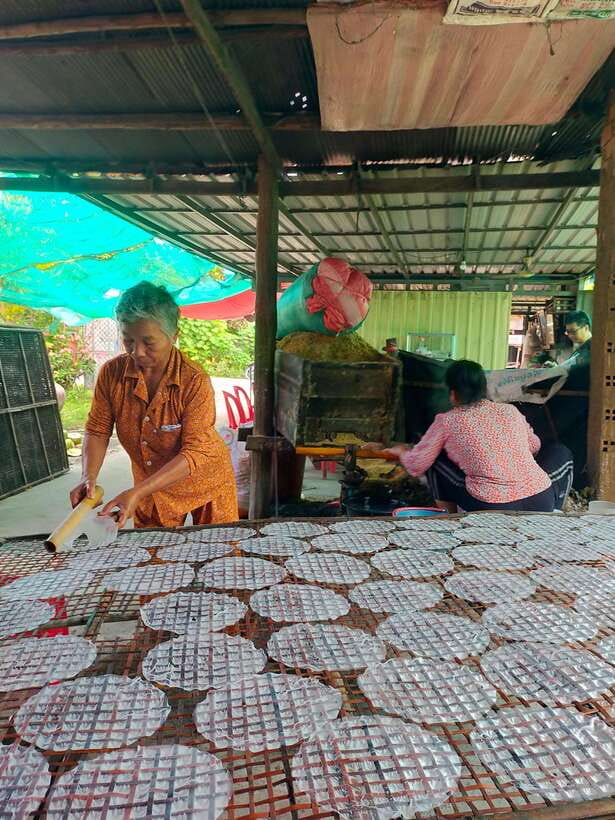
Then you reach rice paper production, where villagers still make it for daily life, with output of at least 1,500 per day. Rice paper is the base for spring rolls, so it helps to see the sheets being made before you ever eat one. In fact, the tour format pushes you to taste along the way, which makes the knowledge stick.
What I like for you here is the sequence. The morning doesn’t jump randomly. It moves from noodles to sweets to rice paper, and you can feel how each one has its own role in Khmer meals.
Other Battambang days by tuk tuk
- Battambang: Tuk-Tuk, Bamboo Train, Killing/Bat Caves, Sunset★ 4.9 · 1,436 reviews
- Battambang Tuk Tuk tour: Bambootrain, Killing & Bat Caves,Sunset★ 5.0 · 799 reviews
- Afternoon tour by tuk tuk to bamboo train,bat cave,killing cave,countryside.★ 5.0 · 344 reviews
- Local Livelihood Half Day Bike Tour in Battambang★ 5.0 · 287 reviews
Rice wine sampling, plus the hard stop at Wat Samrong Knong
After the rice-based workshops, the tour adds another layer: how alcohol and traditional medicine intersect in local life. At the rice wine production plant, in use since the 1980s, you’ll learn how rice wine is made and then sample it. The tour also explains that rice wine has been used for medication and for soaking plants and fruits, even for handling poisonous animals like cobras and tarantulas. That part is unusual, and it’s the reason this stop feels more than tourist-friendly.
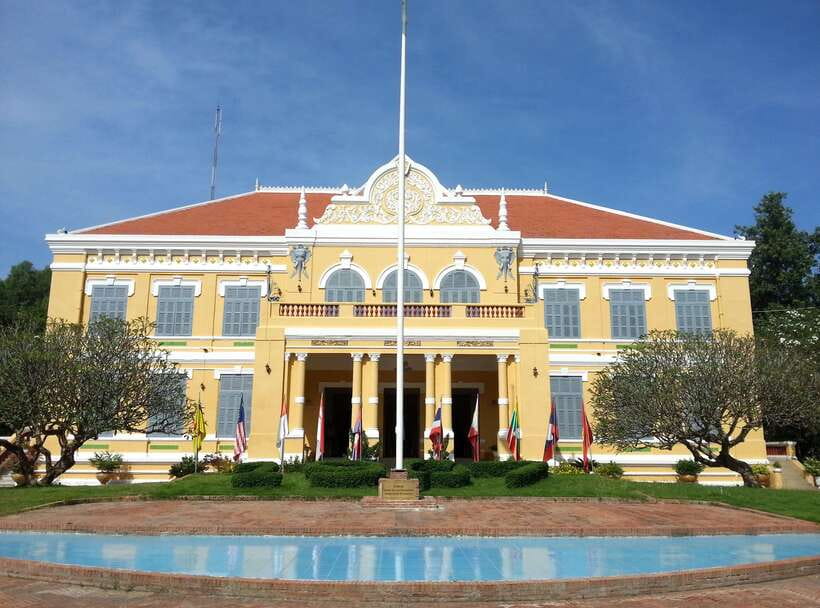
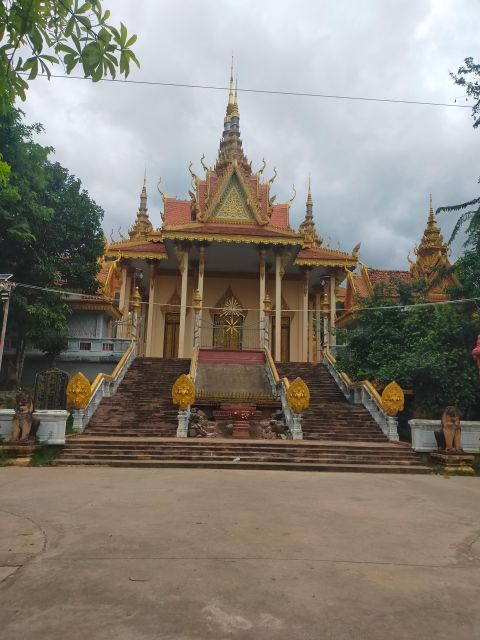
Then comes the shift into history at Wat Samrong Knong, described as the oldest Buddhist temple built in 1707, with a brick stupa from 1887. This is a Khmer Rouge-era site with details that are not easy. The pagoda area was used to house Khmer Rouge soldiers, and it also functioned as a detention area for victims. You’ll see a torture house and a killing field connected to the deaths of approximately 10,008 victims.
Here’s the main consideration I’d give you: the subject matter is heavy, and inside the sites your guide’s explanations can be hard to hear. If you want the full meaning, stay close, listen in sections, and ask your guide to repeat anything you miss. It’s better to focus than to take photos first.
Ek Phnom temples, a 25 m Buddha, and an 11th-century Angkorian remnant
After the memorial, the tour turns toward sacred architecture and religious storytelling. At Ek Phnom, you’ll see a giant Buddha statue, about 25 m high, framed by standing Buddha figures on either side. From the outside, it’s visually bold, and it gives your eyes a break from the emotional heaviness of the morning.
You’ll also visit a temple built in 1991, and you can go inside to see Buddha’s story illustrated on the wall. That’s useful because it gives you local religious context, not just a monument name.
Then the tour adds a second time layer: ruins of an Angkorian Hindu temple built in the 11th century under King Suryavarman I. So even when you’re walking around in one area, you’re seeing different eras of Cambodia’s religious history in the same space. That’s a big reason this stop feels valuable, especially if you want more than modern signage and quick snapshots.
Bamboo Train Ou Srauo Laou, suspension bridge views, and village life
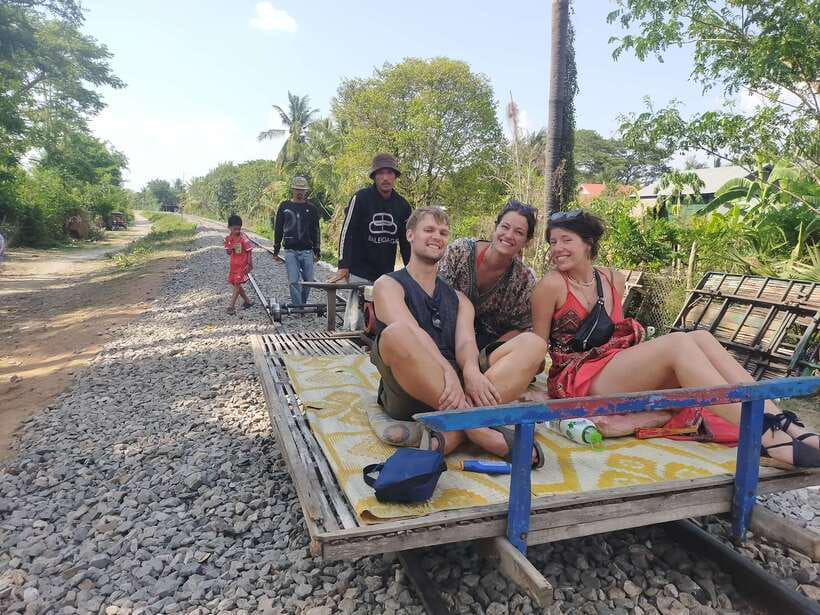
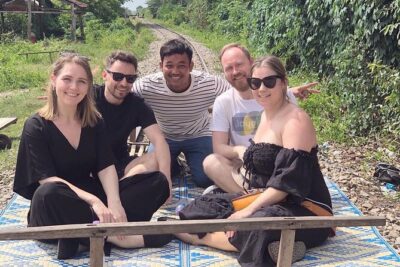
Once the tour returns toward Battambang, the afternoon brings one of the most fun experiences in the whole day: the bamboo train at Ou Srauo Laou. This ride is famous, and the tour keeps it practical by mixing it with countryside sightseeing around it.
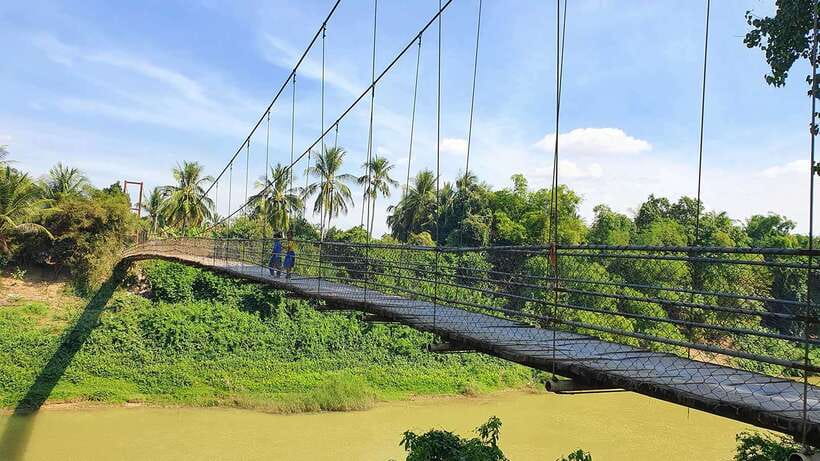
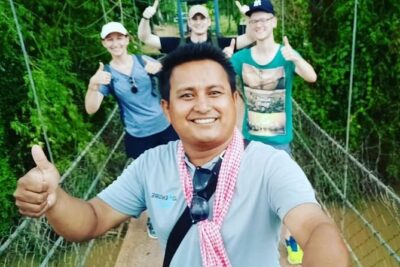
Before you board, you’ll pass through villages, fruit plantations, and rice fields, and you may stop to talk with farmers. You also walk along a suspension bridge, which gives you a change of pace from driving and a chance to see the region from a different angle.
One small detail that stands out: you also get a free massage around the bamboo train part of the day. It’s not a spa-day replacement, but after a morning of walking and tasting, it’s a nice reset.
Important cost note: the bamboo train ride costs $5 per person, so it’s not included in the $24 tour price. Build that into your budget up front.
And yes, the ride itself is part transportation, part performance. It’s the kind of experience that makes you grin, even if you already know the story behind it.
Rat barbecue K F R, fruit salad, and how the day feeds you
Food is a big theme in this tour, and it isn’t just “we stop somewhere to eat.” You get snack tastings and fruit salad as part of the included day, plus bottled water and photo opportunities.
At some point before the final hillside section, you can try K F R (rat barbecue). It’s listed as optional, and that matters. If you’re curious, it’s a real local-food moment, not a gimmick. If you’re not, you can skip and still keep a full day pace without feeling like you missed a main event.
Some people describe K F R as similar to chicken when it’s cooked well, so if you’re worried about the taste, it may land more familiar than you expect. If you do try it, treat it like a tasting, not like your entire meal plan.
Lunch is the only standard meal not included. The tour includes a late lunch stop at a local restaurant in the village area, and many people say it’s good. Still, you’ll need to pay lunch separately.
For you, the value here is timing. The tastings are spread across the day, so you aren’t stuck starving between major stops. Bring cash for personal expenses and any extra drinks.
More of Battambang after dark
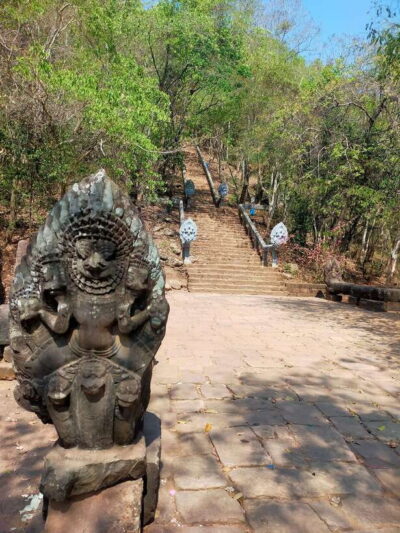
Phnom Sampou killing cave, big-hill viewpoints, and monkeys
This is the most physically active part of the day. To reach Phnom Sampou (the killing cave area), you’ll go by taxi, truck, or on foot depending on how the group moves that day.
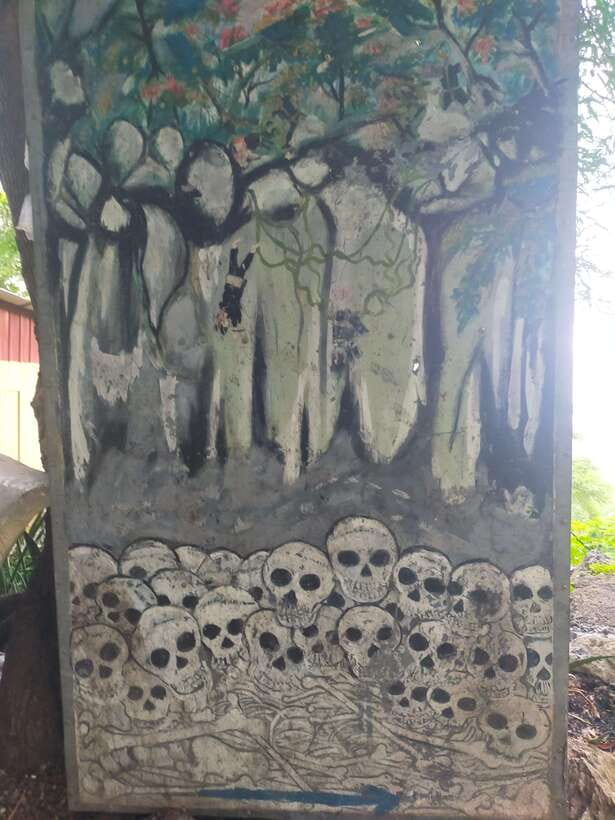
At Phnom Sampou, you’ll see Killing Cave tied to the Khmer Rouge period from 1975-1979, with information connected to over 10,000 victims killed. Like Wat Samrong Knong, this is emotionally intense, and the tour keeps it framed with historical context rather than treating it like a thrill stop.
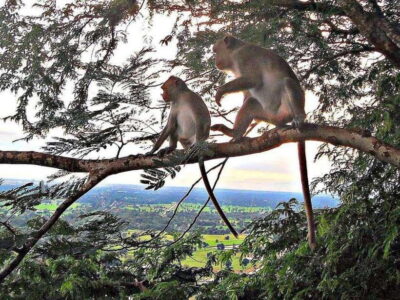
After the cave visit, you go up for the views. This is also where you’ll find temples, monkeys, and lookout points at the top of the hill. The timing helps because you can pair your history walk with the natural spectacle of the hillside.
A subtle advantage for most visitors: your guide’s storytelling does two jobs here. It explains what you’re seeing, and it helps you connect what happened during the Khmer Rouge era to the place itself. You still feel the weight, but you’re not just standing in silence.
Bat cave sunset: waiting for the million bats to fly
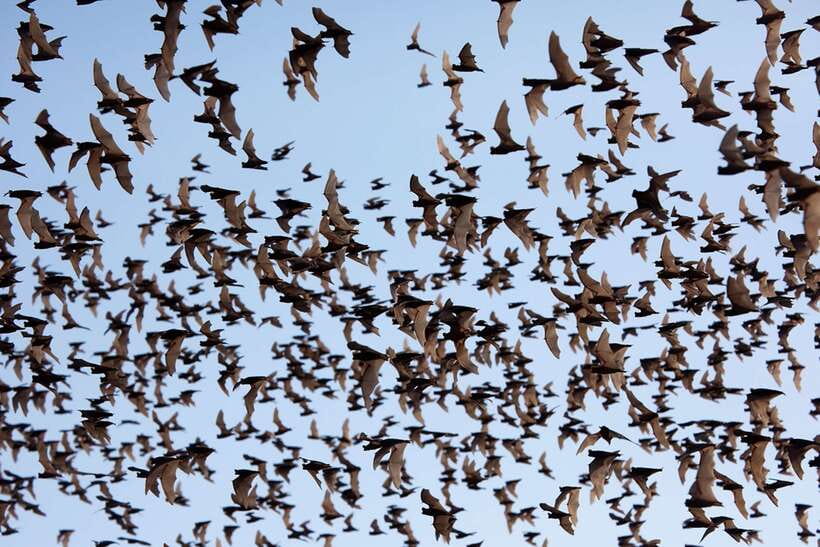
The finish line is the bat cave, and it’s all about timing. After watching viewpoints and sunset from the hill, you come down to wait. Then the cave delivers the spectacle: millions of wrinkle-lip bats fly out, and it can last over 50 minutes in the evening.
This part is unforgettable when it lands at the right time. The air shifts, the cave entrance turns into a moving cloud, and your camera gets a serious workout. But it’s also the kind of moment that depends on conditions and timing.
One consideration: sometimes the bats come out late, and if light is poor, it can be harder to see clearly. I’d plan to stay patient, keep your attention on your surroundings, and trust that the show is worth waiting for, even if the timing feels slow.
The tour then returns you to your hotel or to Pomme Bar in town.
Price and value: what $24 covers and what costs extra
At $24 per person for an 11-12 hour day, this tour is strong value because it bundles a lot of real-world costs. You get hotel pickup and drop-off, tuk-tuk transport, a live English guide, bottled water, wet wipes, photo opportunities, and multiple stops for tastings like fruit salad and snacks.
Most importantly, admissions are included for Ek Phnom, Phnom Sampov, the Killing Cave, and the Bat Cave. If you priced those sites separately, you’d likely spend more than the tour fee itself.
What costs extra is straightforward:
- Lunch is not included.
- The bamboo train ride is an additional $5 per person.
- Personal expenses are on you.
I also like that optional experiences are labeled as optional. K F R (rat barbecue) is listed as optional, so you’re not forced into a food choice that doesn’t match your comfort level.
If you’re doing only one full day in Battambang and you care about food, scenery, and history in the same loop, this is one of the easier ways to get there without juggling tickets and transport.
Who should book, and who should skip this day
This fits best if you want a full Battambang overview with countryside texture. You’ll enjoy it if you like practical learning, like watching rice products made and connecting them to what you eat next. You’ll also like it if you want both the fun Battambang side, bamboo train and sunsets, and the sobering Khmer Rouge memorial context.
It may not be a good match if:
- You’re pregnant
- You have mobility impairments
- You’re over 70
- You don’t want a long hot day that includes walking and climbing
Dress and comfort matter. Wear comfortable shoes, bring rain gear, and avoid sleeveless shirts, which are listed as not allowed. Bring sunscreen and cash, since you’ll want money for lunch and any personal purchases.
If you’re the type who likes a guide to help you see order in the day, this tour works. It moves from food production to temples, then from memorial history to the bamboo train and the bat cave finale.
Should you book this Battambang Tuk-Tuk full day tour?
I’d book this if you want one day that feels like it covers Battambang’s whole personality: food production, religious sites, countryside movement, the bamboo train ride, and a sunset bat finale. The guide format, including English interpretation and tastings along the way, makes the day easier to enjoy and harder to forget.
Skip it if you’re not comfortable with long days, heat, and walking on uneven ground, or if you strongly prefer light, non-emotional sightseeing. If you’re open to both wonder and serious history, this is a very efficient way to use your time in Battambang.
Battambang After Dark
- Battambang: Tuk-Tuk, Bamboo Train, Killing/Bat Caves, Sunset★ 4.9 · 1,436 reviews
- Battambang Tuk Tuk tour: Bambootrain, Killing & Bat Caves,Sunset★ 5.0 · 799 reviews
- A Day TukTuk Bambootrain, Banan, Killing & Bat Caves, Sunset★ 4.9 · 48 reviews
More Tour Reviews in Battambang
- Battambang: Tuk-Tuk, Bamboo Train, Killing/Bat Caves, Sunset★ 4.9 · 1,436 reviews
- Battambang Tuk Tuk tour: Bambootrain, Killing & Bat Caves,Sunset★ 5.0 · 799 reviews
- Afternoon tour by tuk tuk to bamboo train,bat cave,killing cave,countryside.★ 5.0 · 344 reviews
- Local Livelihood Half Day Bike Tour in Battambang★ 5.0 · 287 reviews
More Battambang by Tuk Tuk
- Battambang: Tuk-Tuk, Bamboo Train, Killing/Bat Caves, Sunset★ 4.9 · 1,436 reviews
- Battambang Tuk Tuk tour: Bambootrain, Killing & Bat Caves,Sunset★ 5.0 · 799 reviews
- Afternoon tour by tuk tuk to bamboo train,bat cave,killing cave,countryside.★ 5.0 · 344 reviews
- Local Livelihood Half Day Bike Tour in Battambang★ 5.0 · 287 reviews
Newly written up around Battambang
- Battambang Private afternoon tour bamboo train bat cave & village
★ 5.0 · 3 reviews - Battambang Private Full-Day Tour
★ 5.0 · 3 reviews - Private Taxi Transfer From Battambang – Siem Reap City
★ 5.0 · 4 reviews - Battambang City and Country side Full day Tour
★ 5.0 · 4 reviews - Full-day: Handicraft, Bamboo train, Killing cave, Bat Cave
★ 5.0 · 5 reviews - Secret Countryside Rice fields-Bamboo Train/Bat Cave
★ 5.0 · 6 reviews
Battambang Bamboo Train & Cave Tours, side by side.
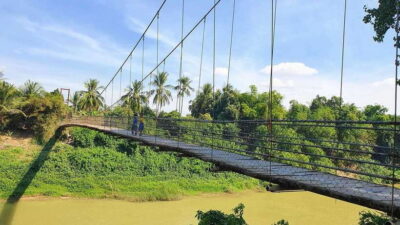 ★ 4.9Tuk-Tuk, Bamboo Train, Killing/Bat Caves, SunsetFrom $91,436 reviews
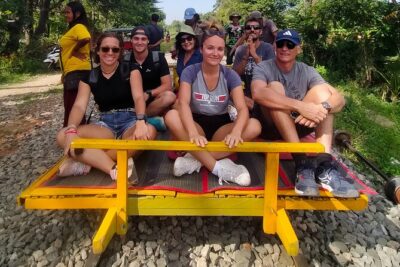 ★ 5.0Battambang Tuk Tuk tour: Bambootrain, Killing & Bat Caves,SunsetFrom $15799 reviews
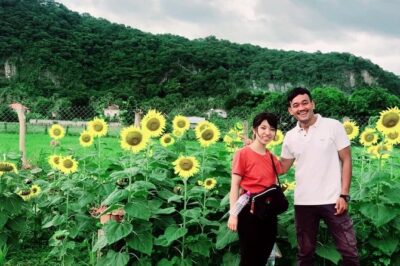 ★ 5.0Afternoon tour by tuk tuk to bamboo train,bat cave,killing cave,countryside.From $15344 reviews
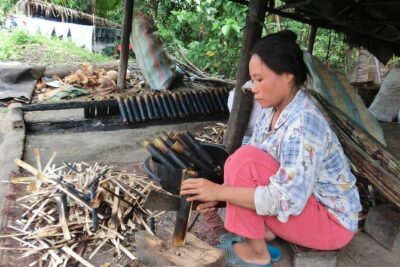 ★ 5.0Local Livelihood Half Day Bike Tour in BattambangFrom $30287 reviews
 ★ 5.0Explore Battambang full day tour by Tuk Tuk (start from 9am-6:30pm)From $20240 reviews
 ★ 5.0Bamboo Train, Bat Cave, Killing Cave by Tuk Tuk182 reviews
 ★ 5.0Full Day tour .City tour.Countryside.Bamboo Train.Secret Bat CaveFrom $18178 reviews
 ★ 5.0Battambang Full Day Tour from Siem Reap – Bamboo Train, Killing Cave & SunsetFrom $132101 reviews
Also appears in