
REVIEW · TONLÉ SAP
Angkor Wat 2 Days and a Half Temples & Tonle Sap-Small Group Tour
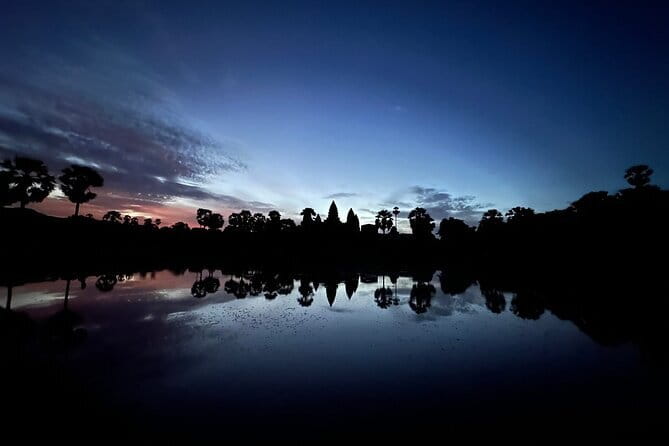
Sunrise at Angkor Wat hits different. This 2.5-day Siem Reap tour blends Angkor Wat sunrise with a small-group temple circuit and then shifts gears to real life on Tonle Sap at Kampong Phluk. I like that you get a tight mix of famous names and less predictable stops like Pre Rup and Neak Pean, plus a guide who can explain what you are seeing. The main catch is budgeting time and money: the temple pass is not included (listed at $62 per person) and day 2 starts with a pre-dawn departure.
The value is in the included stuff that usually adds up. You have hotel pickup and drop-off in an air-conditioned vehicle, English-speaking guidance, bottled water plus a cool towel, and both a sunset and sunrise timed for the best light. On top of that, the Tonle Sap entrance and boat cruise are included, and there is also Cambodia Phare circus seat C in the dry season.
One more practical note: meals are not broadly included, so plan on buying lunch and dinner yourself. Breakfast is tied to the day 2 program at Srah Srang, but outside that, you will want snacks and a little cash. If you are not keen on early mornings, this tour will still be worth it, but you should know what you are signing up for.
In This Review
- Key highlights to look for on this Angkor Wat and Tonle Sap tour
- How the 2.5 days actually feel, hour by hour
- Day 1: Pre Rup to Preah Khan, with sunset as the payoff
- Day 2: The Angkor Wat sunrise torch walk, then Ta Prohm and Bayon faces
- Day 3: Kampong Phluk and real Tonle Sap life by boat
- The sunrise and sunset timing is the real product
- Guide power: why Sak and Mao matter
- Price and the temple pass: what $79 really means
- Comfort and pace: pickup, breaks, and a small-group cap of 15
- What to bring, so you enjoy every stop
- Who should book this tour, and who might not love it
- Should you book this Angkor Wat 2 Days and a Half Temples & Tonle Sap tour?
Key highlights to look for on this Angkor Wat and Tonle Sap tour
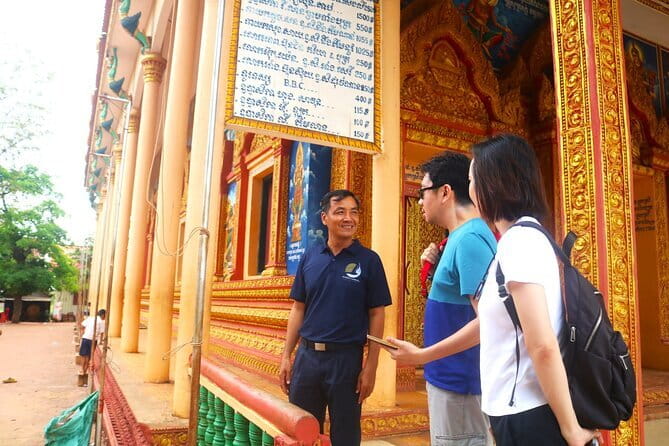
- Pre-dawn Angkor Wat sunrise with torch-lit temple walking, including the eastern side
- A strong first day outside the Angkor Thom core, starting with Pre Rup
- Fine carving at Banteay Srei plus calm, unusual stops like Neak Pean
- Ta Prohm and the Bayon faces added in the same morning as Angkor Thom’s eastern gate
- Kampong Phluk boat time on Tonle Sap, with the entrance and cruise already covered
- Sak and Mao stand out for clear English, temple context, and smooth driving
How the 2.5 days actually feel, hour by hour
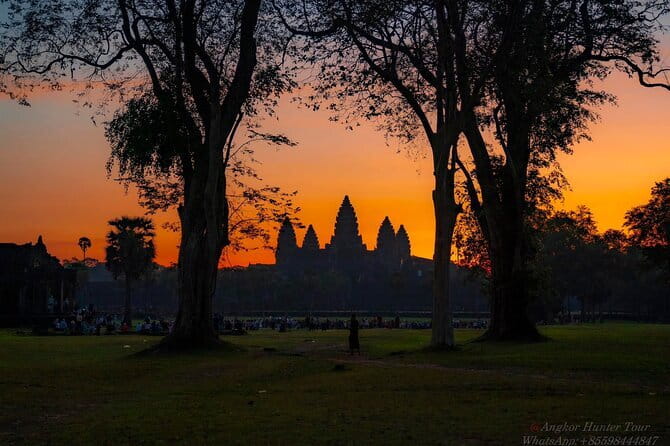
This is built for people who want the big sights without doing a chaotic self-planned route. You get two intense temple mornings, with the rest of the days filled in around them so you are not constantly sprinting across Cambodia’s main ancient zone.
Day 1 leans toward temples around Angkor that are dramatic in different ways. Day 2 is the headline day for Angkor Wat sunrise, then it keeps moving through Ta Prohm and the central Angkor Thom highlights. Day 3 slows down into countryside travel and boat time on Tonle Sap at Kampong Phluk.
Because it is capped at a maximum of 15 travelers, the pace tends to stay manageable. You still have multiple stops, so wear comfortable shoes and keep water handy, but you are not packed into a huge bus where you spend the whole day craning your neck.
Day 1: Pre Rup to Preah Khan, with sunset as the payoff
Day 1 starts at Pre Rup, outside the Angkor Thom city core. This Hindu temple is described as a state temple and a mountain temple made of combined brick, laterite, and sandstone, which matters because the material changes how the light looks as you move around. With about an hour there, you get enough time to see the structure and take in the views without feeling stuck in one spot.
Next comes Banteay Srei, and this is one of the stops you will remember for the craftsmanship. It is smaller than the big wow temples, but the whole point is the intricacy: the reliefs are said to be the finest and the most skillfully crafted in Cambodia, and the temple is well-preserved and carved from sandstone. With two hours, you have room to slow down and actually look at details instead of just taking photos and moving on.
On the way back, you stop at Neak Pean, which is an artificial island with a Buddhist temple on a circular island. It is a different kind of stop, more about calm and oddball design than sheer scale. An hour is just right here, since the setting does the work.
Day 1 ends at Preah Khan, a ruined temple that is described as highly atmospheric, with tree roots and crumbling stone structures. This is a nice emotional change from the orderly carvings earlier in the day. You are also getting the tour’s sunset over ancient ruins element on day one, and that timing is often when these ruins stop looking like stone objects and start looking like a living place.
Possible drawback: Day 1 stacks several sites in one stretch, so if you are a slow walker or you want extra time for each temple, you may feel the clock. The good news is that the stops chosen here are varied, so the day stays interesting even if the schedule is tight.
More time on the lake, other boats
- From Siem Reap: Kampong Phluk Floating Village Tour by Boat★ 4.9 · 6,979 reviews
- Kompong Phluk Floating Village Half-Day Tour ( Morning / Sunset )★ 5.0 · 1,494 reviews
- Siem Reap: Kulen Mountain, Beng Mealea and Tonle Sap Tour★ 5.0 · 1,483 reviews
- Tonle Sap Lake & Kampong Phluk Village Half-Day Tour★ 5.0 · 1,045 reviews
Day 2: The Angkor Wat sunrise torch walk, then Ta Prohm and Bayon faces
Day 2 begins with a pre-dawn hotel departure to catch sunrise outside Angkor Wat. You enter the great temple in darkness, with the light from your torch, and then walk through the rarely visited eastern side. That torch-lit approach is more than a gimmick. It helps you register the space first, then the sunrise makes the stone details pop in a way daytime crowds can blunt.
This stop is listed as about three hours, which gives you time to get your bearings, watch the light change, and move at a temple pace instead of a photo-rush pace. The sunrise is the anchor, and everything after is there to keep the momentum without burning you out completely.
After the big morning, you hit Srah Srang for breakfast at a Khmer local restaurant, with a short rest built in. This is a smart reset point. It gives you a chance to eat something you will remember and then cool down a bit before the next set of temples.
Then it is Ta Prohm, the jungle-enveloped temple known for its atmospheric look. In practice, you get around an hour here, so you will want to choose your viewpoint early and come back to it when you feel the light and shadows shift. If you like temples that feel half-destroyed and half-alive, this is the kind of stop that hits.
After that comes Angkor Thom, specifically the eastern gate, for about 20 minutes. It is short, but that can actually be a plus because you are moving through the key entrance viewpoint without being stuck there.
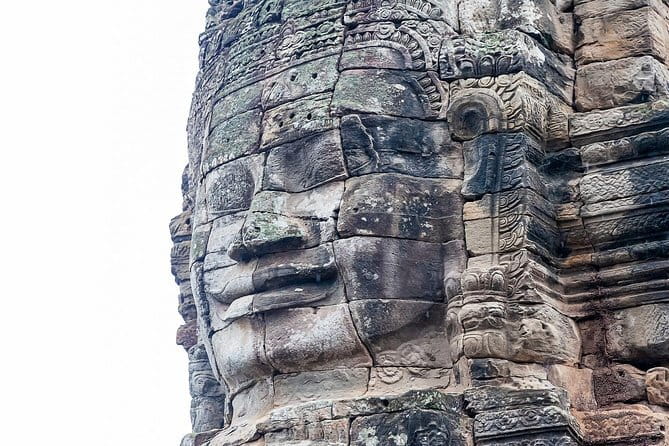
The morning closes with Bayon Temple, with its central towers covered in more than 200 enormous faces. This is where the human feeling of Angkor is hardest to ignore. An hour gives you time to circle and take in the repeated expressions rather than just stand and shoot one tower.
Possible drawback: Day 2 is a long day because the pre-dawn start demands it. If you need lots of sleep to enjoy a vacation, plan on going to bed early the night before and keep your energy up with water and simple snacks.
Day 3: Kampong Phluk and real Tonle Sap life by boat
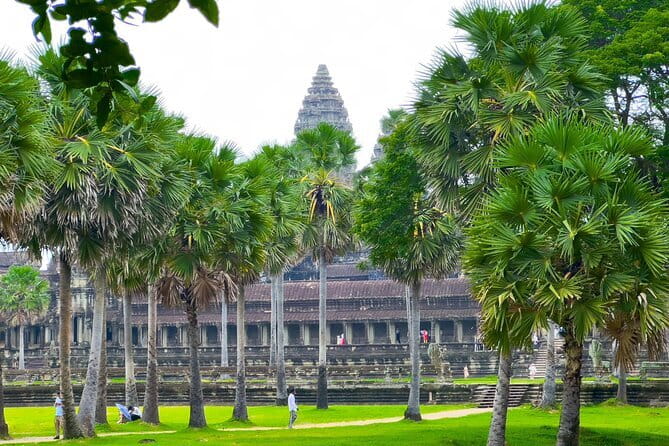
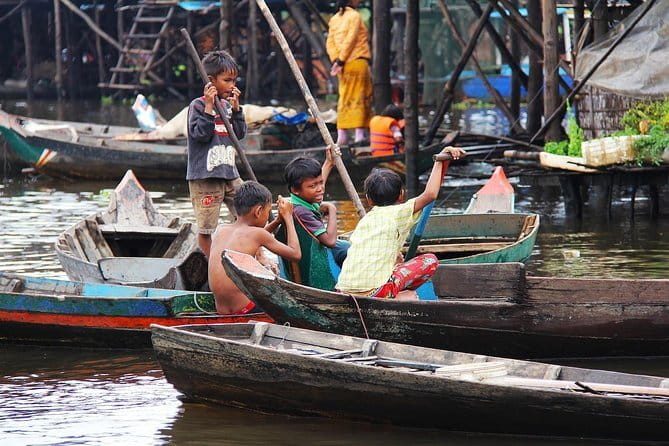
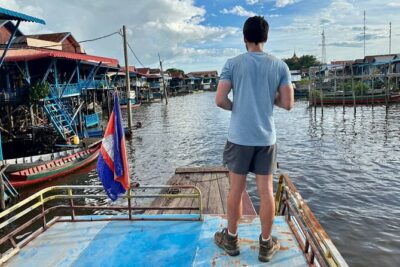
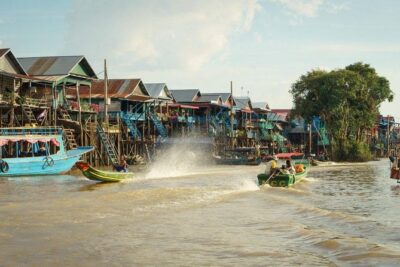
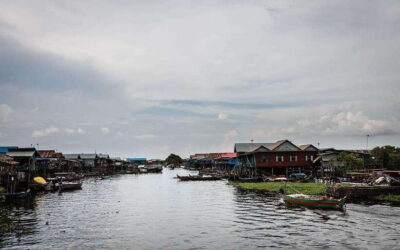
On day 3, you leave the temple zone behind and head toward Tonle Sap Lake, described as the world’s second-largest freshwater lake. You travel through the countryside first, then get a boat trip to Kampong Phluk, a collection of three small fishing villages.
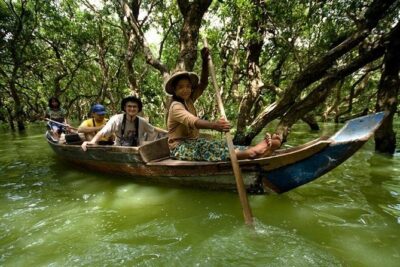
The tour lists four hours total at Kampong Phluk, and it also includes the Tonle Sap entrance fee and boat cruise. That matters because the boat component is the whole reason this experience works. You are not just looking at a dock or a viewpoint; you are on the water, seeing how the village life sits on the lake.
You will likely notice the contrast right away. Temples are built to last centuries. Floating villages are more about how people live with seasonal and daily realities. It is a good mental switch after days of stone.
The main consideration here is that it is still a morning activity with travel time. Bring layers if it feels cool in the early hours and keep your phone protected if you are worried about splash.
The sunrise and sunset timing is the real product
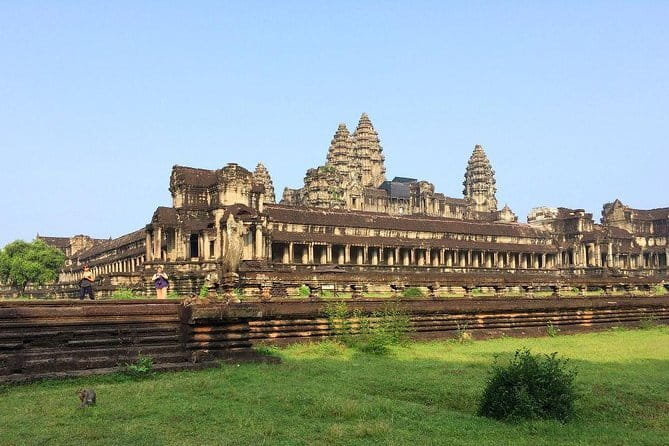
A lot of temple tours sell temples. This one sells timing too. You get both sunrise and sunset built into the program, and that is exactly what changes the mood of Angkor.
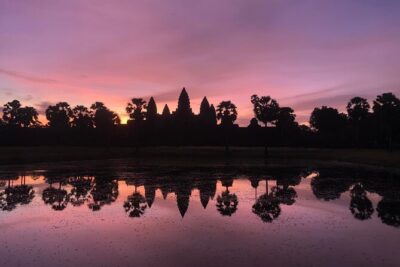
The day 2 approach at Angkor Wat is especially well thought through: pre-dawn departure, torch-lit entry, and a walk through the eastern side. Even if you do not care about architectural details, the lighting and the quieter atmosphere before the bigger crowds make the experience feel more personal.
On day one, the sunset over ancient ruins gives you a different kind of payoff. Many people assume sunsets are just photo time. Here, it also helps you notice how different temples look when the sky changes, and how ruins turn dramatic when the light goes warm.
Practical tip: if you are prone to getting cold early in the morning, pack a light layer. The sunrise experience starts pre-dawn, and you will be outside more than you think.
Guide power: why Sak and Mao matter
The best part of this tour is not just the route. It is the people running it.
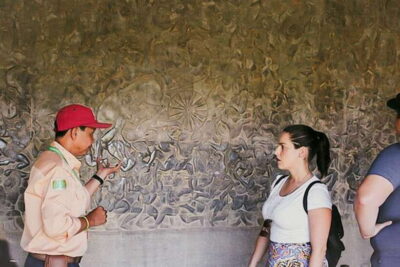
In the feedback for this experience, Sak stands out as an excellent tour guide with strong English and solid temple and Cambodian culture knowledge. Mao is praised as a fantastic driver, and that is a big deal in Siem Reap, where traffic and distance can be unpredictable.
What you should take from this: a good guide changes how you experience Angkor. Without context, the sites can blur into a collection of stone. With clear explanations, even the shorter stops like Neak Pean and the Angkor Thom eastern gate can become memorable moments with meaning.
This is also where small-group format helps. You are more likely to get your questions answered and to hear the guide without the whole bus talking over them.
Also on our Siem Reap list, if none of these land
Price and the temple pass: what $79 really means
On paper, the cost is $79 per person, and you get a lot folded in. You have air-conditioned transportation, hotel pickup and drop-off, an experienced English-speaking guide, bottled water and cool towel, sunset and sunrise experiences, and the Tonle Sap entrance and boat cruise. There is also Cambodia Phare circus seat C in the dry season.
But the biggest financial line item not included is the temple pass, listed as $62 per person paid directly to the site. So your real budget is closer to $79 + $62, plus whatever you spend on lunch and dinner.
Is it still good value? Yes, if you want the included sunrise timing and the guided logistics. A self-planned version usually costs you time, transport stress, and often you end up paying for separate add-ons anyway. The ticket structure here is straightforward once you know the temple pass is separate.
Comfort and pace: pickup, breaks, and a small-group cap of 15
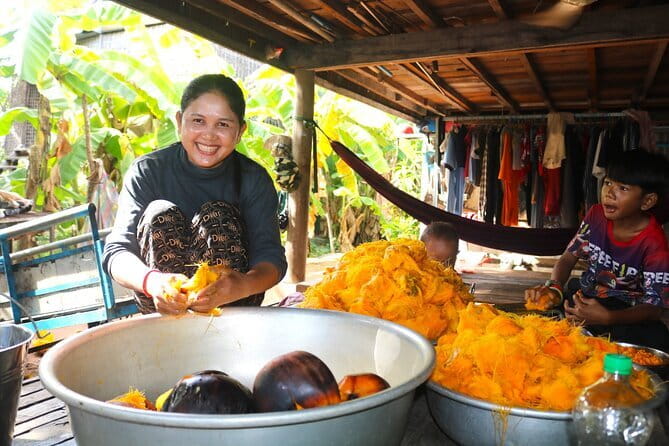
The tour is designed for convenience. You get hotel pickup and drop-off and travel in an air-conditioned vehicle, which is a big quality-of-life factor in Siem Reap heat and humidity. You also get complimentary bottled water and a cool towel, which can save you from buying overpriced basics during the day.
The group size max of 15 travelers keeps the day from feeling like a school trip. You still move between sites, but it is easier to hear your guide and more likely that you are not constantly squeezed for space.
There are also built-in breaks that make the schedule survivable, especially the breakfast stop at Srah Srang. Meals are not broadly included, but having at least one substantial food stop during the temple grind is smart planning.
What to bring, so you enjoy every stop
This tour spends a lot of time outdoors, and you will be walking through temple areas and on uneven ground. I suggest you bring comfortable, grippy shoes and a light layer you can handle during pre-dawn and late-day temperatures.
Also plan for a day where you may want small snacks between the listed stops. The tour notes meals are on your own, so having a simple backup helps you stay calm when you get hungry.
Finally, since the temple pass is paid separately at the site, keep the cash or payment method you need easily accessible, so you are not scrambling at the ticket counter.
Who should book this tour, and who might not love it
You will probably love this if you are on a first trip to Angkor and you want a guided mix of major sights and well-chosen additional temples. The sunrise and torch-lit Angkor Wat piece is the kind of experience you rarely replicate well on your own, and the Tonle Sap boat at Kampong Phluk is a great contrast after temple days.
This is also a strong fit if you like clarity and explanation. The guide praise for Sak and the smooth driving praise for Mao tells you this runs clean, not sloppy.
You might want to skip or reconsider if you hate early mornings. Day 2 begins with pre-dawn departure, and the day is packed afterward. Also, if paying the additional $62 temple pass is a deal breaker for your budget, you will want to factor that in before you book.
Should you book this Angkor Wat 2 Days and a Half Temples & Tonle Sap tour?
If your priority is Angkor Wat sunrise, a guided route that covers both iconic and less predictable temples, and then a real-life Tonle Sap boat experience, this tour is a solid choice. At $79, with pickup, guiding, sunrise and sunset included, plus Tonle Sap entrance and cruise included, it is built for convenience and value.
I would book it if you want the structure and you are comfortable adding the temple pass cost. I would hesitate if you are sensitive to early start times or if you prefer full independence with no guided schedule.
Overall, the best reason to choose it is simple: you get the two moments that make Angkor feel special, sunrise and sunset, and you do it with a guide team that clearly knows how to make the temples make sense.
More Tours in Siem Reap
- Angkor Wat Sunrise or Sunset Tour with Guide from Siem Reap★ 5.0 · 12,109 reviews
- Siem Reap: Angkor Wat: Small-Group Sunrise or Sunset Tour★ 5.0 · 9,444 reviews
- From Siem Reap: Kampong Phluk Floating Village Tour by Boat★ 4.9 · 6,979 reviews
- Siem Reap: Angkor Wat 2-Day Tour with Sunrise and Sunset★ 4.9 · 4,429 reviews
More Tour Reviews in Siem Reap
- Angkor Wat Sunrise or Sunset Tour with Guide from Siem Reap★ 5.0 · 12,109 reviews
- Siem Reap: Angkor Wat: Small-Group Sunrise or Sunset Tour★ 5.0 · 9,444 reviews
- From Siem Reap: Kampong Phluk Floating Village Tour by Boat★ 4.9 · 6,979 reviews
- Siem Reap: Angkor Wat 2-Day Tour with Sunrise and Sunset★ 4.9 · 4,429 reviews
More Hours Out on the Tonle Sap
- From Siem Reap: Kampong Phluk Floating Village Tour by Boat★ 4.9 · 6,979 reviews
- Kompong Phluk Floating Village Half-Day Tour ( Morning / Sunset )★ 5.0 · 1,494 reviews
- Siem Reap: Kulen Mountain, Beng Mealea and Tonle Sap Tour★ 5.0 · 1,483 reviews
- Tonle Sap Lake & Kampong Phluk Village Half-Day Tour★ 5.0 · 1,045 reviews
Newly written up around Siem Reap
- Waterfall & River of 1000 Siva Linga- Kulen Mountain Private Tour
★ 5.0 · 3 reviews - Private Transfer from Siem Reap to Sihanoukville
★ 4.5 · 3 reviews - Private Tour to Koh Ker and Beng Mealea
★ 5.0 · 3 reviews - Private Transfer: Siem Reap Angkor Internation Airport to Hotel
★ 5.0 · 3 reviews - Kulen National Park Ticket -Waterfall & 1000 Lingas
★ 5.0 · 3 reviews - Kulen Waterfall & Kbal Spean Tour
★ 5.0 · 3 reviews
Tonlé Sap & Floating Village Tours, side by side.
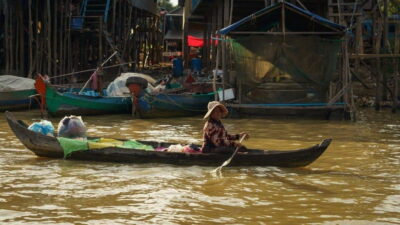 ★ 4.9Kampong Phluk Floating Village Tour by BoatFrom $206,979 reviews
 ★ 4.9Kampong Phluk Floating Village Tour with BoatFrom $193,843 reviews
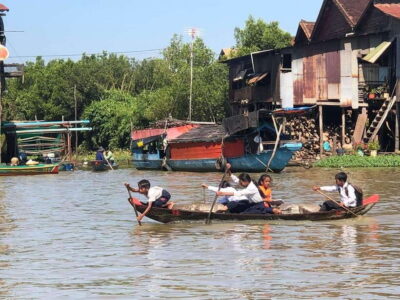 ★ 5.0Siem Reap Floating Village Kampong Phluk Sunset with BoatFrom $181,962 reviews
 ★ 5.0Kompong Phluk Floating Village Half-Day Tour ( Morning / Sunset )From $241,494 reviews
 ★ 5.0Kulen Mountain, Beng Mealea and Tonle Sap TourFrom $481,483 reviews
 ★ 5.0Tonle Sap Lake & Kampong Phluk Village Half-Day TourFrom $491,045 reviews
 ★ 5.0Kampong Phluk Floating Village Tour by BoatFrom $201,020 reviews
 ★ 4.8Kompong Phluk Floating Village Half-Day TourFrom $24966 reviews
Also appears in