
REVIEW · TONLÉ SAP
Angkor Wat & Floating Village 3-Day Private Tour
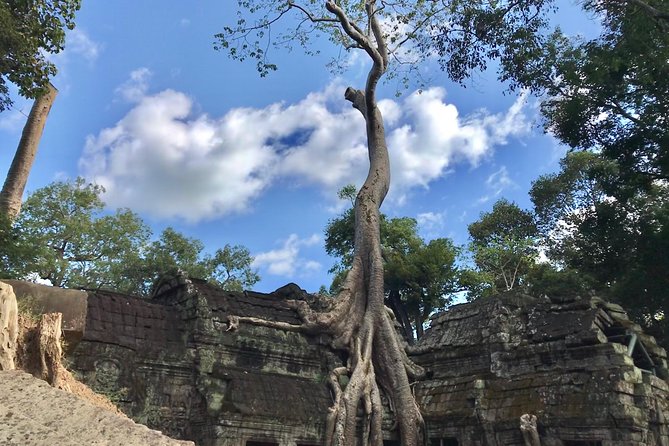
Angkor is epic, until your brain fries. This 3-day private route strings together Ta Prohm, Angkor Thom, and Angkor Wat with a guide who explains what you are seeing, including Ta Prohm’s jungle roots made famous by Tomb Raider II. I love the way the itinerary keeps your day organized, so you do not waste time asking where to go next.
I also like the included air-conditioned vehicle plus small comforts on the move, like mineral water and cold tissues, which matter fast in Cambodia heat. The day finishes with dinner and a cultural performance, a good reset after temple walking.
One catch: the big Angkor sites require a 3-day Temple Pass that is not included in the tour price, so your final spend will be higher than the headline number.
In This Review
- Key highlights worth your attention
- Why this 3-day Angkor plan feels smarter than DIY
- Price and the real value math (plus the Temple Pass reality)
- Day 1: Ta Prohm, Angkor Thom, Angkor Wat in one focused temple day
- Ta Prohm’s jungle roots and Tomb Raider II vibes
- Angkor Thom: Victory Gate and the terraces that tell stories
- Angkor Wat: lunch break near the temples, then time for the main wow
- Dinner with a cultural performance
- Day 2: Preah Khan, Banteay Srei, then Kbal Spean trek
- Preah Khan: a Buddhist university in old Angkor circuits
- Banteay Srei: the Women’s Citadel and its carvings
- Kbal Spean: trekking up to the river with one thousand linga
- Day 3: Roluos temples for Khmer-era context, then Kampong Phluk by boat
- The Roluos group: Preah Ko and the earlier capital era
- Kampong Phluk floating village: wooden boat through flooded forests
- What the guides add, and why names like Mork or Long matter
- Comfort, pacing, and the small logistics that can make or break your day
- The car ride and heat management
- Water and cold tissues
- Lunch is flexible, not included
- Who this tour suits best
- Should you book Angkor Wat and the Floating Village 3-day private tour?
- FAQ
- What is included in the Angkor Wat and Floating Village 3-day private tour?
- Do I need to buy the Angkor temple pass?
- What time does the tour start?
- Is this tour private?
- Are temple admission tickets included?
- How active is the tour?
- What happens during the floating village visit?
- Can I cancel and get a full refund?
Key highlights worth your attention
- Hotel pickup and a timed plan starting at 8:00am, so you hit the main temples efficiently
- Ta Prohm in the jungle, including the roots-and-stones look people recognize from Tomb Raider II
- Angkor Thom plus classic sights, like Victory Gate and the terraces around Baphuon and Leper King
- Kbal Spean trekking, including the river area known for one thousand linga
- Tonle Sap floating village by wooden boat, cruising through flooded forests at Kampong Phluk
- Guides with real personality, with famous-on-the-ground names you may get like Sambath, Mork, Long, Chhoeum, and others
Why this 3-day Angkor plan feels smarter than DIY
Angkor is not just one temple. It is an entire temple landscape, and doing it without a plan can turn into a lot of wasted time, wrong turns, and confusing ticket rules. This tour helps you avoid that mental overhead by building three focused days around the places most people actually come to see, plus a floating village that gives you a break from stone and carvings.
You start each day with pickup, and the main stops are spaced so you can pace your walking. You are not stuck bouncing between far-flung sites with random timing, which is where DIY days often go off the rails.
And since it is a private tour, you can keep the vibe your group wants, whether that means more photo stops, slower explanations, or simply getting answers in plain language instead of guessing.
Price and the real value math (plus the Temple Pass reality)
The tour price is $198.98 per person, for roughly 3 days. That number looks straightforward, but Angkor has one unavoidable add-on.
You also need a 3-day Temple Pass, listed at US$62 per person (and free for children below 12). The stops themselves list admission tickets as not included, so you should assume the pass is what covers your entry to the major temple complex sites.
So for an adult, your planning total is usually:
- $198.98 for the tour
- plus about $62 for the Temple Pass
That brings you to roughly $260 before tips and before any lunches you choose on your own.
What you do get for that money matters:
- Air-conditioned vehicle for long temple days
- Expert tour guide with site explanations
- Dinner with a cultural performance on Day 1
- Wooden boat trip included for the floating village portion
- Mineral water and cold tissues, which you will feel grateful for in warm weather
If you are pairing Angkor with the Tonle Sap floating village, this is a value package. The boat ride alone is not something most DIY plans handle comfortably.
More time on the lake, other boats
- From Siem Reap: Kampong Phluk Floating Village Tour by Boat★ 4.9 · 6,979 reviews
- Kompong Phluk Floating Village Half-Day Tour ( Morning / Sunset )★ 5.0 · 1,494 reviews
- Siem Reap: Kulen Mountain, Beng Mealea and Tonle Sap Tour★ 5.0 · 1,483 reviews
- Tonle Sap Lake & Kampong Phluk Village Half-Day Tour★ 5.0 · 1,045 reviews
Day 1: Ta Prohm, Angkor Thom, Angkor Wat in one focused temple day
Day 1 is built like a greatest-hits reel, but it still has enough structure to make sense when you get there.
Ta Prohm’s jungle roots and Tomb Raider II vibes
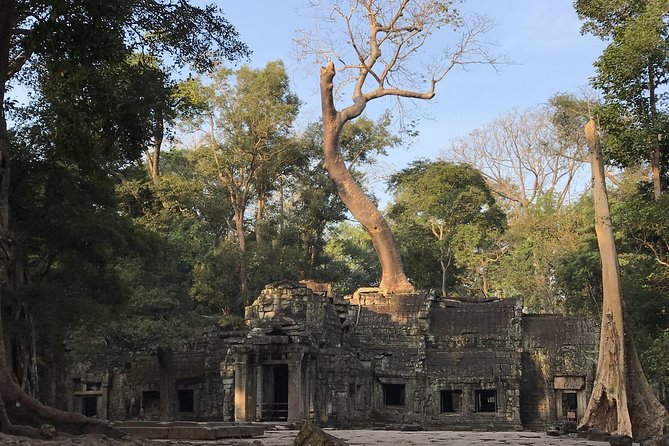
You start with Ta Prohm, the temple embraced by the roots of enormous strangler fig trees. It is the one that makes you stop mid-step because it looks like the jungle is actively taking the stones back.
What I like about beginning here is contrast. Even if you have seen photos, seeing the scale in real life hits differently. The guide angle helps too, because Ta Prohm is not just a movie set look. It is also a place where you can understand how Khmer construction meets nature over centuries, and why this site has the attention it does.
Plan for walking and uneven ground. The roots look harmless in pictures, but on foot, they mean you move carefully and watch your step.
Angkor Thom: Victory Gate and the terraces that tell stories
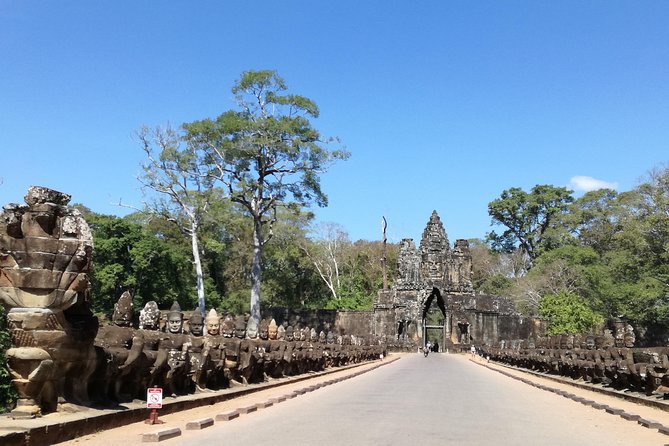
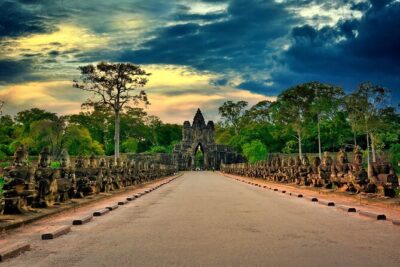
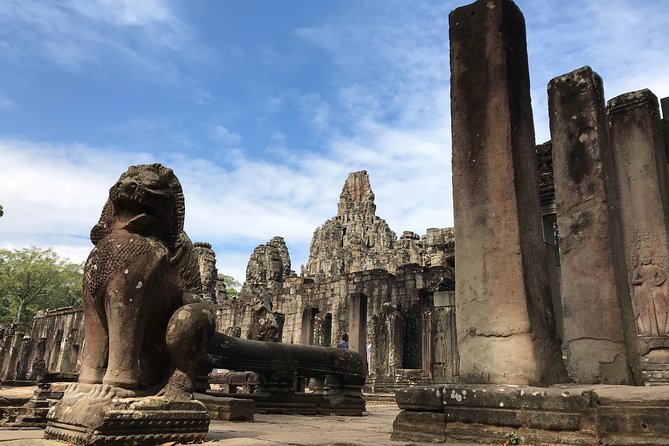
After Ta Prohm, you drive to Angkor Thom, described here as the last capital city of the Khmer empire, reached by going through Victory Gate. Then you visit key areas around the city core, including:
- Elephant Terrace
- Terrace of Leper King
- Royal Enclosure
- Phimean Akas
- Baphu(n)
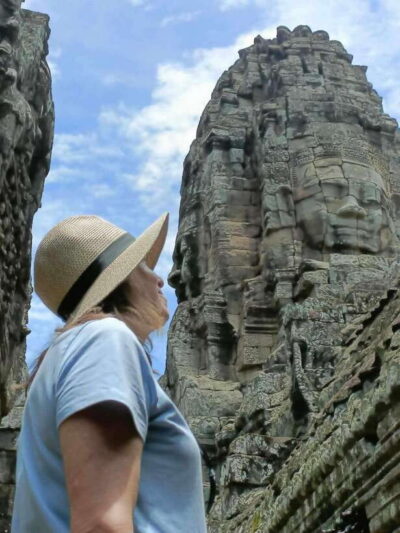
If Angkor Wat is the big symmetrical showstopper, Angkor Thom gives you the feeling of a living city layout. The guide helps you interpret how these spots relate, instead of just naming them like a list.
This is also where the day starts to feel physical. You will be on your feet for a while, so wear shoes you can trust for temple steps and paths.
Angkor Wat: lunch break near the temples, then time for the main wow
In the early afternoon, you reach Angkor Wat. The schedule includes a lunch break around noon, with the note that local restaurants are available nearby and your guide can recommend places.
I like this lunch rhythm. It keeps you from rushing through Angkor Wat hungry or cranky. It also gives you a chance to cool down a little before the serious viewing time.
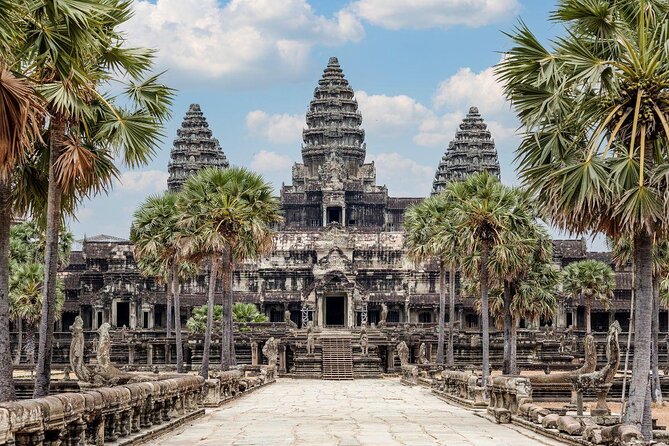
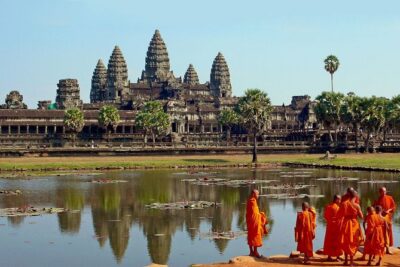
Also, keep expectations grounded: Angkor Wat is huge. Even when you do not tour every corner like a marathon, having a guide to steer you toward the most meaningful viewpoints saves time and helps the whole place click.
Other private bookings in Siem Reap
Dinner with a cultural performance
At the end of Day 1, dinner plus a cultural performance is included. After temples, your brain needs something that feels like a change of pace. This is a good reset, and it fits the practical reality that you will be tired after Day 1.
Day 2: Preah Khan, Banteay Srei, then Kbal Spean trek
Day 2 mixes three styles of Khmer temple experience. You get a major complex, then one of the most delicate carving sites, then a more active nature trek.
Preah Khan: a Buddhist university in old Angkor circuits
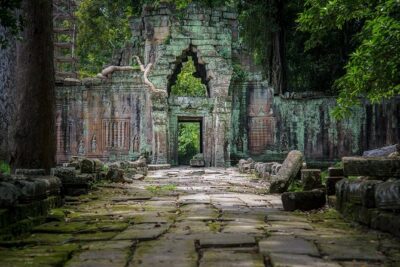
You begin Day 2 with Preah Khan, part of the Grand Circuit. It is described as an ancient Buddhist university, so it is not only about structures and symmetry. It is about understanding how spiritual education and royal patronage shaped this place.
This stop works well if you like when the guide explains context, because Preah Khan can feel less instantly obvious than some of the more famous names. With guidance, you connect the dots.
Banteay Srei: the Women’s Citadel and its carvings
Then comes Banteay Srei, often called the Women’s Citadel, labeled here as having admission ticket free in the schedule. The selling point is the carving detail, and the time block here is about one hour.
This is one of those spots where you will either rush past details or actually pause. I recommend pausing. The value of this stop comes from slow looking, not just checkmarking.
Kbal Spean: trekking up to the river with one thousand linga
After lunch, you head to Kbal Spean. The schedule notes trekking up toward the river area known for one thousand linga.
This is the day’s “get your legs involved” moment. You should have moderate physical fitness, since this is a trek in a temple-nature zone, not just flat walking between gatehouse entrances.
Practical tip: start steady, do not sprint early, and keep an eye on footing. The payoff is a different side of the Angkor story, where spirituality meets the landscape itself.
Day 3: Roluos temples for Khmer-era context, then Kampong Phluk by boat
Day 3 is designed to pull you beyond the Angkor big names and add something more local and lived-in.
The Roluos group: Preah Ko and the earlier capital era
You begin at the Roluos Temples, including Preah Ko and two other monuments, described as part of a former capital “Hari-Hara” dating to the 9th century.
I like this stop because it helps you see Angkor as an evolving tradition, not just one peak moment. When you understand that these sites predate the later grand layouts, the whole region makes more sense.
The time here is about two hours, and with a guide, you are not just looking at ruins. You are seeing a timeline.
Kampong Phluk floating village: wooden boat through flooded forests
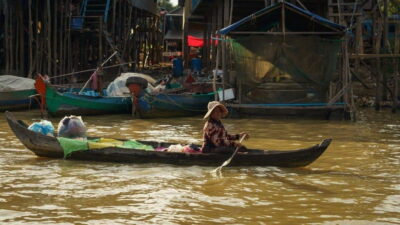
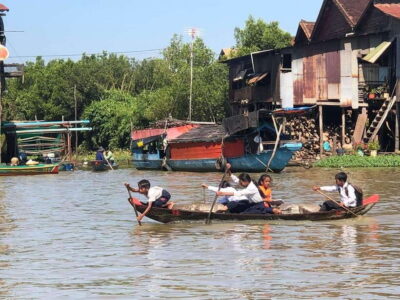
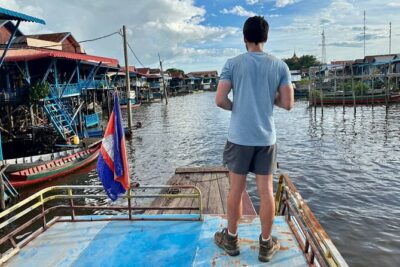
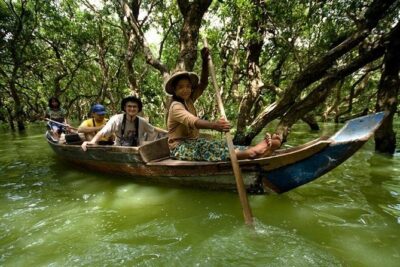
Lunch is a break you handle at your own account, then you head to the Kampong Phluk floating village on Tonle Sap Lake. The important part is how you get there: a wooden boat trip included, moving along flooding forests so you can experience the fishing community.
The schedule lists admission for this portion as included, and the boat ride is clearly part of what you pay for.
This is the stop that gives you the most “Cambodia today” feeling. Even though the boat trip is scenic, the value is social. You see how people adapt to seasonal water, and that makes the region feel more human, not just historic stone.
Plan for the boat time itself. You might want a light layer if you get breezy on the water. And even when the day is warm, the boat can be a different temperature than the road.
What the guides add, and why names like Mork or Long matter
A private guide is not just someone who knows where to park. On this route, the guide helps you make sense of three different temple styles, plus the interpretation shift from stone sites to a floating fishing community.
Some examples of guide strengths that have come up on this circuit:
- Sambath being praised for courteous, on-time planning and adjusting the tour to what the group wants
- Long being credited for excellent English and clear explanations
- Mork being known for both organization and picture-friendly photo stops, plus extra local advice
- Chhoeum adding humor while staying knowledgeable about what you are seeing
- A driver like Veasna described as professional and funny, which matters because you will spend significant time in the car
You should expect the guide to explain what to look for, not just where to stand. That is the difference between seeing temples and understanding them.
Comfort, pacing, and the small logistics that can make or break your day
A few details are not glamorous, but they matter in real life.
The car ride and heat management
You get an air-conditioned vehicle, which is a big deal over three days. Angkor afternoons can feel intense, and that comfort helps you stay fresh enough to enjoy the second and third stops each day.
Water and cold tissues
Mineral water and cold tissues are included. That sounds small until you remember you are walking, climbing, and trekking. When you are sweating, having it handled reduces stress.
Lunch is flexible, not included
Lunch breaks are built into Day 1 and Day 2, with guidance offered for local restaurants near the temples. The tour does not include lunch and does not include other beverages beyond what is stated, so budget for those meals separately.
This flexibility is good. You can eat what you like, avoid places that look too touristy for your taste, and keep moving without long detours.
Who this tour suits best
This tour fits best if you want:
- A private, structured plan across the key Angkor highlights and Tonle Sap floating village
- Fewer navigation headaches and clearer explanations at each temple
- A mix of temple days plus one active trekking day (Kbal Spean) and one local community experience (Kampong Phluk)
It is also a strong match for groups who want to travel at their own pace without giving up the value of having an expert to guide decisions.
You might reconsider if you hate walking on uneven temple terrain, since there are temple steps and a trek day. The listing calls for moderate physical fitness, which is a fair warning sign.
Should you book Angkor Wat and the Floating Village 3-day private tour?
I would book this if you want the essentials done well, without the DIY stress. The combination of Ta Prohm, Angkor Thom, Angkor Wat, a Kbal Spean trek, and Kampong Phluk by wooden boat is a lot to pack into three days, and this plan organizes it in a way that usually feels manageable.
It is also a smart value when you price it against what you get included: guide time, air-conditioned transport, dinner with cultural performance, and a real boat experience on Tonle Sap, then add the fact you still only pay the Temple Pass separately.
Do it if you like a guided explanation style, and you are comfortable with a moderate amount of walking and trekking. If you are trying to keep costs super tight, remember the Temple Pass add-on, and plan your lunch budget too.
FAQ
What is included in the Angkor Wat and Floating Village 3-day private tour?
Dinner, an air-conditioned vehicle, an expert tour guide, the boat trip to the floating village on Tonle Sap Lake, and mineral water with cold tissues during the tour are included.
Do I need to buy the Angkor temple pass?
Yes. The 3-day Temple Pass costs US$62 per person and is not included. Children below 12 years old get free entry with the pass.
What time does the tour start?
Pickup starts at 8:00am.
Is this tour private?
Yes. It is a private tour/activity, so only your group participates.
Are temple admission tickets included?
Most stops list admission tickets as not included. The Temple Pass is the main add-on noted in the tour details. Banteay Srei is listed as having admission ticket free, and the floating village boat portion is listed as admission ticket included.
How active is the tour?
The tour is best for people with moderate physical fitness. Day 2 includes a trek up to Kbal Spean, and you will also walk through multiple temples each day.
What happens during the floating village visit?
You visit Kampong Phluk by taking a wooden boat along the flooded forests on Tonle Sap Lake, so you can experience the fishing community.
Can I cancel and get a full refund?
Yes. Free cancellation is available if you cancel up to 24 hours in advance of the experience start time for a full refund.
More Tours in Siem Reap
- Angkor Wat Sunrise or Sunset Tour with Guide from Siem Reap★ 5.0 · 12,109 reviews
- Siem Reap: Angkor Wat: Small-Group Sunrise or Sunset Tour★ 5.0 · 9,444 reviews
- From Siem Reap: Kampong Phluk Floating Village Tour by Boat★ 4.9 · 6,979 reviews
- Siem Reap: Angkor Wat 2-Day Tour with Sunrise and Sunset★ 4.9 · 4,429 reviews
More Tour Reviews in Siem Reap
- Angkor Wat Sunrise or Sunset Tour with Guide from Siem Reap★ 5.0 · 12,109 reviews
- Siem Reap: Angkor Wat: Small-Group Sunrise or Sunset Tour★ 5.0 · 9,444 reviews
- From Siem Reap: Kampong Phluk Floating Village Tour by Boat★ 4.9 · 6,979 reviews
- Siem Reap: Angkor Wat 2-Day Tour with Sunrise and Sunset★ 4.9 · 4,429 reviews
More Hours Out on the Tonle Sap
- From Siem Reap: Kampong Phluk Floating Village Tour by Boat★ 4.9 · 6,979 reviews
- Kompong Phluk Floating Village Half-Day Tour ( Morning / Sunset )★ 5.0 · 1,494 reviews
- Siem Reap: Kulen Mountain, Beng Mealea and Tonle Sap Tour★ 5.0 · 1,483 reviews
- Tonle Sap Lake & Kampong Phluk Village Half-Day Tour★ 5.0 · 1,045 reviews
Newly written up around Siem Reap
- Waterfall & River of 1000 Siva Linga- Kulen Mountain Private Tour
★ 5.0 · 3 reviews - Private Transfer from Siem Reap to Sihanoukville
★ 4.5 · 3 reviews - Private Tour to Koh Ker and Beng Mealea
★ 5.0 · 3 reviews - Private Transfer: Siem Reap Angkor Internation Airport to Hotel
★ 5.0 · 3 reviews - Kulen National Park Ticket -Waterfall & 1000 Lingas
★ 5.0 · 3 reviews - Kulen Waterfall & Kbal Spean Tour
★ 5.0 · 3 reviews
Tonlé Sap & Floating Village Tours, side by side.
 ★ 4.9Kampong Phluk Floating Village Tour by BoatFrom $206,979 reviews
 ★ 4.9Kampong Phluk Floating Village Tour with BoatFrom $193,843 reviews
 ★ 5.0Siem Reap Floating Village Kampong Phluk Sunset with BoatFrom $181,962 reviews
 ★ 5.0Kompong Phluk Floating Village Half-Day Tour ( Morning / Sunset )From $241,494 reviews
 ★ 5.0Kulen Mountain, Beng Mealea and Tonle Sap TourFrom $481,483 reviews
 ★ 5.0Tonle Sap Lake & Kampong Phluk Village Half-Day TourFrom $491,045 reviews
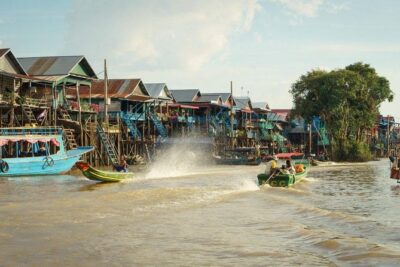 ★ 5.0Kampong Phluk Floating Village Tour by BoatFrom $201,020 reviews
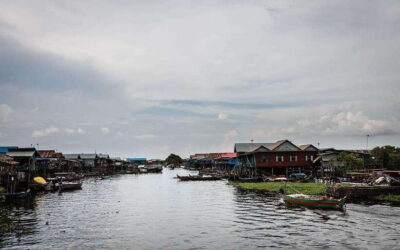 ★ 4.8Kompong Phluk Floating Village Half-Day TourFrom $24966 reviews
Also appears in