
REVIEW · ANGKOR
Angkor Wat: Sunrise 2.5 Days with Tonle Sap Lake Tour
Sunrise at Angkor feels like a reset button. This 2.5-day mix of temple grandness and real Tonle Sap Lake life is timed for the best light, plus you travel at your own pace in a small-group setup.
Two things I really like: you get the full English-guided temple story (not just random ruins), and the schedule pairs big sights with quieter, atmospheric stops. The main drawback to plan for is the extra temple entrance fees that are not included in the $69 price.
Guides often bring strong photo instincts and clear explanations, and I like that you also get practical comforts like an air-conditioned vehicle, bottled water, and a cool towel. Just know that meals are not included, so you should budget for breakfast and lunch stops.
In This Review
- Key Points That Make This Tour Worth It
- Why This Angkor and Tonle Sap Pairing Works
- Day 1: Re Rub, Banteay Srei, Neak Pean, Preah Khan, Sunset at Bakheng
- Day 2: Angkor Wat Sunrise, Then Ta Prohm and Ta Nei
- Angkor Thom and Bayon: Getting the Bigger Picture
- Day 3: Tonle Sap Lake, Kampong Phluk Fishing Village, and the Boat Ride
- Dry Season Note: Tonle Sap Swap to Cambodia Phare Circus
- Sunrise and Sunset Timing: How to Get the Magic Without Feeling Rushed
- Guide Quality: What Makes the Difference at Angkor
- Price and Value: What $69 Covers, and What You Still Need to Pay
- What to Bring and Wear (Plus One Simple Etiquette Rule)
- Should You Book This Angkor Sunrise 2.5-Day + Tonle Sap Tour?
- FAQ
- How long is the tour?
- Do I get hotel pickup and drop-off?
- Are sunrise at Angkor Wat and sunset at Bakheng Temple included?
- Are Angkor temple entrance tickets included in the $69 price?
- What meals are included?
- What happens on Tonle Sap Lake day in the dry season?
- What should I bring and wear?
- Is the tour wheelchair accessible?
Key Points That Make This Tour Worth It
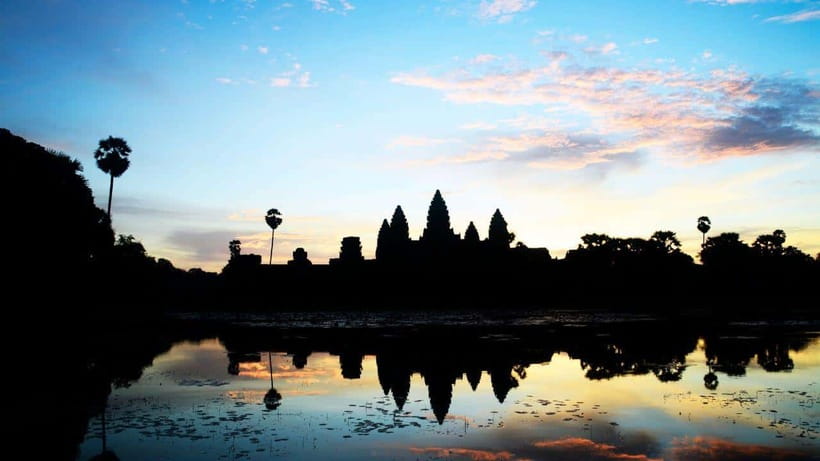
- Sunrise before the Angkor crowds, plus a focused look at Angkor Wat interior
- Banteay Srei and Preah Khan on Day 1, with tree roots and carved sandstone detail
- Kampong Phluk by boat in the flooded-forest setting, not just a quick drive-by
- Skip the ticket line, so you spend more time walking and less time waiting
- Dry-season swap to Cambodia Phare Circus (Seat C) if Tonle Sap access is limited
Why This Angkor and Tonle Sap Pairing Works
This tour clicks because it gives you two different “Cambodia moods” in one trip. On temple days, you’re walking through stone temples built for kings, faith, and ceremony. On Tonle Sap, the scale changes fast, and you see how people live with a lake that literally grows and shrinks.
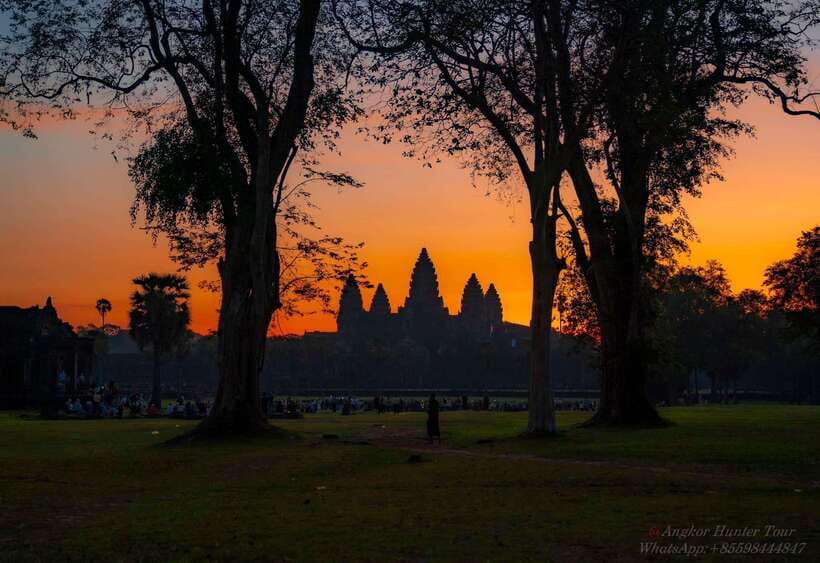
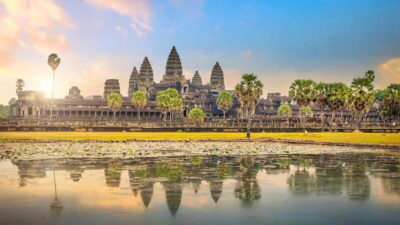
Angkor Wat sunrise plus Bakheng sunset is a smart way to handle timing. Morning light makes carved stone pop. Evening air softens the edges of the ruins, and that contrast helps your brain connect what you saw earlier in the day.
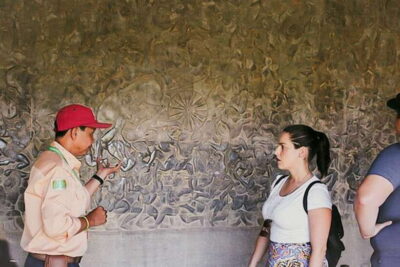
For me, the real value is the guided pacing. Angkor is easy to misunderstand if you’re just wandering. A good guide points out what you’re looking at and why it matters, then you move on before you feel temple-fatigued.
Day 1: Re Rub, Banteay Srei, Neak Pean, Preah Khan, Sunset at Bakheng
Day 1 is about variety within the Angkor complex area. You start at Re Rub, described as a Hindu temple and state temple connected with Khmer king Rajendravarman, built around 961 or early 962. It’s a temple mountain made with a mix of brick, laterite, and sandstone. That building material detail is useful, because it helps you read the later decay and restoration you’ll notice as you walk.
Next comes Banteay Srei, and this is one of the reasons people fall in love with this tour. It is smaller than the biggest Angkor structures, but the reliefs are considered among the finest and most skillfully crafted in Cambodia, all carved in detailed sandstone work. Even if you only have one afternoon on Day 1, this stop gives you close-up craft.
Then you move to Neak Pean, an artificial island with a Buddhist temple sitting on a circular island in Jayatataka Baray. It feels different from the main temple mountains, and it helps you see that Angkor isn’t one style or one faith story.
After that, the day shifts into atmosphere mode at Preah Khan. It’s a ruined temple, but the defining feature is how the tree roots mix with crumbling stone structures. That kind of visual blend can be startling if you’re not expecting it, so a guide’s explanations make the ruins feel intentional, not random.
You finish with a sunset at Bakheng Temple. This is a classic viewpoint for a reason: the light turns the stone warmer, and the surrounding view gives your eyes a place to rest after hours of carvings and corridors.
Practical note: Day 1 is active. Comfortable shoes and insect repellent matter here, because you will be walking on uneven stone surfaces for extended stretches.
Other ways to be at the temples before the light comes up
- Angkor Wat Sunrise or Sunset Tour with Guide from Siem Reap★ 5.0 · 12,109 reviews
- Siem Reap: Angkor Wat: Small-Group Sunrise or Sunset Tour★ 5.0 · 9,444 reviews
- Siem Reap: Angkor Wat 2-Day Tour with Sunrise and Sunset★ 4.9 · 4,429 reviews
- Angkor Wat Sunrise tour with Small – Group and Guide tours★ 5.0 · 3,655 reviews
Day 2: Angkor Wat Sunrise, Then Ta Prohm and Ta Nei
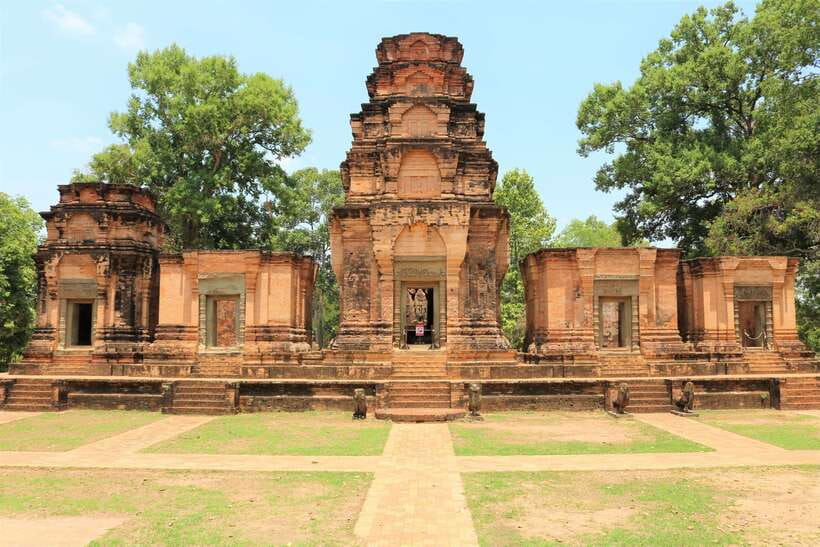
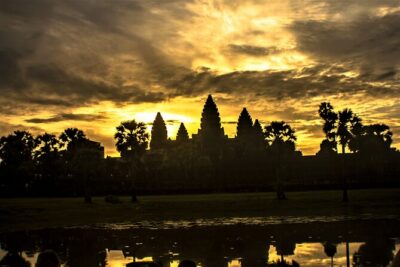
Day 2 starts before dawn for the sunrise experience outside Angkor Wat. You’re not only there for the moment. The plan includes time to soak up the atmosphere from the edge of one of the ancient library pools, then it shifts into a thorough temple visit inside Angkor Wat.
The interior time is an important detail. You’re scheduled for about two hours exploring corridors, central chambers, and upper terraces. That’s the difference between seeing Angkor Wat as a postcard and actually understanding the layout. A guide helps you orient quickly, so you don’t end up just repeating the same viewpoint over and over.
Breakfast happens at a local restaurant near the temple area. Meals are not included on the tour price, so budget for your own breakfast here. Still, it’s a useful stop because it keeps the day moving without wasting your morning energy.
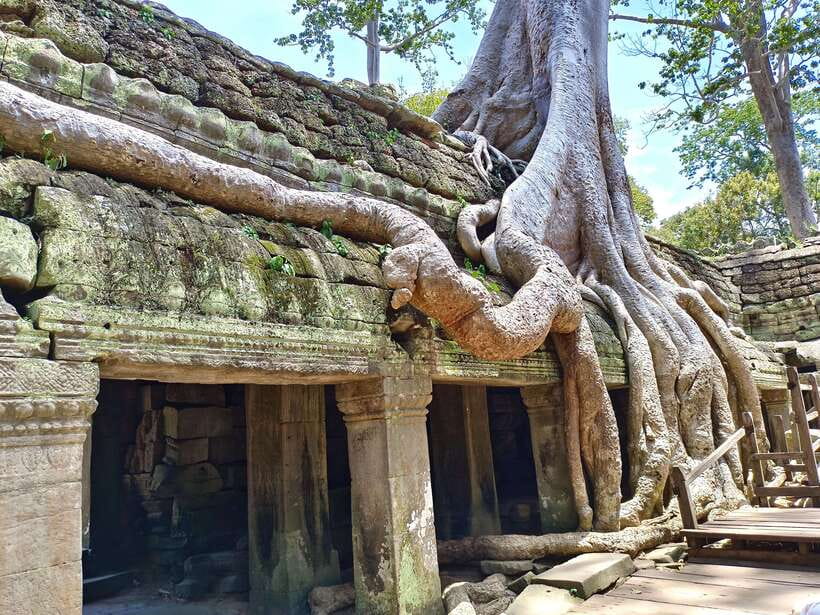
After that, the itinerary takes a heavy-hitter turn: Ta Prohm, often called the Tomb Raider temple. This is where the tree roots and stone drama become the main show. It’s a great contrast to Angkor Wat’s more structured feel, and a good guide will point out what’s original versus what you’re seeing because of the way the temple has been left and protected.
Next is Ta Nei, a long but fulfilling stop. It’s a late 12th-century stone temple dedicated to the Buddha. The shift from Ta Prohm’s cinematic feel to Ta Nei’s different temple tone helps the day stay interesting instead of repeating the same visual theme.
By the end of Day 2, you’ll likely feel the total amount of walking. That’s normal at Angkor. This is the day when hydration and pacing matter most, so plan to lean into the included bottled water and cool towel when offered.
Angkor Thom and Bayon: Getting the Bigger Picture
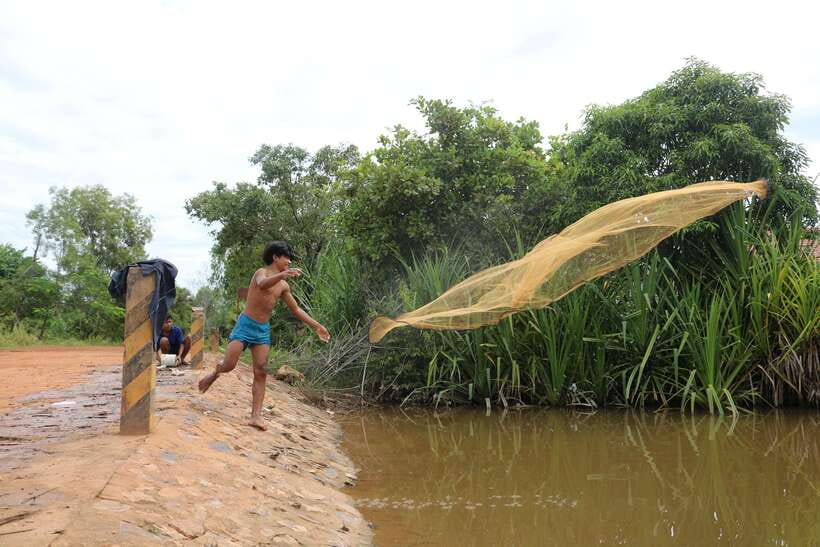
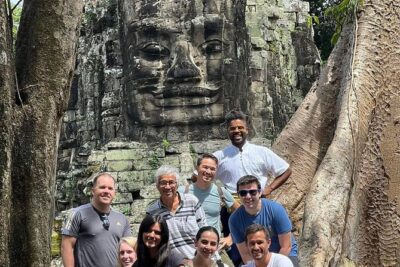
Even though Day 1 and Day 2 sound like a string of temples, the tour also includes Angkor Thom City and the Bayon temple as part of the temple set you cover. This matters because Angkor Wat is the headline, but Bayon is where you see how the city-scale temple system worked.
Bayon is often the place where first-time visitors start realizing that Angkor isn’t one monument. It’s an entire urban idea expressed in stone: gates, walls, temples, and ceremonial spaces built for movement and meaning.
If your guide does their job well, Bayon helps connect the dots. You walk into spaces and can start to feel the intended rhythm of the city, not just the buildings.
Day 3: Tonle Sap Lake, Kampong Phluk Fishing Village, and the Boat Ride
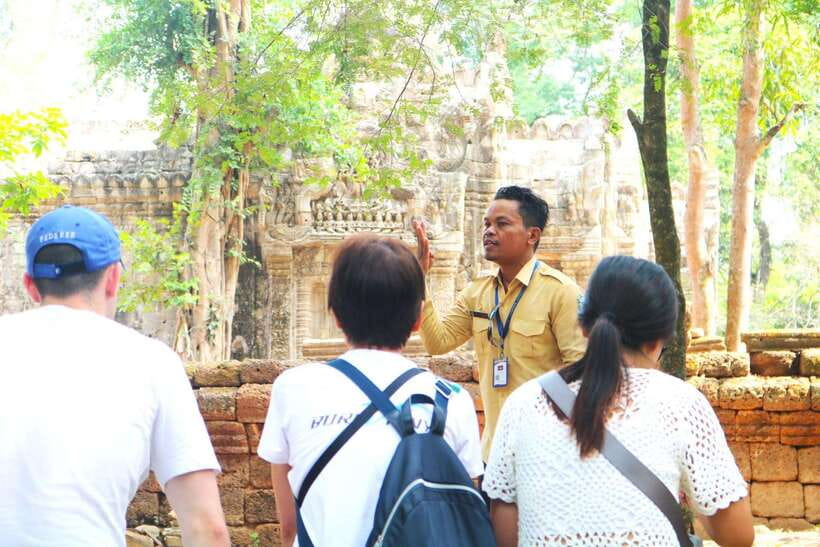
Day 3 is the reset. You get pickup around 8:00 AM from your accommodation in Siem Reap City, then you travel to Tonle Sap Lake. This lake is the world’s second largest freshwater lake, and it swells to about 12,000 kilometers squared. During the dry half of the year, it shrinks to around 2,500 kilometers squared as the lake drains into the Tonle Sap River.
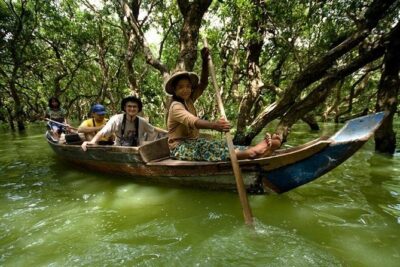
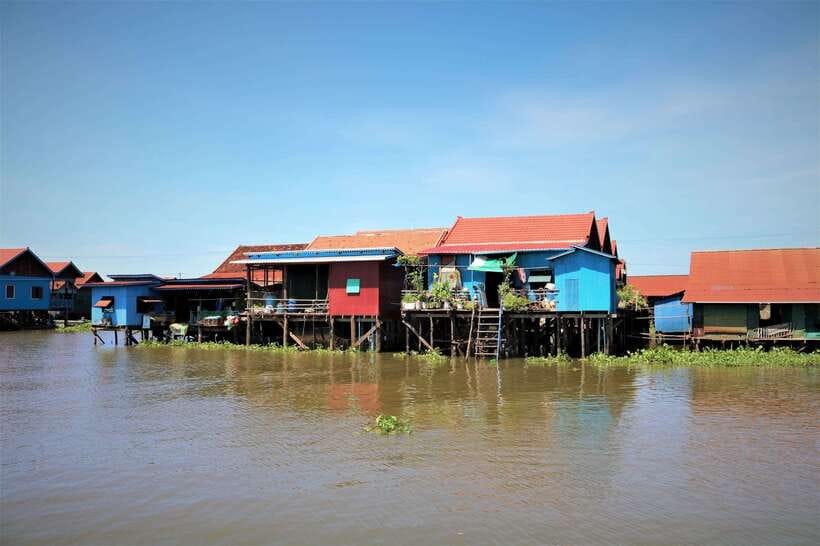
That seasonal change is not a trivia point. It explains why so much life around Tonle Sap is adapted to water levels. So when you take a boat trip to Kampong Phluk, you’re not just visiting a village. You’re seeing a flooded-forest setting shaped by the lake’s rise and fall.
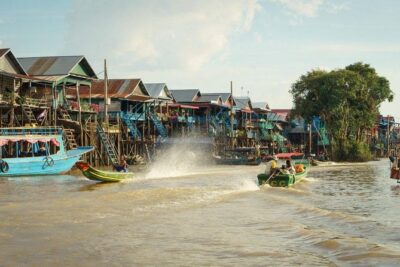
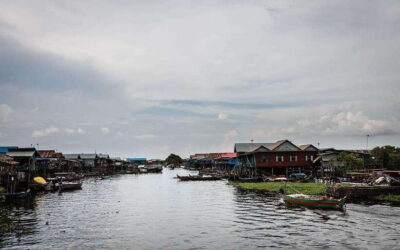
At Kampong Phluk, you meet locals at a collection of three small fishing villages. The boat ride is the highlight here because it changes your perspective. Instead of looking at life from the ground, you’re moving through the watery space where houses, paths, and work routines make sense.
Lunch is at your own expense. The tour gives you a short rest after the boat trip, which is important because Day 3 can combine a long ride with time on the water.
Dry Season Note: Tonle Sap Swap to Cambodia Phare Circus
In the dry season (March to July), the water level can limit Tonle Sap lake access. In that case, the tour alternative is Cambodia Phare Circus (Seat C).
This isn’t a small change, so check your travel dates carefully. If you’re going in those months and lake access is limited, you may experience a performance instead of the boat day.
More time on the lake, other boats
Sunrise and Sunset Timing: How to Get the Magic Without Feeling Rushed
Sunrise at Angkor Wat and sunset at Bakheng are the two signature moments. The best part of this tour is that timing is built into the plan instead of being something you scramble for on your own.
For sunrise, you depart before dawn. You then get a calm place to watch the first light, then you move into structured temple time. For sunset, you end the day at Bakheng, when the light and temperature usually feel kinder and the experience becomes more atmospheric.
A guide helps here too. Good guides manage the flow, so you find strong angles quickly, and you understand what you’re seeing instead of just watching people raise their phones.
If you like photography, you’re likely to appreciate that multiple guides associated with this tour style are praised for knowing the best photo stops. That means you’re not stuck at the same crowded corner for every shot.
Guide Quality: What Makes the Difference at Angkor
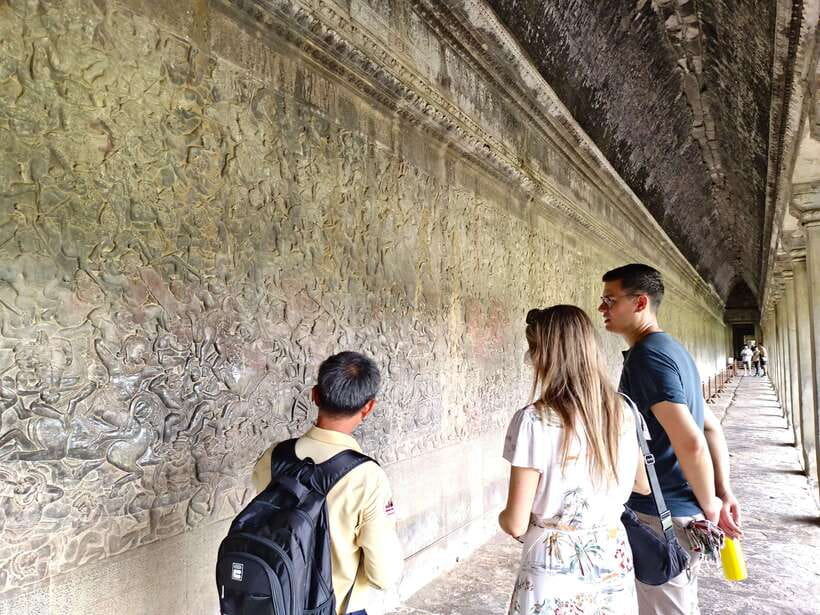
Angkor can be confusing if you treat it like a museum. Stone carvings are beautiful, but without context they can feel like decoration.
What I like about this experience is how often the storytelling is singled out. In past departures, guides such as Sopheap Rath and Pal Saruon have been praised for explaining different periods and constructions in clear ways. Other guides named in feedback include Sokpee, Chhay, Rom, and Sam, with special praise for good pacing, strong English, and thoughtful answering of questions.
That matters because you’re on your feet all day. If the guide keeps information at a level you can absorb, you enjoy the temples more and your feet hurt less because you’re not rushing mentally to catch up.
A solid driver also makes a difference, especially on Day 1 and the long drive to Tonle Sap on Day 3. Feedback on driver care focuses on safety, attentiveness, and small comforts like cold water and even helping you manage weather.
Price and Value: What $69 Covers, and What You Still Need to Pay
The headline price is $69 per person for a 2.5-day plan. That’s often attractive because you’re paying for more than tickets. You get hotel pickup and drop-off in Siem Reap City, an English-speaking guide, an air-conditioned vehicle, and included comfort items like bottled water and a cool towel.
You also get the two most time-sensitive moments included: sunrise at Angkor Wat and sunset at Bakheng Temple. Plus you cover key temple areas such as Ta Prohm, Angkor Thom and Bayon, and Banteay Srei as part of the circuit.
But you should plan for temples entrance tickets, which are not included. The fee is listed as $62 per person for 2 to 3 days covering all temples. The tour does include skipping the ticket line, which helps you save time once you reach the entrances.
So is it good value? Yes, if you care about understanding what you’re seeing and avoiding wasted time. If you’d rather self-guide and you already know exactly which temples you want and how to pace them, you might compare options. Still, at Angkor, a guide is often the difference between seeing ruins and getting meaning.
What to Bring and Wear (Plus One Simple Etiquette Rule)
This tour gives clear direction on dress and packing.
Bring:
- Comfortable shoes (temple ground is uneven and you’ll be walking)
- Insect repellent
Dress respectfully:
- No shorts
- Cover your shoulders and knees
Also note: pets are not allowed, and the tour is not wheelchair accessible.
That etiquette detail is more than “nice to have.” At religious sites, dressing properly helps you move through spaces calmly and without distractions.
Should You Book This Angkor Sunrise 2.5-Day + Tonle Sap Tour?
I’d book it if you want the best of both worlds: Angkor’s big moments and Tonle Sap lake life in a single, guided package. The sunrise and sunset timing is handled, the temple circuit is guided and paced, and Day 3 gives you a different kind of experience that breaks up temple overload.
I would not book it if the extra entrance fees are a deal-breaker for your budget, or if you need wheelchair accessibility. Also, if you’re traveling in March to July, plan for the dry-season swap to Cambodia Phare Circus instead of a boat trip.
If you like clear English explanations, strong photo spot knowledge, and not feeling rushed across ancient ruins, this is a solid way to spend 2.5 days in Siem Reap.
FAQ
How long is the tour?
The tour runs for 2.5 days.
Do I get hotel pickup and drop-off?
Yes. Pickup and drop-off are included, with pickup at your accommodation in Siem Reap City.
Are sunrise at Angkor Wat and sunset at Bakheng Temple included?
Yes. The schedule includes sunrise at Angkor Wat and sunset at Bakheng Temple.
Are Angkor temple entrance tickets included in the $69 price?
No. Temples entrance fees are not included and are listed as $62 per person (covering all temples for 2 to 3 days).
What meals are included?
Meals are not included. The plan includes a breakfast stop near the temple area and lunch on Tonle Sap day at your own expense.
What happens on Tonle Sap Lake day in the dry season?
In the dry season (March to July), due to water levels, the alternative is Cambodia Phare Circus (Seat C) instead of the Tonle Sap lake option.
What should I bring and wear?
Bring comfortable shoes and insect repellent. Dress respectfully by covering your shoulders and knees, and shorts are not allowed.
Is the tour wheelchair accessible?
No. This activity is not wheelchair accessible.
More Tour Reviews in Siem Reap
- Angkor Wat Sunrise or Sunset Tour with Guide from Siem Reap★ 5.0 · 12,109 reviews
- Siem Reap: Angkor Wat: Small-Group Sunrise or Sunset Tour★ 5.0 · 9,444 reviews
- From Siem Reap: Kampong Phluk Floating Village Tour by Boat★ 4.9 · 6,979 reviews
- Siem Reap: Angkor Wat 2-Day Tour with Sunrise and Sunset★ 4.9 · 4,429 reviews
More Hours Out on the Tonle Sap
- From Siem Reap: Kampong Phluk Floating Village Tour by Boat★ 4.9 · 6,979 reviews
- Kompong Phluk Floating Village Half-Day Tour ( Morning / Sunset )★ 5.0 · 1,494 reviews
- Siem Reap: Kulen Mountain, Beng Mealea and Tonle Sap Tour★ 5.0 · 1,483 reviews
- Tonle Sap Lake & Kampong Phluk Village Half-Day Tour★ 5.0 · 1,045 reviews
Sunrise at Angkor, Three More Ways
- Angkor Wat Sunrise or Sunset Tour with Guide from Siem Reap★ 5.0 · 12,109 reviews
- Siem Reap: Angkor Wat: Small-Group Sunrise or Sunset Tour★ 5.0 · 9,444 reviews
- Siem Reap: Angkor Wat 2-Day Tour with Sunrise and Sunset★ 4.9 · 4,429 reviews
- Angkor Wat Sunrise tour with Small – Group and Guide tours★ 5.0 · 3,655 reviews
Newly written up around Siem Reap
- Waterfall & River of 1000 Siva Linga- Kulen Mountain Private Tour
★ 5.0 · 3 reviews - Private Transfer from Siem Reap to Sihanoukville
★ 4.5 · 3 reviews - Private Tour to Koh Ker and Beng Mealea
★ 5.0 · 3 reviews - Private Transfer: Siem Reap Angkor Internation Airport to Hotel
★ 5.0 · 3 reviews - Kulen National Park Ticket -Waterfall & 1000 Lingas
★ 5.0 · 3 reviews - Kulen Waterfall & Kbal Spean Tour
★ 5.0 · 3 reviews
Angkor Wat Sunrise Tours, side by side.
 ★ 5.0Angkor Wat Sunrise or Sunset Tour with Guide from Siem ReapFrom $1812,109 reviews
 ★ 5.0Angkor Wat: Small-Group Sunrise or Sunset TourFrom $159,444 reviews
 ★ 4.9Angkor Wat 2-Day Tour with Sunrise and SunsetFrom $344,429 reviews
 ★ 5.0Angkor Wat Sunrise tour with Small – Group and Guide toursFrom $143,655 reviews
 ★ 5.0Angkor Wat Highlights and Sunrise Guided Tour from Siem ReapFrom $233,213 reviews
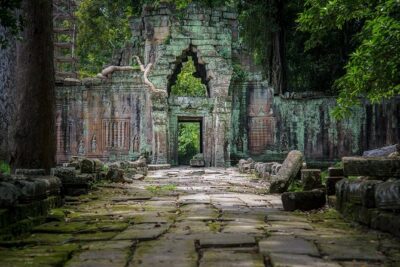 ★ 5.0Full-Day Angkor Wat Sunrise Private Tour with Guide from Siem ReapFrom $602,920 reviews
 ★ 5.0Angkor Wat Sunrise & 3 Main Temples with Breakfast – Small GroupFrom $152,857 reviews
 ★ 4.9Angkor Wat Sunrise and Full-Day Sightseeing TourFrom $142,828 reviews