
REVIEW · CAMBODIA
Angkor Wat Tour by Tuk-Tuk with English Speaking Driver
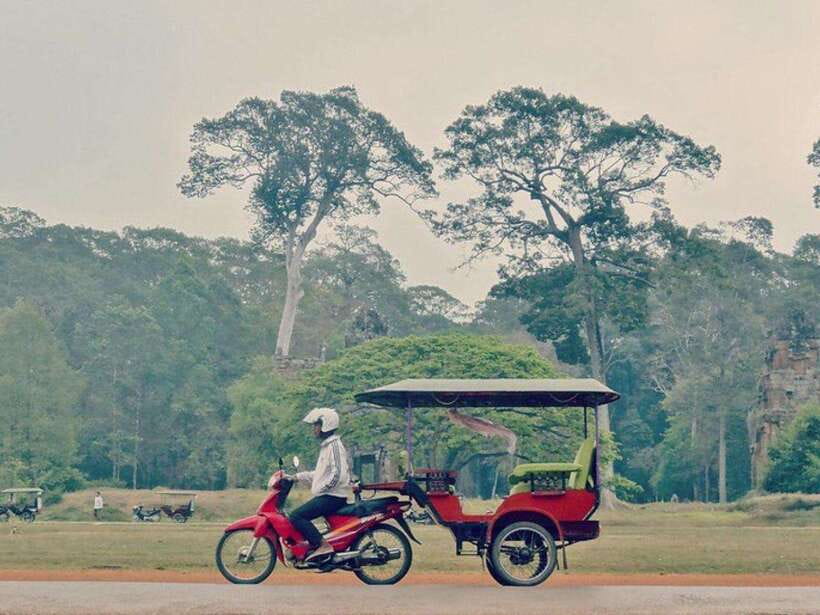
One morning, your temple route gets flexible fast. A private tuk-tuk day at Angkor lets you explore at your pace, with hotel pickup and an English-speaking driver guiding your moves between sights. I especially like the convenience of hotel pickup and drop-off, plus the way the driver waits so you are not rushed through the carvings. One thing to plan for: entrance fees and the Angkor Pass are not included in the price.
If you choose the option that adds an English speaking licensed tour guide, you will get more context while you walk. I also love the comfort details people keep bringing up, like cold water and cold towels at the right moments, which matter when it is hot and you are climbing steps. You should also expect a lot of walking, including stair climbs, because temples are temples, and that part is never optional.
In This Review
- Key highlights I’d plan around
- Why a private tuk-tuk works so well at Angkor
- Hotel pickup in Krong Siem Reap, then straight to temple time
- Angkor Wat: what to look for and how to pace the first hour
- Angkor Thom south gate to Bayon: the smiling faces are only step one
- Baphuon and the “terraces” section: where the details slow you down
- Phimeanakas and the Royal Enclosure: a strategic breather
- Ta Prohm and Ta Keo: the roots, the mood, and the camera time
- The lunch break and weather reality check
- Ta Nei, West Prasat Top, Banteay Kdei, and Prasat Kravan: the “keep going” circuit
- Timing, pace, and the comfort details that keep you sane
- Price and logistics: what $15 does, what it does not
- Should you book this Angkor Temples full-day tuk-tuk tour?
Key highlights I’d plan around
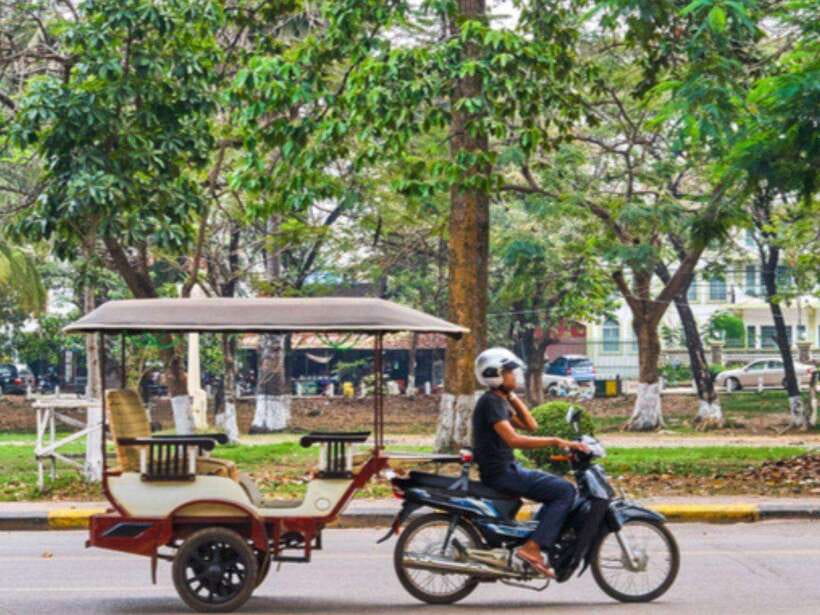
- Private tuk-tuk with English speaking driver to move you between the main Angkor sights without the hassle of transfers
- Hotel-to-temple-to-hotel convenience, so you can start and finish where you actually stay in Siem Reap
- Choose your temple focus, since the tour options let you pick special activities and adjust what you spend time on
- Driver-waits flexibility, meaning you can linger at Bayon faces or sprint to a viewpoint, depending on your mood
- Comfort perks in the heat, including cold bottles of water and cold towels during the day
Why a private tuk-tuk works so well at Angkor
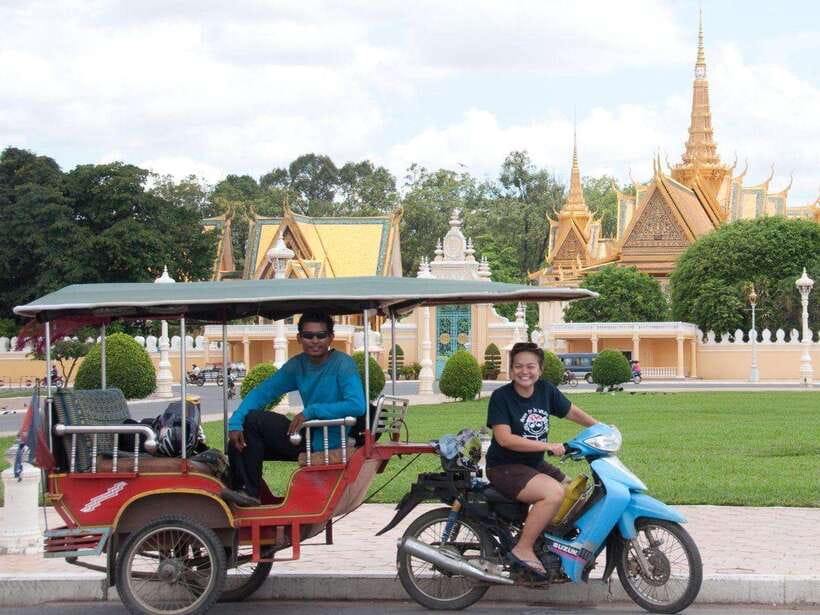
Angkor is spread out, and the main temples are famous for a reason: the details reward slow walking. That is where a private tuk-tuk shines. You are not trying to stay in a group rhythm, and you are not stuck searching for the next pickup point in a place where signage can feel confusing.
The real value here is control. You can spend extra time around the viewpoints at Angkor Wat, slow down in Angkor Thom when you want photos with the Bayon faces, or take a breather when the midday sun hits. This is especially helpful because the route can stretch longer or shorter depending on what you choose and how long you want at each site.
Hotel pickup in Krong Siem Reap, then straight to temple time
Your day starts with hotel pickup in Krong Siem Reap, and the tuk-tuk moves you toward the Angkor Archaeological Park. The transfer itself is quick enough that you feel like you are starting the temple portion immediately, not burning time on logistics.
What I like about this setup is that it is built around your location. You provide your hotel name and address, and the driver meets you at the lobby. When you finish each stop, the driver waits and then takes you to the next location, so your only job is to show up ready to walk.
One small but practical detail that makes the day easier: some drivers are known for using pin-drop locations on WhatsApp to make re-meeting simple if you get turned around. That matters when you are photographing, climbing stairs, or simply taking your time.
Other drivers covering Siem Reap routes
- Siem Reap: Dinner and Traditional Show with Hotel Transfer★ 4.1 · 172 reviews
- Angkor Wat Private Tour by Tuk-Tuk with English Speaking Driver★ 5.0 · 142 reviews
- Siem Reap: One-Way Transfer from Hotel to Airport (SAI)★ 5.0 · 140 reviews
- Angkor Wat Private Driver Tours to Angkor Wat Sunrise, Angkor Thom & Ta Prohm★ 5.0 · 98 reviews
Angkor Wat: what to look for and how to pace the first hour
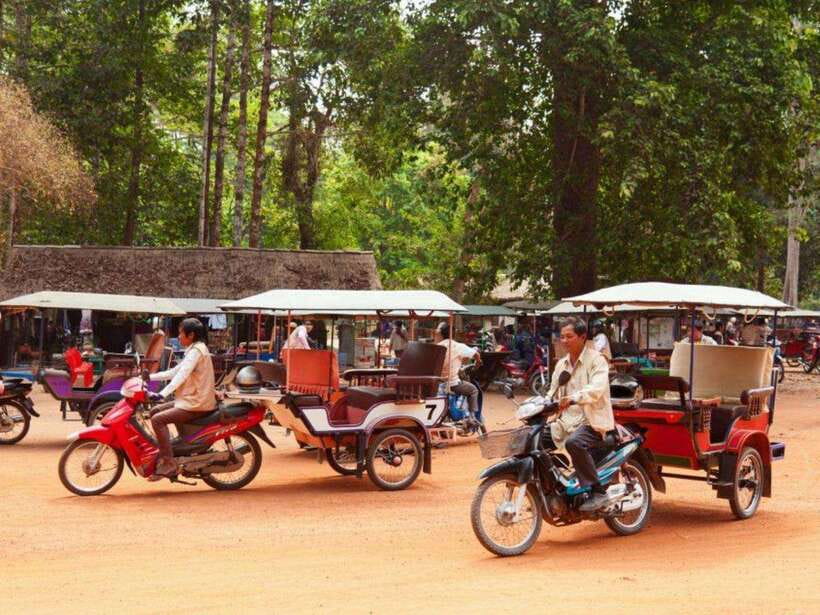
Angkor Wat is the headline act, and your first major stop is designed for walking and sightseeing with time to set your own tempo. You typically get around one hour here, which is enough for the main highlights if you keep moving, and still enough to slow down for key views and photo angles.
Here’s how I’d pace it:
- Start by orienting yourself to the composition, especially the way the corridors and towers frame the central courtyard views.
- Spend your time where the stone details are most visible, not just where the crowds bunch up.
- Save a few minutes for a last look before moving on, because Angkor Wat always looks different as the light shifts.
If your trip is tied to a special timing like sunset, that option is noted in the tour’s highlight set. Even without a sunset plan, Angkor Wat early in the day often feels clearer and less hurried, and the complex is easier to enjoy when you are not trying to catch every second.
Angkor Thom south gate to Bayon: the smiling faces are only step one
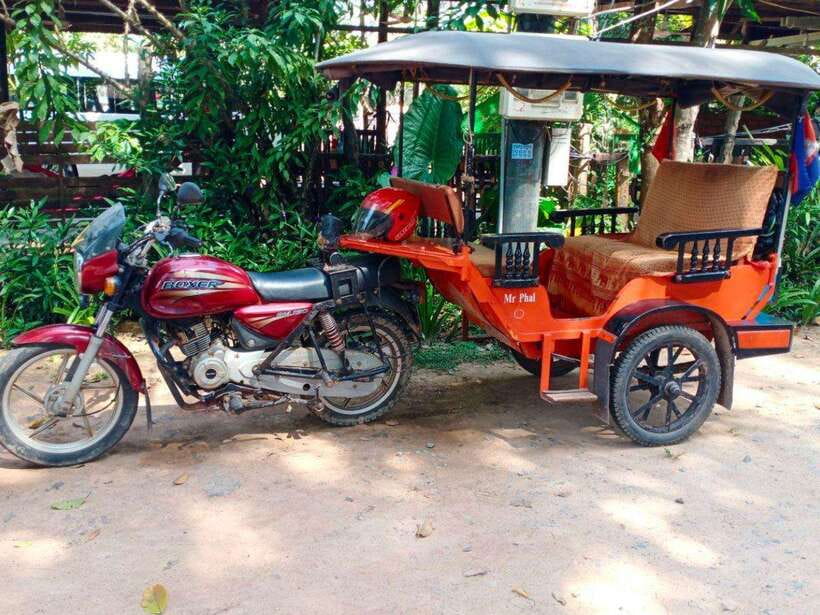
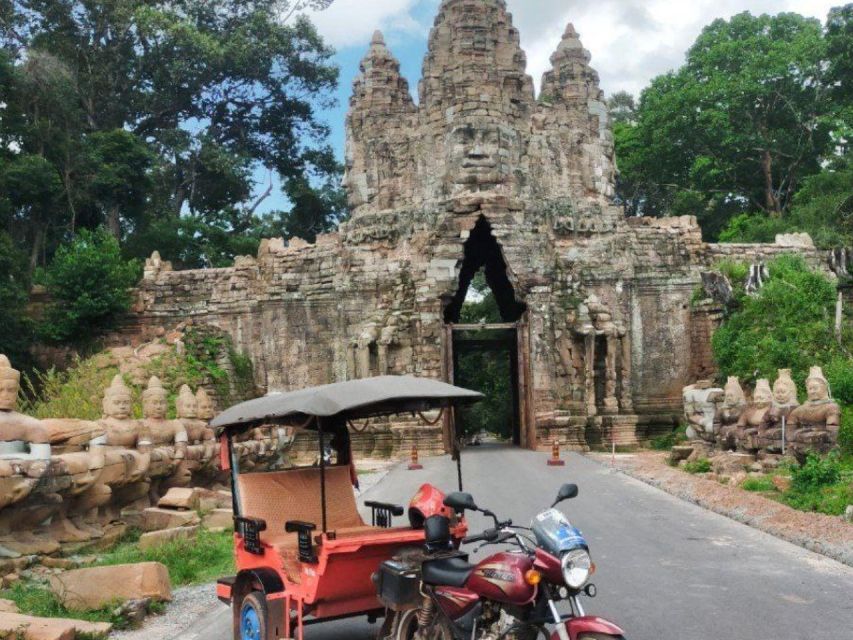
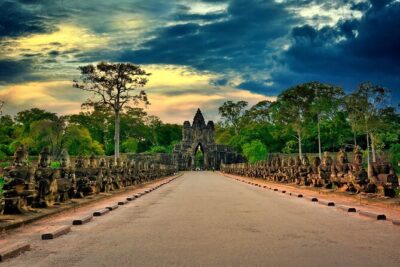
After Angkor Wat, the route shifts to Angkor Thom, and the first entry point is the South Gate. You get time to visit and walk here, then continue toward Bayon. This area is where the whole complex starts to feel like a labyrinth of platforms, causeways, and changing angles.
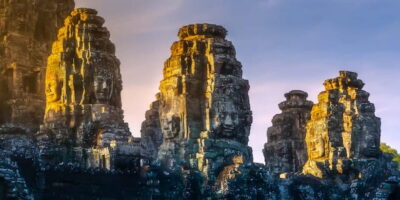
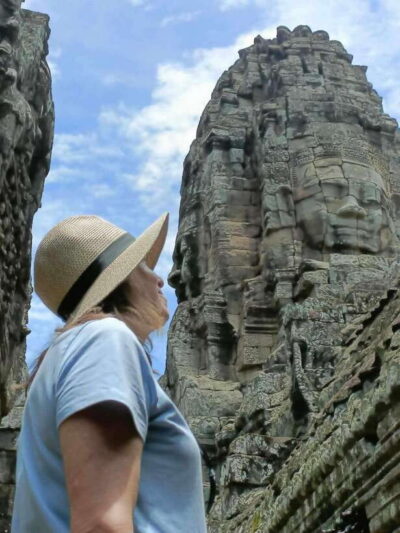
Bayon is the centerpiece, with its well-known 216 giant smiling faces carved into stone. You are typically given about one hour around Bayon, which is perfect if you like photos but also want to step back and actually look at the craftsmanship. The faces are not just decoration. They help you navigate visually, because each tower cluster creates a different viewpoint.
A practical note: the driver-waits style of service is ideal here. If you want to climb for a higher angle, you can, and you do not feel like you are abandoning the group. If you prefer to stay closer to ground level for smoother walking, you can do that too.
Baphuon and the “terraces” section: where the details slow you down
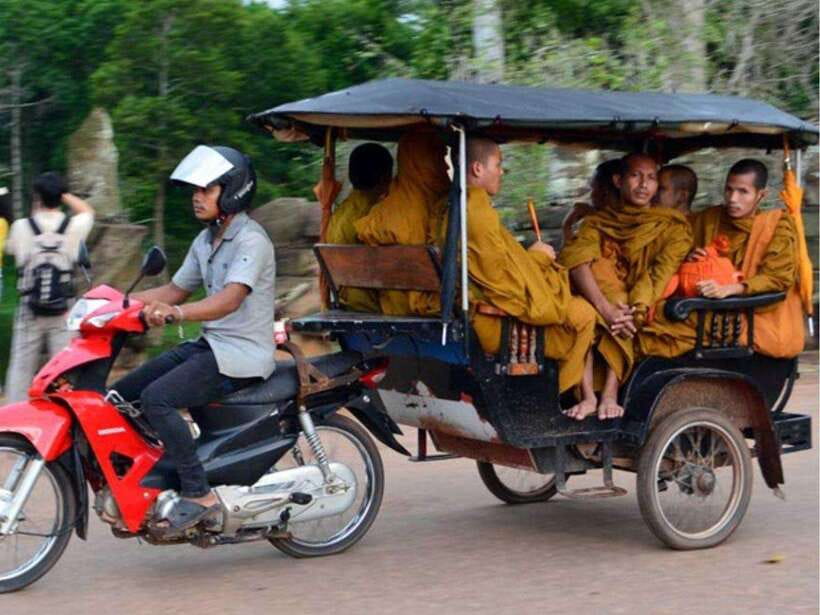
From Bayon you head into the next temple zone, typically covering Baphuon, the Elephant Terrace, and the Terrace of the Leper King area. This stretch is where you feel the shift from big iconic images to stone storytelling at a human pace.
Baphuon is a great stop to break up the intensity. It gives you a chance to focus on structure and elevation without needing to manage the Bayon crowds. Then the terraces bring you to wide scenes and carved reliefs that make you want to stop and look longer.
- Elephant Terrace: good for broad framing and for getting a sense of the scale around you.
- Terrace of the Leper King: a memorable, eerie stop name-wise, and the kind of place where you naturally slow down to read what is carved into the stone.
Time-wise, these segments are relatively short compared with Angkor Wat and Bayon, but they add variety. That mix is what keeps a full day from feeling like a single long line of checkpoints.
Phimeanakas and the Royal Enclosure: a strategic breather
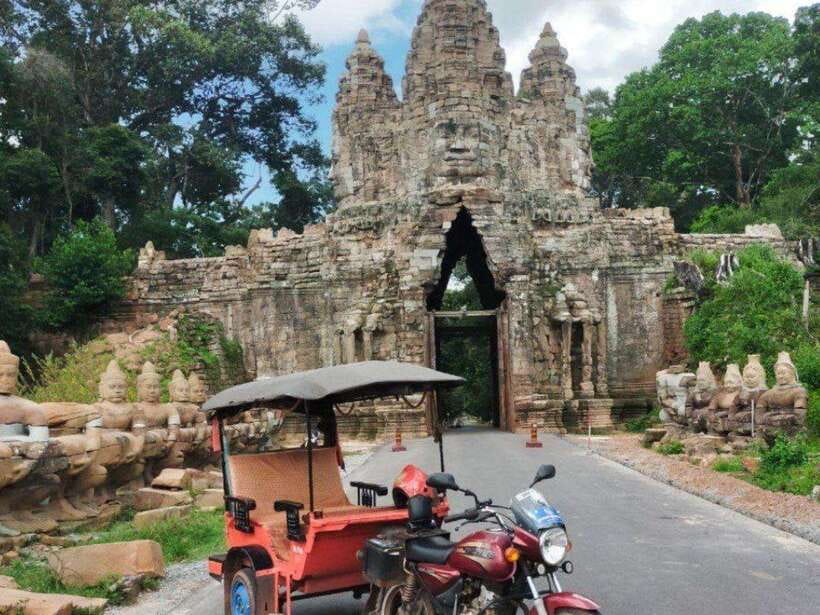
The day also includes classic Angkor Thom highlights like Phimeanakas and the Royal Enclosure. These stops are valuable because they help you understand how the complex functioned beyond the photo-famous moments.
Even if you skip the deepest reading of each site, you still get something important: you can connect the dots between temples, ceremonial spaces, and the way the Khmer rulers used architecture to project power. In a private tour format, you can give these areas the time they deserve without getting left behind.
Also, if you need a breather, these are the kinds of stops where you can take a pause without feeling like you are doing nothing. You can sit, walk the perimeter, and just reset before the next big external temple.

Ta Prohm and Ta Keo: the roots, the mood, and the camera time
Next comes Ta Prohm, known for its dramatic mix of stone and giant tree roots. You are typically given time here to visit, walk, and explore at your own speed. This is one of those temples where you will either feel calm and fascinated, or you will end up speed-walking because it is so photogenic.
I like Ta Prohm because it changes the texture of the day. Angkor Wat and Angkor Thom feel monumental and symmetrical in a different way. Ta Prohm feels like time has been left open, like the forest is still negotiating with the ruins.
Then the route moves on to Ta Keo, another temple stop with a defined visit window. Ta Keo is worth your attention if you like climbed viewpoints and strong geometry. If you are saving energy for later, this is the point where you decide how many stairs you really want to tackle.
The lunch break and weather reality check
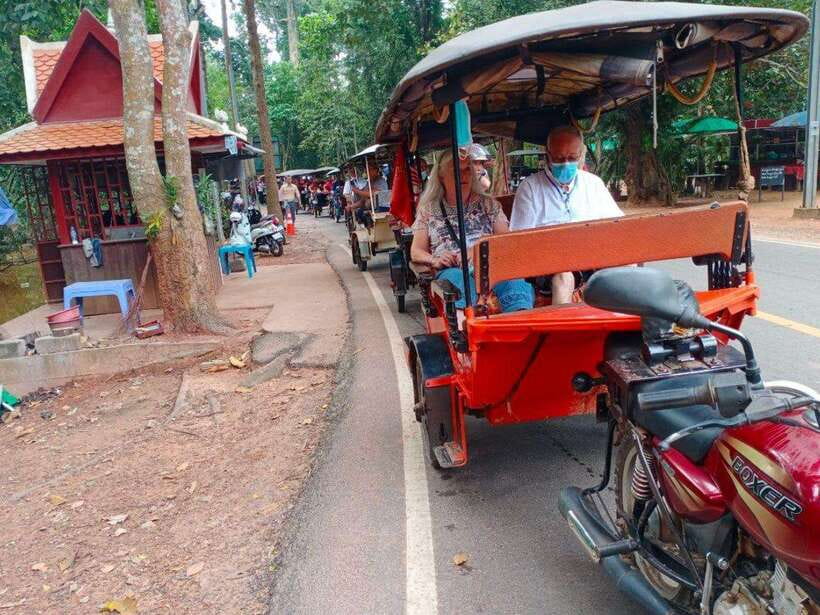
There is a lunch break in the itinerary, plus a bit of downtime before continuing. People often appreciate the structure because it prevents the day from turning into nonstop heat and nonstop walking.
Also, weather can swing. One driver example shared in trip experiences included bringing an umbrella when rain hit hard. The takeaway for you is simple: a private driver is more flexible during sudden weather than a fixed group schedule, because they can adjust timing on the fly while still getting you back to your hotel.
Ta Nei, West Prasat Top, Banteay Kdei, and Prasat Kravan: the “keep going” circuit
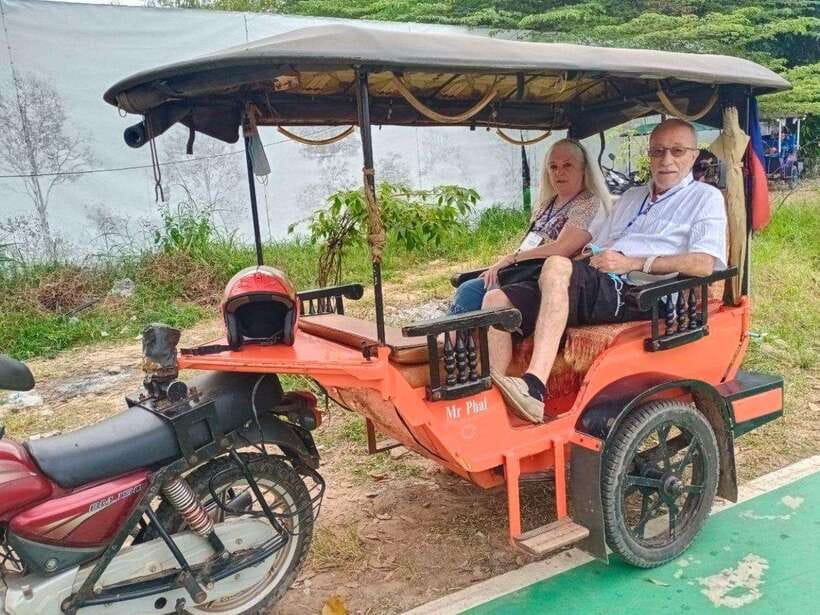
After Ta Keo, you continue through a set of stops that keep the day feeling like more than just the most famous two temples. These include Ta Nei Temple, West Prasat Top, Banteay Kdei, and Prasat Kravan.
What makes this part of the day work is pacing and variety:
- Ta Nei: a calmer stop where you can wander and look for details without feeling boxed in by one iconic viewpoint.
- West Prasat Top: you typically get a longer visit window here, which suggests a chance to slow down and enjoy the setting.
- Banteay Kdei: a strong photo stop plus time to explore, with enough minutes to actually see the patterns in the stone.
- Prasat Kravan: a shorter, focused stop that works well as a “last big look” before the end of the day.
I also like that the route includes photo stops. That may sound minor, but it solves a common problem: you do not have to race from one temple to the next just because you want an image. The schedule explicitly builds in time to slow down.
Timing, pace, and the comfort details that keep you sane
Angkor is a walking day. Even with a tuk-tuk, you will be climbing steps and covering temple grounds. One of the biggest praises this tour gets is how drivers keep the experience comfortable and stress-free.
Common comfort themes include:
- Cold bottles of water provided during the day
- Cold towels to cool off when the heat hits
- A driver who stays flexible and lets you explore at your own speed
Driver names you may see associated with this kind of day include Paal, Titya, Campong, Tantze, Tityaren, and others. The point is not the name itself. The point is the role: English communication, safe driving, and patience while you walk.
This tour also fits different travel styles. If you like a faster “see the icons” day, it can work. If you want to linger and get your camera angles right, you usually can. The private format is what makes that possible.
Price and logistics: what $15 does, what it does not
The headline price listed is $15 per person, which is attractive for a private tuk-tuk setup. But here’s the practical way to think about value: your money is mostly buying transportation, the driver service, and the tour framework, not the Angkor site entry costs.
Important financial reality:
- Entrance fees and the Angkor Pass are not included.
- A tour guide is listed as not included, but there is also an option that includes an official English speaking licensed tour guide if you select it during booking.
So your total cost will depend on what you choose for guide support and what you pay for the Angkor Pass. If you are comfortable reading on your own and prefer just the driver and timing, you can keep costs lower. If you want a licensed guide explaining symbols, stories, and how to interpret the carved scenes, select the guide option to get that added value.
One more logistics detail worth knowing: some drivers can help you with practical steps like pass purchase before you start visiting temples, based on real trip examples. Still, since the Angkor Pass itself is not included, I’d plan to handle it directly or confirm the exact help your driver provides when you meet them.
Should you book this Angkor Temples full-day tuk-tuk tour?
I think this is a strong choice if you want Angkor without the stress of figuring out transport, meeting points, or a group pace. The hotel pickup and drop-off, the private tuk-tuk convenience, and the driver-waits style make a big difference when you are actually walking temple sites for hours.
You should book it if:
- You value flexibility, meaning you want to choose what you focus on and how long you stay at each temple.
- You want an English speaking driver who can communicate clearly and help you find each next stop.
- You prefer comfort upgrades like cold water and cold towels during hot walking hours.
You might skip it or rethink the setup if:
- You want everything bundled, meaning entrance fees and an Angkor Pass included in the price. Here, they are explicitly not included.
- You only want a guide, but you did not select the booking option that adds the licensed English speaking tour guide.
If you are planning your first Angkor day and you want it to feel organized, human, and adaptable, this is the kind of tour that usually delivers value in the real world, not just on a schedule.
Other Drivers Who Run Siem Reap
- Siem Reap: Dinner and Traditional Show with Hotel Transfer★ 4.1 · 172 reviews
- Angkor Wat Private Tour by Tuk-Tuk with English Speaking Driver★ 5.0 · 142 reviews
- Siem Reap: One-Way Transfer from Hotel to Airport (SAI)★ 5.0 · 140 reviews
- Angkor Wat Private Driver Tours to Angkor Wat Sunrise, Angkor Thom & Ta Prohm★ 5.0 · 98 reviews
More Tours in Siem Reap
- Angkor Wat Sunrise or Sunset Tour with Guide from Siem Reap★ 5.0 · 12,109 reviews
- Siem Reap: Angkor Wat: Small-Group Sunrise or Sunset Tour★ 5.0 · 9,444 reviews
- From Siem Reap: Kampong Phluk Floating Village Tour by Boat★ 4.9 · 6,979 reviews
- Siem Reap: Angkor Wat 2-Day Tour with Sunrise and Sunset★ 4.9 · 4,429 reviews
More Tour Reviews in Siem Reap
- Angkor Wat Sunrise or Sunset Tour with Guide from Siem Reap★ 5.0 · 12,109 reviews
- Siem Reap: Angkor Wat: Small-Group Sunrise or Sunset Tour★ 5.0 · 9,444 reviews
- From Siem Reap: Kampong Phluk Floating Village Tour by Boat★ 4.9 · 6,979 reviews
- Siem Reap: Angkor Wat 2-Day Tour with Sunrise and Sunset★ 4.9 · 4,429 reviews
Newly written up around Siem Reap
- Waterfall & River of 1000 Siva Linga- Kulen Mountain Private Tour
★ 5.0 · 3 reviews - Private Transfer from Siem Reap to Sihanoukville
★ 4.5 · 3 reviews - Private Tour to Koh Ker and Beng Mealea
★ 5.0 · 3 reviews - Private Transfer: Siem Reap Angkor Internation Airport to Hotel
★ 5.0 · 3 reviews - Kulen National Park Ticket -Waterfall & 1000 Lingas
★ 5.0 · 3 reviews - Kulen Waterfall & Kbal Spean Tour
★ 5.0 · 3 reviews
Tuk-Tuks, side by side.
 ★ 4.9Angkor Wat Private Tuk-Tuk TourFrom $202,222 reviews
 ★ 4.9Tuk-Tuk, Bamboo Train, Killing/Bat Caves, SunsetFrom $91,436 reviews
 ★ 5.0Siem Reap Countryside Bike Tour / E-Bike or Tuk TukFrom $35935 reviews
 ★ 5.0Battambang Tuk Tuk tour: Bambootrain, Killing & Bat Caves,SunsetFrom $15799 reviews
 ★ 5.0Angkor Sunrise Bike Tour / E-Bike or Tuk TukFrom $60615 reviews
 ★ 5.0Phnom Penh Silk Island Bike Tour/ E-Bike or Tuk TukFrom $35495 reviews
 ★ 5.0Angkor Wat Private Tuk-Tuk Tour (sunrise Option) & moreFrom $25439 reviews
 ★ 5.0Ultimate Phnom Penh Food Tour by Tuk Tuk: 20 Tastings and DrinksFrom $69409 reviews
Also appears in