
REVIEW · CAMBODIA
Chiso temple, Neang khmao, and Taprum temple historical site Tour
A hilltop temple plus working countryside views makes this day feel bigger than it is. This tour stitches together an 11th-century Phnom Chisor temple, an older brick shrine at Prasat Neang Khmau, then ends with more Khmer sacred sites, all kept human-scaled with a private group and a guide who explains what you’re actually looking at. I like that it mixes big scenery with close-up temple details, so your photos come out with context, not just stone and trees.
I also love the way you get two very different temple “moods” in one outing: a gallery walk you can actually explore at Phnom Chisor, and then the vibe shift to Neang Khmau, where the ancient brick remains sit beside an active pagoda. One possible drawback is that you are on the move for about 8 hours, so if you hate walking inside temple areas, plan your pace and take breaks when your guide suggests them.
In This Review
- Key highlights you’ll feel during the day
- A temple circuit that feels personal, not touristy
- Phnom Chisor: 11th-century galleries and a rice-field photo lookout
- Prasat Neang Khmau: two crumbling brick towers with a Shiva past
- Tonle Bati: the local lake stop that breaks up the temple rhythm
- Ta Prohm near Phnom Penh: smaller scale, very unique art
- Yeay Pov Temple: the closing chapter of sacred Khmer space
- Price and logistics: what $190 covers for a private group
- Starting from Phnom Penh: pickup timing and how to set yourself up
- Who this tour suits best
- Should you book the Chisor, Neang Khmau, Ta Prohm and Yeay Pov tour?
- FAQ
- What is the duration of the Chiso temple, Neang khmao, and Taprum temple historical site tour?
- How much does the tour cost?
- What is included in the tour price?
- What is not included?
- Where does the tour pick up, and where does it end?
- What time does the tour start?
- Is there an admission fee for the stops?
- Do I need a printed ticket?
- Is this tour private?
- What is the cancellation policy?
Key highlights you’ll feel during the day
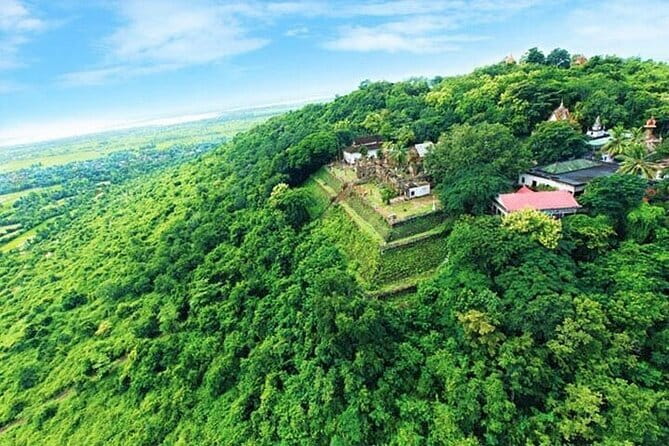
- Rice-field panorama at Phnom Chisor, especially from the back viewpoint for pictures
- Prasat Neang Khmau’s Shiva-era brick prasats, including the idea there may once have been more towers
- A practical midday pause at Tonle Bati, a small lake about 30 km south of Phnom Penh
- Ta Prohm (near Phnom Penh) with very unique art, built under King Jayavarman VII in the late 12th or early 13th century
- Finish at Yeay Pov Temple, closing the loop on Khmer worship sites near the city
A temple circuit that feels personal, not touristy
This is a straightforward, full-day circuit out of Phnom Penh: Phnom Chisor first, then Prasat Neang Khmau, then a break at Tonle Bati, and finally Ta Prohm and Yeay Pov Temple to wrap things up. The total time is about 8 hours, which is perfect if you want Khmer temple sights without committing to a longer, multi-day logistics headache.
The biggest value is how the day is structured. You do not just hop between “photo stops.” You get a guide (English speaking) to connect the dots between age, purpose, and layout. In particular, my favorite kind of explanation here is the one focused on daily religious life around the ruins. The tour includes a guide named Soapheak, and his depth of knowledge about pagoda lifestyle and the surrounding structures really changes how the sites land. Instead of treating the temples like museum pieces, you start reading them like living places that happened to gain layers of history.
There’s also a practical side that helps you enjoy the day: pickup is offered, transport is air-conditioned and described as clean, and you get cool water. Add in the fact that admission is free at the temple stops listed, and the package starts to look like a solid deal for a small group.
Phnom Chisor: 11th-century galleries and a rice-field photo lookout
Phnom Chisor is your first big wow. This is an 11th-century temple site with beautiful sculptures that remain visible today. What I like most is that it is not just about standing in front of one building. You can walk through different galleries and you can even enter the place of worship. That access matters because it lets you slow down and see how the space is built to guide movement and attention.
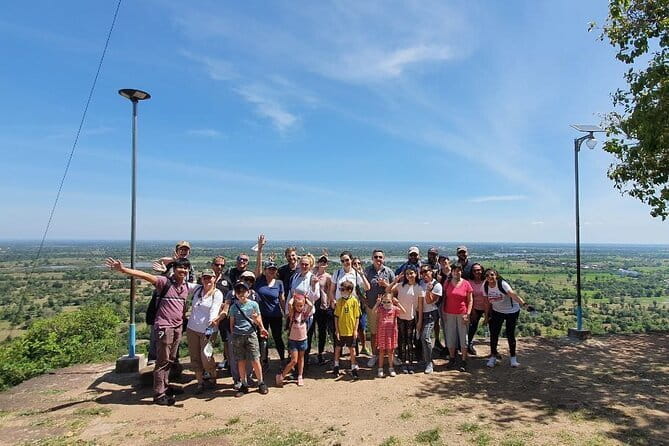
Then there’s the viewpoint. At the back of the temple, there’s a prime spot for views and pictures where you can see a vast plain of rice fields and countryside stretching out around you. If you usually photograph temple fronts, this is the moment that gives your images a wider story: not only stonework, but also the land the temples were meant to watch over.
One detail I found especially interesting is the idea that looking east from the temple lines up an avenue that forms a straight connection between multiple key features. You can see an avenue straight across that connects three main elements: two outer temples with cruciform ground plans and a moat. Even if you are not drawing geometry in your notebook, your guide can help you spot what that straight-line planning suggests about the original layout and ritual intent.
Practical note: because Phnom Chisor is a temple you can enter and explore, dress and behavior matter. Keep it respectful, and expect rules around worship areas.
More history on the ground in Phnom Penh
- Oudong Mountain History and Pagoda Tour★ 5.0 · 39 reviews
- Guided Phnom Penh Heritage Tour★ 5.0 · 37 reviews
- Phnom Penh Historical Tour★ 5.0 · 13 reviews
- Udong Historical Site Tour★ 5.0 · 8 reviews
Prasat Neang Khmau: two crumbling brick towers with a Shiva past
After Phnom Chisor’s expansive views, Prasat Neang Khmau feels more intimate and time-worn, in the best way. This site is located in Rovieng commune, Samrong district, off National Road 2. It is about 27 kilometers north of Takeo province town, or about 52 kilometers south of Phnom Penh, so you’re doing a proper short outing into the countryside.
Here’s the core story: Prasat Neang Khmau consists of two deteriorating brick prasats (tower shrines). These are built in the Angkorian era in the 10th century A.D. under King Jayavarman IV. The guide’s framing on this part matters. The ruins suggest there may once have been at least one more and possibly as many as three additional prasats. So what you see today is likely a partial remnant of a bigger sacred complex.
This shrine also had a religious identity before it became what you’re seeing now. It was originally dedicated to the Hindu god Shiva. That helps you understand why the site’s layout and icon language would have mattered so much, even when the brickwork has aged and fallen into disrepair.
Another reason this stop really worked for me as a viewer is that it sits next to an active pagoda. You are not looking at a ruin that’s completely cut off from current practice. The tour includes a guide who can explain the pagoda lifestyle and the characteristics of the surrounding structures, and that kind of context turns “ancient towers” into “ancient towers in a living landscape.”
Expect this to be a lower volume stop than Phnom Chisor. It is about observing material, not chasing sweeping views. That makes it a great contrast later when you get to Ta Prohm’s artistic details.
Tonle Bati: the local lake stop that breaks up the temple rhythm
Your itinerary includes a pause at Tonle Bati, about 30 km south of Phnom Penh. This is a small lake, and it’s a popular weekend destination for local people. It is also a popular fishing spot for both locals and visitors.
I like this kind of stop for one simple reason: it gives your brain a breather. Temple days can start to blur together if you keep staring at stone. Tonle Bati shifts the focus back to everyday life on the water, which helps you appreciate the temple sites as part of a broader region, not as isolated monuments.
Because the tour lists this as a free admission stop, you’re not paying extra for the break. Still, this is the point where you should think about your own comfort. If you need snacks or just want to reset your energy before continuing to Ta Prohm and Yeay Pov, this is the time to do it. The tour does not include food and beverages, so having your plan ready makes the whole day feel easier.
Ta Prohm near Phnom Penh: smaller scale, very unique art
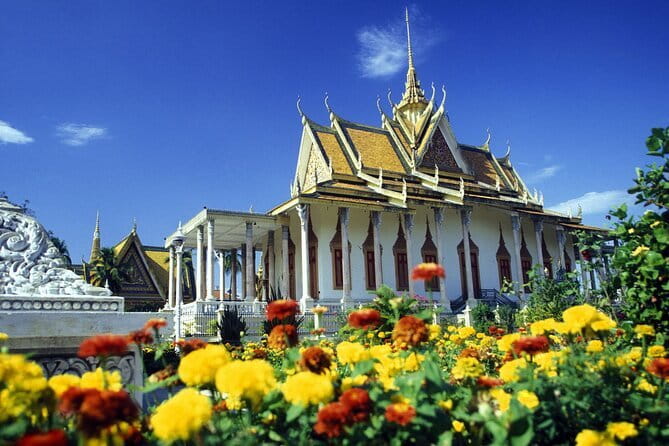
Next up is Ta Prohm Temple, built during the reign of King Jayavarman VII in the late 12th or early 13th century. The tour notes it is smaller than the Ta Prohm most people compare it to in Angkor, but the important part for you is that it features a lot of very unique art.
That distinction is key for value. If you’ve only seen Khmer art through the lens of the biggest famous sites, a smaller Ta Prohm can be more satisfying because you can study details without feeling rushed by crowds or overwhelmed by scale. Here, the emphasis is on the art itself. You get a chance to look closely at carvings and decorative elements and to notice how the style and execution reflect the period and the king’s building era.
I’d also call out the way this stop fits the day’s storyline. You started with Phnom Chisor’s panoramic planning and sculptures from the 11th century, then you moved to Neang Khmau’s 10th-century brick remnants with a Shiva dedication. Ta Prohm then acts like a bridge into the later Khmer era under Jayavarman VII, where artistry becomes a more obvious part of the experience.
If you like photographing details, this is a strong stop. Bring patience, because the best shots come from lingering, not sprinting.
Yeay Pov Temple: the closing chapter of sacred Khmer space
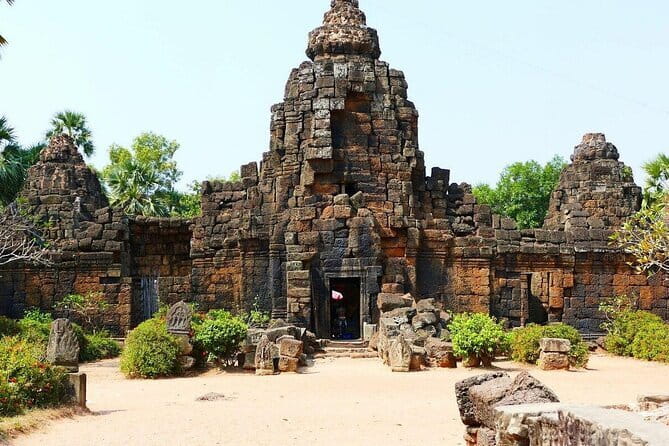
The final destination is Yeay Pov Temple. You don’t get a lot of extra technical backstory in the tour description, but I still think this finish is useful. Ending at another temple helps keep the theme consistent through the last stretch of the day, so you are not abruptly cut into something unrelated.
Treat the final stop as a chance to slow down again, soak in how each site feels different, and reflect on the differences in period and purpose you saw earlier. If you’re the type who loves learning through comparison, you’ll likely enjoy doing that here.
Also, because the tour ends back at the meeting point, you can keep your planning simple. Just keep your camera battery charged, your water handled, and your shoes ready for another round of walking.
Other Phnom Penh museum halls worth an hour
Price and logistics: what $190 covers for a private group
The price is $190 per group (up to 5 people). That means you can split the cost if you’re traveling with friends or family, which is one of the best ways to make temple touring feel affordable.
What you get for that price is fairly complete:
- An English speaking tour guide
- Transportation by air-conditioned vehicle that’s described as clean and hygienic
- A save and friendly driver
- Cool water
- All fees and taxes
- A mobile ticket
You also get free admission listed for the main stops (Phnom Chisor, Prasat Neang Khmau, and Tonle Bati). That’s a big deal for value because it reduces the chance of surprise costs.
What you should budget extra for:
- Food and beverages (not included)
- Travel insurance (not included)
- Tipping for the local guide and driver (not included)
- Other personal expenses
If you hate uncertainty about spending, this package is easier than many. The main unknown is your personal food plan. I’d handle that before you go out, either by eating before pickup or bringing your own snacks so the day stays smooth.
Starting from Phnom Penh: pickup timing and how to set yourself up
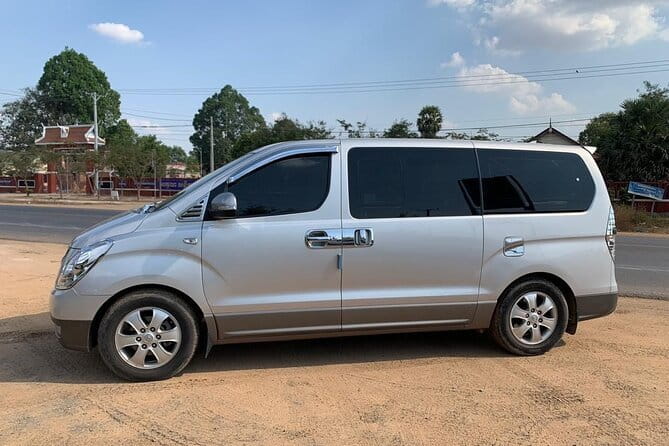
The tour starts at 8:00 am with pickup offered at River Crown Restaurant, 357 St. 178, Prehsisovath Quay, Phnom Penh 12206, Cambodia. The activity ends back at the meeting point.
Two small things matter for your day:
- Start early because you want daylight for temple photography and clear visibility for the countryside views at Phnom Chisor.
- Have your mobile ticket ready on your phone.
Since it’s a private tour/activity for your group, you’re not sharing time and attention with random strangers. That makes it easier to ask questions and adjust your pace.
Who this tour suits best
This is a strong fit if you:
- Want an 8-hour Khmer temple day with multiple sites instead of one long museum-style visit
- Appreciate context, especially around how sacred spaces relate to current religious life
- Prefer a small private group rather than a large bus day
- Like photography that includes both temple details and countryside scenery
It may be less ideal if you want totally laid-back sightseeing with lots of free time. This itinerary is designed to keep moving so you hit several different historical contexts in one day.
Should you book the Chisor, Neang Khmau, Ta Prohm and Yeay Pov tour?
If you want a well-paced, guided route through Phnom Penh area temples, I think this is worth booking. The cost makes sense for small groups, admission is listed as free for key stops, and the guide quality adds real value. The standout for me is the ability to understand what you’re seeing, especially at Prasat Neang Khmau, where the ancient brick remains are right next to an active pagoda. Having Soapheak explain the pagoda lifestyle and the characteristics of the surrounding structures is the kind of detail that turns a simple sightseeing circuit into something you remember.
Book it if you’re comfortable doing temple walking and you’ll handle your own food plan. Skip it if you need lots of downtime, or if you want only one major site instead of a full mixed itinerary.
FAQ
What is the duration of the Chiso temple, Neang khmao, and Taprum temple historical site tour?
The tour runs about 8 hours (approx.).
How much does the tour cost?
It costs $190.00 per group (up to 5 people).
What is included in the tour price?
It includes an English speaking tour guide, air-conditioned clean and hygienic transportation, a friendly driver, cool water, and all fees and taxes.
What is not included?
Food and beverages, travel insurance, tipping for the local guide and driver, and other personal expenses are not included.
Where does the tour pick up, and where does it end?
Pickup is at River Crown Restaurant, 357 St. 178, Prehsisovath Quay, Phnom Penh 12206, Cambodia. The tour ends back at the same meeting point.
What time does the tour start?
Start time is 8:00 am.
Is there an admission fee for the stops?
Admission is listed as free for Phnom Chisor, Prasat Neang Khmau, and Tonle Bati.
Do I need a printed ticket?
No. The tour uses a mobile ticket.
Is this tour private?
Yes, it is a private tour/activity, and only your group participates.
What is the cancellation policy?
Free cancellation is available. You can cancel up to 24 hours in advance for a full refund. If you cancel less than 24 hours before the start time, the amount paid will not be refunded.
More of the Past, Walked Through
- Oudong Mountain History and Pagoda Tour★ 5.0 · 39 reviews
- Guided Phnom Penh Heritage Tour★ 5.0 · 37 reviews
- Phnom Penh Historical Tour★ 5.0 · 13 reviews
- Udong Historical Site Tour★ 5.0 · 8 reviews
More Tours in Phnom Penh
- The Killing Field and Toul Sleng Genocide Museum (S21) Tour★ 5.0 · 1,977 reviews
- Killing field and Toul Sleng genocide museum Tour★ 5.0 · 610 reviews
- Phnom Penh Full Day Private Tour Included All Admission Tickets★ 5.0 · 585 reviews
- Phnom Penh Silk Island Bike Tour/ E-Bike or Tuk Tuk★ 5.0 · 495 reviews
More Tour Reviews in Phnom Penh
- The Killing Field and Toul Sleng Genocide Museum (S21) Tour★ 5.0 · 1,977 reviews
- Phnom Penh: Sunset Cruise with Unlimited Beers & BBQ Buffet★ 4.5 · 727 reviews
- Aroma Therapy Massage, Relaxation therapeutic aromatherapy oil massages.★ 5.0 · 645 reviews
- Killing field and Toul Sleng genocide museum Tour★ 5.0 · 610 reviews
Newly written up around Phnom Penh
- Private Transfer From or to Phnom Penh <=> Sihanoukville
★ 5.0 · 3 reviews - Prasith and Reap Temples Private Day Trip from Phnom Penh
★ 4.5 · 3 reviews - Phnom Penh Full Day Private Tour By Tuk Tuk or Taxi Car
★ 5.0 · 3 reviews - Private Transfer From Phnom Penh To Sihanoukville
★ 5.0 · 3 reviews - Phnom Penh Private Pick-Up: Techo International Airport ( KTI )
★ 5.0 · 3 reviews - Island Community Life in Phnom Penh
★ 4.5 · 3 reviews
Museums, side by side.
 ★ 5.0The Killing Field and Toul Sleng Genocide Museum (S21) TourFrom $191,977 reviews
 ★ 5.0Killing field and Toul Sleng genocide museum TourFrom $19610 reviews
 ★ 5.0Private Half Day To Killing Field & S21 Genocidal Museum in Phnom PenhFrom $130137 reviews
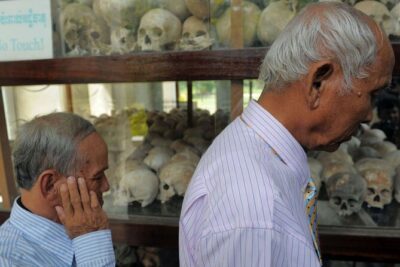 ★ 5.0Tuol Sleng Genocide Museum (S-21) and Choeung Ek Killing Fields TourFrom $19123 reviews
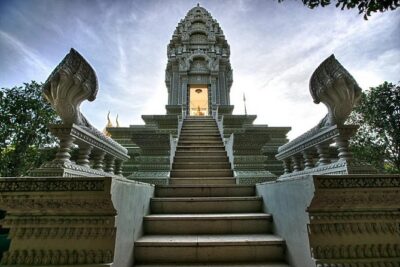 ★ 5.0Phnom Penh City Tour, Silver Pagoda, Genocide Museum, Killing FieldsFrom $65123 reviews
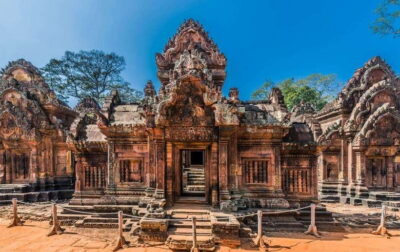 ★ 4.7Bantey Srei, Kbal Spean and Landmine museum Private Tuk-TukFrom $4330 reviews
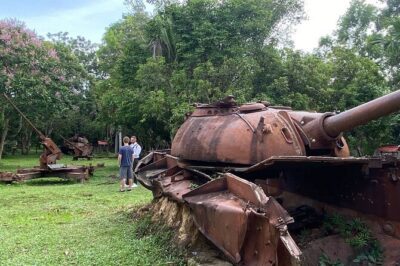 ★ 5.0Siem Reap City Tour with War Museum and Killing FieldFrom $4727 reviews
★ 4.5The killing field and Toul Sleng Genocide museum (S21) TourFrom $1819 reviews
★ 5.0Siem Reap City Tour with War Museum and Killing FieldFrom $4727 reviews
★ 4.5The killing field and Toul Sleng Genocide museum (S21) TourFrom $1819 reviews
Also appears in