
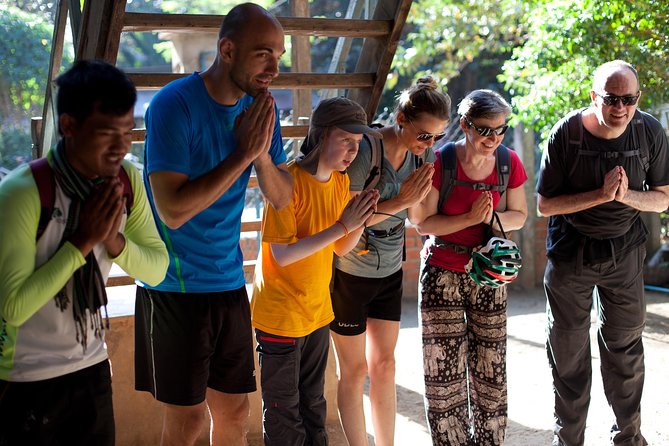
REVIEW · BATTAMBANG
Customs and Culture Half Day Walk and Bike Tour in Battambang
Cycling through daily Battambang life is quietly powerful. This half-day customs and culture walk and bike tour takes you out past the usual stops, into a mostly Muslim fishing village, then to a Buddhist temple for a real conversation with a young monk. You also get rice-farming context, language help, and family visits that connect religion and food to everyday work.
I especially love the way the tour balances active riding with slower moments to talk and watch. The imported mountain bikes (Giant, Trek, GT) plus a helmet make it feel confident, even when you are riding countryside paths instead of smooth roads.
One thing to plan for: the morning start at 7:30 am and the heat. You also need to cover your shoulders out of respect for rural culture, and the bikes do not have baskets, so pack smart (think small backpack, not a big tote).
In This Review
- Key things I’d center in your decision
- Battambang countryside culture: why bikes beat buses
- Price and what your $37 actually buys you
- How the morning start affects your day (and your comfort)
- The ride basics: imported mountain bikes and a safer feel
- Muslim fishing village life: nets, drying fish, and everyday roles
- Rice fields and the work behind Cambodian staples
- A short Khmer lesson that helps you act respectfully
- Buddhist temple time with a newly-trained monk
- Lunch with a family: Cambodian cooking in a real home setting
- Pacing with a small group: why 3 to 4 hours feels right
- What to pack and how to carry it (because bikes have no baskets)
- Who this tour is best for
- Should you book this customs and culture half-day bike tour?
- FAQ
- How long is the Customs and Culture half-day walk and bike tour in Battambang?
- What time does the tour start?
- Is hotel pickup included?
- What bike and safety gear do you get?
- Is there lunch during the tour?
- Is free cancellation available?
Key things I’d center in your decision
- Up to 8 people keeps the day personal and questions practical
- Imported bikes (Giant, Trek, GT) make the ride comfortable
- Monk conversation turns Theravada Buddhism into something you can actually ask about
- Fishing village work covers net weaving and why dried fish matters
- Basic Khmer crash course helps you greet locals in a respectful, human way
- Lunch with a family ties culture to what people cook and eat daily
Battambang countryside culture: why bikes beat buses
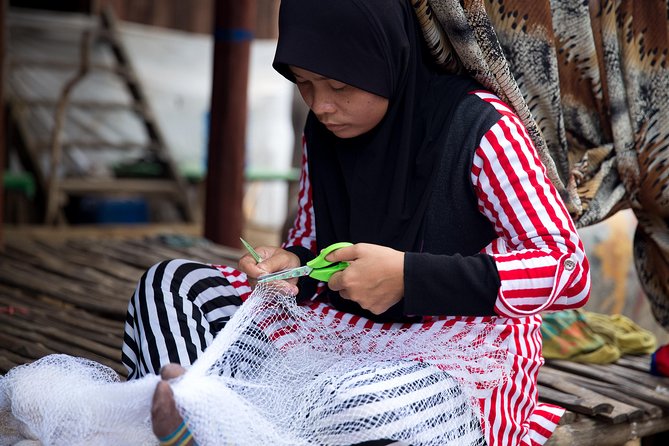
Battambang is one of those places where the real story is not the city center. It is the work outside town, the food supply chain you never see from a hotel window, and the daily routines that shape how families live. This tour is built for that. You ride a proper mountain bike, then switch to walking and visiting inside village life where the pace slows down for conversation.
You will move through rice-growing areas, fishing-community spaces, and temple grounds without feeling stuck on one “photo stop.” The tuk-tuk transfers help too. They let you start early, cover ground efficiently, and keep the ride from turning into a full-day endurance test.
Most important, this is not just about sightseeing. It is a structured way to compare customs in two religious worlds living side by side: a mostly Muslim fishing village and the Theravada Buddhism practiced throughout Cambodia. That contrast shows up in daily routines, etiquette, and what people tell you when you ask simple questions.
Price and what your $37 actually buys you
At $37 per person for about 3 to 4 hours, the value is mainly in what is included, not what you have to hunt down yourself. You get:
- Tuk-tuk pickup and transportation as part of the tour (with notes that hotel drop-off may vary)
- An English-speaking guide who is first-aid certified
- A high-quality imported mountain bike (Giant, Trek, GT) and helmet
- Water and a snack during the ride
- A basic Khmer crash course so you can greet people
- Compensation to the families you visit
That family-compensation detail matters. It is one of the ways this tour is trying to keep visits connected to the people who share their homes, work, and food. Also, the bike quality is not a small thing. When you are spending hours on uneven countryside paths, a solid ride setup saves energy and keeps your focus where it should be: on people and places.
What you likely need to budget for: anything beyond water and snack during the ride, and whatever you want to buy from the families or village shops you pass. The tour itself is structured so you are not paying extra for each stop.
Other Battambang days by tuk tuk
- Battambang: Tuk-Tuk, Bamboo Train, Killing/Bat Caves, Sunset★ 4.9 · 1,436 reviews
- Battambang Tuk Tuk tour: Bambootrain, Killing & Bat Caves,Sunset★ 5.0 · 799 reviews
- Afternoon tour by tuk tuk to bamboo train,bat cave,killing cave,countryside.★ 5.0 · 344 reviews
- Local Livelihood Half Day Bike Tour in Battambang★ 5.0 · 287 reviews
How the morning start affects your day (and your comfort)
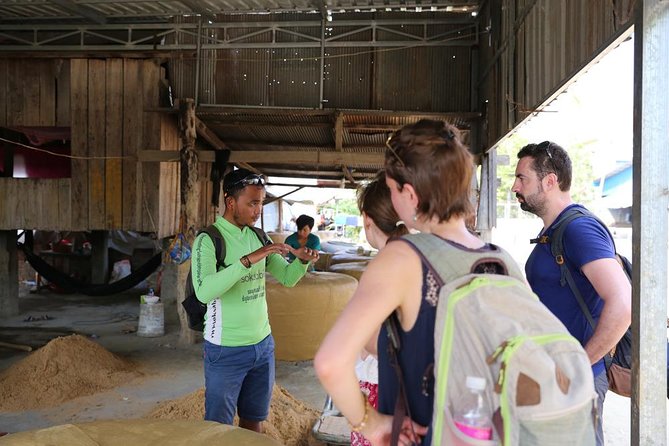
The tour starts at 7:30 am. That timing is practical in Battambang. Morning is cooler, and you also reach villages while families are still in full swing. You will want to use that benefit, not fight it.
A few comfort tips based on the tour guidance:
- Dress with shoulders covered out of respect for rural culture.
- Wear sunscreen. You are outside for part of the ride, and temple time is still sun-exposed.
- Bring a small backpack. The bikes have no baskets, so anything you carry should be easy to manage.
If you like your mornings tidy, arrive a few minutes early. Your guide will handle the bike setup and helmet fitting, and it goes smoother when you are not rushing.
The ride basics: imported mountain bikes and a safer feel
This tour runs on imported mountain bikes by brands like Giant, Trek, and GT, and you get a helmet. That combination changes how the whole experience feels. With a real mountain bike and helmet, you can stop thinking about your gear and start paying attention to the scenery and the conversations.
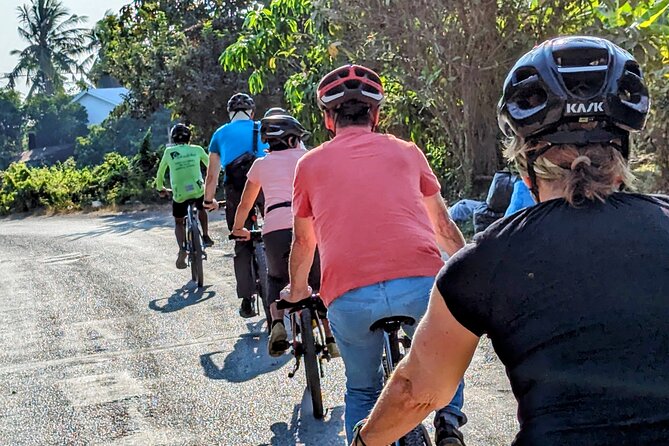
The guide is local, English-speaking, and first-aid certified. You also keep a small group size, max 8. That matters because you are riding rural paths. Small groups make it easier to regroup, adjust pace, and ask questions without shouting over traffic.
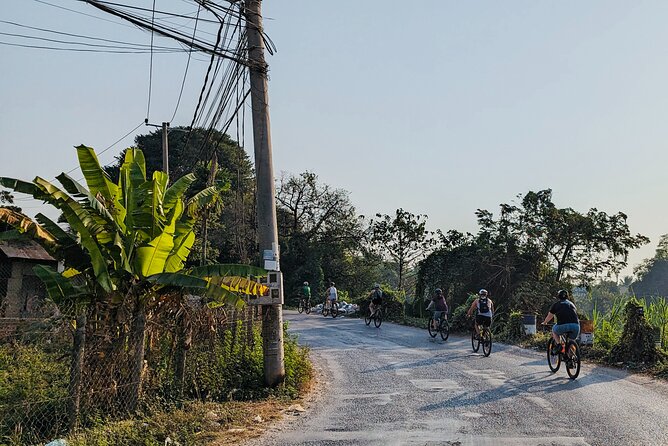
Expect a ride that is active but not frantic. It is not marketed as a workout challenge. It is more like: a comfortable pace that gets you from village work to temple conversation to lunch without rushing the human parts.
Muslim fishing village life: nets, drying fish, and everyday roles
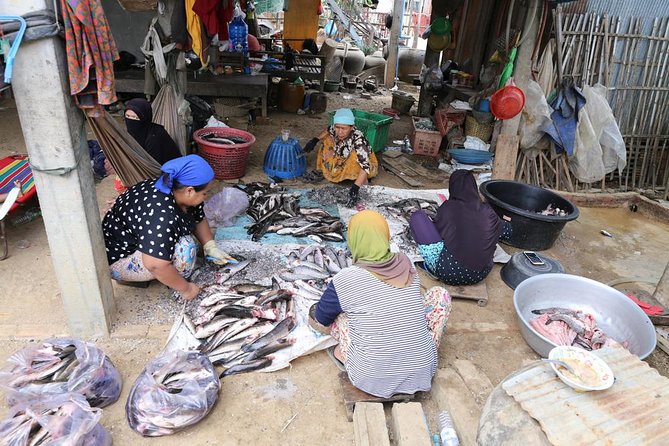
One of the most interesting parts is how the tour introduces village labor you normally would not recognize as part of tourism at all. You learn about fishing-community work starting with net weaving, then moving to how fish get dried, and why dried fish has a place at the table.
This is where the tour does something smart: it connects craft to food. You are not just looking at fishing gear. You are hearing how roles in the village feed local meals and support livelihoods.
You also get insight into how the community uses food preservation. Dried fish is not a random snack. It is part of how families handle supply, seasonality, and storage. When you understand that, Cambodian flavors make more sense, especially later when you try fermented fish or fish dishes with vegetables at lunch.
You will likely also see how people share meals and refreshments in informal spaces. The tour includes a stop at a local Muslim cafe for a break. It is a good moment to cool down, observe daily interactions, and practice a few Khmer greetings before you move on.
Rice fields and the work behind Cambodian staples
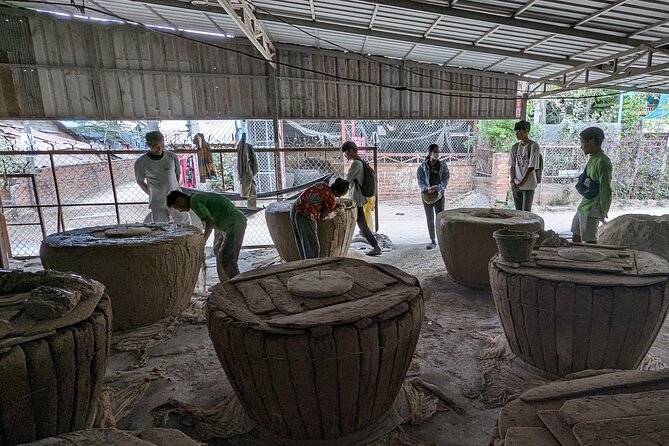
After the fishing village focus, the route shifts toward rice-growing areas. This is not just scenic countryside. You get context about rice cultivation, which is often the backbone of local life.
Rice shows up everywhere in Cambodia, from everyday meals to craft and production that can be surprising. Even if you are not a farming expert, the tour helps you connect what you see in the fields with what ends up on the plate.
From the food experiences people shared on past tours, you might also encounter details tied to rice processing and cooking methods. One example from earlier visits: making rice paper, harvesting fruits, sticky rice preparation, and cooking using bamboo. That kind of information is memorable because it makes local staples feel hands-on, not mysterious.
Other Battambang walks we clocked
A short Khmer lesson that helps you act respectfully
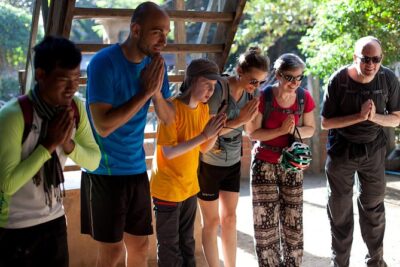
The tour includes a crash course on basic Khmer, designed for greetings. This is not about memorizing a textbook. It is about getting your mouth and body ready to be polite when someone speaks to you or when you are welcomed into a space that is not built for foreigners.
In practice, this matters in two ways:
- People respond well when you try, even briefly.
- It changes your mindset from watcher to participant.
A few simple Khmer phrases can help you during the cafe stop, when you enter homes, and when you talk with the monk. It also makes small moments feel less awkward. You are not relying on gestures alone.
Buddhist temple time with a newly-trained monk
Religion is a daily presence in Cambodia, and this tour gives you a structured way to talk about it. You visit a Buddhist temple and have a conversation with a young monk who is newly-trained. That is a rare kind of access, because you are not just touring signs. You are getting a human explanation of Buddhist culture and what it means in a young person’s life.
A few practical points for temple visits:
- Keep your clothing respectful. Shoulders covered helps, and you should expect the general vibe to be conservative.
- Be ready for questions on both sides. If you can, ask simple ones about daily practice and what training involves.
This is also the part of the day where the contrast with the mostly Muslim fishing village becomes real. You can compare what feels shared, what is different, and why those differences show up in daily etiquette and routines.
If you prefer learning through conversation rather than a lecture, this stop will land well.
Lunch with a family: Cambodian cooking in a real home setting
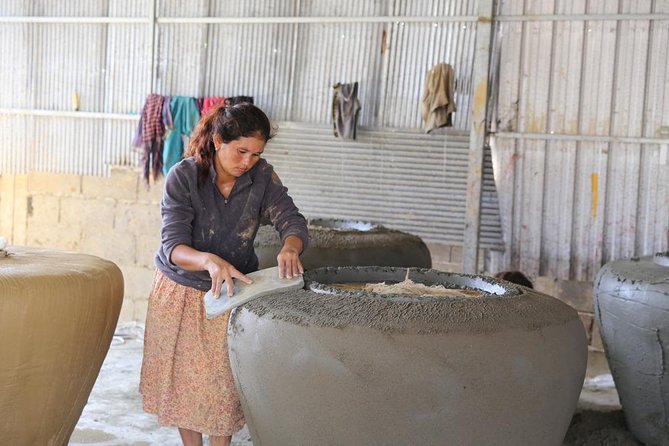
The tour includes home-cooked Cambodian lunch with a local family after the temple and village segments. That is one of the most valuable parts of the day because you get to eat the result of local labor, not just observe it.
Based on what people have described from similar days, you may find dishes built around fish, vegetables, sticky rice, and local preparations you would not guess from menus in town. Past lunch experiences mentioned fermented fish snacks, sticky rice, and meals centered on fish and vegetables.
A big advantage of a family lunch is that food is tied to stories. When someone explains what they are cooking and why, it turns ingredients into culture. Also, because the tour includes compensation to families you visit, the meal feels less like a transaction and more like a shared day.
One drawback to consider: lunch time means you should have an appetite. If you are the type who snacks all day and never feels hungry, plan to take the tour guidance on water and snack seriously so you actually enjoy the family meal.
Pacing with a small group: why 3 to 4 hours feels right
The tour runs about 3 to 4 hours. That is a sweet spot for people who want meaningful culture without losing the whole day.
With up to 8 participants, the pace stays workable. You can stop to ask questions. You can take photos at a respectful distance. You can also keep up with bike regrouping when the route shifts from ride segments to walking segments.
From earlier experiences with guides, the strongest praise has often centered on clarity, professionalism, and a relaxed rhythm. Guides like Pich, Peak, Pek, Phalla, and Savith have been mentioned for explanations in English and for making the day feel safe and comfortable. Kanha has also been mentioned for helping advise a half-day option and providing helpful support.
Even if you do not meet those exact guides, that style of guidance is the tour’s focus: friendly, clear, and organized enough that you are not constantly checking your bearings.
What to pack and how to carry it (because bikes have no baskets)
This is the practical part that can make or break a half-day outing. The tour suggests using a backpack because there are no baskets on the bikes.
Here is how I would pack for a morning rural ride:
- A small daypack with sunscreen and your phone
- Sunglasses and water bottle space (you will get water, but personal preference counts)
- A light layer that covers your shoulders
- Camera stored safely, not dangling
- Cash if you want to buy any small items from village stops (not required by the tour info, but it is realistic)
If you show up with a large bag, you will end up holding it or stuffing it in awkward ways. A compact backpack keeps you mobile and keeps the trip calm.
Who this tour is best for
This is a strong choice if you:
- Want a mix of cycling plus walking, rather than only riding
- Like cultural comparison, especially religion and daily life
- Prefer conversations with locals over big group lectures
- Enjoy food that is explained by the people who make it
It is also a good match if you are comfortable with modest physical effort. You are on a bike for part of the time, and you will walk in temple and home settings.
You might not love it if:
- You are looking for a long, workout-heavy biking day
- You strongly prefer hotel-lobby comfort and minimal walking
- You do not like early starts or outdoor sun
Should you book this customs and culture half-day bike tour?
Book it if you want a genuine slice of Battambang where work, religion, and food connect in a way that feels understandable. The combination of imported mountain bikes, small-group size, Khmer basics, temple conversation with a young monk, and lunch with a family is exactly the kind of structured day that avoids the common tourist trap of rushing past real life.
Also, at $37 for about 3 to 4 hours with bikes, helmet, guide support, and family compensation baked in, it is priced like an experience, not a basic transport service.
Quick final check before you go: bring a backpack, dress with shoulders covered, and plan for a 7:30 am start. If you do those three things, you will be set up to enjoy the ride and the conversations without stress.
FAQ
How long is the Customs and Culture half-day walk and bike tour in Battambang?
The tour lasts about 3 to 4 hours.
What time does the tour start?
It starts at 7:30 am.
Is hotel pickup included?
Yes. The tour includes tuk-tuk pickup and drop off from your hotel, but the info also notes that hotel drop-off after the tour may not be included. It is smart to confirm the exact return point when you book.
What bike and safety gear do you get?
You get an imported mountain bike (Giant, Trek, or GT) and a helmet. The guide is also first-aid certified.
Is there lunch during the tour?
Yes. You will have a home-cooked Cambodian lunch with a family.
Is free cancellation available?
Yes. You can cancel up to 24 hours in advance for a full refund.
More Tours in Battambang
- Battambang Tuk Tuk tour: Bambootrain, Killing & Bat Caves,Sunset★ 5.0 · 799 reviews
- Afternoon tour by tuk tuk to bamboo train,bat cave,killing cave,countryside.★ 5.0 · 344 reviews
- Local Livelihood Half Day Bike Tour in Battambang★ 5.0 · 287 reviews
- Explore Battambang full day tour by Tuk Tuk (start from 9am-6:30pm)★ 5.0 · 240 reviews
More Tour Reviews in Battambang
- Battambang: Tuk-Tuk, Bamboo Train, Killing/Bat Caves, Sunset★ 4.9 · 1,436 reviews
- Battambang Tuk Tuk tour: Bambootrain, Killing & Bat Caves,Sunset★ 5.0 · 799 reviews
- Afternoon tour by tuk tuk to bamboo train,bat cave,killing cave,countryside.★ 5.0 · 344 reviews
- Local Livelihood Half Day Bike Tour in Battambang★ 5.0 · 287 reviews
More Battambang by Tuk Tuk
- Battambang: Tuk-Tuk, Bamboo Train, Killing/Bat Caves, Sunset★ 4.9 · 1,436 reviews
- Battambang Tuk Tuk tour: Bambootrain, Killing & Bat Caves,Sunset★ 5.0 · 799 reviews
- Afternoon tour by tuk tuk to bamboo train,bat cave,killing cave,countryside.★ 5.0 · 344 reviews
- Local Livelihood Half Day Bike Tour in Battambang★ 5.0 · 287 reviews
Newly written up around Battambang
- Battambang Private afternoon tour bamboo train bat cave & village
★ 5.0 · 3 reviews - Battambang Private Full-Day Tour
★ 5.0 · 3 reviews - Private Taxi Transfer From Battambang – Siem Reap City
★ 5.0 · 4 reviews - Battambang City and Country side Full day Tour
★ 5.0 · 4 reviews - Full-day: Handicraft, Bamboo train, Killing cave, Bat Cave
★ 5.0 · 5 reviews - Secret Countryside Rice fields-Bamboo Train/Bat Cave
★ 5.0 · 6 reviews
Battambang Bamboo Train & Cave Tours, side by side.
 ★ 4.9Tuk-Tuk, Bamboo Train, Killing/Bat Caves, SunsetFrom $91,436 reviews
 ★ 5.0Battambang Tuk Tuk tour: Bambootrain, Killing & Bat Caves,SunsetFrom $15799 reviews
 ★ 5.0Afternoon tour by tuk tuk to bamboo train,bat cave,killing cave,countryside.From $15344 reviews
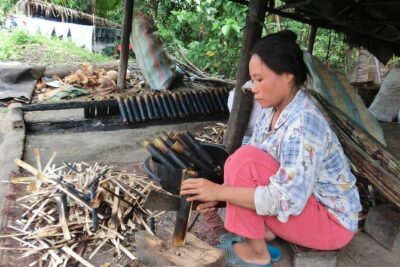 ★ 5.0Local Livelihood Half Day Bike Tour in BattambangFrom $30287 reviews
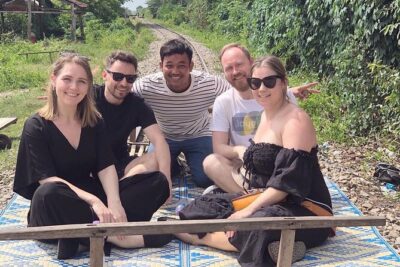 ★ 5.0Explore Battambang full day tour by Tuk Tuk (start from 9am-6:30pm)From $20240 reviews
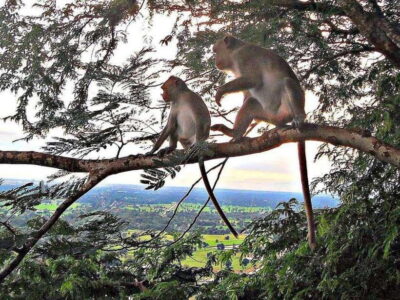 ★ 5.0Bamboo Train, Bat Cave, Killing Cave by Tuk Tuk182 reviews
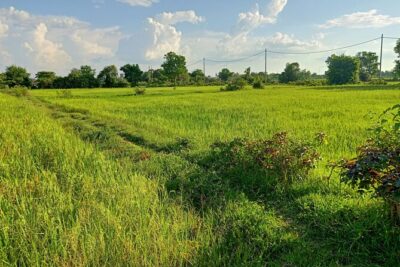 ★ 5.0Full Day tour .City tour.Countryside.Bamboo Train.Secret Bat CaveFrom $18178 reviews
 ★ 5.0Battambang Full Day Tour from Siem Reap – Bamboo Train, Killing Cave & SunsetFrom $132101 reviews