
REVIEW · CAMBODIA
Cycle the Angkor Backroads with lunch / E-Bike or Tuk Tuk
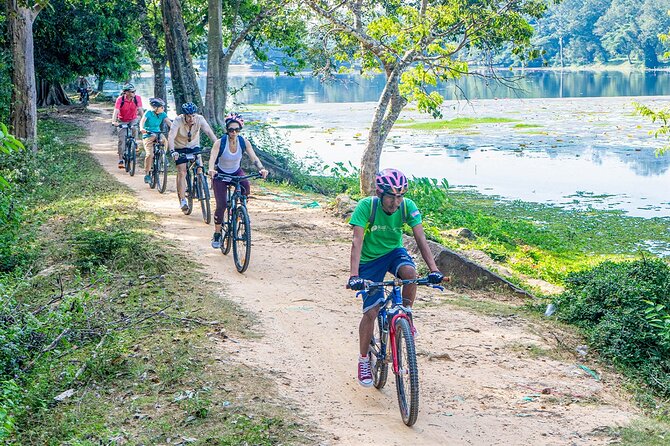
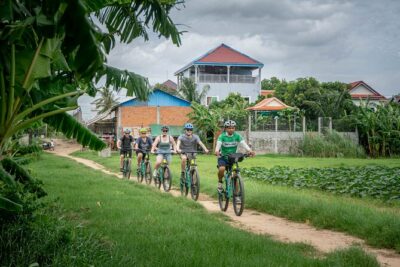
Riding into Angkor away from main roads feels personal. This Angkor backroads bike tour trades traffic and tour buses for dirt lanes and quiet temple approaches, with a small group and clear guide commentary along the way. It is a solid half to full-day plan to see the big names like Bayon, Ta Prohm, and Angkor Wat while still feeling like you are getting fresh air, not just sitting in a vehicle.
I love how the day is built for comfort, not just mileage. You get hotel pickup and drop-off, a helmet and mountain bike, bottled water and snacks, plus a real lunch break at a pond-side spot that actually lets your body cool down.
One thing to consider is that temple entrance fees are not included, so you should budget for those in addition to the tour price. Also, you are riding in hot, humid conditions over a 20 km to 30 km route, so pack for sweat and plan for moderate stamina.
In This Review
- Key takeaways
- Why cycling Angkor backroads feels different
- Morning logistics: pickup, bike fitting, and ride setup
- Bayon and the Angkor Thom gate: faces you can actually study
- Ta Prohm: when the jungle is part of the scene
- Srah Srang lunch break: pond views and a real reset
- Angkor Wat after lunch: dress code, timing, and scale
- E-bike or tuk tuk, or stick with a bike?
- Price and value: what $55 really buys
- Who this tour suits best (and who should skip it)
- Should you book Cycle the Angkor Backroads?
- FAQ
- What time does the tour start?
- How long is the tour?
- Is lunch included?
- Do I need to pay for temple entrances?
- What is included with the bike setup?
- Can I cancel for free?
Key takeaways
- Small-group feel helps you move at a human pace through the Angkor Archaeological Park
- Son the guide adds temple context and keeps the ride flowing, with flexibility along the way
- Lunch at Srah Srang gives you a real break with pond views before you hit Angkor Wat
- Distance is manageable for most reasonably fit riders (about 20 km to 30 km)
- Dress code matters at Angkor Wat, with shoulders and knees covered
- Entrance fees are separate, so your total cost will be tour price plus tickets
Why cycling Angkor backroads feels different
Angkor is famous for a reason, but it is also famous for crowds. What I like about this tour is the way it changes the rhythm. You are not rushing from one temple to the next on a tight schedule, and you are not just waiting for photos from a bus window. You get to pedal, stop, look closely, and hear what you are seeing in between the big highlights.
The “backroads” part matters. Even when you are in the Angkor Archaeological Park, there are ways to approach temples that feel calmer and more local. Dirt lanes and lesser-used paths break up the experience, so the day feels like a journey rather than a checklist. If you like walking and you also like having your legs work a bit, biking is a smart compromise. You are active, but you are not exhausted by the time you reach the most iconic sites.
Another win is that the tour is set up for an intimate small group. With a maximum of 12 travelers, you are less likely to get swept into a human wave. That makes it easier to hear the guide, ask questions, and take photos without feeling like you are in someone else’s schedule.
Morning logistics: pickup, bike fitting, and ride setup
The day starts at 8:00 am, which is your best friend in Siem Reap heat. Early timing helps you avoid the worst of the day’s sun, especially on open stretches. Pickup is offered, so you are not having to figure out how to get to the office by yourself.
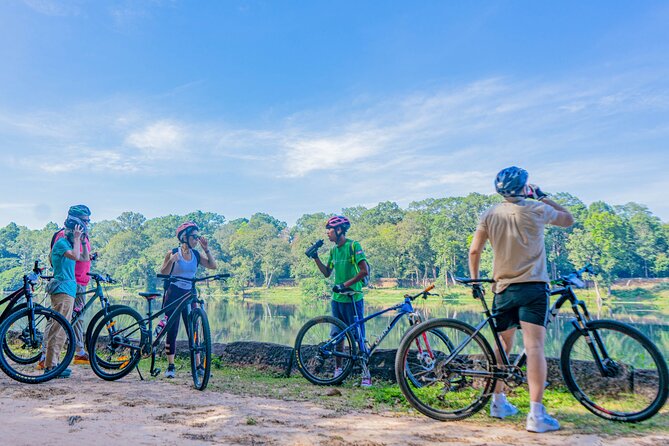
When you arrive at Siem Reaper Travel’s office (Siem Reaper Travel is listed as the provider), you get fitted with a bicycle and helmet. This is not glamorous, but it is practical, and it saves time later. A good fit matters when you are riding 20 km to 30 km. If you have any preference for seat height or your bike feels off, speak up right there before you roll out.
You also get bottled water and snacks, which I appreciate because you are out for about 7 hours. The tour is not positioned as an all-day “survive on willpower” ride. It is a temple tour, and that means you need energy to enjoy stops like Ta Prohm and Angkor Wat, not just to move through them.
One more small but important detail: the tour uses a mobile ticket. That is usually easier than juggling printed documents, but do check that you can access it on your phone when you arrive.
Other Siem Reap rides at pedal speed
- Siem Reap Countryside Bike Tour / E-Bike or Tuk Tuk★ 5.0 · 935 reviews
- Angkor Sunrise Bike Tour / E-Bike or Tuk Tuk★ 5.0 · 615 reviews
- Siem Reap: Bike the Angkor Temples – Full-Day 30km Tour★ 5.0 · 463 reviews
- Siem Reap: Angkor Wat Sunrise Bike Tour & Jungle Breakfast★ 5.0 · 415 reviews
Bayon and the Angkor Thom gate: faces you can actually study
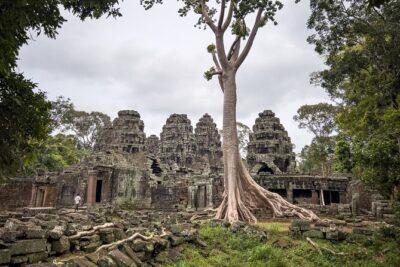
Your first major temple stop is Bayon, entered through the ancient gate of Angkor Thom. The approach itself is part of the experience. The gate is carved with elephants and features the kind of sculpted storytelling that makes Angkor more than stone “decorations.”
Bayon is most famous for its stone faces. The benefit of arriving on a bike is that you can slow down right when you need to. Instead of being rushed off a circuit, you have time to notice patterns: where the faces are placed, how they frame doorways, and how the layout guides your movement.
A good guide makes the difference here, and this is one of the strengths of the experience. The guide (Son is specifically mentioned in the reviews) provides commentary that helps you understand what you are looking at. The better you can connect a temple to its purpose and layout, the more interesting your photos become. If you have ever felt like you are just pointing a camera at ruins, you will probably enjoy how Son keeps the story moving.
What to watch out for: Bayon sits in the active core of Angkor Archaeological Park, so it can still feel busy compared to quieter backroad stretches. Plan your energy so you do not burn it all on the first site. Save some curiosity for the later stops.
Ta Prohm: when the jungle is part of the scene
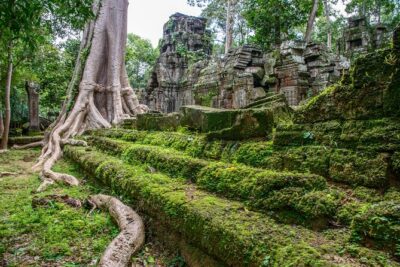
Next up is Ta Prohm, the temple known for jungle overgrowth. This is the stop where Angkor shifts into a more dramatic visual experience. You walk through spaces where trees and roots seem to take over the architecture, and it is easy to see why this is a film-famous location.
The tour gives you about 2 hours here. That is enough time to do more than snap a few pictures and move on. You can look at how the roots crawl over stones, pause to compare different angles, and read the scene like a “before and after” between civilization and nature.
A practical tip: with Ta Prohm, it is not just about what is front and center. Pay attention to corners and edges where vegetation meets masonry. Those are the moments that make the temple feel alive, not staged. If you like photos, you might also want to think ahead about your light and where you stand before you raise your camera.
One balanced note based on past feedback: some people felt the guide needed a bit more confidence explaining temple points and helping with photo moments. That does not mean you cannot get good info. It just means you should be ready to ask your own questions if you want more detail about specific structures or photo spots.
Srah Srang lunch break: pond views and a real reset
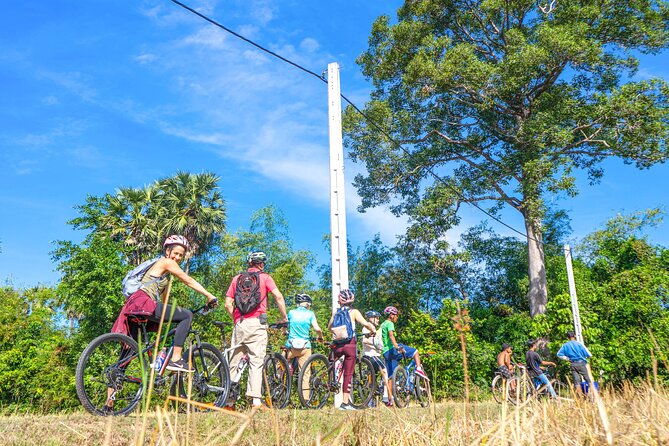
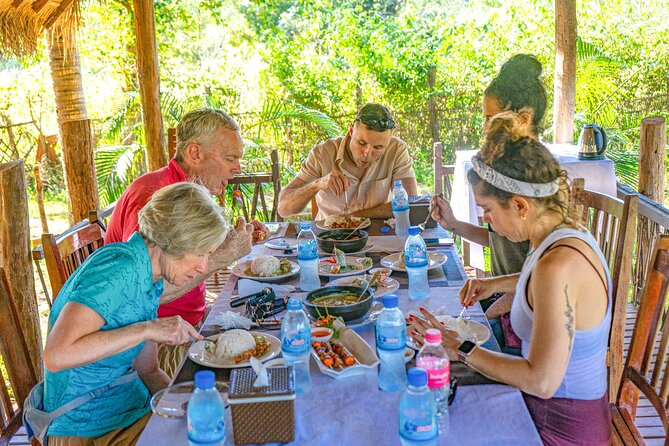
Midday is where this tour earns its keep. You stop at Srah Srang, and the itinerary places a lunch break alongside the tropical garden view over the pond. This is not a random rest stop. It is the kind of pause that helps you enjoy the temples instead of just powering through them.
Srah Srang is a chance to cool off, hydrate, and reset your legs. Biking in the morning plus heat can add up fast, so the value of this hour is bigger than it looks on paper. If you are prone to fatigue, this break is likely the difference between a fun day and a tiring one.
Lunch is included, and there is a vegetarian option available if you request it when booking. That is important if you have dietary preferences. You can spend your attention on enjoying the meal and preparing for the final temple rather than hunting for food.
One drawback to be aware of: the tour includes lunch but temple entrance fees are not included. So if you are budget planning, treat the Srah Srang break as a moment to check what you will need to pay next, so you do not lose time at the end.
Angkor Wat after lunch: dress code, timing, and scale
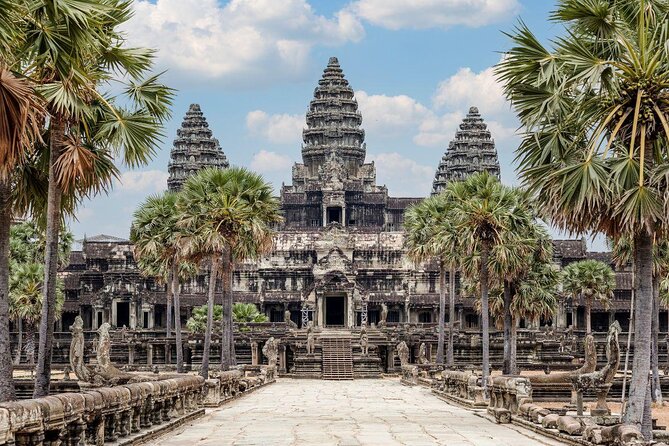
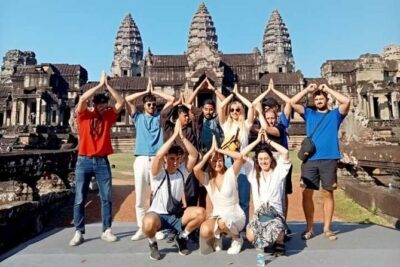
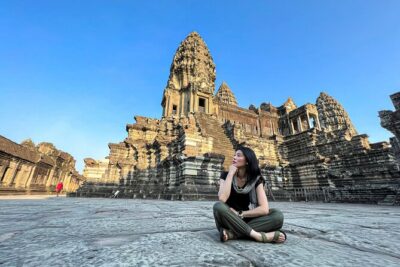
Finally, you visit Angkor Wat, and it is the big one. This temple is described as the largest religious monument in the world and a top example of Angkor symbolism. Even if you do not know the details yet, you will feel the scale once you are there.
Angkor Wat also comes with the one “rule” that trips people up: dress code. Shoulders and knees need to be covered, especially at Angkor Wat. Bring a light layer if your usual travel clothes are too bare. A cover-up is cheaper than scrambling at the last minute, and it also helps you avoid stress while trying to enjoy the site.
The tour allots about 2 hours for Angkor Wat. That is enough for a first satisfying visit, but it is not an all-day deep crawl. If you want to do extra exploring beyond the main areas, you may need to add time on your own. For most people, though, 2 hours with a guide and a bicycle ride that gets you there comfortably is a great balance.
Heat is the other reality check. Even with an early start and a lunch break, Angkor Wat is exposed and you will feel the sun. Take advantage of any shaded moments, sip water often, and try not to rush your viewing. The temple rewards slower looking.
Other midday stops around Siem Reap
E-bike or tuk tuk, or stick with a bike?
The title mentions options like E-Bike or Tuk Tuk, but the included details you have here focus on a mountain bike and helmet. If you want an alternative riding method, you should confirm what is available for your specific booking before you count on it. The safe approach is to prepare for a bike ride since that is what the day is structured around.
That said, the tour is designed for reasonably fit people who are comfortable biking. The distance is listed as 20 km to 30 km, over roughly 7 hours including stops. It is not a race. It is also not a stroll. If you can ride a bicycle for an hour or so without major discomfort, you are likely in the right zone.
If you are on the edge physically, ask yourself this: do you want to explore by riding and walking a bit, or would you rather conserve your legs? The tour’s value comes from the movement. If you hate biking, you may feel restless. If you enjoy it, the backroad approach is the whole point.
Price and value: what $55 really buys
At $55 per person, this is a budget-friendly way to see several key Angkor sites in one day with a guided ride. The biggest value lever is not just the guide. It is the bundle of practical things that usually cost extra time and effort: hotel pickup and drop-off, bike and helmet, bottled water and snacks, and lunch.
Entrance fees are not included. That is the main cost you have to add on top. Still, when you compare this to paying for transport plus a separate guide plus food, the all-in structure is what makes the price feel fair.
The tour also caps group size at 12. You are not paying for a crowded mass. You are paying for an organized experience with time to look and listen. That is where your money translates into satisfaction.
If you are planning a short Angkor stay and want to cover Bayon, Ta Prohm, and Angkor Wat without spending your day on long vehicle transfers, this is a strong match. If you already have your own transport plan and prefer total freedom, you might find a self-guided approach cheaper, but it will not include the bike, the lunch, and the guided commentary.
Who this tour suits best (and who should skip it)
This is a good fit if you want:
- A bike-based way to see Angkor without constant traffic
- A guide to help you connect what you are seeing at Bayon and Ta Prohm
- A structured day that includes a lunch break and amenities
It is also a smart choice for couples and solo travelers who like company but not crowding, since the group stays small.
Skip or rethink if:
- You have limited comfort biking for 20 km to 30 km
- You dislike hot weather sightseeing and do not want to be outdoors for about 7 hours
- You are hoping entrance fees are bundled into the tour price
If you are a fan of photography, you will still get chances, especially around Ta Prohm. Just keep your expectations realistic about whether you will get step-by-step photo coaching at every stop.
Should you book Cycle the Angkor Backroads?
I would book this if you want Angkor to feel like an active day with rhythm, not a rushed checklist. The combination of backroad riding, small-group pacing, and a guided look at major temples is what makes it worth your time. Add in lunch at Srah Srang, and you have a plan that respects both your curiosity and your body.
Book with a little planning if you:
- Budget separately for temple entrance fees
- Pack for heat, and bring clothes that cover shoulders and knees for Angkor Wat
- Expect a moderate bike ride, not an easy pedal-only spin
If you want temples but hate biking, then it is not the right match. But if you are comfortable riding and you want a calmer way to see Angkor’s highlights, this one is a very practical pick.
FAQ
What time does the tour start?
The tour starts at 8:00 am.
How long is the tour?
It lasts about 7 hours.
Is lunch included?
Yes. The tour includes a delicious lunch, and vegetarian options are available if you request them at booking.
Do I need to pay for temple entrances?
Yes. Entrance fees for the Angkor temple complex are not included in the tour price.
What is included with the bike setup?
You get a trek mountain bike and a helmet, plus bottled water and snacks.
Can I cancel for free?
Yes, you can cancel for free up to 24 hours in advance for a full refund. If you cancel less than 24 hours before the start time, the amount paid is not refunded.
More Midday Stops
- Angkor Wat Sunset Small Group Tour with Lunch Included★ 5.0 · 3,059 reviews
- Kulen Mountain: Small-Group Tour and Picnic lunch★ 4.9 · 1,802 reviews
- Phnom Kulen Waterfall & the Sacred 1000 Lingas (with Lunch)★ 4.8 · 974 reviews
- Angkor Wat Small Group Tour and Sunset with Lunch Included★ 5.0 · 398 reviews
Longer in the Saddle Around Siem Reap
- Siem Reap Countryside Bike Tour / E-Bike or Tuk Tuk★ 5.0 · 935 reviews
- Angkor Sunrise Bike Tour / E-Bike or Tuk Tuk★ 5.0 · 615 reviews
- Siem Reap: Bike the Angkor Temples – Full-Day 30km Tour★ 5.0 · 463 reviews
- Siem Reap: Angkor Wat Sunrise Bike Tour & Jungle Breakfast★ 5.0 · 415 reviews
More Tour Reviews in Siem Reap
- Angkor Wat Sunrise or Sunset Tour with Guide from Siem Reap★ 5.0 · 12,109 reviews
- Siem Reap: Angkor Wat: Small-Group Sunrise or Sunset Tour★ 5.0 · 9,444 reviews
- From Siem Reap: Kampong Phluk Floating Village Tour by Boat★ 4.9 · 6,979 reviews
- Siem Reap: Angkor Wat 2-Day Tour with Sunrise and Sunset★ 4.9 · 4,429 reviews
Newly written up around Siem Reap
- Waterfall & River of 1000 Siva Linga- Kulen Mountain Private Tour
★ 5.0 · 3 reviews - Private Transfer from Siem Reap to Sihanoukville
★ 4.5 · 3 reviews - Private Tour to Koh Ker and Beng Mealea
★ 5.0 · 3 reviews - Private Transfer: Siem Reap Angkor Internation Airport to Hotel
★ 5.0 · 3 reviews - Kulen National Park Ticket -Waterfall & 1000 Lingas
★ 5.0 · 3 reviews - Kulen Waterfall & Kbal Spean Tour
★ 5.0 · 3 reviews
Cycling Tours, side by side.
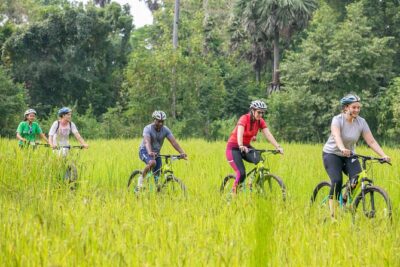 ★ 5.0Siem Reap Countryside Bike Tour / E-Bike or Tuk TukFrom $35935 reviews
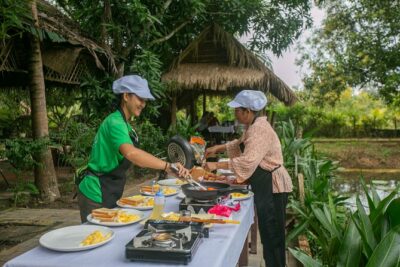 ★ 5.0Angkor Sunrise Bike Tour / E-Bike or Tuk TukFrom $60615 reviews
 ★ 5.0Phnom Penh Silk Island Bike Tour/ E-Bike or Tuk TukFrom $35495 reviews
 ★ 5.0Bike the Angkor Temples – Full-Day 30km TourFrom $35463 reviews
 ★ 5.0Angkor Wat Sunrise Bike Tour & Jungle BreakfastFrom $75415 reviews
 ★ 5.0Siem Reap Countryside Quad Biking TourFrom $45322 reviews
 ★ 4.9Guided Countryside Bike TourFrom $35294 reviews
 ★ 5.0Local Livelihood Half Day Bike Tour in BattambangFrom $30287 reviews
Also appears in