
REVIEW · CAMBODIA
Discover the Tastes Temples and Tales of Authentic Cambodia
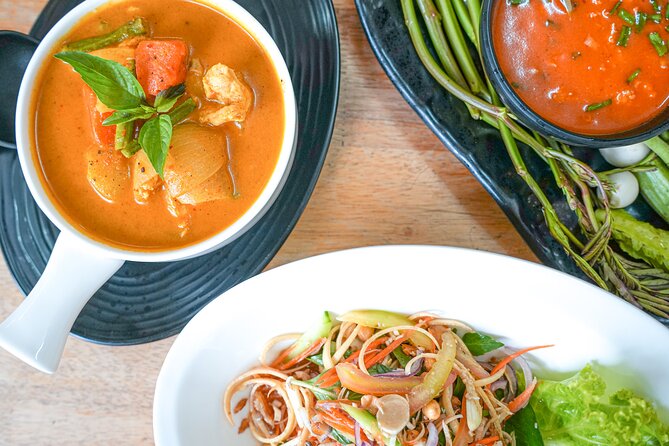
Food, temples, and stories all in one route. This trip is built around tasting Cambodia, then using those ingredients and traditions to make sense of the country you see. I like the food-first planning, from Phnom Penh’s tuktuk crawl to cooking in Battambang, because it gives you a simple way to understand each place. You also get major historic context, not just sightseeing.
One thing I especially like is how the day structure actually supports eating well: cold beers, Khmer coffee, and meals designed around local makers, not generic tourist stops. The group stays small (up to 10), and that helps the guides do their jobs with less rushing. In past trips, guides such as Khim, and local team members like Senghong and Sivhong, have been praised for keeping the vibe friendly and moving smoothly.
The main drawback to consider is that not every day is light. Tuol Sleng Genocide Museum (S21) is emotionally heavy, and the itinerary includes some moderate walking and activity, even if biking is optional in Battambang. If you prefer only relaxed, upbeat days, this may feel like a lot.
In This Review
- Key Highlights You Should Know Before You Go
- A Food-First Route Through Cambodia That Makes History Feel Real
- Phnom Penh Tuktuks and Market Morning: Where the Tastes Start
- What to watch for
- Tuol Sleng (S21) and the Rivers of Phnom Penh
- Practical reality
- Phnom Penh Dinner: Big Night, Local Dishes
- Battambang Country Life: Bikes, Villages, and a Real Change of Pace
- The best part for food lovers
- Street Art and Battambang Market Cooking: Hands-On Cambodian Flavor
- A drawback to consider
- Phare, The Cambodian Circus: A Creative Night Between Regions
- Siem Reap Temple Days: Bayon, Ta Prohm, and a Quiet Sense of Scale
- Why this part is worth your time
- Angkor Wat Sunrise: The Moment You Plan For
- Group Size, Guides, and the Comfort Pieces That Make It Feel Easy
- Price and Logistics: What You’re Really Paying For
- A final logistics note
- Who This Cambodia Tour Fits Best
- Should You Book Tastes Temples and Tales of Authentic Cambodia?
- FAQ
- What is included in the tour price?
- Is airport transfer included?
- Does this tour include a no-shop component?
- How many meals are included?
- Are government fees included?
- What is the group size limit?
Key Highlights You Should Know Before You Go
- Phnom Penh tuktuk food crawl, with multiple safe-to-eat restaurant stops and a beer in hand
- Toul Tompong (Russian) Market breakfast, including Khmer coffee and turmeric crepes
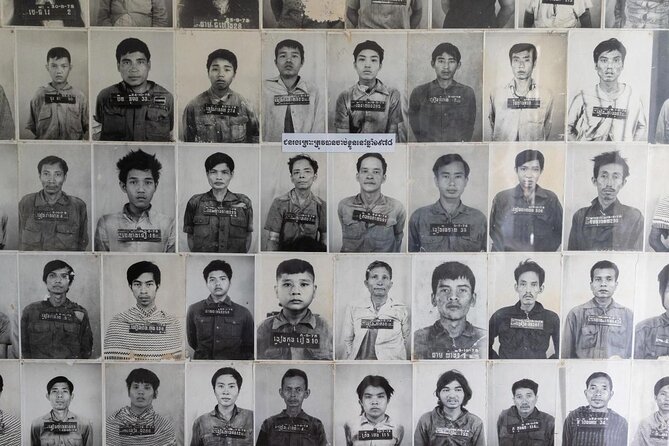
- S21 (Tuol Sleng) Genocide Museum, essential context for understanding Cambodia today
- Battambang by bike or tuktuk, with rural roads, villages, and a sunset-style river dinner
- Cooking class at Battambang Market, where you make dishes including fish amok and a coconut milk dessert
- Angkor sunrise at Angkor Wat, plus Ta Prohm and a local family lunch inside the ruin area
A Food-First Route Through Cambodia That Makes History Feel Real
Cambodia can be understood fast by one method: taste it. This tour uses that idea as the backbone. Instead of treating food as an optional side quest, you build a map of ingredients, cooking styles, and daily markets as you move from city to countryside to temple town.
That approach matters for your experience. When you try something like fish amok or Khmer coffee, it is not just a meal. It is a clue about local ingredients, household cooking, and regional traditions. Then, when you visit big historic sites, the day feels connected rather than like a checklist.
It also helps that meals are not scattered. Breakfast, lunch, and dinners are part of the plan, with multiple included meals across the 7 days. With that structure, you spend less time hunting for food and more time actually tasting and learning.
Phnom Penh Tuktuks and Market Morning: Where the Tastes Start
Your trip begins in Phnom Penh, with introductions followed by a tuktuk food tour. The key here is pace plus choice. Tuktuks help you move through the city in a way that feels local, and the stop count is designed for sampling without turning into a marathon. You visit four safe-to-eat restaurants, with a cold beer in hand, and you get to meet the people behind dishes you would otherwise only see on a menu.
Day 2 keeps the momentum with a more market-based morning. You head to Toul Tompong Market (Russian Market) and start with a classic local breakfast: noodle soup, Khmer coffee, and savory turmeric crepes. After that food hit, you walk through the market where daily life and ingredients overlap. This part is valuable because it teaches you how food shows up in Cambodian routine, not just in restaurants.
Still weighing up options? These Phnom Penh trips came up well in our reviews too.
- The Killing Field and Toul Sleng Genocide Museum (S21) Tour★ 5.0 · 1,977 reviews
- Phnom Penh: Sunset Cruise with Unlimited Beers & BBQ Buffet★ 4.5 · 727 reviews
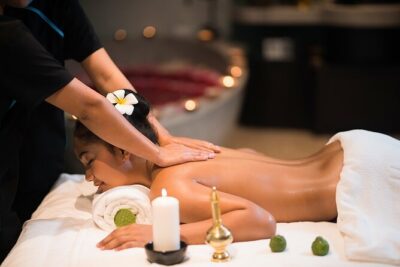
- Aroma Therapy Massage, Relaxation therapeutic aromatherapy oil massages.★ 5.0 · 645 reviews
- Killing field and Toul Sleng genocide museum Tour★ 5.0 · 610 reviews
What to watch for
Phnom Penh days can feel busy because the tour is doing a lot in a short time. The upside is convenience and variety. The consideration is energy level. If you want slower mornings, plan for rest in the evening and keep hydration in mind.
Tuol Sleng (S21) and the Rivers of Phnom Penh
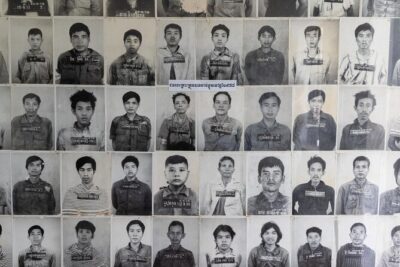
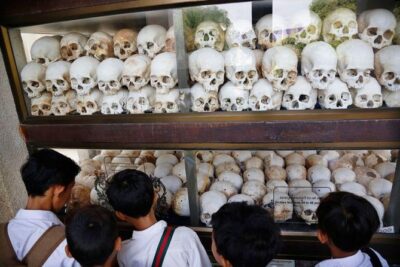
After breakfast and market time, the itinerary turns serious with Tuol Sleng Genocide Museum (S21). This is not a casual stop. It is a former secondary school used as a prison, and it is there so you understand Cambodia’s dark past. For me, that context is what makes the rest of the trip land. When you come back to Cambodian food culture later, it carries more meaning.
The same day includes something completely different in tone: Sisowath Riverside Park and a private boat happy hour cruise. Phnom Penh sits where the Tonlé Sap, Mekong, and Bassac rivers support an abundance of freshwater fish. That river connection shows up in Cambodian cuisine, so pairing the museum with the water experience helps the story make sense.
Practical reality
You are moving from reflective spaces to a cruise and dinner. If you feel overwhelmed by museums, give yourself a moment to reset afterwards. It helps to take in the pace of the boat and focus on the food and conversation again.
Phnom Penh Dinner: Big Night, Local Dishes
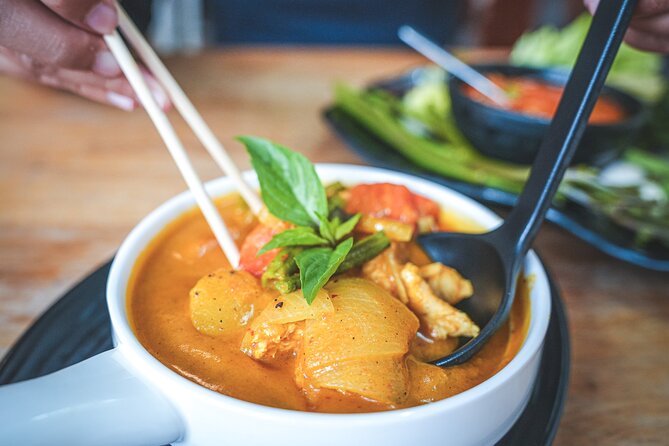
The day ends with a huge dinner spread of local dishes near the end of your Phnom Penh loop. This type of finale works because you have already tasted a lot in the city. You are not just starting your palate, you are sharpening it. You can spot flavors better, and you also see how certain ingredients repeat across dishes.
If you enjoy comparing how the same ingredient shows up in different forms, this dinner gives you that chance.

Battambang Country Life: Bikes, Villages, and a Real Change of Pace
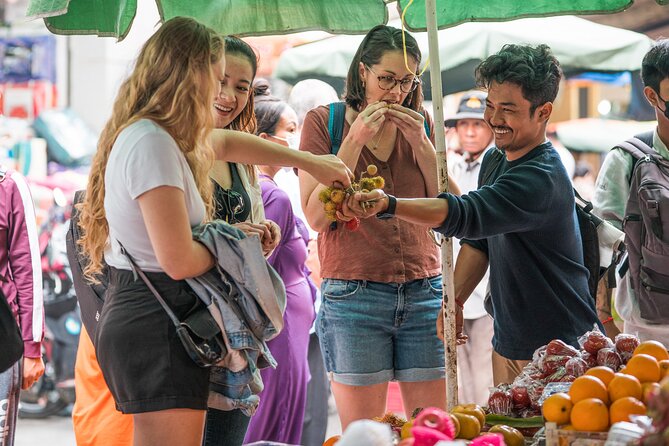
Next you head to Battambang, the rural stretch between Cambodia’s biggest cities. The change of scenery is big: rice paddies, water buffalo, and villages where daily routines feel slower than in Phnom Penh.
Day 3 is largely travel time and countryside stops. The tour keeps it broad and scenic, so you get a feel for how the land shapes the food and the day-to-day choices people make.
Day 4 is where the countryside feels hands-on. You explore with bikes (or a tuktuk if you do not cycle) and see rural roads and village life. That flexibility matters. You do not lose the experience if you are not a confident cyclist.
Then comes Battambang Bat Caves. You get a short hike up to a cave area and watch millions of bats emerge. It is a dramatic nature moment, and it breaks up the food-and-history pattern with something visual and memorable.
Finally, you unwind with dinner along the Sangkae River. Expect a cold beer, and a highlight like fresh-to-order papaya salad, plus a smorgasbord of local dishes.
The best part for food lovers
That papaya salad detail is the kind of thing I look for on food trips. It suggests freshness and timing, not just a pre-made dish. When meals are ordered and served fresh, you taste the difference.
Street Art and Battambang Market Cooking: Hands-On Cambodian Flavor
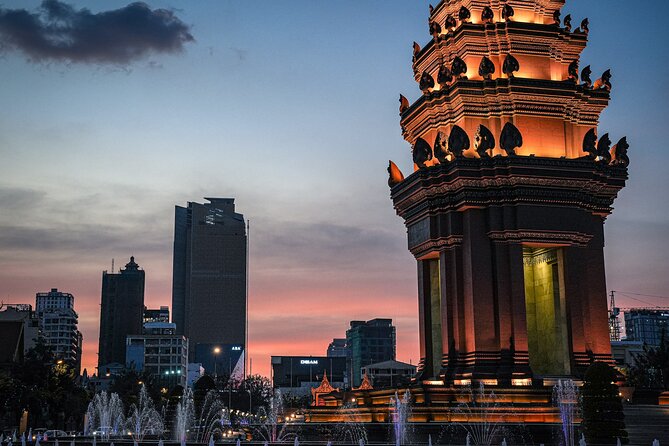
Battambang also has a creative reputation shaped by history. After breakfast on Day 5, you join a local artist and learn about the present-day street-art scene and how it connects to what happened during the Khmer Rouge era. Even if you are not a street-art person, this gives you a human lens on cultural change.
Then you hit Battambang Market, the biggest local market in the area. You shop for lunch, and that market visit leads into the main event: a cooking class where you prepare 4 popular Cambodian dishes. Among them are fish amok and a coconut milk dessert, both named in the plan.
This is one of the strongest value moments on the trip because you take home more than photos. You take home a method. Even if you do not cook every week at home, knowing how fish amok is built, how flavors balance, and how desserts land will make future Cambodian meals feel more legible.
A drawback to consider
Cooking days take time and attention. You might be in an active mode for a few hours, so bring a good attitude and expect to get hands-on, not just watch.
Phare, The Cambodian Circus: A Creative Night Between Regions
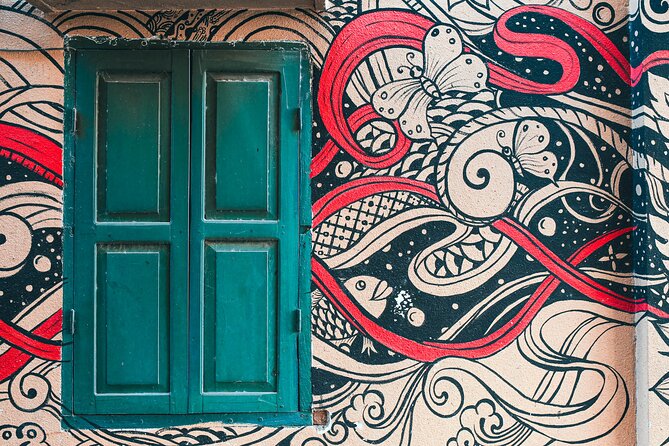
On Day 5 you travel onward to Siem Reap, the temple town near Angkor Wat. In the afternoon, the itinerary includes Phare, The Cambodian Circus.
This stop matters because it gives you an artistic view of Cambodia that does not rely on ruins or museum walls. If you want one night that feels different from the day’s sightseeing grind, this is a smart fit.
Siem Reap Temple Days: Bayon, Ta Prohm, and a Quiet Sense of Scale
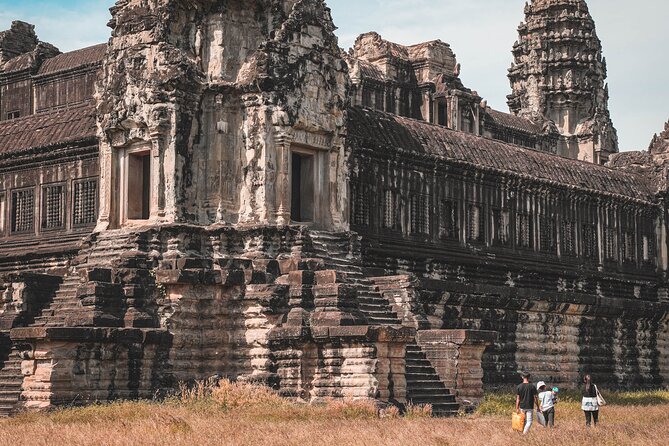
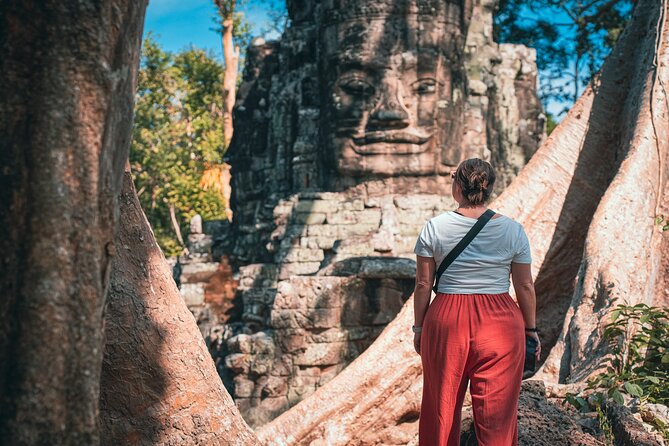
In Siem Reap, the tour shifts into temple mode while still keeping the pace friendly. Day 6 starts with Bayon Temple. The big takeaway is scale. Angkor Wat is part of a complex that includes over 72 major temples and hundreds of smaller ruins across a huge area. Standing in the space makes you understand why people talk about Angkor as a whole world, not one building.
After Bayon, you visit Ta Prohm, known for trees growing through the ruins. The tour time includes walking dirt roads and seeing hidden forest paths and less famous temple areas. This matters because it avoids the feeling that you are only doing the most famous photo spots.
Then you get a long rest-and-lunch experience: a visit to a local family living in a traditional home within the ruin-laden jungle. You enjoy homemade lunch and a fresh coconut, with time to learn about life before the modern tourist scene.
Why this part is worth your time
When a trip includes a family meal inside the ruin area, it shifts your role from spectator to participant. Even if you cannot control your schedule once there, you leave with a better sense of how people actually live alongside historic landmarks.
Angkor Wat Sunrise: The Moment You Plan For
Day 7 is the centerpiece: Angkor Wat at sunrise. The view of the three iconic pagodas is impressive at any time, but sunrise is when the temple shifts with light and feels slower. The plan is built for that. You get about 4 hours at Angkor Wat, which helps because you can take your time rather than sprint from one photo corner to another.
After the sunrise experience, the day continues with a final taste-and-culture night in Siem Reap: happy hour at a favorite outdoor barscape, plus a multi-course dinner to close the trip.
This final evening works well because it is celebratory without being stressful. After big temples, you want food and conversation, not another early start.
Group Size, Guides, and the Comfort Pieces That Make It Feel Easy
This tour runs with a maximum of 10 travelers. That small number is not just a comfort factor. It also affects how the guide can steer you through stops, keep your timing reasonable, and handle questions without long waiting.
You also get a clear guide structure: an English-speaking Lost Plate trip leader plus English-speaking local guides or specialists for each attraction. That means you are less likely to get generic commentary, and more likely to get practical explanations that match what you are looking at.
Transport is handled with a private inter-city VIP van and driver, and the van is stocked with mineral water. Between Phnom Penh, Battambang, and Siem Reap, that convenience reduces stress. You spend less time negotiating rides and more time focusing on the plan.
Also, the tour is a no-shop tour, so you are not funneled into places where you feel pressure to buy. That keeps your food priorities and time focused.
Price and Logistics: What You’re Really Paying For
At $1,700 per person, this is not a budget trip. But it is priced like a full service, all-in experience. What you get that supports the price:
- Entrance fees and tickets included for the activities in the plan
- Airport pick-up in Phnom Penh and drop-off in Siem Reap
- A private inter-city vehicle with a driver and bottled water
- English-speaking leadership and local specialist guides
- A full meal program across the days, with 7 breakfasts, 6 lunches, and 7 dinners included
The key value point is that your costs are bundled. You are paying for time and structure. For a route that includes museums, cooking, boats, and major temples, it is easier to evaluate value when tickets and guiding are already covered.
One extra cost to know about: government fees of $35 per person are not included.
A final logistics note
You’ll use a mobile ticket, and confirmation is provided at booking unless you book within 7 days, in which case it comes within 48 hours subject to availability.
Who This Cambodia Tour Fits Best
I think this works best for you if you want:
- A food-forward Cambodia trip where meals connect to history and daily life
- Moderate activity, including some cycling option in Battambang and typical temple walking
- A guided experience that keeps you safe-to-eat and avoids forced shopping
- A mix of city energy, countryside time, and temple-scale awe
It may be less ideal if you:
- Prefer a totally lighthearted itinerary, because S21 is a difficult stop
- Want strictly free time all day with no scheduled meals or attractions
Should You Book Tastes Temples and Tales of Authentic Cambodia?
If you want one trip that tackles Cambodia from three angles, Phnom Penh food culture, Battambang countryside flavor, and Angkor sunrise, this is a strong choice. The biggest selling point is that it treats eating as learning, not just entertainment. Add small group size, English-speaking guidance, and a no-shop structure, and you get a route that feels both thoughtful and practical.
Before you book, check your own comfort with one emotionally serious museum day and be honest about your activity comfort. If those two fit you, you’ll likely love how the whole trip ties together into one coherent Cambodia story you can taste.
FAQ
What is included in the tour price?
Tickets and entrance fees for the activities are included, along with a private inter-city VIP van and driver stocked with mineral water. You also get an English-speaking Lost Plate trip leader, English-speaking local guides for each attraction, airport pick-up in Phnom Penh, and drop-off in Siem Reap. Meals included are 7 dinners, 6 lunches, and 7 breakfasts.
Is airport transfer included?
Yes. There is airport pick-up in Phnom Penh, and there is drop-off at Siem Reap airport (REP) included on the departure day.
Does this tour include a no-shop component?
Yes. This is listed as a no-shop tour, meaning you will not be taken anywhere you are obligated to purchase anything.
How many meals are included?
The tour includes 7 breakfasts, 6 lunches, and 7 dinners.
Are government fees included?
No. Government fees are listed as $35.00 per person.
What is the group size limit?
The tour lists a maximum of 10 travelers.
More Tour Reviews in Phnom Penh
- The Killing Field and Toul Sleng Genocide Museum (S21) Tour★ 5.0 · 1,977 reviews
- Phnom Penh: Sunset Cruise with Unlimited Beers & BBQ Buffet★ 4.5 · 727 reviews
- Aroma Therapy Massage, Relaxation therapeutic aromatherapy oil massages.★ 5.0 · 645 reviews
- Killing field and Toul Sleng genocide museum Tour★ 5.0 · 610 reviews
Newly written up around Phnom Penh
- Private Transfer From or to Phnom Penh <=> Sihanoukville
★ 5.0 · 3 reviews - Prasith and Reap Temples Private Day Trip from Phnom Penh
★ 4.5 · 3 reviews - Phnom Penh Full Day Private Tour By Tuk Tuk or Taxi Car
★ 5.0 · 3 reviews - Private Transfer From Phnom Penh To Sihanoukville
★ 5.0 · 3 reviews - Phnom Penh Private Pick-Up: Techo International Airport ( KTI )
★ 5.0 · 3 reviews - Island Community Life in Phnom Penh
★ 4.5 · 3 reviews