
REVIEW · BATTAMBANG
Exploring Battambang History (Walking Tour)
Battambang history sounds better on your feet. This 3 to 4 hour morning walk turns old buildings into a timeline you can actually see, with a local English-speaking guide doing the connecting for you. I especially like how you move street by street, instead of just reading plaques.
Two other things I liked a lot: hotel pickup and drop-off keep the day easy, and the route is paced enough to stop for photos without feeling rushed. One consideration, though, is the heat and the fact you cover real history topics like the Khmer Rouge and war years, so bring water, sun protection, and a little mental breathing room.
In This Review
- Key Things You’ll Notice on This History Walk
- Morning Plans: 7:30 Start and a 3 to 4 Hour Window
- Price and Value: What $25 Buys in Battambang
- Hotel Pickup and Small Group Means Less Stress
- How the Guide Turns Buildings Into a Timeline
- Central Market and the French-Style Backbone of Town
- The 300 Houses Built in the Colonial Era
- White Elephant Symbolism During Thailand Control
- Naga Peace: After War, What Comes Next
- Governor House and the Civil War Years: A Tough Stop
- Chinese Temple: How Chinese Influence Shaped Daily Life
- Indochina Bank and the Money Run Story
- Temple and Crocodile Farm Breaks for Photos and a Different Pace
- What to Bring, and How to Keep the Day Comfortable
- Who This Walking History Tour Suits Best
- Should You Book This Battambang History Walking Tour?
- FAQ
- How much does the Battambang history walking tour cost?
- How long is the tour?
- What time does the tour start?
- Is pickup from Battambang hotels included?
- Is there a local English-speaking guide?
- What is included in the price?
- Are admission tickets included?
- What should I bring for the tour?
- Is there a group size limit?
- What is the cancellation policy?
Key Things You’ll Notice on This History Walk
- A focused, walkable route through central Battambang landmarks in a short time
- A local English-speaking guide who connects French colonial, Chinese influence, religion, and conflict to what you see
- Small group size (max 15) for better questions and less waiting around
- Pickup and drop-off from Battambang hotels, so you are not worrying about transport
- Plenty of photo stops, with time to look closely at architecture and details
- Religion and power themes you can track across multiple stops, from Hinduism and Buddhism to Christianity and Islam
Morning Plans: 7:30 Start and a 3 to 4 Hour Window
You start at 7:30 am, which is a smart move in Battambang. The early timing means softer light for photos and a bit less sweat than later in the day.
The tour runs about 3 to 4 hours, so it works as a true morning activity or a light early afternoon plan. You should expect a steady walk with stops for explanations, not a long, lingering museum day.
If you like history but hate slow pacing, this time window feels right. You get key sites, you learn how they connect, and you still have time left to wander on your own afterward.
Price and Value: What $25 Buys in Battambang
For $25 per person, you are paying for more than just movement from point A to point B. You are getting an English-speaking guide, bottled water, and all fees and taxes included in the price.
What makes the value feel real is the scope of the story you cover in one half-day window. You are not just looking at pretty French-style facades, you are learning how Battambang shifted through French colonial rule, Thai control, civil war, and later hopes for peace.
Also, this tour includes an admission ticket marked as free in the details you receive. Even with that uncertainty across different sites, the pricing structure here is built to keep you from surprising costs.
Other Battambang days by tuk tuk
- Battambang: Tuk-Tuk, Bamboo Train, Killing/Bat Caves, Sunset★ 4.9 · 1,436 reviews
- Battambang Tuk Tuk tour: Bambootrain, Killing & Bat Caves,Sunset★ 5.0 · 799 reviews
- Afternoon tour by tuk tuk to bamboo train,bat cave,killing cave,countryside.★ 5.0 · 344 reviews
- Local Livelihood Half Day Bike Tour in Battambang★ 5.0 · 287 reviews
Hotel Pickup and Small Group Means Less Stress
The big practical win is the hassle-free pickup and drop-off from Battambang hotels. That matters because central Battambang can be a maze of small streets, scooters, and casual traffic, and you do not want to burn your morning hunting a meeting point.
The group is limited to a maximum of 15 people. Smaller groups typically mean you can ask follow-up questions, and the guide can slow down when something sparks your curiosity.
Service animals are allowed, and the tour is near public transportation. That can help if you are staying somewhere not directly served by pickup, or if you prefer to arrive on your own and just match the schedule.
How the Guide Turns Buildings Into a Timeline
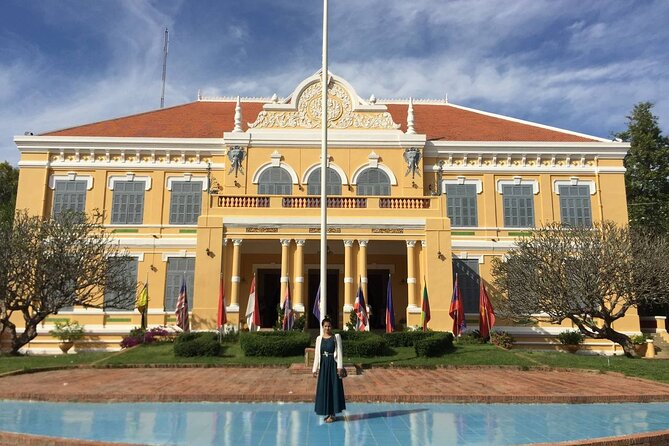
This tour works because the guide turns architecture into context. When you stand in front of Central Market’s French-style design, you are not just seeing old walls, you are learning why French colonial influence shows up in how spaces were built.
Guides from this team often include people such as Sothea, Sothai, and Reaksa, and the common thread is clear English plus real enthusiasm. You can feel the difference when someone explains the why behind a place, not just what year it was built.
You will also get structured variety, which keeps the tour from getting monotonous. You swing between colonial buildings, war-era references, religious sites shaped by multiple communities, and the practical story of money and trade.
Central Market and the French-Style Backbone of Town
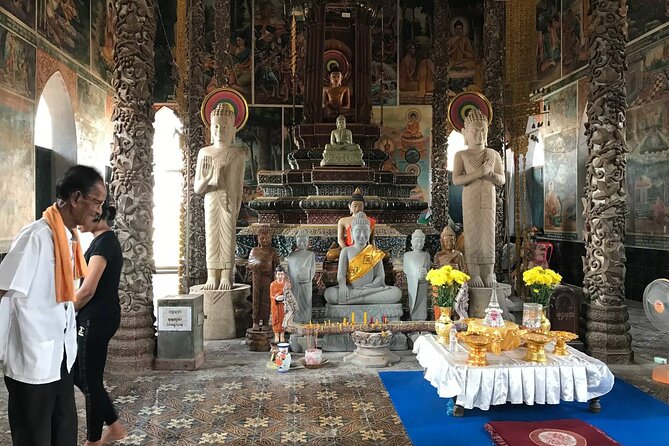
One of the first stops is Central Market, known for its French colonial look. This is where Battambang starts to make sense as a historic hub, not just a stop for travelers.
I like this kind of opening. You begin with a public space people used every day, then the guide helps you connect it to the larger changes happening across the region.
If you care about design, pay attention to the layout and the way the market presents itself. It is a physical reminder that colonial systems often reorganized commerce and made certain buildings feel official and permanent.
The 300 Houses Built in the Colonial Era
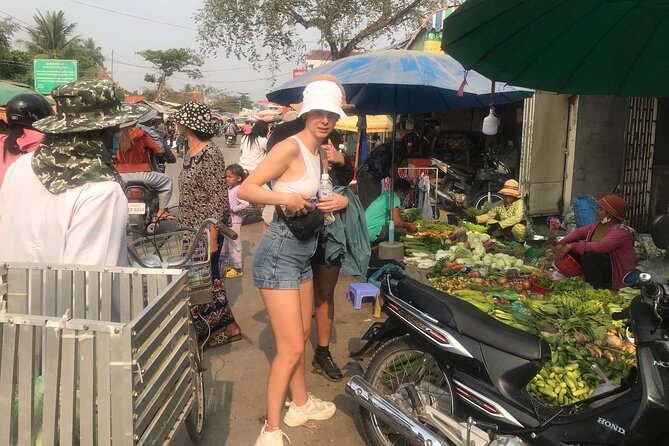
Next comes a site tied to the 300 houses built during the French colonial period. This is the kind of stop where you start to understand how power shows up in everyday life.
Instead of vague history, you are given a specific reference point: housing built in that era. That helps you imagine what daily routines might have looked like, and how settlement patterns shifted.
The drawback? If you expect nonstop dramatic events, this part can feel quieter. The payoff is in how you understand the city’s structure and why certain neighborhoods developed the way they did.
Other Battambang walks we clocked
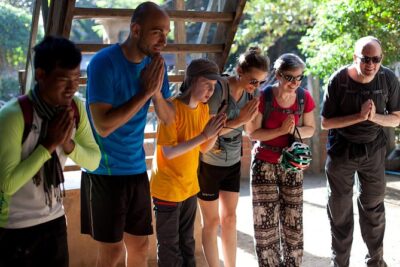
White Elephant Symbolism During Thailand Control
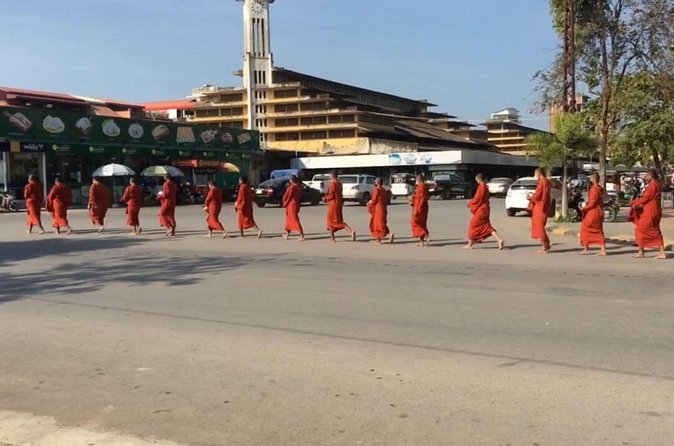
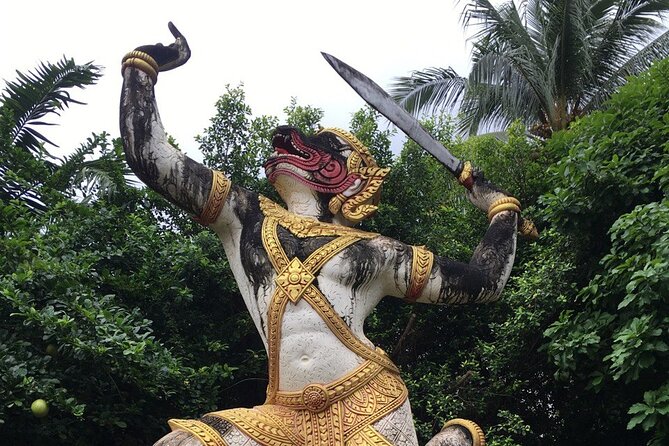
You will also see the White Elephant reference tied to the time when Thailand controlled the region. This is one of those historical details that sounds abstract until you are standing near the symbol and hearing the explanation.
The White Elephant theme is a useful reminder that political power was not just about borders. Symbols helped legitimize rule, and they show up in public life and storytelling.
If you enjoy political history, treat this stop like a clue. You are learning how outside influence left marks that locals can still point to today.
Naga Peace: After War, What Comes Next
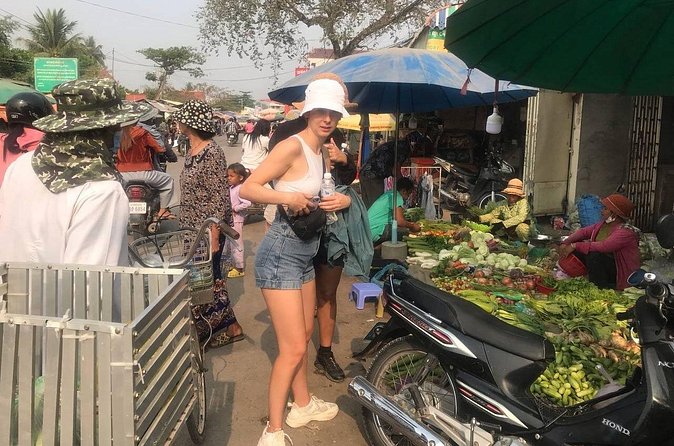
Then the tour shifts toward the idea of peace with Naga Peace, described as no more war in Cambodia. It is a hopeful moment in the middle of heavier topics.
I like including a peace symbol, because history is not only conflict and collapse. The guide gives you a chance to think about recovery, rebuilding, and how communities frame what happened.
Be respectful here. Even if you are just snapping photos, this is still a real reference to past suffering, so keep it calm and mindful.
Governor House and the Civil War Years: A Tough Stop
One of the strongest stops is the Governor House, explained as a very bad time in Battambang history. This is the point where the story gets serious, fast.
I recommend mentally preparing for this section. The guide covers conflict years like the Khmer Rouge and civil war, so this is not light sightseeing.
What makes the stop valuable is the context. You are not being asked to memorize dates; you are being guided through what these buildings represented when authority changed hands.
If you get overwhelmed easily, pace yourself. Take a breath, ask one question at a time, and then move on with the group when you are ready.
Chinese Temple: How Chinese Influence Shaped Daily Life
You will visit a Chinese Temple, and the guide connects it to how Chinese religion influenced the area. This is where Battambang starts to feel like a crossroads, not a single-story city.
The temple stop helps you track religion across the tour, since the guide’s overview spans Hinduism, Buddhism, Christianity, and Islam. You get a sense that these weren’t separate worlds. In many places, they lived side by side through shared neighborhoods and cultural exchange.
Take time here to look at details you might normally skip. Religious architecture often carries meanings in symbols and layout, and the guide can help you see what you are actually looking at.
Indochina Bank and the Money Run Story
Another key stop is Indochina Bank, with a story centered on how the money ran. This is where the tour gets practical in a good way.
I love history that explains money, because it makes big political shifts feel real. Who controlled funds, how trade moved, and what economic systems supported power. You start to understand why buildings like banks and markets matter.
The best way to enjoy this part is to let the guide explain the chain of cause and effect, then glance around. Even from outside, you can often see why these institutions were treated as important.
Temple and Crocodile Farm Breaks for Photos and a Different Pace
Your tour also includes time for a temple visit and a crocodile farm stop, plus opportunities to make photo stops. This shift is handy when history gets heavy, because it changes the sensory rhythm.
The temple stop gives you a calmer, more reflective moment. The crocodile farm adds a different kind of visual, and it can be a fun break from monuments and institutions.
Just treat these breaks as part of the story, not random add-ons. The guide’s whole job is to connect each stop to how people lived and what they valued.
What to Bring, and How to Keep the Day Comfortable
Bring a camera, and wear flexible clothes or sport clothes. You will be walking, stopping often, and spending time in daylight, so comfort matters more than fashion.
Sun lotion and sunglasses are smart. Even with a 7:30 am start, Cambodia sun can get intense, and you do not want your day cut short by feeling fried.
Bottled water is included, which is a real plus. Still, take small sips between stops, especially if you are prone to overheating.
Who This Walking History Tour Suits Best
This experience is a strong fit if you:
- Want an organized history path without the mental work of planning
- Like architecture and street-level context
- Travel solo or as a couple, because the group size stays manageable
- Prefer a short outing that still covers big themes like religion, colonial influence, and war years
It is also useful if you want to get your bearings fast in Battambang. Even if you plan to explore on your own later, you will have a clearer map in your head because you will understand what each neighborhood or building meant.
If you dislike history that includes conflict, you can still do this. Just know the Governor House stop is presented as a very bad time, and the guide covers Khmer Rouge and civil war.
Should You Book This Battambang History Walking Tour?
I would book it if you want a short, guided way to understand why Battambang mattered, not just what it looks like. At $25, the combination of English-speaking guidance, hotel pickup and drop-off, and focused stops makes it feel like efficient value.
Skip it only if you truly want a mostly light, purely scenic walk. This tour includes serious historical themes, and it does not try to sand them down.
If you are ready to trade a little comfort for a lot of clarity, this is one of the best ways to learn Battambang quickly, with enough guidance to make the city’s past feel connected.
FAQ
How much does the Battambang history walking tour cost?
It costs $25.00 per person.
How long is the tour?
The tour duration is approximately 3 to 4 hours.
What time does the tour start?
The start time is 7:30 am.
Is pickup from Battambang hotels included?
Yes, hassle-free hotel pickup and drop-off from Battambang hotels are included.
Is there a local English-speaking guide?
Yes. The tour includes a local English-speaking guide.
What is included in the price?
Included items are the local English-speaking guide, bottled water, and all fees and taxes.
Are admission tickets included?
The tour details indicate an admission ticket is free.
What should I bring for the tour?
Bring a camera, flexible or sport clothes, sun lotion, and sunglasses.
Is there a group size limit?
Yes. The tour has a maximum of 15 travelers.
What is the cancellation policy?
Free cancellation is available. You can cancel up to 24 hours in advance for a full refund. If you cancel less than 24 hours before the start time, the amount paid will not be refunded.
More Tours in Battambang
- Battambang Tuk Tuk tour: Bambootrain, Killing & Bat Caves,Sunset★ 5.0 · 799 reviews
- Afternoon tour by tuk tuk to bamboo train,bat cave,killing cave,countryside.★ 5.0 · 344 reviews
- Local Livelihood Half Day Bike Tour in Battambang★ 5.0 · 287 reviews
- Explore Battambang full day tour by Tuk Tuk (start from 9am-6:30pm)★ 5.0 · 240 reviews
More Tour Reviews in Battambang
- Battambang: Tuk-Tuk, Bamboo Train, Killing/Bat Caves, Sunset★ 4.9 · 1,436 reviews
- Battambang Tuk Tuk tour: Bambootrain, Killing & Bat Caves,Sunset★ 5.0 · 799 reviews
- Afternoon tour by tuk tuk to bamboo train,bat cave,killing cave,countryside.★ 5.0 · 344 reviews
- Local Livelihood Half Day Bike Tour in Battambang★ 5.0 · 287 reviews
More Battambang by Tuk Tuk
- Battambang: Tuk-Tuk, Bamboo Train, Killing/Bat Caves, Sunset★ 4.9 · 1,436 reviews
- Battambang Tuk Tuk tour: Bambootrain, Killing & Bat Caves,Sunset★ 5.0 · 799 reviews
- Afternoon tour by tuk tuk to bamboo train,bat cave,killing cave,countryside.★ 5.0 · 344 reviews
- Local Livelihood Half Day Bike Tour in Battambang★ 5.0 · 287 reviews
Newly written up around Battambang
- Battambang Private afternoon tour bamboo train bat cave & village
★ 5.0 · 3 reviews - Battambang Private Full-Day Tour
★ 5.0 · 3 reviews - Private Taxi Transfer From Battambang – Siem Reap City
★ 5.0 · 4 reviews - Battambang City and Country side Full day Tour
★ 5.0 · 4 reviews - Full-day: Handicraft, Bamboo train, Killing cave, Bat Cave
★ 5.0 · 5 reviews - Secret Countryside Rice fields-Bamboo Train/Bat Cave
★ 5.0 · 6 reviews
Battambang Bamboo Train & Cave Tours, side by side.
 ★ 4.9Tuk-Tuk, Bamboo Train, Killing/Bat Caves, SunsetFrom $91,436 reviews
 ★ 5.0Battambang Tuk Tuk tour: Bambootrain, Killing & Bat Caves,SunsetFrom $15799 reviews
 ★ 5.0Afternoon tour by tuk tuk to bamboo train,bat cave,killing cave,countryside.From $15344 reviews
 ★ 5.0Local Livelihood Half Day Bike Tour in BattambangFrom $30287 reviews
 ★ 5.0Explore Battambang full day tour by Tuk Tuk (start from 9am-6:30pm)From $20240 reviews
 ★ 5.0Bamboo Train, Bat Cave, Killing Cave by Tuk Tuk182 reviews
 ★ 5.0Full Day tour .City tour.Countryside.Bamboo Train.Secret Bat CaveFrom $18178 reviews
 ★ 5.0Battambang Full Day Tour from Siem Reap – Bamboo Train, Killing Cave & SunsetFrom $132101 reviews