
REVIEW · SIEM REAP
Exploring Kampot With SUV Car By English Local Tour Guide
Pepper, salt, and seaside crabs in one day. I like this trip for the way it strings together Kampot pepper farming, Cambodia-style everyday work like salt making, and then finishes at the Kep crab market with seafood you can watch being loaded and cooked. I also really appreciate how the guide Kary handles the day in clear English, with helpful context and good photo spotting. One thing to consider, though: it is a full 6 to 8 hour car day with a cave stop, so plan for some uneven ground and bring shoes you trust.
You get a private setup (your group only, up to 4) in an SUV, with hotel pickup around 8:30 or 9:00 am. Bottled water is included, plus snacks when you reach local markets. The best part is that you are not just looking at sights, you are learning how people live, work, and eat in South Cambodia.
Below is the practical version of what the route feels like, what each stop gives you, and how to judge if this is the right fit for your Cambodia days.
In This Review
- Key things to know before you go
- Why this SUV day works: small group, real local stops
- Meeting your guide: Kary’s English and photo help
- Salt fields stop: from seawater to crystals in Kampot
- Pepper plantation plus Brateak Krola Lake viewpoint
- Phnom Kampong Trach Cave: 800-year history with a countryside feel
- Kep Crab Market: watch, smell, and eat Kampot green pepper style
- Kampot town stop: colorful colonial architecture in small doses
- Food and drinks: what’s included, what to budget for
- Price and logistics: value for a day that covers a lot
- What to bring and how to stay comfortable
- Who this tour suits best, and who might want a different plan
- Should you book this Kampot and Kep SUV tour?
Key things to know before you go
- Private SUV, small group: up to 4 people, so you can ask questions and move at a comfortable pace.
- Kary runs the show: English is a strong point, and his explanations focus on culture, history, and what you are seeing.
- 800-year-old cave stop: Phnom Kampong Trach Cave is a real change of pace after farms and salt fields.
- Kep crab market is active: fishermen loading seafood, fresh BBQ, and the option to buy seafood and ask the chef to cook it.
- Secret Lake is a bonus viewpoint: Brateak Krola Lake can be seen from a terrace linked to the traditional stilted restaurant area.
- Food is part of the experience, not a full meal plan: bottled water and snacks are included, but lunch and dinner are not.
Why this SUV day works: small group, real local stops
This is a smart format for Kampot and Kep, because the sights are spread out and you do not want to spend half your day coordinating buses or waiting for rides. With pickup around 8:30 or 9:00 am and a total time of about 6 to 8 hours, you get a full arc: production (salt, pepper), heritage (the cave), and eating (Kep seafood).
The price is $125 per group for up to 4. If you split it four ways, you are roughly in the $31 range per person for the guided day with transport and stops. That is solid value compared with paying separately for a driver and each activity.
A quick logistics note: there is an extra pickup and drop off charge if you are staying more than 5 km from Kampot city. The surcharge is listed as $15 for pickup beyond that range (and $20 if you stay around Kep). So if you are staying close to the center, you can usually keep the cost cleaner.
Meeting your guide: Kary’s English and photo help
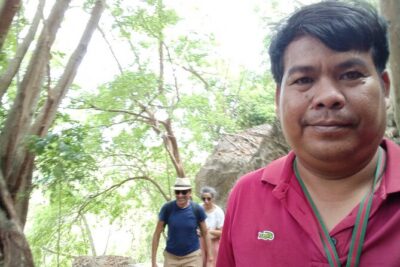
The biggest quality signal here is Kary himself. The feedback on his service is consistent: friendly, good sense of humor, clear English, and explanations that actually connect the dots between what you see and how people live.
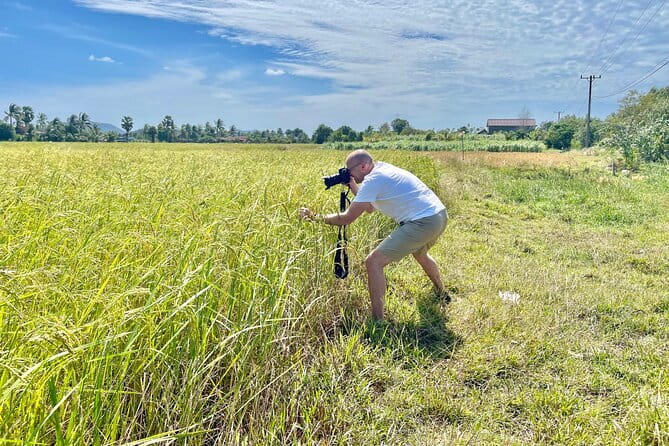
In practical terms, that matters at every stop. At the salt fields, pepper farms, and cave area, you get more than a general “this is interesting” explanation. You understand why the work exists, how people traditionally build and farm, and what makes Kampot pepper special. You also get help with photos, including where the better viewpoints are for pictures.
You also get the peace-of-mind factor. Multiple accounts mention feeling safe in the car, which is not a small thing when you are spending the day on uneven roads and going between rural areas and the coast.
Same roads, different set of wheels
- Private Bokor tours by Rickshaw/SUV Car★ 5.0 · 11 reviews
Salt fields stop: from seawater to crystals in Kampot
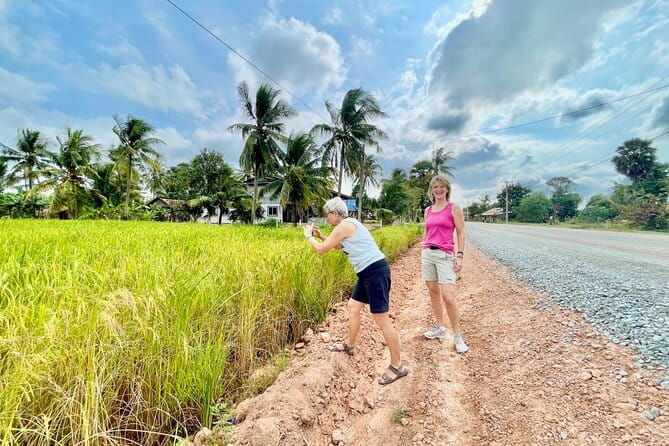
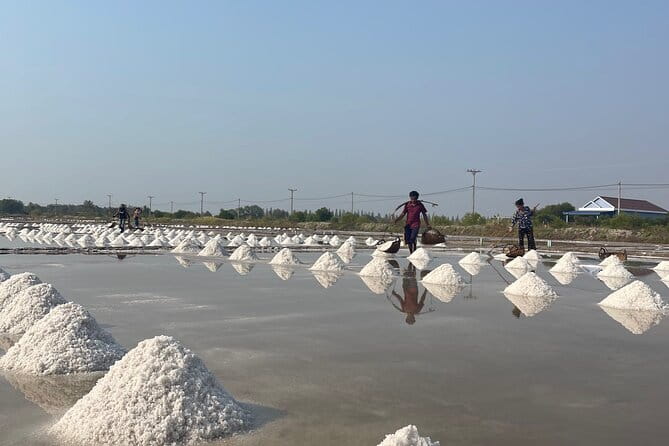
Stop 1 is the salt fields, described as the biggest salt making in Cambodia in this region. This is where the trip earns its cultural weight. Instead of treating salt as a background fact, the guide explains why salt production matters to local life in Kampot and how it fits into the community economy.
You should expect the stop to be part walking, part viewing, and part explanation. Even if you do not plan to buy anything, it is the kind of place where a guide helps you read the scene: what you are looking at, why the process takes time, and how the industry shapes everyday schedules.
What I like most about starting here is the timing. You go early in the day, before you are tired from travel, so you can focus on details. It is also an easy intro to the whole theme of the trip: local production, not just sightseeing.
Admission is marked as free for this stop, so you are paying mainly for the guide time and transport.
Pepper plantation plus Brateak Krola Lake viewpoint
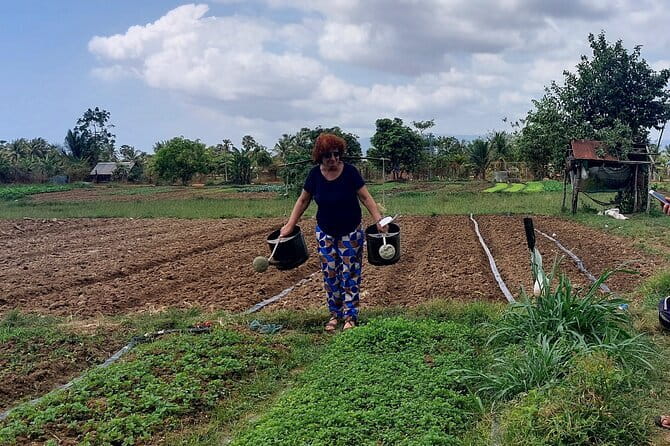
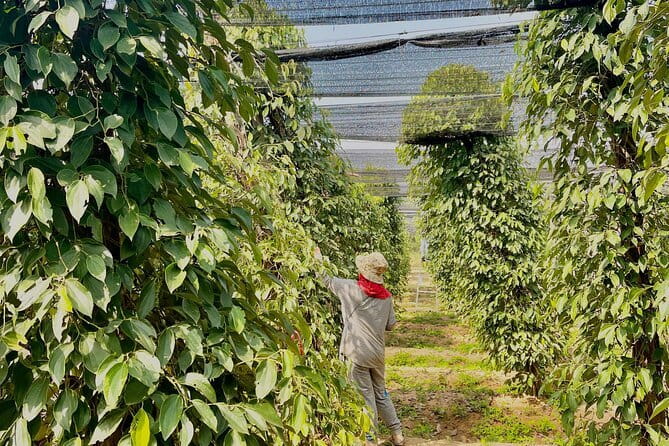
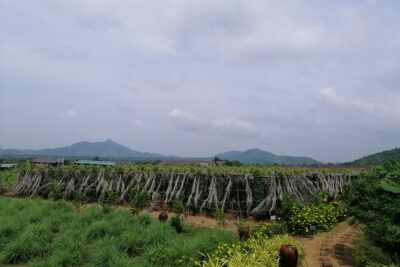
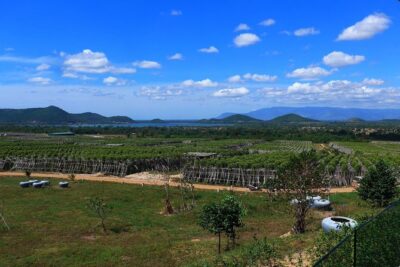
Next comes the pepper farm area, with a stop at La Plantation. This is where the day turns from “what people produce” to “why one product matters.” The pepper story in Kampot has a long reputation, and the guide connects it to how the pepper grows, how it is harvested, and why people consider it among the best.
You will also get an extra scenic moment on the route: the Secret Lake, Brateak Krola Lake. It can be seen if you look from the terrace of a traditional stilted restaurant building. That is a nice detail because you are not just staring at farmland. You get a visual break that feels like the region’s natural rhythm.
At the pepper plantation, an English or French speaking guide is included, which helps keep your questions answered even if Kary is bouncing between interpretation and driving.
This stop is also scheduled as free admission. Translation: you are paying for time with the guide and the experience of learning, not for ticket lines.
Phnom Kampong Trach Cave: 800-year history with a countryside feel
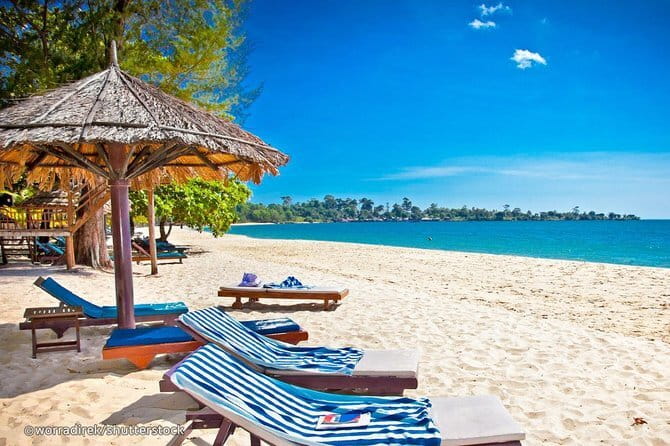
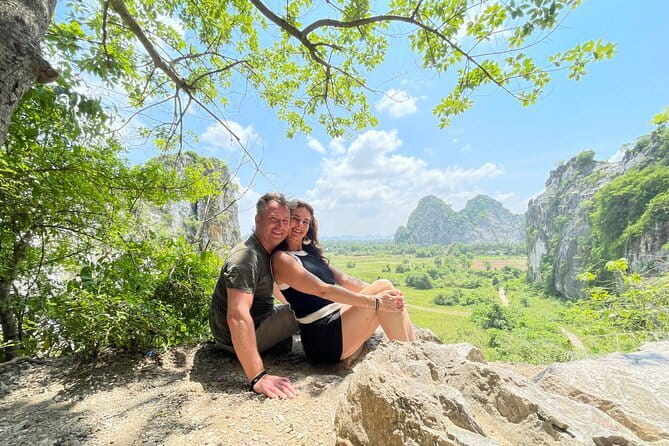
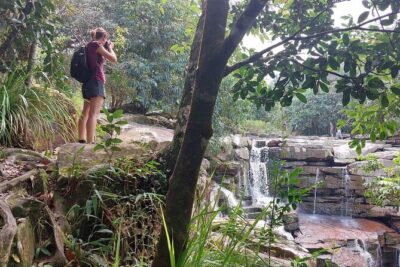
Stop 3 is Phnom Kampong Trach Cave, noted as having been found more than 800 years ago, with pre-Angkoria sites in the cave area. You ride through the countryside to get there, about 20 miles east of Kampot town, which keeps the day from feeling like one long tourist loop.
Caves are always a balance. On one hand, the history angle is compelling, and the setting changes the mood right away. On the other hand, caves can mean uneven steps and tighter walking areas. Your comfort will depend on your own pace.
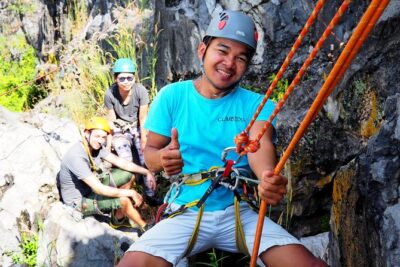
The tour notes you should have a moderate physical fitness level. If you are okay with short walks on uneven ground and you can handle humidity and some stairs, you should be fine. If you hate scrambling or you have mobility limits, you might want to think twice, or ask the guide for a gentler route once you arrive.
For me, the cave is the “why I’m here” stop. Salt and pepper explain how the economy works, but the cave is where you feel the age of the place. It also makes a great contrast after farm time and before the coast.
Kep Crab Market: watch, smell, and eat Kampot green pepper style
Stop 4 is Kep Crab Market, and it is one of the defining destinations in South Cambodia’s coastal stretch. This is not a quiet museum moment. It is active, with fishermen loading seafood from the ocean and fresh BBQ going right there.
This part of the route is the reason food lovers book the tour. You get to see the seafood supply chain in action, then you can buy fresh seafood at the market. The best perk is that you can ask the chef to cook it in different ways.
The example given is fried crab with Kampot green peppers, which is exactly the kind of pairing that makes sense once you have just heard about Kampot pepper cultivation. It turns your pepper learning into something you can taste, not just something you bought in a bag.
You can also expect local snacks around the market area. The tour mentions tasting local cakes if you feel like it, which is a low-pressure way to sample more than just one main meal.
The stop runs about 2 hours. That is the right amount of time to browse, watch BBQ prep, and still have enough energy to enjoy the next town stop.
More pepper farms, salt fields and crab market runs
Kampot town stop: colorful colonial architecture in small doses
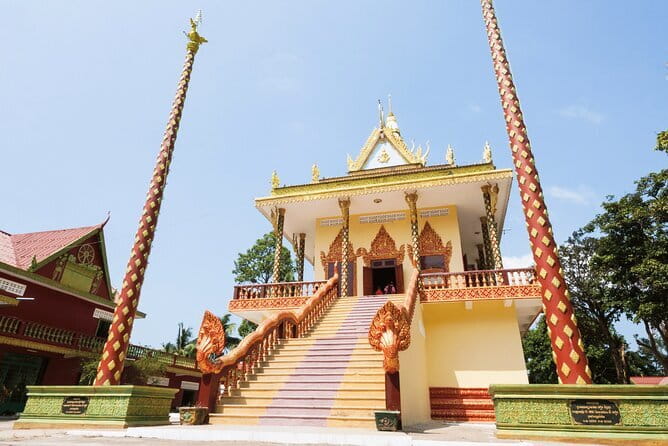
After Kep, you head back toward Kampot for a shorter stop focused on the town’s old France buildings. The tour describes Kampot’s colorful colonial architecture buildings, which is basically a polite way to say this is a photo and stroll interlude rather than a full-on historical walking tour.
This is where you get to see the contrast between the rural production stops and the town’s European-influenced built look. It also helps you connect the day. You watch salt and pepper make it into trade, then you see how the region’s towns developed over time.
The scheduled time at this point is very short in the itinerary, so keep your expectations realistic. Use it to grab a few good photos, walk around briefly, and then enjoy the rest of your day with your appetite satisfied.
Food and drinks: what’s included, what to budget for
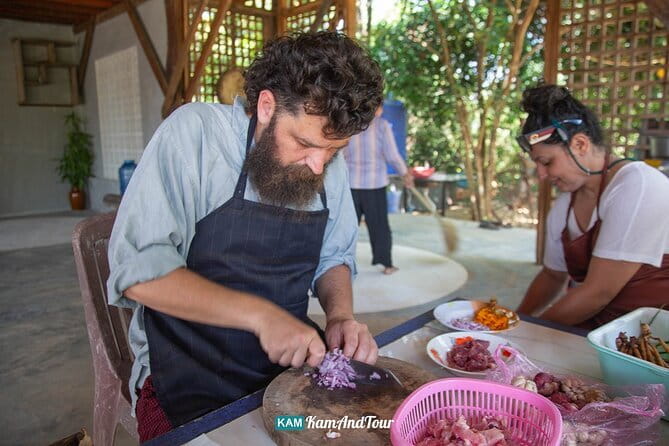
Here is the practical part. The tour includes bottled water and snacks when you reach local markets. Admission tickets for each of the stops are listed as free.
Lunch and dinner are not included, so you should budget for at least one proper meal. At the crab market, you can buy seafood and have it cooked, and you can also snack around. That is where most of your food spending will likely happen.
If you want to keep costs under control, decide early what you want to eat in Kep. Going in with a plan helps, because seafood pricing can vary, and it is easy to get carried away once the BBQ is cooking and you are smelling everything at once.
Also, if you buy Kampot pepper or related products, remember that this kind of shopping is often best done after you learn what you are looking for, not before.
Price and logistics: value for a day that covers a lot
This is one of those tours that looks simple on paper, but it covers ground. You get:
- transport by SUV and hotel pickup
- a guided pepper plantation experience
- salt fields and a major cave site visit
- Kep Crab Market with seafood BBQ and cooking options
- bottled water and market snacks
For $125 per group up to 4, it is easiest to justify if you have someone to share with. If you are traveling solo and want a private guide and transport, you may find the cost is higher per person than you expected, simply because the “per group” price does not shrink unless you split it.
The extra pickup and drop off charge beyond 5 km is another detail to check based on where your hotel is. If you are staying far from the center of Kampot or near Kep, those fees may apply.
Timing is also part of the value. With a morning pickup, you hit production stops earlier and then end with Kep, which is usually more enjoyable while things are active.
What to bring and how to stay comfortable
You do not need special gear, but you do need smart basics.
Wear:
- closed-toe shoes with grip for the cave area and rural paths
- breathable layers, since Cambodia can feel hot and humid
Bring:
- sunscreen and a hat
- a light rain layer if the forecast looks questionable
- a small amount of cash for snacks or cooked seafood at the market
At the pepper stop and market, ask the guide what to taste first and how to pair it. Even if you are not buying pepper, the guide can point out what to watch for on the farms and how to understand the product.
And yes, ask for a few photo pointers. Kary is known for helping with photos, and a good viewpoint can turn a casual picture into something you actually want to keep.
Who this tour suits best, and who might want a different plan
This works best if you like a balanced day: local work and agriculture in the morning, a heritage site mid-day, and a food-centered coastal stop near the end.
You will likely enjoy it if:
- you want an English-speaking guide who can explain what you are seeing
- you like markets and live cooking, not just static displays
- you want to cover Kampot and Kep without stress
It might be less ideal if:
- you strongly dislike driving between multiple rural stops
- you have limited mobility and want to avoid cave walking and uneven ground
- you are expecting lunch and dinner to be fully handled by the tour
Should you book this Kampot and Kep SUV tour?
If you want one day that explains Kampot’s signature ingredients, shows how people make and grow things, and then lets you eat the payoff at Kep, this is a great fit. The strongest reasons to book are Kary’s English and explanations, plus the way the itinerary links pepper learning to seafood eating.
Just go in with two expectations set: it is a full half-day to full-day car experience, and you should budget for your own lunch or seafood meal. If that sounds like your kind of travel day, book it. If you want a slow, wandering walk-only itinerary, you may prefer a more focused option.
More Tour Reviews in Sihanoukville
- Discovery Tour: Caving, Climbing, Via Ferrata and Abseiling in Kampot★ 5.0 · 172 reviews
- Sihanoukville Highlights Day Tour for Cruise Passengers★ 4.5 · 171 reviews
- Kampot Tour Pepper Plantation, Salt Field, Cave, Secret Lake★ 5.0 · 128 reviews
- La Plantation tour (discovering Kampot Pepper) + Lunch★ 4.5 · 97 reviews
More Pepper Country
- Discovery Tour: Caving, Climbing, Via Ferrata and Abseiling in Kampot★ 5.0 · 172 reviews
- Kampot Tour Pepper Plantation, Salt Field, Cave, Secret Lake★ 5.0 · 128 reviews
- La Plantation tour (discovering Kampot Pepper) + Lunch★ 4.5 · 97 reviews
- KAMPOT TRAVEL-Pepper farm. Cave.Secret lake-Crab market & Salt…★ 5.0 · 87 reviews
Sihanoukville by Jeep and Vespa
- Private Bokor tours by Rickshaw/SUV Car★ 5.0 · 11 reviews
Newly written up around Sihanoukville
- Exploring Kampot With SUV Car By English Local Tour Guide
★ 5.0 · 4 reviews - Discover Bokor National Park
★ 3.0 · 4 reviews - Sihanoukville Small-Group City Tour for Cruise Passengers
★ 4.5 · 5 reviews - Small Group Sihanoukville Exploration from Cruise Pier
★ 5.0 · 5 reviews - Sihanoukville to Phnom Penh by Private Car or Minivan
★ 4.5 · 5 reviews - Kampong Trach Off-Roads
★ 5.0 · 5 reviews
Siem Reap Jeep & Vespa Tours, side by side.
 ★ 5.0Angkor Sunrise Jeep Tour – Inclusive Breakfast & LunchFrom $90309 reviews
 ★ 5.0Siem Reap Countryside Vespa Tour / Tuk Tuk AvailableFrom $30180 reviews
 ★ 5.0Siem Reap Evening Foodie Vespa Tour / Tuk Tuk AvailableFrom $40174 reviews
 ★ 4.7Siem Reap – Discover Angkor Wat by JeepFrom $225120 reviews
 ★ 5.0Floating Village Sunset Boat & Jeep Tour – Inclusive DrinksFrom $70115 reviews
 ★ 5.0Phnom Penh Silk Island Vespa Tour / Tuk Tuk AvailableFrom $29102 reviews
 ★ 5.0Phnom Penh Evening Foodie Vespa Tour / Tuk Tuk AvailableFrom $4499 reviews
 ★ 4.8Angkor Wat Sunrise by Vintage Jeep – Private TourFrom $7691 reviews