
REVIEW · BATTAMBANG
Full-day: Original bamboo train, Wat Banan, Phnom Sampov
The bamboo train feels like time travel. This full-day Battambang outing mixes old colonial streets, a proper countryside ride, and an evening with fruit bats that put the whole day over the top. I love the way the schedule keeps you moving, but not rushed, so you get variety without feeling herded.
Two things I especially like: the tuk-tuk route lets you hop between temples, bridges, and local villages, and the day includes real, hands-on food moments like sampling bamboo sticky rice made by locals. One drawback to plan for: it is not just the $15 tour price, you will likely want extra cash for the bamboo train fee plus some additional site entry costs that are not listed as included for every stop.
In This Review
- Key things that make this day tour special
- Battambang in one day, without feeling like a blur
- Getting around by tuk-tuk, and why it matters here
- Provincial Hall and the early-city stops
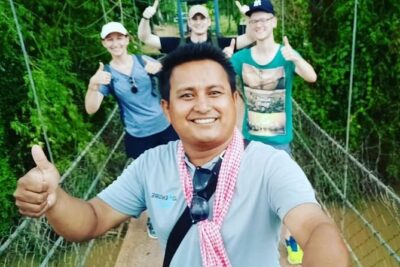
- Hanging bridge, Sangke River, and the easy photo moment
- Bamboo train to Our Solar Village, plus the $5 fee to budget for
- Kampon Pile Pagoda and Buddhist learning without a lecture vibe
- Village culture stops, including Cham and Javanese communities
- Wat Banan (Phnom Banan): ancient stairs and a real viewpoint payoff
- Phnom Sampov Mountain: rice fields, working farmers, and open air
- Killing Cave and Khmer Rouge context, handled with care
- Bat Cave at sunset, plus a cold beer
- Price and logistics: what $15 really buys, and what to budget extra
- Who this tour suits best (and who should skip it)
- Booking verdict: should you book this day in Battambang?
- FAQ
- How long is the full-day tour?
- Where is pickup, and how does pickup work?
- Is the bamboo train fee included in the $15 price?
- What’s included with the ticket price?
- Are meals included?
- What entrance fees are covered for caves?
- Can I cancel and get a full refund?
Key things that make this day tour special
- Bamboo Train to Our Solar Village, with a longer ride to make it more than a quick photo stop
- Wat Banan climb to the top on ancient stairs, with big views and strong payoff
- Suspended bridge over the Sangke River for easy photos and a classic Battambang shot
- Bat Cave at sunset with a cold beer, timed for maximum atmosphere
- Cultural village visits, including Cham and Javanese communities and local tastings
- Killing Cave context on Khmer Rouge history, with a somber but important stop
Battambang in one day, without feeling like a blur
This is the kind of day you choose when you want the best of Battambang, but you do not want a giant group bus day. You start in Krong Battambang, then spend the day bouncing by tuk-tuk between religious sites, river crossings, and rural fields. It feels like moving through a living map of the province, not just ticking off monuments.
I like how the day is built in layers. First you get the city flavor with a colonial-era stop at the Provincial Hall. Then you swing into nature and heritage with a hanging bridge, temple climbs, and mountain viewpoints. Finally, the day turns to something more emotional at the Killing Cave, then ends with a lighter, very Battambang moment at the Bat Cave.
The timing also works. The bamboo train segment is long enough to matter, the Wat Banan climb gives you time at the top, and sunset is reserved for bats. That makes the day feel intentional.
Getting around by tuk-tuk, and why it matters here
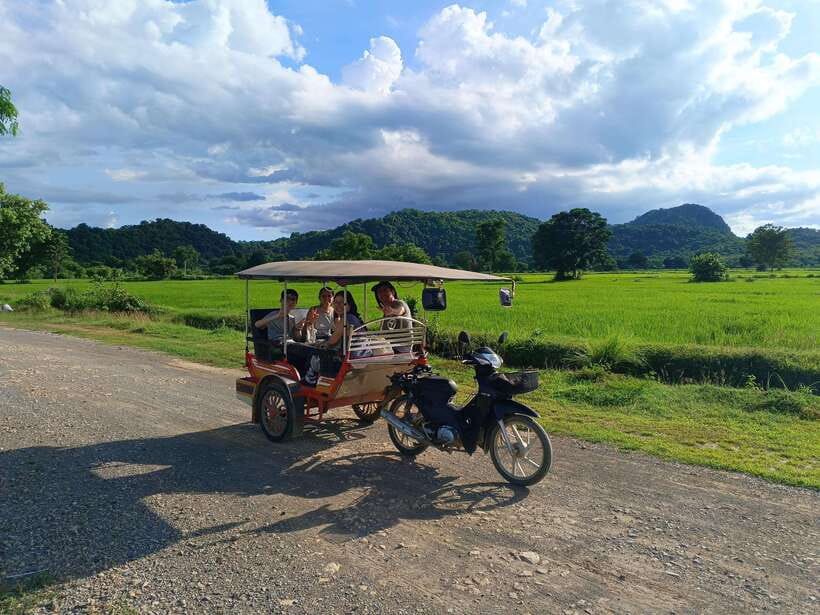
Tuk-tuks are more than transportation on this tour. They make the route practical. Each transfer is short, so you do not waste half your day sitting still. That also means you get more chances for quick scenic stops and more flexible pacing when you are moving through villages and temples.
You can expect tuk-tuk time between major points, plus water and a cold towel included along the way. That is a small thing, but it helps a lot in Battambang heat, especially on a day with stair climbs.
If you hate long drives, you will probably enjoy this structure. If you prefer very polished, timed museum-style sightseeing, it might feel a bit more rustic than that. Still, for Battambang’s mix of city, countryside, and caves, tuk-tuks are a smart match.
Still weighing up options? These Cambodia trips came up well in our reviews too.
- Phnom Penh: Cycling Adventure on Islands of the Mekong★ 5.0 · 225 reviews
- Phnom Penh’s Hands-On Khmer Cooking Class in the Countryside★ 5.0 · 54 reviews
- Small Group Countryside Sunset Bike Tours★ 5.0 · 39 reviews
- Elephant Sanctuary Cambodia, Pickup and drop off included★ 4.9 · 31 reviews
Provincial Hall and the early-city stops
Your morning begins with city history at Battambang Provincial Hall, a colonial-era building that sets the tone. This is the useful kind of first stop, because it gives you a framework for the rest of the day. Battambang’s heritage is not only in temples, it is also in the streets and civic buildings built under French influence.
After that, you hit a local shrine stop at Lok Ta Dambong Kra Nhoung, then you move toward the river and bridge area. You also pass by a madrasah, Madrasah tahfiz AL Bashir, giving you a glimpse of how faith is part of everyday community life, not just tourism.
These early moments are not huge attractions in the biggest-city sense. But they help you understand what surrounds the famous sites. I find that makes later stops feel less like postcards and more like real places.
Hanging bridge, Sangke River, and the easy photo moment
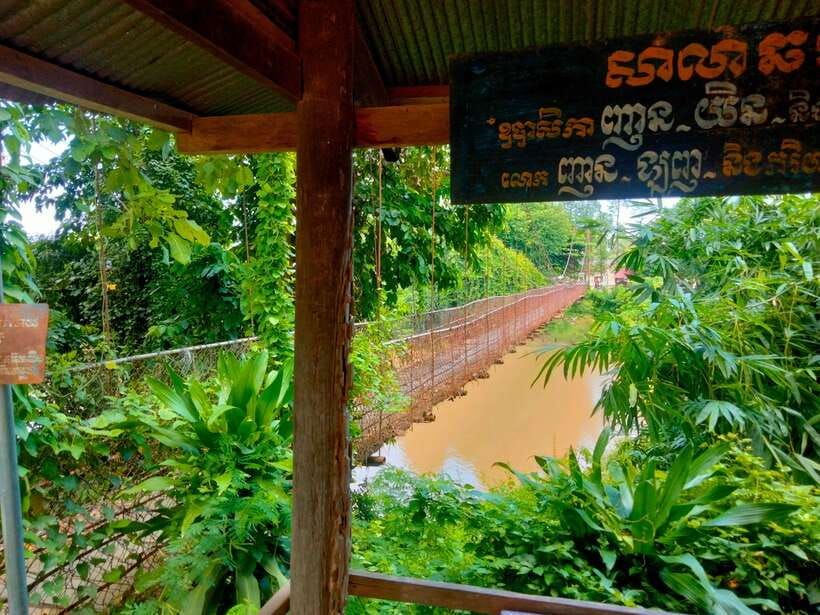
The suspended bridge stop is one of the clearest “photo and walk” sections of the day. You get time to cross and take in the views over the Sangke River. Even if you do not love heights, the experience is manageable. You are there to enjoy the setting, not to race across.
This is also where the province starts to open up. The river gives you that Battambang rhythm, water, fields, and the sense that life is arranged around land and water.
If you want one simple tip: wear shoes with good grip. The bridge is not a fancy walkway, and you will be moving at normal walking speed rather than sprinting for a shot.
Bamboo train to Our Solar Village, plus the $5 fee to budget for
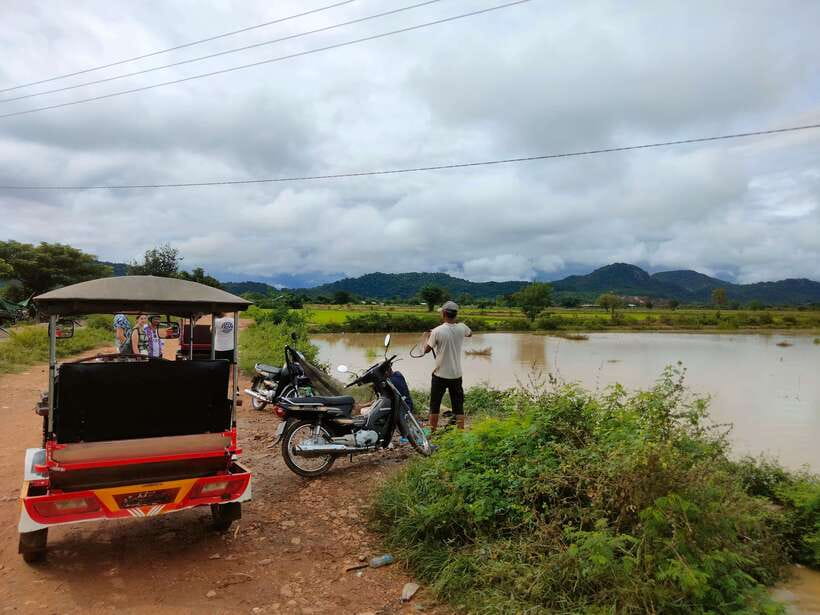
The day’s signature experience is the bamboo train ride. The best part is that you do not just get a quick, ticketed loop. You are driven to Our Solar Village so you can ride it a longer distance, which turns it from a novelty into an actual memory.
One important planning note: the bamboo train ride has an extra fee of $5 per person that is not included in the base price. The tour price you see is for the day program, transport, guide, and several included cave entries, but the train itself is extra.
Is it worth the $5? For most people, yes, because the longer ride time changes the feel. It becomes you sitting on a cart moving through countryside while the driver handles the ride, rather than you doing a short stop and leaving right away.
Some guides and operators also expect a tip for the bamboo train conductor. It is not officially listed in the basics, so I suggest you bring cash just in case, especially if you are hoping for a smooth, extra-friendly ride experience.
Kampon Pile Pagoda and Buddhist learning without a lecture vibe
Before the bamboo train, you will learn a bit at Kampon Pile Pagoda. This is a temple stop that gives context rather than only scenery. You get the story angle, tied to Buddhism and local practice, and you will likely have time to look around and ask questions with your English guide.
I like stops like this because they answer the bigger question: why do people come here? Later in the day, you will see caves tied to Khmer Rouge history and bat caves tied to nature. A Buddhist pagoda provides a different kind of meaning, a reminder that Battambang’s identity is not only about tragedy and wildlife, it is also spiritual and everyday.
Also on our Cambodia list, if none of these land
Village culture stops, including Cham and Javanese communities
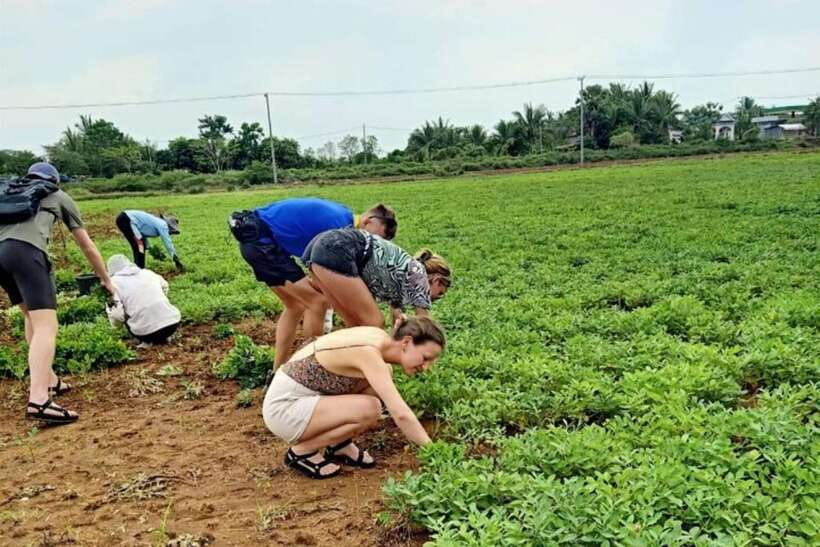
One of the most valuable parts of the day is the time with communities, including Cham and Javanese ethnicity villages. You will walk around, learn about culture and religion, and get to see daily life up close rather than only viewing it from a distance.
There are also local tastings. You will sample snacks, and the day includes a bamboo sticky rice moment where you can see locals bake it. That matters, because food is often the easiest way to understand a culture. You taste something local, then connect it to the work that goes into it.
I would rate this section as a highlight because it is not just sightseeing. It is human scale. You are dealing with real people, real routines, and questions you can ask without needing to know perfect Khmer.
Wat Banan (Phnom Banan): ancient stairs and a real viewpoint payoff
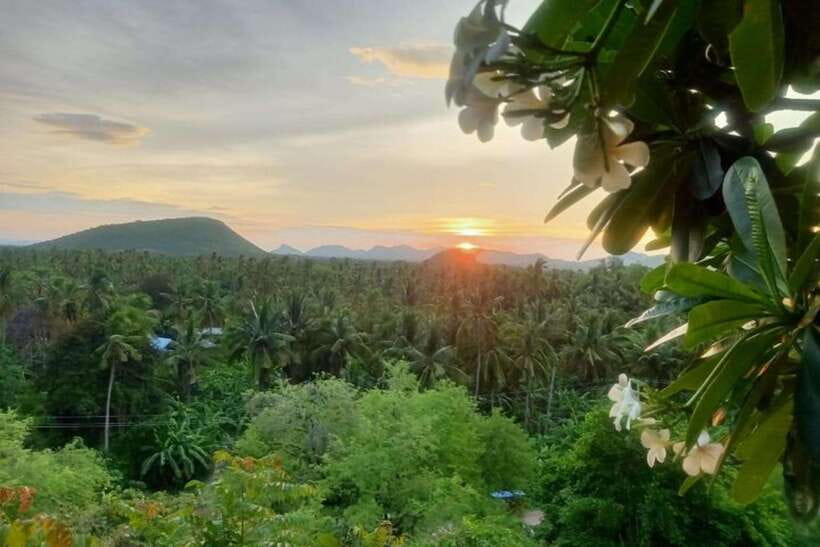
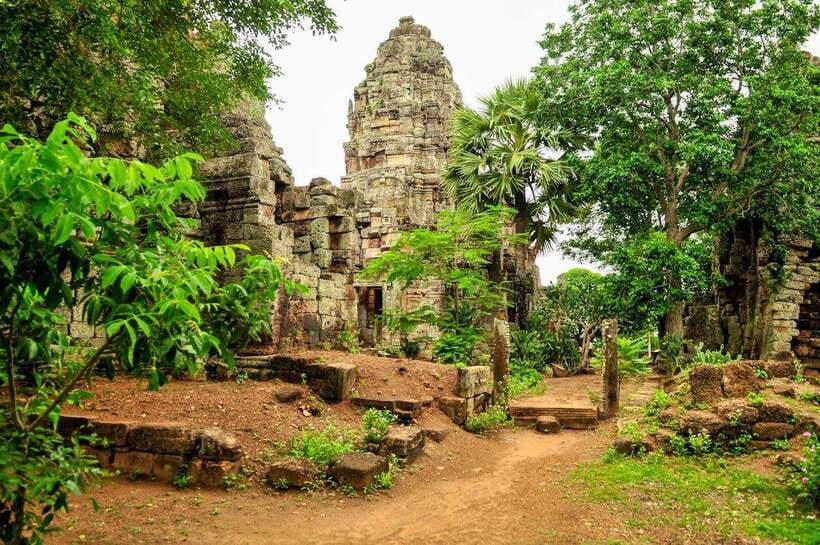
In the afternoon, the tour shifts to Wat Banan on Phnom Banan. This is the big physical part of the day. You climb ancient stairs to reach the temple area at the top.
This stop is so popular for a reason. The climb gives your body a job, and the temple location gives you a payoff. Once you reach the top, you are rewarded with views over the surrounding countryside and the feeling that you earned it.
You should also expect heat and sun exposure. Bring a hat and sunscreen. Comfortable shoes are non-negotiable here. If you are not used to stair climbing, pace yourself. Take breaks. If your breathing gets heavy, slow down rather than pushing through.
Phnom Sampov Mountain: rice fields, working farmers, and open air
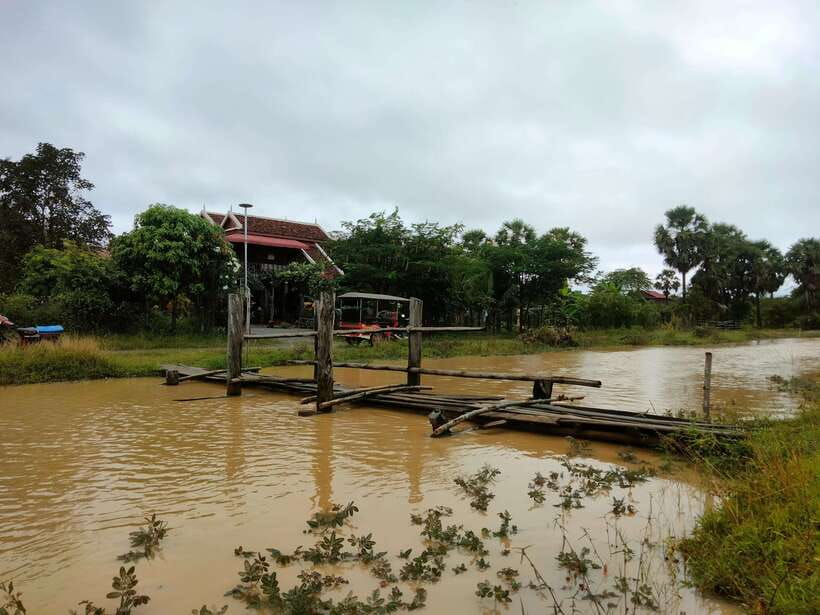
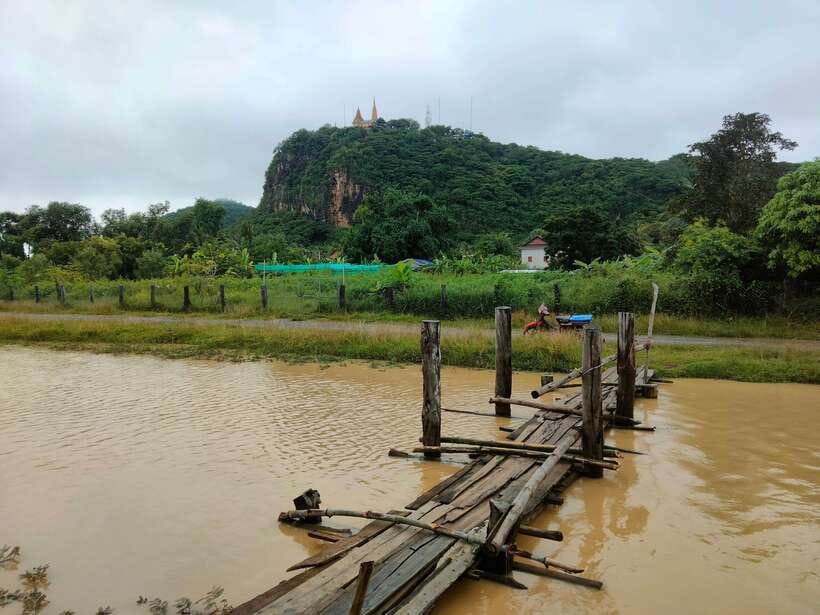
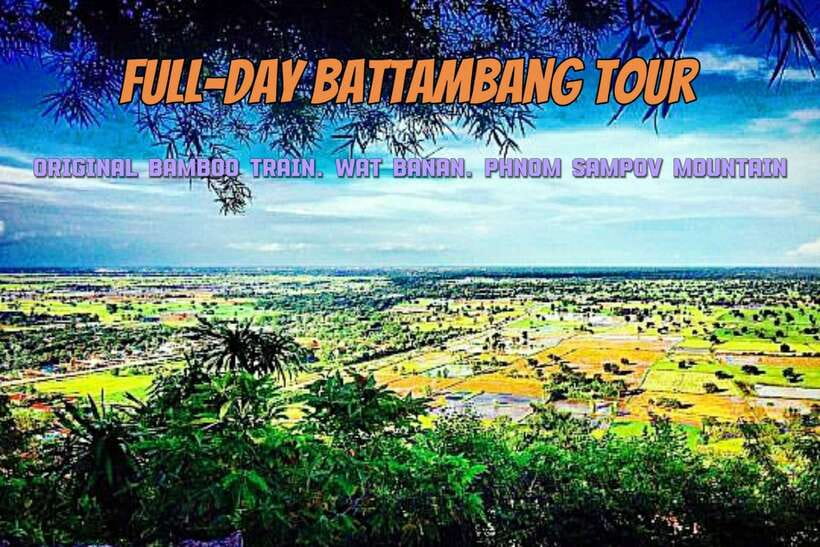
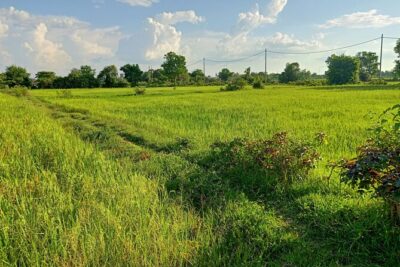
After Wat Banan, you head toward Phnom Sampov Mountain. This is a scenic countryside section, but it is not meant to be passive. You should be able to see rice fields and farmers working in the fields, which makes it feel less like a viewpoint and more like a window into how the region lives.
This part can be soothing after the intensity of the Wat Banan climb. It is more about watching and noticing. If you like photography, this is often a good time because the light and open space give you strong frames.
Bring water and plan to rest when you can. This is still part of a long day that adds up.
Killing Cave and Khmer Rouge context, handled with care
Next comes the Killing Cave (on Sampov Mountain). This is the somber, heavy part of the itinerary. You will see victims’ skulls and learn about the Khmer Rouge.
Go into this stop prepared for emotion. It is not entertainment. It is history, and it deserves the respectful pace of someone who actually wants to understand what happened.
If you are sensitive to graphic content, consider how you normally handle sites like this. I do not think it is something to “power through quickly.” Give it the time it needs, then continue to the next stop only when you feel ready.
Bat Cave at sunset, plus a cold beer
The day ends at the Bat Cave for sunset. This is one of those Battambang moments that feels uniquely local. You get to watch bats emerge, and the timing is built so you can see it as the light changes.
You also get a cold beer during the sunset viewing. It turns the final stretch into something social and relaxing after the serious morning and afternoon. Just remember the tour rules say alcohol is not allowed, so do not assume you can bring your own. The included beer element is what is mentioned for the sunset portion, not an open license to drink.
If you are a photographer, wear shoes you can stand in for a while. Even when you do not walk much, you will likely wait for the bats. Bring your camera, and keep your batteries charged.
Price and logistics: what $15 really buys, and what to budget extra
The base price is listed as $15 per person for a full day around Battambang, with hotel pickup and drop-off, tuk-tuk transport, an English live guide, water and a cold towel, local snacks, plus entrance fees for the bat cave and the killing cave.
But there are add-ons you should plan for:
- Bamboo train fee: $5 per person, not included
- Meals: not included
- Wat Banan temple access and other site costs may come up, since only certain entrances are stated as included
- Cash is useful for small fees and any tipping expectations during the bamboo train segment
One practical way to look at it: $15 is a good value for the guiding, driving, and several paid entries. The extra cash is mostly for the bamboo train ride and optional or additional gate costs. If you show up with around “extra ticket money” plus some spending flexibility, you should be fine.
Also, know that the day is active. You climb stairs at Wat Banan. You visit caves and viewpoints. You are in tuk-tuks for stretches, but you are also on foot for multiple sections.
Who this tour suits best (and who should skip it)
This is a strong fit if you want:
- A full-day mix of city heritage, countryside life, and caves
- A guide-led day in English that explains what you are seeing
- A compact feeling experience rather than a big bus routine
- A sunset bat-watching moment with a beer
It may not be a fit if you:
- Are pregnant, or have mobility impairments or use a wheelchair, since the tour includes stairs and uneven walking
- Prefer fully guided museum pacing with minimal walking
- Want guaranteed meals included in the price
The good news is that the tour focuses on practical comfort. You get water and a cold towel, and the tuk-tuk schedule keeps long travel segments limited.
Booking verdict: should you book this day in Battambang?
I think you should book this tour if you want a one-day overview that feels local: hanging bridge photos, real village culture with tastings, a long bamboo train ride, and sunset bat viewing. It is built for variety, and that matters because Battambang’s best experiences are scattered around the province.
If you want to minimize extra costs and keep the day very simple, check your cash budget first. The bamboo train fee is extra, and some temple or site entry costs may not be covered. Also be honest about comfort with stairs and cave-type sites.
If that all sounds fine, this is an excellent way to spend your day in Battambang with an English-speaking guide like David Panha or Kim, who are noted for staying attentive, sharing history and culture, and keeping the day flowing.
FAQ
How long is the full-day tour?
The tour duration is 10 hours.
Where is pickup, and how does pickup work?
Pickup is included in Krong Battambang. You provide a pickup location such as the name of your hotel, guesthouse, or restaurant.
Is the bamboo train fee included in the $15 price?
No. The bamboo train fee is listed as $5 per person, and it is not included.
What’s included with the ticket price?
Included items are hotel pickup and drop-off, unlimited mineral water and a cold towel, tuk-tuk transportation, a live English guide, snacks, and entrance fees for the Bat Cave and Killing Cave.
Are meals included?
No. Meals are not included.
What entrance fees are covered for caves?
Entrance fees for the Bat Cave and the Killing Cave are included.
Can I cancel and get a full refund?
Yes. Free cancellation is available up to 24 hours in advance for a full refund.
More Full-Day in Cambodia
- Full-Day Tour Preah Vihea & Koh Ker Temple★ 3.7 · 3 reviews
More Tour Reviews in Cambodia
- Phnom Penh: Cycling Adventure on Islands of the Mekong★ 5.0 · 225 reviews
- Phnom Penh’s Hands-On Khmer Cooking Class in the Countryside★ 5.0 · 54 reviews
- Small Group Countryside Sunset Bike Tours★ 5.0 · 39 reviews
- Elephant Sanctuary Cambodia, Pickup and drop off included★ 4.9 · 31 reviews
Newly written up around Cambodia
- SiemReap Sunset Dinner Riding an Ox-Cart at Rice Paddy Field
★ 5.0 · 3 reviews - Phnom Penh: Morning Foodie, Market Walking & Street Art Tour
★ 5.0 · 3 reviews - Private Angkor Sunrise, Guide Breakfast and Tuktuk included
★ 3.9 · 3 reviews - Kulen Mountain Waterfall Tour
★ 4.0 · 3 reviews - Cambodia Elephant Sanctuary Include Hotel Transfer Roundtrip
★ 4.3 · 3 reviews - Siem Reap Khmer Cooking Class and Local Market Tour
★ 4.1 · 4 reviews
Battambang Bamboo Train & Cave Tours, side by side.
 ★ 4.9Tuk-Tuk, Bamboo Train, Killing/Bat Caves, SunsetFrom $91,436 reviews
 ★ 5.0Battambang Tuk Tuk tour: Bambootrain, Killing & Bat Caves,SunsetFrom $15799 reviews
 ★ 5.0Afternoon tour by tuk tuk to bamboo train,bat cave,killing cave,countryside.From $15344 reviews
 ★ 5.0Local Livelihood Half Day Bike Tour in BattambangFrom $30287 reviews
 ★ 5.0Explore Battambang full day tour by Tuk Tuk (start from 9am-6:30pm)From $20240 reviews
 ★ 5.0Bamboo Train, Bat Cave, Killing Cave by Tuk Tuk182 reviews
 ★ 5.0Full Day tour .City tour.Countryside.Bamboo Train.Secret Bat CaveFrom $18178 reviews
 ★ 5.0Battambang Full Day Tour from Siem Reap – Bamboo Train, Killing Cave & SunsetFrom $132101 reviews
Also appears in