
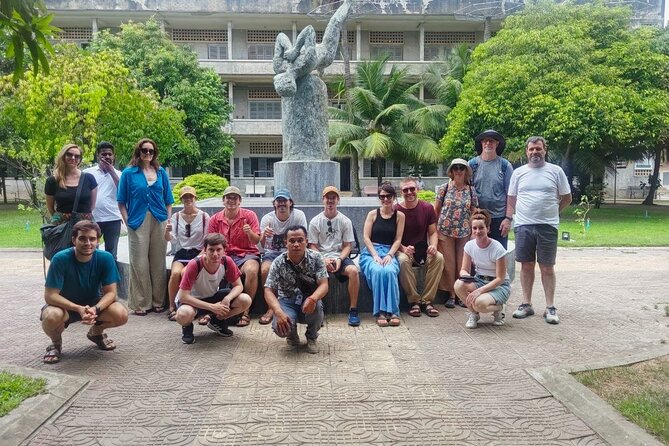
REVIEW · PHNOM PENH
Half-Day Tour of the Killing Field and S21
A visit to the Khmer Rouge sites hits fast and hard. This half-day tour pairs Choeung Ek Genocidal Center with Tuol Sleng Genocide Museum (S21), and the big win is the English-speaking guide who helps you make sense of what you’re seeing, room by room. I also like that you get clean, safe transportation plus water and a snack, so you can focus on the history instead of logistics.
One thing to consider up front is that this is not a light outing. The subject matter is extremely heavy, and you’ll also need to budget for entrance fees, since they are not included in the $19.20 price.
In This Review
- Key highlights to know before you go
- A half-day that hits fast: Phnom Penh to Choeung Ek and S21
- Price and what $19.20 really covers
- Getting there smoothly: pickup, meeting point, and timing
- Stop 1: Choeung Ek Genocidal Center, orchard origins and mass graves
- Stop 2: Tuol Sleng Genocide Museum (S21), Security Prison 21
- Why the guide matters more than you think
- What to expect emotionally, and how to prep without overthinking it
- Practical tips: tickets, timing, and small comfort wins
- Who this tour is best for
- Should you book this Killing Fields and S21 tour?
- FAQ
- How long is the Killing Field and S21 half-day tour?
- What are the two main stops on the itinerary?
- Is pickup offered?
- Is the mobile ticket included?
- Are entrance fees included in the price?
- What is included in the tour price?
- What is the maximum group size?
- Where is the meeting point?
- Do I need to pay for tipping?
- What is the cancellation policy?
Key highlights to know before you go
- Two crucial sites in one half-day, Choeung Ek then S21, without wasting time shuttling on your own
- English-speaking guide support, including clear, understandable explanations praised in past tours
- Small group size (max 15), which usually means a smoother experience and less waiting around
- Comfort-first logistics, with pickup offered and a professional driver
- Real context, not just photos, since both stops connect directly to the Khmer Rouge system
- You may spot survivor presence at S21, with opportunities to buy signed books if they are available
A half-day that hits fast: Phnom Penh to Choeung Ek and S21
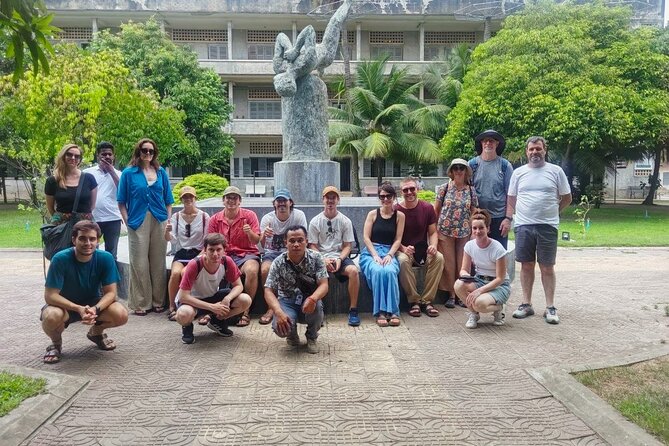
If you only have a short window in Phnom Penh, this tour is built for focus. In about 4 hours total, you travel about 17 km south to Choeung Ek, then return to the city area for Tuol Sleng (S21). It is essentially a concentrated crash-course in Cambodia’s recent history, with two sites that are deeply linked.
What makes this format work for you is pacing. You get time at each location, not a rushed stop where you feel like you missed half the meaning. And because it is a guided visit, you can ask questions and follow the timeline instead of staring at plaques and guessing.
The tradeoff is emotional intensity. This is genocide history, and the exhibits and site design are meant to confront what happened. I’d treat it like a serious appointment, not a casual sightseeing detour.
Price and what $19.20 really covers
The headline price is $19.20 per person, and for Phnom Penh, that is a pretty straightforward deal for a tour that includes more than one major destination. You are paying for a professional English-speaking guide, a licensed driver, safe transportation, plus water and snack.
Where value gets tricky is the parts that are not included. The tour price does not include entrance fees for both Choeung Ek and Tuol Sleng. You’ll want to factor that in early so you are not surprised when you reach the gates.
Still, when you compare it to doing this solo, the structure helps. You do not have to coordinate transport between sites, manage timing, or wrestle with a route while also reading about brutal history that is easy to misunderstand without context. For many people, that is exactly why this tour feels like good value.
Other guided visits to Cambodia's genocide memorial sites
- The Killing Field and Toul Sleng Genocide Museum (S21) Tour★ 5.0 · 1,977 reviews
- Killing field and Toul Sleng genocide museum Tour★ 5.0 · 610 reviews
- Visit 11 Places in One Day including S21 & Killing Field★ 5.0 · 361 reviews
- Half Day Tuol Sleng S21 and Choeung Ek Killing Field Tour★ 5.0 · 228 reviews
Getting there smoothly: pickup, meeting point, and timing
This tour offers pickup, which matters in Phnom Penh because short distances can take longer than you expect depending on traffic. If pickup is not arranged for your hotel, you can still meet at the set location at Grand River Sports Bar, 178 Corner Sisovat quay, Riverside Path, Phnom Penh 120201, Cambodia.
The group stays small, with a maximum of 15 travelers. That tends to reduce the awkward delays that happen when everyone returns at different times. It also helps you settle into the experience, especially at S21, where you will likely want your head cleared before you move on to the next area.
Duration is listed as about 4 hours, with 2 hours at each stop. That is long enough for a guided walk and time to absorb what you’re seeing, without turning it into a full-day ordeal.
Stop 1: Choeung Ek Genocidal Center, orchard origins and mass graves
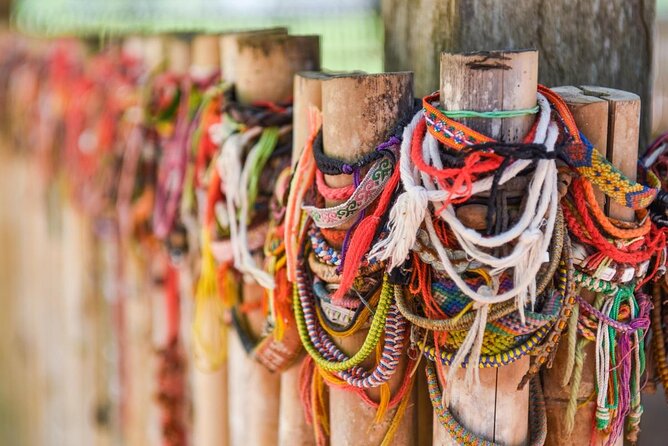
Choeung Ek starts with an unsettling contrast. The site was once an orchard and later tied to a Chinese cemetery, then the Khmer Rouge system transformed it into what became known as the killing fields. According to the tour description, executions took place between 1975 and 1979, and it connects to the broader Khmer Rouge persecution under Pol Pot.
The heart of the visit is the mass grave site. The description notes that after the Khmer Rouge fell, mass graves containing 8,895 bodies were discovered at Choeung Ek. That number gives you a sense of scale that is hard to grasp from words alone.
You will also see how Choeung Ek links to the detention network. Many of those killed there were victims who had been held in places including Tuol Sleng and other Cambodian detention centers. So even before you reach S21, this first stop helps you understand how the system worked: detention first, then execution.
What I like about starting here is that it frames the rest of the day. It stops you from treating S21 as a separate story. Instead, you start realizing it is part of the same machine.
One practical drawback: because the experience is designed to confront what happened, you may feel mentally drained faster than you expect. If you’re sensitive to heavy material, plan to keep your schedule flexible for the rest of the day.
Stop 2: Tuol Sleng Genocide Museum (S21), Security Prison 21
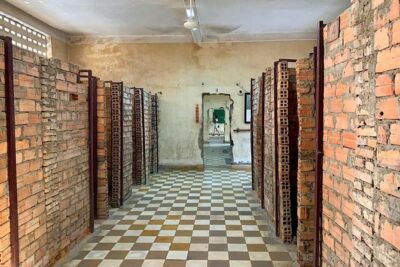
Tuol Sleng, also called S21, is the other half of the story. The tour describes it as a museum chronicling the Cambodian genocide, and it also stresses something important: the location itself was a former secondary school.
Under the Khmer Rouge, that school was used as Security Prison 21 from 1975 until 1979. The tour also explains how the complex was converted for imprisonment and interrogation. It notes that five buildings were turned into a prison and interrogation center around March or April 1976.
This stop is valuable because it explains the logic of persecution, not just the outcome. The description points out that the Khmer Rouge planned a new detention center to handle purges that were significant enough to demand their attention. In other words, S21 was not random. It was selected and organized.
You spend about 2 hours here. That timing is a good match, because you can walk through at a pace that feels respectful rather than forced. If you buy yourself time, the explanations from the guide tend to land better.
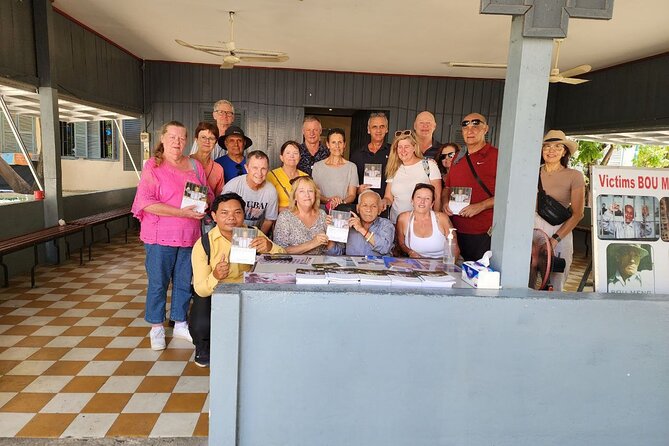
A unique detail worth knowing: one tour experience notes that three of the four remaining survivors were present at S21 and sold signed copies of their book. You cannot count on that happening every day, but it is a reminder that this history is not just past tense. If you see an opportunity like that, it may feel like a meaningful way to support survivor voices.
Why the guide matters more than you think
On a genocide history tour, the difference between a good and great visit is often language clarity and storytelling order. The best guides do two things: they help you follow the timeline, and they prevent you from filling gaps with guesswork.
This tour’s English-speaking guide is consistently praised for understandable explanations. Names like Visal and Sum show up in past experiences as guides who explained the history clearly and with real passion for their country. That matters, because the Khmer Rouge era has names, dates, and locations that are easy to mix up.
I also like that the guide support is practical. You are not left to silently read labels and hope you’re interpreting correctly. With context, you can connect Choeung Ek’s mass graves and S21’s prison system instead of treating them like two separate stops.
One more thing: even when the tone is factual, the experience stays human. That helps you feel oriented when the material gets emotionally difficult.
Also on our Phnom Penh list, if none of these land
What to expect emotionally, and how to prep without overthinking it
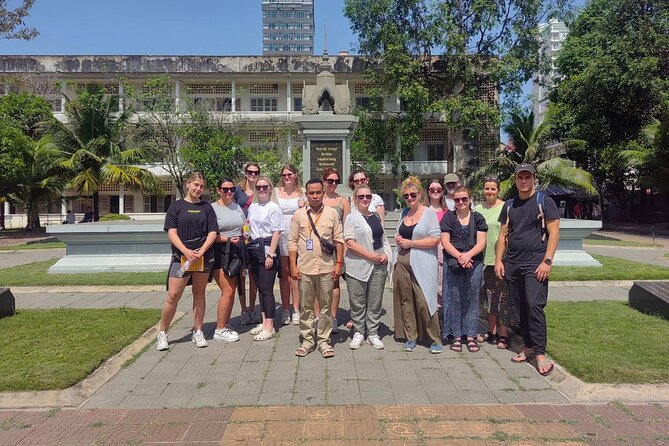
This tour is dark. Even the well-run version still feels heavy, because the sites are designed around real suffering. Past experiences describe it as very moving, very sad, and difficult at times.
So here’s my honest advice: treat it like a “serious learning” slot. If you plan it right before a big dinner or a party night, you might carry the weight with you. If you can, schedule something calm afterward.
What you can do to make it easier on yourself is simple:
- Wear comfortable shoes and plan for walking.
- Bring a bottle of water, even though the tour includes water, just so you feel prepared.
- Keep your expectations realistic, you are here for history, not entertainment.
And if you’re bringing kids or teens, do it only if the family is ready for genocide content. The tour description says most travelers can participate, but the content is intense, and your family’s comfort level matters more than the label.
Practical tips: tickets, timing, and small comfort wins
Here are the logistics that will actually help your day go smoothly:
First, remember that entrance fees are not included. That means you’ll need to pay for both Choeung Ek and Tuol Sleng on top of the tour price. Build that into your budget right away.
Second, the tour provides water and a snack. That is more than a nice perk. It helps you keep your energy steady during a long, emotionally draining stretch.
Third, plan your pickup and meetup timing carefully. The meeting point is fixed at Grand River Sports Bar by the riverside path, but pickup availability depends on your hotel setup. If you are staying nearby, you might find it easy to reach the meeting point on time.
Finally, keep an eye on the small group cap of 15 travelers. In practice, that often means less crowding and better control of the schedule at both sites.
Who this tour is best for
This is a strong choice if you want the highest-value Cambodia history experience without turning it into a full day. In half a day, you cover both sides of the system: where people were held and where executions happened.
It also fits you if you prefer guided structure. If reading on your own sounds like a chore, or if you want clearer explanations of what connects the two sites, this tour’s guide-led format is a major part of the point.
You might especially like it if you care about accurate context. One of the most common reasons people get more out of this kind of tour is that the guide can connect names, dates, and events into a readable story.
On the other hand, if you cannot handle emotional and graphic subject matter, you may want to skip this and choose a different kind of Phnom Penh visit.
Should you book this Killing Fields and S21 tour?
I’d book it if you have limited time and you want a guided, two-site overview that is organized, respectful, and easier to follow than doing it on your own. The combination of Choeung Ek plus S21, guided by a professional English-speaking guide, plus transport and small comforts like water and snack, makes the $19.20 price feel practical.
I would hesitate only if you are overwhelmed by heavy history, or if you strongly prefer an independent pace with fewer structured explanations. Also, be sure you factor in the entrance fees so the final cost matches your plan.
If you do book, go in with the mindset of learning. Bring calm energy. Expect a serious emotional tone. Then let the guide’s explanations give you the connections you need.
FAQ
How long is the Killing Field and S21 half-day tour?
The tour runs for about 4 hours.
What are the two main stops on the itinerary?
The tour visits Choeung Ek Genocidal Center and Tuol Sleng Genocide Museum (S21).
Is pickup offered?
Yes, pickup is offered.
Is the mobile ticket included?
Yes, the tour includes a mobile ticket.
Are entrance fees included in the price?
No. Entrance fees for Tuol Sleng Genocide Museum and Choeung Ek Genocidal Center are not included.
What is included in the tour price?
The tour includes a professional English-speaking guide, a professional driver with a driving license, clean and safe transportation, and water and snack.
What is the maximum group size?
The tour has a maximum of 15 travelers.
Where is the meeting point?
The start meeting point is Grand River Sports Bar, 178 Corner Sisovat quay, Riverside Path, Phnom Penh 120201, Cambodia. The tour ends back at this meeting point.
Do I need to pay for tipping?
Tipping is not included. The tour notes tipping service and other personal expenses are not included.
What is the cancellation policy?
You can cancel for free up to 24 hours in advance for a full refund. Cancellations less than 24 hours before the experience start time are not refunded.
More Tours in Phnom Penh
- The Killing Field and Toul Sleng Genocide Museum (S21) Tour★ 5.0 · 1,977 reviews
- Killing field and Toul Sleng genocide museum Tour★ 5.0 · 610 reviews
- Phnom Penh Full Day Private Tour Included All Admission Tickets★ 5.0 · 585 reviews
- Phnom Penh Silk Island Bike Tour/ E-Bike or Tuk Tuk★ 5.0 · 495 reviews
More Tour Reviews in Phnom Penh
- The Killing Field and Toul Sleng Genocide Museum (S21) Tour★ 5.0 · 1,977 reviews
- Phnom Penh: Sunset Cruise with Unlimited Beers & BBQ Buffet★ 4.5 · 727 reviews
- Aroma Therapy Massage, Relaxation therapeutic aromatherapy oil massages.★ 5.0 · 645 reviews
- Killing field and Toul Sleng genocide museum Tour★ 5.0 · 610 reviews
Other Guided Visits to the Memorial Sites
- The Killing Field and Toul Sleng Genocide Museum (S21) Tour★ 5.0 · 1,977 reviews
- Killing field and Toul Sleng genocide museum Tour★ 5.0 · 610 reviews
- Visit 11 Places in One Day including S21 & Killing Field★ 5.0 · 361 reviews
- Half Day Tuol Sleng S21 and Choeung Ek Killing Field Tour★ 5.0 · 228 reviews
Newly written up around Phnom Penh
- Private Transfer From or to Phnom Penh <=> Sihanoukville
★ 5.0 · 3 reviews - Prasith and Reap Temples Private Day Trip from Phnom Penh
★ 4.5 · 3 reviews - Phnom Penh Full Day Private Tour By Tuk Tuk or Taxi Car
★ 5.0 · 3 reviews - Private Transfer From Phnom Penh To Sihanoukville
★ 5.0 · 3 reviews - Phnom Penh Private Pick-Up: Techo International Airport ( KTI )
★ 5.0 · 3 reviews - Island Community Life in Phnom Penh
★ 4.5 · 3 reviews
Killing Fields & Genocide Memorial Tours, side by side.
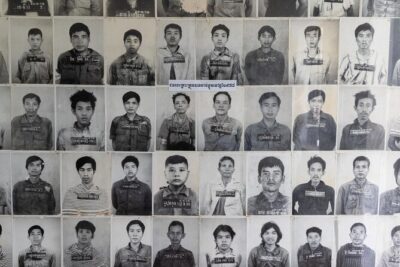 ★ 5.0The Killing Field and Toul Sleng Genocide Museum (S21) TourFrom $191,977 reviews
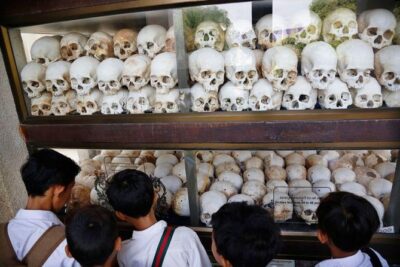 ★ 5.0Killing field and Toul Sleng genocide museum TourFrom $19610 reviews
 ★ 5.0Visit 11 Places in One Day including S21 & Killing FieldFrom $30361 reviews
 ★ 5.0Afternoon tour by tuk tuk to bamboo train,bat cave,killing cave,countryside.From $15344 reviews
 ★ 5.0Half Day Tuol Sleng S21 and Choeung Ek Killing Field TourFrom $35228 reviews
 ★ 4.0Killing Fields and Prison S21 Bus TourFrom $15206 reviews
 ★ 5.0Bamboo Train, Bat Cave, Killing Cave by Tuk Tuk182 reviews
 ★ 5.0Private Half Day To Killing Field & S21 Genocidal Museum in Phnom PenhFrom $130137 reviews
Also appears in