
REVIEW · PHNOM KULEN
Kullen Waterfall Park with Small Group included entrance fee
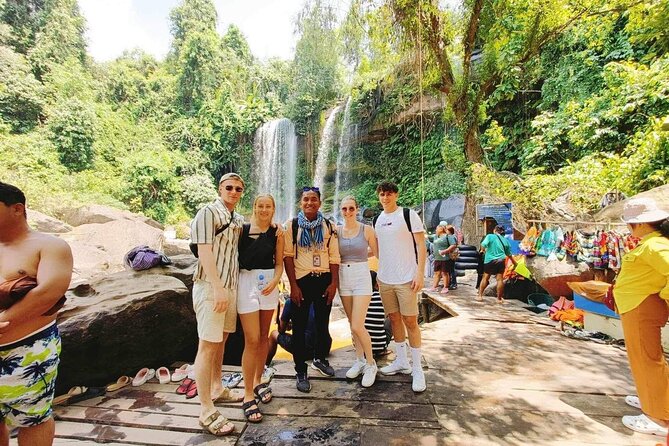
Waterfall and temples, all in one day. This small-group trip from Siem Reap gets you into Phnom Kulen National Park for the One Thousand Lingas riverbed walk and time at Phnom Kulen Waterfall, plus stops that explain why this area matters in Khmer spiritual and modern history. I really like how the day mixes dramatic nature with clear, human-scale cultural stops, and the group stays small (max 13), so the route feels calm.
One thing to plan around is water conditions, because waterfall flow and visibility of the lingas can change with the season, and that can affect how fun swimming is.
In This Review
- Key highlights to know before you go
- Phnom Kulen day trip from Siem Reap: what makes it worth your time
- Price and what’s actually included in the $45
- Stop 1: Phnom Kulen National Park and the stone-quarry break
- Stop 2: One Thousand Lingas river walk (about 800 AD)
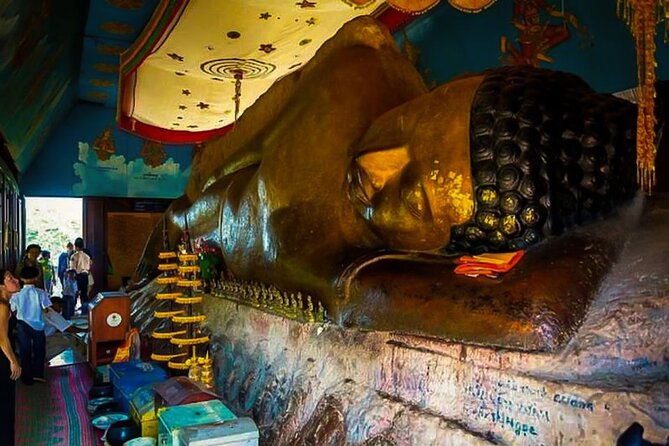
- Stop 3: Preah Ang Thom pagoda and the reclining Buddha
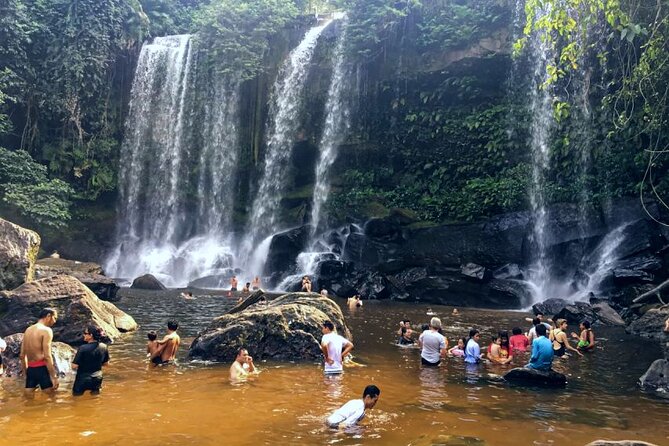
- Stop 4: Phnom Kulen Waterfall and holy-water swim time
- Stop 5: Landmine Museum (Aki Ra) plus palm sugar making
- Small group feel, AC rides, and guides who shape the day
- Season matters: when the waterfall and lingas are easiest to enjoy
- Who this tour fits best, and who might want a different option
- FAQ
- What time does the tour start?
- How long is the experience?
- How big is the group?
- Is hotel pickup included?
- What entrance fees are included?
- Is the Landmine Museum included in the tour price?
- Does the tour include food?
- Should you book this Kullen Waterfall Park small-group tour?
Key highlights to know before you go
- Small group size (max 13), so you get more attention and fewer bottlenecks
- Park entrance included in the $45 price, plus cool water and wet towel on the go
- One Thousand Lingas carved into riverbed rock, dated to around 800 AD
- Preah Ang Thom pagoda, known for a large reclining Buddha statue
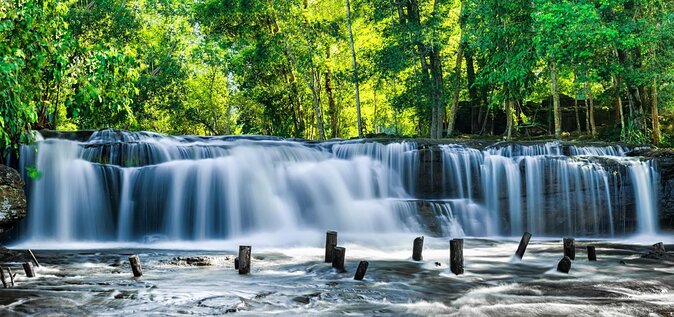
- Phnom Kulen Waterfall swim time, described as holy water from Shiva (Linga)
- Landmine Museum stop (Aki Ra is part of the story), with entry cost separate (USD 3)
Phnom Kulen day trip from Siem Reap: what makes it worth your time
If you want a break from Siem Reap’s city rhythm, this is one of the best types of day trips: big views, clear stops, and enough storytelling to make it feel more than just a checklist.
You’ll leave around 8:30 am and spend about 8 hours moving through Phnom Kulen National Park and key monuments. The value is in the mix. You get ancient Khmer religious sites (the lingas and pagoda), a nature stop that people come for spiritual reasons (the waterfall), and a sobering modern stop (the Landmine Museum). That contrast can be heavy, but it also keeps the day from feeling repetitive.
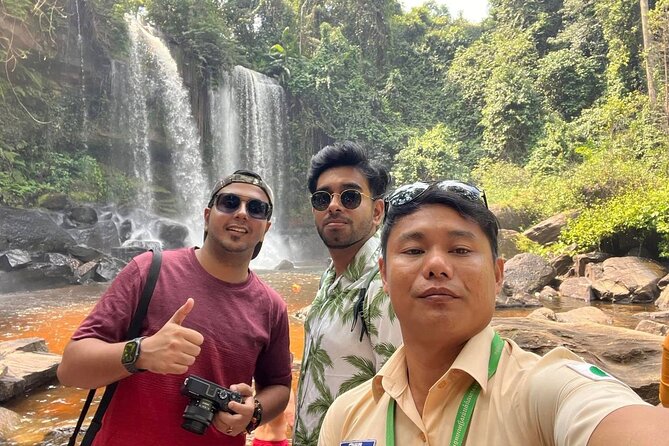
And because it’s a small group, you’re not stuck in a slow-moving crowd. You get time to take photos, ask questions, and pause for viewpoints without feeling rushed.
Price and what’s actually included in the $45
At $45 per person, this tour can feel like a bargain if you compare it to the cost of hiring a car plus paying separate entrance fees.
Here’s what’s covered:
- Hotel pickup and drop-off
- Air-conditioned vehicle
- English-speaking guide
- Park entrance fee (USD 20)
- Cool water and wet towel
- All fees and taxes
- Mobile ticket
Not included:
- Landmine Museum entry (USD 3)
For most visitors, the biggest “included win” is that the park admission is already in. Phnom Kulen is not a tiny stop, and the entrance fee can add up if you’re piecing things together. The extra USD 3 for the Landmine Museum is a smaller add-on, and you still get guided context for that visit.
More trips up into the Kulen hills
- Kulen Mountain: Small-Group Tour and Picnic lunch★ 4.9 · 1,802 reviews
- Siem Reap: Kulen Mountain, Beng Mealea and Tonle Sap Tour★ 5.0 · 1,483 reviews
- Phnom Kulen Waterfall & the Sacred 1000 Lingas (with Lunch)★ 4.8 · 974 reviews
- Kulen Mountain with Beng Mealea and Tonle Sap Small Group Tour★ 5.0 · 780 reviews
Stop 1: Phnom Kulen National Park and the stone-quarry break
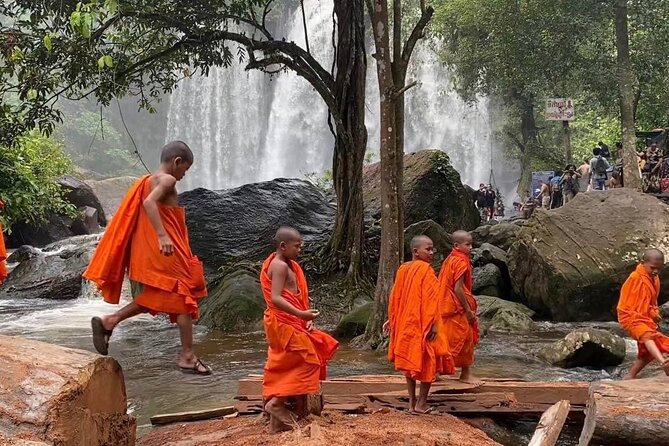
Phnom Kulen National Park is a chain of small mountain plateaux, in the area south of the Dângrêk Mountains. Practically, what that means for you is a day with changing terrain, viewpoints, and that tropical “green wall” feeling as you move deeper into the park.
Your first major stop is a climb and orientation moment, including a stop partway up to see a quarry where people cut stone. Even if you’re not a geology person, that detail helps. It connects the landscape to human use, and it sets a tone for the rest of the day: this isn’t just scenery, it’s a place where people have shaped and relied on the mountain for a long time.
What to watch for:
- It can be hot. You’ll appreciate the AC ride between stops and the wet towel when you get back to the vehicle.
- If you prefer long, easy walks, plan for moderate walking and uneven ground. Wear shoes you trust.
Stop 2: One Thousand Lingas river walk (about 800 AD)
This is the star stop for many people, and for good reason. The One Thousand Lingas are carved into the riverbed rock, dating to around 800 AD. You’ll take a tranquil walk along the river area where you can see lingas of different sizes.
Why it matters beyond the photos: lingas are part of Hindu tradition, and seeing them embedded in the riverbed makes the ritual link feel literal. It also sets up the waterfall stop later, since that waterfall is treated as holy water associated with Shiva (Linga).
One detail to keep in mind is water level. When the water is stronger, the lingas can be easier to notice and the whole scene can look more dramatic. When water is lower or conditions aren’t ideal, visibility and that “river ritual” feeling can be reduced.
Practical tips:
- Bring water shoes or sandals if you’re planning to get close to the river features, but only go where it feels safe.
- Have your camera ready, because the rock textures and repeating shapes make for strong compositions.
Stop 3: Preah Ang Thom pagoda and the reclining Buddha
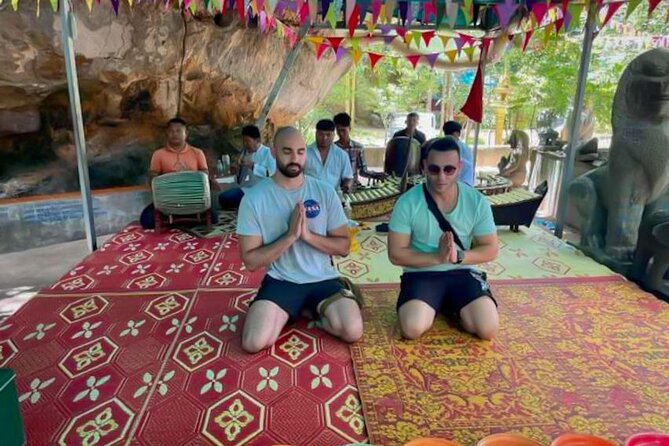
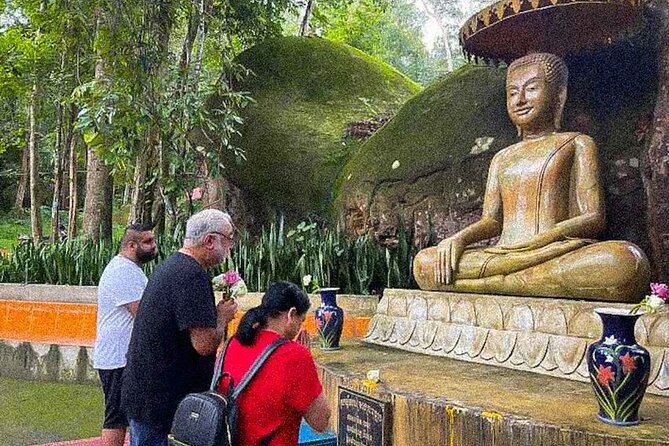
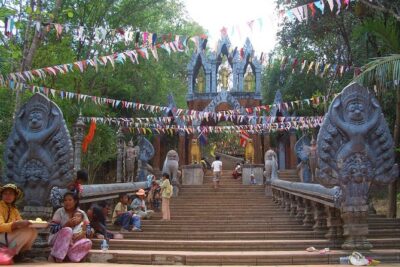
From the lingas, you move toward Preah Ang Thom pagoda, located near Kulen Mountain. This is where Khmer religious art shows up in a bigger, iconic way: it’s said to have the largest reclining Buddha statue in Cambodia, with the statue positioned on the hill of Kullen.
This stop works well if you like sites where the viewpoint and the structure are connected. Even if you’re not an art expert, the reclining Buddha is hard to miss, and the hilltop location tends to make the surrounding setting feel dramatic.
Timing note: the pagoda stop is listed as about 2 hours, which usually means you’ll have time to look around, take photos, and absorb the spiritual atmosphere without sprinting.
Also, this one is admission free on the schedule, so it’s a nice break from the paid entry moments of the day.
Stop 4: Phnom Kulen Waterfall and holy-water swim time
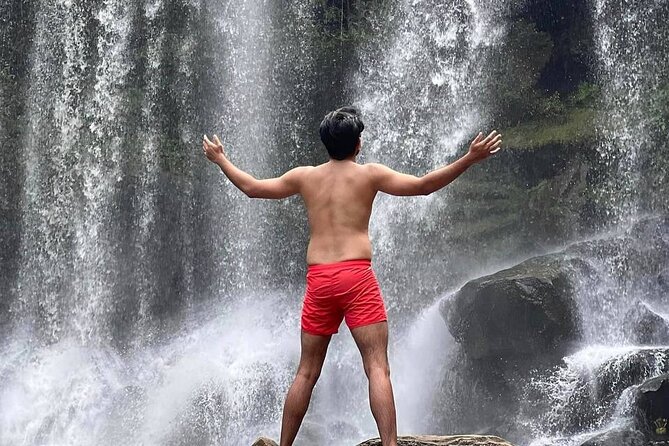
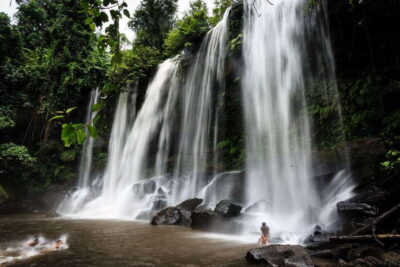
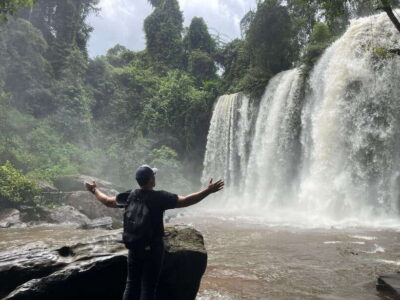
Then comes the part people talk about in plain language: the Phnom Kulen Waterfall. This waterfall is connected to the idea of holy water from the Hindu god Shiva (Linga). You’ll also learn about how the water mattered for local people living along the river, including practical uses such as supporting rice fields and daily cooking needs.
You also get time to refresh at the falls. Some days are perfect for a dip, and others are less so. One helpful reality check from experience patterns: in Jan to March, waterfalls can be stronger, which often means the lingas are more visible too, and swimming tends to be more inviting. In other conditions, swimming may be limited and the lingas may be harder to see.
So here’s how to handle it:
- If you go earlier in the dry season, still plan for a swim, but don’t bank on it.
- If you want the best chance for visible lingas and a good waterfall moment, your odds are often better in the period when the water flow is strongest.
- Bring a towel, change of clothes if you can, and only swim where it’s clearly safe.
Stop 5: Landmine Museum (Aki Ra) plus palm sugar making
The Cambodia Landmine Museum stop is one of the most emotionally important parts of the day. The museum was established by former child soldier Aki Ra, and it’s designed to educate visitors about the reality and consequences of landmines.
Before the museum, you’ll spend about 1 hour on a palm sugar making demonstration. This matters because it grounds the visit in daily rural life. It’s not only an information stop. It’s a sensory break where you see how sugar palm products are traditionally made and taste local flavors in the broader context of what people grow and produce.
Then you go to the museum area itself. The museum time is about 45 minutes, and the entry is USD 3, which is not included in the tour price.
You should go in with two expectations:
- This stop is educational, not casual entertainment.
- The pacing is limited by time, so if you’re deeply interested in the topic, you may want to allow extra time on a separate day for deeper reading.
Small group feel, AC rides, and guides who shape the day
This tour’s “small group” size is not a marketing line. It changes how the day feels. With a max group of 13, you’re less likely to wait around while someone lags behind, and your guide can keep track of questions and photo stops.
On guided days, names you might hear include Chout, Makara, Pheap, Caout, and Leap. The common theme across those guide styles is friendliness and strong historical explanation. If you want a guide who will talk through what you’re looking at, you’ll likely appreciate how these guides connect the sites: lingas to religious meaning, pagoda to Khmer art, waterfall to both belief and practical water use.
The ride itself helps too. You’ll travel in an air-conditioned vehicle, and the tour includes cool water and a wet towel. In hot Cambodia weather, that matters more than you think. Some days, having a driver who keeps the vehicle comfortable can be the difference between enjoying the day and feeling drained.
Season matters: when the waterfall and lingas are easiest to enjoy
This day trip is most satisfying when the park is “alive” with water. In the Jan to March window, one clear tip is that waterfalls can be stronger, which often makes the lingas more visible and the swim more satisfying.
But you should also know the other side of the coin. If conditions lead to lower visibility at the lingas riverbed or if swimming isn’t ideal, the day can feel more like sightseeing than a splash-and-stare experience.
My advice: if you care most about the waterfall swim and lingas visibility, time your trip with water flow in mind. If you’re here for history and the cultural story, you’ll still get plenty, even if the waterfall isn’t at peak drama.
Who this tour fits best, and who might want a different option
This is a great match if you:
- Want a full day with real context, not just a quick temple pass
- Like nature plus cultural sites, and you’re comfortable with moderate walking
- Prefer small group touring with time for photos
- Want a guided education stop at the Landmine Museum without needing to plan logistics yourself
It may be less ideal if you:
- Want a long, slow hike day with lots of free time at each location
- Are extremely focused on one single highlight, because some experiences can shift based on water and conditions
Also, it’s designed so that most travelers can participate, but bring common sense for heat and uneven ground.
FAQ
What time does the tour start?
It starts at 8:30 am.
How long is the experience?
The duration is about 8 hours.
How big is the group?
This tour has a maximum of 13 travelers.
Is hotel pickup included?
Yes. Pickup and drop-off are included.
What entrance fees are included?
The Phnom Kulen National Park entrance fee (USD 20) is included.
Is the Landmine Museum included in the tour price?
The Landmine Museum entrance is not included. The cost listed is USD 3.
Does the tour include food?
No. Food is not included.
Should you book this Kullen Waterfall Park small-group tour?
Yes, I’d book it if you want the best mix of Siem Reap day-trip value: transport, park admission, an English-speaking guide, and a small group for a full day. The One Thousand Lingas stop and the waterfall time are the kind of experiences that feel special when conditions are right, and the Landmine Museum plus palm sugar demo gives the day real meaning beyond temples.
Just be honest with yourself about the one variable you cannot control, water conditions. If you’re going during a period when water flow is typically stronger, you’ll likely enjoy both the lingas visibility and the swim more. If not, go for the cultural story and the guided route, not only the splash factor.
If that sounds like your style, this is a strong, practical choice.
More Tour Reviews in Siem Reap
- Angkor Wat Sunrise or Sunset Tour with Guide from Siem Reap★ 5.0 · 12,109 reviews
- Siem Reap: Angkor Wat: Small-Group Sunrise or Sunset Tour★ 5.0 · 9,444 reviews
- From Siem Reap: Kampong Phluk Floating Village Tour by Boat★ 4.9 · 6,979 reviews
- Siem Reap: Angkor Wat 2-Day Tour with Sunrise and Sunset★ 4.9 · 4,429 reviews
More Days in the Kulen Hills
- Kulen Mountain: Small-Group Tour and Picnic lunch★ 4.9 · 1,802 reviews
- Siem Reap: Kulen Mountain, Beng Mealea and Tonle Sap Tour★ 5.0 · 1,483 reviews
- Phnom Kulen Waterfall & the Sacred 1000 Lingas (with Lunch)★ 4.8 · 974 reviews
- Kulen Mountain with Beng Mealea and Tonle Sap Small Group Tour★ 5.0 · 780 reviews
Newly written up around Siem Reap
- Waterfall & River of 1000 Siva Linga- Kulen Mountain Private Tour
★ 5.0 · 3 reviews - Private Transfer from Siem Reap to Sihanoukville
★ 4.5 · 3 reviews - Private Tour to Koh Ker and Beng Mealea
★ 5.0 · 3 reviews - Private Transfer: Siem Reap Angkor Internation Airport to Hotel
★ 5.0 · 3 reviews - Kulen National Park Ticket -Waterfall & 1000 Lingas
★ 5.0 · 3 reviews - Kulen Waterfall & Kbal Spean Tour
★ 5.0 · 3 reviews
Phnom Kulen & Kbal Spean Waterfalls, side by side.
 ★ 4.9Kulen Mountain: Small-Group Tour and Picnic lunchFrom $481,802 reviews
 ★ 5.0Kulen Mountain, Beng Mealea and Tonle Sap TourFrom $481,483 reviews
 ★ 4.8Phnom Kulen Waterfall & the Sacred 1000 Lingas (with Lunch)From $48974 reviews
 ★ 5.0Kulen Mountain with Beng Mealea and Tonle Sap Small Group TourFrom $54780 reviews
 ★ 5.0Guided Small-Group Tour in Kulen Mountain Park WaterfallFrom $45480 reviews
 ★ 5.0Kulen Mountain Waterfall Tour with Picnic Lunch from Siem ReapFrom $49238 reviews
 ★ 5.0Kulen Waterfall & 1000 Linga River Small-Group ToursFrom $59234 reviews
 ★ 5.0Banteay Srei, Kulen Waterfall & Beng Mealea ExplorationFrom $49185 reviews
Also appears in