
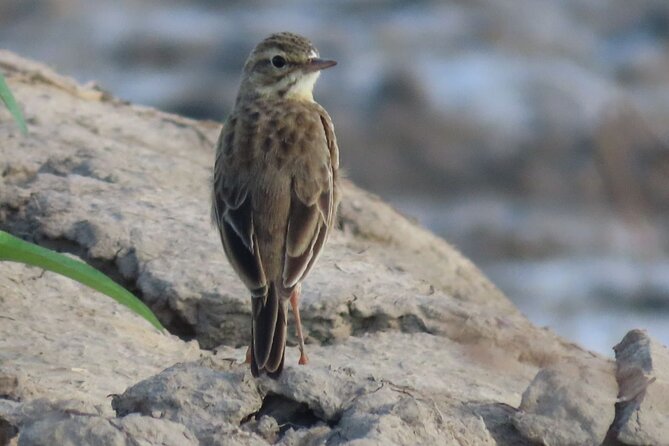
REVIEW · PHNOM PENH
Phnom Penh & Kirirom National Park Birds Tour
Bird calls start before breakfast in Cambodia. This Phnom Penh to Kirirom bird tour takes you through lotus fields, rice paddies, and forest edge, aiming for 50 to 80 species over two days with a guide who knows where the action hides.
I really like that the lead birder, Thong, is strong on bird calls, so you learn faster than you would just staring at trees. His English is clear, and the trip’s pace helps you keep up even if you are new to birdwatching.
One consideration: expect early mornings and some tricky IDs. You start around 5:30am, and the lowlands can be humid with occasional rain showers.
In This Review
- Key highlights you should care about
- First light from Phnom Penh: the 5:30am start that sets the tone
- Chambok Home Stay day: Mekong ferry, lotus lakes, and lowland birds
- What “moderate birding” really means for you
- Kirirom National Park day: sunrise forest birding on an easy pace
- Thong and the small-group rhythm: learning faster without rushing
- Transport, meals, and the little costs that affect your budget
- Price and value: what $350 buys you in Cambodia birding
- Who should book this tour, and who should skip it
- Should you book Phnom Penh and Kirirom Birds?
- FAQ
- What is the meeting time?
- How long is the tour?
- Do I get picked up?
- What is included in the price?
- Are entrance fees included?
- How many people are in the group?
- What birding difficulty should I expect?
- What happens if weather is bad?
- Can I cancel for a refund?
Key highlights you should care about
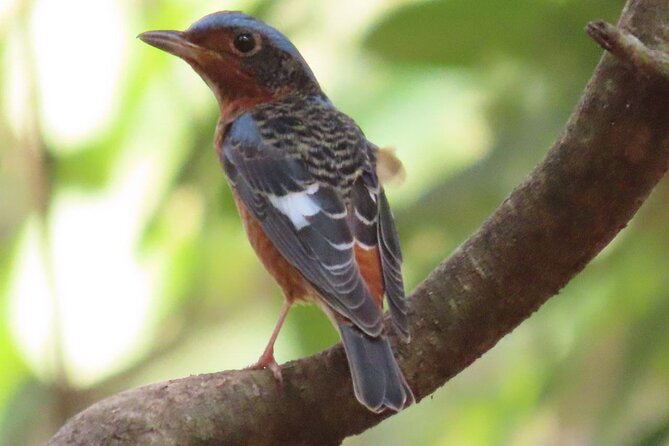
- Small group size (up to 8) keeps the morning walks focused and easier to manage for spotting birds
- Two very different habitats (lowland fields then forest in Kirirom) boosts your chance of seeing a wide range of species
- Sunrise birding is built into both days, which is when many birds are most vocal and active
- Thong’s call-finding skill helps beginners learn how birds reveal themselves
- Chambok Community Based Ecotourism homestay adds a real local setting, not a canned stop
- Good photo opportunities make the walk-and-look style worth the effort
First light from Phnom Penh: the 5:30am start that sets the tone
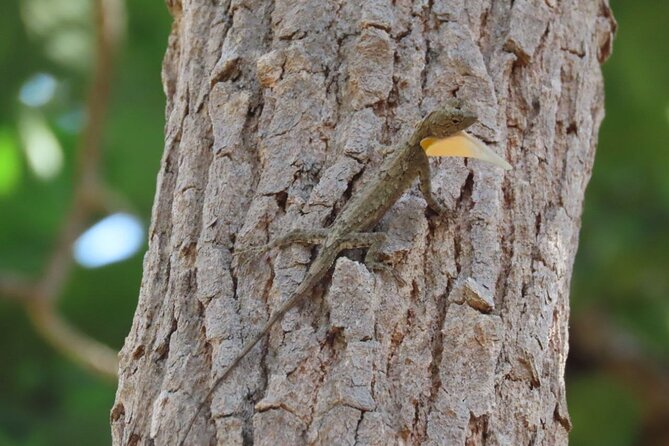
This tour is built around the simple truth that birds do not wait for your sleep schedule. The meet time is 5:30am, and the day quickly turns into movement, crossing water, then rolling out into the countryside. If you’ve ever tried to birdwatch later in the day and found everything quiet, you get why this schedule matters.
You will also get the benefit of getting out before the heat ramps up and before the day gets crowded. The early start is a feature, not a flaw, as long as you are ready for an alarm clock. If you want a laid-back morning that starts after breakfast, this one will feel intense.
The other reason the start time matters is that many of the birds on the target list are easier when they are calling. The guide’s approach leans on hearing as much as seeing, which makes sunrise feel like a cheat code.
Chambok Home Stay day: Mekong ferry, lotus lakes, and lowland birds
Day 1 begins with a ferry crossing of the Mekong River, then a drive toward the birding area. The route takes you into a natural-lake setting where local farmers grow lotus, paddy rice, and other vegetables. That mix is more than scenic. It creates edges where birds feed and move through different plant types.
This is the kind of habitat that pays off for photographers and beginners alike. You are not hunting in a single uniform forest wall. You are working through open water, cultivated land, and woodland patches where many birds appear in short bursts, then disappear.
Lunch is included on this day, and you also get breakfast as part of the homestay schedule. The big evening piece is that you stay overnight at the Chambok Community Based Ecotourism homestay, which keeps you close to the countryside you’re birding.
Two practical considerations on Day 1:
- You will need to budget for dinner and a local entrance ticket fee at the Chambok ecotourism community, listed as $7 USD (dinner is not included).
- The outing runs long, so wear shoes you trust. Your eyes will work hard, but your feet will too.
If you like tours that trade city stops for real habitat, Chambok is a strong reason to book.
More of the capital, other guides
- Phnom Penh Full Day Private Tour Included All Admission Tickets★ 5.0 · 585 reviews
- Phnom Penh: Sunset Cruise with Unlimited Beer &Fruit platter★ 4.7 · 515 reviews
- Phnom Penh Silk Island Bike Tour/ E-Bike or Tuk Tuk★ 5.0 · 495 reviews
- Ultimate Phnom Penh Food Tour by Tuk Tuk: 20 Tastings and Drinks★ 5.0 · 409 reviews
What “moderate birding” really means for you
The tour lists the overall ease of birding as moderate, with some species described as very tricky. That wording matters. This is not a casual stroll where every bird is obvious within seconds. You will spend time tracking movement, watching for call cues, and re-checking spots as the light changes.
The species target range is from 50 to 80, so you’re not just scanning for a handful of easy wins. The list covers birds that lean on different skills: some are more visible in open areas, others act hidden in foliage, and some are easier when you know what to listen for.
From the habitat coverage, you can expect a mix of environments, including:
- Lotus fields
- Woodland
- Cultivation and rice fields
- Lowland broad-leaved and tropical moist forest
That habitat range lines up with many of the birds named for the tour, like Oriental Pratincole (tied to open water areas), Collared kingfisher (often around water edges), and colorful woodland birds such as Green bee-eater and Blue-eared Barbet. Even if you only recognize a few species at first, the structure is designed to help you add more by learning patterns, calls, and typical perches.
Photographic opportunities are described as good. In practice, that usually means you are in places where birds come into view often enough for a camera to be useful, not only for long distance glances.
Kirirom National Park day: sunrise forest birding on an easy pace
Day 2 moves you to Kirirom National Park for another sunrise birdwatching session. The walk is described as an easy pace, which is great news if you want your legs to stay functional while your brain focuses on birds.
This is where the habitat shift does the heavy lifting. Lowland fields on Day 1 help pull in water and edge species. Kirirom’s forest setting on Day 2 flips the game to birds that prefer woodland and forest interior conditions.
The tour specifically calls out species you may see, including:
- Greater Racket-Tailed
- Forest wagtail
- White-rumped Shama
- Red-whiskered Bulbul
- Puff-throated Babbler
Even if you do not catch every bird on the list, the day is still valuable because you’re learning a different set of bird behavior. Forest species often show up in shorter windows, and the guide’s ability to locate them via calls becomes even more important in denser cover.
The Day 2 session also runs about 9 hours, so plan for a full day. The guides have you up early, then you spend the day moving slowly through habitats while looking for that next bird to call in.
And because the lowlands are expected to be humid with occasional rain showers, you should assume conditions can change fast. You do not need to fear rain, but you do need to be ready for it with sensible gear.
Thong and the small-group rhythm: learning faster without rushing
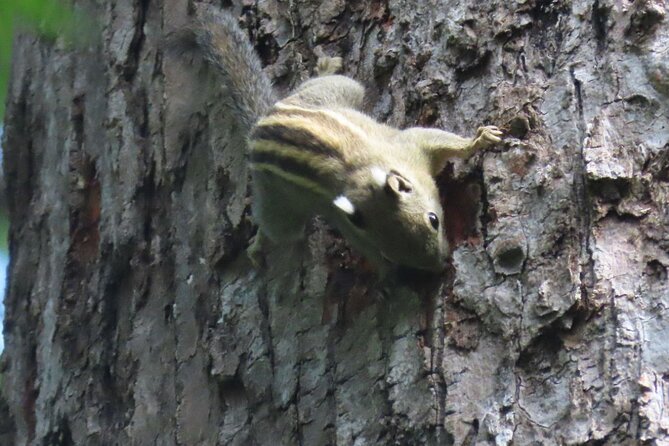
One name shows up in the strongest way in the provided feedback: Thong. The consistent theme is that he is a real professional, and he leads the hunt with the kind of focus you want from a specialized guide.
The standout skill is finding birds by their calls. That is huge for you if you are a beginner. It reduces the stress of thinking you must have perfect eyesight. Instead, you learn to connect what you hear with what you’re likely seeing.
His communication style also matters. The tour language support is described as strong English, and that makes a difference when you’re trying to understand which species you’re chasing and why it might be in a certain spot. When your guide can explain and then quickly show you how to verify what you’re hearing, birdwatching becomes a skill you build, not a test you endure.
The group size is capped at 8 travelers, which helps the experience stay practical. With too many people, birding can turn into a line of distracted faces. Here, the smaller group makes it easier for the guide to adjust, for you to reposition quietly, and for everyone to get a chance at views.
There is also an ecotourism angle through the Chambok homestay setting. The provided feedback mentions concerns like forest loss and poaching, and the positive point here is that this kind of community-based tourism can support local stewardship and keep value tied to protecting wildlife.
Transport, meals, and the little costs that affect your budget
On the practical side, you get an air-conditioned vehicle, and pickup is offered. That matters in Cambodia, especially when you’re starting at 5:30am and spending long hours outdoors.
Meals are included in a straightforward way:
- Breakfast (2)
- Lunch (2)
Dinner is not included at the Chambok homestay community, and there is also a $7 USD entrance ticket fee you should plan for there. That’s the kind of cost that is easy to miss if you only look at the base price.
So what does your day feel like?
- You wake early, move to birding areas, and spend the morning and late morning scanning and listening.
- You break for lunch on the scheduled day blocks.
- You end Day 1 with the homestay overnight.
- You start Day 2 at sunrise again and return with more forest birds on your mental checklist.
What should you bring?
- A rain layer you’ll actually wear if showers pop up
- Comfortable shoes for an easy-pace walk that still adds up
- A camera or binoculars if you use them, since the tour is explicitly set up for photographic opportunities
- Cash for the Day 1 dinner and the Chambok entrance ticket fee


Price and value: what $350 buys you in Cambodia birding
At $350 per person for a two-day tour, the value question comes down to what is included and what kind of guidance you get.
Your fee covers:
- A local birding guide and a local guide
- Air-conditioned transport
- One night homestay at Chambok Community Based Ecotourism
- Two breakfasts and two lunches
That’s a lot of logistics packed into one price. Birding tours often cost money not just for guide time, but for transport time, fuel, and the coordination it takes to reach different habitats early in the day. Here, you get that structure, plus overnight lodging, which pushes the experience beyond a half-day activity.
You also benefit from a small group limit of up to 8, which is usually where the quality shows up. Smaller groups can mean more attention and less chaos.
The main way the cost could feel steep is if you are expecting a casual outing with minimal effort. This is active birding with moderate difficulty, some tricky IDs, and long day blocks. If that matches your style, the price starts to make sense fast.
Who should book this tour, and who should skip it
Book this if:
- You want two habitats in two days, lowland fields first, then forest in Kirirom
- You like sunrise birding and don’t mind early mornings
- You want a guide approach that helps you learn by bird calls, not just spotting distant birds
- You care about doing something more meaningful than quick city sightseeing, with a community-based homestay stop
Skip this if:
- You dislike long days, about 9 hours each day
- You struggle with early starts or you prefer lounging over walking
- Rain would ruin the day for you, since the tour is described as requiring good weather and the lowlands can get occasional showers
This tour is a great fit for beginners who are serious enough to get up early and trust a guide. It also works for more experienced birders who want a focused Cambodian species run without having to plan the route themselves.
Should you book Phnom Penh and Kirirom Birds?
I’d book it if you want an efficient, well-led birding route that does not waste time on typical tourist loops. The combination of early sunrise sessions, habitat variety, and a guide who can locate birds by call is the winning formula here.
If you can handle moderate birding, long hours, and a bit of humidity, this is a smart way to see a wide spread of Cambodian birds in a short trip. Just remember to budget for the Chambok dinner and the $7 entrance ticket fee.
FAQ
What is the meeting time?
The start time is 5:30am.
How long is the tour?
It runs for 2 days, with each day described as about 9 hours.
Do I get picked up?
Pickup is offered.
What is included in the price?
The tour includes a local birding guide and a local guide, air-conditioned vehicle transport, one night homestay at Chambok Community Based Ecotourism, two breakfasts, and two lunches.
Are entrance fees included?
No. The dinner and the entrance ticket fee at Chambok Ecotourism Community are not included, and the entrance ticket fee is listed as $7 USD.
How many people are in the group?
The maximum group size is 8 travelers.
What birding difficulty should I expect?
Birding is rated as moderate, with some very tricky species.
What happens if weather is bad?
The tour requires good weather. If it is canceled due to poor weather, you are offered a different date or a full refund.
Can I cancel for a refund?
Yes. You can cancel up to 24 hours in advance for a full refund. Canceling within 24 hours does not receive a refund.
More Tours in Phnom Penh
- The Killing Field and Toul Sleng Genocide Museum (S21) Tour★ 5.0 · 1,977 reviews
- Killing field and Toul Sleng genocide museum Tour★ 5.0 · 610 reviews
- Phnom Penh Full Day Private Tour Included All Admission Tickets★ 5.0 · 585 reviews
- Phnom Penh Silk Island Bike Tour/ E-Bike or Tuk Tuk★ 5.0 · 495 reviews
More Tour Reviews in Phnom Penh
- The Killing Field and Toul Sleng Genocide Museum (S21) Tour★ 5.0 · 1,977 reviews
- Phnom Penh: Sunset Cruise with Unlimited Beers & BBQ Buffet★ 4.5 · 727 reviews
- Aroma Therapy Massage, Relaxation therapeutic aromatherapy oil massages.★ 5.0 · 645 reviews
- Killing field and Toul Sleng genocide museum Tour★ 5.0 · 610 reviews
Phnom Penh, Further In
- Phnom Penh: Sunset Cruise with Unlimited Beers & BBQ Buffet★ 4.5 · 727 reviews
- Phnom Penh Full Day Private Tour Included All Admission Tickets★ 5.0 · 585 reviews
- Phnom Penh: Sunset Cruise with Unlimited Beer &Fruit platter★ 4.7 · 515 reviews
- Phnom Penh Silk Island Bike Tour/ E-Bike or Tuk Tuk★ 5.0 · 495 reviews
Newly written up around Phnom Penh
- Private Transfer From or to Phnom Penh <=> Sihanoukville
★ 5.0 · 3 reviews - Prasith and Reap Temples Private Day Trip from Phnom Penh
★ 4.5 · 3 reviews - Phnom Penh Full Day Private Tour By Tuk Tuk or Taxi Car
★ 5.0 · 3 reviews - Private Transfer From Phnom Penh To Sihanoukville
★ 5.0 · 3 reviews - Phnom Penh Private Pick-Up: Techo International Airport ( KTI )
★ 5.0 · 3 reviews - Island Community Life in Phnom Penh
★ 4.5 · 3 reviews
Phnom Penh City Tours, side by side.
 ★ 4.5Sunset Cruise with Unlimited Beers & BBQ BuffetFrom $9727 reviews
 ★ 5.0Phnom Penh Full Day Private Tour Included All Admission TicketsFrom $97585 reviews
 ★ 4.7Sunset Cruise with Unlimited Beer &Fruit platterFrom $9515 reviews
 ★ 5.0Phnom Penh Silk Island Bike Tour/ E-Bike or Tuk TukFrom $35495 reviews
 ★ 5.0Ultimate Phnom Penh Food Tour by Tuk Tuk: 20 Tastings and DrinksFrom $69409 reviews
 ★ 4.7Mekong Sunset Dinner Cruise with Live MusicFrom $9261 reviews
 ★ 5.0Phnom Penh’s Culinary Underground: Local Food Tour by Tuk-tukFrom $69234 reviews
 ★ 5.0Cycling Adventure on Islands of the MekongFrom $65225 reviews
Also appears in