
REVIEW · ANGKOR
Siem Reap: Angkor Sunrise 2 Days Guided Bike Tour
Two days, one quiet sunrise. This Angkor Wat bike tour turns temple time into something active, with early rides, jungle trails, and stops that keep the day moving. I love the sunrise timing at Angkor Wat, and I also love day two’s local feel in villages, markets, and rice fields. The main drawback is the mixed surfaces, especially on sandy temple-area tracks, so you should be comfortable cycling regularly.
What makes it work is the guide. English-speaking guides like Thy and Bob help set the pace on day one, and guides such as Mony and Tida are praised for turning temple sights into clear, practical stories, plus pointing out good photo spots. If you want a tour that does not feel like a long bus ride, this is built for that.
In This Review
- Key highlights I’d plan around
- Why sunrise by bike beats the usual Angkor plan
- Day 1: the Angkor Wat sunrise bike ride and the temples in motion
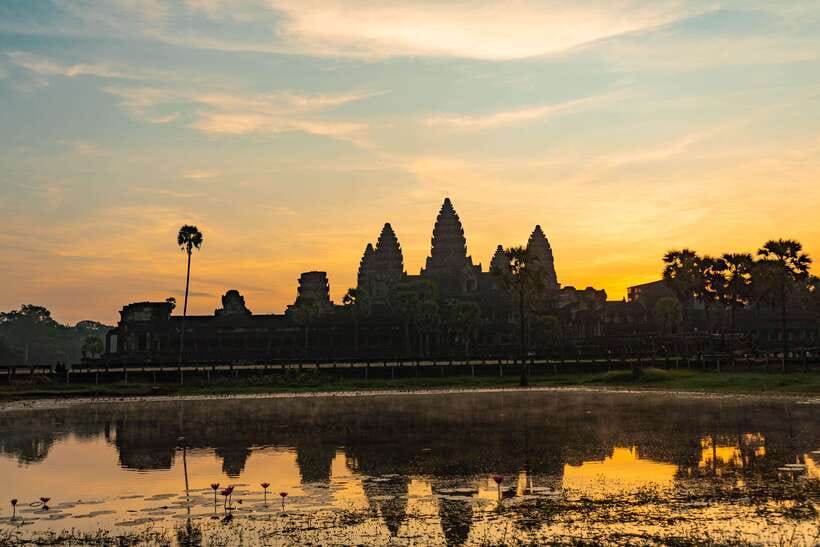
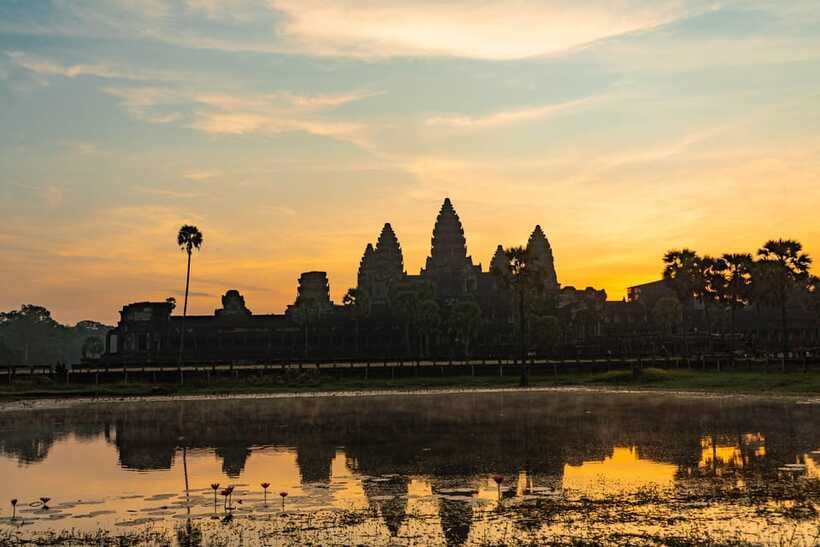
- Angkor Wat at sunrise
- Rolling into trails behind Angkor Wat
- Angkor Thom and the big-name stops
- Lunch and a real reset
- Day 2: countryside cycling with villages, farms, and rice wine stops
- Market and fruit breaks
- Mushroom and lotus farms
- Rice wine distillation
- Buddhist temples and village handicrafts
- When you’re done riding
- Bikes, terrain, and how much fitness you really need
- Temple tickets and the dress code that keeps the day respectful
- Food stops: breakfast, lunch, and snacks that keep the ride enjoyable
- Price and value: what $95 includes, and what you must budget extra
- Who should book this two-day Angkor bike tour
- Should you book it?
Key highlights I’d plan around
- A 5:00am hotel pickup for sunrise at Angkor Wat, before the site gets crowded
- Jungle and trails behind Angkor Wat, often quieter than the main routes
- Day one lunch is a Cambodian spread, with breakfast and lunch both included
- Angkor Thom, Bayon, Preah Khan, and Tomb Raider Temple covered by guided cycling
- Day two is rural and hands-on, with market stops plus mushroom and lotus farms, and rice wine distillation
- Bike and helmet provided, plus daily water support so you can focus on the ride
Why sunrise by bike beats the usual Angkor plan
Angkor Wat at sunrise is famous for a reason. But the usual pattern, tour bus or tuk-tuk, is just watching from a crowd and then moving on. Cycling changes the tempo. You feel the early morning air. You roll from temple space into quieter paths. And because you have a guide, you can get your bearings fast and spend your time where it matters.
I also like that this tour is not only about the big postcard moment. After Angkor Wat, you keep moving through the Angkor complex, then you hit the other named highlights by bike. That matters because Angkor can swallow a whole day if you do it slowly and only by shuttle. Two days gives you enough time to see a lot without feeling like you are rushing.
One more value point: the included meals and snacks. The tour builds in fuel stops, so you are not burning energy with nothing but temple ticket lines and convenience stores. That is especially important when you are riding early and then backtracking into farms and fields later.
Day 1: the Angkor Wat sunrise bike ride and the temples in motion
Day one starts early, with hotel pickup at 5:00am. The goal is simple: reach the best viewing spots for sunrise and then see Angkor Wat while the light is soft. You get breakfast as part of the morning plan, so you can watch the sun rise without needing to track down food first.
Other ways to be at the temples before the light comes up
- Angkor Wat Sunrise or Sunset Tour with Guide from Siem Reap★ 5.0 · 12,109 reviews
- Siem Reap: Angkor Wat: Small-Group Sunrise or Sunset Tour★ 5.0 · 9,444 reviews
- Siem Reap: Angkor Wat 2-Day Tour with Sunrise and Sunset★ 4.9 · 4,429 reviews
- Angkor Wat Sunrise tour with Small – Group and Guide tours★ 5.0 · 3,655 reviews
Angkor Wat at sunrise
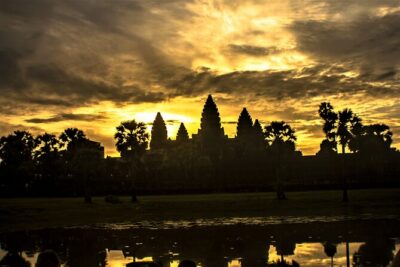
Angkor Wat is the headline. What makes sunrise special is how the temple reads in different light. At first, the complex looks almost monochrome. As the sky brightens, the stone takes on warm tones and detail becomes easier to see. A guided approach helps too. Instead of just walking, you get explanations tied to what you are seeing.
The best part of this format is the transition. You do not just arrive, take photos, and leave. After breakfast, you continue into cycling areas and temple-adjacent trails around the complex. That keeps the morning from feeling static.
Rolling into trails behind Angkor Wat
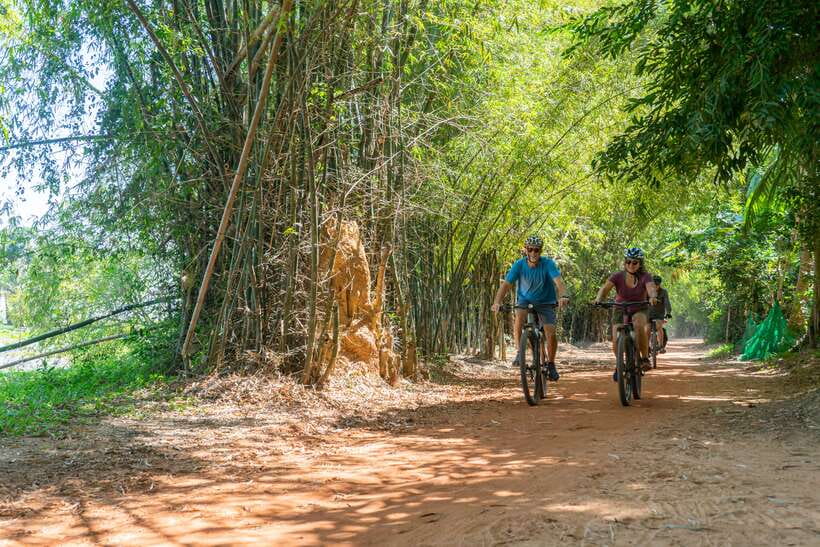
After Angkor Wat, the ride moves off the main roads and into trails that run behind the temple area. Several people highlight that these paths can feel like jungle riding, with rolling wheels and a lot of early-morning quiet. It is also shaded in parts, which helps with heat.
This is where you should pay attention to comfort level. The tour mixes cycling surfaces, including sandy ground. One common note is that this day is not ideal if you rarely ride a bike or if you dislike mountain-bike style tracks. Another note is that the trails are not described as extremely technical, so if you can handle dirt and sand in short stretches, you may be fine. Either way, plan for bumps.
Angkor Thom and the big-name stops
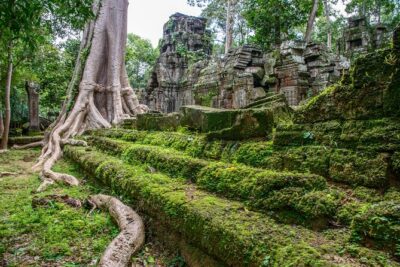
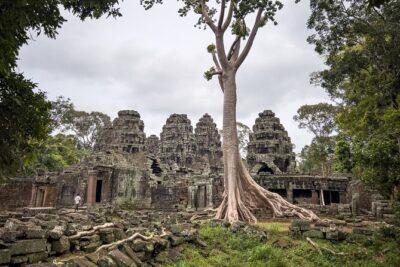
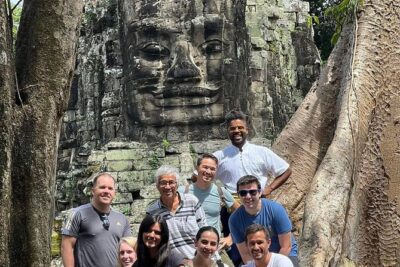
Once the morning ride transitions into the rest of the Angkor complex, you get a strong sequence of sights. The tour includes Angkor Thom City and key temples such as Bayon Temple, Preah Khan Temple, and Tomb Raider Temple.
Here is why that grouping works for a two-day plan:
- You see the famous faces of Bayon in the same day you already know the main layout from Angkor Wat.
- You move from the most crowded area style to less crowded routes as your morning continues.
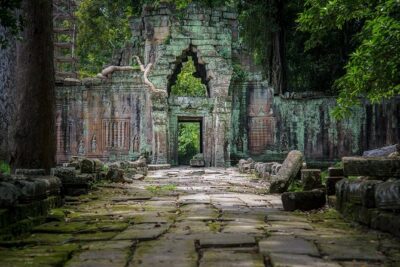
- Preah Khan and Tomb Raider Temple give you variety beyond just walking the most famous courtyards.
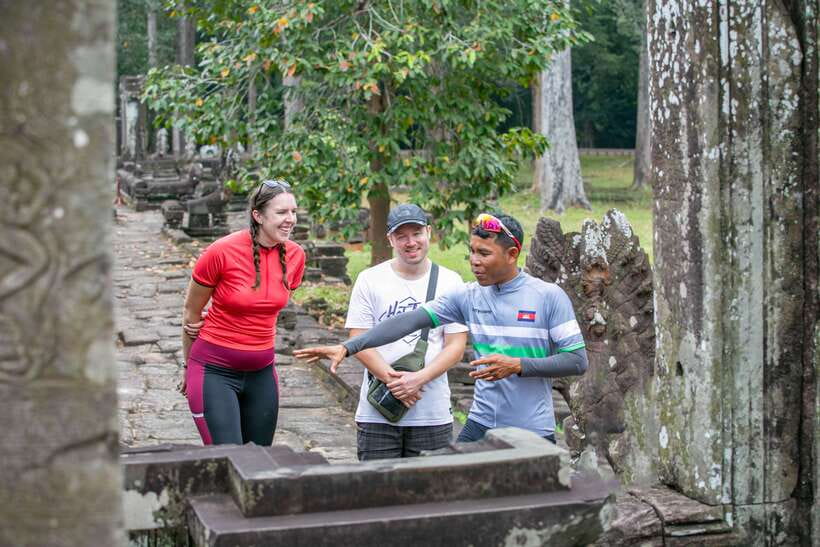
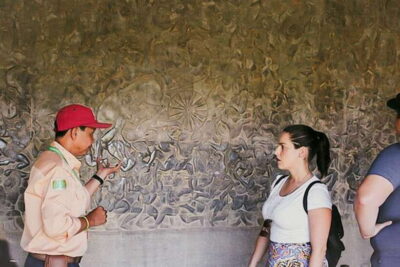
You will also hear the guide’s perspective on history and symbolism, with a focus on the temple buildings and what they represent. One practical note: some people felt they wanted a bit more architectural and art-focused context. If you are the type who wants every carving explained down to the design details, you might wish for even deeper art talk. If you prefer understandable stories tied to what you are standing in, you are likely to be happy.
Lunch and a real reset
After cycling and temple time, day one ends with a traditional Cambodian lunch with a large spread of local dishes. Then there is a quick siesta. For most people, that rest is not optional. Angkor heat plus early mornings can catch you, even if you think you are fit.
This is another reason I like the tour structure. It builds a rhythm: sunrise, ride, temple coverage, and then a pause that lets you enjoy day two instead of dragging through it.
Other Siem Reap rides at pedal speed
Day 2: countryside cycling with villages, farms, and rice wine stops
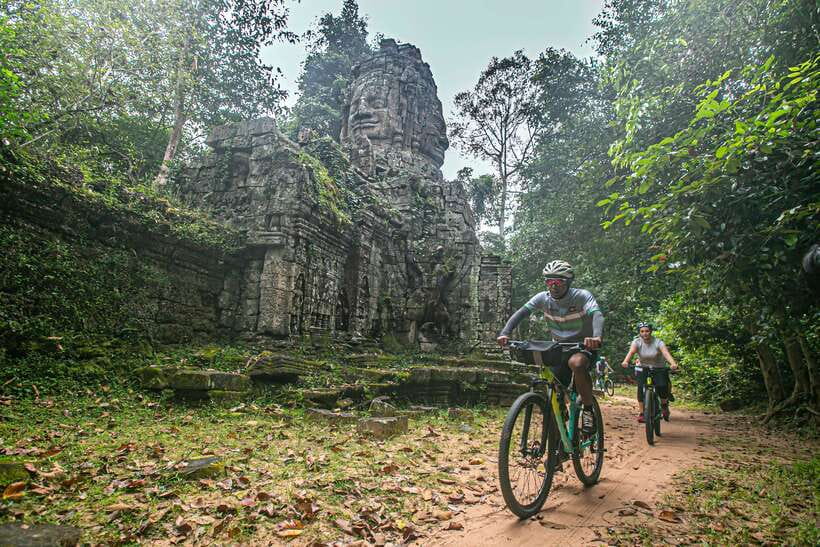
Day two starts later, with pickup at 7:30am, then a drive to the cycling shop. You get back on your bike and ride backroads through rural areas with your guide.
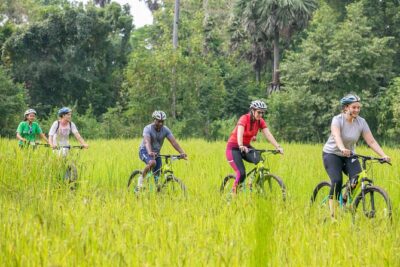
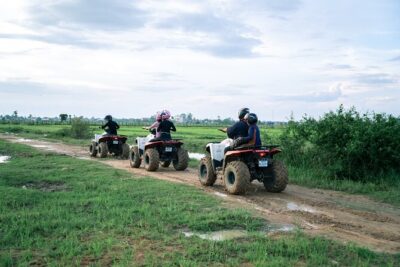
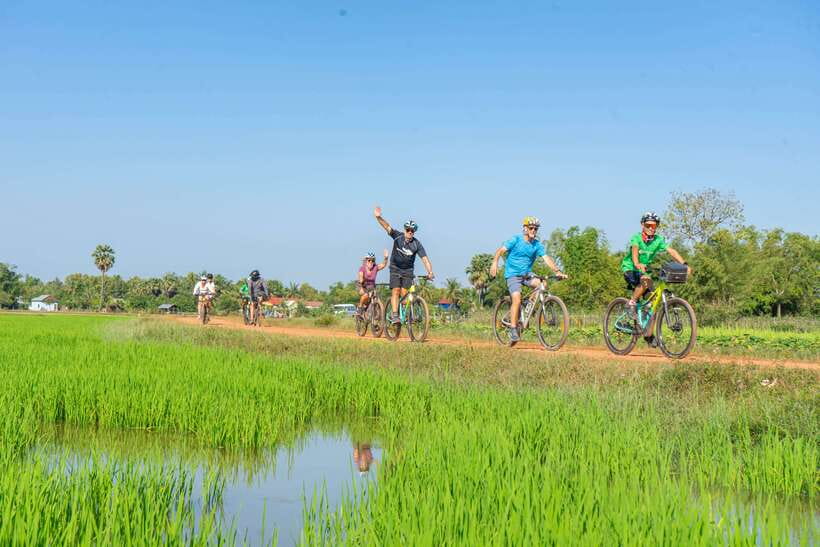
This day is usually the one people describe as more relaxed. It is primarily on dirt roads in the countryside, with cycling through rice fields and farms and into small villages. If day one feels like temple time, day two feels like everyday Cambodia.
Market and fruit breaks
You taste local fruit and snacks at stops along the way. You also visit a local market, which is where the day becomes less about landmarks and more about life. Even if you do not speak the local language, markets teach you fast. Colors, smells, and how people move give you a sense of routine.
Mushroom and lotus farms
The route includes farm stops such as mushroom and lotus farms. These are the kinds of place names that sound small, but they matter because they connect what you are seeing to how food is made locally. It is also a chance to pause and look closely, instead of rushing past.
Rice wine distillation
One of the most unique items in the day two plan is a stop at places where rice wine is distilled. You learn how a rural product becomes a local tradition and a household industry. Even if your main interest is scenery, this type of stop is what makes the tour feel authentic instead of just sightseeing.
Buddhist temples and village handicrafts
You also visit Buddhist temples and get time in villages. There are stops for village handicrafts too, so you can see how people make and sell what they do. In terms of tone, this day feels human scale: short conversations, small scenes, and lots of time outside.
When you’re done riding
Day two ends with returning to the bike shop and dropping you at your hotel. The day is not described as all-day marathon cycling, which makes it easier to enjoy even if you are not training for a bike trip.
Bikes, terrain, and how much fitness you really need
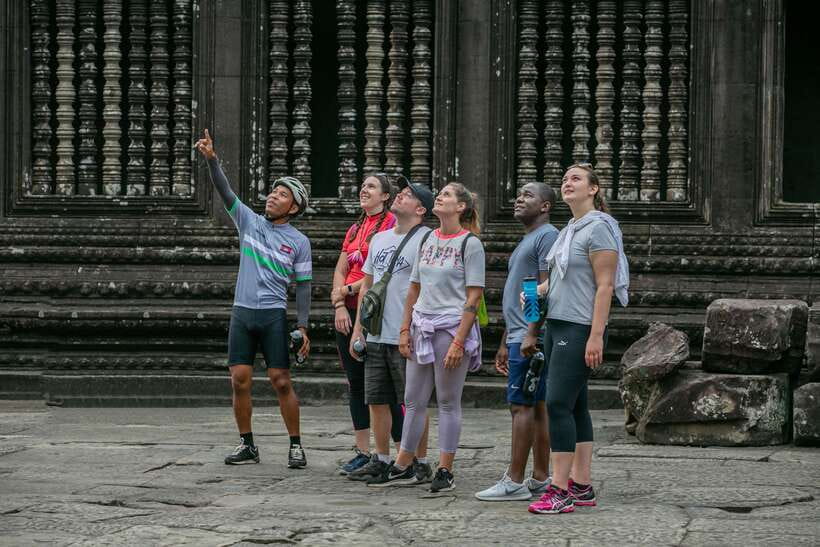
The tour provides bicycles and helmets, plus water support each day. That is good value, because bike quality matters a lot when the ground is sandy and uneven. People consistently mention the bikes are in good condition.
Now the fitness question. Expect moderate physical effort rather than easy sightseeing. Day one can include off-main-route stretches on sand. If you do not bike often, that can feel harder than you expect, especially early in the morning before you warm up.
Day two is generally easier, with rural dirt roads and fewer sandy patches. If you are choosing between being cautious and being ambitious, think of day one as the test and day two as the reward.
My practical advice:
- Bring sunscreen and sunglasses, especially for day one’s early starts that turn into bright mornings fast.
- Wear clothing that fits the temple dress rules: shoulders and knees covered when visiting temples.
- Plan for a bit of leg burn, then use the included lunch and siesta to reset.
Temple tickets and the dress code that keeps the day respectful
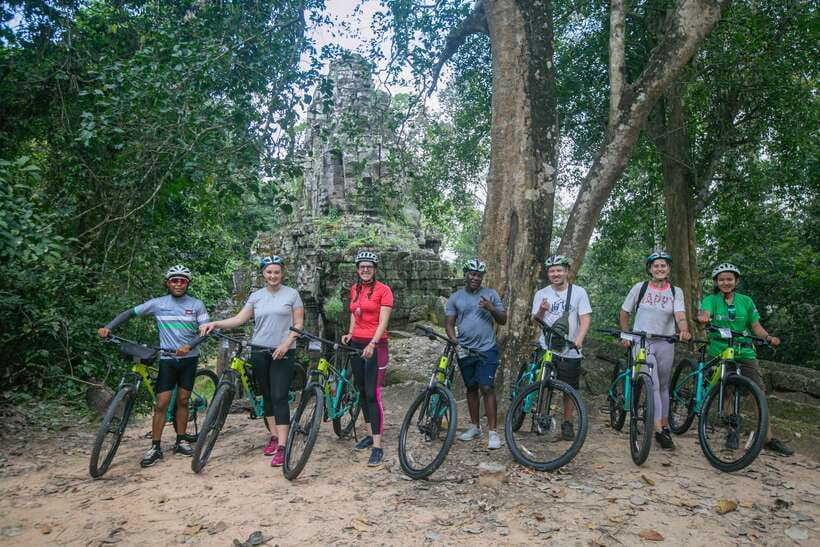
Temple entry tickets are not included. The tour lists temple tickets at $37 per day. So to budget, you need to add at least that much on the temple-heavy day, and possibly more depending on what areas you enter each day.
Also, you do need to dress for temples. The tour asks for clothing that covers shoulders and knees, due to cultural respect. This is not just a formality. It is part of making the visit smooth, since staff and visitors notice quickly. If you are coming from a beach-style outfit or thin fabric, swap or add a light layer before you go.
If you like simple rules, here it is: plan for modest, breathable clothes that can handle sun and early morning humidity.
Food stops: breakfast, lunch, and snacks that keep the ride enjoyable
Food is built into the pace, not tacked on after the work is done.
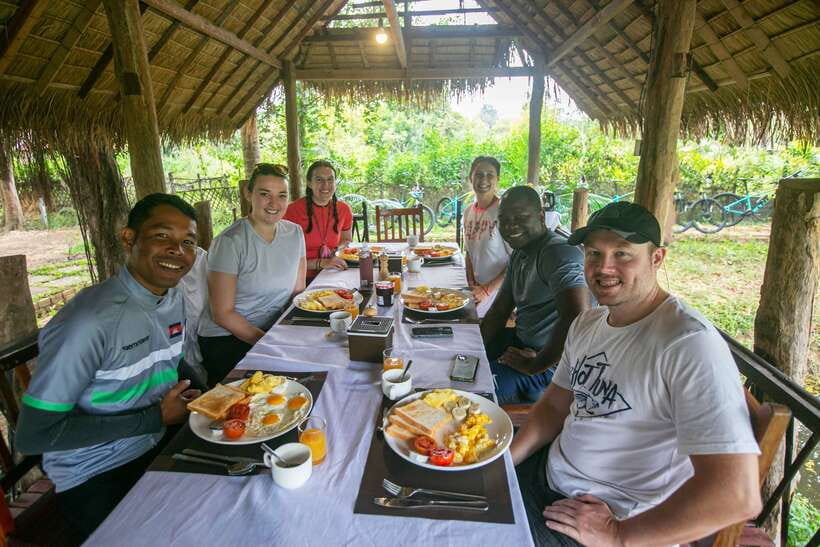
- Breakfast on day one is part of your morning sunrise plan.
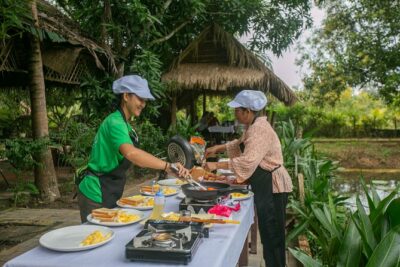
- Lunch on day one is described as a traditional Cambodian meal with a large spread of local dishes.
- Local snacks and fruits are included, with day two stops at market-style food moments and farm breaks.
One helpful detail: people mention lunch and meal locations as authentic, not generic. That is what you want in Siem Reap. If you are cycling for temples, you also want to taste the local food scene without feeling like it’s a rushed stop chosen for convenience.
The one note to keep in mind is that one person felt the lunch stop quality was not great. That kind of variation happens in many tour formats, depending on the exact place and what is served that day. If food quality is your top priority, I’d treat lunch as a nice add-on that is likely good, but still plan to enjoy day two snacks as well.
Price and value: what $95 includes, and what you must budget extra
At $95 per person for two days, this tour is priced to be competitive for an Angkor bike experience with guides and meals.
Here is what is included:
- Hotel pickup and drop-off
- English-speaking tour guide
- Bicycle and helmet
- Daily water support
- Breakfast day one
- Lunch day one
- Local snacks and fruits
What is not included:
- Temple entry tickets at $37 per day
- Personal expenses
So the true cost depends on temple tickets and your spending style. The value strength here is that you are not paying extra for bike use, guide time, and key meals. If you were to arrange cycling with a guide and then also pay for meals and transportation separately, the added cost would likely climb quickly.
For $95, I’d see this as a well-structured way to cover major sights plus rural life, without having to coordinate everything yourself. It is especially valuable if you want a guide to choose routes that keep you moving away from the most crowded paths.
Who should book this two-day Angkor bike tour
I think it fits best if you:
- Want more than just temple photos, and prefer to ride through the area and see daily life
- Like early starts and enjoy sunrise as a real experience, not just a viewpoint
- Are comfortable with moderate cycling and dirt tracks, at least on day one
You might skip it if you:
- Rarely ride a bike and would be stressed by sandy terrain
- Want a super easy, flat cruise with minimal rough patches
- Are pregnant, since the tour lists it as not suitable for pregnant women
If you are traveling with friends or just want a guided, well-paced plan that keeps you active, this tour has the ingredients for a memorable two days.
Should you book it?
If your goal is to see Angkor without feeling like you are stuck in traffic or walking the same crowded loop, I’d book this. The combination of sunrise at Angkor Wat, cycling through less crowded trails, and then switching to countryside riding on day two is exactly the kind of balance that makes Angkor feel human-sized instead of overwhelming.
Just be honest about the terrain. Day one includes sandy, off-main-route riding. If that part sounds fine, you will likely love how the tour connects temples to everyday life, with good guide support and meals that keep you going.
If you want, tell me your cycling comfort level (for example, do you ride regularly at home?), and I’ll help you decide whether this is a great fit or a risky bet for your body and your trip.
More Tours in Siem Reap
- Angkor Wat Sunrise or Sunset Tour with Guide from Siem Reap★ 5.0 · 12,109 reviews
- Siem Reap: Angkor Wat: Small-Group Sunrise or Sunset Tour★ 5.0 · 9,444 reviews
- From Siem Reap: Kampong Phluk Floating Village Tour by Boat★ 4.9 · 6,979 reviews
- Siem Reap: Angkor Wat 2-Day Tour with Sunrise and Sunset★ 4.9 · 4,429 reviews
More Tour Reviews in Siem Reap
- Angkor Wat Sunrise or Sunset Tour with Guide from Siem Reap★ 5.0 · 12,109 reviews
- Siem Reap: Angkor Wat: Small-Group Sunrise or Sunset Tour★ 5.0 · 9,444 reviews
- From Siem Reap: Kampong Phluk Floating Village Tour by Boat★ 4.9 · 6,979 reviews
- Siem Reap: Angkor Wat 2-Day Tour with Sunrise and Sunset★ 4.9 · 4,429 reviews
Sunrise at Angkor, Three More Ways
- Angkor Wat Sunrise or Sunset Tour with Guide from Siem Reap★ 5.0 · 12,109 reviews
- Siem Reap: Angkor Wat: Small-Group Sunrise or Sunset Tour★ 5.0 · 9,444 reviews
- Siem Reap: Angkor Wat 2-Day Tour with Sunrise and Sunset★ 4.9 · 4,429 reviews
- Angkor Wat Sunrise tour with Small – Group and Guide tours★ 5.0 · 3,655 reviews
Newly written up around Siem Reap
- Waterfall & River of 1000 Siva Linga- Kulen Mountain Private Tour
★ 5.0 · 3 reviews - Private Transfer from Siem Reap to Sihanoukville
★ 4.5 · 3 reviews - Private Tour to Koh Ker and Beng Mealea
★ 5.0 · 3 reviews - Private Transfer: Siem Reap Angkor Internation Airport to Hotel
★ 5.0 · 3 reviews - Kulen National Park Ticket -Waterfall & 1000 Lingas
★ 5.0 · 3 reviews - Kulen Waterfall & Kbal Spean Tour
★ 5.0 · 3 reviews
Angkor Wat Sunrise Tours, side by side.
 ★ 5.0Angkor Wat Sunrise or Sunset Tour with Guide from Siem ReapFrom $1812,109 reviews
 ★ 5.0Angkor Wat: Small-Group Sunrise or Sunset TourFrom $159,444 reviews
 ★ 4.9Angkor Wat 2-Day Tour with Sunrise and SunsetFrom $344,429 reviews
 ★ 5.0Angkor Wat Sunrise tour with Small – Group and Guide toursFrom $143,655 reviews
 ★ 5.0Angkor Wat Highlights and Sunrise Guided Tour from Siem ReapFrom $233,213 reviews
 ★ 5.0Full-Day Angkor Wat Sunrise Private Tour with Guide from Siem ReapFrom $602,920 reviews
 ★ 5.0Angkor Wat Sunrise & 3 Main Temples with Breakfast – Small GroupFrom $152,857 reviews
 ★ 4.9Angkor Wat Sunrise and Full-Day Sightseeing TourFrom $142,828 reviews