
REVIEW · PHNOM KULEN
3-Day Tour of Siem Reap, Angkor Temples & Phnom Kulen Waterfall
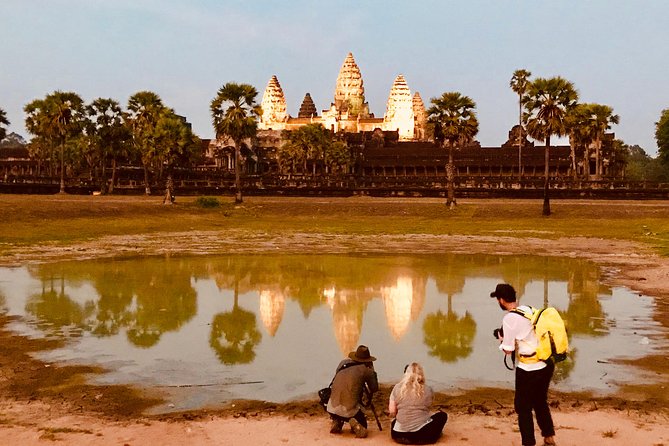
Angkor at dawn and dusk is a mood. This 3-day Siem Reap tour pairs sunrise and sunset at Angkor Wat with jungle temples, Phnom Kulen waterfall country, and time around Tonle Sap. You get hotel pickup, an air-conditioned ride, and an English-speaking guide who keeps the story straight as you move temple to temple.
I like two things a lot. First, you get a true private-group feel, so the day does not feel like a cattle line. Second, the routing is practical, you hit both the big hits and the quieter stops, then you still come home with context, not just photos.
One thing to think about: temple admission tickets are not included, and you will also need the Phnom Kulen ticket. Add in very early mornings, especially the 4:30am pickup for sunrise, and you’ll want to plan your energy, sleep, and budget accordingly.
In This Review
- Key highlights to notice before you go
- How this Siem Reap plan hits sunrise, sunset, and sacred sites
- Meet your guide, and why story matters at Angkor
- Day 1: Angkor Wat, Angkor Thom, Ta Prohm, and Phnom Bakheng sunset
- Day 2: 4:30am sunrise run plus Banteay Srei and the northern circuit
- Day 3: Phnom Kulen sacred mountain, Beng Mealea, and Tonle Sap calm time
- Temple tickets, timing, and what to pack for big days
- Food, comfort, and the role of air-conditioned transport
- Where this tour delivers best, and who should adjust expectations
- Should you book this 3-day Angkor and Phnom Kulen tour?
- FAQ
- What is included in the price?
- Are Angkor temple tickets included?
- Is the Phnom Kulen ticket included?
- Does the tour include hotel pickup?
- How early is pickup for sunrise at Angkor Wat?
- Where does the tour take you on the third day?
- Is accommodation included?
- Is this tour private?
- Can I cancel for a full refund?
Key highlights to notice before you go
- Sunrise and sunset at Angkor Wat across two different starts, so you can compare light and crowd levels
- Private guide with clear explanations, with a style that mixes humor and serious history when it counts
- Day 1 full Angkor sweep, covering Angkor Thom highlights like Bayon, Baphuon, and Ta Prohm
- Day 2 northern temples that feel calmer, including Banteay Srei and the Preah Khan complex
- Phnom Kulen National Park stop, bringing in sacred-mountain scenery and the waterfall area
- Meals and cold water included, helping you last through hot, long temple days
How this Siem Reap plan hits sunrise, sunset, and sacred sites
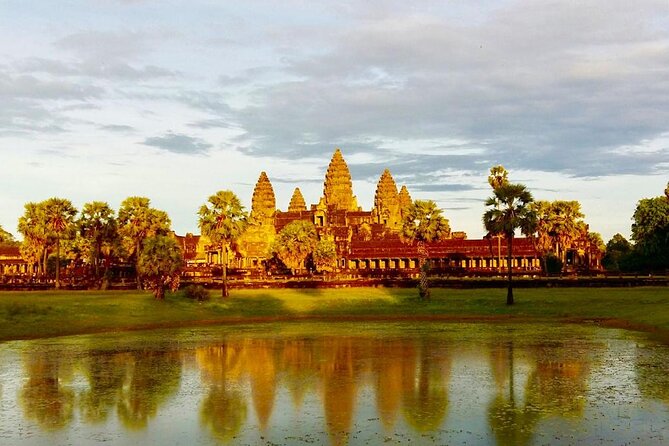
This is a classic Angkor pairing: temple giants in the morning, then the big moments again at sunset. What makes it work over three days is the mix of timing and variety. You do not just repeat one circuit, you rotate through different temple zones and different vibes, from stone cities to jungle growth.
You’ll spend a lot of time outside, and the route is built for that reality. Day 1 and Day 2 both focus on Angkor area temples, with a sunrise run on Day 2, then a sunset spot on Day 1. Day 3 shifts gears toward Phnom Kulen and the countryside, which is a welcome change of pace from crowds.
The tour also flags the big reality upfront: admissions for temples and Phnom Kulen are extra. If you treat this as a guide-and-transport package, and budget temple tickets separately, the whole trip feels smooth.
Meet your guide, and why story matters at Angkor
The biggest asset here is your guide, Hok Cambodia Journeys and guide Hok in particular. The feedback that matters most is how he explains what you are seeing, with clarity and personality. You get the sense that he’s guiding, not just transporting.
At Angkor, it is easy to stare at carvings and feel lost. A good guide helps you connect a temple to the ruler who built it, the god it was dedicated to, and the spiritual logic behind the layout. On this route, those details show up constantly, since you visit both Hindu and Buddhist sites in a single multi-day flow.
There is also a practical layer. People liked that he keeps things organized and looks after the group’s comfort and needs. That matters on the days with early pickups, heat, and lots of walking between spots.
More trips up into the Kulen hills
- Kulen Mountain: Small-Group Tour and Picnic lunch★ 4.9 · 1,802 reviews
- Siem Reap: Kulen Mountain, Beng Mealea and Tonle Sap Tour★ 5.0 · 1,483 reviews
- Phnom Kulen Waterfall & the Sacred 1000 Lingas (with Lunch)★ 4.8 · 974 reviews
- Kulen Mountain with Beng Mealea and Tonle Sap Small Group Tour★ 5.0 · 780 reviews
Day 1: Angkor Wat, Angkor Thom, Ta Prohm, and Phnom Bakheng sunset
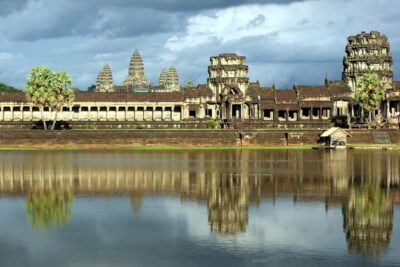
Day 1 starts at 8:00am with pickup from your hotel. You head to Angkor Wat for a couple of hours, with time to explore the surrounding area, including local villages and the forest around the temple complex. That extra context helps Angkor feel less like a one-building museum and more like a living region with people and history close by.
Angkor Wat is the anchor. You’ll see the main temple space, but the route also sets you up for what comes next. The key here is building momentum, because the day becomes a temple hop through the old Khmer capital zone.
Then you move into Angkor Thom, the ancient stronghold city. You’ll hear the old name Yashodarapura, tied to King Yasorvarman I, and you get the meaning of Angkor Thom as a great king city. This is where the scale starts to land. You’re not just visiting monuments, you’re moving through a capital.
From there, you hit the standout central landmark, Bayon Temple. It sits in the middle of Angkor Thom and was built by King Jayavarman VII, dedicated to Lord Lokesvara. If you want an instant “wow” moment, Bayon is a top candidate, and it helps to have a guide explain why the temple is shaped the way it is.
Next comes Baphuon, a major Hindu monument built between 1050 and 1066 to honor Lord Shiva. It’s tied to Mount Meru symbolism, and the design logic is much easier to appreciate once you’ve already started seeing the Khmer worldview take shape across the day.
You also stop at Terrace of the Elephants, the royal conference hall in front of the royal palace area. It’s a quick stop, but it gives you the “court and power” view of Angkor, not only the religious side.
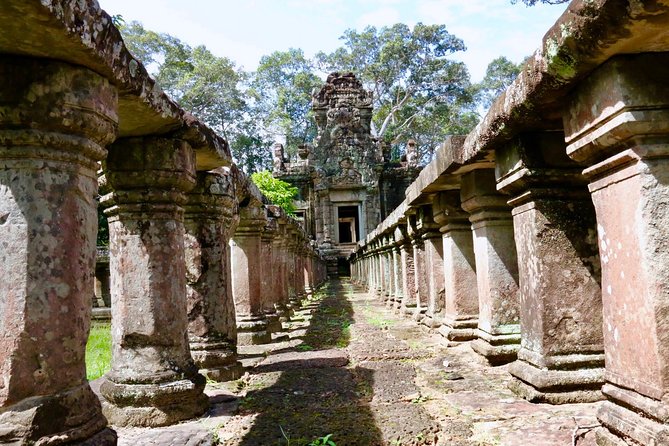
The emotional peak for many people is Ta Prohm, the jungle temple made famous through film. It’s built by King Jayavarman VII in 1186, dedicated to his mother. The jungle growth is part of the attraction, but the bigger value is understanding the temple’s place in the Khmer era, not just the movie connection.
After that, you add Pre Rup, an enormous brick and stone temple from 961 A.D. The stop is short, but it ties to Lord Shiva and Mount Meru mythology. This is another spot where a little explanation goes a long way.
Finally, the day ends with Phnom Bakheng, one of the major sunset destinations. The temple sits in a region that was once the center of the Khmer Empire capital. You’ll likely see why people come here specifically at sunset, because the views are part of the experience, not a bonus.
Practical downside: Day 1 is packed. You’ll be moving from one major site to another with limited buffer time, so bring water, plan for sun, and keep your pace realistic.
Day 2: 4:30am sunrise run plus Banteay Srei and the northern circuit
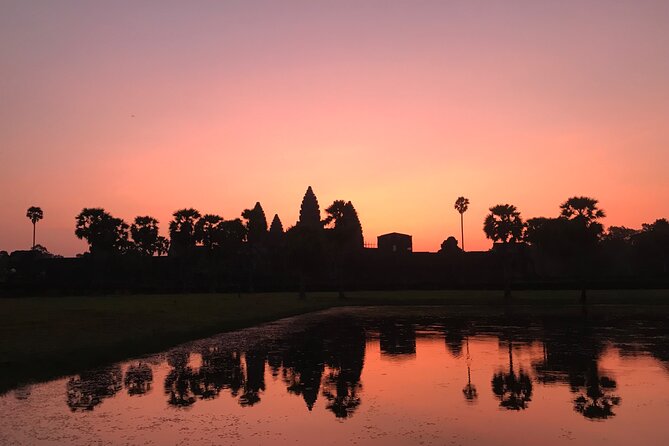
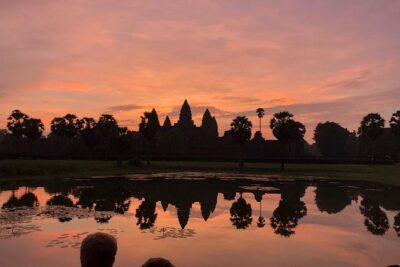
Day 2 is the early one, with pickup at 4:30am. This is the sunrise approach, and the logic is simple: you want the light on the temples and less time fighting later crowds. Even if you are not a strict sunrise person, sunrise at Angkor Wat gives you a different visual mood.
You’ll spend about 1.5 hours at Angkor Wat during this early slot. If you did Angkor Wat on Day 1, the value here is comparison, not repetition. Day 1 gives you the full day context, Day 2 gives you the “serious light” version.
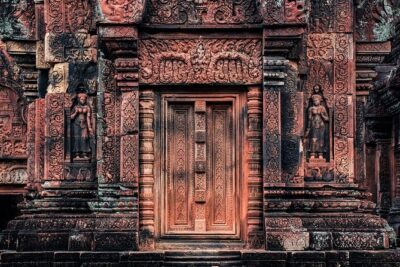
Then you head to the north with Banteay Srei, known for its pink stone. It’s about 37km north of Angkor Wat, and it’s named Lady Temple. People tend to love it because the stonework feels delicate compared to some of the larger, more monumental sites.
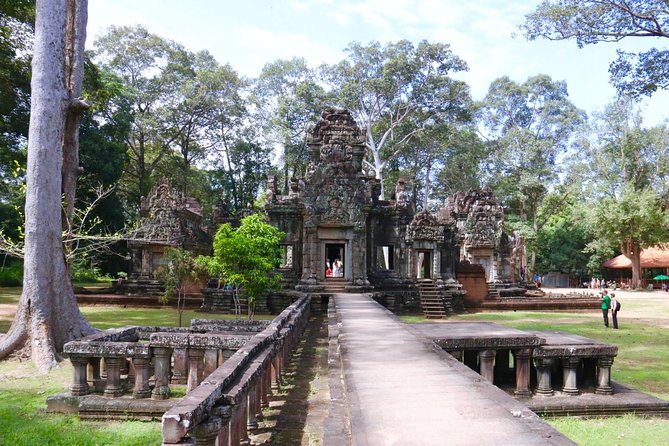
After that is Preah Khan (Holy Sword Temple), a large complex dedicated to Jayavarman VII. This stop is built around what’s still in good condition, including fine Khmer carvings. If you care about craft and details, this is one of the better stops on the route.
You keep going with Ta Som, a Mahayana Buddhism temple tied to Jayavarman VII and ancestors. The stop is shorter, but it helps you see the spread of religious styles across the Angkor world.
Then you visit Neak Pean, located in the center of a lake. It’s called the entwined serpents, and it’s described as originally designed for medical purposes based on ancient beliefs. Even if you do not treat it like a “medical” site today, it’s a unique temple type because of the water setting.
Next is Banteay Samre, on the east side of a water reservoir. It is dedicated to family and friends, built by King Suriyavarman II, and it’s noted as well preserved in stone details. This is a nice way to close the day’s northern circuit with something that feels intact and readable.
Practical downside: the payoff of Day 2 is the early start, but that means you will want sleep the night before. If you plan to party in Siem Reap late, this tour will remind you that temples do not care.
Day 3: Phnom Kulen sacred mountain, Beng Mealea, and Tonle Sap calm time
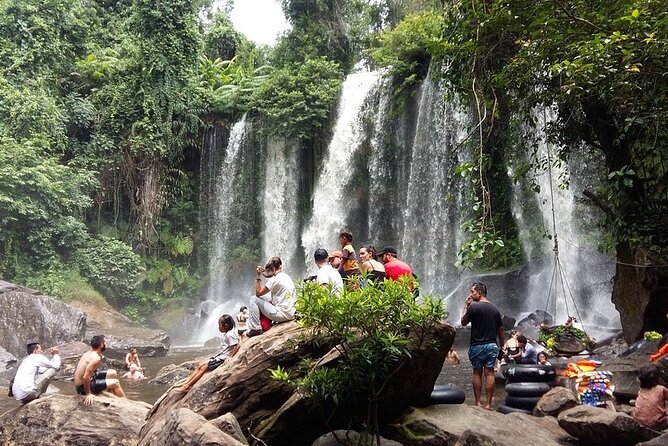
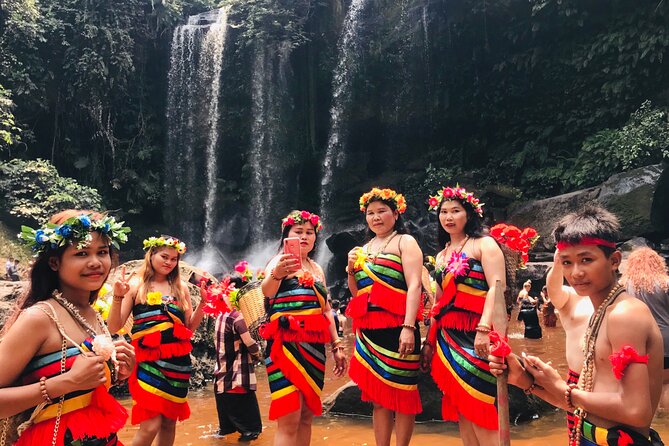
Day 3 shifts outside the Angkor zone. It starts at Phnom Kulen National Park, a sacred mountain area with plenty going on. You’ll have around two hours there, with time for highlights like the holy waterfall area, a reclining Buddha, a sacred river with thousand lingas, and mentions of Srash Damrei and Bat Cave.
Even with limited time, this stop is valuable because it breaks the Angkor pattern. Instead of only stone temples, you get nature and sacred geography in the same day. It also gives you a “Cambodia beyond Angkor” feeling, which helps keep the trip from feeling like a single-theme marathon.
After Phnom Kulen, you drive to Prasat Beng Mealea. This is described as a remote jungle temple, about 66km from Siem Reap. The benefit is atmosphere. If you want Angkor, but with more wild, overgrown energy, this stop tends to land well because it feels less polished than some of the famous showpiece temples.
Then you head to Tonle Sap Lake for about an hour. This is where the trip widens again, into Cambodia’s largest freshwater lake and the communities around it. The tour description specifically mentions the floating village, and Tonle Sap is one of those places where you quickly realize how water shapes life here.
Practical downside: Day 3 is the most “varied” day. That’s good if you like change, but it can feel like you are moving fast if you prefer one single zone and lingering. For most people, the contrast is exactly what keeps the three days from blurring together.
Temple tickets, timing, and what to pack for big days
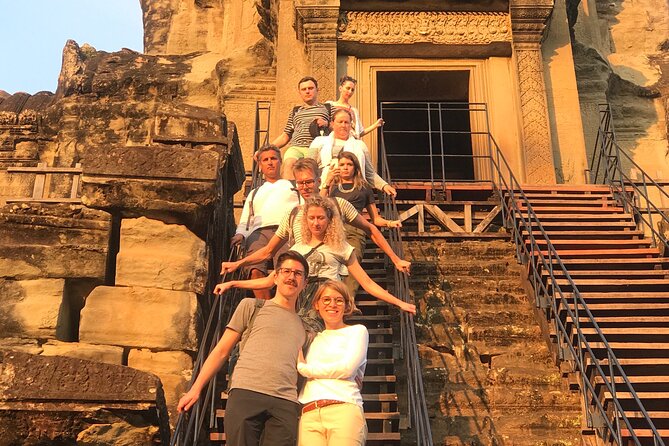
The tour includes guide, air-conditioned transport, cool water and towels, and meals. It does not include Angkor temple tickets, and it does not include the Phnom Kulen ticket. Before you book, I’d treat tickets as a separate budget line and decide in advance what temple days you want most.
Timing matters here. You’ll have a Day 2 4:30am pickup for sunrise, plus Day 1 morning starting at 8:00am. That means your most important packing item is not a hat, it’s your sleep plan. Go to bed early on night one. Then hydrate early. Then do the sunrise properly instead of dragging through it.
What to bring based on the reality of temple days:
- A hat and sunscreen, because you will be outside for long stretches
- Comfortable shoes you can walk in for hours
- Light layers, mornings can feel cooler before the sun ramps up
- A small bag for water and personal items, since you will be moving from stop to stop
Also, plan your energy for photos. Angkor is full of angles. If you treat it like one photo stop after another, you’ll burn out. If you treat it like a slow walk with short observation breaks, you’ll enjoy it more.
Also on our Siem Reap list, if none of these land
Food, comfort, and the role of air-conditioned transport
One of the less flashy but very real comforts here is that the vehicle is air-conditioned, and you get cool water and towels. When you are visiting multiple temple sites back to back, these small things add up to a big difference. You can stay focused on what you are seeing instead of fighting heat fatigue.
Meals are also included: two lunches and drinks across the three days. Since admission fees are extra, having meals handled is part of why this can still feel like good value. You reduce the need to hunt for food between temple stops, which also helps your day flow.
If you are the type who hates waiting, you’ll appreciate that the schedule is built around time on-site and travel between sites. That does not mean you never sit in traffic, but it does mean you get stops that make sense and time that is clearly allocated.
Where this tour delivers best, and who should adjust expectations
This tour is a strong fit if you want:
- A private-group experience rather than a big bus feel
- A guide who explains the temples as you go, with history tied to the specific sites you visit
- A three-day mix of Angkor icons, plus countryside and sacred mountain scenery
It’s also a good match if you already know you want sunrise at Angkor Wat. The 4:30am setup is not optional here, it’s built into the structure. If sunrise is your thing, you’ll love that you also get a sunset angle later.
Who might adjust expectations? If you dislike early mornings, or if you want long free time at each site, this schedule may feel tight. The stops are frequent and the days are long. You still get quality time, but it’s a “see a lot, understand a lot” style rather than a slow museum-day style.
Should you book this 3-day Angkor and Phnom Kulen tour?
If your top priority is to see major Angkor temples with a guide who tells the story in plain language, this is a solid choice. The best reasons are the combination of sunrise and sunset timing, a route that covers both famous names and less immediate stops, and a guide style people describe as both humorous and clear. That mix makes the temples feel less random.
If your budget is tight, make sure you price in temple admission tickets plus the Phnom Kulen ticket before you commit. At $250 per person, the value hinges on how much you care about guided interpretation and efficient routing. If you are happy to pay for organization and context, you’ll likely feel you got your money’s worth.
My rule of thumb: book this if you want structure, expert storytelling, and a real three-day sweep that ends with Tonle Sap and Phnom Kulen, not just more Angkor.
FAQ
What is included in the price?
The tour includes an air-conditioned vehicle, an English-speaking guide, cool water and towels, and meals, including 2 lunches and drinks.
Are Angkor temple tickets included?
No. Admission to Angkor temples is not included.
Is the Phnom Kulen ticket included?
No. The Phnom Kulen ticket is not included.
Does the tour include hotel pickup?
Yes. Pickup is offered from your hotel.
How early is pickup for sunrise at Angkor Wat?
For the sunrise tour on Day 2, pickup is at 4:30am.
Where does the tour take you on the third day?
On Day 3 you visit Phnom Kulen National Park, then Prasat Beng Mealea, and finish with Tonle Sap Lake.
Is accommodation included?
No. Accommodation is not included, so you choose your own place to stay in Siem Reap.
Is this tour private?
Yes. It is described as private, meaning only your group participates.
Can I cancel for a full refund?
You can cancel up to 3 days in advance of the experience for a full refund, based on local time. If you cancel less than 3 full days before the start time, the amount paid is not refunded.
More Tours in Siem Reap
- Angkor Wat Sunrise or Sunset Tour with Guide from Siem Reap★ 5.0 · 12,109 reviews
- Siem Reap: Angkor Wat: Small-Group Sunrise or Sunset Tour★ 5.0 · 9,444 reviews
- From Siem Reap: Kampong Phluk Floating Village Tour by Boat★ 4.9 · 6,979 reviews
- Siem Reap: Angkor Wat 2-Day Tour with Sunrise and Sunset★ 4.9 · 4,429 reviews
More Tour Reviews in Siem Reap
- Angkor Wat Sunrise or Sunset Tour with Guide from Siem Reap★ 5.0 · 12,109 reviews
- Siem Reap: Angkor Wat: Small-Group Sunrise or Sunset Tour★ 5.0 · 9,444 reviews
- From Siem Reap: Kampong Phluk Floating Village Tour by Boat★ 4.9 · 6,979 reviews
- Siem Reap: Angkor Wat 2-Day Tour with Sunrise and Sunset★ 4.9 · 4,429 reviews
More Days in the Kulen Hills
- Kulen Mountain: Small-Group Tour and Picnic lunch★ 4.9 · 1,802 reviews
- Siem Reap: Kulen Mountain, Beng Mealea and Tonle Sap Tour★ 5.0 · 1,483 reviews
- Phnom Kulen Waterfall & the Sacred 1000 Lingas (with Lunch)★ 4.8 · 974 reviews
- Kulen Mountain with Beng Mealea and Tonle Sap Small Group Tour★ 5.0 · 780 reviews
Newly written up around Siem Reap
- Waterfall & River of 1000 Siva Linga- Kulen Mountain Private Tour
★ 5.0 · 3 reviews - Private Transfer from Siem Reap to Sihanoukville
★ 4.5 · 3 reviews - Private Tour to Koh Ker and Beng Mealea
★ 5.0 · 3 reviews - Private Transfer: Siem Reap Angkor Internation Airport to Hotel
★ 5.0 · 3 reviews - Kulen National Park Ticket -Waterfall & 1000 Lingas
★ 5.0 · 3 reviews - Kulen Waterfall & Kbal Spean Tour
★ 5.0 · 3 reviews
Phnom Kulen & Kbal Spean Waterfalls, side by side.
 ★ 4.9Kulen Mountain: Small-Group Tour and Picnic lunchFrom $481,802 reviews
 ★ 5.0Kulen Mountain, Beng Mealea and Tonle Sap TourFrom $481,483 reviews
 ★ 4.8Phnom Kulen Waterfall & the Sacred 1000 Lingas (with Lunch)From $48974 reviews
 ★ 5.0Kulen Mountain with Beng Mealea and Tonle Sap Small Group TourFrom $54780 reviews
 ★ 5.0Guided Small-Group Tour in Kulen Mountain Park WaterfallFrom $45480 reviews
 ★ 5.0Kulen Mountain Waterfall Tour with Picnic Lunch from Siem ReapFrom $49238 reviews
 ★ 5.0Kulen Waterfall & 1000 Linga River Small-Group ToursFrom $59234 reviews
 ★ 5.0Banteay Srei, Kulen Waterfall & Beng Mealea ExplorationFrom $49185 reviews
Also appears in