
REVIEW · CAMBODIA
3-Day Tour (The Historical of Khmer Empire)
Three days, one big Khmer story. You’ll see classic Angkor icons and lesser-visited ruins on a fully private schedule that keeps the day moving without feeling rushed. I like that this tour stitches the “why” of Khmer kings into the “wow” of stone faces, jungle temples, and far-flung capitals.
Two things I especially like are the English-speaking guide focus and the day length that matches how temple visits actually work. It also helps that the transport is air-conditioned, and you’ll get cool water plus a cool wet towel during the long hours.
One drawback to plan for up front: the Angkor entry pass and meals are not included. That means you’ll need to budget extra on top of the $250.50 per person price, and you’ll be responsible for lunch on your own.
In This Review
- Key highlights worth your attention
- Three days of Khmer Empire temples, planned around real time
- Price and what you really get for $250.50 per person
- Day 1: Angkor Thom icons, plus Banteay Srei and Pre Rup sunset
- Angkor Thom stops that set the tone
- Afternoon carving stop: Banteay Srei and Banteay Samre
- Optional viewpoint: Phreah Rup (Pre Rup)
- Day 2: Angkor Wat, Ta Prohm trees, and the Roluos-era loop
- Start strong with Angkor Wat
- Ta Prohm and Ta Nei: jungle temples with photo payoff
- Afternoon: Bakong, Lolei, and Preah Ko
- Psar Chaa Old Market to close the day
- Day 3: Koh Ker’s temporary capital and the wild Beng Mealea experience
- Koh Ker Temple at 113 km
- Beng Mealea: jungle temple scale
- Optional viewpoint: Pre Rup again
- What the entrance pass and dress code mean on the ground
- The pass is required, and it is not included
- Dress code: shoulders and knees matter
- Comfort, timing, and the guide factor you should not ignore
- Smart tips for packing and avoiding common tour annoyances
- Protect your electronics from natural elements
- Plan for long walking days
- Lunch is on you
- Consider the one change that can affect your whole plan
- Should you book this 3-Day Historical of Khmer Empire tour?
- FAQ
- Is lunch included during the tour?
- Do I need to buy an Angkor Archaeological site pass?
- What is the dress code for temple visits?
- Will pickup be included from my hotel?
- What happens if weather is bad?
- Is free cancellation available?
Key highlights worth your attention
- Private, not just “small group.” Only your party joins the tour, so you’re not trapped in someone else’s pace.
- Crowd-smart temple order. The route hits Angkor’s big names while timing still gives you better breathing room.
- Far temples on Day 3. Koh Ker and Beng Mealea add variety beyond the usual Angkor-only loop.
- Clear cultural expectations. The dress code is enforced at some temples, so pack accordingly.
- Comfort support during heat. Air-conditioned vehicle, cool water, and a cool wet towel help a lot on long days.
- Customizable within the plan. You can adjust the experience, rather than being locked into a rigid group schedule.
Three days of Khmer Empire temples, planned around real time
This tour is built for people who want the Khmer Empire story told in the right order, not just a checklist of monuments. You start early, typically around an 8:00am pickup, and the touring window runs until about 5:00pm each day. That’s important because temples in this region are not a quick in-and-out experience, especially when you want to read details and take photos without sprinting.
The other big win is the private format. You’re not balancing everyone’s pace, bathroom stops, or photo style. If your group wants more time at one stop, you’re usually better positioned to ask for it, and that is where “history tour” turns into a trip you’ll actually remember.
Also note the tour does not include dinner or breakfast, and lunch is excluded. The guide can help with practical choices near the Angkor area, but you’re still deciding your own meals during the day. Plan your energy accordingly, because you’ll be outside for long stretches.
Price and what you really get for $250.50 per person
At $250.50 per person for about three days, this isn’t just transportation and tickets. You’re paying for a full private day out with an English-speaking guide, an air-conditioned vehicle with a professional driver, all applicable taxes and service charges, plus practical comfort items like cool water and a cool wet towel.
Here’s the honest math: the big extra cost is the Angkor Archaeological site entrance pass. The tour does not include that pass, and it’s required to enter the temple areas. The pass is sold in US dollars and gives access to sights in and around Angkor, and it needs to be visible.
Meals are the other add-on. Breakfast and dinner are not included, and lunch is also excluded, meaning you’ll pay out of pocket for food. If you’re a couple, this is fine. If you’re a larger family, budgeting matters because those costs stack quickly.
So is it good value? For me, it is when you care more about guidance and pacing than about doing things as cheaply as possible. The private setup can make sense fast if you want everyone in your party to stay together, ask questions, and move efficiently.
More history on the ground in Siem Reap
- 2 Days Guided Historical Tour in Angkor★ 5.0 · 855 reviews
- Siem Reap: Banteay Srei and Grand Circuit Heritage Tour★ 4.9 · 163 reviews
- Banteay Srei and Grand Circuit Heritage Tour from Siem Reap★ 5.0 · 142 reviews
- Angkor World Heritage with Sunrise – Small Group★ 5.0 · 32 reviews
Day 1: Angkor Thom icons, plus Banteay Srei and Pre Rup sunset
Day 1 focuses on the Angkor Thom core and its most famous imagery, then shifts to carvings and craftsmanship in the afternoon. It’s a smart arc because it starts with the scale and identity of Angkor, then moves to temples where you can slow down and notice details.
Angkor Thom stops that set the tone
You’ll begin with Bayon Temple, famous for the giant stone faces that became one of the most recognizable images of classic Khmer art. The place works even if you’re not an art nerd, because it has visual rhythm. You look up, you circle, and the faces keep “reappearing” from different angles.
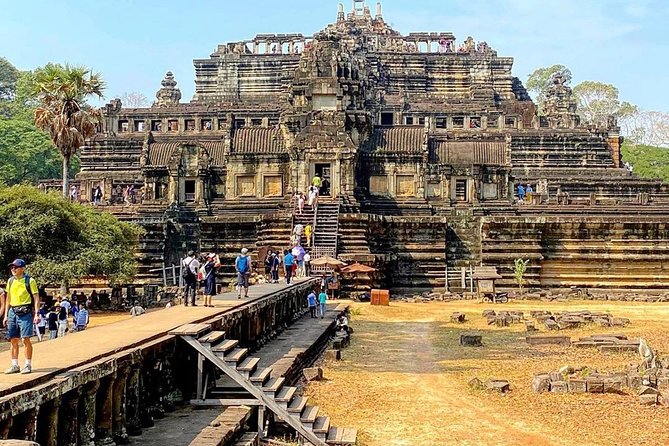
Next is Baphuon, described as a three-tiered Temple Mountain built as the state temple of Udayadityavarman II, dedicated to Shiva. Even if you’re just skimming, the temple’s layout communicates hierarchy and power. This is where the tour becomes more than sightseeing, because your guide can connect form to royal purpose.
Then you walk the heart of Angkor Thom’s decorative storytelling with:
- Terrace of the Elephants, a long carved terrace wall with elephants and garudas.
- Terrace of the Leper King, a double terrace with deeply carved mythological beings. The terrace name comes from the status of the “Leper King” figure at the top.
After that you move to Preah Palilay, in a cooler, shaded forest setting. The eastern gopura has Buddhist-themed carvings, and it’s a nice tempo change after the heavier crowd energy around Angkor Thom.
Afternoon carving stop: Banteay Srei and Banteay Samre
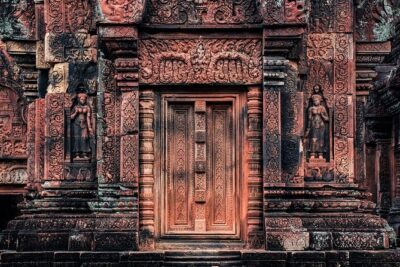
After lunch in the Angkor area, you head to Banteay Srei, known as the citadel of women, tied to the delicate beauty of its carvings. This is the kind of place where the right guide makes a big difference. Khmer art here is about precision, and you’ll want time to look up and around.
Next is Banteay Samre, described as a large flat temple with Angkor Wat-style architecture. It’s a good contrast to the earlier mountain-temple feel, and it gives your eyes a different kind of geometry to track.
Optional viewpoint: Phreah Rup (Pre Rup)
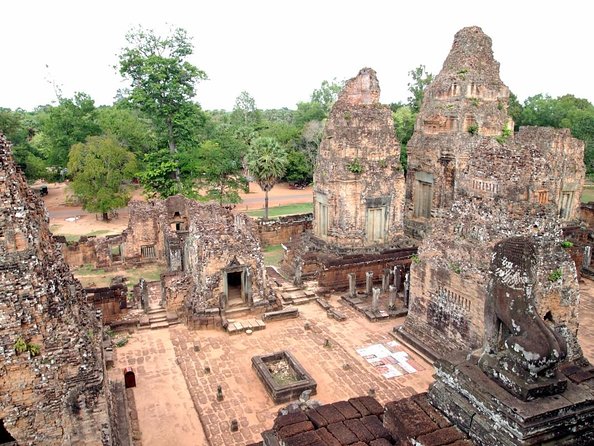
If conditions and timing work, you can aim for Pre Rup at sunset. It’s called out for architecturally and artistically superior temple-mountain qualities, including false doors on the upper level, plus a strong view over the countryside. If you’re sensitive to heat or you want to start Day 2 fresh, skip it and go for a calmer end to the day.
Also on our Siem Reap list, if none of these land
Day 2: Angkor Wat, Ta Prohm trees, and the Roluos-era loop
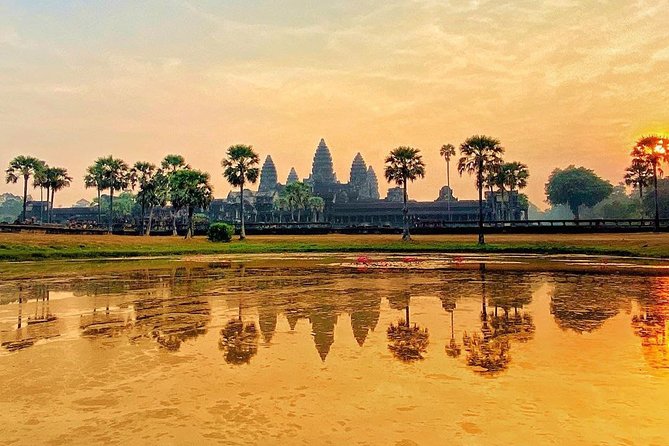
Day 2 is where Angkor Wat takes the center stage, then you get the darker, quieter mood of jungle temples, and finish with a set of earlier capital sites plus Old Market time.
Start strong with Angkor Wat
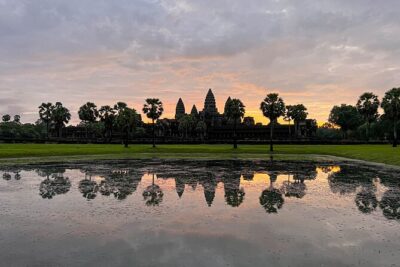
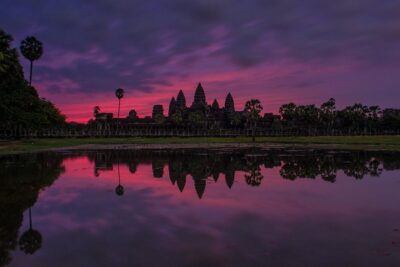
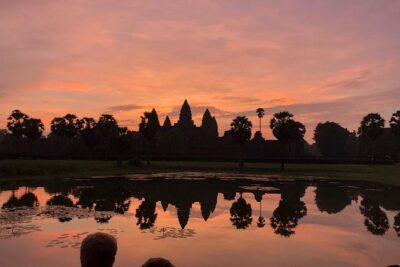
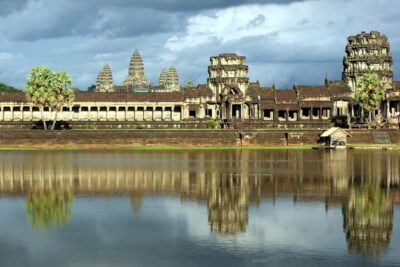
You begin at Angkor Wat, the ancient temple city and one of the most famous monuments in the region. It’s described as having masterpieces of decorative details and architectural style, with ruins that survived as awe-inspiring remnants. This is not just about seeing the main buildings. With a good guide, you’ll understand how the layout supports the symbolism of the site.
Ta Prohm and Ta Nei: jungle temples with photo payoff
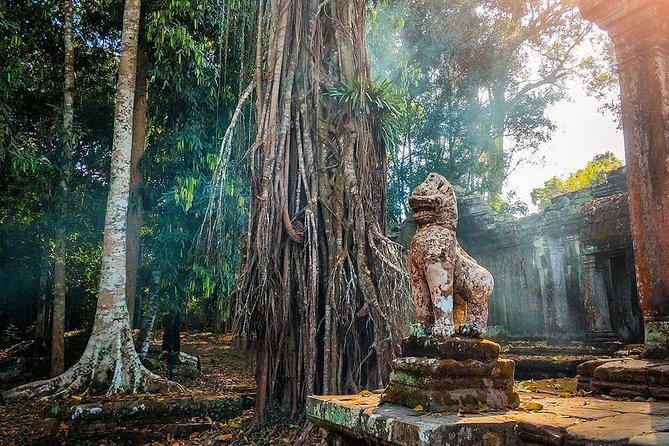
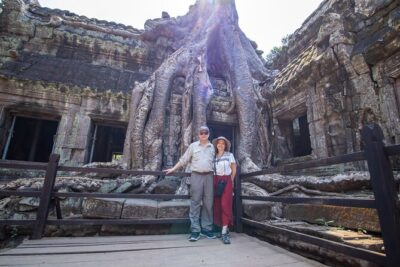
Next comes Ta Prohm, known for partially cleared jungle overgrowth and the classic tree-in-temple photo opportunities. The key here is pacing. Don’t try to “beat” the jungle feeling by rushing through. Let the shade and partial clearing guide where you stand for your pictures.
Then you move to Ta Nei (listed as Tanie), described as a jungle temple reminiscent of Ta Som, with classic Jayavarnan VII artistry. The stop highlights apsara and lintel carvings, which are exactly the details that are easy to miss if you keep your eyes only on the big trees.
Afternoon: Bakong, Lolei, and Preah Ko
After lunch on your own near the Angkor area, the route turns toward the Roluos area:
- Bakong, called the most impressive member of the Roluos Group and centered in the first Angkorian capital.
- Lolei, an island-temple built in the middle of a now-dry baray, Indrataataka, described as the first large-scale buray constructed by a Khmer king.
- Preah Ko, one of the first major temples of the empire, tied to the early Khmer capital of Hariharalaya.
This is where the tour’s “historical of Khmer Empire” theme really comes together. You’re not only seeing monuments, you’re seeing how power shifted across time and space.
Psar Chaa Old Market to close the day
Finally, you’ll visit Psar Chaa (Old Market). It’s described as the most visited market for souvenirs and curios. This stop is useful because after full temple days, it gives you something low-pressure: you can compare prices, pick up small gifts, and just decompress.
Day 3: Koh Ker’s temporary capital and the wild Beng Mealea experience
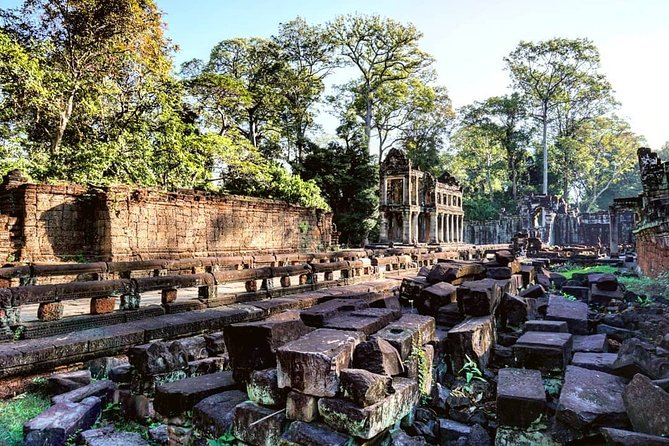
Day 3 goes farther out, and that’s the best antidote to “Angkor fatigue.” Both major stops are described as outside the usual immediate Siem Reap circuit, so the day feels like a real change of pace.
Koh Ker Temple at 113 km
You head to Koh Ker, about 113 km from Siem Reap. It’s noted as being constructed during a period of internecine strife within the Angkorian Kingdom and becoming the temporary capital of King Jayavarman IV. That story matters because it explains why a site like this exists, not just that it’s old.
The tempo here is usually different from Angkor itself. You’ll get a wider sense of the kingdom’s reach, because Koh Ker feels less like a single “stage” and more like a monument in a broader space.
Beng Mealea: jungle temple scale
In the afternoon you visit Beng Mealea, about 60 km from Siem Reap town. The tour description emphasizes that jungle covers over a one-square-kilometer area around the temple. It’s a Hindu temple built around the end of the 11th century period.
This is one of the places where the scale hits you. The jungle setting means you’re not only looking at carvings, you’re seeing how nature reclaimed a sacred space. If you want the comfort of a clean, manicured complex, this won’t be that. If you want authentic, half-wild ruin energy, it delivers.
Optional viewpoint: Pre Rup again
There’s also an optional Pre Rup sunset on Day 3. If you already did it on Day 1, you may prefer rest, but if you skipped earlier, this is your second chance at that countryside view.
What the entrance pass and dress code mean on the ground
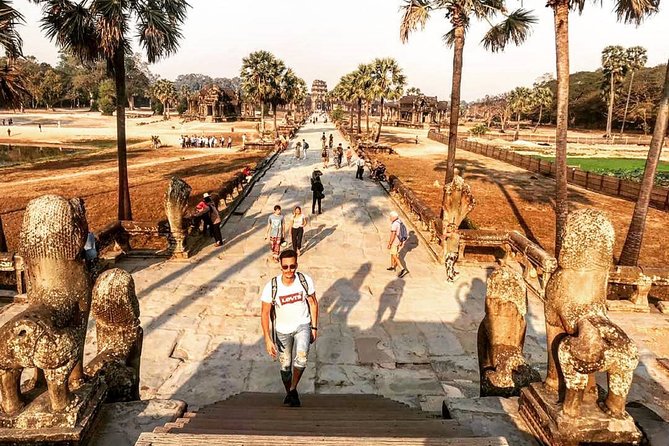
Two practical rules can make or break your day: the Angkor Archaeological site pass and the dress code.
The pass is required, and it is not included
The tour does not include the entrance pass. You buy it at the main gate into Angkor, and it covers access to sights in and around Angkor. Fees are charged in US dollars only, and the pass should be visible at all times.
Children under 12 are free of charge, but adults will need to budget for the pass. Since the exact duration pass options are not listed here, I suggest you decide how many days you’ll be inside the Angkor complex area and match that to the pass type.
Dress code: shoulders and knees matter
The dress code is stated clearly: light clothes that cover shoulders and knees. Some temples and palaces, including Baphuon, uphold a strict dress code, so follow it even if the weather feels hot.
The rules also mention that people wearing shirts with obscene and disrespectful prints and pictures, or brightly-coloured clothing, may be refused entrance. That means you should pack something simple and neutral if you have clothes that are even slightly questionable.
If you’re traveling with kids, this is one more reason to pack ahead. It’s easier to manage expectations in the morning than to scramble at the last minute.
Comfort, timing, and the guide factor you should not ignore
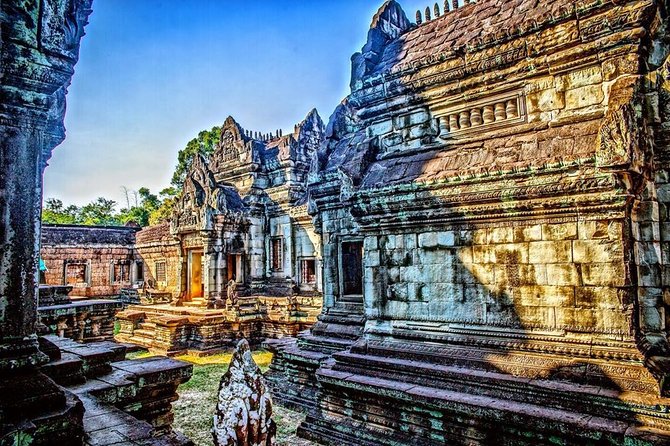
A three-day temple tour lives or dies on small daily decisions: when you arrive, how you move, and whether someone helps you interpret what you’re seeing.
This tour’s comfort layer is real. You’re in an air-conditioned vehicle, with a professional driver, and you get cool water and a cool wet towel. That matters because a full day from 8:00am to 5:00pm means heat and humidity are part of the deal.
The guide part is where you gain depth without slowing down. The names that have shown up with strong praise include Mr. Veasna and Mr. Sophea, and the common thread is that they explain each temple and help you hit picturesque photo locations. That is a big deal because temples can look similar until someone points out the specific features, like false doors at Pre Rup or the mythological carvings on Terrace of the Leper King.
One more timing note: pickup time is supposed to be confirmed, and the operator says they will make efforts to confirm the exact pickup time upon reservation. If they cannot confirm in advance, they will notify you the day before departure if there are operational issues.
Smart tips for packing and avoiding common tour annoyances
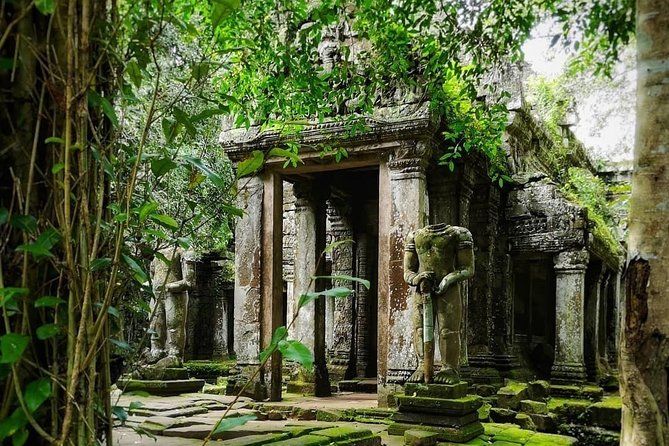
Here are practical things I’d do before you go, based on what’s stated and what usually causes trouble on site.
Protect your electronics from natural elements
The tour notes that natural elements can have a destructive effect on electronic equipment. That means humidity and dust are real concerns for phones and cameras. If you’re bringing gear, keep it wrapped and protected as needed.
Plan for long walking days
Most people can participate, but this is still a full-day temple route. Wear comfortable shoes you can walk in for hours. Bring a light layer that still meets the shoulder and knee rules.
Lunch is on you
Lunch is excluded during the full-day tour. You can plan something quick and nearby in the Angkor area, or use the guide’s guidance for practical options, but you should not count on meals being built into the package.
Consider the one change that can affect your whole plan
The experience requires good weather. If it’s canceled due to poor weather, you’ll be offered a different date or a full refund. Keep that in mind when you’re stacking tours during the same week.
Should you book this 3-Day Historical of Khmer Empire tour?
Book it if you want a private, guided Khmer Empire route that covers more than the usual Angkor-only highlights. It’s especially a good fit if you:
- care about having someone explain what you’re looking at, not just where to take photos
- want both iconic Angkor sites and farther temples like Koh Ker and Beng Mealea
- prefer comfort and smoother logistics, with air-conditioned transport and cool towels
Skip or rethink it if you’re trying to travel as cheaply as possible, since the Angkor entrance pass and meals are not included. Also be honest with yourself about the dress code and long days. If your wardrobe is not already suited for covered shoulders and knees, you’ll need to solve that before you start.
If you do book, do two things early: buy the right entrance pass duration for your days in the Angkor area, and pack at least one light outfit that fully matches the rules. That way, you spend your energy on stone faces, carved terraces, jungle temples, and the Khmer story that connects them all.
FAQ
Is lunch included during the tour?
No. Lunch is excluded (on your own payment) during the full-day tour.
Do I need to buy an Angkor Archaeological site pass?
Yes. Entrance pass to the Angkor Archaeological site is not included. You purchase it at the main gate into Angkor in US dollars, and it gives access to sights in and around Angkor.
What is the dress code for temple visits?
You should wear light clothes that cover shoulders and knees. Some places like Baphuon have strict dress code enforcement, and clothing with obscene or disrespectful prints may lead to refusal of entrance.
Will pickup be included from my hotel?
Pickup is offered, and the operator will make efforts to confirm the exact pickup time after you book. Return transfers for the excursion are inclusive only for customers staying in and inside Siem Reap.
What happens if weather is bad?
The experience requires good weather. If it is canceled due to poor weather, you will be offered a different date or a full refund.
Is free cancellation available?
Yes. You can cancel up to 24 hours in advance for a full refund. If you cancel less than 24 hours before the start time, the amount paid is not refunded.
More of the Past, Walked Through
- 2 Days Guided Historical Tour in Angkor★ 5.0 · 855 reviews
- Siem Reap: Banteay Srei and Grand Circuit Heritage Tour★ 4.9 · 163 reviews
- Banteay Srei and Grand Circuit Heritage Tour from Siem Reap★ 5.0 · 142 reviews
- Angkor World Heritage with Sunrise – Small Group★ 5.0 · 32 reviews
More Tours in Siem Reap
- Angkor Wat Sunrise or Sunset Tour with Guide from Siem Reap★ 5.0 · 12,109 reviews
- Siem Reap: Angkor Wat: Small-Group Sunrise or Sunset Tour★ 5.0 · 9,444 reviews
- From Siem Reap: Kampong Phluk Floating Village Tour by Boat★ 4.9 · 6,979 reviews
- Siem Reap: Angkor Wat 2-Day Tour with Sunrise and Sunset★ 4.9 · 4,429 reviews
More Tour Reviews in Siem Reap
- Angkor Wat Sunrise or Sunset Tour with Guide from Siem Reap★ 5.0 · 12,109 reviews
- Siem Reap: Angkor Wat: Small-Group Sunrise or Sunset Tour★ 5.0 · 9,444 reviews
- From Siem Reap: Kampong Phluk Floating Village Tour by Boat★ 4.9 · 6,979 reviews
- Siem Reap: Angkor Wat 2-Day Tour with Sunrise and Sunset★ 4.9 · 4,429 reviews
Newly written up around Siem Reap
- Waterfall & River of 1000 Siva Linga- Kulen Mountain Private Tour
★ 5.0 · 3 reviews - Private Transfer from Siem Reap to Sihanoukville
★ 4.5 · 3 reviews - Private Tour to Koh Ker and Beng Mealea
★ 5.0 · 3 reviews - Private Transfer: Siem Reap Angkor Internation Airport to Hotel
★ 5.0 · 3 reviews - Kulen National Park Ticket -Waterfall & 1000 Lingas
★ 5.0 · 3 reviews - Kulen Waterfall & Kbal Spean Tour
★ 5.0 · 3 reviews
Historical Tours, side by side.
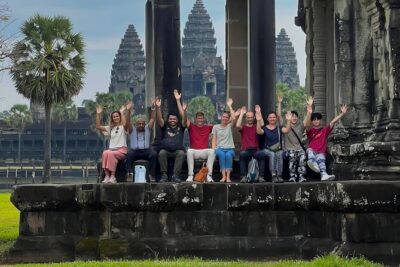 ★ 5.02 Days Guided Historical Tour in AngkorFrom $35855 reviews
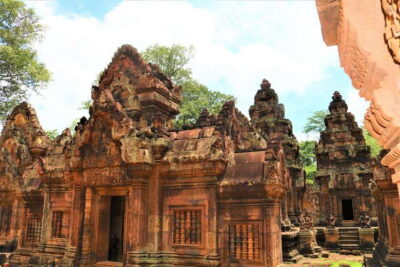 ★ 4.9Banteay Srei and Grand Circuit Heritage TourFrom $18163 reviews
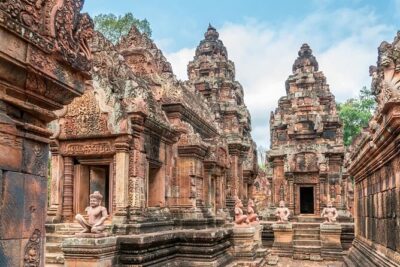 ★ 5.0Banteay Srei and Grand Circuit Heritage Tour from Siem ReapFrom $24142 reviews
 ★ 5.0Bokor Mountain Adventure – History, Sights and WaterfallsFrom $3565 reviews
 ★ 5.0Oudong Mountain History and Pagoda TourFrom $11039 reviews
 ★ 5.0Guided Phnom Penh Heritage TourFrom $2437 reviews
 ★ 5.0Angkor World Heritage with Sunrise – Small GroupFrom $1932 reviews
 ★ 5.0Private Angkor Wat Tour & Angkor Park/Heritage With Local GuideFrom $6020 reviews
Also appears in