
REVIEW · CAMBODIA
Angkor Wat 2-Day Tour
Angkor is big, so smart routing matters. This private 2-day Angkor Wat tour strings together the must-see temples without you getting lost, starting at 8:00am and ending with a sunset choice. What I like most is the mix of famous faces, like Bayon, with the quieter stops that still feel special. I also like the practical touches, like cold towels and bottled water timed for temple days.
You will walk a lot, and some carvings and towers are better viewed from certain angles. One possible drawback is that temple tickets are not included, so your total cost is temple-tickets plus this $360 tour fee.
If you want an easy, guided way to cover Angkor without guessing logistics, this is a solid pick. And if your guide is the good kind of guide, the whole place clicks fast.
In This Review
- Key highlights worth paying attention to
- How this Angkor Wat 2-day tour works in real life
- Day one: Angkor Wat and the small-circuit essentials
- Angkor Thom highlights: South Gate, Bayon faces, and the big impression
- Baphuon plus the Royal Palace terraces you will not forget
- Outside Angkor Thom: Chau Say Tevoda, Thommanon, and Takeo
- Ta Prohm: the Tomb Raider temple moment, with real-world context
- Banteay Kdei: restored, still calm, still worth the detour
- Srah Srang reservoir: plan for sunrise and sunset light
- Final act: sunset at Angkor Wat or Bakheng Mountain
- Price and value: what $360 covers, and what you should budget for
- Guides and drivers: the service details that make it feel smooth
- Dress code and temple tickets: the non-negotiables
- Who this tour fits best, and who might want something else
- Should you book the Cambodia Golden Tours Angkor Wat 2-day tour?
Key highlights worth paying attention to
- Private setup with an English speaking guide so you can ask real questions and get clear explanations
- Mobile ticket included, which helps reduce friction when you arrive
- Cold towels and drinking water during the day, the kind of detail you feel in the heat
- Angkor Thom and Angkor Wat anchors: South Gate, Bayon’s faces, Baphuon, and the famous sunset moment
- A mix of crowd magnets and calmer stops, including Ta Prohm and the wooded feel around Banteay Kdei
How this Angkor Wat 2-day tour works in real life
This is a two-day private temple program based out of Siem Reap. You start at 8:00am from Siem Reap, and you move by vehicle to each cluster of temples, with guide time built in between sites. The tour includes transport, an English speaking guide, cold towels, and drinking water, while temple tickets and lunch near the temples are separate.
That matters because Angkor is not one temple. It is a whole patchwork of temple zones. You do better with a route that connects the right areas on the right day, plus a guide who can keep you oriented when the stones start to blur together.
The itinerary you get is focused on classic Angkor sites plus the lesser-known-feeling stops that many people skip. Day one leans toward Angkor Wat and the core circuit. Day two leans toward the jewel of Angkorian art and the reservoir area, then finishes with a sunset option at Angkor Wat or Bakheng Mountain.
Day one: Angkor Wat and the small-circuit essentials
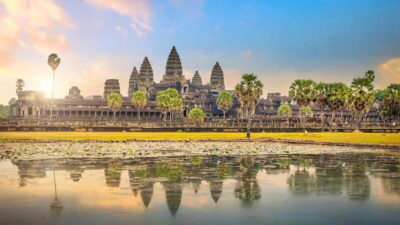
You begin at Angkor Wat, often the first mental picture people carry about Cambodia. This is the largest religious building in the world, so even before you start reading details, your brain gets the scale. You will then move through other temples in the nearby cluster, part of what people often call the small circuit.
What makes Angkor Wat work on day one is that it sets the template for what comes next. Once you see the layout and the way the causeways and courtyards guide your eye, the rest of Angkor becomes easier to understand. You also get a steady start time at 8:00am, which helps you beat the day’s heat and keep your energy for walking.
Practical tip: temple stones get slick and steps can be uneven. Wear shoes with grip and plan for short climbs and long flat walks. You will appreciate it more when you are not thinking about your feet.
Also on our Siem Reap list, if none of these land
- Siem Reap: Angkor Wat 2-Day Tour with Sunrise and Sunset★ 4.9 · 4,429 reviews
- Angkor 2-Day Sunset & Sunrise Small-Group Tour★ 5.0 · 2,567 reviews
- 2 Days Exclusive Temple Highlights with Sunset and Sunrise Tour★ 5.0 · 1,157 reviews
- Siem Reap: Angkor Sunrise 1- or 2-Day Guided Temples Tour★ 4.9 · 1,132 reviews
Angkor Thom highlights: South Gate, Bayon faces, and the big impression
A major focus is the South Gate of Angkor Thom, built to protect the capital of Angkor Thom. The front causeway is lined with two rows of carvings tied to the Hindu myth of the Churning of the Sea of Milk, using devas and asuras as visual anchors.
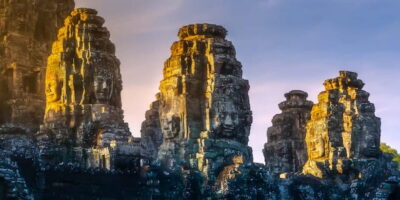
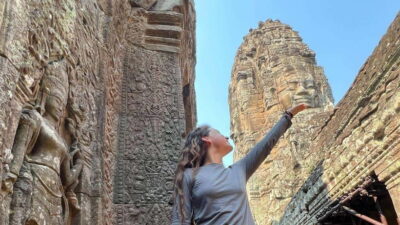
From there you head about 1 kilometer to Bayon Temple, which functions as the heart of Angkor Thom because it was the state temple of King Jayavarman VII. The standout is the 54 towers decorated with 216 smiling faces of Avalokiteshvara. Even if you do not know the story, the effect is immediate. You keep noticing the faces no matter where you stand.
Why this stop is so valuable with a guide: it is easy to treat Bayon as just a photo moment. A good explanation makes it feel like an artwork with rules, symbolism, and intention. In past bookings connected to this tour, guides have been praised for clear temple context and helpful answers, not just quick facts.
Baphuon plus the Royal Palace terraces you will not forget
Next up is Baphuon Temple, the second biggest temple in Angkor Thom. It was built in the mid-11th century as a state temple of King Udayadityavarman II for the Hindu god Shiva. The temple is pyramid-shaped with three tiers, which gives it a strong silhouette from multiple distances.
After Baphuon, the tour includes two terraces at the front of the Angkor Royal Palace area: Terrace of Elephants and Terrace of the Leper King.
- Terrace of Elephants stretches about 350 meters long. It served as a viewing stage for public ceremonies and as a base for the king to watch military training.
- Terrace of the Leper King sits next to it and is famous for the carved details inside, to the point that many people feel like their jaw drops when they finally get close.
These terraces are where you start seeing Angkor as theater. Temples were not just for worship. They also framed ceremonies, power, and public life. You start to notice how movement and sightlines are part of the design.
Outside Angkor Thom: Chau Say Tevoda, Thommanon, and Takeo
To keep Angkor from feeling repetitive, the tour includes temples outside the Angkor Thom capital: Chau Say Tevoda, Thommanon, and Takeo. These are described as very impressive temples you should not miss, and they are the kind of stops that reward slower looking.
A practical note: you will probably feel a shift after Bayon and Baphuon. The faces and the towers grab you first. Later, you need to switch gears and look for patterns, carvings, and architectural proportions. This is where the guide helps you slow down at the right places.
If you are trying to keep your schedule tight, these are good targets because they give variety without feeling like filler.
Ta Prohm: the Tomb Raider temple moment, with real-world context
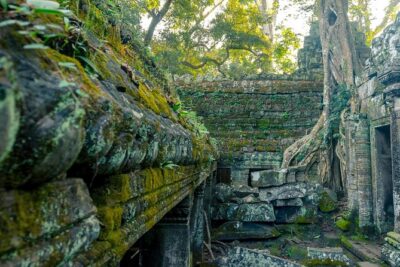
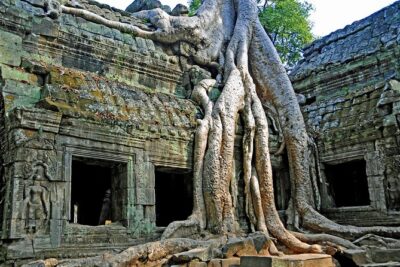
Ta Prohm is famous, and it deserves the fame. It was used as a Buddhist monastery and a university during the Angkor period, and it is known as the Tomb Raider temple because the movie was filmed there. The signature detail is the large tree growing through the temple. It is a photo favorite because it looks unreal, but it also reads like a reminder that nature and culture overlap here.
What I like about including Ta Prohm in this route is that it acts as a mental reset. After heavy stone and royal symbolism, Ta Prohm feels organic. You look up more than you look in, and the photos look different depending on the angle of the light.
Banteay Kdei: restored, still calm, still worth the detour
Banteay Kdei is included too, and it is described as recently restored, while still open to tourists. The area around it includes a forest feel, which helps it feel quieter than some of the louder temple zones.
This is a good stop for people who want balance. You get at least a few hours where the temple does not feel like a nonstop photo machine. Even with crowds in the wider park, the surrounding forest setting changes the mood.
Srah Srang reservoir: plan for sunrise and sunset light
Srah Srang is a Baray, meaning a reservoir. The big draw is the view, especially during sunrise and sunset. This is the part of the itinerary that can make Angkor feel more like a landscape experience, even though it is still firmly about the temples.
Because the tour ends with a sunset choice later, you might find Srah Srang works as your “light check” stop. If the schedule lines up, you can time your camera settings and walking pace around the changing sky.
Practical tip: bring a small layer even in warm months. Open water and temple shadows can make it feel cooler than you expect.
Final act: sunset at Angkor Wat or Bakheng Mountain
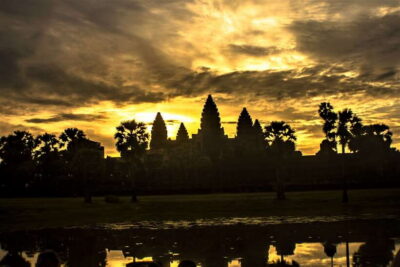
At the end of the trip, you will head to the most beautiful sunset sites, with two options: Angkor Wat or Bakheng Mountain.
This is where the guide and your pacing matter. Sunset moments can be crowded and you want to stand somewhere that gives you a clear view. The tour gives you that choice, which is smart because Angkor Wat and Bakheng Mountain offer different vibes, and you might prefer one style of scene over the other.
If you like iconic symmetry, Angkor Wat tends to win. If you like an elevated perspective, Bakheng Mountain is the more dramatic setting.
Price and value: what $360 covers, and what you should budget for
This tour costs $360 for the two days, and it is private. For many people, the value is not just the temples. It is the time savings and the hassle reduction, because you are paying for vehicle transport inside the park areas, an English speaking guide, and the small comfort items like water and cold towels.
Temple tickets are not included, and lunch near the temples is also not included. So in your budgeting, plan for:
- Temple ticket fees (separate from the tour price)
- Lunch each day (near temples)
- Personal expenses
A simple way to judge value: if you can afford a private route and want less planning work, $360 is often reasonable for two full days with a guide who can connect the dots. If you already plan to use tuk-tuk and a guide separately, you might compare what that would cost. But if you want a clean “door to door” style day, this format tends to feel worth it.
Guides and drivers: the service details that make it feel smooth
The tour includes an English speaking guide and a driver handling transportation. In the experience feedback tied to this tour, several guide and driver names show up, including Mr. Ly, Seng, Lucky, Vutha, Ly Hol, Bunanal, TenAuto-translated, and Mr. Pheach. Across these, the most praised elements are practical: punctuality, friendliness, flexibility, and clear explanations.
Cold towels and water come up repeatedly as the kind of service that feels thoughtful on hot temple days. Another repeated theme is the guide helping you understand history and meaning, not just reciting dates. One booking even notes a guide who also acted like a professional photographer for the group.
I would treat that as a green flag for your decision. You are not just buying access to Angkor. You are buying interpretation and logistics.
Dress code and temple tickets: the non-negotiables
The tour notes a dress code requirement for temples. That means you should pack clothing that covers shoulders and knees, and avoid anything too short or too revealing. If you show up out of code, you might lose time or be asked to adjust.
Also remember: temple tickets are not included. You will need to plan for that cost. This tour includes a mobile ticket, which is helpful, but it does not remove the need for tickets.
To keep your day smooth, I recommend you go in with an organized approach: set expectations about what you pay separately, and wear the right clothes early.
Who this tour fits best, and who might want something else
This tour is listed as private and only for your group, so it suits people who want control over pace and photo stops. It is also described as suitable for most travelers, which hints it is not built around extreme conditions.
It also seems to work well for:
- Solo travelers, since private options are available and you are not stuck with group pace
- Families, because at least one booking specifically notes the driver being good with a 3-year-old
- Photo-focused visitors, because you may get help shaping where and how you shoot, especially during high-demand areas like Ta Prohm and sunset spots
You might consider a different option if you are purely self-guided and love map planning. This tour is built around a guide and vehicle routing, so if you want to freestyle every stop, you could feel constrained by the scheduled flow.
Should you book the Cambodia Golden Tours Angkor Wat 2-day tour?
I would book this if you want a private, guide-led route that hits the biggest Angkor scenes plus the quieter adds, and you value practical comfort like water and cold towels. The route is designed around major anchors such as Angkor Wat, Bayon, and the terraces, then it gives you variety with Ta Prohm, Banteay Kdei, and Srah Srang, and it ends with a sunset choice.
I would pause if you hate paying extras at the last minute, because temple tickets and lunch are not included. Also, if you know you will struggle with lots of walking and steps, plan for slower breaks, water, and shoes that keep you steady.
If you check those boxes, this tour is a strong way to see Angkor without turning your trip into a logistics project.
More 2-Day Experiences in Siem Reap
- Siem Reap: Angkor Wat 2-Day Tour with Sunrise and Sunset★ 4.9 · 4,429 reviews
- Angkor 2-Day Sunset & Sunrise Small-Group Tour★ 5.0 · 2,567 reviews
- 2 Days Exclusive Temple Highlights with Sunset and Sunrise Tour★ 5.0 · 1,157 reviews
- Siem Reap: Angkor Sunrise 1- or 2-Day Guided Temples Tour★ 4.9 · 1,132 reviews
More Tours in Siem Reap
- Angkor Wat Sunrise or Sunset Tour with Guide from Siem Reap★ 5.0 · 12,109 reviews
- Siem Reap: Angkor Wat: Small-Group Sunrise or Sunset Tour★ 5.0 · 9,444 reviews
- From Siem Reap: Kampong Phluk Floating Village Tour by Boat★ 4.9 · 6,979 reviews
- Siem Reap: Angkor Wat 2-Day Tour with Sunrise and Sunset★ 4.9 · 4,429 reviews
More Tour Reviews in Siem Reap
- Angkor Wat Sunrise or Sunset Tour with Guide from Siem Reap★ 5.0 · 12,109 reviews
- Siem Reap: Angkor Wat: Small-Group Sunrise or Sunset Tour★ 5.0 · 9,444 reviews
- From Siem Reap: Kampong Phluk Floating Village Tour by Boat★ 4.9 · 6,979 reviews
- Siem Reap: Angkor Wat 2-Day Tour with Sunrise and Sunset★ 4.9 · 4,429 reviews
Newly written up around Siem Reap
- Waterfall & River of 1000 Siva Linga- Kulen Mountain Private Tour
★ 5.0 · 3 reviews - Private Transfer from Siem Reap to Sihanoukville
★ 4.5 · 3 reviews - Private Tour to Koh Ker and Beng Mealea
★ 5.0 · 3 reviews - Private Transfer: Siem Reap Angkor Internation Airport to Hotel
★ 5.0 · 3 reviews - Kulen National Park Ticket -Waterfall & 1000 Lingas
★ 5.0 · 3 reviews - Kulen Waterfall & Kbal Spean Tour
★ 5.0 · 3 reviews
2-Day Experiences, side by side.
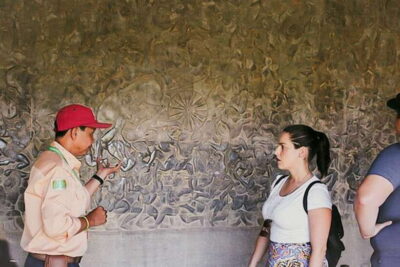 ★ 4.9Angkor Wat 2-Day Tour with Sunrise and SunsetFrom $344,429 reviews
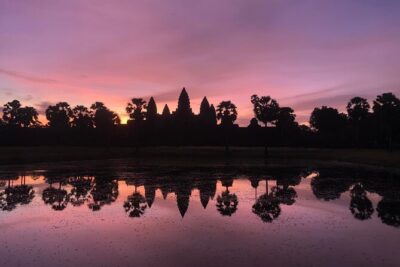 ★ 5.0Angkor 2-Day Sunset & Sunrise Small-Group TourFrom $492,567 reviews
 ★ 5.02 Days Exclusive Temple Highlights with Sunset and Sunrise TourFrom $491,157 reviews
 ★ 4.9Angkor Sunrise 1- or 2-Day Guided Temples TourFrom $191,132 reviews
 ★ 5.02 Days Guided Historical Tour in AngkorFrom $35855 reviews
 ★ 5.02-Day Angkor Wat With Small, Big Circuit and Banteay Srei TourFrom $158545 reviews
 ★ 4.92-Day Temple Highlights Sunrise and Sunset OptionFrom $46445 reviews
 ★ 4.9Angkor Wat 2-Day complex Sun rise & Sun set with Guided TourFrom $30439 reviews
Also appears in