
REVIEW · ANGKOR
2-Day Angkor Wat With Small, Big Circuit and Banteay Srei Tour
Two days at Angkor can either blur or click. This private setup smartly spreads the Small Circuit and Big Circuit across two days, with a sunrise start at Angkor Wat and plenty of time to understand what you are seeing through your guide’s stories, not just quick stops. I also love how the guide keeps the flow going so you are not stuck waiting, guessing, or trying to piece history together on your own.
The second big win for me is the comfort and logistics: hotel pickup and drop-off, an air-conditioned vehicle, and cool water plus wet towels after walking. One consideration before you book, though: Angkor temple access is separate, so the total cost rises once you add the $62 Angkor + all temples pass, and you still deal with a lot of stairs and heat, especially if you include the Phnom Bakheng sunset climb.
In This Review
- Key things to know before you go
- Price and logistics: what the $158.50 actually buys you
- Entering Angkor Wat at 8:00am: Day 1 starts with context, not just photos
- Ta Prohm and Ta Nei: the Small Circuit’s best mood shift
- Angkor Thom core: Victory Gate to Bayon, one stop that turns into a whole lesson
- Phnom Bakheng at sunset: spectacular, but know the entry reality
- Day 2 begins at 5:00am: sunrise at Angkor Wat and why it changes everything
- Big Circuit temples after breakfast: Preah Khan to Pre Rup in a calmer flow
- Banteay Srei: pink sandstone, fine carvings, and a grand ending
- Comfort details that matter in Siem Reap heat
- What makes this tour better than a rushed circuit
- Who this 2-day Angkor Wat with Banteay Srei fits best
- Should you book it: the quick decision guide
Key things to know before you go
- Private guide storytelling without the rush: you get context as you move, not just a list of temple names.
- Two days, two circuits: Small Circuit day 1 and Big Circuit day 2 means less sprinting through the same sights.
- Sunrise at Angkor Wat (early pickup): day 2 starts at 5:00am so you are in place before crowds build.
- Comfort reset every stop: cool water and wet towels keep you functional in the humid heat.
- Banteay Srei as the payoff: you end with pink sandstone beauty, plus the chance to see a calmer side of Angkor.
Price and logistics: what the $158.50 actually buys you
At $158.50 per person, this is not a budget “hop on a tuktuk” day trip. You are paying for a true private experience: licensed English-speaking guide, air-conditioned vehicle with a driver, and hotel transfers both mornings and at the end of day 2.
Then add the part you must plan for: temple admissions are not included. The Angkor + all temples pass runs $62 per person. Meals are also not fully bundled. Lunch costs are listed at about $5 per person, depending on what is on the menu.
So what value do you get for that money? You get time. Many one-day temple circuits feel like a blur of stone and sweat. Here, the structure matters. You do fewer “I blinked and it was gone” moments because you spread out the Small Circuit and Big Circuit over two days, plus you get sunrise at Angkor Wat and a separate afternoon for Banteay Srei.
Entering Angkor Wat at 8:00am: Day 1 starts with context, not just photos
Day 1 begins with pickup around 8:00am from your Siem Reap hotel or guest house. The guide also takes you along the way to buy your temple pass, which is a small thing that saves stress. After you get set up, you head to Angkor Wat, the site everyone knows, but few people fully understand without a guide.
At Angkor Wat, the key is the shift from “wow” to “oh, that’s why.” Your guide’s job here is to connect the layout and carvings to what Khmer builders were trying to communicate. If you like symbolism, architecture, and the logic behind how spaces were designed, this is where the tour clicks.
If you want a practical tip: wear shoes you can climb in. Even early in the morning, the surfaces can be uneven, and you may deal with stairs and tight transitions between areas.
More circuits through the Angkor complex, compared
- Angkor Wat Sunrise & 3 Main Temples with Breakfast – Small Group★ 5.0 · 2,857 reviews
- Siem Reap Tour: Angkor Wat Sunrise, Bayon, Ta Prohm, Banteay Srei★ 5.0 · 931 reviews
- 2-Day Angkor Wat With Small, Big Circuit and Banteay Srei Tour★ 5.0 · 545 reviews
- Full-Day ‘Big Tour’ with Sunset at Phnom Bakheng★ 5.0 · 341 reviews
Ta Prohm and Ta Nei: the Small Circuit’s best mood shift
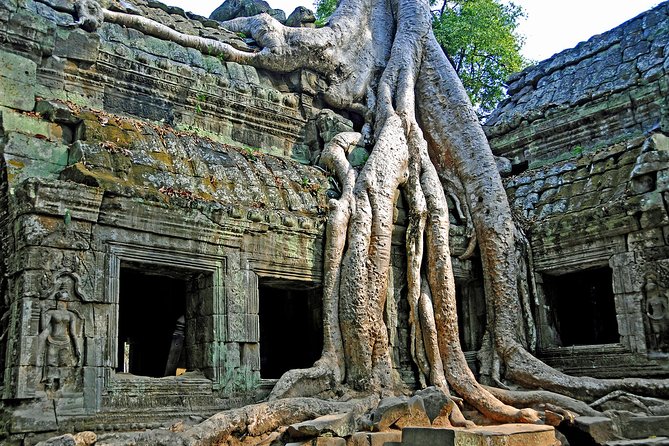
From Angkor Wat, you move into the Small Circuit, which is built for the cinematic side of Angkor. Stop two is Ta Prohm. This is the temple where giant tree roots grip the stone, and it always feels like time is misbehaving. It is easy to see why it shows up in movies, but the real value is understanding the temple’s Khmer context, why it was built, and what the carvings suggest about the worship world that shaped it.
Stop three is Ta Nei, and this is where you start to feel the difference between “famous” and “worth it.” Ta Nei is smaller and has less restoration, so it can feel more raw and quiet. It is also a good buffer day-1 stop if you want fewer crowds and more breathing room to look closely at details.
Stop durations are listed modestly, but the bigger point is pacing. The tour format is designed so you are not just herded from one photostop to the next. You actually get time to walk around, pause, and take in stonework and layout.
Angkor Thom core: Victory Gate to Bayon, one stop that turns into a whole lesson
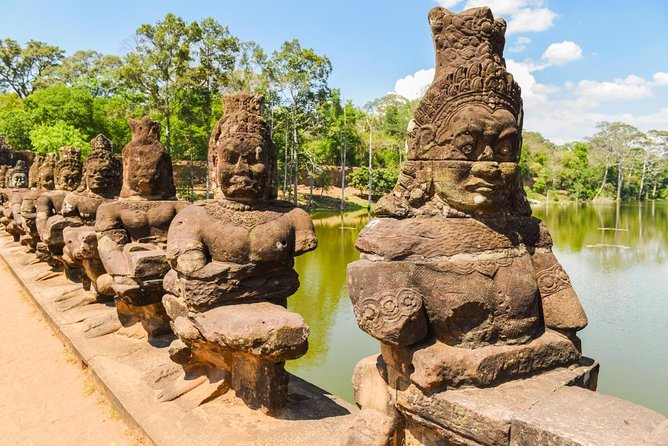
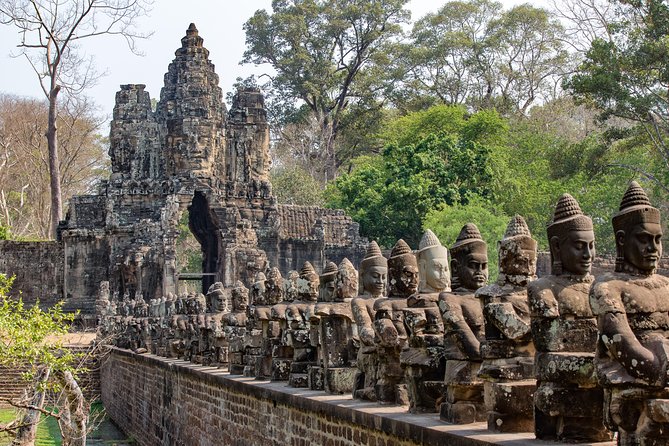
After Ta Prohm and Ta Nei, you enter the heart of Angkor Thom sights. You start with the Victory Gate, then you move into Bayon Temple, the center stage with its many stone faces.
At Bayon, the detail is not just the number of towers. It is the way the faces are placed and how the temple’s layout frames movement. The guide helps you connect what you are seeing to what the Khmer court and belief system were trying to project.
From there, the itinerary keeps rolling through major Angkor Thom structures:
- Baphuon: a Hindu temple story that spans centuries, including a reclining Buddha added later.
- Phimeanakas: a pyramid-like Hindu temple connected to the old royal palace area.
- Terrace of the Elephants: a platform tied to kings watching armies return.
- Terrace of the Leper King: another platform area that sits nearby and adds texture to what life and power looked like.
This is where I like a guide most, because you can see these places as scenery, or you can see them as a record of how people believed, governed, and honored the sacred.
Phnom Bakheng at sunset: spectacular, but know the entry reality
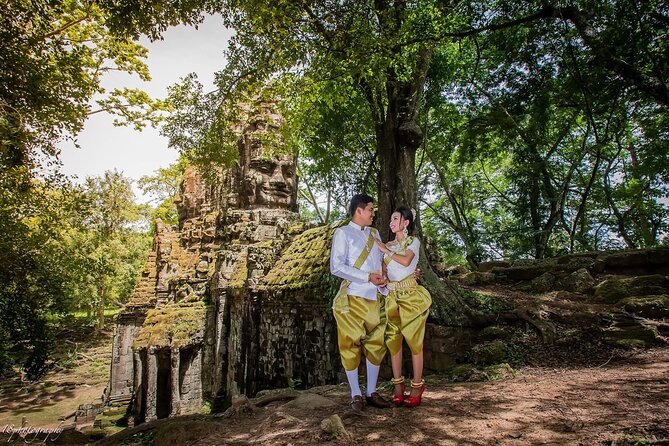
Day 1 closes with Phnom Bakheng, with sunset viewing as the goal. The listing notes that there is a limited number of tourists allowed, which matters. If you care about the sunset view, treat this as a timing-sensitive finale.
Also note something practical: Phnom Bakheng involves climbing and walking over uneven ground. The reviews repeatedly praise guides who help people navigate stairs and steps, and that kind of hands-on support can make the difference between enjoying the climb and rushing through it.
If you are not feeling the climb, the itinerary makes it optional. The tour still delivers a big Day 1 without forcing sunset as a must-do.
Day 2 begins at 5:00am: sunrise at Angkor Wat and why it changes everything
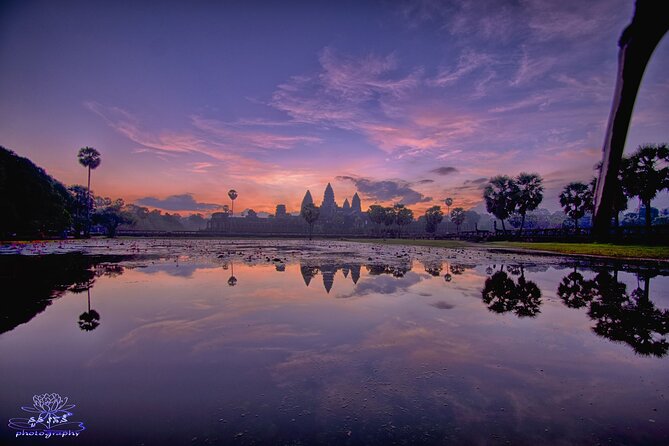
Day 2 is where the schedule earns its keep. You are picked up at 5:00am for sunrise at Angkor Wat. Early starts sound rough until you are standing there and realize you are seeing the same architecture under a different mood, with cooler air and softer light.
After sunrise, you return, and then you have breakfast before heading out again. The early start also helps the tour avoid the midday crush, so you spend more time actually looking and less time waiting in lines or swamped at narrow paths.
Further out: other Banteay Srei and Beng Mealea runs

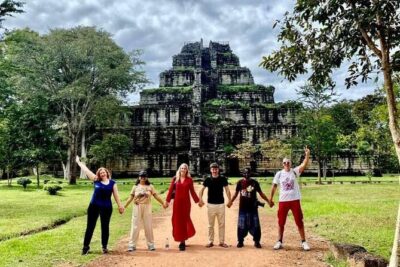
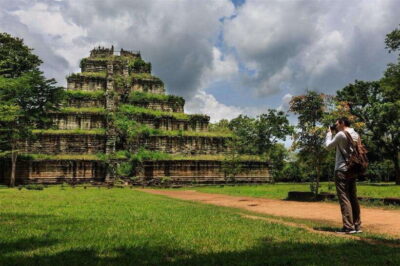
Big Circuit temples after breakfast: Preah Khan to Pre Rup in a calmer flow
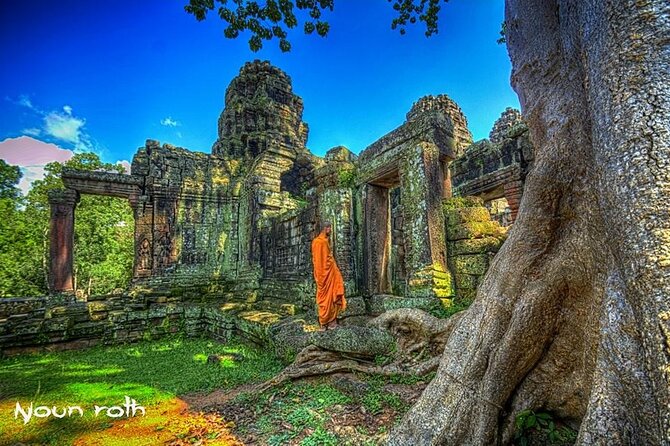
The Big Circuit is day 2’s long story arc, and it starts with Preah Khan. This is a huge monastic temple built by King Jayavarman VII, and it helps you understand Angkor not only as temples for ceremonies, but as living institutions tied to education and devotion.
Next comes Neak Pean, a smaller island temple in the middle of a water setting. Even if you only have a short stop here, the layout is part of the lesson, because Khmer builders used water in intentional ways.
Then you visit:
- Ta Som: smaller, classic, and useful for a breather.
- Eastern Mebon: a temple-mountain ruin with a three-level feel and multiple towers.
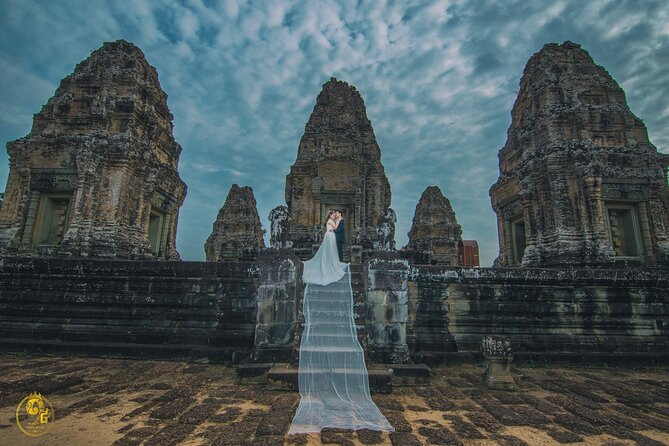
- Pre Rup: a late 10th-century Hindu temple associated with funerary beliefs.
Pre Rup is one of those temples that rewards slowing down. You can look at it as stones on a hill, or you can listen to the guide’s explanation of how belief systems shaped how people built sacred spaces and approached death rituals.
Banteay Srei: pink sandstone, fine carvings, and a grand ending
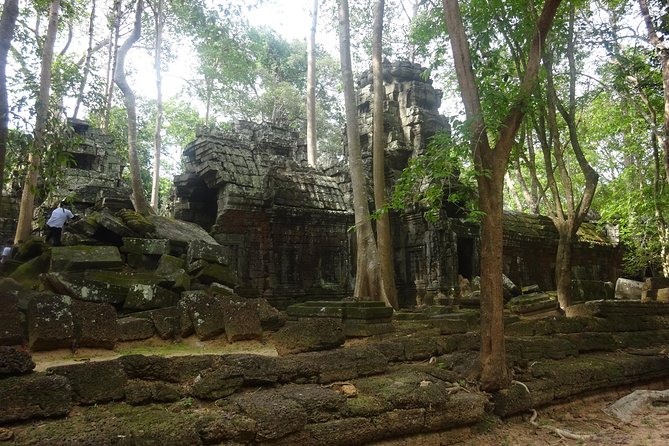
Lunch breaks and then you drive to Banteay Srei, often called the Ladies temple. This is the finale worth saving. The listing notes it is built from pink sandstone in the half of the 10th century by King Rajendravarman II, dedicated to trinity gods.
This temple plays differently than the big, heavy hitters. The stones and carvings feel more refined and delicate, and it is a nice emotional shift after two days of major Angkor classics.
After Banteay Srei, the tour continues with two more stops that keep the tone from fading out:
- Banteay Samre: a Hindu temple built in the 12th century, with architecture that some believe relates to Angkor Wat’s style.
- Banteay Kdei: a Buddhist temple from the 12th century, noted for a style similar to Ta Prohm and Bayon.
These final stops are a great way to finish without feeling like you got only the famous postcard temples.
Comfort details that matter in Siem Reap heat
Even if you care most about temples, comfort still decides whether you enjoy the day. This tour includes:
- an air-conditioned vehicle for long transfers
- cool water for breaks
- cool wet towels after temple walks
That might sound like standard tour fluff until you experience Angkor on a real day of walking and humidity. Reviews also mention practical help like cold towel comfort and guide support with stairs. Some also describe umbrellas when weather turns, which can be a lifesaver if clouds dump rain at the wrong time.
One more practical note: bring sun protection and shoes that handle stone steps. If your feet are unhappy, you will not take in the details that make Angkor special.
What makes this tour better than a rushed circuit
The biggest strength is how the itinerary is structured. Doing Small Circuit on day 1 and Big Circuit on day 2 is not just a way to fill two days. It is how you avoid the “temples blur together” problem.
You also get more than Angkor Wat alone. You get:
- Ta Prohm’s root drama
- Ta Nei’s quieter feel
- the Angkor Thom core: Victory Gate through Bayon, Baphuon, and the terraces
- a sunrise start that resets the whole day 2 experience
- Banteay Srei’s pink sandstone finale
And you get a licensed English-speaking guide who tells stories in a continuous way. In past trips, named guides like Jimmy, Chay, Vanna, Chandra, Thean, Choub, and Mao come up again and again for clear explanations, helping with steps, and making time for photo moments.
Also, you are not locked into a rigid group shuffle. This is set up as a private tour for your group only, which makes it easier for the guide to keep your pacing realistic.
Who this 2-day Angkor Wat with Banteay Srei fits best
This is a strong choice if you want:
- a balanced mix of major landmarks and quieter stops
- early mornings, because you understand sunrise is part of the Angkor experience
- a guide who connects architecture to belief and court life
- comfort perks that keep you moving in heat
It might be less ideal if you cannot handle stair climbs or long walking days. The schedule includes climbing at Phnom Bakheng and steps around multiple temples. In those cases, a good guide can sometimes help you navigate, but you should still be honest about your stamina.
If you are traveling with a teen or an adult who loves photos, you may also appreciate guides who actively help with photo spots and family shots. Several reviews specifically highlight that kind of support.
Should you book it: the quick decision guide
Book this tour if you want Angkor to feel like a story you can follow. The two-day structure, plus sunrise at Angkor Wat and the Banteay Srei finale, gives you both variety and time to understand what you are seeing.
Skip it or look for a different option if you only want the shortest possible highlights, or if you do not want to deal with early pickup at 5:00am and the stairs at Phnom Bakheng.
If you can handle the walking and you are okay paying the separate $62 Angkor + all temples pass, this is a solid value for a private guide, private air-conditioned transport, and a thoughtfully paced look at more than just the famous temples.
More Tour Reviews in Siem Reap
- Angkor Wat Sunrise or Sunset Tour with Guide from Siem Reap★ 5.0 · 12,109 reviews
- Siem Reap: Angkor Wat: Small-Group Sunrise or Sunset Tour★ 5.0 · 9,444 reviews
- From Siem Reap: Kampong Phluk Floating Village Tour by Boat★ 4.9 · 6,979 reviews
- Siem Reap: Angkor Wat 2-Day Tour with Sunrise and Sunset★ 4.9 · 4,429 reviews
Banteay Srei and Beng Mealea, Compared
- Siem Reap: Kulen Mountain, Beng Mealea and Tonle Sap Tour★ 5.0 · 1,483 reviews
- Full-Day Banteay Srei & 4 Temples – Grand Tours Join-in Tour★ 5.0 · 1,155 reviews
- Siem Reap Tour: Angkor Wat Sunrise, Bayon, Ta Prohm, Banteay Srei★ 5.0 · 931 reviews
- Kulen Mountain with Beng Mealea and Tonle Sap Small Group Tour★ 5.0 · 780 reviews
Keep Going Round the Circuit
- Angkor Wat Sunrise & 3 Main Temples with Breakfast – Small Group★ 5.0 · 2,857 reviews
- Siem Reap Tour: Angkor Wat Sunrise, Bayon, Ta Prohm, Banteay Srei★ 5.0 · 931 reviews
- Full-Day ‘Big Tour’ with Sunset at Phnom Bakheng★ 5.0 · 341 reviews
- 1-Day Amazing Angkor Wat Tour with Sunset & All Interesting Major Temples★ 5.0 · 308 reviews
Newly written up around Siem Reap
- Waterfall & River of 1000 Siva Linga- Kulen Mountain Private Tour
★ 5.0 · 3 reviews - Private Transfer from Siem Reap to Sihanoukville
★ 4.5 · 3 reviews - Private Tour to Koh Ker and Beng Mealea
★ 5.0 · 3 reviews - Private Transfer: Siem Reap Angkor Internation Airport to Hotel
★ 5.0 · 3 reviews - Kulen National Park Ticket -Waterfall & 1000 Lingas
★ 5.0 · 3 reviews - Kulen Waterfall & Kbal Spean Tour
★ 5.0 · 3 reviews
Angkor Temple Circuit Tours, side by side.
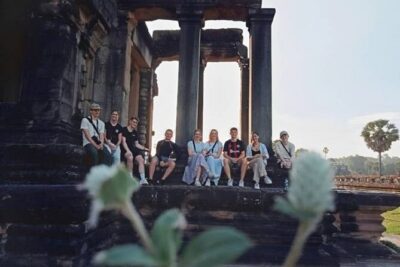 ★ 5.0Angkor Wat Sunrise & 3 Main Temples with Breakfast – Small GroupFrom $152,857 reviews
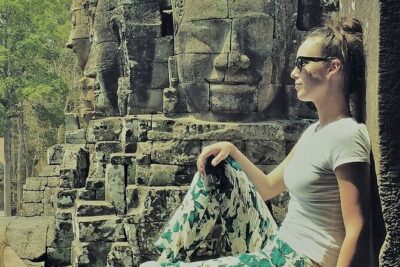 ★ 5.0Siem Reap Tour: Angkor Wat Sunrise, Bayon, Ta Prohm, Banteay SreiFrom $130931 reviews
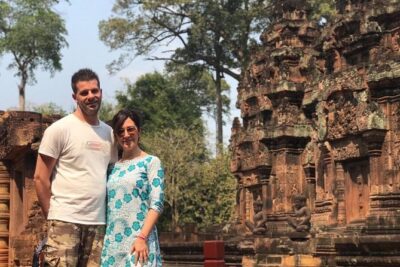 ★ 5.0Full-Day ‘Big Tour’ with Sunset at Phnom BakhengFrom $18341 reviews
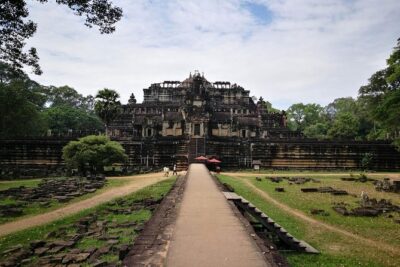 ★ 5.01-Day Amazing Angkor Wat Tour with Sunset & All Interesting Major TemplesFrom $67308 reviews
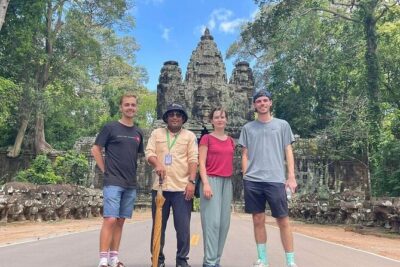 ★ 5.0Private sunrise ‘small tour’ of Angkor Wat with car or van & GuideFrom $55179 reviews
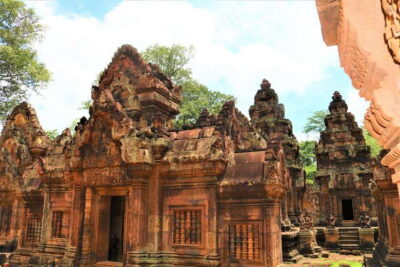 ★ 4.9Banteay Srei and Grand Circuit Heritage TourFrom $18163 reviews
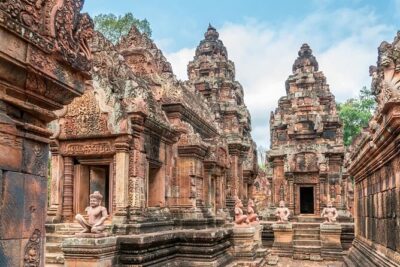 ★ 5.0Banteay Srei and Grand Circuit Heritage Tour from Siem ReapFrom $24142 reviews
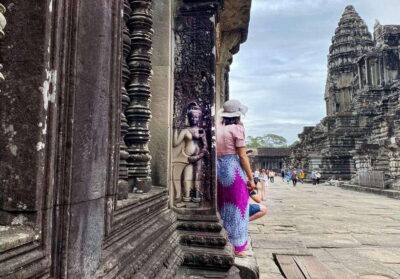 ★ 4.9Angkor Wat, Bayon, and Ta Prohm Day TripFrom $179104 reviews