
REVIEW · CAMBODIA
Angkor Wat Admission Ticket
Beat the ticket line in Siem Reap. I love the hotel delivery that gets your Angkor Archaeological Park pass ready before you start, and I love the sunrise peace of mind it gives you. The big downside is the added service cost, since this option is more expensive than buying the same ticket directly on site.
I also like how the pass is built for your own pacing, since it covers visits from sunrise to sunset on your schedule. A practical bonus: people often report getting a lanyard, which helps when guards check your ticket more than once.
One more thing to keep in mind: this is mostly about the ticket itself, not transport. You still need to handle getting around by tuk-tuk or car, and you’ll want solid shoes because Angkor days are a lot of walking.
In This Review
- Quick hits before you decide
- Why an Angkor Wat Admission Ticket Delivered to Your Hotel Is Such a Big Deal
- Picking 1-Day, 3-Day, or 7-Day Validity for Your Temple Rhythm
- How a Temple Day Actually Flows at Angkor, Sunrise to Sunset
- Temple Stop Breakdown: Angkor Wat, Angkor Thom, and Ta Prohm
- Angkor Wat, the sunrise magnet
- Angkor Thom, the last Khmer capital
- Ta Prohm, the famous movie temple
- The Main Circuit Extras: Banteay Srei, Preah Khan, Bakong, and Bayon
- Banteay Srei, the Shiva temple nicknamed Ladies Temple
- Preah Khan, built by Jayavarman VII to honor his father
- Bakong, an early sandstone temple mountain
- Bayon Temple, the richly decorated center of attention
- Neak Pean, a small island temple linked to baray planning
- The smaller calls that reward slow looking
- Beyond the Usual Temples: Reservoirs, Hilltop Views, and Beng Mealea
- Srah Srang, the Royal Bath reservoir
- Lolei and Preah Ko, part of the Roluos group
- Preah Khan and the Pre Rup side roads, plus Ta Som and other structure fans
- Hill temples: Prasat Phnom Krom and Phnom Bok
- Beng Mealea, a big structure to wander
- What you can’t cover with this pass
- Cost and Value: Why This Angkor Wat Ticket Service Costs More
- Practical Tips: Shoes, Code of Conduct, and Avoiding Ticket Problems
- Should You Book This Angkor Wat Admission Ticket Service?
- FAQ
- What does the Angkor Archaeological Park ticket include?
- When will my pass be delivered to my hotel?
- Can I choose 1-day, 3-day, or 7-day options?
- Is transportation to the temples included?
- Do I need a separate ticket for Phnom Kulen and Koh Ker?
- Do children need a ticket?
- What photos do I need to send after booking?
Quick hits before you decide
- Hotel front desk delivery so you can head straight to temples
- Valid from sunrise to sunset for flexible timing across multiple stops
- 1-day, 3-day, or 7-day options to match how many circuits you want
- A photo-based, non-transferable pass that must match your details
- Visitor rules like covered shoulders and no touching carvings, handled before you go
Why an Angkor Wat Admission Ticket Delivered to Your Hotel Is Such a Big Deal
Angkor is famous for big crowds, early starts, and ticket lines that can feel like they are designed to test your patience. So I consider this ticket service a time-saver you can actually use. Instead of standing in line on the morning you want Angkor Wat at first light, your pass is delivered to your hotel front desk under your name, in the evening at 6 pm for the visit on the following day.
That one change does two things. First, it reduces stress. If you’re aiming for sunrise, every minute matters, and arriving with your pass already in hand makes the day start calmer. Second, it protects your schedule. Angkor temple mornings can turn into a chain reaction: late ticket time means late entry, late photos, and missed light.
I also like the practical details. Your pass is photo-based and must be shown to ticket controllers when requested. Many people report receiving a lanyard, which makes the repeated checks easier. It’s a small thing, but when you’re bouncing between gates and courtyards, small conveniences add up.
The main “gotcha” is the cost. The service charge makes this option pricier than the official booth price. If your only concern is getting in, and you’re relaxed about line-ups, you might feel the surcharge more than you feel the value.
Picking 1-Day, 3-Day, or 7-Day Validity for Your Temple Rhythm
Your Angkor Archaeological Park pass lets you visit from sunrise to sunset, and the duration depends on the option you choose. The booking info points you toward 1-day, 3-day, or 7-day choices, and it also mentions 2-day in some descriptions. So do a quick check during checkout to confirm you’re buying the exact validity window you need.
Validity is strict. Passes have printed from and to dates, and they are not valid after the end date. Also, delivery happens one day before your visit, which means the ticket is valid on the next day after it’s dropped off. Plan your arrival accordingly, especially if you’re doing a late arrival and want to use the first day you’re in Siem Reap.
Here’s how I think about the value of each option:
- 1-day works if you know the circuit you want and you’re comfortable moving fast. It’s also a good fit if you only have time for a morning and late afternoon highlights.
- 3-day is a sweet spot for most first-timers. You can do one big sunrise morning, one mid-day circuit, and still have time for smaller temples without feeling like you’re sprinting.
- 7-day is for people who want fewer time crunches, more detours, and the option to revisit your favorites when the light changes.
If you’re traveling with a small group, this is also described as a private activity, which can make planning easier because you’re not trying to sync with a big crowd.
Other entry tickets worth sorting in advance
- Siem Reap: Phare, the Cambodian Circus Show Tickets★ 4.9 · 1,850 reviews
- Angkor Wat Admission Ticket★ 5.0 · 227 reviews
- Phnom Kulen National Park Admission Ticket★ 4.7 · 30 reviews
- Angkor Wat Temples Tour with Entrance Ticket and Lunch★ 5.0 · 29 reviews
How a Temple Day Actually Flows at Angkor, Sunrise to Sunset
With this pass, you’re not boxed into a single route by the ticket. You can arrange your visits within your valid days, as many entry points as you want, from sunrise to sunset. That matters because Angkor isn’t just one place. It’s multiple temple zones, and the experience gets better when you match the route to your energy.
A simple way to plan is:
- Start with Angkor Wat sunrise if you can.
- Then move into the main complex for late morning and afternoon.
- Add the extra temples in the “outer” zones if you have the day count.
The itinerary you’d be using is packed with famous sites, but the times listed for each stop are realistic enough to help you pace. You’ll spend more time near the big monuments, and shorter blocks at smaller temples and reservoirs.
Two practical realities to plan around:
- It’s intense walking. Even the shorter stops can add up once you count the transfer time between zones and the time you spend standing in the right spots to see details.
- Rules matter. If your outfit is too casual, or you’re tempted to touch carvings, you can get stopped. Wear for comfort and respect.
Temple Stop Breakdown: Angkor Wat, Angkor Thom, and Ta Prohm
Let’s start with the obvious winners, because this is where people feel the “wow” in their feet.
Angkor Wat, the sunrise magnet
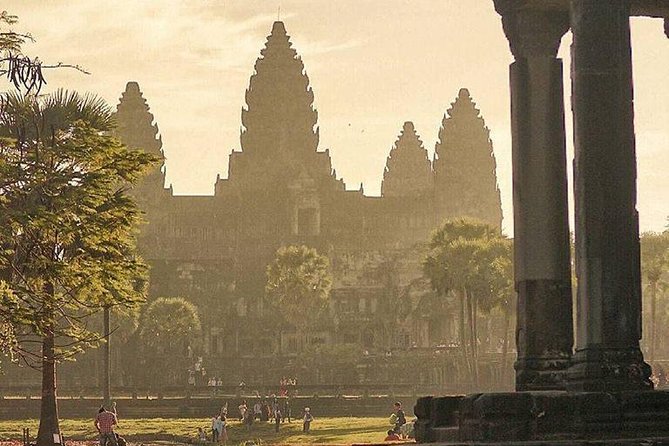
Angkor Wat is the largest religious monument in the world on a site measuring 162.6 hectares. It’s also the one that rewards early timing. If you’re coming for sunrise, pre-arranging your pass is the difference between a smooth start and a frantic ticket hunt.
In a suggested plan, you’ll usually spend about 2 hours here. That’s enough to walk through key areas, take photos as the light shifts, and not feel like you’re rushing every detail.
A drawback to know: Angkor Wat is big, so you’ll want to pace yourself. If you push too hard early, you’ll feel it later.
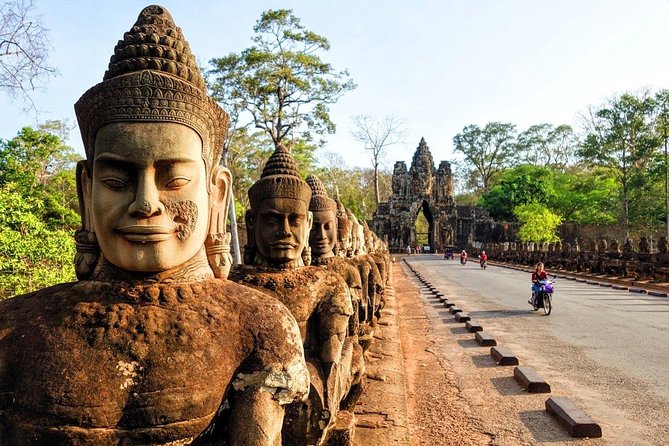
Angkor Thom, the last Khmer capital
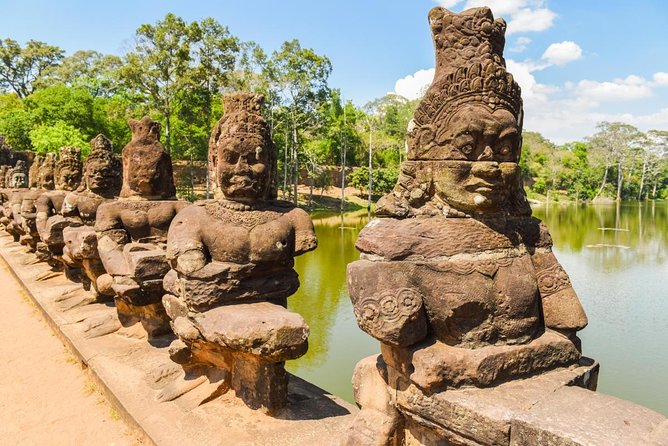
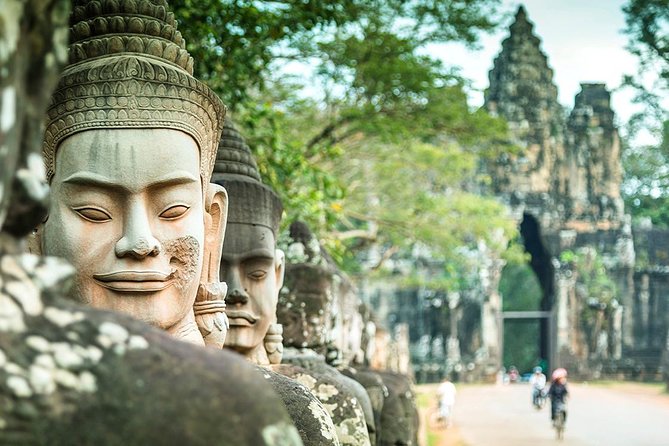
Angkor Thom was the last and most enduring capital of the Khmer Empire, founded in the late 12th century by King Jayavarman VII. The plan gives it about 1 hour 20 minutes.
This stop is less about one single landmark and more about the feeling of the city walls and the scale of the complex. If Angkor Wat is the poster, Angkor Thom is the stage set.


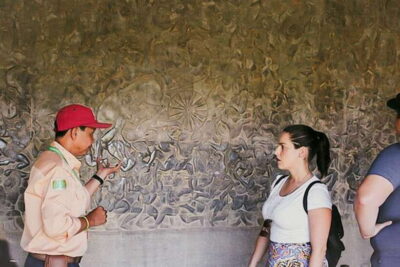

Ta Prohm, the famous movie temple
Ta Prohm is called the Tomb Raider movie temple in popular culture. It was built in the Bayon style, largely in the late 12th to early 13th centuries, and it was originally called Rajavihara.
You’ll usually get around 1 hour here in the schedule. That time works because Ta Prohm is about atmosphere. The surviving trees, stones, and tight corridors make it feel both ancient and cinematic.
A practical consideration: Ta Prohm is photogenic, so be ready for crowds on peak days. Your ticket pass reduces one problem, the line, but it doesn’t remove people from the temple grounds.
The Main Circuit Extras: Banteay Srei, Preah Khan, Bakong, and Bayon
Once you get past the big three, the temples start to feel more personal. You notice craftsmanship, layout, and the way each site connects to the broader Khmer city planning.
Banteay Srei, the Shiva temple nicknamed Ladies Temple
Banteay Srei, also called the Ladies Temple, is a 10th-century Khmer temple dedicated to Shiva, located near Phnom Dei about 25 km northeast of the main Angkor area.
In the suggested timing, it’s about 1 hour. Banteay Srei is often a favorite because it feels a little more intimate than the central monuments.
Preah Khan, built by Jayavarman VII to honor his father
Preah Khan is a temple built in the 12th century for King Jayavarman VII to honor his father. It sits northeast of Angkor Thom and west of the Jayatataka baray.
Plan for about 1 hour 20 minutes. This one gives you a chance to see the kind of grand planning that goes beyond single buildings.
Bakong, an early sandstone temple mountain
Bakong is described as the first temple mountain made of sandstone by Khmer rulers in the 9th century. It’s near modern Siem Reap, about 15 km from downtown.
You’d typically spend about 1 hour. It can be a strong contrast point after the later, more decorated spaces.
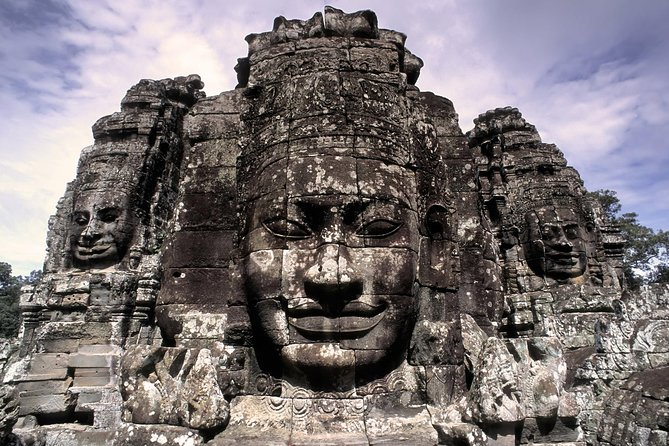
Bayon Temple, the richly decorated center of attention
The Bayon is a richly decorated Khmer temple built in the late 12th or early 13th centuries as the state temple of the Mahayana Buddhist King Jayavarman VII.
In many plans, it’s about 1 hour. If you’ve ever wondered why people say Angkor is both Buddhist and Hindu in different eras, Bayon is where the visual storytelling becomes obvious.
Neak Pean, a small island temple linked to baray planning
Neak Pean is an artificial island with a Buddhist temple on a circular island connected to Jayatataka Baray.
You’ll usually have about 1 hour. It’s not the largest site, but it’s one of those spots that makes the whole area feel engineered, not random.
The smaller calls that reward slow looking
A few other stops on the plan are shorter but worthwhile:
- Baksei Chamkrong (about 30 minutes), a small Shiva temple next to Phnom Bakheng Hill.
- Banteay Samre (about 40 minutes), a Hindu temple built in the early 12th century under Suryavarman II and Yasovarman II.
- Pre Rup (about 30 minutes) and Ta Keo (about 40 minutes) later in the day, if you want extra temple-mountain views.
If your day starts to feel like it’s only moving forward, these shorter stops are the places where you can catch your breath.
Beyond the Usual Temples: Reservoirs, Hilltop Views, and Beng Mealea
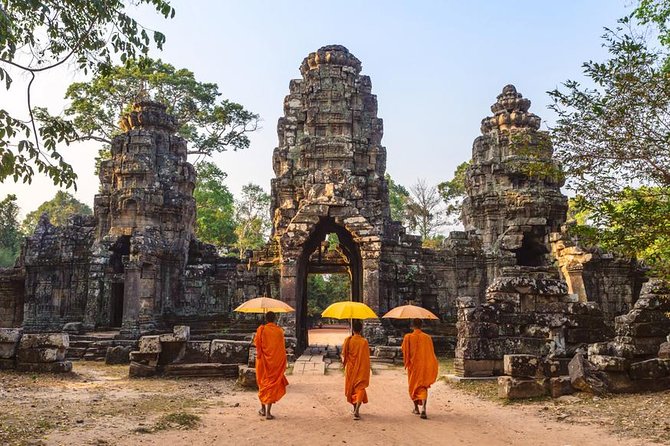
If you choose more than a 1-day pass, the experience gets better because you can add the temples that don’t always headline postcards.
Srah Srang, the Royal Bath reservoir
Srah Srang is a baray or reservoir, described as the Royal Bath. It’s located south of the East Baray and east of Banteay Kdei.
The suggested visit time is about 20 minutes. It’s short, but it’s also a good “reset” stop, especially if you want to regroup before a hilltop climb.
Lolei and Preah Ko, part of the Roluos group
Lolei is the northernmost temple of the Roluos group, alongside Preah Ko and Bakong, described as late 9th-century Hindu temples. You’re looking at about 25 minutes for Lolei.
Preah Ko is placed in the Roluos area between Bakong and the road, also with about 30 minutes.
These are great if you want to see Khmer architecture with fewer crowds than some of the mega-sites.
Preah Khan and the Pre Rup side roads, plus Ta Som and other structure fans
The plan also includes:
- Ta Som (about 40 minutes), built for Jayavarman VII and dedicated to a Hindu god.
- Prasat Kravan (about 30 minutes), five reddish brick towers on a common terrace near Srah Srang.
- Kbal Spean appears in the schedule as an Angkorian-era archaeological site on the Kulen Hills slopes, with suggested time blocks of 3 hours and also marked as free in one spot.
Important note: Kbal Spean is listed with different labels in the provided route details. If this is a must for you, confirm exactly how it’s being treated under your pass close to travel time.
Hill temples: Prasat Phnom Krom and Phnom Bok
Two longer additions are hilltop spots:
- Prasat Phnom Krom: described as a spectacular Angkorian temple on a hill about 12 km southwest of Siem Reap, with a suggested 2 hours 20 minutes.
- Phnom Bok Temple: described as a hill northeast of Eastern Baray, part of a trio of mountain layouts, with suggested 2 hours.
These are the stops where the day can run long, so having a 3-day or 7-day pass helps you avoid feeling forced to rush.
Beng Mealea, a big structure to wander
Prasat Beng Mealea is an Angkor Wat period temple about 40 km east of the main group. It’s marked as Admission Ticket Free in the route details, with a suggested 2 hours.
That means this is a nice add for some extra temple time without burning your pass day length. Still, it’s not “free time” energy-wise. It’s more wandering, not just quick photos.
What you can’t cover with this pass
The inclusions do not cover Phnom Kulen and Koh Ker, which require separate tickets. So if those are on your list, plan for additional entry costs and time.
Cost and Value: Why This Angkor Wat Ticket Service Costs More
Let’s talk money, because you should know what you’re buying. The price shown is $59 per person, but the details also break down ticket pricing like this:
- 1-day ticket is $37 plus service fees and a promotion information reach cost
- 3-day ticket is $62 plus service fees and promotion information reach cost
- 7-day ticket is $72 plus service fees and promotion information reach cost
Also, the info states this service is more expensive than the original price from the official Angkor Enterprise Ticket Office. So what’s the value?
You’re paying for:
- Ticket delivery to your hotel under your name
- A process that helps you avoid arriving to a queue at the worst possible time
- A pass that is ready to be used immediately, including sunrise planning
I think this is worth it if:
- Angkor Wat sunrise is your top priority
- You have limited days in Siem Reap
- Your schedule is tight, like an early start or a late arrival where you don’t want to gamble on ticket lines
- You want less hassle and fewer moving parts
It might feel less worth it if:
- You’re arriving with plenty of time and you’re comfortable buying on site
- You’re on a strict budget and you would rather save the surcharge
One more angle: you’re dealing with strict validity rules and a photo-based pass. When that system works for you, it’s great. When it doesn’t, you lose time. That’s why getting the passport photos submitted matters.
Practical Tips: Shoes, Code of Conduct, and Avoiding Ticket Problems
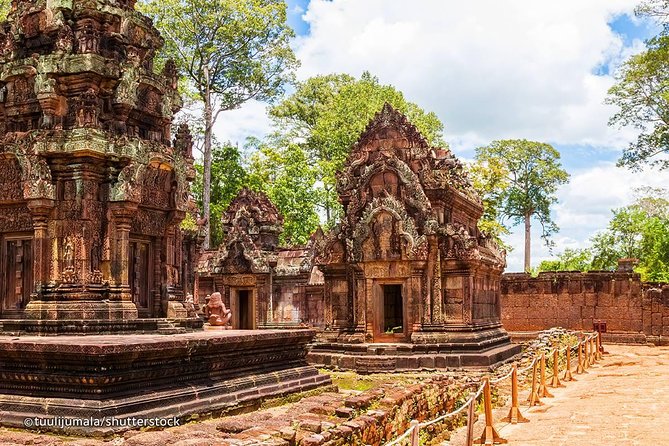
Angkor isn’t a museum stroll. It’s hot, uneven, and often crowded. If you remember one thing, make it this: bring comfortable shoes you can walk in all day. People also suggest you keep your pace realistic, because you’ll be on your feet for hours even with “short” temple visits.
Then follow the visitor rules. They’re not optional vibes, they’re actual site expectations:
- Wear respectful clothing with shoulders and knees covered
- Respect monks and signs
- Do not touch carvings
- Do not litter
- Do not smoke
- Do not give money or candy to children
Also, keep your pass with you. The ticket must be kept by the visitor and shown to ticket controllers if requested.
One logistical detail that can truly trip people up: after booking, you’re asked to email passport photos for all travelers. If the photos are not received, you may not get issued a ticket.
And if you’re the type who wants to film or use professional equipment, note the policy: drones and professional equipment for commercial purposes require a permit from the APSARA National Authority.
Should You Book This Angkor Wat Admission Ticket Service?

If you have a sunrise plan, limited time, or you simply want your first morning in Angkor to feel controlled, I’d book this. The best part is not the temple itself. It’s what happens before you reach the temples: your pass arrives early enough that you can start at the right time without a ticket-line gamble.
I’d skip it if you’re on a tight budget and you’re comfortable buying on site, especially if you’re traveling during a slower period when lines may be shorter. Also, only book if you can handle the photo requirement and you can double-check the printed validity dates.
One final tip: if you decide to hire a guide for interpretation, it can make the temples feel less like ruins and more like living design. Names like Mr Ho, Sok Piseth, Bob, Vantha, and Bunthang Lim come up in the same spirit, clear explanations and good energy. Even without a guide, your pass gives you the freedom to move when you want.
FAQ
What does the Angkor Archaeological Park ticket include?
It includes the Angkor National Park ticket for your selected duration, plus hotel delivery under your name. The pass allows visits from sunrise to sunset on your own arrangement, and admission is included for the listed temple stops in your plan.
When will my pass be delivered to my hotel?
Delivery is to your hotel front desk under your name in the evening at 6 pm for your visit on the next following day. You receive it before you go, so you can use it the next day.
Can I choose 1-day, 3-day, or 7-day options?
Yes. The booking is offered with 1-day, 3-day, and 7-day choices. Some descriptions also mention a 2-day option, so confirm the exact option you select for your dates.
Is transportation to the temples included?
No. Transportation to the sites is listed as not included, so you will need to arrange tuk-tuk, car, minivan, or bus on your own.
Do I need a separate ticket for Phnom Kulen and Koh Ker?
Yes. The information states that Phnom Kulen and Koh Ker Temples require separate tickets.
Do children need a ticket?
Children below 12 do not need a ticket for the national park, but they need to show a passport to prove their age.
What photos do I need to send after booking?
You need to email passport photos of all travelers after booking. If the photos are not received, you may not be issued a ticket.
Other Tickets Worth Pre-Booking
- Siem Reap: Phare, the Cambodian Circus Show Tickets★ 4.9 · 1,850 reviews
- Siem Reap: Angkor Wat Admission Ticket★ 4.7 · 106 reviews
- Phnom Kulen National Park Admission Ticket★ 4.7 · 30 reviews
- Angkor Wat Temples Tour with Entrance Ticket and Lunch★ 5.0 · 29 reviews
More Tour Reviews in Siem Reap
- Angkor Wat Sunrise or Sunset Tour with Guide from Siem Reap★ 5.0 · 12,109 reviews
- Siem Reap: Angkor Wat: Small-Group Sunrise or Sunset Tour★ 5.0 · 9,444 reviews
- From Siem Reap: Kampong Phluk Floating Village Tour by Boat★ 4.9 · 6,979 reviews
- Siem Reap: Angkor Wat 2-Day Tour with Sunrise and Sunset★ 4.9 · 4,429 reviews
Newly written up around Siem Reap
- Waterfall & River of 1000 Siva Linga- Kulen Mountain Private Tour
★ 5.0 · 3 reviews - Private Transfer from Siem Reap to Sihanoukville
★ 4.5 · 3 reviews - Private Tour to Koh Ker and Beng Mealea
★ 5.0 · 3 reviews - Private Transfer: Siem Reap Angkor Internation Airport to Hotel
★ 5.0 · 3 reviews - Kulen National Park Ticket -Waterfall & 1000 Lingas
★ 5.0 · 3 reviews - Kulen Waterfall & Kbal Spean Tour
★ 5.0 · 3 reviews
Tickets, side by side.
 ★ 4.9Phare, the Cambodian Circus Show TicketsFrom $181,850 reviews
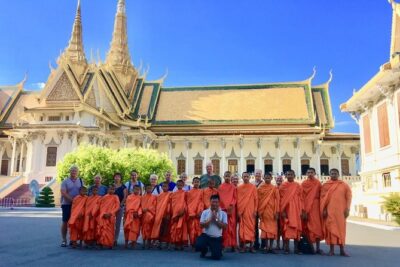 ★ 5.0Phnom Penh Full Day Private Tour Included All Admission TicketsFrom $97585 reviews
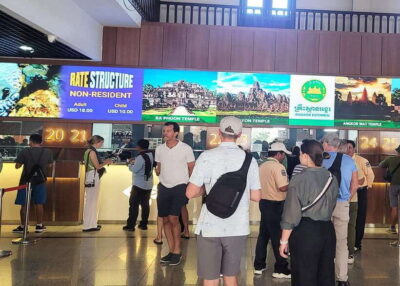 ★ 4.7Angkor Wat Admission TicketFrom $99106 reviews
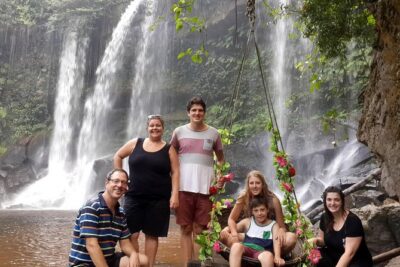 ★ 5.0Kulen National Park TicketFrom $1933 reviews
 ★ 4.7Phnom Kulen National Park Admission TicketFrom $1930 reviews
 ★ 5.0Angkor Wat Temples Tour with Entrance Ticket and LunchFrom $11929 reviews
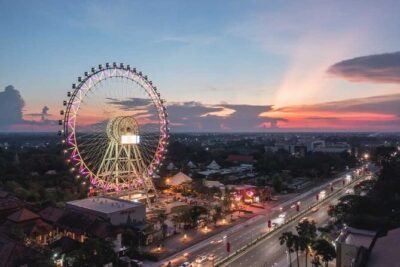 ★ 5.0Angkor Eye Standard Ride TicketFrom $1026 reviews
★ 5.0Angkor Wat Admission TicketFrom $6020 reviews
★ 5.0Angkor Eye Standard Ride TicketFrom $1026 reviews
★ 5.0Angkor Wat Admission TicketFrom $6020 reviews