
REVIEW · PHNOM PENH
Cambodia 7 Days Tour from Siem Reap to Battambang and Phnom Penh
Temples and hard history share the same week. I like this route because you get UNESCO-listed Angkor up close, then you move on to Khmer Rouge sites in Phnom Penh without scrambling across the country. It’s an easy way to see the big names and still get a few off-the-main-road moments.
One thing to watch: the days are packed. Day 2 is a long temple run, and Day 6 stacks major sights too, so you will spend plenty of time walking and sitting in the car.
In This Review
- Key highlights worth planning for
- A 7-day circuit from Siem Reap to Phnom Penh
- Day 1: From Siem Reap airport to your hotel base
- Day 2: Angkor Thom South Gate, Bayon, Ta Prohm, and Angkor Wat
- Day 3: Tonle Sap Lake, Kampong Phluk, and Siem Reap’s craft side
- Day 4: Battambang by bamboo train and Phnom Sampeou bats
- Day 5: Udong Mountain and a meditation stop on the way to Phnom Penh
- Day 6: Royal Phnom Penh, Wat Phnom, and the Khmer Rouge sites
- Day 7: Morning free time and departure from Techo International Airport
- Price and logistics: does $1,025.05 feel fair?
- Your guide experience: why Mr Sara, Vany, Meng, and Chany keep showing up
- Practical tips for this temple-heavy plus history mix
- Should you book this Cambodia 7-day tour?
Key highlights worth planning for
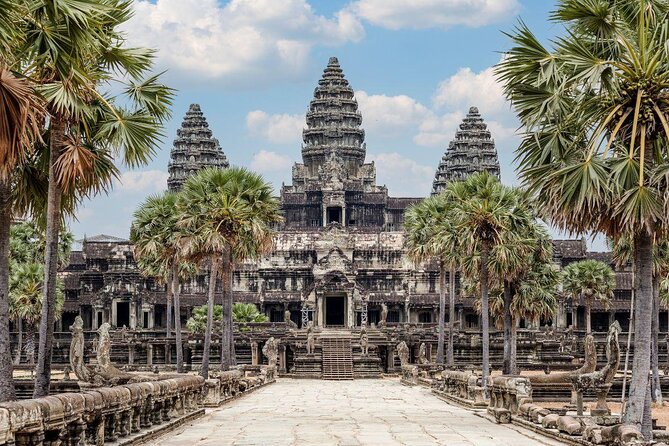
- Angkor Wat plus Angkor Thom in one focused temple day
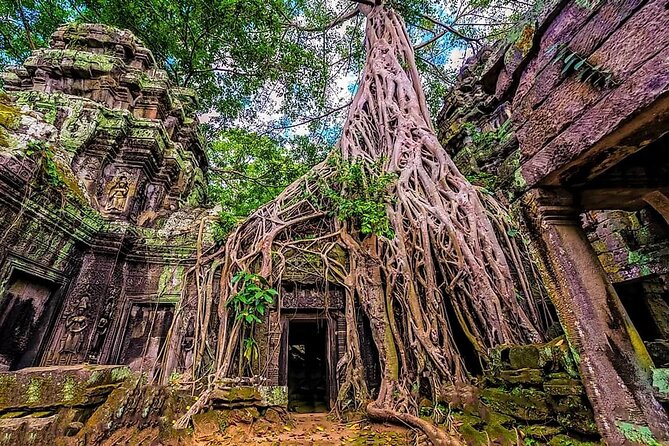
- Ta Prohm and other carved stone sites that feel half-hidden by trees
- Tonle Sap and Kampong Phluk for a look at floating life on the lake
- Battambang bamboo train (norry) plus countryside stops
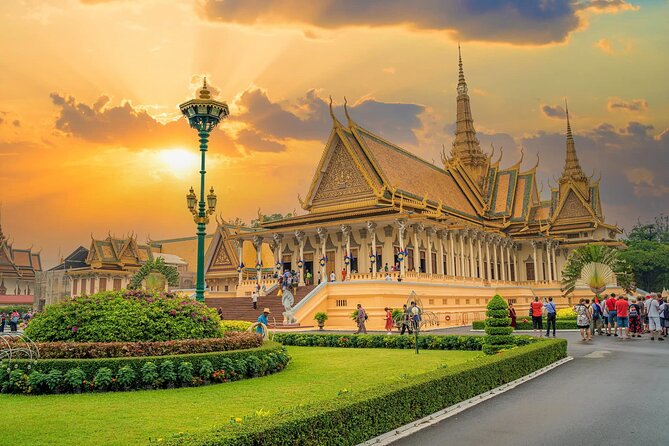
- Phnom Penh genocide sites paired with palace and pagoda landmarks
- Carefully timed logistics with hotel changes and private transport across the circuit
A 7-day circuit from Siem Reap to Phnom Penh
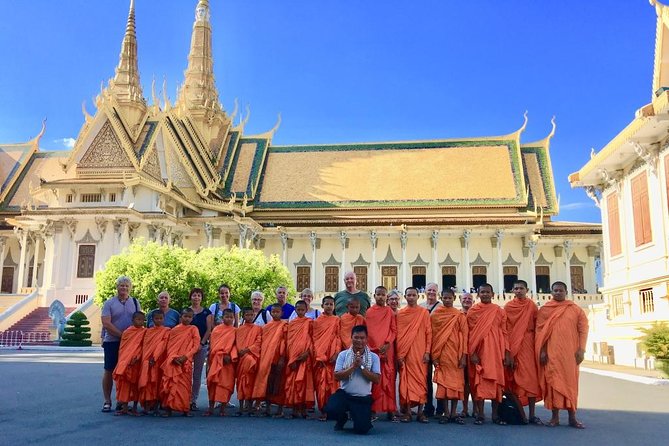
This tour is built like a line on a map: Siem Reap first, then Battambang, and finally Phnom Penh. The payoff is that you do not waste time backtracking, and you end with the capital, where you also fly out from Techo International Airport.
The itinerary also mixes three kinds of Cambodia trips: temple-heavy days, nature and local life around Tonle Sap and Battambang, and a serious history route in Phnom Penh. That balance is what makes it feel more like a complete survey than a checklist.
You’ll travel with an English-speaking tour guide and private transport, and you start each day after breakfast (six breakfasts are included). Entrance fees and bottled water are included too, which helps keep your budget predictable.
Day 1: From Siem Reap airport to your hotel base
Your first day is straightforward. You arrive at Siem Reap Angkor International Airport and you are picked up by your guide and driver, then transferred into Siem Reap.
This matters because Siem Reap traffic and distances can be a little unpredictable. Having that early handoff means you start your trip with less stress and more time to settle in.
Hotel options for Siem Reap run from a 3-star base (Royal Crown Hotel & Spa) to a 4-star (Regency Angkor Hotel) and a 5-star option (Angkor Paradise Hotel). You keep the same general standard through your first night, so you are not adjusting to a new place right before the big Angkor day.
More of the capital, other guides
- Siem Reap to Phnom Penh by Private Car or Minivan★ 5.0 · 189 reviews
- From Siem Reap: Battambang Day Trip Return or to Phnom Penh★ 4.9 · 73 reviews
- Taxi Siem Reap to Phnom Penh-English Speaking Driver★ 5.0 · 62 reviews
- Private Taxi Siem Reap to Phnom Penh, Reliable Driver, Transfer★ 5.0 · 45 reviews
Day 2: Angkor Thom South Gate, Bayon, Ta Prohm, and Angkor Wat
Day 2 is the heart of the trip, and it’s not shy about it. You begin at Angkor Thom South Gate, then continue through major structures inside the ancient city walls.
Expect a classic sequence:
- Bayon Temple (late 12th century style) with its famous stone faces
- Baphuon Temple, known for its distinctive multi-level layout
- Phimeanakas, tied to the royal-palace zone
- Terrace of the Elephants and Terrace of the Leper King, both known for detailed bas-reliefs and scale
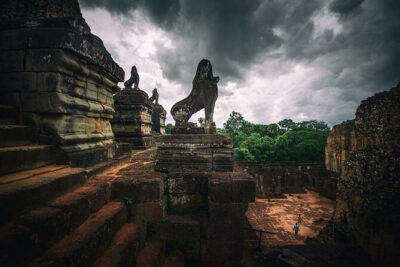
Then comes Ta Prohm, where trees and ruins share the frame. You spend enough time here that it feels less like a stop, more like a slow walk through an overgrown cathedral. The day ends with Angkor Wat, the best-preserved and most iconic monument of the Angkor complex.
Finally, you visit Phnom Bakheng Temple, a temple mountain with views that make the crowds feel worth it.
How to think about this day: it’s designed to show you both the royal city (Angkor Thom) and the prestige site (Angkor Wat), plus an atmospheric in-between like Ta Prohm. If you like structure and storytelling, this works well because your day flows from gate, to royal center, to major temples, to the grand centerpiece.
A consideration: you are moving between several sites in one stretch. If your knees or feet are sensitive, start Day 2 with comfortable shoes and a plan to pace yourself.
Day 3: Tonle Sap Lake, Kampong Phluk, and Siem Reap’s craft side
Day 3 shifts the mood. Instead of temple stones, you get water, villages, and a look at how people live with the seasonal pulse of the region.
You spend time at Tonle Sap Lake, described as the largest freshwater body in Southeast Asia and a key part of local carp breeding and harvesting. Then the tour goes to Kampong Phluk Floating Village, where the mangrove landscape adds a natural layer to the visit.
This is a good day for anyone who wants more than Angkor. It helps you understand Cambodia as living culture, not just heritage sites.
Back in Siem Reap, you add two quieter stops that can be surprisingly meaningful:
- Artisans Angkor, a social business that supports young people and revives traditional Khmer craftsmanship (founded in 1992)
- Wat Bo Temple, known for older pagoda walls and well-preserved paintings
You also pass Royal Residence, a royal villa connected to the King’s visits to Siem Reap. Even if you only glance at it from the right spots, it gives you a sense of where royal power sits in modern town life.
Day 4: Battambang by bamboo train and Phnom Sampeou bats
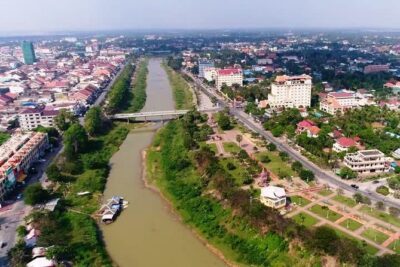
On Day 4, you head to Battambang and the itinerary leans toward countryside and oddball experiences, in the best way.
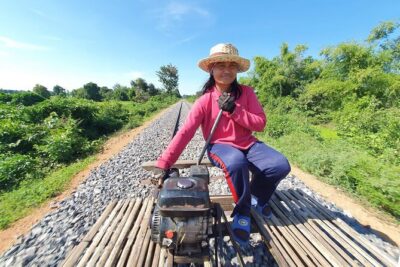
You start with the bamboo train, also called norry. It’s described as simple transport, fast and consistently running compared with the old passenger rail schedule. It’s one of those experiences that feels playful while also teaching you something about local ingenuity.
Battambang becomes more of a “walkable city” day after that. You visit:
- Battambang Central Market (a big market stop with time to browse)
- White Elephant Pagoda (Wat Tahm-rai-saw), an important landmark tied to local tradition
- Cambodia Peace Gallery, focused on recovery and engagement in peace efforts
- Ek Phnom Pagoda, an atmospheric partly collapsed 11th-century site about 11 km north of town
- Ta Dumbong Kro Aung Statue, connected to local legend behind the city name
Then the evening-style highlight arrives at Phnom Sampeau and the Battambang Bat Caves. The description is vivid for a reason: you get the visual spectacle of bats pouring from the caves as the sun sinks. Even if you do not care about bats, the setting around the caves tends to grab attention fast.
A practical note: this part of the day can involve stairs or uneven ground. Keep your schedule flexible and don’t treat it like a quick photo stop.
Day 5: Udong Mountain and a meditation stop on the way to Phnom Penh
Day 5 is a transition day, and it’s more interesting than most “transfer days” because you actually stop along the route.
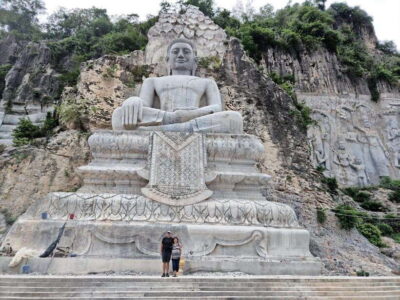
After breakfast in Battambang, you travel toward Phnom Penh and stop at Udong Mountain. Udong was a royal capital from the 17th to 19th centuries, and the mound layout is tied to that legacy. It’s a solid contrast to Angkor, because you see Cambodia’s power centers outside the Angkor era.
The itinerary then includes a stop at a center that teaches Vipassana meditation techniques. Even if you do not take part formally, you can usually wander the grounds and get a feel for the calm side of Cambodia.
You finish the day in Phnom Penh and check in at one of three hotel options:
- Mahasakor Inn (3-star)
- Sun & Moon Urban Hotel (4-star)
- Sun & Moon Riverside (5-star)
That hotel choice affects how your Phnom Penh evening feels, especially if you plan to step out after dinner rather than stay in.
Other Battambang days by tuk tuk
Day 6: Royal Phnom Penh, Wat Phnom, and the Khmer Rouge sites
Day 6 is the heavy day, emotionally. It still includes the city’s famous monuments and pagodas, but the Khmer Rouge stops are unavoidable and central to the experience.
You begin with Cheung Ek killing field, tied to what happened around Phnom Penh during the Khmer Rouge regime. Then you move into classic landmark Phnom Penh:
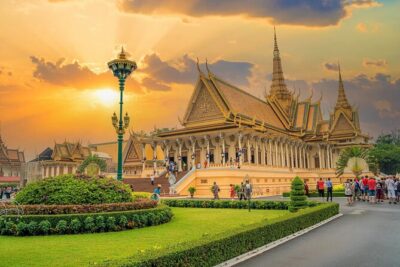
- Royal Palace
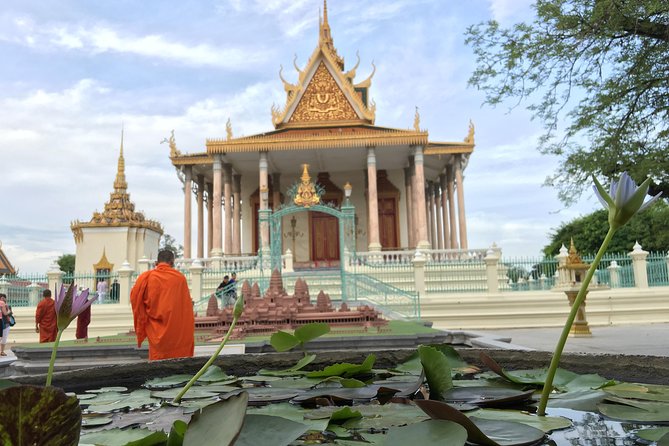
- Silver Pagoda, set beside the palace
- Wat Phnom, on top of a knoll and tied to a local founding legend
- Independence Monument
- Statue of King Norodom Sihanouk
- Wat Ounalom
This mix works because it sets context for how the present day city looks, even while you are learning about a period that caused immense trauma.
Then you close with two of Phnom Penh’s most important genocide-related sites:
- Tuol Sleng Genocide Museum
- Choeung Ek Genocidal Center
These are intense visits. If you’re sensitive, plan a slower pace, take breaks when you need them, and don’t feel pressured to race through.
Finally, you end with Central Market time, which gives you a more everyday Cambodia finish after the museums and memorials. It’s a nice rhythm shift: from reflection back into street life.
Day 7: Morning free time and departure from Techo International Airport
Your last day is built around leaving. After breakfast, you get free time until you are transferred to Techo International Airport. The transfer is described as without a guide, which is normal for the final airport handoff.
Since the day is lighter, it’s a good moment to do practical things you might have postponed: pick up gifts, grab water and snacks for your flight, and double-check that you have enough time to clear the airport process.
Price and logistics: does $1,025.05 feel fair?
At $1,025.05 per person for about seven days, the value depends on what you want included and how much you dislike planning.
Here’s what you are getting inside the price:
- Accommodation for double or twin (hotel options across 3-star to 5-star categories)
- Private transport
- An English-speaking tour guide
- Entrance fees and admission coverage
- Bottled drinks water
- Six breakfasts
What’s not included: tipping for the guide and driver.
For most people, the biggest “value lever” is the combination of private transport plus admission fees plus a guide who handles the day-to-day navigation. Cambodia can be easy to visit, but it can also become annoying if you keep reorganizing tickets and timing on your own, especially across multiple cities.
A second value lever is the routing. You cover Siem Reap, Battambang, and Phnom Penh in one go, so you avoid spending vacation time on extra transfers.
One more consideration: this is a tour with a full schedule. If you want slow mornings every day, this might feel intense compared to a more relaxed, self-paced plan.
Your guide experience: why Mr Sara, Vany, Meng, and Chany keep showing up
The best feedback emphasizes guide quality and how smoothly the trip ran. Names that appear in the feedback include Mr Sara and Mr Art (driver), along with guides like Vany, Meng, and Chany.
What those comments have in common is simple and useful:
- Guides who can explain Khmer history and temple layout clearly
- Drivers who are careful on the road
- A general sense that the itinerary stays on track without feeling rushed in a chaotic way
If you care about learning while you walk, this is the part that matters most. Angkor is impressive, but it’s also easy to see as random stone. A strong guide helps you spot what you’re looking at and why it matters.
So, when you book, focus on communication. Ask your operator how the day timing works and what time you should meet for early starts. A good trip depends on you and the guide agreeing on the rhythm.
Practical tips for this temple-heavy plus history mix
A plan like this asks for good day-to-day habits more than special travel gear. I’d prepare for hot sun, lots of walking, and a couple of emotionally heavy museum hours.
- Wear comfortable shoes for temple steps and uneven ground, especially around the Angkor sites and later stops.
- Bring sun protection (hat, sunscreen) because outdoor temple time takes a toll fast.
- Carry a light layer, evenings can feel cooler, and some museum interiors can be air-conditioned.
- Plan water habits. Bottled water is included, but you still want to sip regularly.
- In Phnom Penh, keep your pace gentle during Tuol Sleng and Choeung Ek. You can take your time and still respect the sites.
If you’re traveling as a couple or a small group, the private setup is ideal. If you’re with older family members, double-check comfort levels for steps and longer days, since Day 2 and Day 6 are your biggest physical and emotional workload.
Should you book this Cambodia 7-day tour?
Book it if you want an organized, multi-city Cambodia trip that hits the big UNESCO sights and still includes human-scale local experiences like Tonle Sap life, Kampong Phluk, and Battambang’s bamboo train. I also think it’s a good fit if you want English-speaking guidance that keeps Angkor meaningful, not just impressive.
Skip it or consider a lighter version if you hate packed days or you prefer to roam slowly without structured stops. This itinerary is full by design, and it uses that fullness to cover Siem Reap, Battambang, and Phnom Penh efficiently.
If your goal is maximum Cambodia in one week, with major history included responsibly and major sights handled logically, this one is a strong bet.
More Tour Reviews in Siem Reap
- Angkor Wat Sunrise or Sunset Tour with Guide from Siem Reap★ 5.0 · 12,109 reviews
- Siem Reap: Angkor Wat: Small-Group Sunrise or Sunset Tour★ 5.0 · 9,444 reviews
- From Siem Reap: Kampong Phluk Floating Village Tour by Boat★ 4.9 · 6,979 reviews
- Siem Reap: Angkor Wat 2-Day Tour with Sunrise and Sunset★ 4.9 · 4,429 reviews
More Battambang by Tuk Tuk
- Battambang Full Day Tour from Siem Reap – Bamboo Train, Killing Cave & Sunset★ 5.0 · 101 reviews
- From Siem Reap: Battambang Day Trip Return or to Phnom Penh★ 4.9 · 73 reviews
- Full Day From Siem Reap – Bamboo Train, Killing Cave & Sunset★ 5.0 · 57 reviews
- Battambang Day Trip from Siem Reap-Bamboo Train, Bats Cave★ 5.0 · 48 reviews
Phnom Penh, Further In
- Siem Reap to Phnom Penh by Private Car or Minivan★ 5.0 · 189 reviews
- From Siem Reap: Battambang Day Trip Return or to Phnom Penh★ 4.9 · 73 reviews
- Taxi Siem Reap to Phnom Penh-English Speaking Driver★ 5.0 · 62 reviews
- Private Taxi Siem Reap to Phnom Penh, Reliable Driver, Transfer★ 5.0 · 45 reviews
Newly written up around Siem Reap
- Waterfall & River of 1000 Siva Linga- Kulen Mountain Private Tour
★ 5.0 · 3 reviews - Private Transfer from Siem Reap to Sihanoukville
★ 4.5 · 3 reviews - Private Tour to Koh Ker and Beng Mealea
★ 5.0 · 3 reviews - Private Transfer: Siem Reap Angkor Internation Airport to Hotel
★ 5.0 · 3 reviews - Kulen National Park Ticket -Waterfall & 1000 Lingas
★ 5.0 · 3 reviews - Kulen Waterfall & Kbal Spean Tour
★ 5.0 · 3 reviews
Phnom Penh City Tours, side by side.
 ★ 4.5Sunset Cruise with Unlimited Beers & BBQ BuffetFrom $9727 reviews
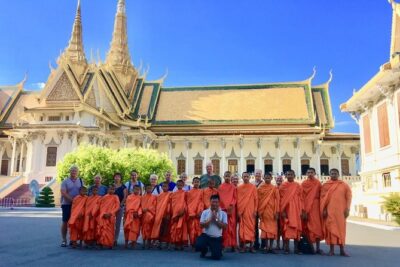 ★ 5.0Phnom Penh Full Day Private Tour Included All Admission TicketsFrom $97585 reviews
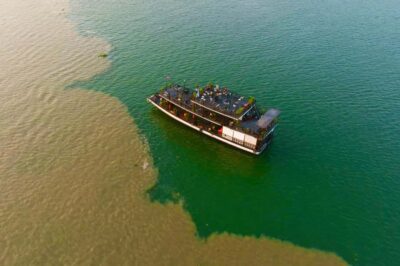 ★ 4.7Sunset Cruise with Unlimited Beer &Fruit platterFrom $9515 reviews
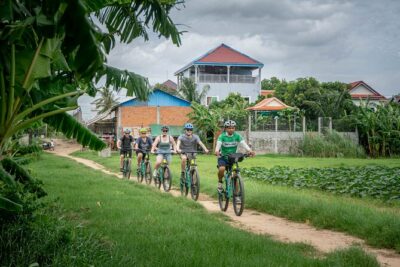 ★ 5.0Phnom Penh Silk Island Bike Tour/ E-Bike or Tuk TukFrom $35495 reviews
 ★ 5.0Ultimate Phnom Penh Food Tour by Tuk Tuk: 20 Tastings and DrinksFrom $69409 reviews
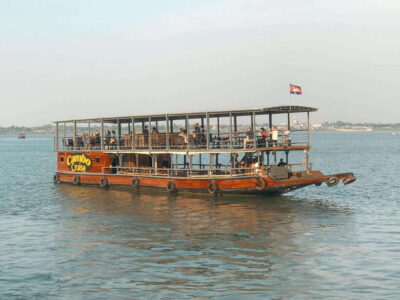 ★ 4.7Mekong Sunset Dinner Cruise with Live MusicFrom $9261 reviews
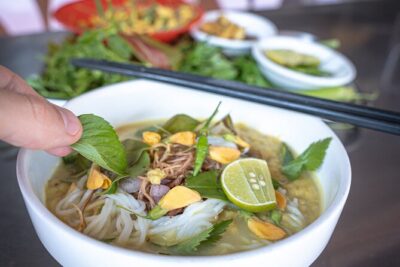 ★ 5.0Phnom Penh’s Culinary Underground: Local Food Tour by Tuk-tukFrom $69234 reviews
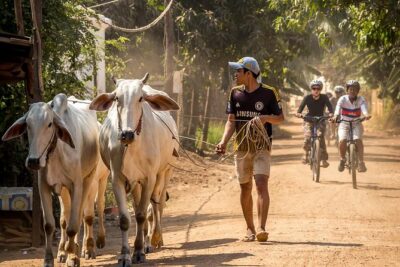 ★ 5.0Cycling Adventure on Islands of the MekongFrom $65225 reviews