
REVIEW · SIEM REAP
Day in a Life Authentic Village Experience in Siem Reap
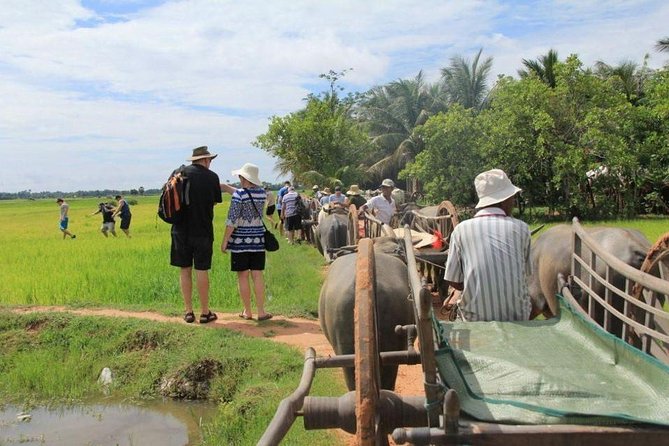
Hands-on village life beats any show. You spend the day with a Cambodian host family in a real farming village, doing practical tasks like planting or harvesting rice, repairing roofs, and riding an ox cart. It is not a staged set up, so the day can shift depending on village needs and ceremonies, which is part of what makes it feel genuine and grounded.
What I like most is how this tour ties your effort to direct support, you work alongside a Type 1 poor family through a responsible tourism model. I also really value the food setup: a freshly prepared Khmer hot lunch is cooked for you, then you get to share the meal in the village as appropriate, with proper respect for how the family lives day to day.
The main consideration is that this is a functioning community, so you need flexibility. Activities can vary by season, and you may sometimes eat apart from the host family depending on what they prefer that day, which is totally normal but worth knowing ahead.
In This Review
- Key Things That Make This Day in a Life Stand Out
- Getting Out Of Siem Reap: Real Village Vibes, Not Tourist Props
- Your Host Family: What Type 1 Support Looks Like In Practice
- Hands-On Work You Might Do: Rice, Palm Leaf Roofs, Weaving, And More
- Ox Cart Ride: A Friendly Way To See How People Move Around
- Village Life Moments: Pagoda Visits, School If Possible, And Cultural Respect
- The Khmer Lunch Setup: Fresh, Hot, And Not Sourced From the Village
- Responsible Tourism, HUSK Cambodia, And Why the Rules Matter
- What To Wear, What To Bring, And How To Make It Easier
- Price and Value: Why $68.72 Feels Reasonable Here
- Who This Tour Suits Best (And Who Might Want Something Else)
- Should You Book This Day in a Life Village Experience?
- FAQ
- What time does the experience start?
- How far is the village from Siem Reap?
- What activities are included during the day?
- Is lunch included, and where is the food prepared?
- Are donations or gifts allowed to people in the village?
- What should I wear?
- What is the cancellation policy?
Key Things That Make This Day in a Life Stand Out
- Real village, not a replica, with activities that adapt to ceremonies and daily life
- Small group size (max 8), focused on one host family for the day
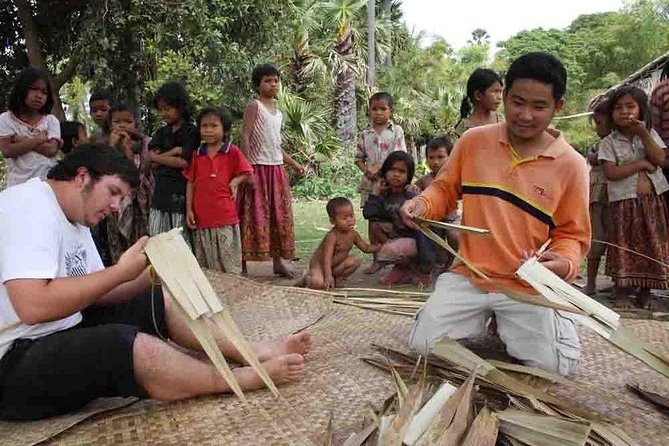
- Hands-on work like rice planting or harvesting, weaving thatch or wall panels, and more
- Fruit tree planting chance for your host family, paired with a longer-term food and income goal
- Ox cart ride plus village life moments, including pagoda and school visits if possible
- Responsible tourism rules, including no gifts or handouts in the village and a donation model via HUSK Cambodia
Getting Out Of Siem Reap: Real Village Vibes, Not Tourist Props
Most days start with a morning pickup and a short ride out of Siem Reap to a village about 16 km away. The point here is simple: you are leaving the city rhythm behind and stepping into a place where farming families live their normal week. This is a key difference between a cultural visit and a genuine day in a village, because the environment is not built for visitors.
What makes this route feel more meaningful is the small group format. With a maximum of 8 people, you are less like spectators and more like helpers. And because you go with a professional English-speaking guide, you get context as you go, not just a list of things to see.
Plan on the day being a little unpredictable. Since this is not a staged experience, village schedules matter. You may arrive and find something ongoing, a ceremony, a community event, or a family priority that changes the order of activities. Your best move is to treat flexibility as part of the ticket price.
Your Host Family: What Type 1 Support Looks Like In Practice
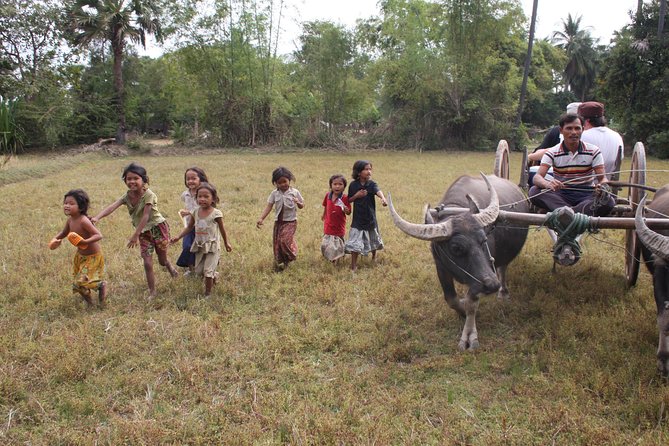
A big part of why this tour has a strong impact is that you spend the day with one host family, and they are described as a Type 1 poor family. That matters because Type 1 families typically have no regular income source and no savings, which also means a small disruption can hit hard. The model is built around vulnerability, not just poverty as a concept.
When you are working right alongside them, you understand something quickly. You are not just watching how rice gets grown or how a roof gets repaired. You are doing tasks in a context where time, weather, and labor are real constraints.
It is also worth knowing how your guide frames this, because it changes your behavior. There are specific rules about donations and handouts in the village. Gifts are described as well meant but potentially harmful, since they can create jealousy and a begging cycle. Instead, the tour sets up a donation to HUSK Cambodia, and each booking also sets aside funding for projects in the village. That is the value proposition in plain terms: you help through a structured approach rather than random giving.
One more detail that surprised me as a concept, even before you get there, is the fruit tree opportunity. You typically plant a fruit tree for your host family. This is meant to be a future food and potential income source, so it is not just a photo moment. It is a small, long-term investment in something families can benefit from later.
Other rides out past the rice fields
- Siem Reap Countryside Bike Tour / E-Bike or Tuk Tuk★ 5.0 · 935 reviews
- Siem Reap Countryside Quad Biking Tour★ 5.0 · 322 reviews
- Siem Reap: Guided Countryside Bike Tour★ 4.9 · 294 reviews
- Siem Reap Quad Bike Countryside Tour★ 4.7 · 283 reviews
Hands-On Work You Might Do: Rice, Palm Leaf Roofs, Weaving, And More
This is the day’s heart. The exact tasks depend on the time of year and what the family needs, but you should expect practical, physical activities. The goal is to help with real jobs, not to do a “try it once” demo.
Here are some of the activities you may do:
- Rice work such as planting, harvesting, or transplanting (season dependent)
- Palm leaf and roofing support, including stitching palm leaf to repair homes
- Weaving thatch or weaving wall panels, depending on what needs fixing
- Vegetable growing tasks for the family’s plots
- Tree planting, beyond the fruit tree you help with for your host family
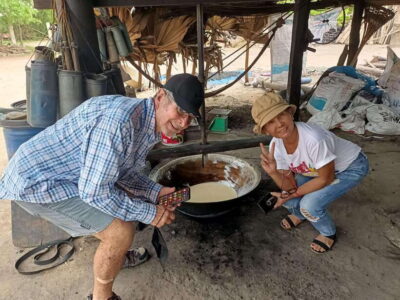
- Food and craft work such as making prahoc or rice wine, if the family’s schedule supports it
If you are thinking this will be slow and scenic, adjust that idea. Even if you are not doing heavy labor, you will likely be bending, walking, lifting lightweight materials, and doing hands-on craft steps. This is one reason sturdy footwear is in the dress code.
A small detail that helps your expectations: every tour is different, and your guide adapts the day as village needs change. That means you might not do everything. But you should still leave feeling like you contributed in a meaningful way, because the tasks are chosen around family priorities, not a fixed checklist.
Ox Cart Ride: A Friendly Way To See How People Move Around
You will likely get an ox cart ride as part of the day. This is not just about transportation as a spectacle. It gives you a sense of how movement and farm work tie together in a rural setting.
The ride can also help you pace yourself. After hands-on tasks, it is a nice reset, and it lets you see areas that are part of everyday life, not only the “main points” you might visit on a standard sightseeing trip.
Village Life Moments: Pagoda Visits, School If Possible, And Cultural Respect
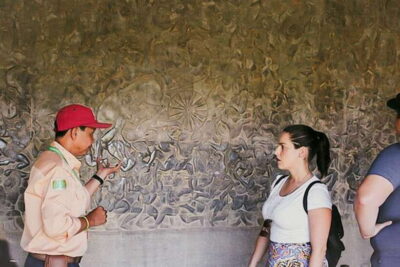
Beyond farm work, the experience includes village life touchpoints. You may visit a local pagoda and possibly a school, depending on what is happening that day.
This is where your guide earns their pay. You do not want to wander into a sacred space like it is a backdrop. With a guide, you get guidance on what to do, what to avoid, and how to show respectful curiosity.
Also remember the core expectation: you are entering a real village with ongoing routines. If something is happening, you adapt. If the family wants space for part of the day, you give it. This is part of being a responsible visitor.
One of the best habits here is to ask fewer questions in the moment and watch what the family is focused on. When you see someone doing a job, let them finish the step they are working on. That small behavior goes a long way toward showing you are there to help, not to disrupt.
The Khmer Lunch Setup: Fresh, Hot, And Not Sourced From the Village
Lunch is freshly prepared and served as a Khmer hot meal. The structure is typically a starter, a main, and fresh fruit for dessert. It is designed to be hearty and practical after a morning of tasks.
Here is an important operational detail: because of lack of electricity and proper sanitation, the tour does not source food from the village. That is not a slight at rural life. It is simply a safety and consistency choice, so you get a reliable meal while respecting local infrastructure realities.
Lunch is normally enjoyed together with the host family, but sometimes they prefer to eat alone. Do not take it personally. If it happens, it likely reflects their routine and privacy preferences. Your guide will help you navigate the moment smoothly.
If you are a foodie, this is a smart way to try Cambodian flavors without turning the village into a kitchen stage. You get good food, you get context, and you are not adding pressure to local resources.



Responsible Tourism, HUSK Cambodia, And Why the Rules Matter
The responsible tourism model is not just marketing. You are told directly that every tour helps a Type 1 village family through funding via HUSK Cambodia, and also that additional projects in the village are supported from tour contributions.
That structure matters because it reduces the chance of short-term, messy “help.” Random handouts can accidentally create resentment, dependency, or a begging cycle. The tour explicitly forbids donations and handouts in the village, and it encourages you to talk with staff if you want to help in a meaningful way.
In other words, the rules aim to protect the village from the worst side effect of tourism: turning people into targets for charity. You get impact without turning the community into a donation stop.
What To Wear, What To Bring, And How To Make It Easier
This day is hands-on, so pack and dress with comfort and respect in mind.
Dress code: covered knees, covered shoulders, and chest. Also wear sturdy footwear. You will likely be walking on uneven ground, and some tasks involve tools or natural materials, so shoes you can trust matter.
You should also plan for:
- Longer time outdoors with sun and occasional dust
- Physical effort even if tasks vary
- Basic comfort needs, since you are working and moving rather than sitting in a bus
The tour includes bottled water and cold towels, which is great after you sweat a bit. Still, I recommend you bring a hat or sunglasses if you handle heat well. And if you have any allergies or dietary needs, advise them before arrival, because the lunch includes multiple components.
One more practical note: service animals are allowed. That is helpful if you travel with an animal that provides necessary support.
Price and Value: Why $68.72 Feels Reasonable Here
At about $68.72 per person for roughly 7 hours, the price can seem “not cheap” if you compare it to a standard countryside day. But you are paying for more than transport.
You are paying for:
- Round-trip transport from Siem Reap by air-conditioned minivan
- A professional English-speaking guide who helps you work safely and respectfully
- Hands-on activities with an ox cart ride and village tasks
- A freshly prepared Khmer lunch with starter, main, and fruit dessert
- Cold towels and bottled water
- Donation support via HUSK Cambodia, aimed at income support and village projects
You are also paying for the hardest-to-price part: access to a real host-family day with a responsible framework. That is why similar experiences that are only sightseeing often feel hollow in comparison. Here, you contribute labor, share context, and support the family through a structured initiative.
And it helps that the maximum group size is small. Lower crowding means you get more time and less chaos, which improves the actual experience quality.
Who This Tour Suits Best (And Who Might Want Something Else)
This is a good fit if you like:
- Practical cultural experiences, not just temples and photo stops
- Learning by doing, especially around farming and rural life
- Responsible tourism with clear rules, not surprise charity demands
It is especially meaningful if you care about impact. The Type 1 family model and the HUSK Cambodia donation setup make the help feel intentional.
This might be less ideal if you:
- Want a purely comfortable, low-effort day with minimal physical work
- Get stressed by schedule changes
- Prefer highly controlled, scripted experiences
If you are comfortable with “real village energy,” this works well because the unpredictability is part of the authenticity.
Should You Book This Day in a Life Village Experience?
If you want something more than Siem Reap sightseeing, I think this is a strong choice. The biggest win is that you are not just visiting a village, you are working alongside a host family and supporting them through a responsible tourism plan tied to HUSK Cambodia.
Book it if you are ready to be flexible, wear long clothing, and do hands-on tasks. You will also come away with more than photos, because you will understand the day-to-day rhythm of farming life and what structured support can do.
Skip it if you only want easygoing scenery time. This is a working day, and that is the point.
FAQ
What time does the experience start?
It starts at 8:00 am, with a duration of about 7 hours.
How far is the village from Siem Reap?
The village is about 16 km from Siem Reap.
What activities are included during the day?
You can expect an ox cart ride and a mix of village activities, which may include rice planting or harvesting, transplanting rice, weaving thatch or wall panels, tree planting, and making prahoc or rice wine, depending on the time of year and family needs.
Is lunch included, and where is the food prepared?
Yes, lunch is included. It is a fresh Khmer hot lunch with starter, main, and fresh fruit for dessert. The tour notes that due to lack of electricity and proper sanitation, they cannot source food from the village.
Are donations or gifts allowed to people in the village?
No. Donations and handouts in the village are strictly forbidden. If you want to help, talk with the tour staff or guide about the best way to make a meaningful difference.
What should I wear?
Plan for covered knees and covered shoulders and chest, plus sturdy footwear.
What is the cancellation policy?
You can cancel for a full refund up to 24 hours before the experience’s start time. If you cancel less than 24 hours before the start time, the amount you paid is not refunded.
More Tour Reviews in Siem Reap
- Angkor Wat Sunrise or Sunset Tour with Guide from Siem Reap★ 5.0 · 12,109 reviews
- Siem Reap: Angkor Wat: Small-Group Sunrise or Sunset Tour★ 5.0 · 9,444 reviews
- From Siem Reap: Kampong Phluk Floating Village Tour by Boat★ 4.9 · 6,979 reviews
- Siem Reap: Angkor Wat 2-Day Tour with Sunrise and Sunset★ 4.9 · 4,429 reviews
Beyond the Paddy Bunds
- Siem Reap Countryside Bike Tour / E-Bike or Tuk Tuk★ 5.0 · 935 reviews
- Siem Reap Countryside Quad Biking Tour★ 5.0 · 322 reviews
- Siem Reap: Guided Countryside Bike Tour★ 4.9 · 294 reviews
- Siem Reap Quad Bike Countryside Tour★ 4.7 · 283 reviews
Newly written up around Siem Reap
- Waterfall & River of 1000 Siva Linga- Kulen Mountain Private Tour
★ 5.0 · 3 reviews - Private Transfer from Siem Reap to Sihanoukville
★ 4.5 · 3 reviews - Private Tour to Koh Ker and Beng Mealea
★ 5.0 · 3 reviews - Private Transfer: Siem Reap Angkor Internation Airport to Hotel
★ 5.0 · 3 reviews - Kulen National Park Ticket -Waterfall & 1000 Lingas
★ 5.0 · 3 reviews - Kulen Waterfall & Kbal Spean Tour
★ 5.0 · 3 reviews
Siem Reap Countryside Tours, side by side.
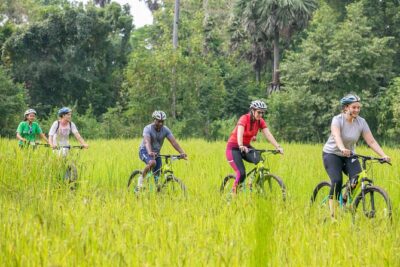 ★ 5.0Siem Reap Countryside Bike Tour / E-Bike or Tuk TukFrom $35935 reviews
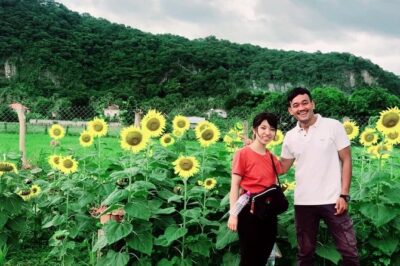 ★ 5.0Afternoon tour by tuk tuk to bamboo train,bat cave,killing cave,countryside.From $15344 reviews
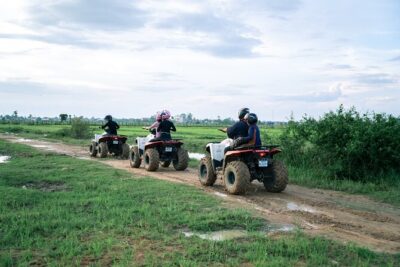 ★ 5.0Siem Reap Countryside Quad Biking TourFrom $45322 reviews
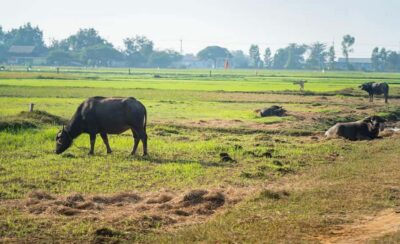 ★ 4.9Guided Countryside Bike TourFrom $35294 reviews
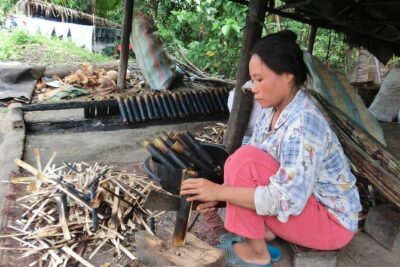 ★ 5.0Local Livelihood Half Day Bike Tour in BattambangFrom $30287 reviews
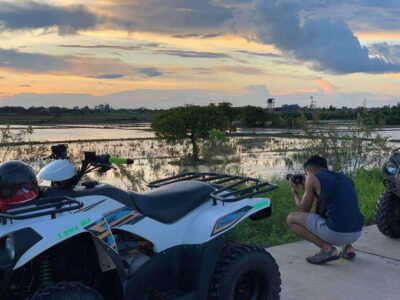 ★ 4.7Siem Reap Quad Bike Countryside TourFrom $33283 reviews
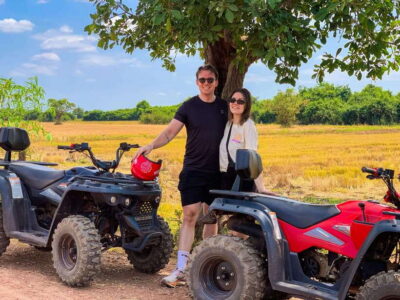 ★ 4.9Khmer Village and Fish Farm ATV TourFrom $33266 reviews
 ★ 4.9Full-day Countryside Tour with Pepper Farm and KepFrom $26245 reviews
Also appears in