
REVIEW · SIEM REAP
Kampot: Full-day Countryside Tour with Pepper Farm and Kep
A day trip like this works because it mixes everyday Kampot life with story-heavy stops. You’ll ride out of town on a tuk tuk, learn how salt and pepper really get made, then end in Kep for crab-market energy and beach downtime. I especially like the pepper tour with tastings and the cave temple views. One thing to keep in mind: if it’s not harvesting season, you might not see active salt fields in the way you expect.
This tour is a solid value for $26, mainly because entrance fees, a guide, and pepper testing are included, and the ride time is long enough to feel like a real countryside day. I also like the relaxed pacing most guides bring, with room for breaks at the cave and plenty of time at the pepper farm. The only drawback is that food is not included, so you’ll want to budget extra for lunch or seafood in Kep.
Expect an English-speaking guide and a comfortable day that you can tailor with small requests, especially with the tuk-tuk route. Different guides show up on different days, and names like Mr. Chav, Phealy, Voleak, Phalla, Pili, and Vandy have been associated with this kind of route.
In This Review
- Key highlights worth your time
- A Tuk Tuk Day Around Kampot and Kep: What 8 Hours Feels Like
- Salt Fields and a Salt-Production Factory Stop: Brine to Buckets
- Phnom Chhngok Cave Temple and Its 203 Steps: Funan-Era Bricks
- Brateak Krola Lake on a Raised Platform: A Khmer Rouge-Era Reminder
- La Plantation Pepper Farm: Learn, Taste, and Shop Kampot Pepper
- Kep Crab Market, a French-Era Abandoned Building, and Beach Time
- Price and Value at $26: What You Get, What Costs Extra
- Who This Tour Suits Best, and Who Might Want Another Option
- Practical Tips for the Steps, the Heat, and Your Shopping List
- Should You Book This Kampot and Kep Countryside Tour?
- FAQ
- How long is the Kampot to Kep countryside tour?
- What is included in the price?
- Is food included?
- Where do I meet for pickup in Kampot?
- Is pickup included from any location in Kampot?
- What language is the guide?
- Do I need to bring anything?
- What should I wear or prepare for at Phnom Chhngok Cave?
- Is the tour suitable for very elderly travelers?
- What are the cancellation and payment terms?
Key highlights worth your time
- Salt-production stop: a guided visit tied to the local economy
- Phnom Chhngok Cave: 203 steps up to a Shiva brick temple and big views
- Brateak Krola Lake: a raised-platform look at a Khmer Rouge-era artificial lake
- La Plantation pepper farm: a hands-on peppercorn tour with tastings
- Kep finale: crab market, a French-era abandoned building, and a chance to unwind by the beach
A Tuk Tuk Day Around Kampot and Kep: What 8 Hours Feels Like
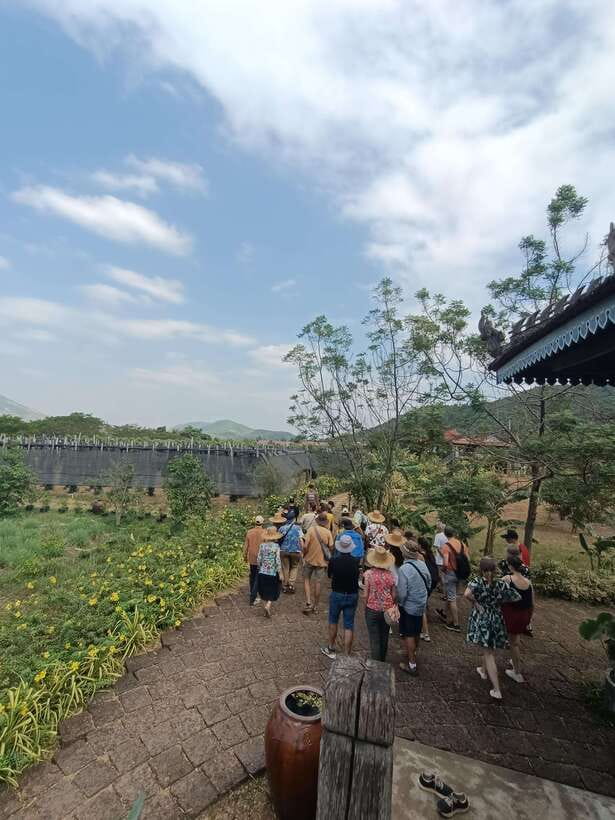
This isn’t a quick “hit-and-run” tour. It’s built around an 8-hour loop between Kampot Province and Kep Province, with multiple short rides that keep the day feeling like a journey instead of a checklist. You’ll spend a lot of time outside, so it’s the kind of day where you’ll appreciate shade stops, cold water, and the habit of taking photos when the route gives you a good view.
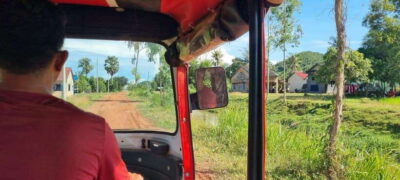
Tuk-tuk travel here has two practical perks. First, it’s slower than a car, so you naturally get more scenery between stops. Second, your guide can usually manage timing on the fly if you want an extra minute at a viewpoint or need a short break. In fact, many guides on this route are praised for being patient and for offering extra context along the way.
Salt Fields and a Salt-Production Factory Stop: Brine to Buckets
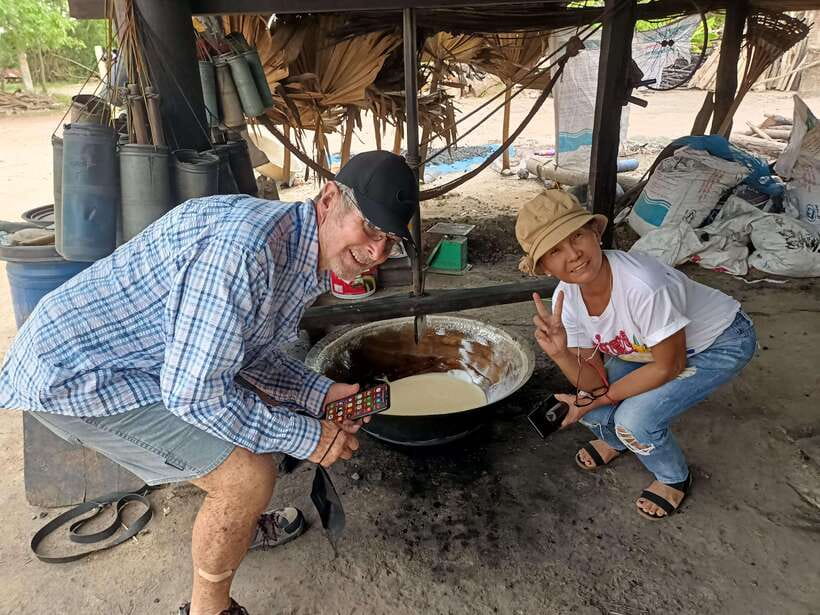
Your day starts with a countryside-style stop at the salt area on the outskirts of Kampot. There’s a photo stop connected to the salt fields, and then you shift into the real point of the morning: a guided tour of a salt-production facility. This is the part that helps you understand salt as a business, not just a visual.
What I like about this stop is that it’s grounded. You learn the importance of salt to the local economy, and you get walked through the steps of production rather than being handed a quick explanation and moved along. That matters because Kampot is known for pepper and scenery, but salt is one of the practical industries that keeps the region working year-round.
A drawback to plan for: salt visibility can depend on timing. One traveler noted they couldn’t see the salt fields because it was not the harvesting season. So if you’re coming during a slower period, your experience might shift more toward learning the process than watching active harvesting.
Other rides out past the rice fields
- Kampot: Full-day Countryside Tour with Pepper Farm and Kep★ 4.9 · 245 reviews
- Kampot’s Countryside & Kayak Tour, Pepper Farm include Lunch★ 4.8 · 74 reviews
- Kampot Countryside: Authentic Khmer Cooking Class★ 4.8 · 21 reviews
- FULL DAY – Countryside Tuk-Tuk Pepper Tour + Kep★ 4.6 · 11 reviews
Phnom Chhngok Cave Temple and Its 203 Steps: Funan-Era Bricks
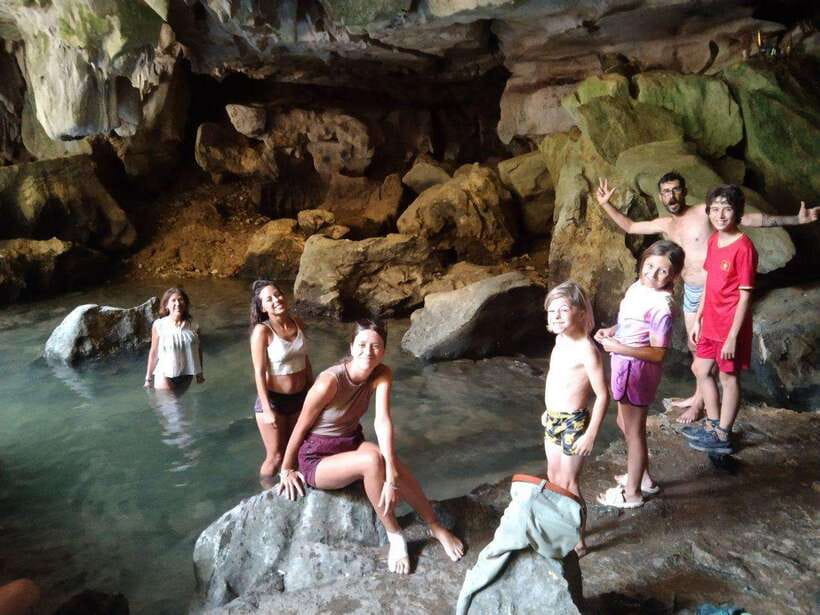
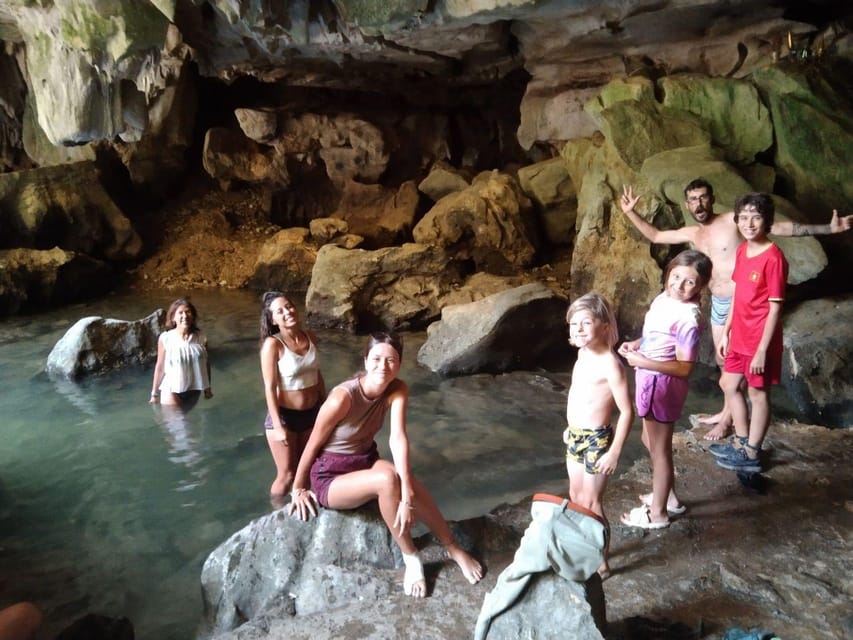
Next comes Phnom Chhngok Cave, one of the best-known cave-temple viewpoints near Kampot. The big practical detail is the climb: 203 steps to reach the entrance. It’s not a long hike in distance terms, but it is an effort, especially in heat. Plan to pace yourself and take the breaks your guide offers.
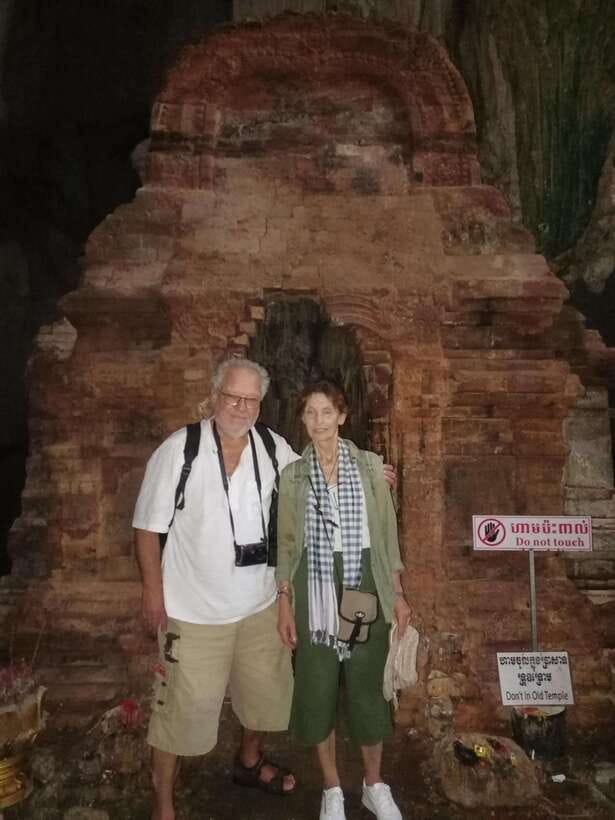
Once inside, you’re not just looking at a cave. In the main chamber stands a brick temple connected to the 7th century, tied to the Funan-era period and dedicated to Shiva. That combo is what makes this stop more than a photo moment. You’re seeing how religion shaped architecture and how people built sacred spaces in difficult terrain.
You also get a chance to admire views from the cave entrance. This is one of those “you’ll feel the payoff” moments because you climb, then you look out. If you want the best experience, wear footwear with grip and take your time on the steps. You’ll get more enjoyment, and you won’t feel rushed.
Brateak Krola Lake on a Raised Platform: A Khmer Rouge-Era Reminder
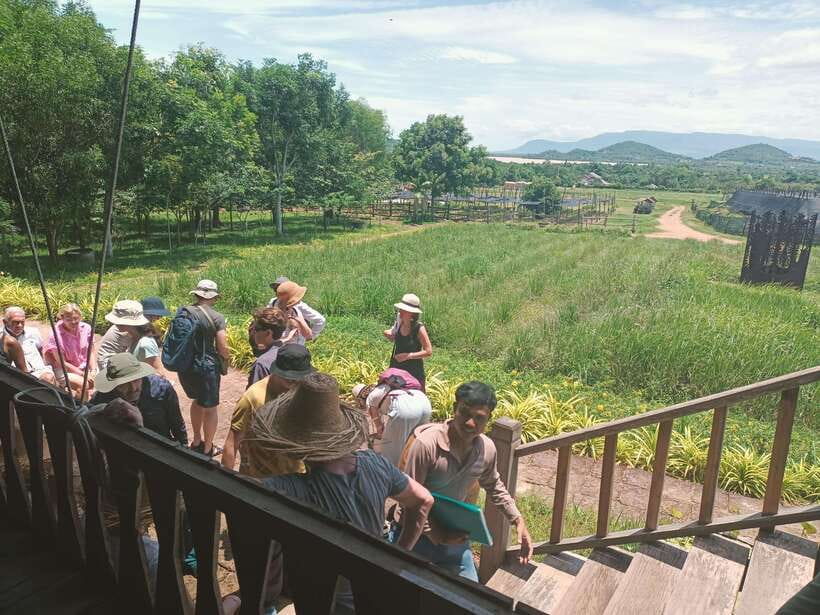
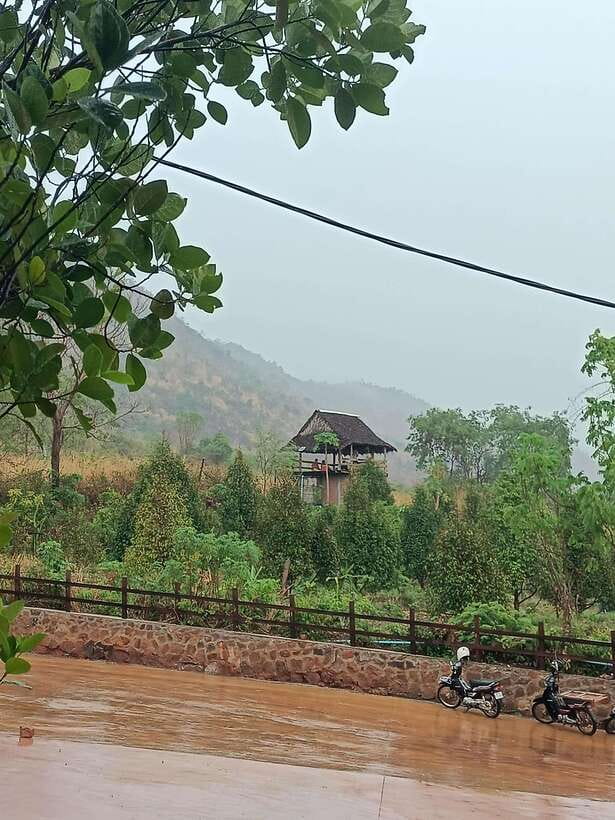
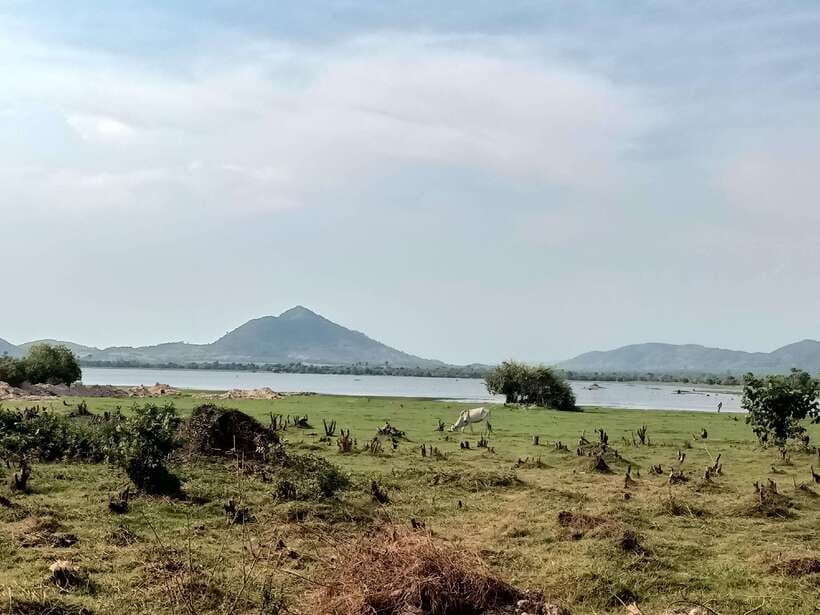
Then you’ll pause at Brateak Krola Lake, an artificial lake that was constructed during the Khmer Rouge era. The information you’ll hear frames it as a sad place created by slave labor. It’s introduced as a photo stop and a guided visit from a raised platform, which helps you take in the scene without turning it into a casual sightseeing moment.
I like that this stop adds emotional weight to the day. Pepper and salt are hands-on and lively, but Brateak Krola brings you back to history and what people endured. It also gives you a different kind of view, not “pretty postcard,” but still meaningful. If you’re the type who appreciates context, this is one of the most memorable parts.
The main consideration here is mood. Keep your expectations aligned with what the place represents. Bring a respectful attitude, and you’ll get more out of it than if you try to treat it like just another stop.
La Plantation Pepper Farm: Learn, Taste, and Shop Kampot Pepper
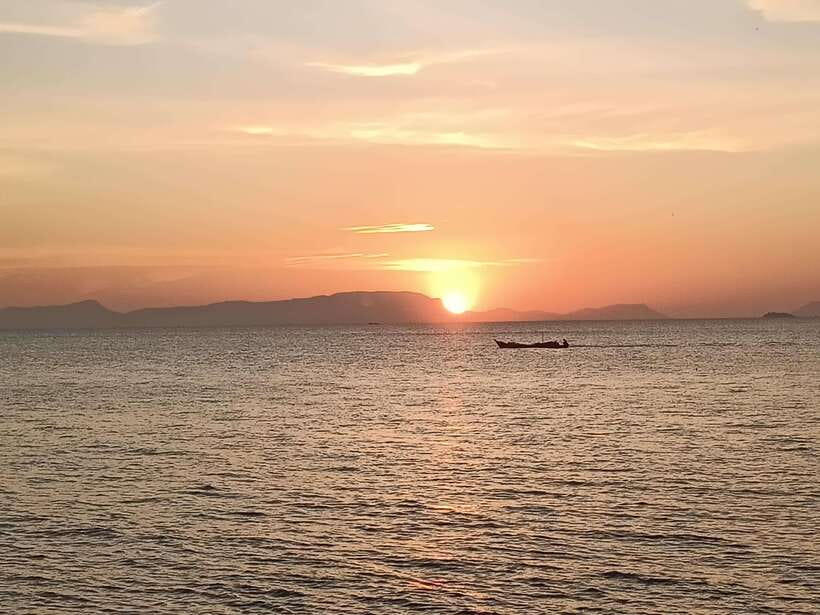
If you’re coming to Kampot for flavor, this is your centerpiece. At La Plantation, you get a guided tour plus free time, shopping, sightseeing, and walking around the plantation area. Time here is generous compared to most countryside stops, about two hours, which gives you room to absorb the process and still browse.
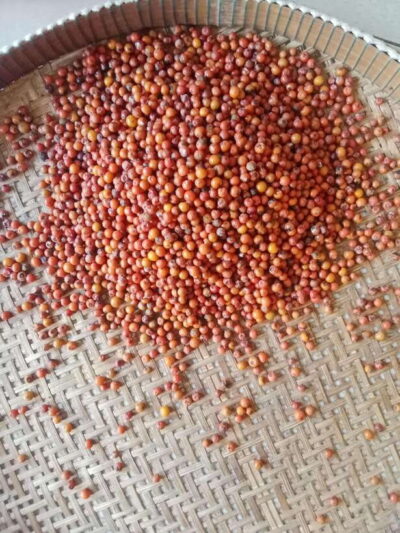
The core experience is a pepper tour that explains how peppercorn is grown and produced. Then you get peppercorn tastings, which is the part I think most people will remember. Tastings turn “pepper talk” into something you can actually sense: aroma, heat, and differences between batches or varieties. You also get practical value if you plan to bring pepper home, because buying after tasting makes it easier to choose what fits your cooking.
Pepper farms often offer small extras depending on the day, and one traveler mentioned pepper-flavored treats like pepper ice cream and pepper coffee. Since that depends on what’s being served, treat it as a possible bonus rather than a guarantee.
One thing to watch: pepper can be a shopping rabbit hole. If you’re budget-conscious, decide in advance how much you want to bring home, then taste and choose within that limit. Your future self will thank you when you pack it and don’t have to guess later.
Kep Crab Market, a French-Era Abandoned Building, and Beach Time
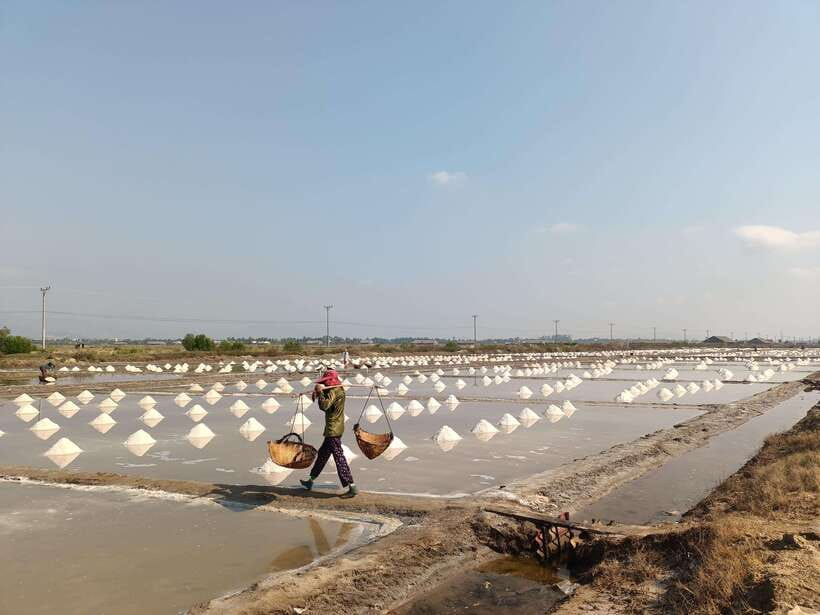
The day ends in Kep, and it’s a nice change of pace after countryside stops. You’ll visit the Kep area with time for a break, a photo stop, a guided visit, and then free time to walk around, shop, and linger.
Kep’s biggest draw here is the crab market. The tour pairs this with a chance to eat seafood or lunch at the crab market, and this part is noted as exclusive in the itinerary description. In plain terms: food isn’t included in the base price, but the day gives you an opportunity to spend it well.
You’ll also see an abandoned building associated with the French period, plus the town’s seaside feel. Then there’s time to relax at the beach. I like this pairing because it balances heavier history and production learning with a simple reward: sit down, breathe in the sea air, and let your day slow down.
One balanced note: not everyone is equally excited by Kep. A traveler said they didn’t love Kep as much as they expected, even though they still found the trip worthwhile. That’s a good reminder to go in with a flexible mindset. If you’re excited about crab and coastal strolling, you’ll likely be happy. If you want more countryside, you’ll still get it earlier in the day.
More pepper farms, salt fields and crab market runs
Price and Value at $26: What You Get, What Costs Extra
At $26 per person for an 8-hour day, this tour is priced like a budget-friendly way to cover a lot of ground without doing logistics yourself. The value comes from what’s included: entrance fees, a guide tour, fresh coconut, bottled water, and the pepper tour and pepper testing.
What’s not included is the big budget wildcard: food. You’ll likely want lunch or seafood in Kep, and that will be your main extra expense. Also, the tour notes possible extra charges if pickup goes beyond a certain radius from the standard meeting point, so it’s worth keeping your start location in mind.
Overall, I see this as a great deal if you want three things in one day: (1) Kampot countryside context (salt, caves, lake history), (2) pepper as a real tasting experience, and (3) Kep as a low-effort finale that doesn’t require a second day plan.
Who This Tour Suits Best, and Who Might Want Another Option
This tour is best for people who like practical learning and hands-on food experiences. If you’re the type who asks questions about how industries work, you’ll enjoy the salt-production explanation and the pepper-plantation walkthrough. It also suits travelers who want guided interpretation of cultural sites without feeling like they’re sprinting.
It might not be ideal if you have mobility limits, because of the cave climb and the general pace of an all-day tuk-tuk route. The tour data also specifies it is not suitable for people over 95 years, which tells you this route expects a reasonable ability to handle stairs.
If you’re traveling as a couple or small group, tuk-tuk days often feel especially fun because the route naturally creates mini “moments” between stops. If you like history with a human side, Brateak Krola Lake is a strong fit.
Practical Tips for the Steps, the Heat, and Your Shopping List
A few simple moves make this day easier.
- Bring cash. You’ll want it for any shopping in the pepper area and for food in Kep.
- Wear shoes for 203 steps. Cave steps can be uneven, so grip matters more than style.
- Use the water and coconut early. You get both included, and it helps you stay comfortable during climbs and outdoor sections.
- Decide your pepper budget before you taste. Pepper can be easy to overspend on when you’re excited and the smells are great.
Also remember the day includes a rule about not making fire, which is standard for tours in areas where visitors might bring bad ideas. Just act like you’re a guest and you’ll be fine.
Should You Book This Kampot and Kep Countryside Tour?
Yes, if you want a one-day sampler that feels like you actually left Kampot town. The combination of salt production learning, Phnom Chhngok Cave with its 203 steps and Shiva brick temple, and a real peppercorn tasting makes this more than a scenic drive. Add Kep crab market energy and beach time, and you get a satisfying arc.
Book it if you’re excited by food, history, and guided context. The day also gets strong marks for guides being friendly, helpful with English, and willing to adjust the pacing. If you’re mainly after pure beach lounging, you might find Kep a bit short. And if you travel during off-season for salt, the salt visuals might be less dramatic than you imagined, though you’ll still get the process story.
If you’re okay with a full day, some steps, and the fact that food in Kep is on you, this is a strong, practical way to understand what makes Kampot and Kep tick.
FAQ
How long is the Kampot to Kep countryside tour?
The tour duration is 8 hours.
What is included in the price?
The price includes entrance fees, fresh coconut, bottled water, a guide tour, and the pepper tour and pepper testing.
Is food included?
No. Food is not included. The tour mentions seafood or lunch at the crab market in Kep as part of the experience, but that is not listed as included in the price.
Where do I meet for pickup in Kampot?
The tour normally starts at the meeting point opposite Epic Art Cafe. Pickup and drop-off can also be arranged directly from your hotel or restaurant in Kampot town.
Is pickup included from any location in Kampot?
Pickup is included for locations in Kampot town, but there may be an extra charge if your pickup location is more than 3 kilometers from the meeting point.
What language is the guide?
The live tour guide speaks English.
Do I need to bring anything?
Yes, bring cash.
What should I wear or prepare for at Phnom Chhngok Cave?
Plan for 203 steps to reach Phnom Chhngok Cave temple. Comfortable, grippy footwear is a good idea.
Is the tour suitable for very elderly travelers?
The tour data says it is not suitable for people over 95 years.
What are the cancellation and payment terms?
There is free cancellation up to 24 hours in advance for a full refund. You can also reserve now & pay later.
More Tour Reviews in Kampot
- Kampot: Pepper Farm Tours, Salt, Lake & Phnom Chhngok Temple★ 4.8 · 432 reviews
- Kampot: Bokor Mountain Classic or Sunset Tour★ 4.7 · 147 reviews
- Kampot: Tuk Tuk Trip to Pepper Farm, Kep, Crab Market & More★ 4.9 · 143 reviews
- Kampot Countryside include Pepper farm, Salt field & Lake★ 4.9 · 100 reviews
More Pepper Country
- Kampot: Pepper Farm Tours, Salt, Lake & Phnom Chhngok Temple★ 4.8 · 432 reviews
- Kampot: Bokor Mountain Classic or Sunset Tour★ 4.7 · 147 reviews
- Kampot: Tuk Tuk Trip to Pepper Farm, Kep, Crab Market & More★ 4.9 · 143 reviews
- Kampot Countryside include Pepper farm, Salt field & Lake★ 4.9 · 100 reviews
Beyond the Paddy Bunds
- Kampot Countryside include Pepper farm, Salt field & Lake★ 4.9 · 100 reviews
- Kampot’s Countryside & Kayak Tour, Pepper Farm include Lunch★ 4.8 · 74 reviews
- Kampot Countryside: Authentic Khmer Cooking Class★ 4.8 · 21 reviews
- FULL DAY – Countryside Tuk-Tuk Pepper Tour + Kep★ 4.6 · 11 reviews
Newly written up around Kampot
- Khmer Food Culture Cooking Class in Kampot
★ 5.0 · 7 reviews - Kep town: Local tuk tuk to Countryside & Pepper farm
★ 4.6 · 8 reviews - Kampot: Sunset Walking Tour
★ 4.1 · 9 reviews - FULL DAY – Countryside Tuk-Tuk Pepper Tour + Kep
★ 4.6 · 11 reviews - Kampot Pepper Farm, Salt Fields, Crab Market from Phnom Penh
★ 4.8 · 21 reviews - From Kampot: Bokor National Park Scenic Tour
★ 4.5 · 25 reviews
Siem Reap Countryside Tours, side by side.
 ★ 5.0Siem Reap Countryside Bike Tour / E-Bike or Tuk TukFrom $35935 reviews
 ★ 5.0Afternoon tour by tuk tuk to bamboo train,bat cave,killing cave,countryside.From $15344 reviews
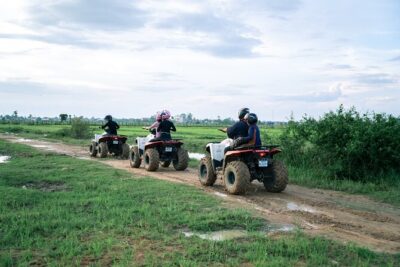 ★ 5.0Siem Reap Countryside Quad Biking TourFrom $45322 reviews
 ★ 4.9Guided Countryside Bike TourFrom $35294 reviews
 ★ 5.0Local Livelihood Half Day Bike Tour in BattambangFrom $30287 reviews
 ★ 4.7Siem Reap Quad Bike Countryside TourFrom $33283 reviews
 ★ 4.9Khmer Village and Fish Farm ATV TourFrom $33266 reviews
 ★ 5.0Siem Reap Countryside Vespa Tour / Tuk Tuk AvailableFrom $30180 reviews