
REVIEW · SIEM REAP
Kampot Countryside include Pepper farm, Salt field & Lake
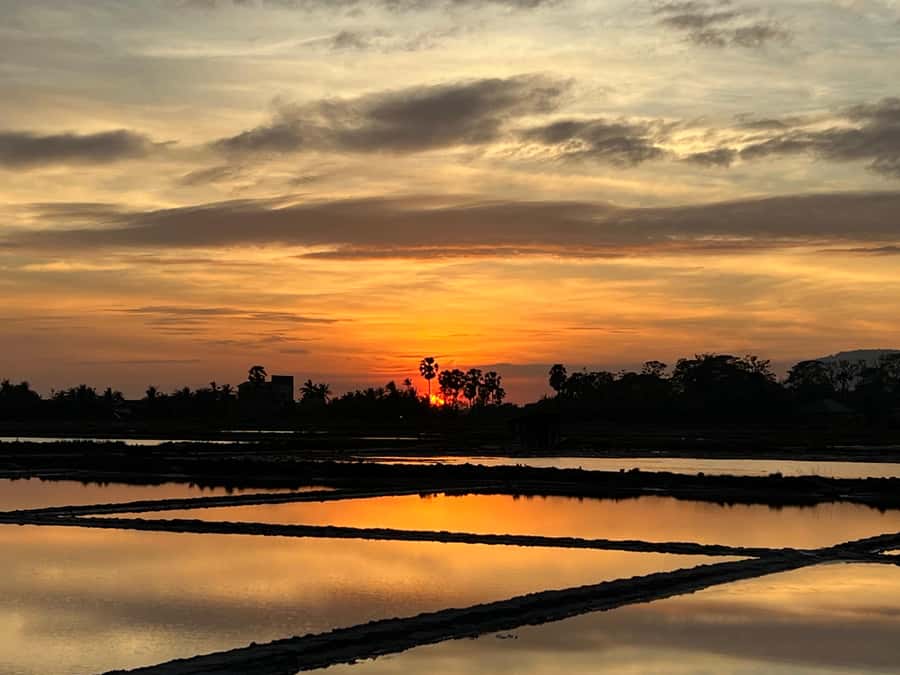
Salt air, pepper vines, and a quiet lake. This guided Kampot countryside outing connects salt fields and pepper tasting with rural views outside town.
I love the guided salt stop, especially on the afternoon run when you get sunset light and time to pause and take photos. I also love the pepper plantation visit, where you get a guided tour plus free tasting and pepper testing at La Plantation.
One thing to consider: salt-field scenery can vary by season, and at times it may be more mud flats than dramatic salt harvest.
In This Review
- Key highlights you should care about
- Kampot Countryside in 4 Hours, Two Departures a Day
- Getting Out of Town by Tuk-Tuk, Without Losing the Thread
- Salt Fields, Glamping Stop, and the Sunset Reflection Plan
- What you’ll actually see
- Why it’s worth doing anyway
- Brateak Krola: A Man-Made Lake With Khmer Rouge History
- La Plantation Pepper Farm: Free Tour, Pepper Testing, and Samples
- Guided tour and what you learn
- Free tasting is the real payoff
- How to get the most out of it
- Price and Value: What $16 Covers, and What to Plan for
- The Group Size Sweet Spot: Why 8 People Feels Better Than More
- Safety and Comfort on Rural Roads
- Who This Tour Fits Best, and Who Might Want Another Option
- Guides You Can Feel Confident In
- Should You Book Kampot Countryside?
Key highlights you should care about
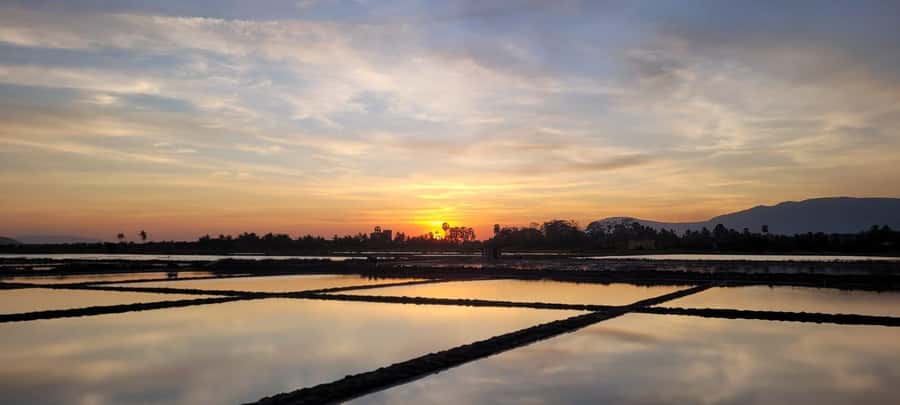
- Two departures for different light: morning feels calm, afternoon gives you sunset reflections at the salt fields
- Small group pace: limited to 8 people, so the guide can actually talk and answer questions
- Salt-production with a factory visit: you learn how salt is made, not just where it is
- Brateak Krola’s heavy history: a man-made lake built by Khmer Rouge slave labor, explained on-site
- La Plantation pepper farm with free tasting: tour plus pepper testing and samples, then you can shop
Kampot Countryside in 4 Hours, Two Departures a Day
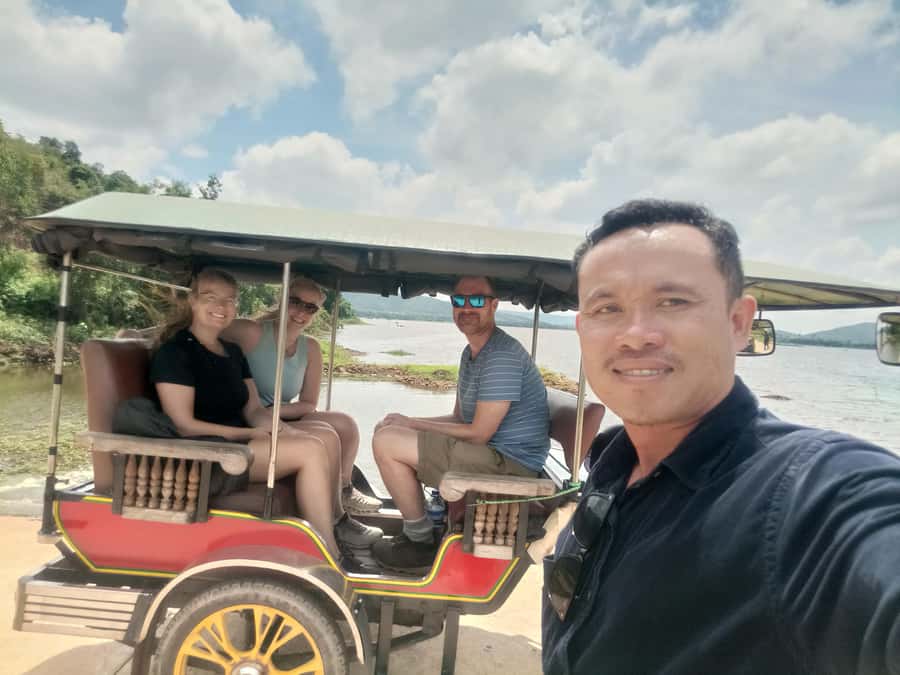
If you want a half-day that feels local, this is one of the best ways to get out of Kampot town without stressing over transport. The tour runs twice daily, at 9:30 AM and 2:30 PM, and it lasts about 4 hours total.
The morning departure is usually the calmer option, with softer light and less pressure to hit exact timing. The afternoon departure is the one built around the salt fields at sunset, when the colors change fast and your guide keeps the route on track for those moments.
Getting Out of Town by Tuk-Tuk, Without Losing the Thread
You start with pickup in Kampot Province, with a common meeting point option opposite Epic Art Cafe. If you’re staying in Kampot town, they can also pick up from your hotel or restaurant, as long as you are within their usual pickup zone.
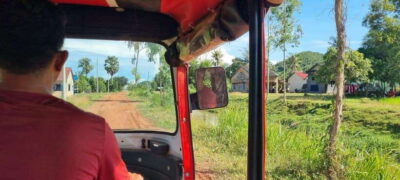
Then it’s tuk-tuk time. You ride local roads, and that matters because you start seeing the real rhythm of the area right away, not after you’ve already spent half the day in transit. Most guides on this route are also careful drivers, and you may notice they plan stops for photos and short breaks so you can keep up with the schedule.
Other rides out past the rice fields
- Kampot: Full-day Countryside Tour with Pepper Farm and Kep★ 4.9 · 245 reviews
- Kampot’s Countryside & Kayak Tour, Pepper Farm include Lunch★ 4.8 · 74 reviews
- Kampot Countryside: Authentic Khmer Cooking Class★ 4.8 · 21 reviews
- FULL DAY – Countryside Tuk-Tuk Pepper Tour + Kep★ 4.6 · 11 reviews
Salt Fields, Glamping Stop, and the Sunset Reflection Plan
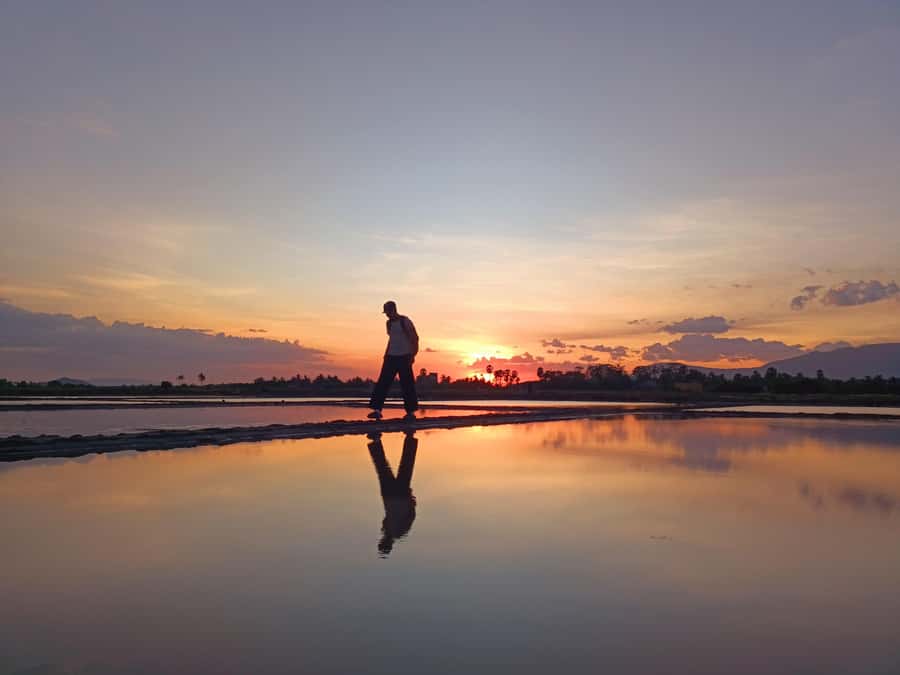
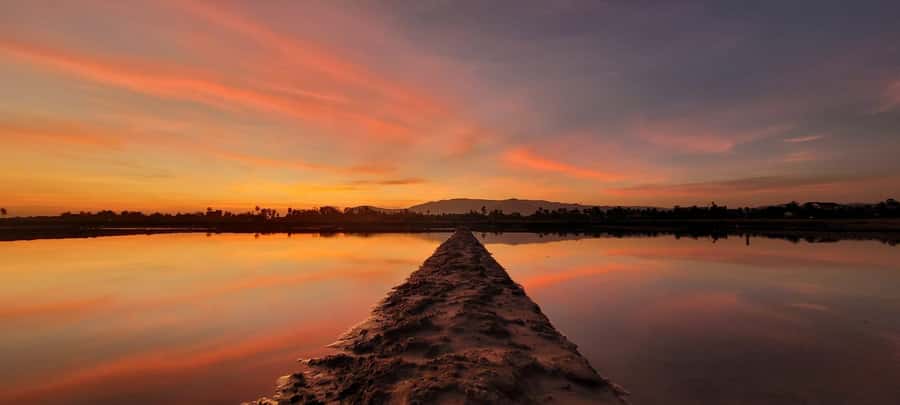
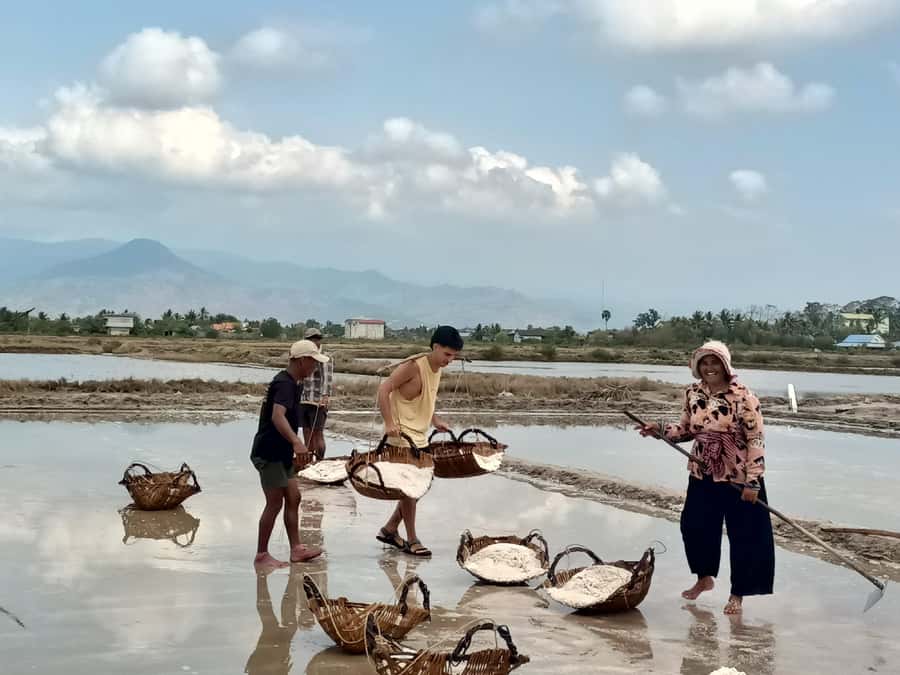
This is one of the core reasons to book. You visit the salt fields area for a short break with photo time, then get a guided look that includes learning about salt-production, plus a visit to a factory setting.
What you’ll actually see
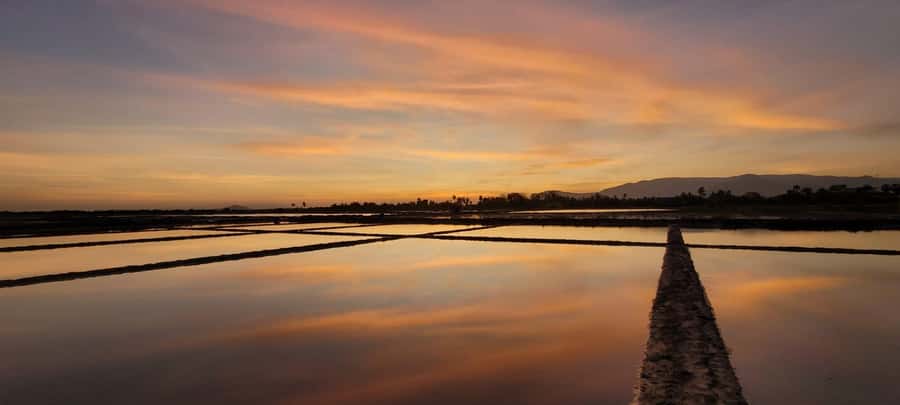
The salt fields can look different depending on timing and season. If the salt harvest isn’t happening, don’t expect everything to look like perfect white pans. One guide-run day can look more like mud flats, but the explanation of the process is still the point, and you’ll still get a strong sense of how salt production works here.
Why it’s worth doing anyway
Even when the visual is subdued, the guided part adds value fast. You come away understanding why the work is done the way it is, and how this landscape feeds local livelihoods. On the 2:30 PM run, the sunset stop adds an extra layer, because you’re watching light shift while you learn, and that naturally makes the experience feel more alive.
Practical tip: if you’re going in the afternoon, keep your expectations tied to timing and light, not only to seeing thick salt layers on the ground.
Brateak Krola: A Man-Made Lake With Khmer Rouge History
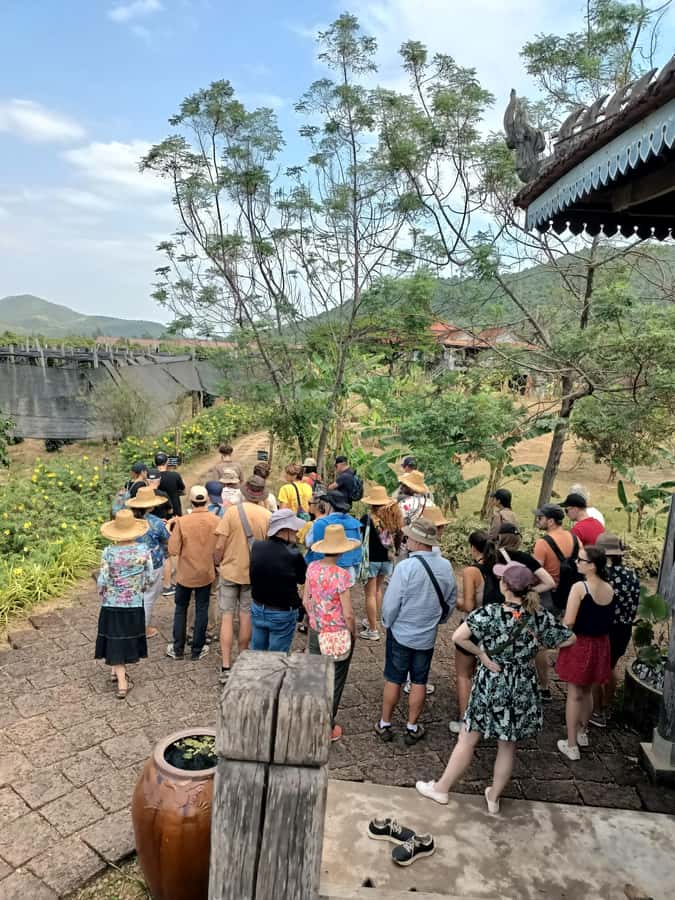
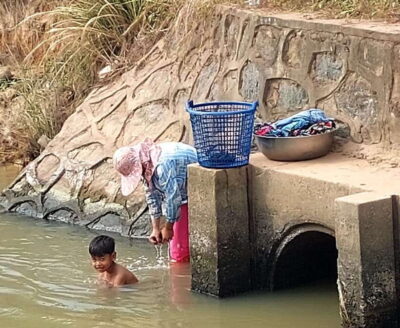
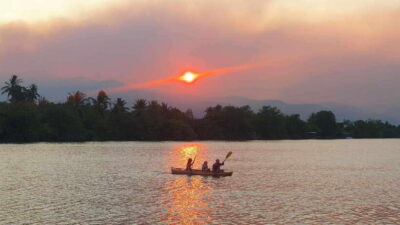
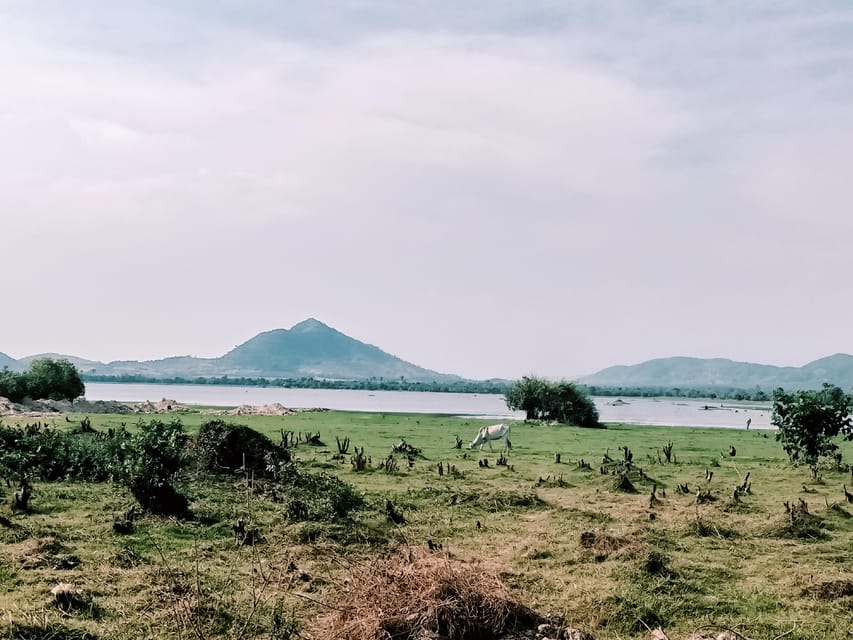
Next you head to Brateak Krola, a man-made lake built by slave labor during the Khmer Rouge era. This stop is one of the most meaningful parts of the tour, and it’s also where a good guide really makes a difference.
The guide-led visit includes a break for photos and then interpretation on-site. People often remember this part for the way it reframes what they are looking at, because it turns a quiet body of water into something tied to human history.
A quick note on tone: this is not just a scenic stop. If you prefer light, fun sightseeing only, you might want to mentally prepare for a heavy topic. On the other hand, if you like Cambodia’s history explained with care, this visit gives you more than a view.
More pepper farms, salt fields and crab market runs
La Plantation Pepper Farm: Free Tour, Pepper Testing, and Samples
After the lake stop, you travel to La Plantation for a long pepper-farm visit. This is the biggest “you’re here for the product” segment of the day, and it’s where the tour turns from countryside scenery into something hands-on.
Guided tour and what you learn
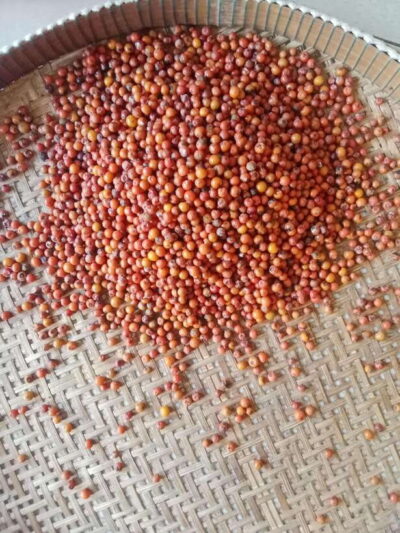
You get a guided tour at the pepper plantation, plus time for shopping afterward. You’ll also do pepper testing, which is included, and that’s the practical piece many people love. Instead of just admiring pepper vines, you learn how pepper is assessed and understand what makes different types and batches distinct.
Free tasting is the real payoff
The free pepper tasting is a highlight for good reason. You taste flavors rather than just hear about them, and that makes buying pepper feel less like a souvenir purchase and more like a decision you can stand behind. Guides often help you figure out what to buy based on what you liked, which is perfect if your shopping list is short but specific.
How to get the most out of it
Plan to take your time here. The farm is often the part you’ll want to revisit in your mind later, especially when you realize how many flavor differences come down to cultivation and processing. If you enjoy food shopping, you’ll likely spend part of your budget here, and that’s where the value of a guided tour really shows.
Price and Value: What $16 Covers, and What to Plan for
At $16 per person for a 4-hour small-group tour, the value comes from what’s included, not from the number of stops. You get a live English guide, entrance fees, pepper tour and testing, and water, plus the guided salt and lake visits.
The trade-off is what’s not included. Food is not included, so you either eat on your own before the tour or plan a meal after. If you’re doing the afternoon departure, a snack beforehand can help you stay comfortable until you’re back in town.
For context, you’re not just paying for transportation. You’re paying for guided context at multiple stops, plus the pepper experience that includes testing and free samples. That combination tends to cost more when you try to assemble it yourself.
The Group Size Sweet Spot: Why 8 People Feels Better Than More
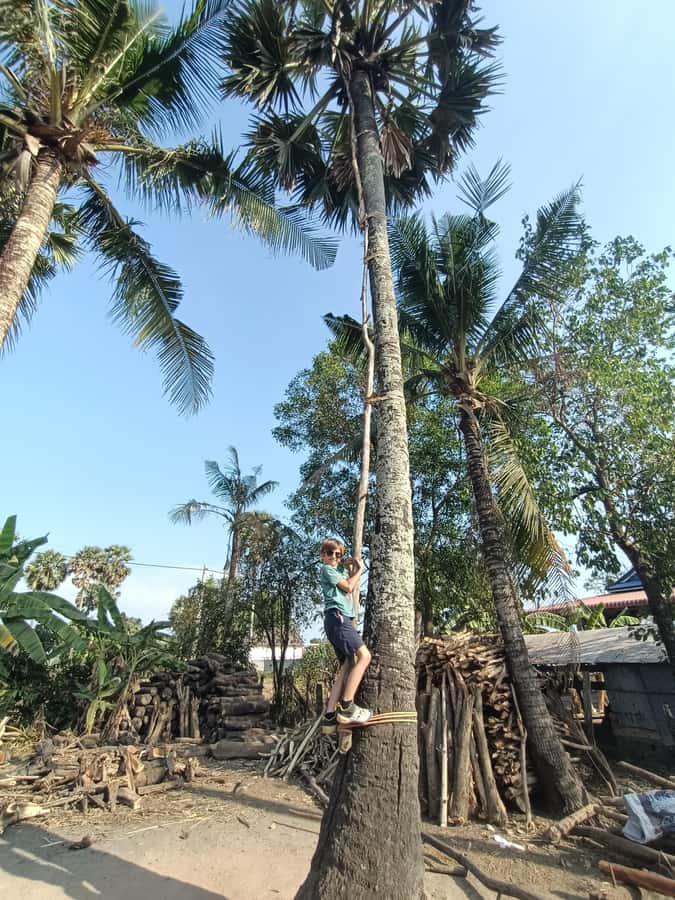
This tour runs as a small group, limited to 8 participants. That matters because guides can keep conversations going, answer questions as you go, and still keep the schedule flowing between stops.
If you’ve done bigger group tours before, you know how it feels when the guide talks and you just watch. Here, the pace feels more like a guided ride with time to ask why something is important, like how salt production works or why Brateak Krola’s story matters.
Safety and Comfort on Rural Roads
The route uses tuk-tuks and local roads, and some of that can mean bumpy sections and dust. In at least a few tour days, people have been offered a dust mask, which is a nice touch if you are sensitive to dust.
What I’d do: wear shoes you don’t mind getting a bit dirty, bring sun protection, and keep a light layer handy if you’re out near sunset. The tour is outdoors for several stops, so comfort is real.
Who This Tour Fits Best, and Who Might Want Another Option
This is a great match for you if you want rural Kampot views with clear guided explanations and you like food-related experiences. It’s also a strong option if you care about learning beyond the town center, because you get both agriculture and history in one smooth half-day.
It may not be the right fit for everyone, based on the tour’s stated limitations. The activity is not suitable for children under 5, pregnant women, wheelchair users, people over 220 lbs (100 kg), or people over 80 years.
If your top priority is a fully relaxing day with zero heavier context, you should know Brateak Krola is tied to Khmer Rouge slave labor history.
Guides You Can Feel Confident In
A big part of why this route works is the guide. English-speaking guides like Phalla, Vandy, Lee, Sany, Andy, and Chav are repeatedly praised for clear explanations, friendly energy, and careful driving.
I like this kind of pattern because it signals consistency: you aren’t relying on the busyness of the day to carry the experience. The guide is actively shaping what you learn and when you see the best light for photos, especially around the salt fields sunset timing.
Should You Book Kampot Countryside?
Book this tour if you want a high-value half-day that mixes real Kampot countryside life with practical agriculture learning. The free pepper tasting and testing at La Plantation is the kind of included experience that feels worth far more than the ticket price, and the salt fields plus Brateak Krola give you a fuller picture of the province.
Skip it or reconsider if you only want scenery with dramatic salt harvest visuals, because salt-field appearances can be season-dependent. Also consider skipping if you are traveling with mobility constraints that fall outside the tour’s stated limits.
If you’re in Kampot and you want to come away with pepper you understand, salt production you can picture, and history you didn’t gloss over, this one is a very solid choice.
More Tour Reviews in Kampot
- Kampot: Pepper Farm Tours, Salt, Lake & Phnom Chhngok Temple★ 4.8 · 432 reviews
- Kampot: Full-day Countryside Tour with Pepper Farm and Kep★ 4.9 · 245 reviews
- Kampot: Bokor Mountain Classic or Sunset Tour★ 4.7 · 147 reviews
- Kampot: Tuk Tuk Trip to Pepper Farm, Kep, Crab Market & More★ 4.9 · 143 reviews
More Pepper Country
- Kampot: Pepper Farm Tours, Salt, Lake & Phnom Chhngok Temple★ 4.8 · 432 reviews
- Kampot: Full-day Countryside Tour with Pepper Farm and Kep★ 4.9 · 245 reviews
- Kampot: Bokor Mountain Classic or Sunset Tour★ 4.7 · 147 reviews
- Kampot: Tuk Tuk Trip to Pepper Farm, Kep, Crab Market & More★ 4.9 · 143 reviews
Beyond the Paddy Bunds
- Kampot: Full-day Countryside Tour with Pepper Farm and Kep★ 4.9 · 245 reviews
- Kampot’s Countryside & Kayak Tour, Pepper Farm include Lunch★ 4.8 · 74 reviews
- Kampot Countryside: Authentic Khmer Cooking Class★ 4.8 · 21 reviews
- FULL DAY – Countryside Tuk-Tuk Pepper Tour + Kep★ 4.6 · 11 reviews
Newly written up around Kampot
- Khmer Food Culture Cooking Class in Kampot
★ 5.0 · 7 reviews - Kep town: Local tuk tuk to Countryside & Pepper farm
★ 4.6 · 8 reviews - Kampot: Sunset Walking Tour
★ 4.1 · 9 reviews - FULL DAY – Countryside Tuk-Tuk Pepper Tour + Kep
★ 4.6 · 11 reviews - Kampot Pepper Farm, Salt Fields, Crab Market from Phnom Penh
★ 4.8 · 21 reviews - Kampot Countryside: Authentic Khmer Cooking Class
★ 4.8 · 21 reviews
Siem Reap Countryside Tours, side by side.
 ★ 5.0Siem Reap Countryside Bike Tour / E-Bike or Tuk TukFrom $35935 reviews
 ★ 5.0Afternoon tour by tuk tuk to bamboo train,bat cave,killing cave,countryside.From $15344 reviews
 ★ 5.0Siem Reap Countryside Quad Biking TourFrom $45322 reviews
 ★ 4.9Guided Countryside Bike TourFrom $35294 reviews
 ★ 5.0Local Livelihood Half Day Bike Tour in BattambangFrom $30287 reviews
 ★ 4.7Siem Reap Quad Bike Countryside TourFrom $33283 reviews
 ★ 4.9Khmer Village and Fish Farm ATV TourFrom $33266 reviews
 ★ 4.9Full-day Countryside Tour with Pepper Farm and KepFrom $26245 reviews