
REVIEW · KAMPOT & KEP
Khmer Food Culture Cooking Class in Kampot
Cooking in Cambodia feels like a shortcut to the real place. This 4-hour class in Kampot Province takes you into a traditional colonial house near the river, where you cook Khmer dishes with an English-speaking chef tutor, using ingredients tied to Kampot Pepper.
What I like most is the chef-led market tour first, because you see and smell the ingredients before you cook them. I also love that you choose 3 dishes for the lesson, typically covering a starter, main, and dessert, so it does not feel like a one-size-fits-all script.
One thing to consider: Cambodian flavors often mean bold spice and intense aromatics. If you are sensitive, say something at the start so your class can steer your tastes.
In This Review
- Key Highlights You Should Know Before You Book
- Entering the Colonial House Kitchen in Central Kampot
- The Market Tour: Where Khmer Ingredients Get Real
- Choosing Your 3 Khmer Dishes (Starter, Main, Dessert)
- Larb, Papaya Salad, and Amok: The Khmer Flavor Map
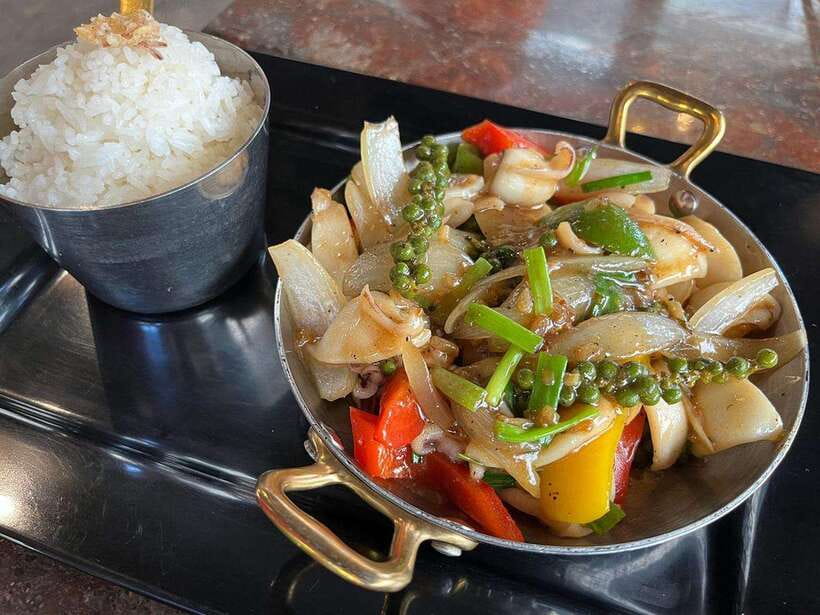
- Cooking With Kampot Pepper: More Than a Name on the Menu
- The Pace of a Private Lesson: English Teaching, Real Questions
- What the Included Meal Time Feels Like
- Price and Value: Is $42 Worth It in Kampot?
- Practical Stuff That Makes the Class Go Smoothly
- Who This Cooking Class Suits Best
- Final Call: Should You Book This Cooking Class?
- FAQ
- How long is the Khmer food culture cooking class in Kampot?
- Is the class taught in English?
- What dishes will I cook?
- Is this a private group class?
- What is included in the price?
- Is pickup included?
- Is it wheelchair accessible?
- What is the cancellation policy?
Key Highlights You Should Know Before You Book
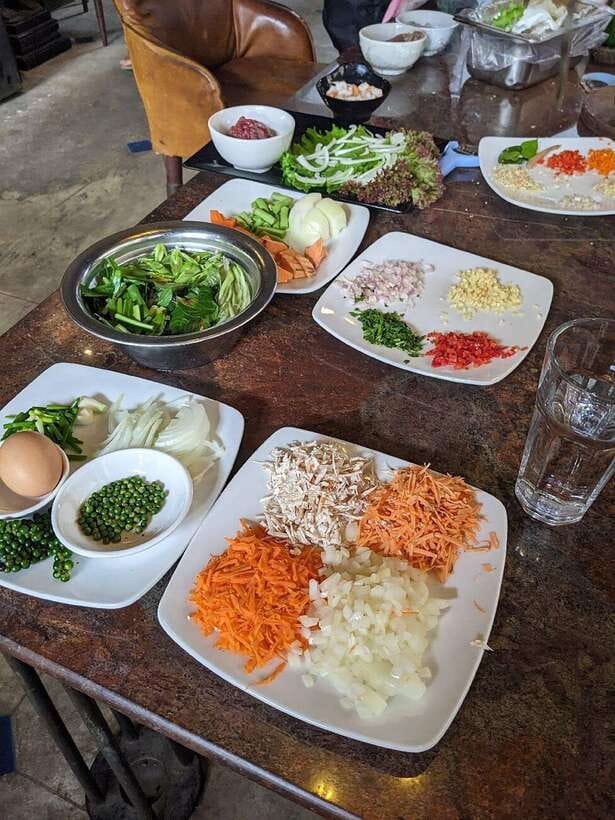
- Chef-guided Khmer market visit that sets up your cooking with real ingredients, not just a quick look
- Choose 3 Khmer dishes (starter, main, dessert), with room to pick what you want to eat
- Colonial house setting in central Kampot, close to the river and easy to picture as you cook
- Kampot Pepper focus, so you learn how a local ingredient shapes flavor
- Private group energy, with English instruction and a calmer pace for questions
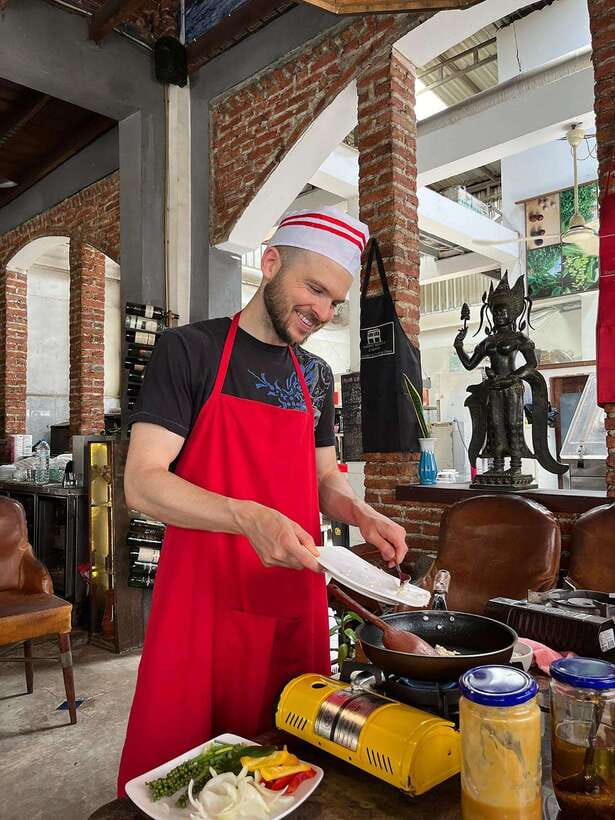
- Hands-on guidance step by step, including attentive coaching like Lyna’s patient teaching style
Entering the Colonial House Kitchen in Central Kampot
The experience starts in central Kampot, near the river, in a traditional colonial house that feels like a break from the usual tour rhythm. You show up, meet your instructor, and settle in before the food teaching begins.
Pickup and round-trip transfer are included, which matters more than it sounds in Kampot. A cooking class is only fun if you arrive relaxed, not rushing. You will also have water on hand, plus free Wi-Fi if you want to plan your next stop or share the moment.
The teaching space is designed for cooking, not watching. You are not stuck behind a long counter while someone else works. The point is for you to walk away able to cook these flavors again at home, not just take photos.
The Market Tour: Where Khmer Ingredients Get Real
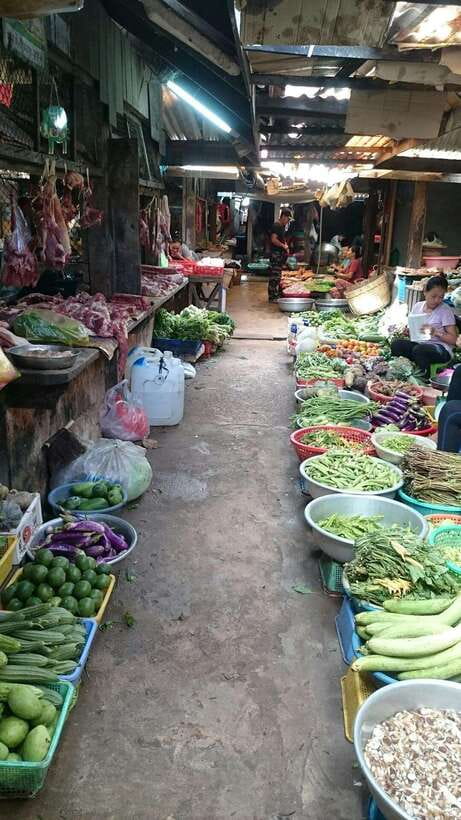
You start with a Khmer local market visit, guided by your professional chef. This is where the class earns its keep. Ingredients stop being labels and start becoming choices.
What makes this market time useful is the order of operations. You do not cook first and learn later. You learn what you are using, why it matters, and how it behaves in a Khmer kitchen.
During this walk, you can expect to talk about common Khmer flavor building blocks and how to handle the ingredients you will later cook. Even if you are not a confident cook, you get a map for the senses: what should smell sharp, what should go fragrant, and what should stay balanced.
Also, it is a chance to ask practical questions in a low-pressure setting. Want to understand the difference between similar herbs? Ask. Unsure about which ingredient does what? Ask again. This is the time your chef can connect the ingredients to the finished dishes.
More pepper farms, salt fields and crab market runs
- Kampot: Full-day Countryside Tour with Pepper Farm and Kep★ 4.9 · 245 reviews
- Kampot: Bokor Mountain Classic or Sunset Tour★ 4.7 · 147 reviews
- Kampot: Tuk Tuk Trip to Pepper Farm, Kep, Crab Market & More★ 4.9 · 143 reviews
- Kampot Countryside include Pepper farm, Salt field & Lake★ 4.9 · 100 reviews
Choosing Your 3 Khmer Dishes (Starter, Main, Dessert)
Here is the part that makes this class feel personal: you choose three Khmer dishes during the lesson, covering a starter, main, and dessert. That flexibility is a huge value add, because it lets you target what you actually want to eat.
You will hear about traditional Cambodian favorites, including larb, papaya salad, and amok. Those names matter because they are not just random dishes. They represent different Khmer techniques and flavor patterns, so you learn variety, not repetition.
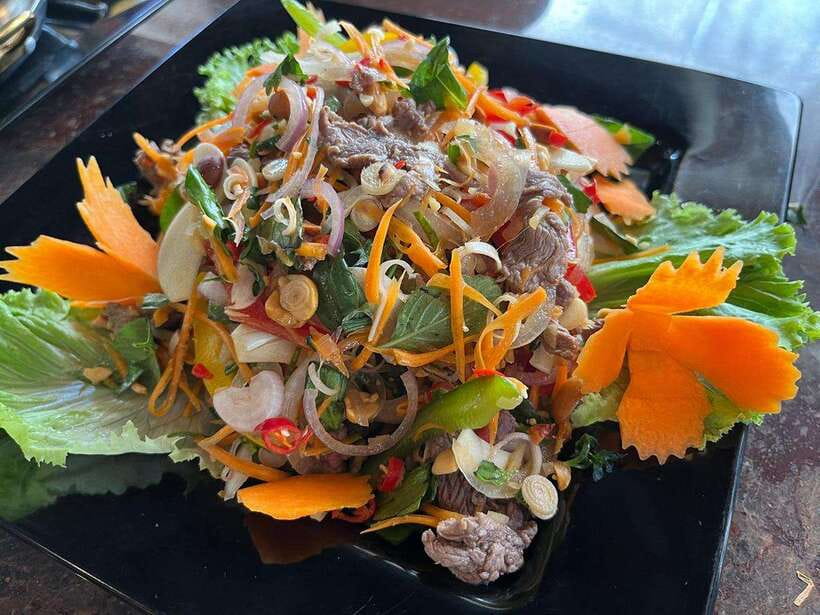
Based on what past participants cooked, you might see meals like spicy beef salad, lok lak beef, and mango sticky rice. The specific menu can vary, but the structure stays the same: you get multiple dishes, each one teaching a different skill.
If you are traveling with a friend, this is also a fun way to compare taste preferences. One person can lean toward something bright and herb-forward, while the other picks something richer or sweeter. Since it is a private group, the chef can keep up with the flow.
Larb, Papaya Salad, and Amok: The Khmer Flavor Map
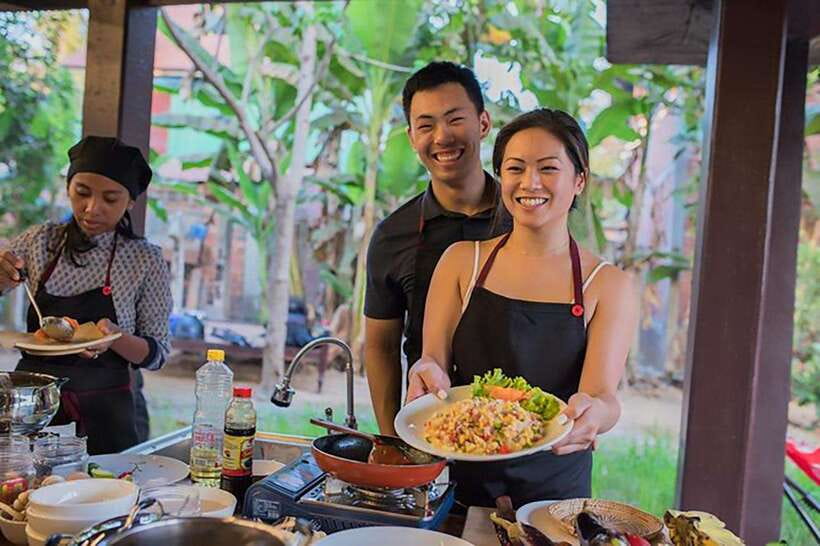
When the class moves from the market into the kitchen, you start building Khmer flavors like a formula. The chef tutor explains ingredients and methods, and you follow along step by step.
Larb is the kind of dish that teaches you how Khmer meals balance chew, aroma, and seasoning. Papaya salad tends to teach a different lesson: how acidity, crunch, and chili come together without turning flat.
Amok is especially important because it represents a different side of Cambodian cooking. Learning that dish helps you understand how Khmer cuisine can feel both comforting and complex, even when the ingredient list looks familiar.
The best part is that you are not memorizing a recipe for one meal. You are learning flavor logic. Once you understand that logic, you can adapt the dishes later with ingredients you can find back home.
And yes, people love this class because it is calm. In one past class, the chef was patient and explained everything quietly and clearly, with a step by step pace that made even tricky moments manageable.
Cooking With Kampot Pepper: More Than a Name on the Menu
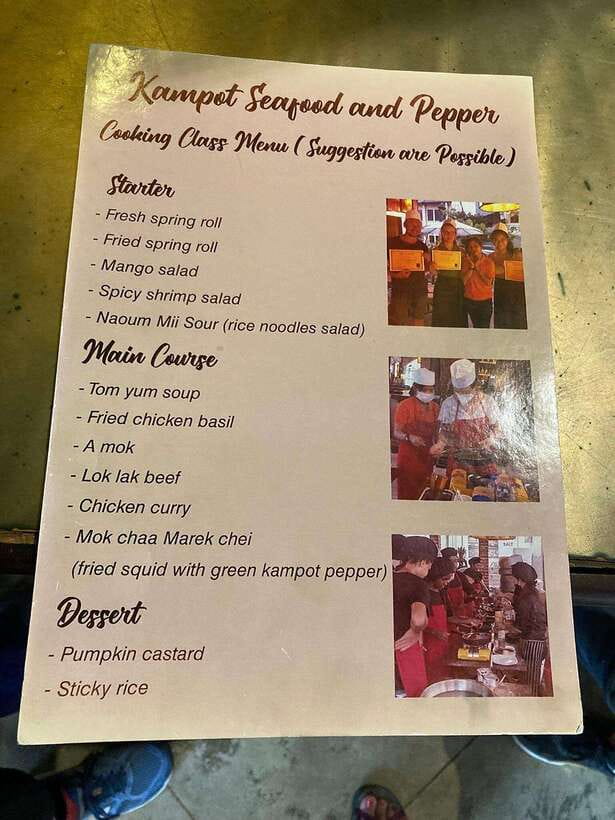
The class includes cooking lessons tied to Kampot Pepper, which is mentioned as a key ingredient for the dishes you make. That focus is not just a marketing detail.
In practice, pepper is one of those ingredients that can shift the mood of an entire dish. It is not only about heat. It is also about aroma and that warm, slightly sharp bite that shows up after you taste.
As you cook, you learn how pepper behaves in the dish you are making. Does it go in early to build aroma, or later to preserve freshness? How does it work alongside citrus, herbs, or savory sauces? Your chef can guide you through these choices while you are actively cooking.
This is also why the market visit matters. You are more likely to use ingredients correctly later because you learned how they connect to the taste.
The Pace of a Private Lesson: English Teaching, Real Questions
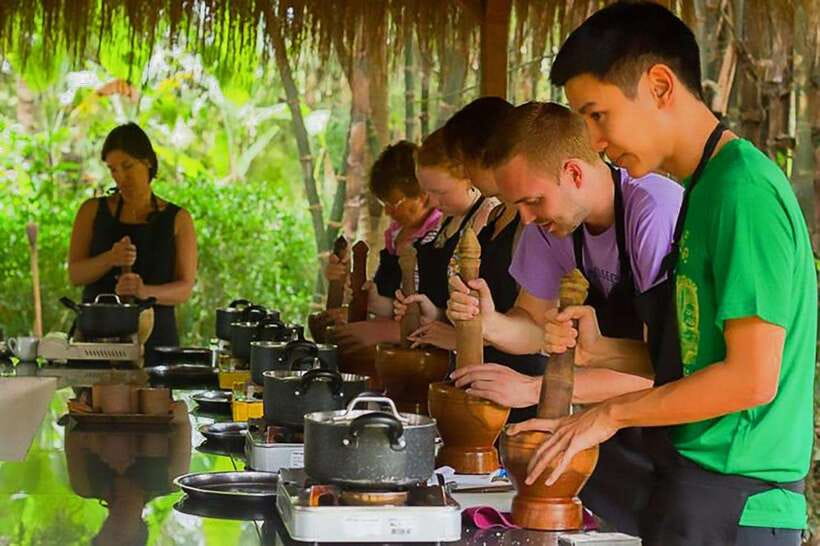
This is a private group cooking class, and it feels different from the big group style. You can ask questions without waiting for a pause in someone else’s lesson.
Instruction is in English, which makes a real difference with cooking. It is easier to understand technique when the explanation matches your language, especially for seasoning and timing.
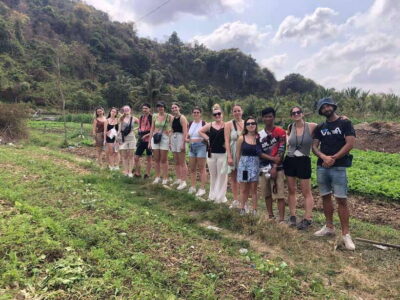
A very telling detail from past experiences: sometimes you end up with a one person class, which turns the lesson into a one on one session. Other times the group is still small, such as around six people, which keeps it social but not chaotic.
In both cases, the teaching stays attentive. The chef support you see from instructors like Lyna shows up as clear, gentle coaching. People have described it as kind, helpful, and patient, with staff explaining things calmly and letting you decide what recipes you want.
If you are the type who learns best by doing, this setup is ideal.
What the Included Meal Time Feels Like
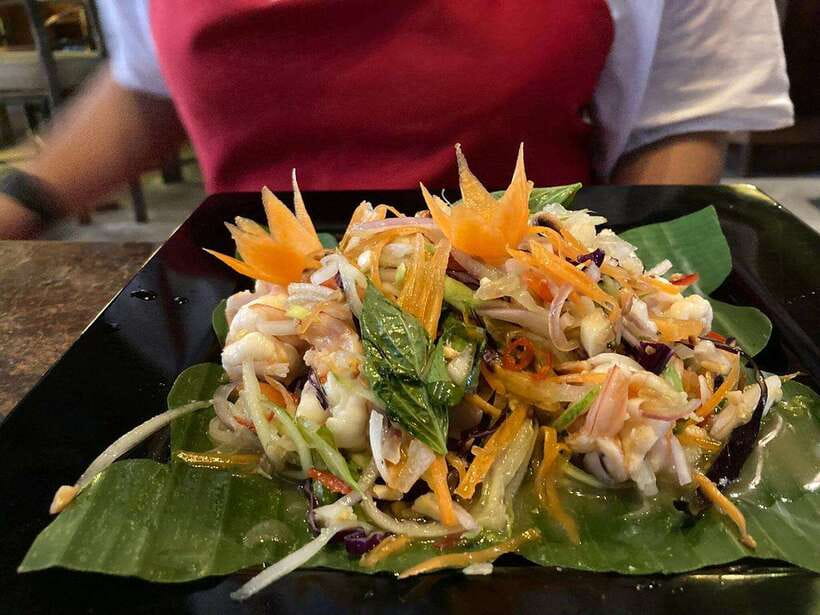
You are not just cooking and rushing out. The class includes the food you make, so the tasting is part of the experience, not an afterthought.
Expect to sit down and eat what you cooked as a proper meal, with your chef’s guidance still fresh in your mind. That makes your takeaways stick. You do not just learn a process, you taste the result while the steps are still in your head.
The course design supports this. Starter, main, dessert is not random. It forces you to understand how Khmer flavors shift across the meal, from herb and acidity to deeper savory notes, then to sweetness for dessert.
If you picked dishes like mango sticky rice, you also get the comfort of a classic dessert that helps you remember the sweet flavor route for Khmer cooking.
And because water is included, you are not stuck managing basic needs while you focus on cooking.
Price and Value: Is $42 Worth It in Kampot?
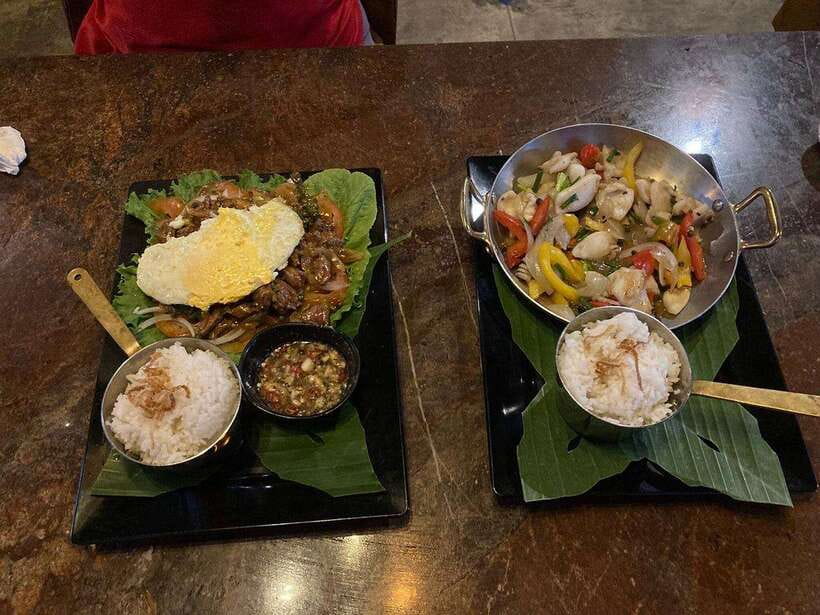
At $42 per person for a 4-hour class, this price is fair if you value a hands-on skill you can repeat later. You are paying for more than ingredients. You are paying for someone to teach you technique, help you choose dishes, and guide you through a Khmer cooking rhythm.
It also includes a lot that many cooking classes charge extra for:
- round-trip transfer
- food
- market tour
- all ingredients
- free Wi-Fi
- VAT
- water
What is not included is also clear. You will want to plan for extra drinks, and alcohol is available for purchase but not included. Insurance is not included either, which is normal, but you should check your coverage if you need it.
The private group aspect also matters for value. If you have dietary needs or you want a more personal class pace, this style often saves time and stress compared with larger group formats.
For me, the best value signal is that you can choose your dishes. That turns the class into something you actually want to eat, not something you are stuck with.
Practical Stuff That Makes the Class Go Smoothly
A few details can make your experience smoother before you even arrive.
First, plan to be ready for pickup in the hotel lobby about 10 minutes before the scheduled time. That tiny habit helps the whole day run on schedule.
Second, come hungry, or at least ready to snack lightly. You will shop, cook, and then eat. If you show up already full, you might enjoy the lesson less, even if the cooking goes perfectly.
Third, bring a mindset for learning. This class is about technique and flavor, not just eating well. Be open to smelling and tasting during cooking, because that is how you understand why the chef makes certain choices.
Finally, if you use a wheelchair or need step-free access, the class is listed as wheelchair accessible, which is a helpful thing to know when you are planning.
Who This Cooking Class Suits Best
This class fits best if you want an authentic food experience without the stress of figuring out ingredients on your own.
You will likely enjoy it if you:
- like market walks and want context for what you cook
- want to learn Khmer techniques you can reproduce later
- prefer smaller group energy with questions answered in English
- are okay with bold flavors, especially if you enjoy chili and aromatic herbs
You might want to reconsider if your schedule is tight and you cannot spare a full half day. Also, if you are extremely sensitive to spice, you will want to speak up early so you can steer your experience.
Final Call: Should You Book This Cooking Class?
I think you should book it if you want a hands-on Khmer food lesson with real ingredients, not just a demonstration. The combination of a chef-led market tour, a choice of three dishes, and the private-group pace makes it more personal than most.
If your goal is to bring home skills, not only memories, this is the type of class that helps that happen. You get a structure for cooking, a flavor logic for Khmer dishes, and a meal you eat right after you cook it.
For $42, in a central Kampot colonial house near the river, with transfers and ingredients included, the value is solid. Just make sure you show up ready to taste, ask questions, and choose dishes that match what you want to learn.
FAQ
How long is the Khmer food culture cooking class in Kampot?
It lasts 4 hours. Starting times depend on availability, so you will want to check the schedule when you reserve.
Is the class taught in English?
Yes, the instructor speaks English.
What dishes will I cook?
You will choose 3 Khmer dishes for the class, covering a starter, a main dish, and a dessert. Traditional options mentioned include larb, papaya salad, and amok.
Is this a private group class?
Yes, it is listed as a private group.
What is included in the price?
Round-trip transfer, food, the market tour, all ingredients, free Wi-Fi, VAT, and water are included.
Is pickup included?
Yes, pickup is included. Wait in your hotel lobby about 10 minutes before your scheduled pickup time.
Is it wheelchair accessible?
Yes, it is listed as wheelchair accessible.
What is the cancellation policy?
You can cancel up to 24 hours in advance for a full refund.
More Tour Reviews in Kampot
- Kampot: Pepper Farm Tours, Salt, Lake & Phnom Chhngok Temple★ 4.8 · 432 reviews
- Kampot: Full-day Countryside Tour with Pepper Farm and Kep★ 4.9 · 245 reviews
- Kampot: Bokor Mountain Classic or Sunset Tour★ 4.7 · 147 reviews
- Kampot: Tuk Tuk Trip to Pepper Farm, Kep, Crab Market & More★ 4.9 · 143 reviews
More Pepper Country
- Kampot: Pepper Farm Tours, Salt, Lake & Phnom Chhngok Temple★ 4.8 · 432 reviews
- Kampot: Full-day Countryside Tour with Pepper Farm and Kep★ 4.9 · 245 reviews
- Kampot: Bokor Mountain Classic or Sunset Tour★ 4.7 · 147 reviews
- Kampot: Tuk Tuk Trip to Pepper Farm, Kep, Crab Market & More★ 4.9 · 143 reviews
Newly written up around Kampot
- Khmer Food Culture Cooking Class in Kampot
★ 5.0 · 7 reviews - Kep town: Local tuk tuk to Countryside & Pepper farm
★ 4.6 · 8 reviews - Kampot: Sunset Walking Tour
★ 4.1 · 9 reviews - FULL DAY – Countryside Tuk-Tuk Pepper Tour + Kep
★ 4.6 · 11 reviews - Kampot Pepper Farm, Salt Fields, Crab Market from Phnom Penh
★ 4.8 · 21 reviews - From Kampot: Bokor National Park Scenic Tour
★ 4.5 · 25 reviews
Kampot & Kep Pepper Farm Tours, side by side.
 ★ 4.8Pepper Farm Tours, Salt, Lake & Phnom Chhngok TempleFrom $23432 reviews
 ★ 4.9Full-day Countryside Tour with Pepper Farm and KepFrom $26245 reviews
 ★ 5.0Discovery Tour: Caving, Climbing, Via Ferrata and Abseiling in KampotFrom $53172 reviews
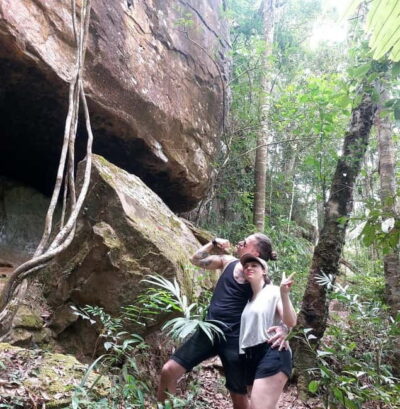 ★ 4.7Bokor Mountain Classic or Sunset TourFrom $28147 reviews
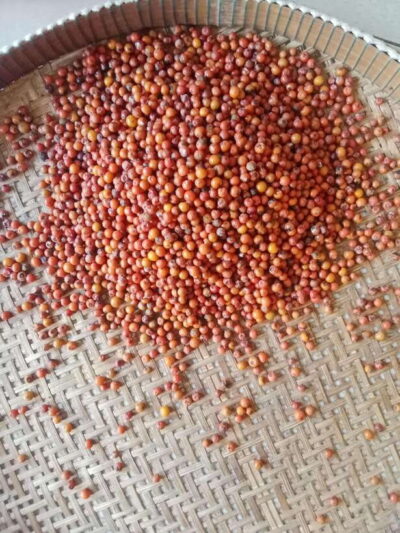 ★ 4.9Tuk Tuk Trip to Pepper Farm, Kep, Crab Market & MoreFrom $25143 reviews
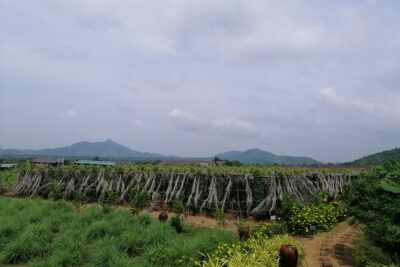 ★ 5.0Kampot Tour Pepper Plantation, Salt Field, Cave, Secret LakeFrom $20128 reviews
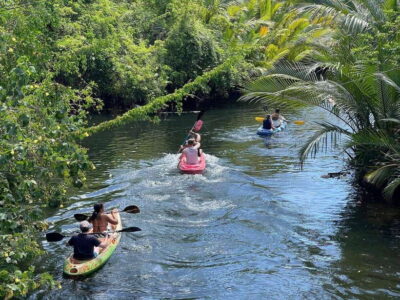 ★ 4.8Green Cathedral Kayaking Journey & Reflection River ViewFrom $28123 reviews
 ★ 4.9Kampot Countryside include Pepper farm, Salt field & LakeFrom $16100 reviews