
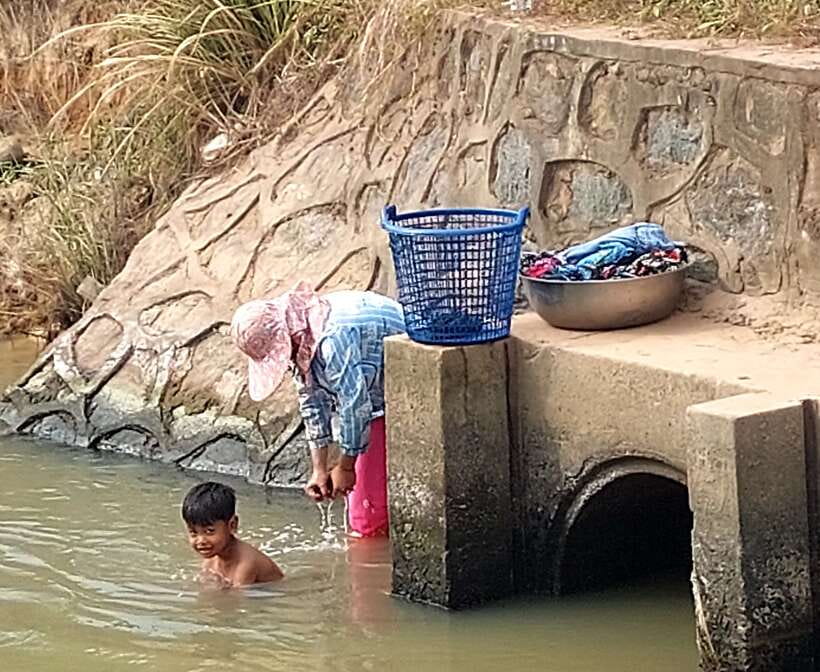
REVIEW · KAMPOT & KEP
Kampot: Pepper Farm Tours, Salt, Lake & Phnom Chhngok Temple
If you like your Cambodia practical and real, this tour fits. You get a stacked half-day mix: Kampot countryside farms, a limestone cave temple hike, and an organic pepper stop with tastings.
I especially like the way the day is built around food crops, not just landmarks. The pepper plantation is a hands-on lesson, and the salt farm connection explains why season matters here. One thing to consider: the cave portion involves stairs and uneven cave footing, so you’ll want solid shoes and a comfortable pace.
In This Review
- Key Highlights You’ll Actually Use
- Kampot by Tuk-Tuk: Why This Half-Day Feels Like the Real Countryside
- Price and Logistics: What $23 Buys You in Real Life
- Salt Farm Coffee and the Salt Fields: Season Changes Everything
- Phnom Chhngok Cave: The 200-Step Climb to a 7th-Century Temple
- Secret Lake at Brateak Krola: A Peaceful Reset With Soft Drinks
- Organic Pepper Plantation (La Plantation): From Planting to Tasting
- Photography Tips: Where the Day Gives You Real Shots
- Weather and Comfort: The Simple Stuff That Saves Your Day
- Who Should Book This Tour, and Who Should Skip It
- The Guide Factor: Why Names Like Nak, Ali, and Micki Matter
- Should You Book This Kampot Pepper, Salt, and Cave Tour?
- FAQ
- How long is the Kampot Pepper Farm Tours, Salt, Lake & Phnom Chhngok Temple experience?
- What is the price per person?
- What is included in the tour price?
- Is hotel pickup included?
- What language is the guide?
- What should I bring?
- Are strollers or baby carriages allowed?
- Is alcohol allowed?
- Is this tour suitable for seniors?
- What about salt fields and bat cave access during the wet season?
Key Highlights You’ll Actually Use
- 200 concrete steps to a 7th-century Hindu temple in Phnom Chhngok Cave
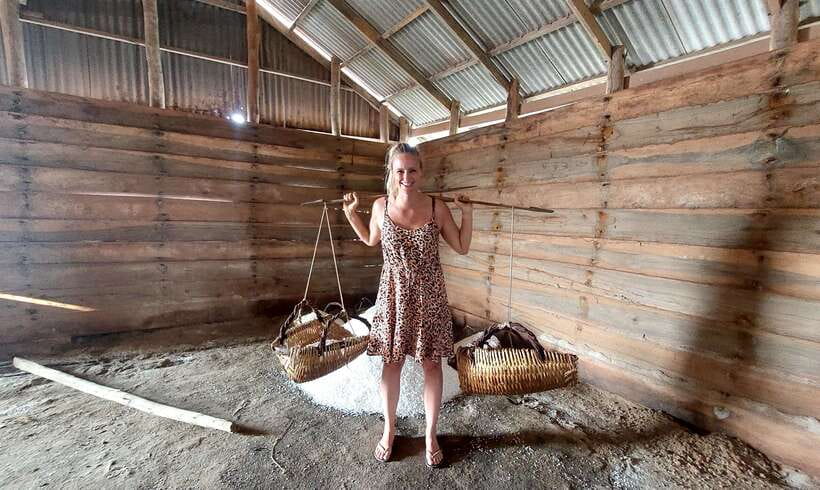
- Salt fields plus salt-farm coffee, with seasonality made crystal clear
- Secret Lake (Brateak Krola) break time with soft drinks and photo-friendly calm
- Organic pepper plantation tour with tasting and shopping time built in
- Small-group feel is common, helped by the tour’s half-day length
- Guides like Nak, Ali, and Micki are repeatedly praised for clear explanations and a warm vibe
Kampot by Tuk-Tuk: Why This Half-Day Feels Like the Real Countryside
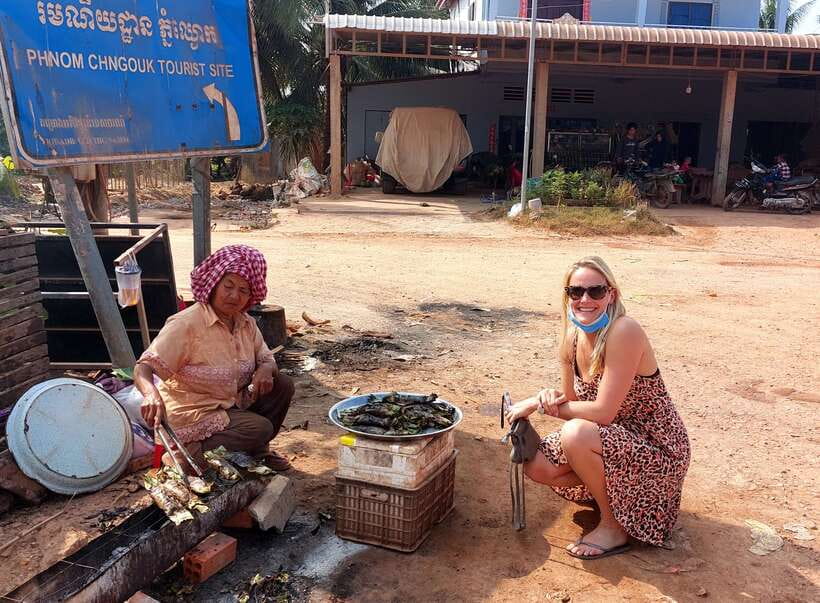
This is the kind of Kampot tour that changes how you see the map. Instead of racing from sight to sight, you spend your time where people actually work: salt flats, vegetable farms, rice country, and pepper-growing land. Even the breaks matter, because they let you look around and notice how the region runs.
The schedule is also a big part of the value. At $23 per person for about 5.5 hours, you’re paying for transportation, a driver-guide, entrance fees, and drinks. That means you can keep the day simple and focus on the experiences, not the logistics.
A lot of tours in Cambodia are either culture, or food, or scenery. This one is the overlap. You get farm explanations you can actually repeat later, plus a cave temple that feels different from the usual temple photo spot.
Price and Logistics: What $23 Buys You in Real Life
Here’s what you’re getting for the price, in plain terms.
You pay $23 per person for:
- A driver-guide and entrance fees
- Hotel pickup and drop-off if you’re within 3 km of Kampot city center
- Drinking water and soft drinks
If your hotel is farther than 3 km, there’s an extra charge of $2+, or you can meet at the Kampot Tourist information center. Also, the driver doesn’t hang around forever, so be ready about 10 minutes before pickup time. This matters more than people think, especially if you’re staying slightly outside the core area.
Transport is another plus. The ride is organized in tuk-tuk segments, which keeps things nimble. A common theme in the feedback is that the transport is rated highly, and the guides are dependable with timing. That reliability makes a half-day tour feel stress-free.
Meals aren’t included, though. You’ll be fine if you eat before and plan a proper meal afterward. If you’re the type who gets hungry easily, consider grabbing a snack before pickup so you don’t feel rushed during the breaks.
More pepper farms, salt fields and crab market runs
- Kampot: Full-day Countryside Tour with Pepper Farm and Kep★ 4.9 · 245 reviews
- Kampot: Bokor Mountain Classic or Sunset Tour★ 4.7 · 147 reviews
- Kampot: Tuk Tuk Trip to Pepper Farm, Kep, Crab Market & More★ 4.9 · 143 reviews
- Kampot Countryside include Pepper farm, Salt field & Lake★ 4.9 · 100 reviews
Salt Farm Coffee and the Salt Fields: Season Changes Everything
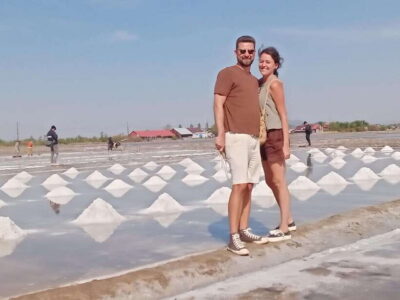
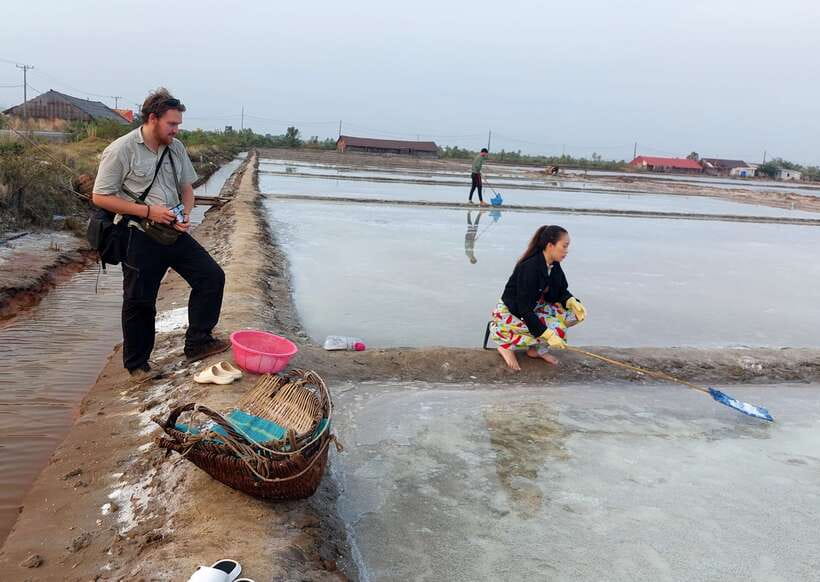
The day starts with a stop at Salt Farm Coffee. This is not just a caffeine break. It’s your intro to the salt landscape, including a photo stop and a guided look. You’ll also have time to walk around and see how the area works.
The key fact to know is seasonal: salt is not harvested during the wet season. That means you might not see the salt in the way you expect if you’re traveling during rain-heavy months. But the tour is still valuable because it explains the process and the logic behind it, which is what you’re really paying for.
If you’re curious, ask your guide to connect the dots between weather and the work. You’ll likely hear stories and practical explanations about how local production fits the climate, and that turns a quick stop into something you remember.
Also, this stop helps pace the tour. After pickup and transfer time, a calm first halt gives you a breather before the cave stair climb.
Phnom Chhngok Cave: The 200-Step Climb to a 7th-Century Temple
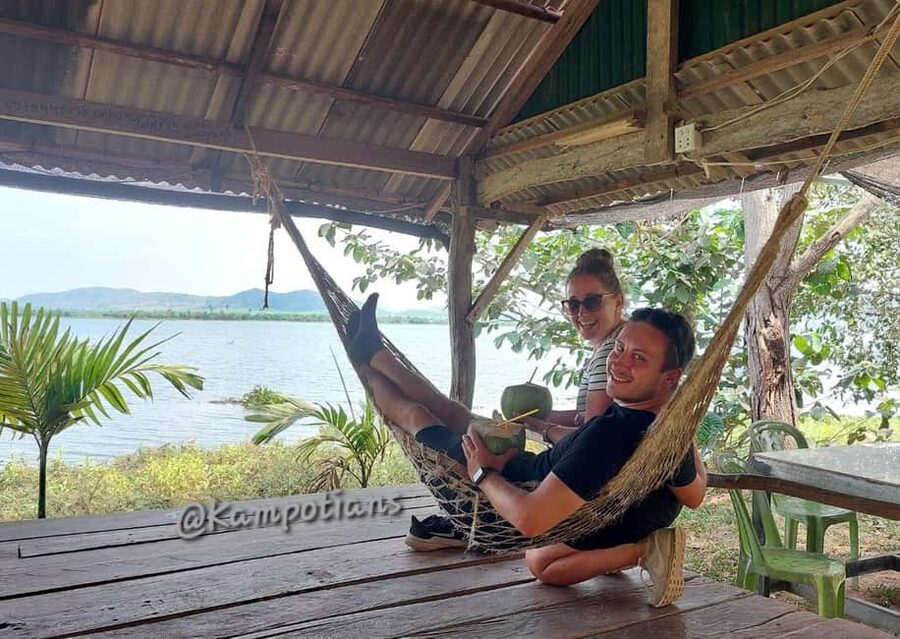
Next comes Phnom Chhngok Cave, and this is the main physical moment of the day. You hike up about 200 steps on a concrete stair to reach the cave area, then go inside to see the ancient Hindu temple dating back to the 7th century.
What makes this stop worth your time is the combination:
- The cave setting makes the temple feel removed from daily life
- The climb adds effort, so the reward feels real
- You get photo opportunities inside the cave environment
There’s also a practical rule tied to weather. Caving inside the bat cave is not allowed in the wet season. Depending on when you go, you may still see the temple part, but don’t expect every interior section to be accessible. This is the one place where planning around season matters.
For me, the best advice here is to take your time on the stairs. The cave portion is where you’ll notice your shoe choice, your breathing, and your comfort with uneven surfaces. Closed-toe shoes are not optional. If you’re unsure, bring footwear with grip and keep socks dry if possible.
Secret Lake at Brateak Krola: A Peaceful Reset With Soft Drinks
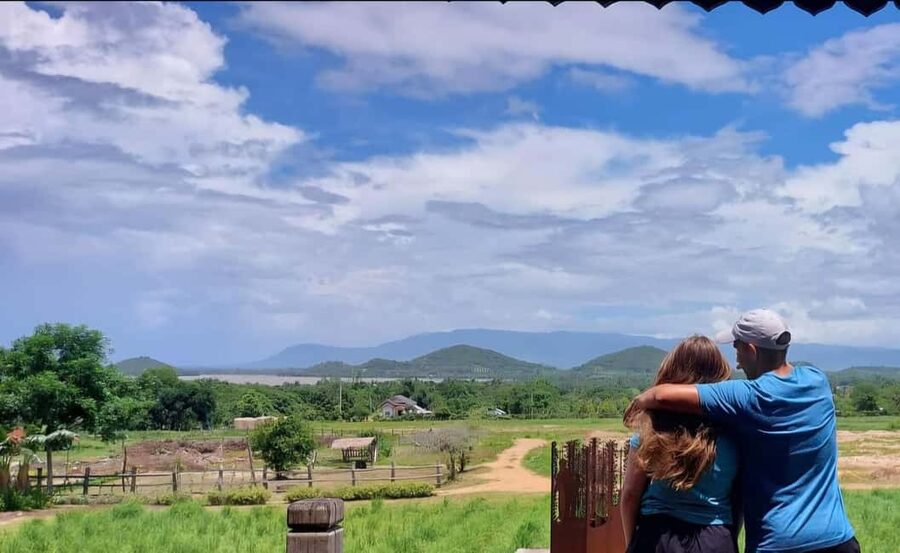
After the cave, you get a calmer stop at Brateak Krola, which many people call Secret Lake. This is a water-dam area with a story attached, and it’s designed as break time.
You’ll get:
- Photo stops and a guided context about the place
- Shopping time nearby
- Walking and relaxation
One small but welcome inclusion is soft drinks. It’s easy to underestimate a detail like this until you’re standing in heat after a cave climb. The soft-drink break is basically your recharge button.
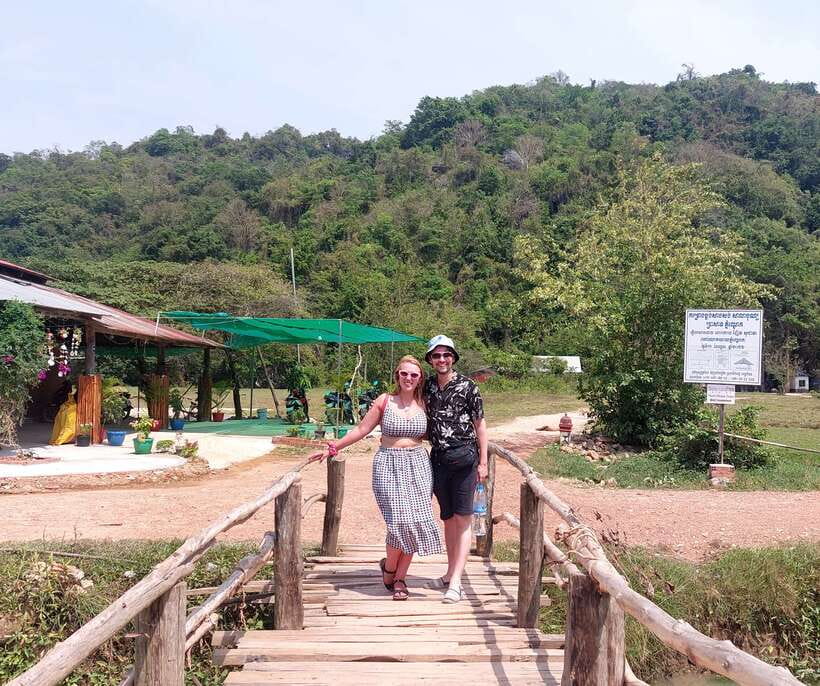
What I like about this stop is that it changes the feel of the day. After limestone and stairs, Secret Lake lets you look outward. It’s not a rushed “see it, move on” checkpoint. You have enough time to settle your pace and enjoy the greenery around the water.
Organic Pepper Plantation (La Plantation): From Planting to Tasting
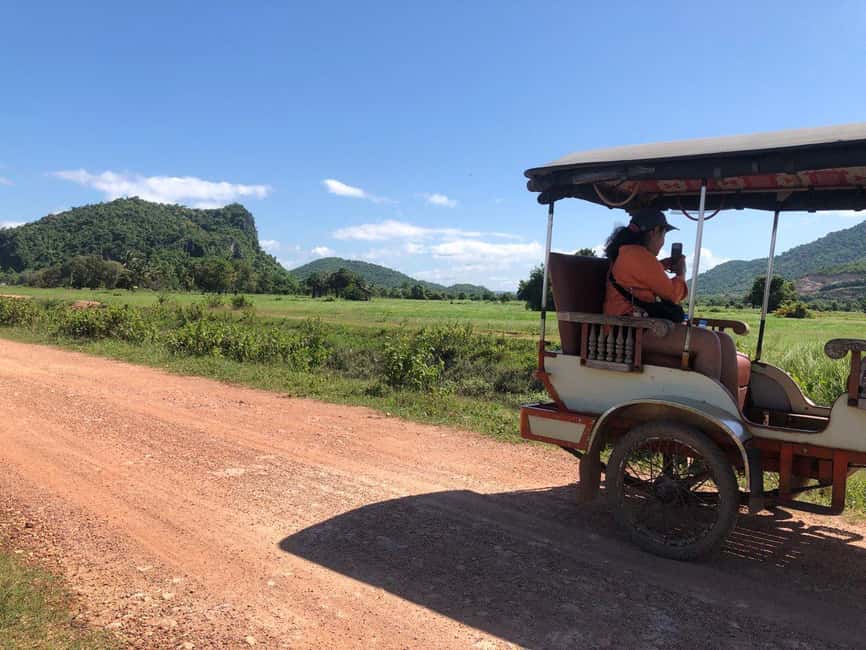
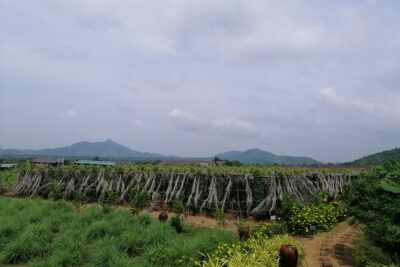
Then comes the most satisfying “learn-by-doing” part: the organic pepper plantation at La Plantation. This stop is built around guided time plus freedom to explore.
You can expect:
- A walking tour of the pepper-growing area
- Tasting as part of the visit
- Self-explore time after the guided portion
- Shopping, since pepper products are a big takeaway here
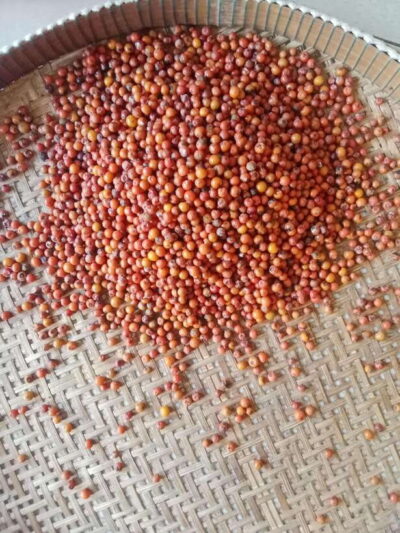
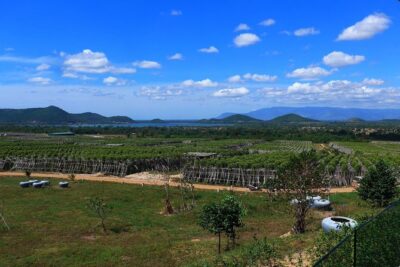
Pepper is one of those flavors that sounds simple until you see the cultivation and processing. Here, the tour makes the spice feel less mysterious. You learn how pepper is grown and prepared, and the tasting helps you connect the words your guide uses with actual taste.
A few especially memorable tasting mentions from the experience include trying different pepper styles and even pepper ice cream. That kind of detail is exactly why a pepper farm visit feels different from a souvenir stop. It turns a product into an experience.
If you’re the type who enjoys food rules and sensory comparisons, ask your guide about how pepper strength, aroma, and processing affect flavor. You’ll likely get clear answers and maybe more than you expected.
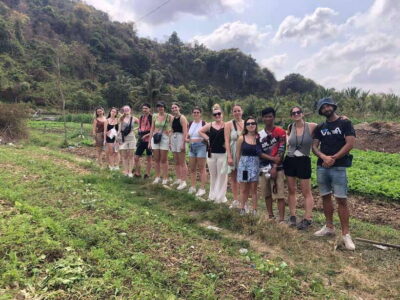
Other farm visits around Kampot
Photography Tips: Where the Day Gives You Real Shots
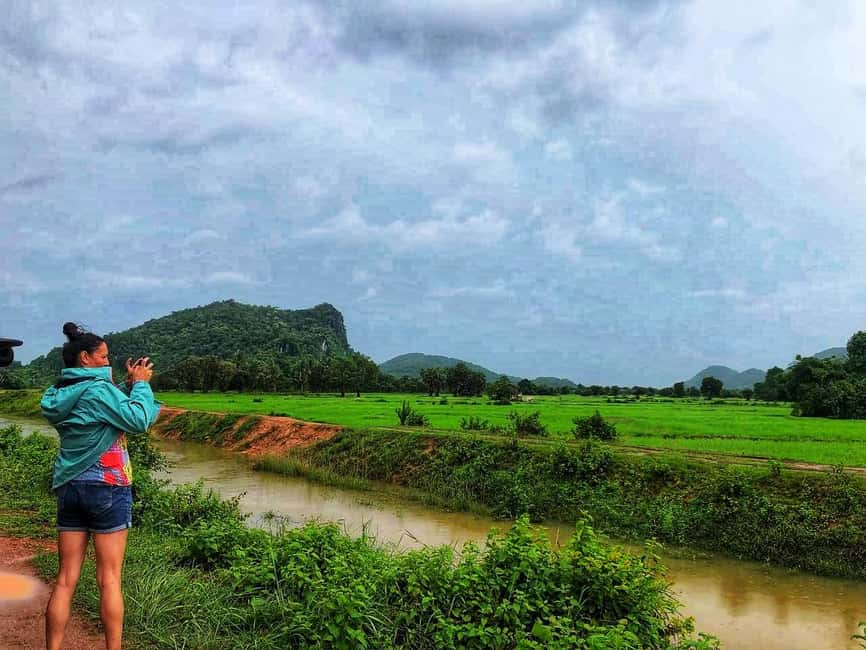
This itinerary is built for photos, but not in a cheesy way. You’ll have picture moments at:
- Salt Farm Coffee (views and casual farm scenes)
- The cave temple (interior structure and dramatic cave light)
- Secret Lake (water, greenery, and calm angles)
- The pepper plantation (rows, close-ups, and tasting moments)
Inside the cave, photo lighting can be tricky. Keep your camera steady, and expect uneven surfaces. The cave is also where a bad shoe choice becomes a bad day fast, so wear something you trust.
At Secret Lake, you can get a break for slower shots. This is where you can reset your energy and capture the “Kampot feels” photos rather than only the big tourist highlights.
Weather and Comfort: The Simple Stuff That Saves Your Day
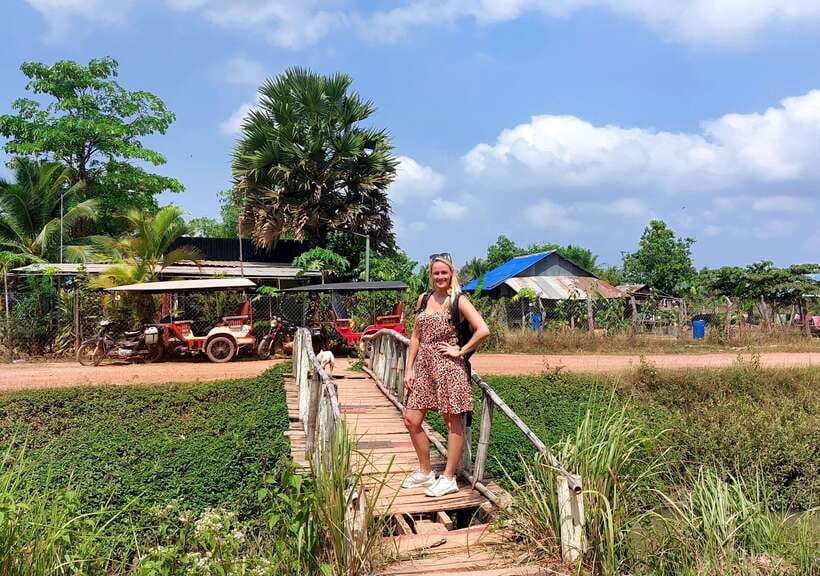
The tour includes sunscreen and closed-toe shoes as a must. I agree, because this kind of day is heat-plus-stairs-plus-cave footwork.
A few other practical notes based on what the day requires:
- Plan for dirt roads and uneven ground. Even when the tour goes smoothly, the terrain can be rustic.
- Bring a water habit. Drinking water is included, but you might still want to pace yourself.
- Don’t overpack. You’ll be walking at multiple stops, and too much gear will slow you down.
Season matters in two specific ways:
- Salt harvesting may not show much during the wet season
- Bat cave caving is not allowed during the wet season
So if you’re visiting in rainy months, set your expectations for what you’ll see. You’ll still get the explanations, the temple, and the pepper farm portion.
Who Should Book This Tour, and Who Should Skip It
This tour is a strong fit if you want:
- A countryside-style day around Kampot
- Hands-on learning about pepper and salt production
- A real walking component with a meaningful temple reward
- A guide who answers questions and keeps the day moving
It may be less suitable if:
- You’re over 70 years old, since the tour is marked not suitable for that age range
- You hate stairs or struggle with uneven terrain
- You want an entirely flat, low-walking experience
It’s also not a match if you’re traveling with a baby stroller or need alcohol-focused stops. Alcohol and drugs aren’t allowed, and baby carriages and strollers are not permitted.
The Guide Factor: Why Names Like Nak, Ali, and Micki Matter
What repeatedly comes through is the human side of the day. Guides including Nak, Ali, and Micki are described as friendly, warm, and helpful, with clear explanations and a focus on making sure you see everything.
That matters because you’re asking your guide to do two jobs at once:
1) Translate farm life into understandable context
2) Help you navigate the cave and stops efficiently without rushing
When guides are strong, the day feels smooth even if weather changes. Some days have rain, and guides are described as adjusting timing to protect the experience. You should still go prepared for variability, but it’s a comfort knowing the people running the tour take the day seriously.
Should You Book This Kampot Pepper, Salt, and Cave Tour?
Yes, if you want real Kampot countryside in half a day, with a memorable temple stop and a pepper farm tasting that feels like more than a sales pitch. The price-to-time ratio is solid at $23 for about 5.5 hours, especially because you get transportation, entrance fees, and drinks.
Book it if you enjoy:
- Food production and seasonal farming facts
- Exploring by walking, not by staring from a bus
- Guides who talk through what you’re seeing
I’d hesitate if:
- You’re not comfortable with stairs and cave surfaces
- You’re visiting during wet season and expect every cave area to be accessible
- You need a fully flat, low-impact route
If you’re in Kampot and want one tour that actually teaches you how this region produces pepper and salt, this is a very practical choice. Add closed-toe shoes to your packing list, then show up ready to learn, walk, and taste.
FAQ
How long is the Kampot Pepper Farm Tours, Salt, Lake & Phnom Chhngok Temple experience?
It runs for about 5.5 hours.
What is the price per person?
The price is $23 per person.
What is included in the tour price?
Included are the driver-guide, entrance fees, drinking water and soft drinks, and hotel pickup and drop-off if you are under 3 km from Kampot city center.
Is hotel pickup included?
Yes, pickup is included if your hotel is within 3 km of Kampot city center. If you are outside that area, there is an extra charge of $2+ or you can meet at Kampot Tourist information center.
What language is the guide?
The live tour guide is available in English.
What should I bring?
Bring sunscreen and wear closed-toe shoes.
Are strollers or baby carriages allowed?
No. Baby strollers and baby carriages are not allowed.
Is alcohol allowed?
No. Alcohol and drugs are not allowed.
Is this tour suitable for seniors?
It is not suitable for people over 70 years old.
What about salt fields and bat cave access during the wet season?
Salt is not available during the wet season. Caving inside the bat cave is also not allowed in the wet season.
More Tours in Kampot
- Kampot: Full-day Countryside Tour with Pepper Farm and Kep★ 4.9 · 245 reviews
- Kampot: Bokor Mountain Classic or Sunset Tour★ 4.7 · 147 reviews
- Kampot’s Countryside & Kayak Tour, Pepper Farm include Lunch★ 4.8 · 74 reviews
- Kayaking tour around green cathedral★ 4.8 · 38 reviews
More Tour Reviews in Kampot
- Kampot: Full-day Countryside Tour with Pepper Farm and Kep★ 4.9 · 245 reviews
- Kampot: Bokor Mountain Classic or Sunset Tour★ 4.7 · 147 reviews
- Kampot: Tuk Tuk Trip to Pepper Farm, Kep, Crab Market & More★ 4.9 · 143 reviews
- Kampot Countryside include Pepper farm, Salt field & Lake★ 4.9 · 100 reviews
More Pepper Country
- Kampot: Full-day Countryside Tour with Pepper Farm and Kep★ 4.9 · 245 reviews
- Kampot: Bokor Mountain Classic or Sunset Tour★ 4.7 · 147 reviews
- Kampot: Tuk Tuk Trip to Pepper Farm, Kep, Crab Market & More★ 4.9 · 143 reviews
- Kampot Countryside include Pepper farm, Salt field & Lake★ 4.9 · 100 reviews
Newly written up around Kampot
- Khmer Food Culture Cooking Class in Kampot
★ 5.0 · 7 reviews - Kep town: Local tuk tuk to Countryside & Pepper farm
★ 4.6 · 8 reviews - Kampot: Sunset Walking Tour
★ 4.1 · 9 reviews - FULL DAY – Countryside Tuk-Tuk Pepper Tour + Kep
★ 4.6 · 11 reviews - Kampot Pepper Farm, Salt Fields, Crab Market from Phnom Penh
★ 4.8 · 21 reviews - Kampot Countryside: Authentic Khmer Cooking Class
★ 4.8 · 21 reviews
Kampot & Kep Pepper Farm Tours, side by side.
 ★ 4.9Full-day Countryside Tour with Pepper Farm and KepFrom $26245 reviews
 ★ 5.0Discovery Tour: Caving, Climbing, Via Ferrata and Abseiling in KampotFrom $53172 reviews
 ★ 4.7Bokor Mountain Classic or Sunset TourFrom $28147 reviews
 ★ 4.9Tuk Tuk Trip to Pepper Farm, Kep, Crab Market & MoreFrom $25143 reviews
 ★ 5.0Kampot Tour Pepper Plantation, Salt Field, Cave, Secret LakeFrom $20128 reviews
 ★ 4.8Green Cathedral Kayaking Journey & Reflection River ViewFrom $28123 reviews
 ★ 4.9Kampot Countryside include Pepper farm, Salt field & LakeFrom $16100 reviews
 ★ 4.5La Plantation tour (discovering Kampot Pepper) + LunchFrom $2197 reviews
Also appears in