
REVIEW · SIEM REAP
Kampot Countryside include Pepper farm,Kep crab market beach
Salt, caves, pepper, and crab in one day.
This Kampot countryside route is interesting because you get guided salt-production at a working facility and then you climb into the unforgettable Phnom Chhngok cave temple area. You also see how Kampot province works beyond the usual river views, from farm products to seafood and a proper beach break.
The one thing to plan for is the effort. You’ll face 203 steps at the cave temple, and food isn’t included, so you’ll want to budget for lunch or seafood at Kep.
If you like a day trip that feels organized but not rushed, the private group setup helps a lot, and you can usually handle most extra purchases with cash.
In This Review
- Key things that make this tour worth your time
- Price and logistics that actually matter for your day
- Pickup in Krong Kampot: easy starting point, flexible if you’re close
- Salt production on the outskirts: why Kampot’s salt is more than a postcard
- Phnom Chhngok cave temple: 203 steps, views, and a Shiva temple inside
- Brateak Krola Lake: an artificial lake with a heavy past
- Pepper plantation tour and peppercorn testing: where you taste what you learned
- Kep crab market beach break: seafood, lunch choices, and a swim
- What to bring, and who should skip this one
- Guide quality is the real differentiator
- Should you book Kampot Countryside with pepper farm, salt fields, cave temple, and Kep?
- FAQ
- What is the price for Kampot Countryside?
- How long is the tour?
- Where do we meet, and is hotel pickup included?
- What does the tour price include?
- Is lunch included?
- What should I bring?
- Who is this tour not suitable for?
Key things that make this tour worth your time
- Factory-style salt production visit, with explanations of the process and why it matters locally
- Phnom Chhngok cave temple climb, including the 203 steps and a 7th-century Funan-era brick Shiva temple
- Brateak Krola Lake stop, an artificial lake tied to Khmer Rouge-era forced labor history
- Pepper plantation tour with peppercorn testing, you’ll taste what you just learned about
- Kep crab market and beach time, with options to test seafood or grab lunch, then swim or relax
- Private tuk tuk day, with English-speaking guidance and hotel pickup when you’re within 3 km of the meeting point
Price and logistics that actually matter for your day
This is a private tour for up to 2 people at $50 per group, running about 8 hours. That pricing is the first big value clue: you’re not paying per person for each stop, you’re paying for one guided day with transport, entry fees, and specific planned experiences (salt production + pepper tour).
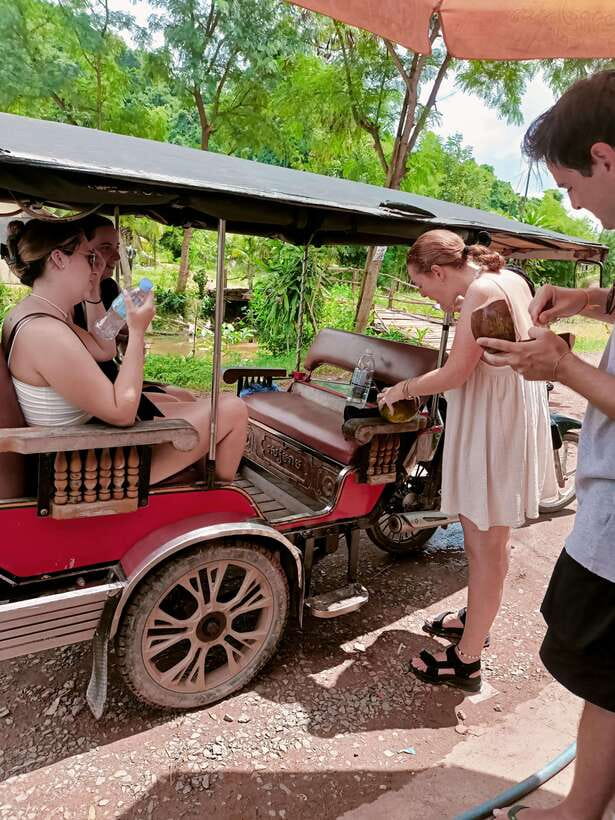
What you get for the money is pretty clear-cut. Your guide covers the guided parts, you get the pepper tour and tasting, and you’re also covered for entrance fees, plus a bottle of water and a fresh coconut. What you need to plan for yourself is mostly about meals and sun protection: food isn’t included, and the tour doesn’t provide sunglasses or sunscreen.
Logistically, the day runs by tuk tuk from a pickup in Krong Kampot. The meeting point is normally opposite Epic Art Cafe, and pickup or drop-off from your hotel or restaurant can be arranged if you’re within 3 km of that area. The itinerary shows multiple short tuk tuk legs (about 2 hours and 45 minutes total ride segments), so you’re not stuck in one long car stretch. It’s broken up, which helps.
If you’re working with a tighter schedule, check starting times when you book, since the tour offers different departure options.
Pickup in Krong Kampot: easy starting point, flexible if you’re close
To make this day trip painless, you’ll either start at the normal meeting point across from Epic Art Cafe, or your guide can pick you up at your accommodation or nearby restaurant. The catch is simple: pickup farther than 3 km from the meeting point isn’t possible.
That matters because this route is built around moving quickly between countryside stops. If your accommodation is on the edge of town, you might spend more time than you want on extra coordination. If you are within that 3 km window, you’ll probably feel like the day is already running on rails.
Other rides out past the rice fields
- Trip with Local tuk tuk to Country side & Pepper farm…★ 5.0 · 13 reviews
- Countryside tours include pepper plantations★ 5.0 · 3 reviews
Salt production on the outskirts: why Kampot’s salt is more than a postcard
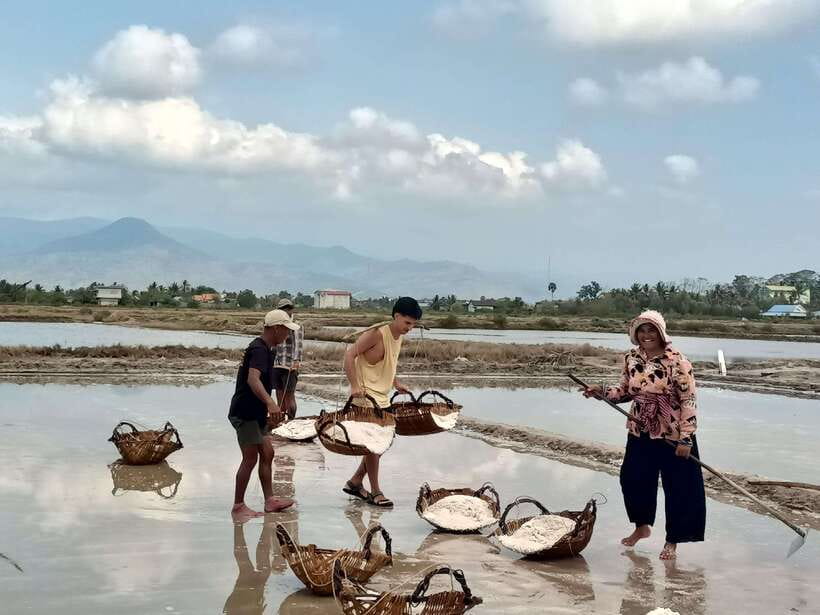
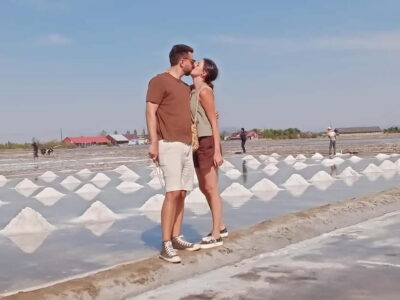
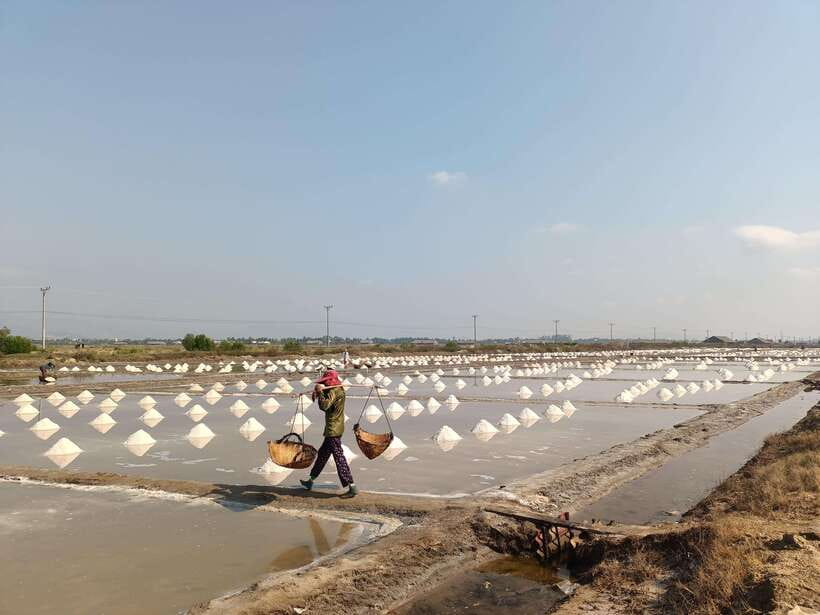
Your first big learning stop is a salt-producing facility just outside Kampot. This is one of those experiences where the payoff is not only the sights, it’s the sequence of what you’re shown.
With the guided visit, you learn the economic importance of salt production to the area and the various steps of the process. Even if you’ve never seen salt work up close, you’ll leave with a sense of how this isn’t a one-day activity. It’s structured, and it’s tied to conditions and timing in the landscape.
The practical win here: after this, the rest of your day makes more sense. When you understand how local products are made, the pepper farm and market stops stop feeling like random stops and start feeling like a connected story of how Kampot province feeds itself.
Wear something comfortable for walking around a working facility, and remember that you’re still in Cambodia’s heat. Bring water with you even though you get one bottle, because you’ll want a refill for later.
Phnom Chhngok cave temple: 203 steps, views, and a Shiva temple inside
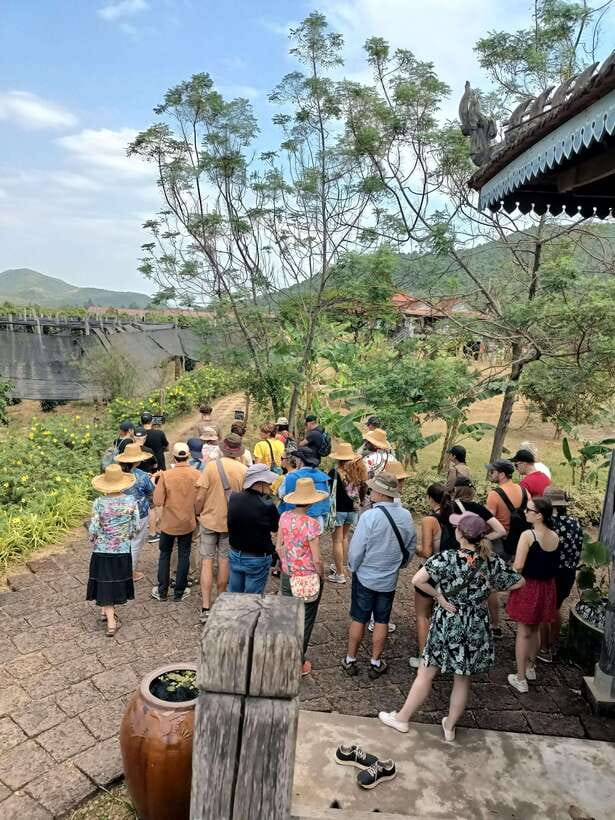
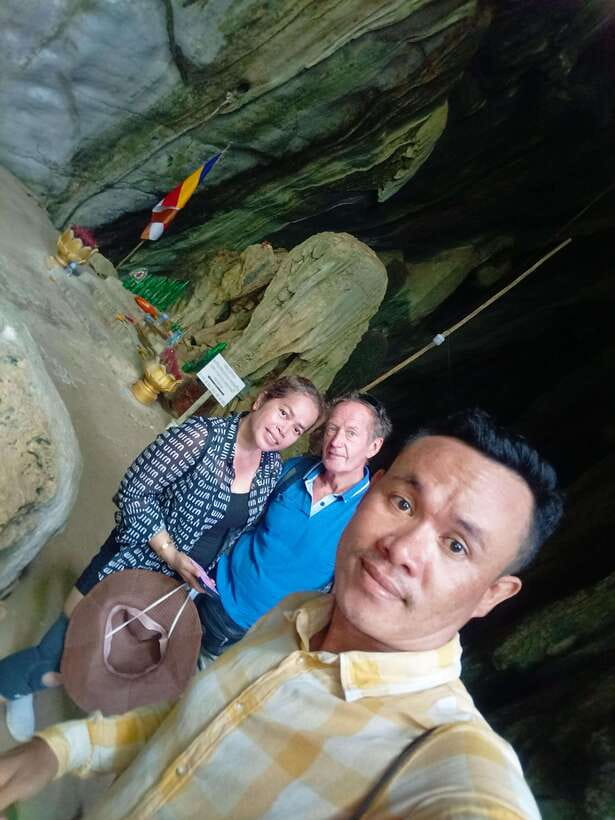
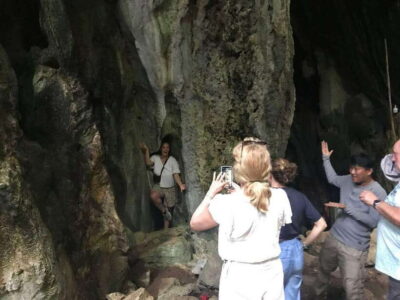
Next comes the Phnom Chhngok cave temple, and yes, the big headline is the stairs. You’re facing 203 steps to reach the entrance.
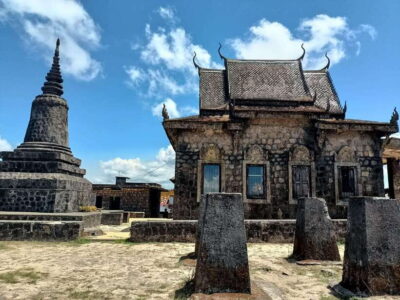
Here’s what makes it worth the climb: once you get up there, you’re treated to views from the cave entrance, and inside the main chamber you can see a remarkable 7th-century (Funan-era) brick temple, dedicated to Shiva.
A few practical notes so you can enjoy it instead of suffering:
- Think of the climb as part of the experience, not a separate chore. Take your time on the ascent.
- Wear shoes with grip. The ground near temple entrances can be slick.
- Bring a little patience if you’re sensitive to heights or uneven steps.
Health-wise, this is not a casual stop. The tour is not suitable for people with high blood pressure, and it’s also not recommended for some mobility situations due to the stairs.
If you’re going with someone who wants photos, the entrance viewpoint is the moment. If you’re going with someone who prefers learning, the Shiva temple detail is the moment.
Brateak Krola Lake: an artificial lake with a heavy past
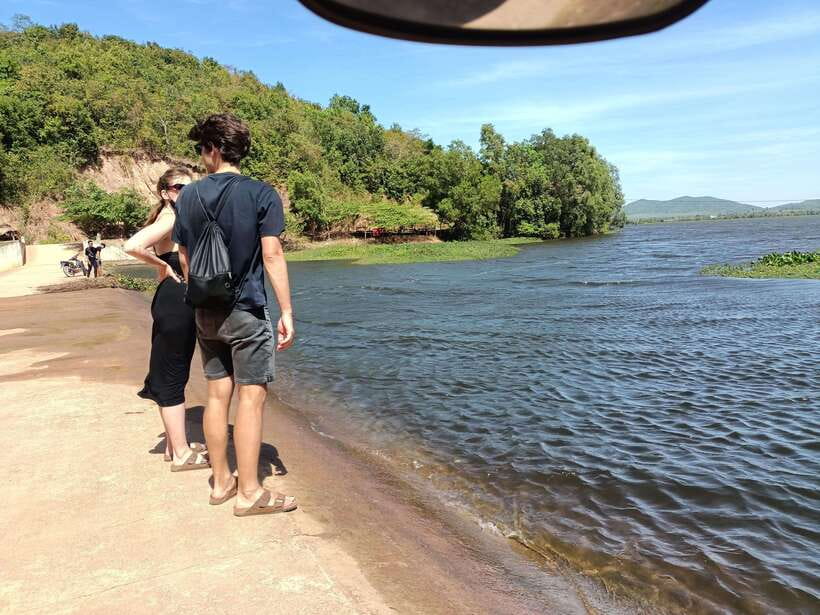
Then you head to Brateak Krola Lake, which is man-made. What you’re told here adds weight to the setting: the lake was constructed during the time of the Khmer Rouge, and it was built with slave labor.
This is one of those stops where you don’t get a “fun activity,” you get context. And that context changes how you see the landscape. The lake is tranquil on the surface, but the story behind it is not.
If you go in expecting scenery only, you’ll miss the point. If you go in ready to be thoughtful, it can become one of the most meaningful parts of the day.
Bring your calm brain. It helps. Even on a full day trip, you’ll want a minute to let the history settle before you move on to the pepper farm tastings.
Pepper plantation tour and peppercorn testing: where you taste what you learned
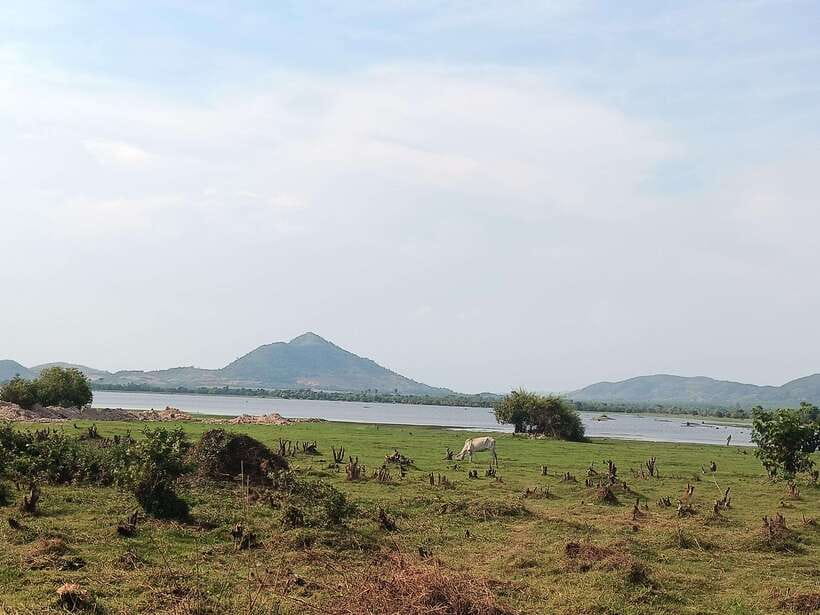
Your next highlight is a guided visit to a large pepper plantation. This is not just a walk through fields. The tour focuses on the production process, and you get to enjoy peppercorn testing.
That tasting component is what makes this stop feel different from many farm visits. You hear the story, and then you taste the result. It’s the fastest way to turn “pepper trivia” into a real memory.
Time matters here too. In feedback tied to this route, the pepper stop can stretch to around two hours because the guide takes time to explain things and the tasting takes a little effort to do properly. When the guide is patient, like Phalla was in one account, the experience feels more like a conversation than a checklist.
If you have questions about how pepper is grown, harvested, or processed, this is a great moment to ask. Also, if you’re the kind of person who buys spices to cook with later, you’ll probably want to pay attention to what you taste so you can pick something that matches your preferences.
More pepper farms, salt fields and crab market runs
Kep crab market beach break: seafood, lunch choices, and a swim
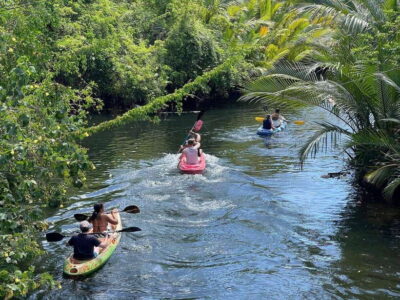
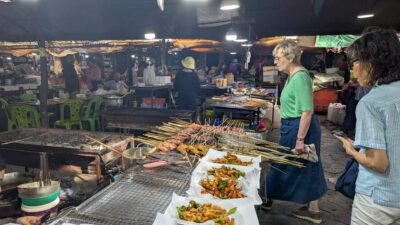
The final phase blends food and downtime in Kep. You’ll have time at the crab market, where you can test seafood or lunch. After that, you can swim or relax on the beach before heading back to Kampot.
This is the day’s “reset.” You’ve been walking temples and learning about production. Now you get an area where you can slow down, watch the market energy, and then cool off in the water if conditions allow.
Two practical tips so you don’t run out of steam:
- Bring cash, because food isn’t included and you’ll want easy payment for lunch or seafood.
- Use sunscreen even if you’re not normally a sunscreen person. You’ll be outside most of the day.
If you want a bit of atmosphere, this is also the section where timing can feel better for golden-hour wandering. In at least one account, the guide left time to stroll around and enjoy a late-day sunset feeling in Kep. Your exact lighting depends on the day’s schedule and weather, but the tour is structured so you’re not rushed through the beach portion.
What to bring, and who should skip this one
This tour is simple to prepare for. Bring cash. That’s the big one. It’s also smart to bring your own sun basics since sunglasses and sunscreen aren’t provided.
Comfort-wise, plan for:
- Light, breathable clothes for heat
- Shoes you can climb in for the cave steps
- A hat or something that helps with sun, since you’re outdoors for multiple segments
And then there are clear “not for you” categories. The tour is not suitable for:
- Children under 2 years
- Pregnant women
- People over 80 years
- People with high blood pressure
- People over 200 lbs (91 kg)
- And it’s not designed for strollers or baby carriages
There’s also a clear list of what isn’t allowed (like alcohol and drugs), plus restrictions on baby strollers and similar items. These are the kind of rules that protect everyone’s safety and keep the tour moving smoothly.
Guide quality is the real differentiator
The route is packed, but what makes it feel good is the guidance. One standout theme from feedback is that the guide can explain patiently, even when English isn’t the native-first language for both sides.
In one account, Phalla was praised for being professional, taking time with explanations (with translator support because English was limited), and showing everything through to the end. That kind of pacing matters on this tour, because you’re jumping from factories to temples to lakes to farms to markets.
If you’re the type of traveler who likes to understand what you’re seeing, this tour works especially well. If you just want photos and quick stops, you might find it feels like you’re learning more than you planned. The good news is that the structure is flexible within the private format, so you can set your pace with your guide.
Should you book Kampot Countryside with pepper farm, salt fields, cave temple, and Kep?
Book it if you want one day that covers real local work and real local food, without needing multiple tickets or multiple separate tours. The blend is strong: salt production, a cave temple with real historical texture, a lake tied to painful history, pepper farm tasting, then Kep crab market plus beach time. It’s the kind of itinerary that helps you feel like you left Kampot for more than just a drive.
Skip it if climbing stairs is a no-go for you, because the 203 steps at Phnom Chhngok are part of the experience. Also skip if you need meals fully included, since you’ll be handling food costs yourself at the crab market.
If your group is up to two people, you’re comfortable with heat and walking, and you like guided explanations, this is good value. You’re paying for the guide and the key stops, then you get to choose your own lunch and swim break at the end.
FAQ
What is the price for Kampot Countryside?
It costs $50 per group for up to 2 people.
How long is the tour?
The duration is 8 hours. Starting times vary, so you’ll want to check availability.
Where do we meet, and is hotel pickup included?
Pickup is included. The tour normally starts opposite Epic Art Cafe in Krong Kampot, and the provider can also pick up and drop off from your hotel or restaurant if it is within 3 km of the meeting point.
What does the tour price include?
Entrance fees, a bottle of water, a fresh coconut, the pepper tour and peppercorn testing, and a guide are included.
Is lunch included?
Food is not included. You’ll have time at the crab market to test seafood or have lunch, then you can swim or relax on the beach.
What should I bring?
Bring cash. Sunglasses and sunscreen are not included, so you may want to pack your own.
Who is this tour not suitable for?
It is not suitable for children under 2 years, pregnant women, people over 80 years, people with high blood pressure, and people over 200 lbs (91 kg).
More Tour Reviews in Kampot Province
- Green Cathedral Kayaking Journey & Reflection River View★ 4.8 · 123 reviews
- Kampot Pepper & Kep/Crab Market Tours: Salt, Secret lake★ 4.7 · 33 reviews
- Kampot Pepper Farm Tour: Salt Fields, La Plantation & Cave★ 4.8 · 18 reviews
- Trip with Local tuk tuk to Country side & Pepper farm…★ 5.0 · 13 reviews
More Pepper Country
- Green Cathedral Kayaking Journey & Reflection River View★ 4.8 · 123 reviews
- Kampot Pepper & Kep/Crab Market Tours: Salt, Secret lake★ 4.7 · 33 reviews
- Kampot Pepper Farm Tour: Salt Fields, La Plantation & Cave★ 4.8 · 18 reviews
- Trip with Local tuk tuk to Country side & Pepper farm…★ 5.0 · 13 reviews
Beyond the Paddy Bunds
- Trip with Local tuk tuk to Country side & Pepper farm…★ 5.0 · 13 reviews
- Countryside tours include pepper plantations★ 5.0 · 3 reviews
Newly written up around Kampot Province
- Countryside tours include pepper plantations
★ 5.0 · 3 reviews - Kep: Discover kampot pepper farm/lake & Salt fields…more
★ 5.0 · 5 reviews - Kampot-Phnom Penh include Pepper farm Tour, Salt field, Lake
★ 4.8 · 5 reviews - Bokor mountain, Pepper plantation and Man-made lake
★ 5.0 · 6 reviews - Trip with Local tuk tuk to Country side & Pepper farm…
★ 5.0 · 13 reviews - Kampot Pepper Farm Tour: Salt Fields, La Plantation & Cave
★ 4.8 · 18 reviews
Siem Reap Countryside Tours, side by side.
 ★ 5.0Siem Reap Countryside Bike Tour / E-Bike or Tuk TukFrom $35935 reviews
 ★ 5.0Afternoon tour by tuk tuk to bamboo train,bat cave,killing cave,countryside.From $15344 reviews
 ★ 5.0Siem Reap Countryside Quad Biking TourFrom $45322 reviews
 ★ 4.9Guided Countryside Bike TourFrom $35294 reviews
 ★ 5.0Local Livelihood Half Day Bike Tour in BattambangFrom $30287 reviews
 ★ 4.7Siem Reap Quad Bike Countryside TourFrom $33283 reviews
 ★ 4.9Khmer Village and Fish Farm ATV TourFrom $33266 reviews
 ★ 4.9Full-day Countryside Tour with Pepper Farm and KepFrom $26245 reviews