
REVIEW · KOH KER & PREAH VIHEAR
Koh Ker & Preah Vihear
Koh Ker and Preah Vihear feel like a detour for real adventurers. This two-day route mixes Khmer temple giants with the day-to-day rhythm of rural Cambodia, and it comes with a surprising amount of hilly terrain. You’ll also be guided all the way, with pickup offered, plus cold water to keep you moving.
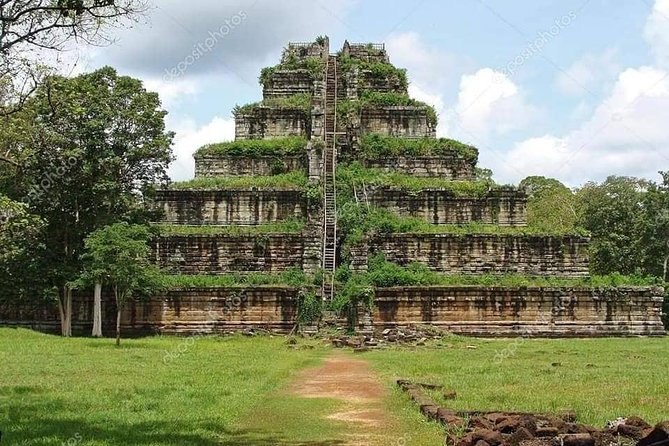
What I like most is the pairing of places that each show a different side of the Khmer world. Koh Ker gives you that “old capital” scale, including the seven-tier Prang pyramid, and it’s set in a landscape that makes you slow down and look at how the stones sit in the earth.
The second big win is the human touch built into the route: rural roads, calmer stops, and guides who explain what you’re seeing, not just what the brochure says. One consideration, though, is the physical side, since the tour asks for moderate fitness and the terrain is more up-and-down than most people expect in Cambodia.
In This Review
- Key points to know before you go
- Why Koh Ker and Preah Vihear is not the usual temple circuit
- Day 1: Koh Ker Temple and the feeling of an ancient “capital in the hills”
- Prasat Beng Mealea: ruins, roots, and Suryavarman II’s imprint
- Peung Kom Nuo on Kulen Mountain: calmer views and a break from the big-name pace
- Day 2: Preah Vihear on the Dongrek ridge, with border-country drama built in
- Ta Mok House: a short historical stop that adds weight to the day
- How the two days fit together, and what that means for your energy
- Price and what you really get for $100 per person
- Guides and drivers: where the reviews show the real difference
- Who this tour suits best, and who should rethink it
- Should you book this Koh Ker & Preah Vihear trip?
- FAQ
- What is the price of the Koh Ker & Preah Vihear tour?
- Where does the tour start and what time does it begin?
- What is included in the tour price?
- Are entrance tickets included?
- How many travelers are allowed on this experience?
- What is the cancellation policy?
Key points to know before you go
- Small group size (up to 2 travelers) makes this feel more like a focused private day than a bus trip.
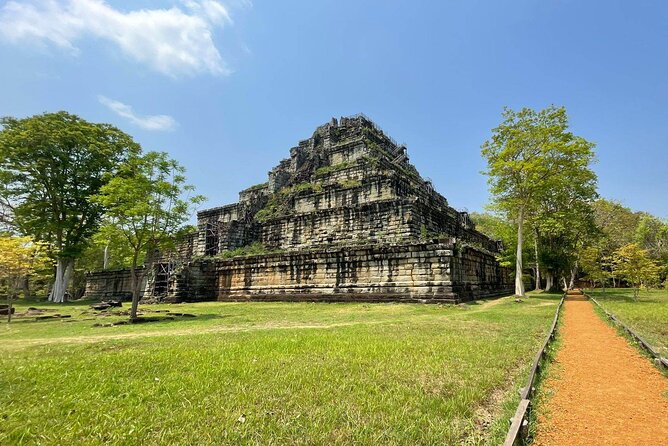
- Koh Ker (928 to 944 AD) adds the “old capital” feeling, not just a quick temple photo stop.
- Beng Mealea shows temple ruins plus plant growth, so expect a more nature-meets-stone experience.
- Preah Vihear sits atop the Dongrek mountain range between Cambodia and Thailand, giving it dramatic positioning.
- Ta Mok House adds a 20th-century chapter to your temple day, even if it’s a short stop.
- Tickets are not included, so plan your budget before you go.
Why Koh Ker and Preah Vihear is not the usual temple circuit
If your Siem Reap days mostly orbit the big, famous temple clusters, this itinerary gives you a different angle. Koh Ker and Preah Vihear are farther afield, and the payoff is twofold: you get older, less predictable temple settings, and you also see more of how people live outside the main tourist lanes.
I like the way the route is built like a day-by-day story. Day 1 trends toward exploration: big ruins, a ruined temple swallowed by growth, and a quieter stop up on Kulen Mountain. Day 2 pivots to a more dramatic viewpoint temple on the border ridge, then ends with a short, sobering context stop tied to the Khmer Rouge era.
This is also the kind of trip where good timing matters. You start early, and you’re on the road long enough that the included transport and guide support are genuinely useful, not just “nice to have.”
Day 1: Koh Ker Temple and the feeling of an ancient “capital in the hills”
Koh Ker is a serious start. The Khmer Empire connection here is clear, with Koh Ker known as one of the earlier cities of the empire, built between 928 AD and 944 AD. The scale is also the point, since it was home to over 10,000 people. Even if you’re visiting today, that population hint changes how you see the place, like you’re walking through the footprint of a real functioning city.
The star is the seven-tier Prang pyramid. You’re not just looking at one tower and moving on. The structure’s tiered height tends to pull your attention upward in stages, and that’s perfect for a route like this, where you’re also dealing with hills and uneven terrain.
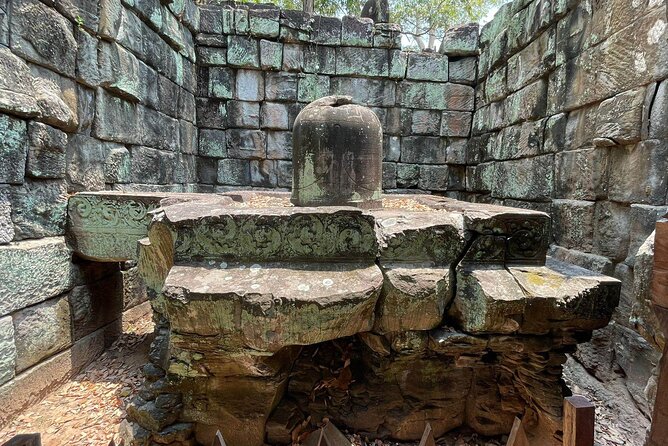
Practical takeaway: Koh Ker works best if you’re willing to take your time. If you only have energy for fast photos, you might miss some of the best moments, like watching how the stonework blends into the surrounding ground and how your viewpoint changes as you move.
Also note the time given for this stop, around 6 hours. That’s a long stretch compared with typical temple tours. The upside is you’re less rushed. The potential downside is fatigue, especially if you’re not used to uneven surfaces.
Other long days out to the remote temples
- Koh Ker Temple Group & Beng Mealea Full-Day Join-in Tour★ 5.0 · 710 reviews
- From Siem Reap: Koh Ker and Beng Mealea Temples Tour★ 4.9 · 293 reviews
- Preah Vihear: Full-Day Preah Vihear and Koh Ker Temple Tour★ 4.9 · 263 reviews
- Full-Day Preah Vihear, Koh Ker and Beng Mealea Private Tour★ 4.4 · 101 reviews
Prasat Beng Mealea: ruins, roots, and Suryavarman II’s imprint
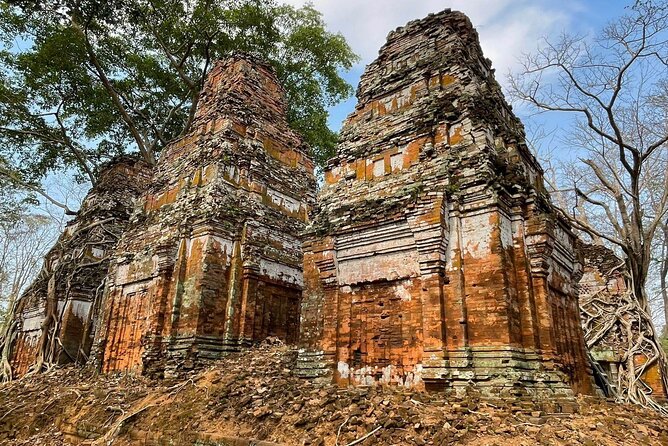
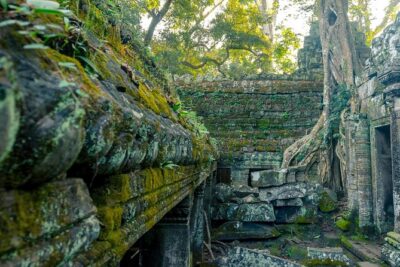
After Koh Ker, the route shifts into a different texture: Prasat Beng Mealea. This one is often popular for a reason, because it’s a ruin temple where plant growth is part of the scenery, not a side effect.
It was built by King Suryavarman II in the early 12th century, so you’re still in Khmer-era territory. But Beng Mealea has a more unsettled feel than a restored site. The stones look older and less “managed,” and the vegetation gives it a lived-in atmosphere that changes the photo look from “clean angles” to “story angles.”
Timing here is shorter, about 1 hour. That works well as a mental reset. You’ve already done a long day at Koh Ker, so Beng Mealea becomes a way to see another ruin style without exhausting every hour of daylight.
Practical takeaway: bring footwear that can handle uneven ground and avoid rushing. The whole point is that the ruin and nature are intertwined, so your pace matters.
Peung Kom Nuo on Kulen Mountain: calmer views and a break from the big-name pace
Day 1 ends with Peung Kom Nuo, described as a lesser-known stop on Kulen Mountain. The itinerary gives it about 1 hour, which makes it a good “cooldown” after Beng Mealea.
I like this kind of stop for two reasons. First, it breaks the day up so you’re not only chasing major monuments. Second, it helps you feel the region beyond stone structures. When your brain is over-focused on temples, it’s easy to miss the bigger setting, like how the terrain shapes movement and the way people organize their daily paths.
Because the information provided keeps this stop more general, you might find it more about views, air, and local atmosphere than about a major single landmark. That’s not a bad thing. It’s often the small stops that make the day feel personal instead of checklist-like.
Day 2: Preah Vihear on the Dongrek ridge, with border-country drama built in
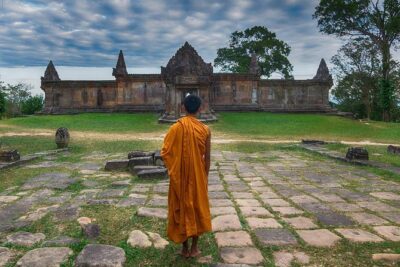
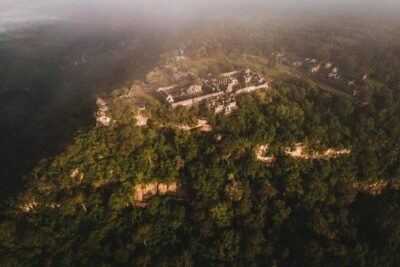
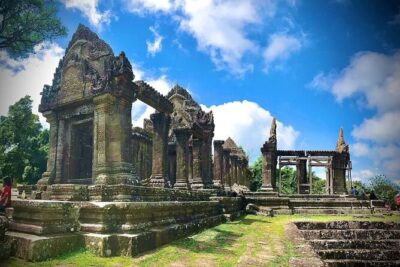
Preah Vihear is where the route earns its reputation for atmosphere. This temple is described as an ancient Hindu temple from the Khmer Empire, placed high on the Dongrek mountain range between Cambodia and Thailand.
That setting is more than geography. Being up on a ridge changes how the temple reads. You’re not only seeing a structure, you’re seeing the power of a location. The height and positioning make your eyes do the work of scanning distance and imagining what the view looked like to people moving through the region.
The stop is listed at about 3 hours, which is a useful block. You can take in views, walk the area at a comfortable pace, and still have time to process the context the guide provides.
Practical takeaway: this is also a day where timing and heat management matter. You’ll be outside and moving more than in a city. Wear layers you can adjust and keep water habits steady, especially since cold water is included and you can use it as a baseline.
Ta Mok House: a short historical stop that adds weight to the day
After Preah Vihear, the itinerary includes Ta Mok House, about 30 minutes. Ta Mok is identified here as one of the formal Khmer Rouge leaders from 1975 to 1979.
This is the kind of stop that can feel abrupt if you only came for ancient temples. But even a short visit can change the meaning of a whole trip. Cambodia’s 20th-century history is part of how the country got where it is today, and this stop is a direct, named connection to that era.
Practical takeaway: treat it with the respect it deserves. Keep your expectations flexible. This is not a scenic viewpoint. It’s context.

How the two days fit together, and what that means for your energy
This trip is listed as 2 days with a start time of 8:30 am, and it’s built for people with moderate physical fitness. That line matters. Koh Ker and the ridge country around Preah Vihear are not flat stroll territory.
In plain terms, you should plan on:
- walking on uneven ground at temple sites
- dealing with hills during the day
- taking your time more than you might on a city day
Also, the tour includes transport and a driver, which is important on a route like this. You’ll spend meaningful time in the car, and the included cold water helps you stay functional rather than scrambling for bottles once you’re already tired.
Because the itinerary spans two days and accommodation is not included, you may need to arrange your own overnight plan. The good news is the tour provides the structure for temple visits and transfers, so you can focus on one practical planning task at a time.
Price and what you really get for $100 per person
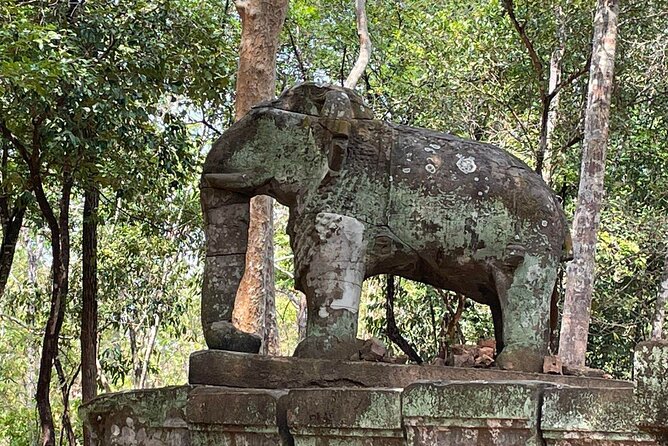
The price is $100 per person, with a two-day format. That’s not a bargain price compared with very short temple add-ons, but the value makes sense when you look at what’s included and what’s not.
Included:
- transport
- driver
- tour guide
- cold water
Not included:
- entrance fees
- food
- accommodation
- tips and other expenses
So you’re paying for the heavy lifting: getting you into far-flung areas and connecting the dots with a guide. If you were doing this on your own with just a driver, you’d still face long travel hours, route choices, and time-consuming figuring-out. This package removes that friction.
How to budget smartly: entrance fees can add up across multiple temple sites. Food costs also depend on what’s available near stops. If you want this day to feel relaxed rather than stressful, assume you’ll add extra cash on top of the base tour price.
Guides and drivers: where the reviews show the real difference
The most consistently praised part of this experience is the human factor, especially the care and communication from the guide and driver.
In the feedback you shared, the guide is repeatedly named Vanra (also referred to as Ra). People highlight that he’s respectful, punctual, and explains sites in a way that stays accurate and useful. His English skills come up as well, with comments about being able to talk and not feel bored during travel time.
The driver is mentioned as Mr. Buny, and one detail that people specifically valued is that the driver kept attention on the road, not on the phone. That matters a lot on hill roads and in longer travel days.
You can also expect rest breaks to be part of the rhythm. One note mentions regular stops at interesting places, which is exactly what you want on a day that mixes walking with long transfers.
This is why the small group matters. With a maximum of 2 travelers, the guide can adjust pacing and focus, instead of herding everyone through at the same speed.
Who this tour suits best, and who should rethink it
This itinerary is a great fit if you want:
- temple sites beyond the obvious Siem Reap circuit
- a slower pace at major locations like Koh Ker
- a guide that can explain the meaning of what you see
- a more private feel, since it caps at 2 travelers
It’s also a good option if you like variety. You’re not only seeing stone monuments. You’re moving through rural surroundings and different types of ruin settings, including Beng Mealea’s plant-covered atmosphere.
You might want to rethink it if:
- you struggle with hills or uneven ground
- you get impatient with longer stops, like the 6-hour Koh Ker block
- you prefer a tour where entrance fees and meals are fully included, since here they’re listed as not included
Should you book this Koh Ker & Preah Vihear trip?
I’d book it if you’re trying to understand Cambodia beyond the postcard core. Koh Ker and Preah Vihear are both strong on their own, but the route makes it more than two separate temple visits. You get a fuller sense of where the Khmer Empire’s influence sat in the terrain, and you also get a modern historical stop that adds context.
I’d also book it if you value how well the day is handled. The combination of a guide named Vanra and a driver named Mr. Buny comes through as attentive, professional, and careful on the road. In a tour that involves hills and long transfers, that’s not a small detail.
Last practical tip before you decide: confirm you’re comfortable paying separately for entrance fees, meals, and your overnight. If you’re good with that, this tour feels like a solid use of your time in the region.
FAQ
What is the price of the Koh Ker & Preah Vihear tour?
The tour costs $100.00 per person.
Where does the tour start and what time does it begin?
The tour starts in Siem Reap, Cambodia, with a start time of 8:30 am.
What is included in the tour price?
The tour includes transport, a driver, a tour guide, and cold water. Entrance fees, food, accommodation, and tips are not included.
Are entrance tickets included?
No. Entrance fee tickets are listed as not included.
How many travelers are allowed on this experience?
The tour has a maximum of 2 travelers.
What is the cancellation policy?
Free cancellation is available. You can cancel up to 24 hours in advance for a full refund. If you cancel less than 24 hours before the start time, the amount paid will not be refunded.
More Tour Reviews in Siem Reap
- Angkor Wat Sunrise or Sunset Tour with Guide from Siem Reap★ 5.0 · 12,109 reviews
- Siem Reap: Angkor Wat: Small-Group Sunrise or Sunset Tour★ 5.0 · 9,444 reviews
- From Siem Reap: Kampong Phluk Floating Village Tour by Boat★ 4.9 · 6,979 reviews
- Siem Reap: Angkor Wat 2-Day Tour with Sunrise and Sunset★ 4.9 · 4,429 reviews
The Far Temples, Other Operators
- Koh Ker Temple Group & Beng Mealea Full-Day Join-in Tour★ 5.0 · 710 reviews
- From Siem Reap: Koh Ker and Beng Mealea Temples Tour★ 4.9 · 293 reviews
- Preah Vihear: Full-Day Preah Vihear and Koh Ker Temple Tour★ 4.9 · 263 reviews
- Full-Day Preah Vihear, Koh Ker and Beng Mealea Private Tour★ 4.4 · 101 reviews
Newly written up around Siem Reap
- Waterfall & River of 1000 Siva Linga- Kulen Mountain Private Tour
★ 5.0 · 3 reviews - Private Transfer from Siem Reap to Sihanoukville
★ 4.5 · 3 reviews - Private Tour to Koh Ker and Beng Mealea
★ 5.0 · 3 reviews - Private Transfer: Siem Reap Angkor Internation Airport to Hotel
★ 5.0 · 3 reviews - Kulen National Park Ticket -Waterfall & 1000 Lingas
★ 5.0 · 3 reviews - Kulen Waterfall & Kbal Spean Tour
★ 5.0 · 3 reviews
Koh Ker & Preah Vihear Temples, side by side.
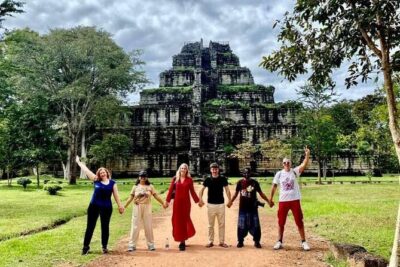 ★ 5.0Koh Ker Temple Group & Beng Mealea Full-Day Join-in TourFrom $50710 reviews
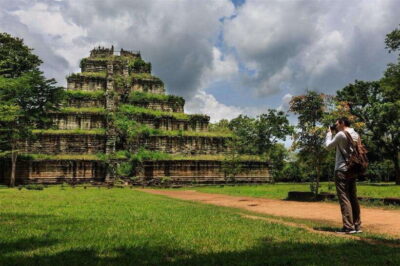 ★ 4.9Koh Ker and Beng Mealea Temples TourFrom $50293 reviews
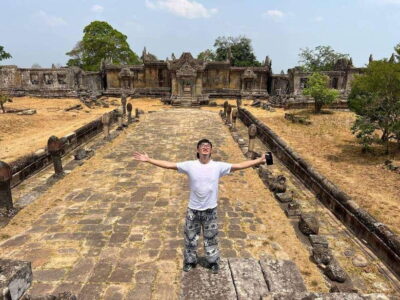 ★ 4.9Preah Vihear: Full-Day Preah Vihear and Koh Ker Temple TourFrom $100263 reviews
 ★ 4.4Full-Day Preah Vihear, Koh Ker and Beng Mealea Private TourFrom $85101 reviews
 ★ 5.0Preah Vihear temple – Koh Ker & Other temple with Small GroupFrom $10096 reviews
 ★ 5.04-Day Excursion of Angkor, Koh Ker, Beng Mealea, Tonle Sap and WaterfallsFrom $24987 reviews
 ★ 5.0Koh Ker, Beng Mealea, & Banteay Srei Join-in TourFrom $6948 reviews
 ★ 5.0Private Preah Vihear and 2 Temples Guided TourFrom $8542 reviews
Also appears in