
REVIEW · PHNOM PENH
Morning Tuk tuk: City, Handicrafts, Killing field, Temples
Battambang tastes like rice and history. On this 5-hour morning tuk tuk run, I really like the hands-on stops at rice noodle and rice paper production, and I also like the way the guide ties everyday food to Cambodian culture and religion.
You’ll get a lot packed in, from market landmarks to temple stops, and it feels like a real look at how people live beyond the obvious photo spots.
One caution before you go: the Killing field visit is heavy. You’ll want a calm mindset, and you should expect time outdoors around memorial sites and temples.
In This Review
- What makes this Battambang tuk tuk tour worth your time
- Morning tuk tuk start: city landmarks and local context
- Khmer rice noodle workshop: breakfast food turned into craft
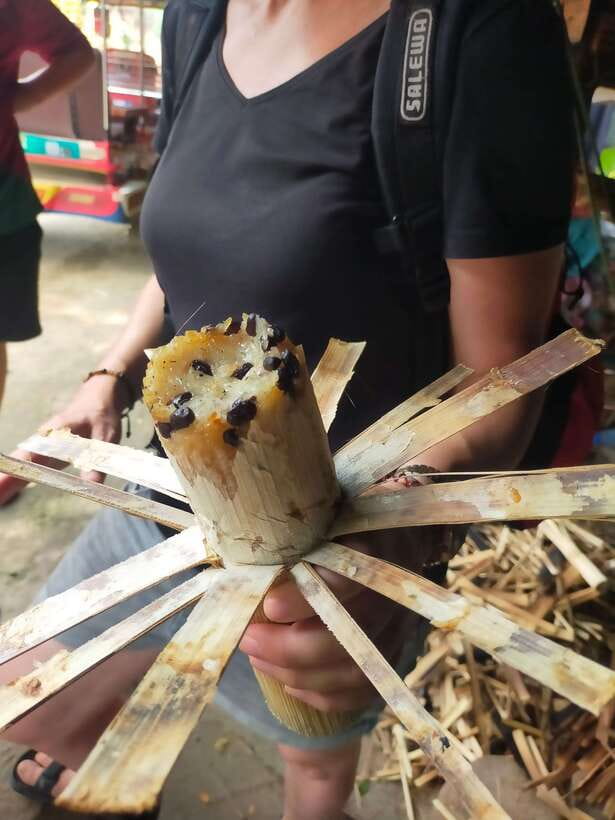
- Bamboo sticky rice and spring roll ingredients: sweet, smoky, and practical
- Rice wine production plant since the 1980s: tradition with a bite
- Wat Samrong Knong: brick stupa, Khmer Rouge detention, and a painful legacy
- Ek Phnom temples: the 25 m giant Buddha and older Hindu ruins
- Timing and how the 5 hours actually feel
- Price and value: what $20 buys you in real terms
- Who should book, and who should skip
- A practical, respectful way to enjoy every stop
- Should you book this Battambang morning tour?
- FAQ
- What time is pickup for this tour?
- How long is the tour?
- How much does it cost?
- What is included in the price?
- What is not included?
- Are there any dress or stroller rules?
- Is the tour suitable for everyone?
What makes this Battambang tuk tuk tour worth your time
- 7:20 AM start means you see Battambang before the day gets hot and busy.
- City icons like Ta Dambong Kranhoung help you connect the dots on local identity.
- Rice noodles, bamboo sticky rice, and rice paper are made by locals, step by step, then you taste what you learn.
- Wat Samrong Knong (built in 1707) includes a brick stupa from 1887 and the Khmer Rouge-era detention story.
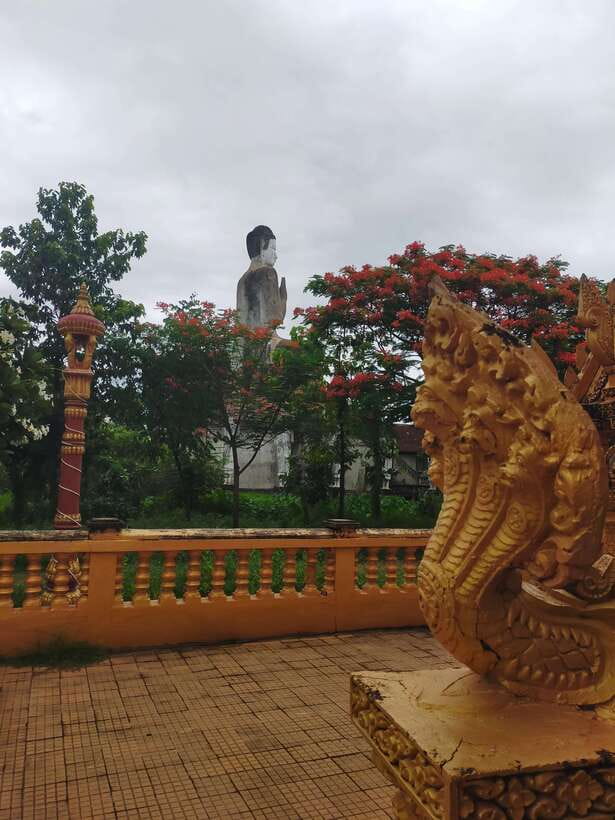
- Ek Phnom’s 25 m giant Buddha comes with standing Buddha statues and a temple built in 1991, plus older Hindu temple ruins from the 11th century.
- Cold water, wet wipes, snack tastings, and admissions are included, so your $20 goes farther than it sounds.
Morning tuk tuk start: city landmarks and local context
Pickup happens at 7:20 AM from your accommodation or a restaurant, and they’ll also handle drop-off (within 5 km of Battambang town). The day starts with an easy move around the city, and that matters because Battambang sites are spread out.
Before you zoom into the countryside, your English-speaking guide sets the tone. You’ll hear stories that connect history, culture, religion, agriculture, and folk tales to what you’re seeing. It’s the kind of introduction that helps temple details make sense later, instead of feeling like a pile of pretty buildings.
In the city portion, you visit several stops that give you a sense of place:
- Central market and other everyday spots, where you can read daily life without a museum filter.
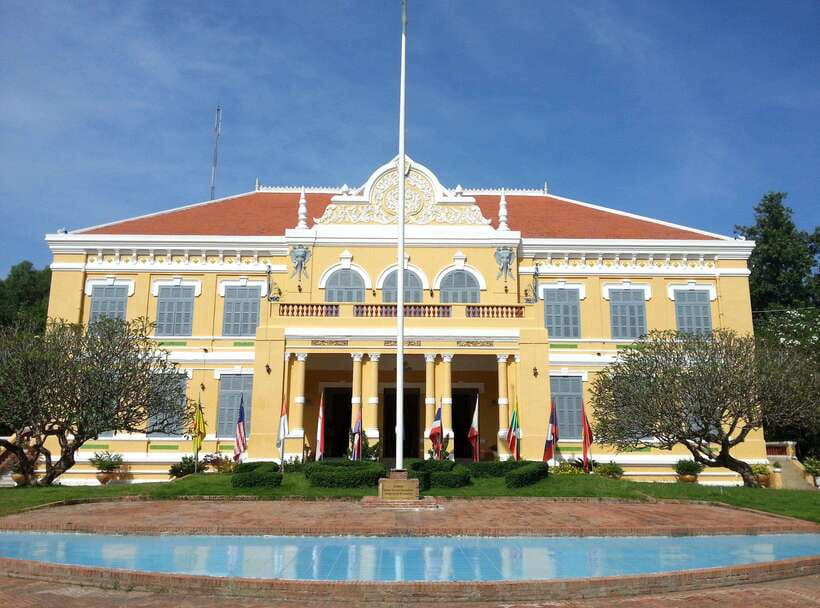
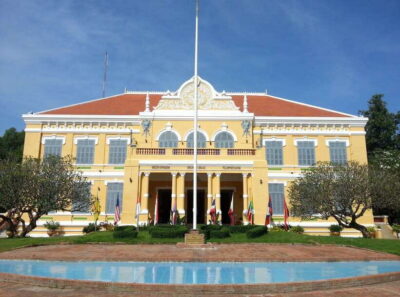
- Provincial hall, which helps you understand how the city organizes its public life.
- The Battambang symbol statue, Ta Dambong Kranhoung, a straightforward but memorable way to learn local identity fast.
This is also where the tuk tuk format helps. You get moving quickly, and you’re not stuck in one place waiting for your turn to take photos.
Khmer rice noodle workshop: breakfast food turned into craft
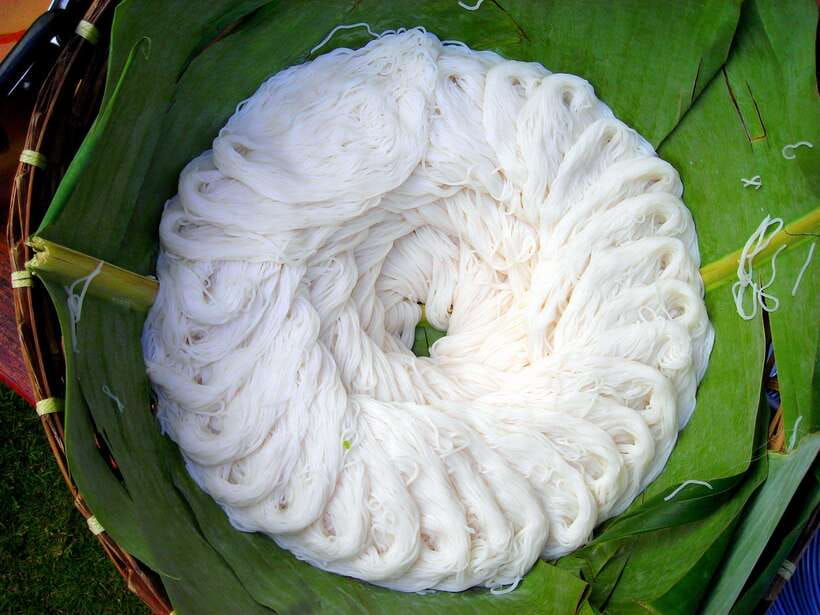
One of the best parts of this tour is that it treats food as culture, not just something to snack on. Next stop: a Khmer rice noodle factory run by locals.
Here’s what makes it special. You don’t just watch noodles appear. You learn about Khmer rice noodles as a staple eaten for breakfast, lunch, and dinner. That simple fact reshapes how you think about Cambodian food, because it frames rice noodles as comfort and routine, not a tourist item.
Then you taste the noodles. That matters because hot, fresh noodles taste different from packaged ones back home. It’s also a quick way to tell if you like the flavor and texture before you get to the spring roll stops later.
If you’re the type who likes to understand how things are made, this is your payoff. The tour keeps pointing out that these crafts are ongoing livelihoods, not staged demonstrations.
Other guided visits to Cambodia's genocide memorial sites
- Afternoon tour by tuk tuk to bamboo train,bat cave,killing cave,countryside.★ 5.0 · 344 reviews
- Battambang: Bamboo Train, Bat Cave, Killing Cave by Tuk Tuk★ 5.0 · 182 reviews
- Afternoon Tour: Bamboo Train, Killing Cave &Bat Cave★ 5.0 · 73 reviews
- AfternoonTour.Bamboo train.killing cave with Secret bat cave★ 5.0 · 41 reviews
Bamboo sticky rice and spring roll ingredients: sweet, smoky, and practical
After the noodle stop, you watch how locals make bamboo sticky rice. In this version of the tour, it’s not presented as a random dessert. They explain how it becomes a sweet snack, tied to local taste and everyday routines.
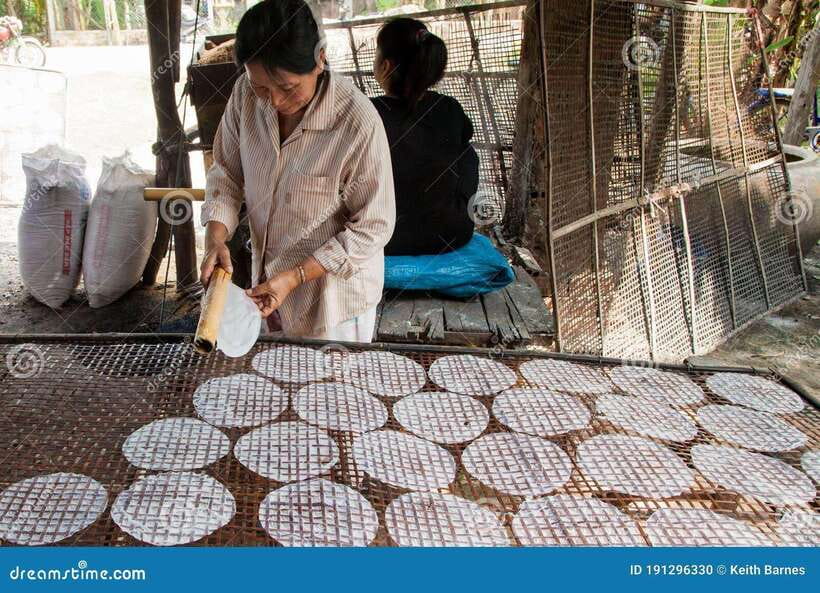
Next up: rice paper production. This section is one of the most useful for food lovers because it connects the dots. Rice paper is the base ingredient for spring rolls, and you see how villagers produce it for daily living.
A detail I appreciate here is the scale. The tour notes villagers can make at least 1,500 rice paper items per day. Even if you don’t do the math in your head, that number makes the work feel real and gives you respect for how much consistency is required.
Then you taste. Most people don’t realize spring rolls can feel totally different when the rice paper is fresh and the stuffing is prepared in the same local rhythm.
If you have dietary restrictions, you’ll want to ask your guide what exactly is in the tasting portions. The tour includes snack tasting, but your comfort matters more than finishing every sample.
Rice wine production plant since the 1980s: tradition with a bite
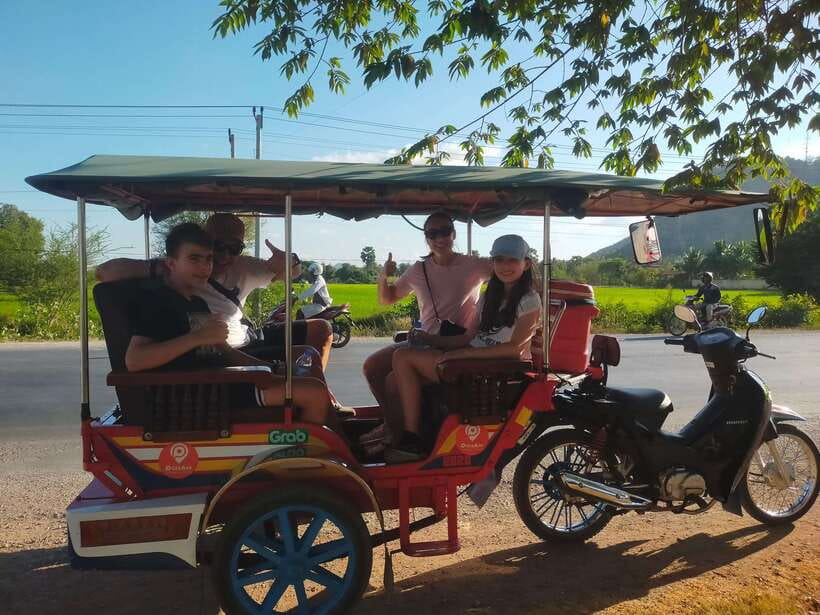
Another stop is rice wine production, at a plant that’s been operating since the 1980s. This is where the day gets a little more surprising, because rice wine often gets treated like a cultural side note until you see how it’s made.
The guide explains how rice wine is produced and sampled, and you also learn what rice wine was used for in the past, including medication and soaking plants, fruits, and even certain poisonous animals like cobras and tarantulas. That’s intense information, and it’s delivered as history and traditional use, not as a gimmick.
When you sample, treat it like a small cultural experience. It’s included, but you don’t need to force it if you’d rather just smell and listen. Ask your guide what you’re tasting and how the process affects flavor.
This is also a good place to ask questions. Since the tour is structured around how people make everyday products, the guide can usually explain the reasoning behind techniques, not just the steps.
Wat Samrong Knong: brick stupa, Khmer Rouge detention, and a painful legacy
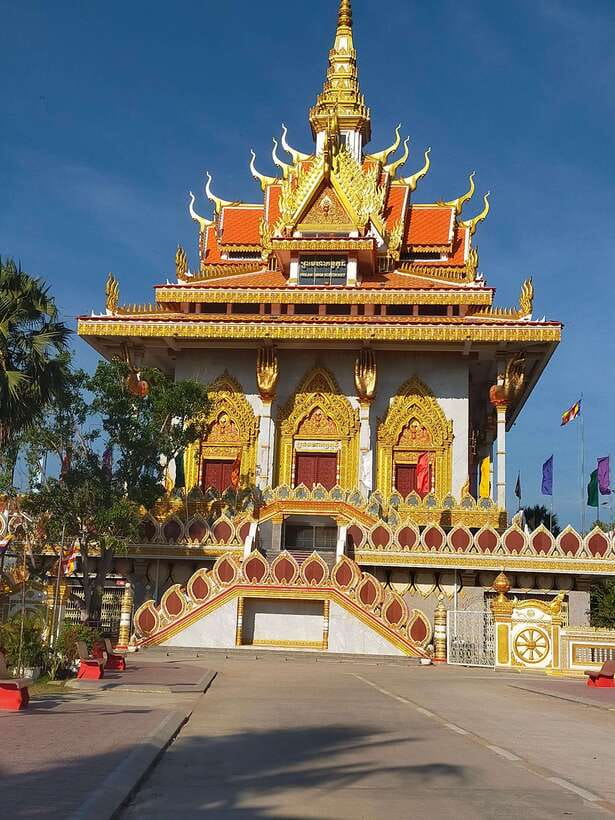
Now the tour turns serious at Wat Samrong Knong, described as the oldest Buddhist temple built in 1707.
On-site, you’ll see a brick stupa built in 1887, and you’ll learn how this temple area was used during the Khmer Rouge period. The pagoda structure served multiple roles, including housing Khmer Rouge soldiers and functioning as a detention area for victims.
You’ll also hear about the torture house and killing field, with an estimate of about 10,008 victims killed there. This is the kind of stop where your reaction is personal. Some people want to ask questions, others need silence.
If you’re going, I strongly suggest you come in mentally prepared. Wear comfortable clothes, keep your phone put away during the hardest moments, and follow your guide’s pacing. The goal here isn’t a photo. It’s understanding what happened and how the past lives in physical space.
It’s heavy, but it’s also part of knowing Battambang honestly, not just aesthetically.
Ek Phnom temples: the 25 m giant Buddha and older Hindu ruins
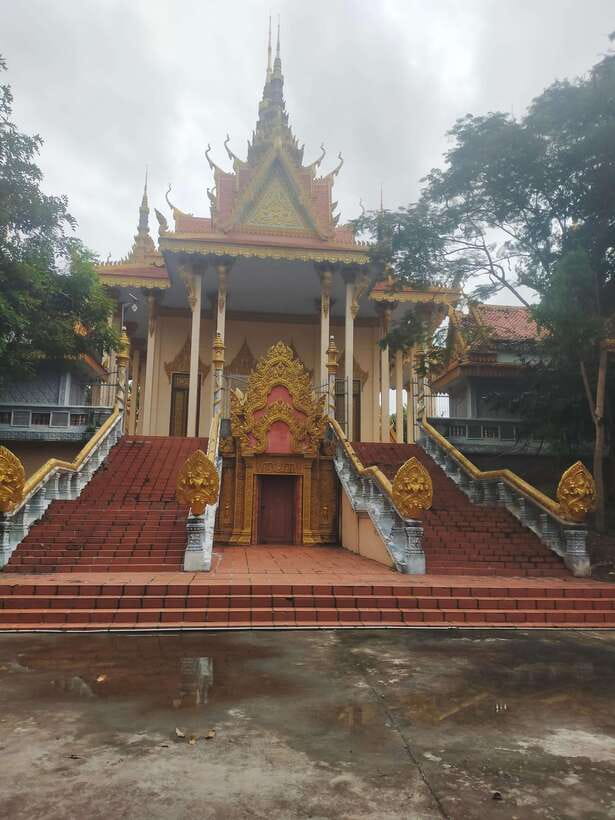
After the heavier history stop, the itinerary moves to something visually awe-inspiring at Ek Phnom.
First highlight: a 25 m-high giant Buddha surrounded by standing Buddha statues on either side. That size hits you quickly. Even if you’ve seen big Buddha statues before, this one comes with an immediate sense of scale.
Next you walk to a Buddhist temple built in 1991. Inside, you can see Buddha’s story on the wall. It’s a good break from the rawness of the earlier site, and it reminds you how much of Cambodia’s spiritual life is about teaching and memory.
Then there are the ruins of an Angkorian Hindu temple built in the 11th century during the rule of King Suryavarman I. This pairing is valuable because it shows layers of belief in one place: Buddhism here, older Hindu roots there, all sharing the same geography and history.
If you like architecture, bring your curiosity. If you’re not, still go. The proportions and the story the guide provides usually do the work for you.
Other single days that cover Battambang
Timing and how the 5 hours actually feel
This is listed as a 5-hour experience, with morning pickup at 7:20 AM and return afterward for lunch or back to your hotel.
Because the tour includes multiple production stops plus city sights and two temple areas, you’ll likely feel the day as a smooth loop rather than a long sit-and-stare tour. That’s a plus if you dislike spending half your day waiting around. It’s also a reason to hydrate early, and to use the cold bottled water and wet wipes included.
Expect walking at least between temple points and through workshop viewing areas. The tour includes photo opportunities, but don’t plan on constant stop-and-go photo time. Some moments are better experienced slowly, especially at the killing field site.
Weather matters. If Battambang mornings are bright, you’ll want hat or sunscreen. Nothing is specified, so I’m keeping this practical and general.
Also note the rules: no baby strollers and no sleeveless shirts. You’ll be in a temple context at multiple stops, so dress with that in mind.
Price and value: what $20 buys you in real terms
The price is $20 per person for the whole morning. At first glance that sounds simple, but value comes from what’s included.
Included items you actually feel during the day:
- Hotel pick-up and drop-off (within that 5 km zone)
- Live guide in English
- Cold bottled water and wet wipes
- Snacks tasting
- All admissions plus donations
- Photo opportunities
Admissions and transport can silently inflate costs on tours like this, so having them bundled makes the price easier to justify. You’re also getting a mix you don’t always see in city tours: food production workshops plus major temple stops plus an important historical site.
For the craft lovers, tastings are a big part of the equation. For history and culture, the guide storytelling adds value because it connects the facts to what you see on the ground.
The only out-of-pocket category is personal expenses. So if you keep it simple, $20 stays $20.
Who should book, and who should skip
This tour is a great fit if you want a Battambang morning that mixes:
- food-making crafts (rice noodles, bamboo sticky rice, rice paper, rice wine)
- religious sites (Buddhist temples plus a major Ek Phnom complex)
- real history (Wat Samrong Knong and the Khmer Rouge-era detention story)
It’s also a nice pick for solo travelers because you’re not stuck navigating between locations on your own.
But it’s not suitable for:
- people with high blood pressure
- people over 70
Also, since strollers aren’t allowed and temple walking is part of the route, you should consider your comfort with getting around and being outdoors for multiple stops.
If you want purely scenic temples with no heavy history, this may not be the best match. If you want honest, hands-on context, it’s strong.
A practical, respectful way to enjoy every stop
A good day on this kind of route depends on small choices.
First, go with curiosity about food. When you watch rice paper or noodle making, you’re seeing the mechanics of daily survival. Your tastings are part of that lesson, not just a free snack.
Second, be gentle with yourself at the killing field stop. Don’t try to rush it. If you feel overwhelmed, you can step back or pause. Your guide can help you understand what you’re seeing, but you set your own pace.
Third, dress for temples. Sleeveless shirts are not allowed, and that’s an easy rule to follow.
And finally, bring your appetite for stories. The guide’s job is connecting dots: why a temple sits where it does, how agriculture shaped daily routines, and why certain crafts continue generation after generation.
Should you book this Battambang morning tour?
Book it if you want a tour that teaches you how Battambang works, through food production, temples, and history you can’t skip. The price feels fair for the mix, and the day includes practical comfort items like water and wet wipes.
Skip it if you’re not ready for the emotional weight of the Wat Samrong Knong killing field or if you’re in the age or health categories listed as not suitable.
If you decide to go, go early, wear respectful clothes, and treat the tastings and temple stops as part of one story. That mindset makes the whole 5 hours land better.
FAQ
What time is pickup for this tour?
Pickup is scheduled for 7:20 AM from your accommodation or a restaurant.
How long is the tour?
The duration is 5 hours.
How much does it cost?
The price is $20 per person.
What is included in the price?
It includes hotel pick-up and drop-off, a live English guide, cold bottled water, wet wipes, photo opportunities, snacks tasting, all admissions, and donations.
What is not included?
Personal expenses are not included.
Are there any dress or stroller rules?
Yes. Baby strollers are not allowed, and sleeveless shirts are not allowed.
Is the tour suitable for everyone?
It is not suitable for people with high blood pressure or people over 70. Pickup and drop-off are also within 5 km of Battambang town.
Battambang Covered Between Sunup and Dark
- Full Day tour .City tour.Countryside.Bamboo Train.Secret Bat Cave★ 5.0 · 178 reviews
- Private Taxi Transfer From Battambang – Siem Reap City★ 5.0 · 4 reviews
- Battambang City and Country side Full day Tour★ 5.0 · 4 reviews
More Tour Reviews in Battambang
- Battambang: Tuk-Tuk, Bamboo Train, Killing/Bat Caves, Sunset★ 4.9 · 1,436 reviews
- Battambang Tuk Tuk tour: Bambootrain, Killing & Bat Caves,Sunset★ 5.0 · 799 reviews
- Afternoon tour by tuk tuk to bamboo train,bat cave,killing cave,countryside.★ 5.0 · 344 reviews
- Local Livelihood Half Day Bike Tour in Battambang★ 5.0 · 287 reviews
Other Guided Visits to the Memorial Sites
- Afternoon tour by tuk tuk to bamboo train,bat cave,killing cave,countryside.★ 5.0 · 344 reviews
- Battambang: Bamboo Train, Bat Cave, Killing Cave by Tuk Tuk★ 5.0 · 182 reviews
- Afternoon Tour: Bamboo Train, Killing Cave &Bat Cave★ 5.0 · 73 reviews
- Battambang: Bamboo Train, Bat Cave and Killing Cave Tour★ 4.9 · 58 reviews
Newly written up around Battambang
- Battambang Private afternoon tour bamboo train bat cave & village
★ 5.0 · 3 reviews - Battambang Private Full-Day Tour
★ 5.0 · 3 reviews - Private Taxi Transfer From Battambang – Siem Reap City
★ 5.0 · 4 reviews - Battambang City and Country side Full day Tour
★ 5.0 · 4 reviews - Full-day: Handicraft, Bamboo train, Killing cave, Bat Cave
★ 5.0 · 5 reviews - Secret Countryside Rice fields-Bamboo Train/Bat Cave
★ 5.0 · 6 reviews
Killing Fields & Genocide Memorial Tours, side by side.
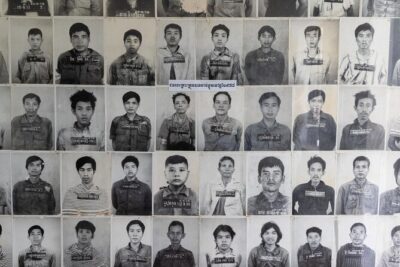 ★ 5.0The Killing Field and Toul Sleng Genocide Museum (S21) TourFrom $191,977 reviews
 ★ 5.0Killing field and Toul Sleng genocide museum TourFrom $19610 reviews
 ★ 5.0Visit 11 Places in One Day including S21 & Killing FieldFrom $30361 reviews
 ★ 5.0Afternoon tour by tuk tuk to bamboo train,bat cave,killing cave,countryside.From $15344 reviews
 ★ 5.0Half Day Tuol Sleng S21 and Choeung Ek Killing Field TourFrom $35228 reviews
 ★ 4.0Killing Fields and Prison S21 Bus TourFrom $15206 reviews
 ★ 5.0Bamboo Train, Bat Cave, Killing Cave by Tuk Tuk182 reviews
 ★ 5.0Private Half Day To Killing Field & S21 Genocidal Museum in Phnom PenhFrom $130137 reviews