
REVIEW · PHNOM KULEN
Siem Reap: Angkor Wat Temples & Phnom Kulen Park 3-Day Tour
Morning temples, late sunsets, and jungle ruins. This Siem Reap 3-day Angkor Wat and Phnom Kulen tour is interesting because it uses smart timing: Banteay Srey early to beat crowds, then a proper Angkor Wat sunrise so you get calmer light and better photos. I also like that the days are more than “just temples,” with Phnom Kulen National Park and a real Tonle Sap floating village at Kampong Phluk in the mix.
The one possible drawback is the early wake-up call, especially the 5:00 AM start for sunrise, plus long hot days while you walk, climb, and wait for the light.
In This Review
- Key Things That Make This Tour Worth Your Time
- Why This 3-Day Angkor and Phnom Kulen Mix Works
- Day One: Banteay Srey First, Then Phnom Kulen and Kampong Phluk
- Banteay Srey early to beat the crowds
- Optional Landmine Museum stop
- Phnom Kulen National Park: where Angkor’s story begins
- Kampong Phluk on Tonle Sap Lake
- Day Two: Angkor Thom big hits, Ta Prohm jungle chaos, and Phnom Bakheng sunset
- Angkor Thom highlights you’ll actually remember
- Small circuit temples for variety
- Ta Prohm: the Tomb Raider temple experience
- Lunch break, Banteay Kdei, then Phnom Bakheng sunset
- Day Three: 5 AM Angkor Wat sunrise, plus Pre Rup, Preah Khan, and more
- Angkor Wat at dawn, then your guide fills in the meaning
- Temple stops after sunrise
- The Guides and the Pace: What You Gain With Private Car + English Support
- Price and Value: What’s Included, What’s Extra, and How to Budget
- What to Pack and How to Handle the Heat (Without Making It Miserable)
- Who This 3-Day Tour Fits Best
- Should You Book This Siem Reap 3-Day Angkor Wat and Phnom Kulen Tour?
- FAQ
- What is the pickup time for Day One?
- What is the pickup time for Day Two?
- What is the pickup time for Day Three, and why is it so early?
- Is the 3-day temple pass included?
- Are tickets for Phnom Kulen National Park included?
- Is the Landmine Museum included?
- What is included in the tour package?
- What should I wear and bring?
Key Things That Make This Tour Worth Your Time
- Early Banteay Srey for finer carvings with fewer people pushing in around you
- Phnom Kulen National Park and the 802 AD start story tied to King Jayavarman II
- Kampong Phluk on Tonle Sap Lake so you see how daily life works on water
- Ta Prohm, famous for the movie scenes, with thick roots and stone faces everywhere
- Sunrise and sunset structure across the 3 days, not just one dramatic moment
- Private-group comfort, using a Lexus or minivan plus bottled water and cold handkerchiefs
Why This 3-Day Angkor and Phnom Kulen Mix Works
Angkor is big. That is the whole problem. If you try to DIY it, you lose time in transit, in ticket lines, and in figuring out which temples connect logically.
This tour solves that with a tight rhythm: morning temple focus, afternoon nature or extra temples, and sunset or sunrise built in. That matters because Angkor temples look completely different depending on the light, and the best views need timing more than effort.
The other thing I like is variety. You get intricate stonework at Banteay Srey, dense jungle atmosphere at Ta Prohm, and then Phnom Kulen’s landscape and history, plus the Tonle Sap floating village. It keeps the trip from feeling like a repetitive museum loop.
Day One: Banteay Srey First, Then Phnom Kulen and Kampong Phluk
Day One starts with a suggested 7:30 AM pickup, and you’ll be picked up from your hotel in Krong Siem Reap. The tour also includes a first big practical win: you head out after arranging your 3-day temple pass, so you are not wasting your morning trapped in admin.
More trips up into the Kulen hills
- Kulen Mountain: Small-Group Tour and Picnic lunch★ 4.9 · 1,802 reviews
- Siem Reap: Kulen Mountain, Beng Mealea and Tonle Sap Tour★ 5.0 · 1,483 reviews
- Phnom Kulen Waterfall & the Sacred 1000 Lingas (with Lunch)★ 4.8 · 974 reviews
- Kulen Mountain with Beng Mealea and Tonle Sap Small Group Tour★ 5.0 · 780 reviews
Banteay Srey early to beat the crowds
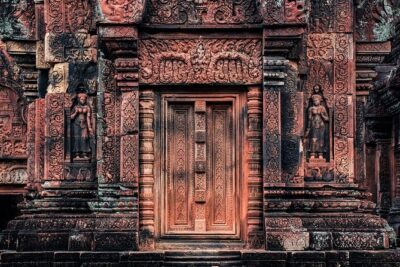
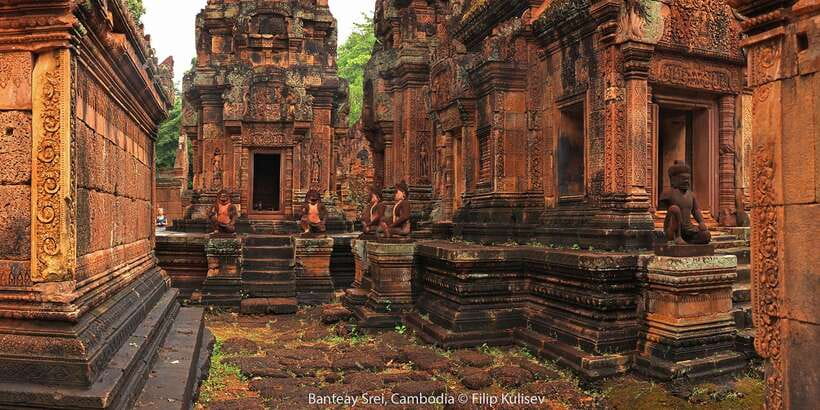
Banteay Srey is known for the most intricate carving in the Angkor area. The key is not just what you see, it is when you see it. Going early helps you move at a human pace and take time with the details without shoulder-to-shoulder pressure.
On the drive, you also get glimpses of traditional Khmer villages and palm sugar plantations. Those small glimpses matter because they remind you this is lived-in countryside, not a theme park.
Optional Landmine Museum stop
There is an option to visit the Landmine Museum on the way to Phnom Kulen. Admission is not included, listed at $5, so this is easy to plan for. If you want a serious reality check alongside the beauty of Angkor, it is worth considering. If you prefer to stay purely on temples and nature, you can continue onward.
Phnom Kulen National Park: where Angkor’s story begins
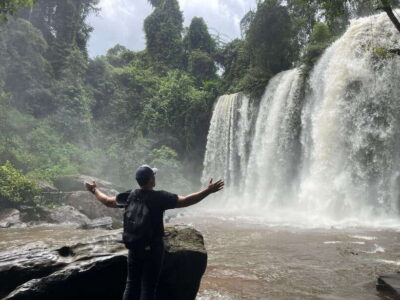
Phnom Kulen National Park is the mountain where the origin story of Angkor is tied. The tour frames it as the mountain where King Jayavarman II began the royal “God of the King” Linga cult in 802 AD.
That detail gives you something to look for beyond scenery. You start reading the place as a turning point, not just a hill with views. And the park timing keeps you away from the strictest crowd patterns you might hit closer to town later.
Kampong Phluk on Tonle Sap Lake
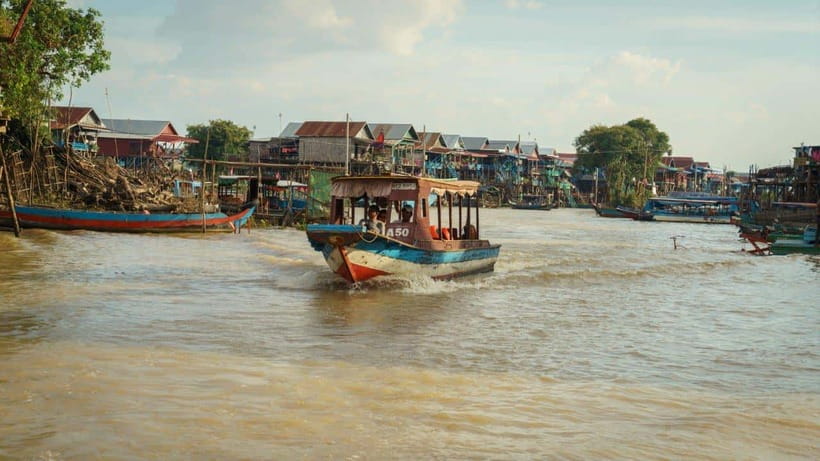
Day One ends with Kampong Phluk, a floating village on Tonle Sap Lake. This is a very different vibe from the Angkor ruins. Instead of stone symbolism, you see daily life shaped by water levels and waterways.
If you were skeptical at first, don’t be. Watching how the village functions is one of the most memorable contrasts in the whole program, and it breaks the temple-heavy rhythm nicely.
Also on our Siem Reap list, if none of these land
Day Two: Angkor Thom big hits, Ta Prohm jungle chaos, and Phnom Bakheng sunset
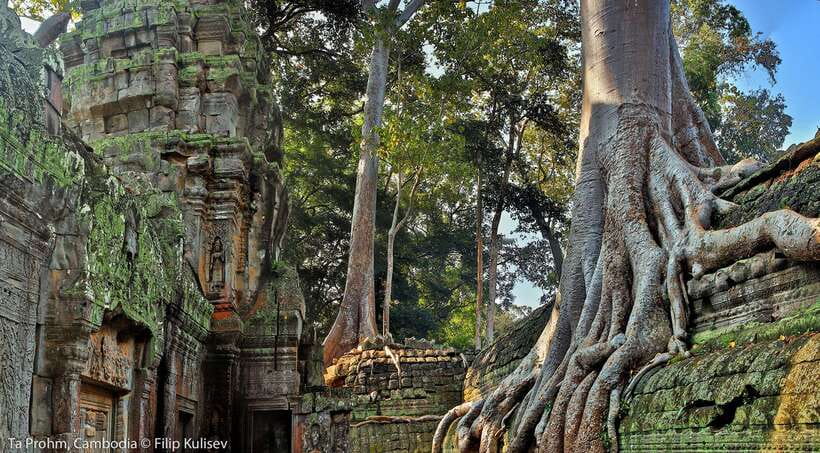
Day Two starts with a suggested 8:00 AM pickup, then you head to Angkor Thom, the ancient city area. This is where you get the big, recognizable complexes and the walls that feel like a fortress of stone.
Angkor Thom highlights you’ll actually remember
The tour includes the South Gate of Angkor Thom, Bayon, Baphuon, Phimeanakas, Terrace of the Elephants, and the Terrace of the Leper King. You also visit North Khleang and South Khleang.
That list looks long because Angkor Thom is big. The advantage of having it grouped is you can build a mental map quickly. You start to understand how the city layout supports the temple core, rather than bouncing randomly between separate sites.
Small circuit temples for variety
After the main city, you visit smaller temples in the small circuit, including Chau Say Tevoda, Thommanon, and Ta Keo. These stops can be quieter, and that makes them good places to catch smaller carvings and less intimidating spaces for photos.
Ta Prohm: the Tomb Raider temple experience
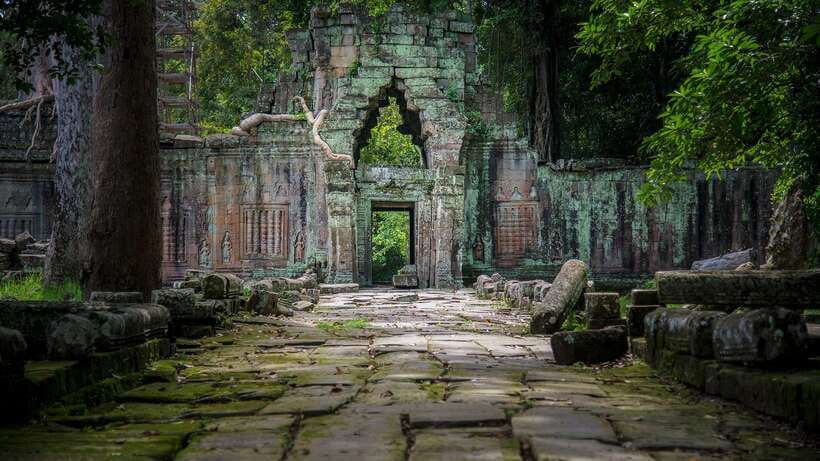
Then comes Ta Prohm, the famous jungle temple where scenes from Tomb Raider were filmed. If you love dramatic visuals, this is the stop. Giant tree roots, stone blocks, and shaded corridors give the ruins a living feel.
One practical point: Ta Prohm can tempt you to rush for photos. Try to slow down for a few minutes and look at the way the roots have grown into architecture. It is not only pretty, it is fascinating.
Lunch break, Banteay Kdei, then Phnom Bakheng sunset
After lunch, you visit Banteay Kdei, a Buddhist temple. You have time to explore at your own pace here, which is useful because it gives your brain a break after Ta Prohm’s intense visuals.
To finish, you head to Phnom Bakheng in time to catch sunset. Sunset is where Angkor’s colors shift into gold and warm stone tones. It is a classic closer for Day Two because it slows the pace and feels like a reward after a busy morning.
Day Three: 5 AM Angkor Wat sunrise, plus Pre Rup, Preah Khan, and more
Day Three is the early one again. The suggested pickup is 5:00 AM so you can catch sunrise at Angkor Wat. The tour timing specifically aims to let you explore after the Chinese crowd leaves, so you get more breathing room during the most important window.
Angkor Wat at dawn, then your guide fills in the meaning
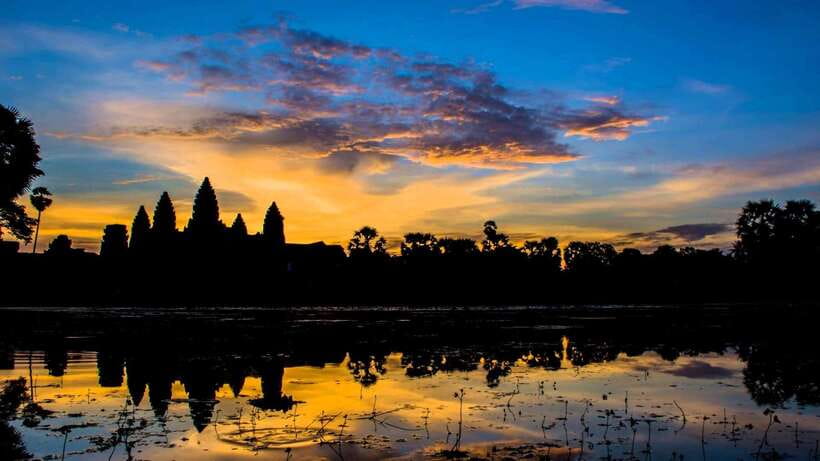
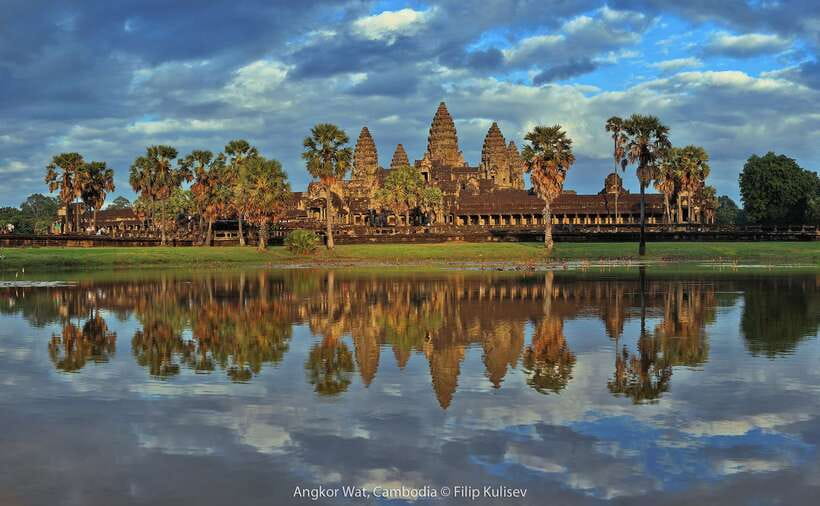
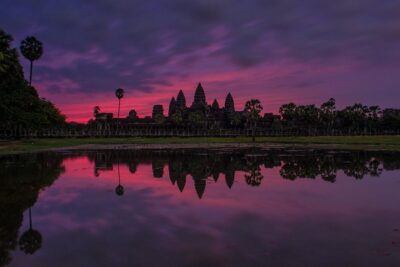
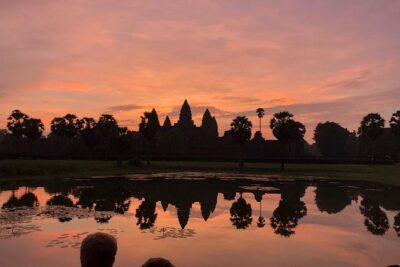
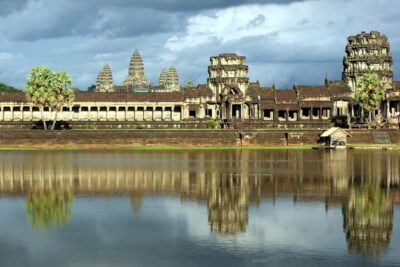
Angkor Wat at sunrise is the moment most people come for, and this tour structures it well. You start before peak crowds, then you can explore for a while once the rush shifts.
Your experienced guide is committed to getting you the very best Angkor Wat experience and sharing lots of interesting details. Based on guide feedback I’ve seen tied to this type of tour, names like Paul, Praim, Noy, Sa, and Samuth have been praised for explaining carvings and stones in a way you can actually picture later, not just memorize.
Temple stops after sunrise
After sunrise time, you visit other temples, including Pre Rup and Banteay Samre. Later in the afternoon, the schedule continues with East Mebon, Ta Som, Neak Pean, and Preah Khan.
This is a good spread because it keeps the day moving, but it also prevents you from only seeing the most famous sites. Preah Khan, in particular, often feels like a bigger, more atmospheric experience than you might expect from a name on a list.
On the trip back, you pass through picturesque local villages. If you like quick photo stops, you may want to ask your driver about brief breaks when something looks especially photogenic.
The Guides and the Pace: What You Gain With Private Car + English Support
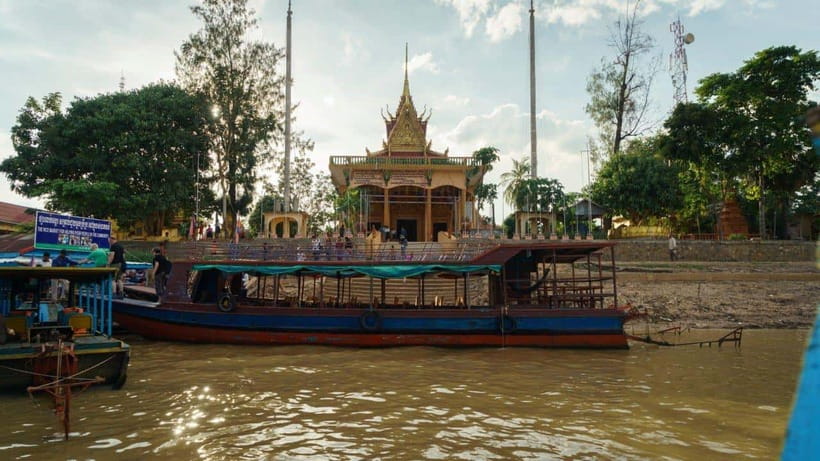
This is a private group format, and that matters on a 3-day Angkor schedule. You are not negotiating your place in lines with a big group. Your guide can shift pacing based on your energy, and that is huge at Angkor, where some temples involve steep steps and uneven stone.
The included transport is also practical: a Mini LEXUS RX300 or a Minivan Mercedes Istana, with gasoline and a driver. On days like Phnom Kulen and the long drive to Tonle Sap, comfort affects how much you enjoy the day.
Small extras also make a difference. You get pure mineral drinking water and cold handkerchiefs, which is not glamorous but it is useful when you are baking in the sun. During rainy season, umbrellas are included.
One note from real-world experience with this kind of tour structure: the schedule can feel full, and if you want heavy theory, you might still use your own reading or videos. The strength here is translating carvings and layouts into something you can recognize on-site, not forcing a lecture.
Price and Value: What’s Included, What’s Extra, and How to Budget
The price is listed as $336 per group up to 3 for the full 3 days. That is the big value question: is it worth it versus renting a driver and tickets yourself?
For me, the value comes from three areas:
- Timing that targets sunrise and early crowd control
- English guide support for interpreting what you are looking at
- Transport plus hassle reduction, including pick-up from hotels in Krong Siem Reap
Now the costs that are not included, so you can plan:
- Phnom Kulen ticket (not included)
- 3-day Temple pass (not included)
- Landmine Museum admission if you choose it, listed at $5
- Meals
- Accommodations
- Personal expenses
If you budget for tickets and meals, you’ll likely find this sits in the practical middle: not the cheapest way to do Angkor, but not a luxury-only approach either. And the private setup can be the difference between enjoying your photos and spending your time coordinating.
What to Pack and How to Handle the Heat (Without Making It Miserable)
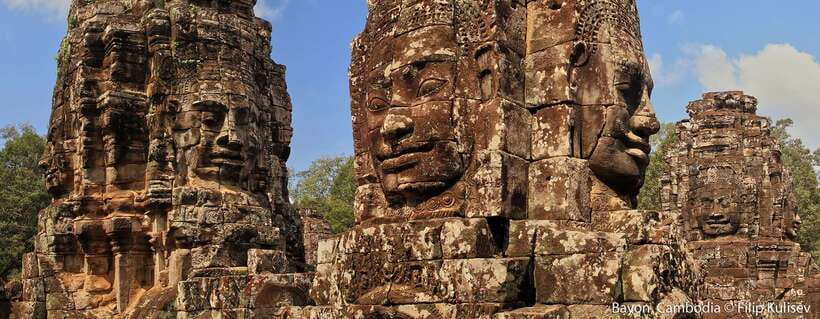
This itinerary is built for hot weather for much of the year. You’ll be outside for long stretches, walking between sites, and standing in sun while light changes for photos.
Bring:
- Comfortable shoes (temple stone can be unforgiving)
- Sunscreen
- Insect repellent
- A plan for hydration, since you will be walking and sweating
Dress appropriately because temples require it. Shoulders, knees, and chest should be covered for both genders. That means tank tops and short shorts are out, even if it feels tempting in Cambodia heat.
If you want one simple comfort hack, wear light breathable layers that still cover. You’ll thank yourself when Day Three starts before dawn and the temperature jumps quickly.
Who This 3-Day Tour Fits Best
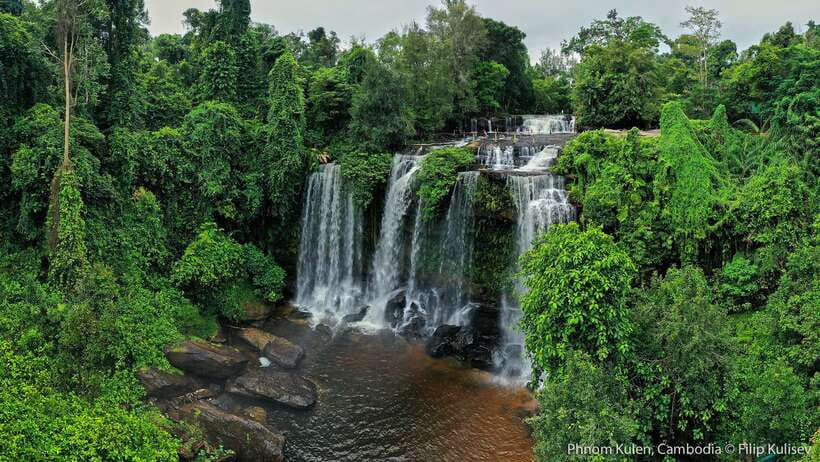
This works especially well if you want the best-known Angkor temples, plus two important contrasts: Phnom Kulen and Kampong Phluk on Tonle Sap.
It also fits families and mixed ages. The tour information says it’s suitable for all ages, and private driver support helps with pacing. In one case, a small child involved in a similar experience was supported by the driver with smooth riding even off-road, which is exactly what you want when you are juggling energy levels.
If you love total independence and want to control every stop with your own plan, you might find the schedule feels structured. But if you prefer not to think too hard about logistics and just enjoy the day, this is a strong choice.
Should You Book This Siem Reap 3-Day Angkor Wat and Phnom Kulen Tour?
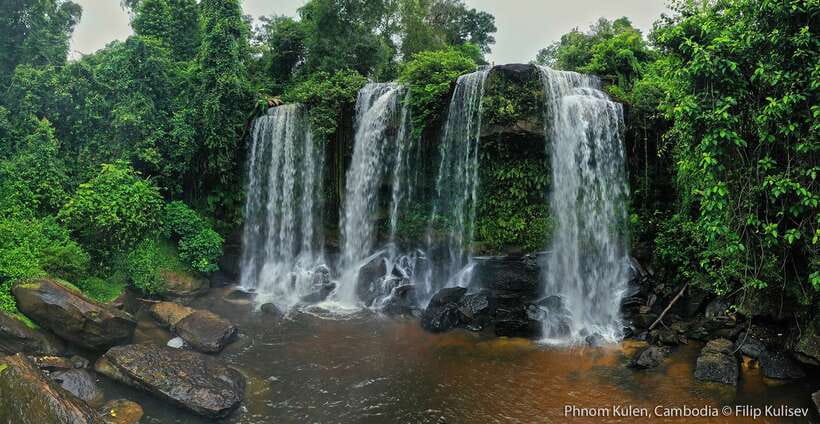
I’d book it if you want an organized, high-impact 3 days with the major sites handled and with sunrise and sunset timing planned. The private transport, English guide, and built-in comfort items like bottled water and cold handkerchiefs make it easier to enjoy the temples instead of managing the day.
Skip or rethink it if early starts and long hot walking are a deal-breaker for you. The 5:00 AM sunrise on Day Three is a commitment, and the rest of the days keep moving.
If you’re deciding between this and a loose DIY plan, choose this if you value interpretation and timing. Choose DIY only if you already know the temple layout well and you’re comfortable handling tickets and driving on your own.
FAQ
What is the pickup time for Day One?
The suggested pickup time for Day One is 7:30 AM. You’ll be picked up from your accommodation in Krong Siem Reap.
What is the pickup time for Day Two?
The suggested pickup time for Day Two is 8:00 AM, with hotel pickup included.
What is the pickup time for Day Three, and why is it so early?
The suggested pickup time for Day Three is 5:00 AM to catch sunrise at Angkor Wat.
Is the 3-day temple pass included?
No. The 3-day Temple ticket is not included in the tour price, and you’ll purchase it before heading to Banteay Srey.
Are tickets for Phnom Kulen National Park included?
No. The Phnom Kulen ticket is not included.
Is the Landmine Museum included?
The Landmine Museum is optional, and admission is not included. It is listed at $5.
What is included in the tour package?
Included items are the car or minivan with driver and gasoline, a fully-licensed English-speaking tour guide, pure mineral drinking water, and cold handkerchiefs. Umbrellas are included during the rainy season.
What should I wear and bring?
Wear clothes that cover shoulders, knees, and chest. Bring comfortable shoes, sunscreen, and insect repellent. You should also plan to stay hydrated and protect yourself from the sun.
More Tours in Siem Reap
- Angkor Wat Sunrise or Sunset Tour with Guide from Siem Reap★ 5.0 · 12,109 reviews
- Siem Reap: Angkor Wat: Small-Group Sunrise or Sunset Tour★ 5.0 · 9,444 reviews
- From Siem Reap: Kampong Phluk Floating Village Tour by Boat★ 4.9 · 6,979 reviews
- Siem Reap: Angkor Wat 2-Day Tour with Sunrise and Sunset★ 4.9 · 4,429 reviews
More Tour Reviews in Siem Reap
- Angkor Wat Sunrise or Sunset Tour with Guide from Siem Reap★ 5.0 · 12,109 reviews
- Siem Reap: Angkor Wat: Small-Group Sunrise or Sunset Tour★ 5.0 · 9,444 reviews
- From Siem Reap: Kampong Phluk Floating Village Tour by Boat★ 4.9 · 6,979 reviews
- Siem Reap: Angkor Wat 2-Day Tour with Sunrise and Sunset★ 4.9 · 4,429 reviews
More Days in the Kulen Hills
- Kulen Mountain: Small-Group Tour and Picnic lunch★ 4.9 · 1,802 reviews
- Siem Reap: Kulen Mountain, Beng Mealea and Tonle Sap Tour★ 5.0 · 1,483 reviews
- Phnom Kulen Waterfall & the Sacred 1000 Lingas (with Lunch)★ 4.8 · 974 reviews
- Kulen Mountain with Beng Mealea and Tonle Sap Small Group Tour★ 5.0 · 780 reviews
Newly written up around Siem Reap
- Waterfall & River of 1000 Siva Linga- Kulen Mountain Private Tour
★ 5.0 · 3 reviews - Private Transfer from Siem Reap to Sihanoukville
★ 4.5 · 3 reviews - Private Tour to Koh Ker and Beng Mealea
★ 5.0 · 3 reviews - Private Transfer: Siem Reap Angkor Internation Airport to Hotel
★ 5.0 · 3 reviews - Kulen National Park Ticket -Waterfall & 1000 Lingas
★ 5.0 · 3 reviews - Kulen Waterfall & Kbal Spean Tour
★ 5.0 · 3 reviews
Phnom Kulen & Kbal Spean Waterfalls, side by side.
 ★ 4.9Kulen Mountain: Small-Group Tour and Picnic lunchFrom $481,802 reviews
 ★ 5.0Kulen Mountain, Beng Mealea and Tonle Sap TourFrom $481,483 reviews
 ★ 4.8Phnom Kulen Waterfall & the Sacred 1000 Lingas (with Lunch)From $48974 reviews
 ★ 5.0Kulen Mountain with Beng Mealea and Tonle Sap Small Group TourFrom $54780 reviews
 ★ 5.0Guided Small-Group Tour in Kulen Mountain Park WaterfallFrom $45480 reviews
 ★ 5.0Kulen Mountain Waterfall Tour with Picnic Lunch from Siem ReapFrom $49238 reviews
 ★ 5.0Kulen Waterfall & 1000 Linga River Small-Group ToursFrom $59234 reviews
 ★ 5.0Banteay Srei, Kulen Waterfall & Beng Mealea ExplorationFrom $49185 reviews
Also appears in