
REVIEW · TONLÉ SAP
Siem Reap: Tonle Sap Lake – Fishing Village & Flooded Forest
Tonle Sap changes everything, even your pace. What makes this tour special is the switch between everyday life and the lake’s seasonal rhythm, all while you glide through the flooded forest and pass villages that live with the water. I especially like the Kampong Phluk boat cruise through stilt houses and forest canals, and I love how the guide connects what you see to farming, fishing, and food. The main drawback to keep in mind is that water level changes can limit how much you can actually access inside the flooded areas.
You’ll spend about 4 hours total, with hotel pickup and drop-off in Siem Reap, plus an English-speaking local guide, air-con transport, and the boat time itself. And if you get a guide like Sargon Pal or Chhay, you’ll likely come away with a sharper sense of how people work this ecosystem every day.
In This Review
- Tonle Sap’s Seasonal Magic, and Why You’re Going By Boat
- Quick Pickup, Then You Get Context in the Countryside
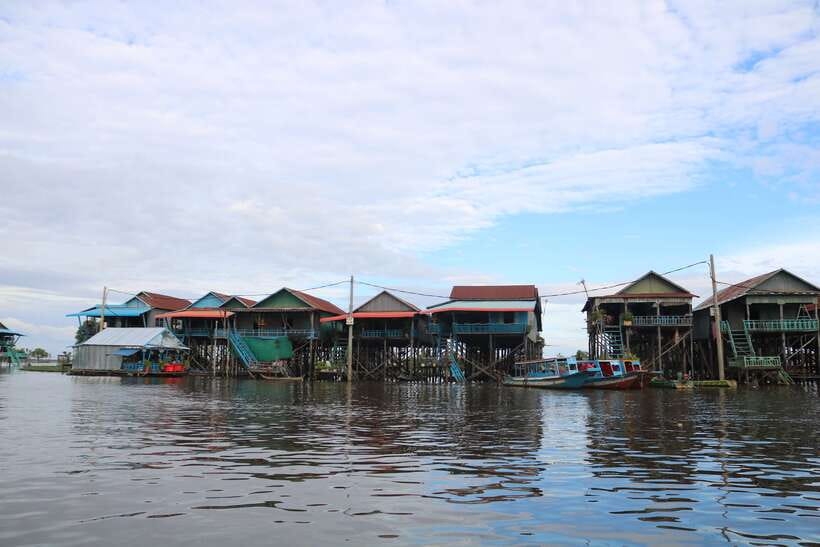
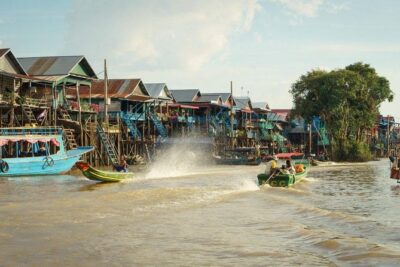
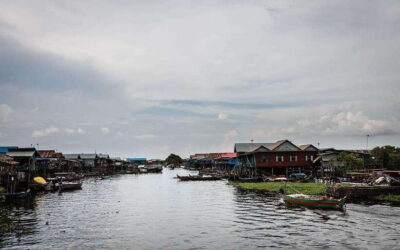
- Kampong Phluk Floating Life on Stilts and in Flooded Forest Canals
- The Extra River Boat Time That Changes the View
- Agriculture, Aquaculture, and the Work Rhythm Behind the Scenes
- Rural Markets, Vegetables, and Khmer Snacks Worth Pausing For
- Buddhist Monastery Stop, Best Timing Matters
- Price and Value: What You’re Really Paying For
- Best Time to Go, and What to Expect When the Water Is Low
- Who This Tour Suits (and Who Might Want Something Different)
- Should You Book This Tonle Sap Fishing Village and Flooded Forest Tour?
- FAQ
- How long is the Tonle Sap Lake fishing village and flooded forest tour?
- Where do I get picked up in Siem Reap?
- Does this tour include a boat cruise?
- Are there options for morning or afternoon departures?
- What language is the guide?
- What costs are included in the price?
- What is not included?
- Is the tour wheelchair accessible?
Tonle Sap’s Seasonal Magic, and Why You’re Going By Boat
Tonle Sap Lake is famous for being productive in a way that is hard to picture until you see the shoreline communities up close. It’s the world’s second-largest freshwater lake, and it swings dramatically through the year. In the wet season, the lake expands to about 12,000 km². In the dry half of the year, it shrinks to around 2,500 km² as water drains into the Tonle Sap River.
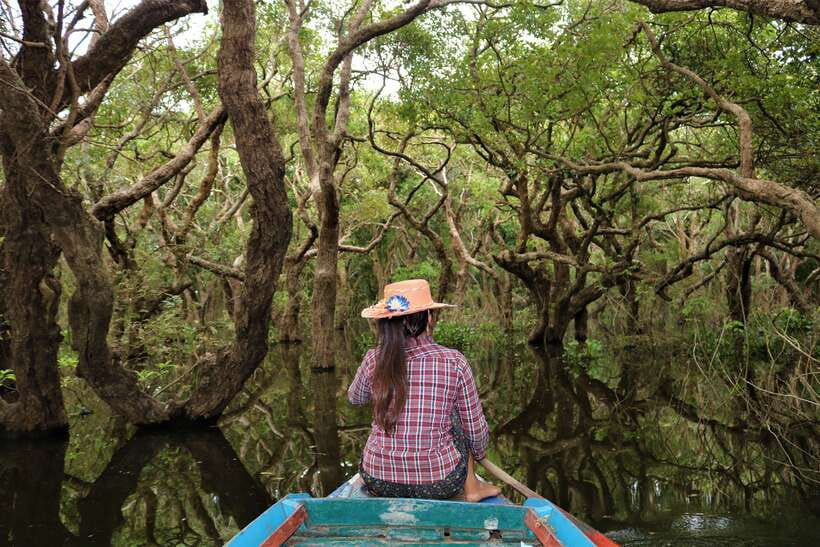
That swing matters because it reshapes the entire habitat. In the flooded months, millions of fish move to spawn in the seasonally flooded forest around the lake. The same flooding that brings fish also pulls in water birds, and it also draws people to build their livelihoods around the cycle. That’s why this isn’t just a sightseeing boat ride. You’re watching an ecosystem that UNESCO classified as a biosphere reserve in 1997.
As you cruise through village canals, you’ll notice how homes, work areas, and transport all adapt to the water height. Even the slow pace feels like part of the point, because the lake is not a fixed place. It’s a living system with a monthly schedule.
Quick Pickup, Then You Get Context in the Countryside
Your day starts with pickup in Krong Siem Reap and a drive that takes about 40 minutes into the countryside. It’s not just transit. You’re moving from temple-town scenery into the working landscape that feeds the lake communities.
You’ll also get a short guided stop with a visit and a walk (about 25 minutes). This kind of pause is useful. It gives you a baseline for what you’ll later see near the water, like how rural households organize daily tasks and how food systems connect to the lake.
A practical tip: dress for sun and humidity. Even when it’s cloudy, the air can feel heavy. Bring water, and if you’re sensitive to heat, plan to slow down on the walk portion.
Kampong Phluk Floating Life on Stilts and in Flooded Forest Canals
This is the heart of the experience. Kampong Phluk is a cluster of small fishing villages, and the tour aims to show you life in an atmospheric flooded-forest setting.
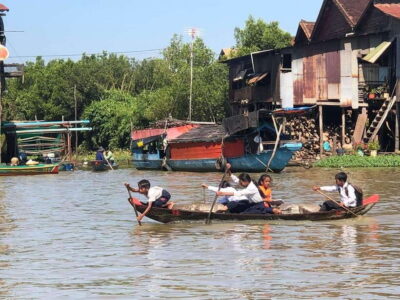
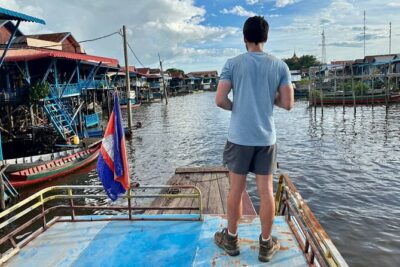
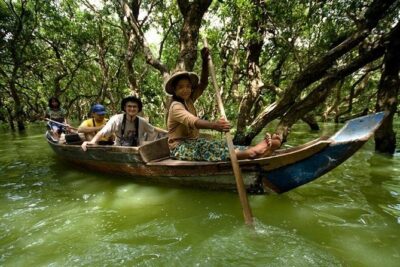
Expect about 2.5 hours here, built around a mix of boat cruising and time on foot. From the boat, you’ll see houses on stilts, with the whole village shaped by the seasonal rise. You’ll also get glimpses of people working in the floating forest, plus the smaller details that make this more than a postcard scene, like how channels guide movement and how the forest edge still feels like a working boundary, not a scenic backdrop.
The guide’s job, done well, is to connect the dots. Good guides explain what you’re seeing, then add context like why the flooded forest is so important to the fish cycle. In the better moments, the tour turns into a quiet lesson you can watch unfold.
One more real-world note: water levels affect what you can access. During lower water periods, some areas may be quieter, and you may not get the same access into the most water-covered parts that you’d hope for. That doesn’t automatically mean it’s a bad tour, but it does mean your expectations should include the fact that the lake is seasonal, not staged.
More time on the lake, other boats
- From Siem Reap: Kampong Phluk Floating Village Tour by Boat★ 4.9 · 6,979 reviews
- Kompong Phluk Floating Village Half-Day Tour ( Morning / Sunset )★ 5.0 · 1,494 reviews
- Siem Reap: Kulen Mountain, Beng Mealea and Tonle Sap Tour★ 5.0 · 1,483 reviews
- Tonle Sap Lake & Kampong Phluk Village Half-Day Tour★ 5.0 · 1,045 reviews
The Extra River Boat Time That Changes the View
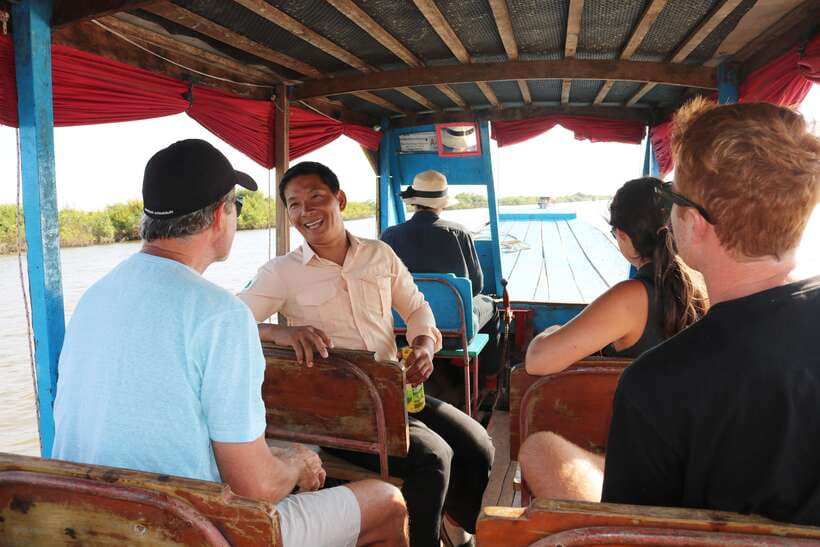
After the main Kampong Phluk portion, there’s another shorter river boat segment of about 30 minutes. That extra time matters because it shifts your perspective again. Instead of thinking of this as one “big village stop,” you start noticing the network of canals and waterways that connect communities, agriculture, and fishing work.
It’s also a good reset. If you’ve been walking in heat, the boat portion gives you a breather while still keeping you out on the water where the day’s story makes sense.
Keep an eye on what the guide emphasizes. Sometimes the most interesting stuff is not the loud stuff. It can be the small signs of aquaculture and storage, or the way work zones sit along canal edges.
Agriculture, Aquaculture, and the Work Rhythm Behind the Scenes
One reason I think this tour is a smart use of half a day in Siem Reap is that it doesn’t treat the lake as a photo location. It treats it as a system.
On the back-road return, you’ll see seasonal agriculture and aquaculture activities like cricket catching, rice planting and harvesting, smoking fish, fish paste making (prohoc), and duck farming. These details do more than add color. They help you understand how communities diversify their food and income, because lake conditions fluctuate through the year.
Here’s the useful takeaway for you: when you see fish smoking or prohoc preparation discussed during the day, it’s not just a random cultural stop. It ties back to why people value the flooded forest. When fish spawn, people are ready to process and store. When rice cycles shift, the work around the lake shifts with it.
Even if you don’t know Khmer terms, you’ll still grasp what’s happening from the sequence: what’s harvested, how it’s preserved, and how it connects back to daily meals.
Rural Markets, Vegetables, and Khmer Snacks Worth Pausing For
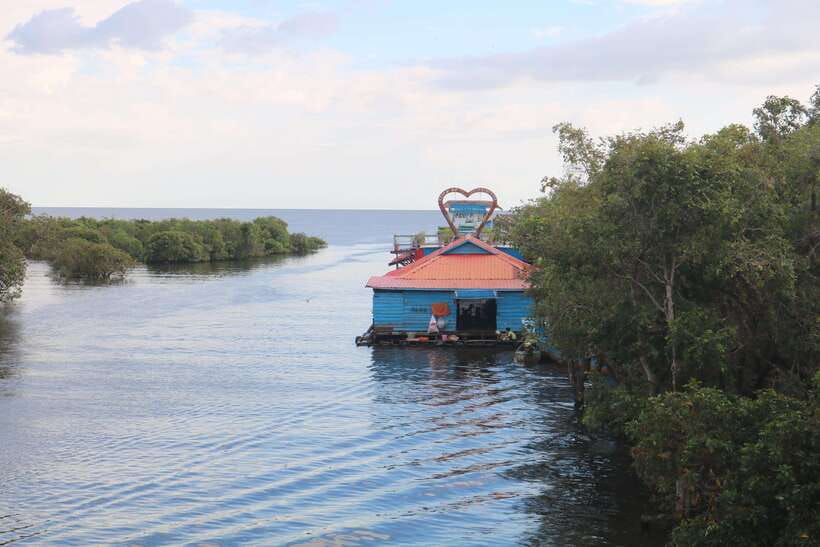
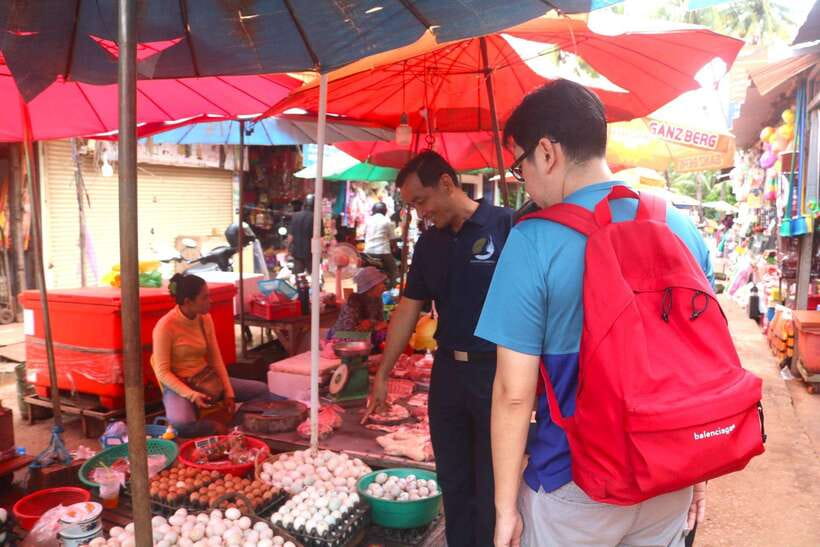
Between lake time and your return, you’ll stop to pick up Khmer snacks and explore a local village market area. This is a great moment to slow down, because it’s where you can actually sample and recognize the ingredients that show up in Cambodian cooking.
The tour highlights local foods and vegetables found in more rural markets. That matters because it’s not the same selection you’ll see in tourist strips around Siem Reap. You’ll get a better sense of what people eat when they’re not catering to visitors.
If you’re the kind of traveler who likes food as cultural geography, you’ll enjoy this section. Look for simple produce and preserved items, and don’t be shy about asking the guide what something is, how it’s used, or how it relates to daily life near Tonle Sap.
Buddhist Monastery Stop, Best Timing Matters
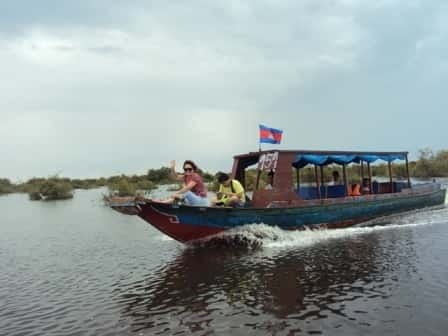
Before heading back, you may visit a Buddhist monastery. The suggested visit period is between the end of July and early March.
Because monasteries can have seasonal schedules or access timing, I recommend planning around the season you’re traveling. If you’re going outside that window, you might still get a cultural stop, but the specific monastery visit may not align the same way.
In general, I like adding a calm cultural pause after a boat-focused day. The lake is visual and active. A monastery stop gives you a quieter counterpoint, and it lets the day sink in.
Also on our Siem Reap list, if none of these land
Price and Value: What You’re Really Paying For
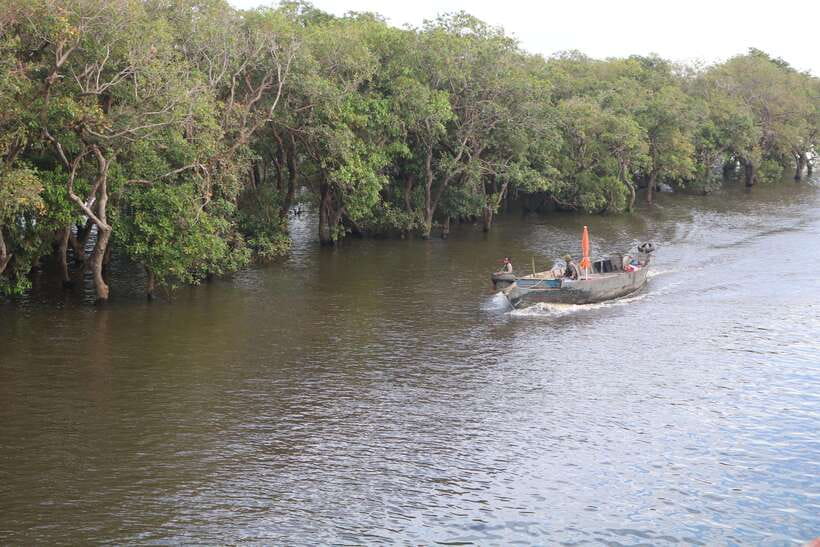
The tour costs about $45 per person for a 4-hour experience. That number feels fair when you break down what’s included:
- Local English-speaking guide
- Air-conditioned vehicle
- Hotel pickup and drop-off in Siem Reap city
- Boat cruise time
- Entrance fees covered
- Mineral water and a cool towel
Where the value shows up is in how much is handled for you. You’re not just buying a boat ticket. You’re paying for transport, guided interpretation, and the time on the water plus the rural context by road.
The one potential extra cost to plan for is a rowboat at the mangrove forest area, which is not included. If that happens during your route, you may be asked to cover that separately.
Also note: wheelchair users are not suitable for this tour. If mobility is a concern, ask your operator ahead of time about ground conditions near boat access points.
Best Time to Go, and What to Expect When the Water Is Low
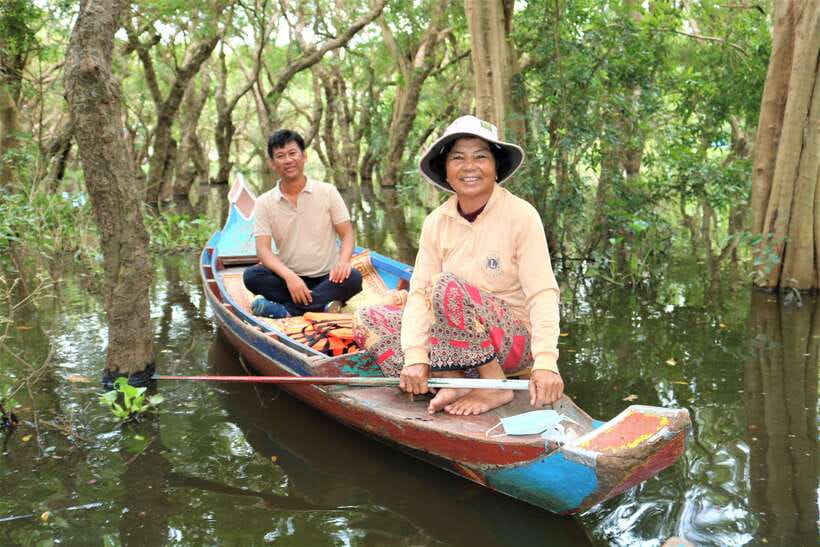
This tour works best when you understand a simple truth: Tonle Sap is dramatic. The flooded forest you’re meant to see depends on seasonal water height. When the lake is high, the ecosystem expands, and the flooded-forest experience can feel more alive and connected.
During the drier stretch, you should expect limits. You might see fewer areas you hoped to reach, and the flooded forest may not feel as active. That doesn’t remove the value, but it changes what you’ll notice. You may spend more time observing shoreline work and how communities adapt when channels are narrower.
If your dates are flexible, I’d plan around wetter months if your top goal is the most flooded-forest look. And if your travel dates fall in a lower-water period, shift your mindset to learning how the ecosystem changes rather than aiming for a single perfect “high water” scene.
Who This Tour Suits (and Who Might Want Something Different)
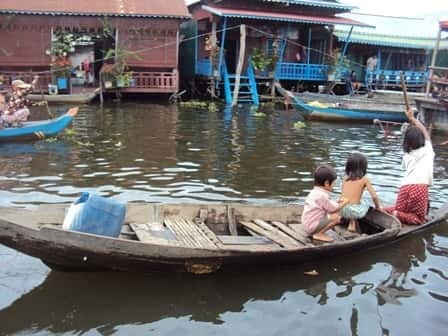
This is a strong choice if you want an authentic slice of Cambodian life tied to the environment. You’ll likely enjoy it if you like:
- Boat travel that’s slow and observational
- Learning how fishing and agriculture work together
- Food stops that show real local ingredients, not just tourist snacks
It’s also a good half-day option when you want to balance temple sightseeing with something practical and grounded.
It might not be the best match if you dislike boat rides, walking in heat, or you need full accessibility. And if your goal is very specific flooded-forest access regardless of season, be aware that water levels can change what you can reach.
Should You Book This Tonle Sap Fishing Village and Flooded Forest Tour?
If you’re in Siem Reap for a few days and you want one experience that connects ecology to everyday Cambodian work, I’d book this. The combination of Kampong Phluk on the water, the countryside agriculture and aquaculture stops, and the rural market snacks makes it more than a single-note activity. It gives you a “how it all fits together” day.
Before you go, set expectations like this: you’re visiting a seasonal ecosystem, not a fixed attraction. If water levels are low on your dates, you may not get every interior access point you imagined. But you can still get a meaningful view of how people live with the lake, process fish, and keep food traditions running through the changing months.
If you want a cultural day that moves at a human pace, with a real guide explaining what you see, this is the kind of tour that usually earns its place in your itinerary.
FAQ
How long is the Tonle Sap Lake fishing village and flooded forest tour?
The tour duration is 4 hours total.
Where do I get picked up in Siem Reap?
Pickup is included from hotels in Siem Reap city, with pickup location listed as Krong Siem Reap.
Does this tour include a boat cruise?
Yes. The tour includes a boat cruise, and there is also an additional river boat segment.
Are there options for morning or afternoon departures?
Yes. The tour offers a choice of morning or afternoon departure.
What language is the guide?
The live tour guide is English.
What costs are included in the price?
Included items are the English-speaking guide, air-con vehicle, hotel pickup and drop-off, boat cruise, entrance free, and mineral water plus a cool towel.
What is not included?
A rowboat at the mangrove forest is not included.
Is the tour wheelchair accessible?
No, the tour is not suitable for wheelchair users.
More Fishing in Siem Reap
- Tonle Sap Lake – Fishing Village & Flooded Forest★ 5.0 · 34 reviews
More Tour Reviews in Siem Reap
- Angkor Wat Sunrise or Sunset Tour with Guide from Siem Reap★ 5.0 · 12,109 reviews
- Siem Reap: Angkor Wat: Small-Group Sunrise or Sunset Tour★ 5.0 · 9,444 reviews
- From Siem Reap: Kampong Phluk Floating Village Tour by Boat★ 4.9 · 6,979 reviews
- Siem Reap: Angkor Wat 2-Day Tour with Sunrise and Sunset★ 4.9 · 4,429 reviews
More Hours Out on the Tonle Sap
- From Siem Reap: Kampong Phluk Floating Village Tour by Boat★ 4.9 · 6,979 reviews
- Kompong Phluk Floating Village Half-Day Tour ( Morning / Sunset )★ 5.0 · 1,494 reviews
- Siem Reap: Kulen Mountain, Beng Mealea and Tonle Sap Tour★ 5.0 · 1,483 reviews
- Tonle Sap Lake & Kampong Phluk Village Half-Day Tour★ 5.0 · 1,045 reviews
Newly written up around Siem Reap
- Waterfall & River of 1000 Siva Linga- Kulen Mountain Private Tour
★ 5.0 · 3 reviews - Private Transfer from Siem Reap to Sihanoukville
★ 4.5 · 3 reviews - Private Tour to Koh Ker and Beng Mealea
★ 5.0 · 3 reviews - Private Transfer: Siem Reap Angkor Internation Airport to Hotel
★ 5.0 · 3 reviews - Kulen National Park Ticket -Waterfall & 1000 Lingas
★ 5.0 · 3 reviews - Kulen Waterfall & Kbal Spean Tour
★ 5.0 · 3 reviews
Tonlé Sap & Floating Village Tours, side by side.
 ★ 4.9Kampong Phluk Floating Village Tour by BoatFrom $206,979 reviews
 ★ 4.9Kampong Phluk Floating Village Tour with BoatFrom $193,843 reviews
 ★ 5.0Siem Reap Floating Village Kampong Phluk Sunset with BoatFrom $181,962 reviews
 ★ 5.0Kompong Phluk Floating Village Half-Day Tour ( Morning / Sunset )From $241,494 reviews
 ★ 5.0Kulen Mountain, Beng Mealea and Tonle Sap TourFrom $481,483 reviews
 ★ 5.0Tonle Sap Lake & Kampong Phluk Village Half-Day TourFrom $491,045 reviews
 ★ 5.0Kampong Phluk Floating Village Tour by BoatFrom $201,020 reviews
 ★ 4.8Kompong Phluk Floating Village Half-Day TourFrom $24966 reviews
Also appears in