
REVIEW · ANGKOR
Sunrise at Angkor Wat and Small Tour with Tours Guide
Sunrise at Angkor Wat is the kind of morning that sticks. This 8-hour small tour pairs a very early hotel pickup with a guided route through some of Angkor’s best-known temples, including Bayon and Ta Prohm, so you’re not just seeing ruins, you’re getting the story behind them. I also like that you choose shared or private, depending on your comfort level with group timing and photo stops.
Two standouts: the chance to watch the complex wake up at sunrise, and the way a local guide ties Cambodian culture and Khmer history to what you’re actually standing in front of. If you’re lucky enough to get Ounra as your guide, he’s been praised for knowing good viewing spots and for helping with photos. One thing to keep in mind is that Angkor Wat entry still needs an Angkor pass, and not everything like cold water or towels has been consistently provided in the same way for every booking.
In This Review
- Key highlights at a glance
- A 4:30 AM start that pays off at Angkor Wat sunrise
- How the small-group pace works, shared vs private
- Angkor Wat early entry, sunrise spots, and the first guided walk
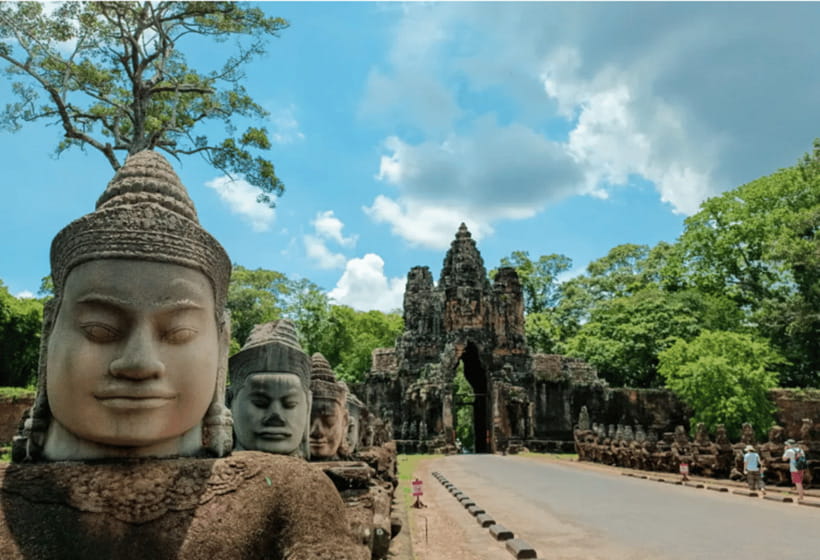
- South Gate and Bayon: 54 towers, 216 faces, and what to notice
- Baphoun and the South Gate approach: shifting from grand to human scale
- Terrace of the Elephant and Terrace of the Leper King: royal viewing platforms
- Ta Prohm: jungle trees, stone frames, and photo-ready chaos
- Banteay Kdei: a steadier end with Khmer empire context
- Price and logistics: what $6 really buys you
- Comfort, safety, and small rules that matter in temples
- Should you book this sunrise and small-temple tour?
- FAQ
- What time does pickup happen for this tour?
- Is this tour shared or can I book it privately?
- What’s included in the price?
- Do I need an Angkor Pass to enter the temples?
- Are meals included?
- How long is the tour?
- What should I send to the organizer for pickup?
- Is the tour suitable for older travelers?
- Are there any rules about alcohol or drugs?
Key highlights at a glance
- Sunrise viewing at Angkor Wat with guided help finding strong angles before crowds build
- South Gate, Bayon, and Baphoun with clear explanations tied to the Khmer empire
- Ta Prohm’s jungle setting, where trees and stones share the same frame
- Royal-era stops like the Terrace of the Elephant and Terrace of the Leper King
- Banteay Kdei as a steadier, less frantic end to the day
- English-speaking guide and round-trip transfers, plus bottled water and a cold towel
A 4:30 AM start that pays off at Angkor Wat sunrise
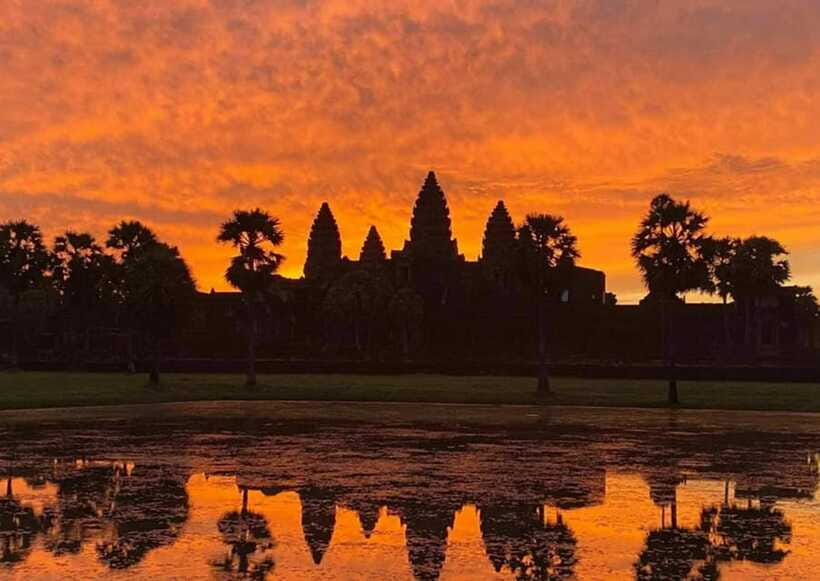
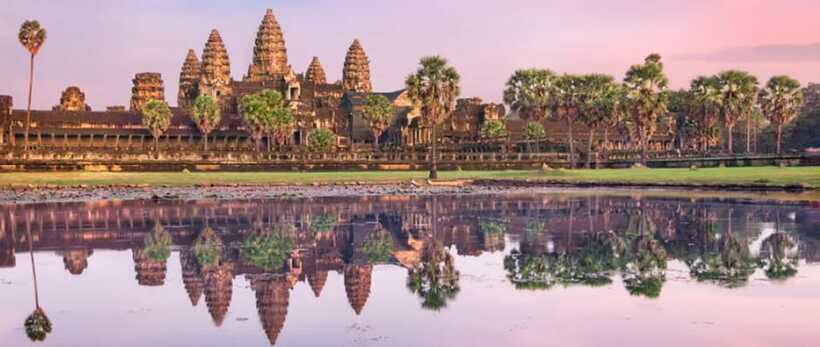
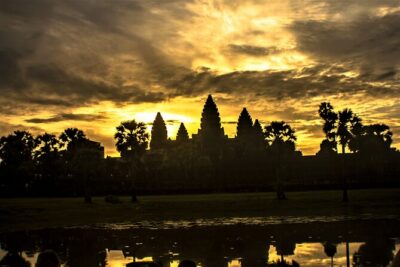
This tour begins with pickup around 4:30 AM, and that early timing is the whole point. The drive in the dark is short, but it shifts your mindset fast: you’re not planning a sightseeing day, you’re preparing for a moment. When you reach the main entrance, you’re in place early enough to watch light change across Angkor Wat’s towers and walls.
Sunrise at Angkor Wat also gives you better photo options, especially if you care about clean shots without crowds spilling into your frame. A good guide matters here. Some guides on this route are specifically noted for pointing you toward practical viewing spots and handling crowd flow so you spend your time looking, not queueing.
The one drawback with an early start is simple. You’ll be tired, and you’ll want layers. Cambodia mornings can feel cool enough at first, then warm up quickly once the sun climbs. Bring a hat, stay hydrated, and use the provided water and cold towel breaks if they’re offered that day.
How the small-group pace works, shared vs private
You get a real choice in how this day feels: shared group or private tour. If you’re the type who likes meeting people but still wants a plan, shared works. If you prefer flexibility, quiet, or you want slower photo time, private can feel more comfortable.
Shared tours can also mean group size swings. One booking on this route noted a group of about 22 people, which can make walking feel more like a moving line than a personal guided experience. When that’s the case, the guide’s job becomes crowd management, and your pace depends on the slowest walkers in your cluster.
Private tends to be smoother for families or anyone with mobility concerns. That said, this tour is not suitable for people over 70, so if you’re older, you’ll want a different option. Also remember the “rule of the morning”: temples require standing and walking on uneven stone, even when the tour keeps things efficient.
Other ways to be at the temples before the light comes up
- Angkor Wat Sunrise or Sunset Tour with Guide from Siem Reap★ 5.0 · 12,109 reviews
- Siem Reap: Angkor Wat: Small-Group Sunrise or Sunset Tour★ 5.0 · 9,444 reviews
- Siem Reap: Angkor Wat 2-Day Tour with Sunrise and Sunset★ 4.9 · 4,429 reviews
- Angkor Wat Sunrise tour with Small – Group and Guide tours★ 5.0 · 3,655 reviews
Angkor Wat early entry, sunrise spots, and the first guided walk
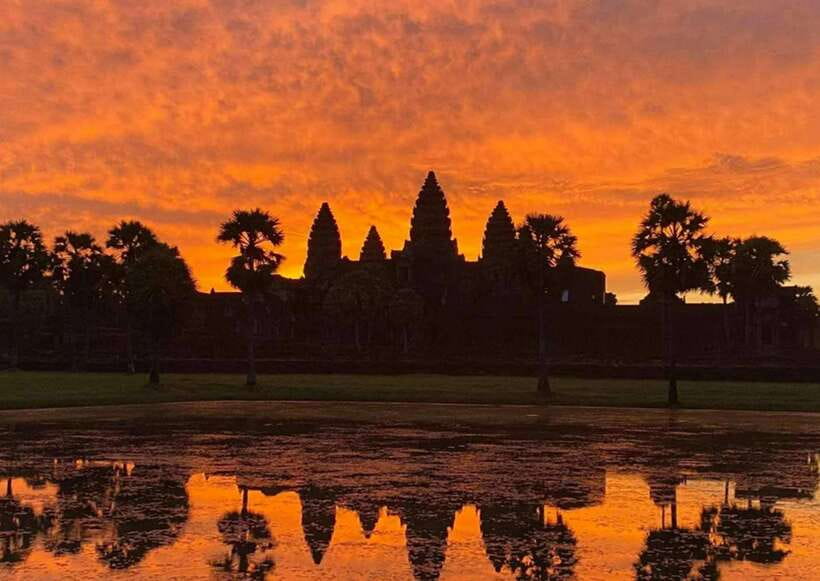
Angkor Wat is the obvious star, but what makes this tour work is how it structures your first hour. You arrive in time for sunrise and you get a guided introduction before you go too far.
The schedule includes a guided tour and walking time in the Angkor Wat area, plus a dedicated sunrise-focused segment. That combination matters. Without guidance, you can easily walk past the details. With guidance, the main lines of the temple’s design start to make sense, and that makes later stops more satisfying.
A practical advantage: you’re not just looking at the temple from one spot. You get a walk-through experience and then time to settle into the sunrise viewing. This is also where a guide who helps with photography makes a difference. Ounra, in particular, has been praised for supporting guests with photos, which is a big deal when you’re trying to shoot at a low sun angle while moving through a crowd.
South Gate and Bayon: 54 towers, 216 faces, and what to notice
After Angkor Wat, the route shifts to Angkor Thom via the South Gate. This change is more than a location swap. It gives you a different temple mood. South Gate is your gateway into the heart of the city layout, and Bayon is where you feel the drama of Angkor’s stone expressions.
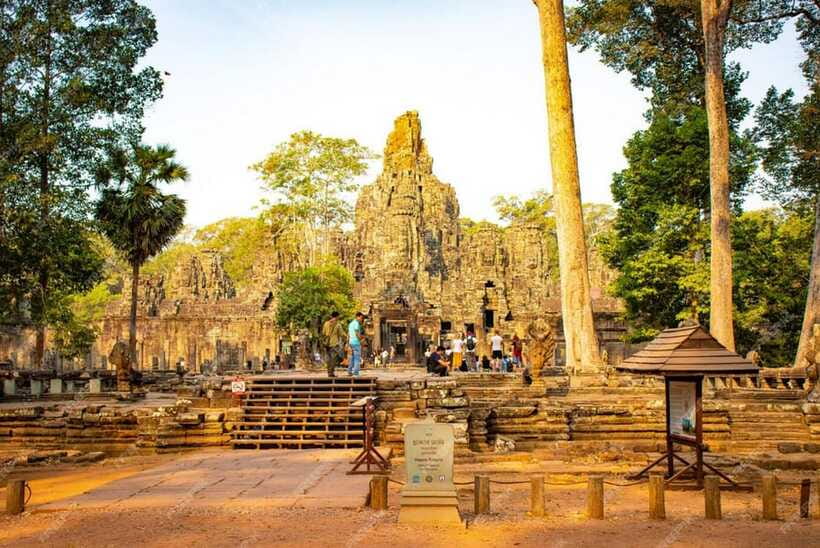
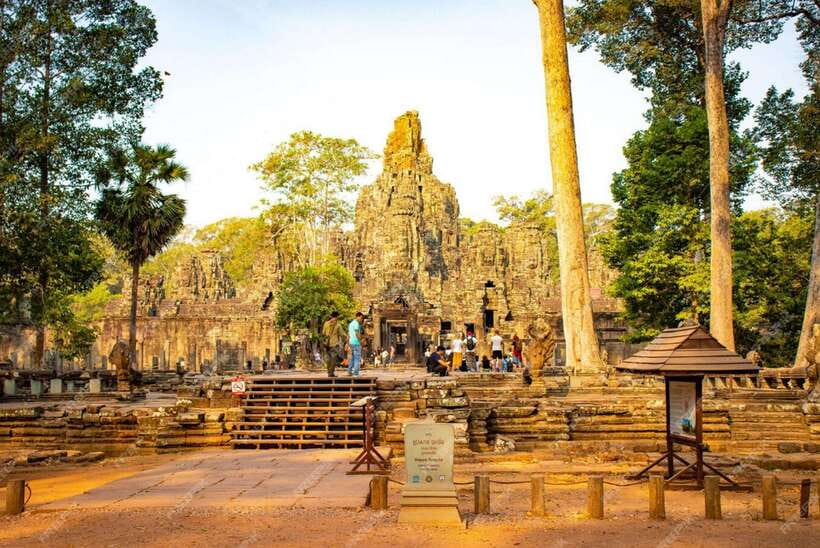
Bayon is described in the tour with specifics: 54 towers and 216 faces of Avalokesvara. Those numbers sound like trivia until you’re standing near the structure and realizing how the faces create a repeated pattern as you move. A good guide helps you notice that the faces don’t feel random. They guide your movement and attention across the courtyard and into the temple’s layout.
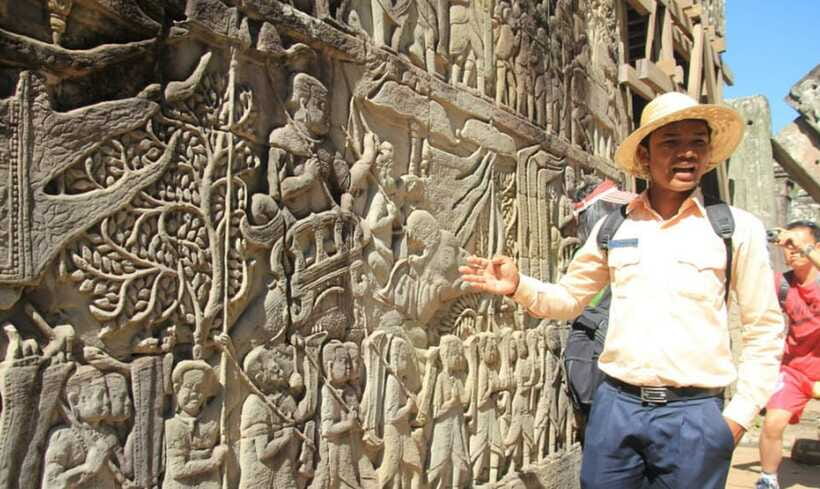
You’ll spend time with a guided visit at Bayon, along with commentary about the temples and the Khmer empire. That context is what turns “big temple” into “important city center.” If you like learning while you walk, this is one of the strongest sections of the day.
Baphoun and the South Gate approach: shifting from grand to human scale
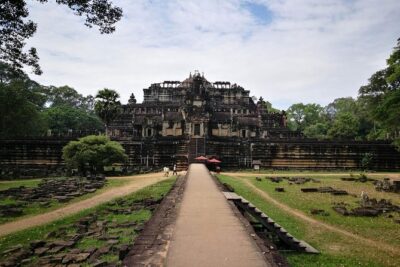
The tour doesn’t stop at Bayon alone. It also points you toward Baphoun within the South Gate complex area. This is where you get a bit more variety in architectural shapes and details.
Why this matters for your day: after the big, iconic sights, your brain can start to glaze over. Splitting the stop into multiple temples helps keep your attention anchored. Baphoun gives you that change of texture, scale, and carving emphasis so the day doesn’t become only “another ruin.”
One practical note: this section is still busy. You’ll likely spend time moving between viewpoints, and it’s easy to tire. Pace yourself, take your water, and don’t rush the storytelling. The guide’s explanations are meant to help you see what you might otherwise miss in a quick glance.
Terrace of the Elephant and Terrace of the Leper King: royal viewing platforms
After lunch time breaks and the morning temple circuit, the itinerary moves into the areas tied to royal audiences. You’ll visit Terrace of the Elephant and the Terrace of the Leper King, described as a royal viewing platform and the stage of the king’s great audience hall.
These terraces are worth your attention for a simple reason: they show how rulers used space. You’re not only looking at religious meaning here. You’re also looking at power, public viewing, and performance, like a stage built into architecture.
If you’re the kind of traveler who enjoys interpretation, this stop can be a highlight. From ground level, terraces can look like stone steps. With the guide’s framing, you start understanding why the dimensions and positions mattered.
The potential drawback is time and heat management. Terraces often mean more open-sky exposure. If you’re sensitive to sun, plan to use shade when the guide points it out and take the short break windows seriously.
More circuits through the Angkor complex, compared
Ta Prohm: jungle trees, stone frames, and photo-ready chaos
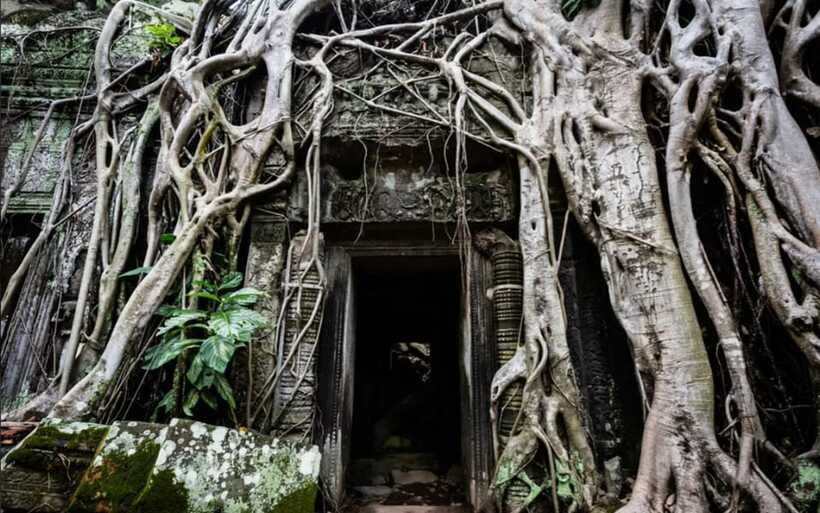
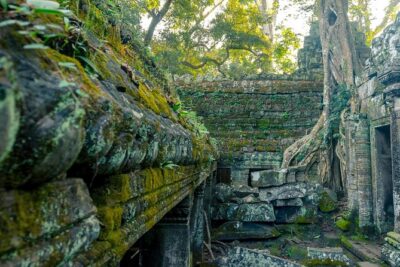
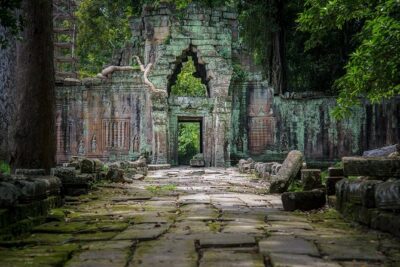
Then comes Ta Prohm, famous for the way trees and roots grow around the temple structures. You get a guided visit and enough time to move slowly, look closely, and take photos.
Ta Prohm’s biggest value is visual storytelling. The “jungle temple” look can feel dramatic in photos, but on site it’s more than a backdrop. You can see how nature claims the edges, and you notice the contrast between carefully carved stone and the messy force of roots pushing through.
This is also a section where an experienced guide can help with photo angles. When the light hits through leaves, you’ll want the right position and the right timing. A guide who helps with photography can save you from standing in a spot where everyone else is blocking each other.
If you’re not a fan of crowds, know that Ta Prohm can be busy later in the morning and into midday. The tour’s early start helps, but you’re still walking among lots of people. Go slow, look up and around, and don’t worry if your first photo isn’t perfect. The temple rewards patience.
Banteay Kdei: a steadier end with Khmer empire context
To close the day, you’ll visit Banteay Kdei, built by King Jayavarman VII in the late 12th century. This temple is a good final chapter because it shifts you slightly away from the most instantly recognizable faces and tree-entwined stone.
Banteay Kdei also benefits from having the context from earlier stops. By now you’ve seen the Angkor Wat design, the city gateway, Bayon’s faces, and Ta Prohm’s nature takeover. So when you stand in Banteay Kdei, you’ll likely have an easier time connecting what you see to the wider Khmer story the guide has been building all morning.
It’s also a helpful way to end the day without feeling like you’re sprinting nonstop until the final pickup back to Siem Reap. You’ll return after the last temple stop, with hotel drop-offs included.
Price and logistics: what $6 really buys you
The headline price is $6 per person for an 8-hour tour, which sounds like a bargain. The key is what that price includes and what it doesn’t.
Included:
- English-speaking guide
- Round-trip transfers from and back to your hotel
- Bottled drinking water
- Cold towel (when provided)
Not included:
- Angkor Wat temple admission, meaning you need an Angkor Pass
- Meals and beverages
Here’s the practical reality: the pass is where your budget lands. You can choose a one-day pass (USD 37), three-day pass (USD 62), or seven-day pass (USD 72), and it must be used on consecutive days. If you’re planning only a single day, the one-day option usually makes sense. If you’re staying several days in Siem Reap, the longer pass can be better value.
The tour price itself is so low because you’re paying mostly for guide time and transportation. You still have to plan your food. The itinerary includes break times with breakfast timing, but meals are listed as not included. So treat food as a separate cost and plan accordingly.
One more logistics note: pickup can depend on your hotel details, and you’re asked to advise your hotel name. Some guests provide room information as well. If you want the day to start smoothly, send your hotel name early and make sure your contact details are correct.
Comfort, safety, and small rules that matter in temples
Angkor is photogenic, but it’s also physical. This tour’s walking includes temple circuits and terraces, so wear comfortable shoes with grip. Early morning starts mean you might be walking in low light at first, so avoid anything slippery.
There are also straightforward rules:
- No alcohol and no drugs
- Not suitable for people over 70
Because temples can be strict about entry behavior, keep your posture and movement respectful. If the guide mentions anything on the ground about temple rules, follow it right away. That’s the difference between a smooth day and a frustrating one.
One practical detail from bookings: bottled water and cold towels are listed as included, but at least one guest reported not receiving cold water or a cold towel as expected. That doesn’t mean it’s always missing, but it does mean you should check in early, especially right after pickup. If something isn’t provided, politely ask before the morning gets fully underway.
Should you book this sunrise and small-temple tour?
Book it if:
- You want sunrise at Angkor Wat and you’d rather have guidance than figure everything out alone
- You like a structured route through Bayon, Ta Prohm, and Angkor Thom highlights without spending the day bouncing between tuk-tuks
- You appreciate cultural explanations tied to what you’re seeing, not just photo stops
Skip it or switch options if:
- You’re sensitive to early mornings and long temple walks
- You’re hoping the tour price means “everything included,” because you’ll still need an Angkor Pass and you’ll pay for meals
- You want very quiet, uncrowded pacing, since even “small tour” can mean a bigger group on some departures
If you do book, do two things that make the biggest difference: plan your Angkor Pass decision ahead of time, and dress for the temperature swing from early morning to late morning heat. Sunrise days can feel short, but your comfort determines how much you actually enjoy the temples.
FAQ
What time does pickup happen for this tour?
Pickup is around 4:30 AM from your hotel in an air-conditioned vehicle.
Is this tour shared or can I book it privately?
You can choose either a shared group or a private tour option.
What’s included in the price?
The tour includes an English-speaking guide, bottled drinking water, cold towel, and round-trip transfers to and from your hotel.
Do I need an Angkor Pass to enter the temples?
Yes. Angkor passes are required to enter temples. You can choose one day (USD 37), three day (USD 62), or seven day (USD 72) pass used on consecutive days.
Are meals included?
No. Meals and beverages are not included, even though there are scheduled break times and a breakfast time in the day’s flow.
How long is the tour?
The duration is 8 hours.
What should I send to the organizer for pickup?
You need to advise your hotel name. You may also be asked for your room number via email or WhatsApp.
Is the tour suitable for older travelers?
It is not suitable for people over 70.
Are there any rules about alcohol or drugs?
Yes. Alcohol and drugs are not allowed.
More Tour Reviews in Siem Reap
- Angkor Wat Sunrise or Sunset Tour with Guide from Siem Reap★ 5.0 · 12,109 reviews
- Siem Reap: Angkor Wat: Small-Group Sunrise or Sunset Tour★ 5.0 · 9,444 reviews
- From Siem Reap: Kampong Phluk Floating Village Tour by Boat★ 4.9 · 6,979 reviews
- Siem Reap: Angkor Wat 2-Day Tour with Sunrise and Sunset★ 4.9 · 4,429 reviews
Keep Going Round the Circuit
- Angkor Wat Sunrise & 3 Main Temples with Breakfast – Small Group★ 5.0 · 2,857 reviews
- Siem Reap Tour: Angkor Wat Sunrise, Bayon, Ta Prohm, Banteay Srei★ 5.0 · 931 reviews
- 2-Day Angkor Wat With Small, Big Circuit and Banteay Srei Tour★ 5.0 · 545 reviews
- Full-Day ‘Big Tour’ with Sunset at Phnom Bakheng★ 5.0 · 341 reviews
Sunrise at Angkor, Three More Ways
- Angkor Wat Sunrise or Sunset Tour with Guide from Siem Reap★ 5.0 · 12,109 reviews
- Siem Reap: Angkor Wat: Small-Group Sunrise or Sunset Tour★ 5.0 · 9,444 reviews
- Siem Reap: Angkor Wat 2-Day Tour with Sunrise and Sunset★ 4.9 · 4,429 reviews
- Angkor Wat Sunrise tour with Small – Group and Guide tours★ 5.0 · 3,655 reviews
Newly written up around Siem Reap
- Waterfall & River of 1000 Siva Linga- Kulen Mountain Private Tour
★ 5.0 · 3 reviews - Private Transfer from Siem Reap to Sihanoukville
★ 4.5 · 3 reviews - Private Tour to Koh Ker and Beng Mealea
★ 5.0 · 3 reviews - Private Transfer: Siem Reap Angkor Internation Airport to Hotel
★ 5.0 · 3 reviews - Kulen National Park Ticket -Waterfall & 1000 Lingas
★ 5.0 · 3 reviews - Kulen Waterfall & Kbal Spean Tour
★ 5.0 · 3 reviews
Angkor Wat Sunrise Tours, side by side.
 ★ 5.0Angkor Wat Sunrise or Sunset Tour with Guide from Siem ReapFrom $1812,109 reviews
 ★ 5.0Angkor Wat: Small-Group Sunrise or Sunset TourFrom $159,444 reviews
 ★ 4.9Angkor Wat 2-Day Tour with Sunrise and SunsetFrom $344,429 reviews
 ★ 5.0Angkor Wat Sunrise tour with Small – Group and Guide toursFrom $143,655 reviews
 ★ 5.0Angkor Wat Highlights and Sunrise Guided Tour from Siem ReapFrom $233,213 reviews
 ★ 5.0Full-Day Angkor Wat Sunrise Private Tour with Guide from Siem ReapFrom $602,920 reviews
 ★ 5.0Angkor Wat Sunrise & 3 Main Temples with Breakfast – Small GroupFrom $152,857 reviews
 ★ 4.9Angkor Wat Sunrise and Full-Day Sightseeing TourFrom $142,828 reviews
Also appears in