
REVIEW · CAMBODIA
Two Days Angkor Tour
Two days in Angkor is pure fuel. This private Siem Reap tour strings together the big names, from Angkor Wat to Ta Prohm, then continues into Angkor Thom, before day two shifts to Kompong Phluk’s floating community. I like the way it keeps a clear, efficient order so you are not wasting time figuring out logistics, and I like the practical pickup and air-conditioned car. The main drawback is that admission tickets and all fees and taxes are not included, so your final cost will be higher once you add entry fees.
A big reason people feel taken care of is the guide style. If your guide is Dara, you can expect friendly, attentive service and easy coordination by WhatsApp, plus smart pacing and patience when you need a break. You will also spend a lot of time on your feet, so pack for heat and plan for some walking with a moderate fitness level.
This is built for a small group feel too, with a maximum of 10 travelers, and it runs about 8 hours on day one and about 6 hours on day two. That timing is part of the value: you get two very different sides of the area without turning your trip into a full week of temple fatigue.
In This Review
- Key Highlights You’ll Feel Right Away
- Two Days in Siem Reap: How the Schedule Works
- Day 1 at Angkor Archaeological Park: Angkor Wat, Ta Prohm, and Angkor Thom
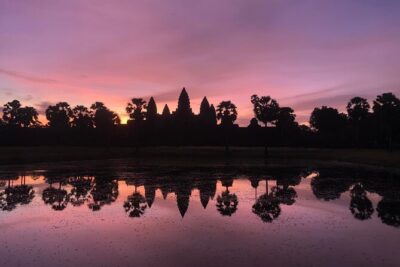
- Angkor Wat as Your First Big Anchor
- Ta Prohm, the Jungle Temple Feel
- Lunch Break, then Angkor Thom’s Main Set Pieces
- Day 2 at Kompong Phluk: Floating Village, Artisans, and Museum Time
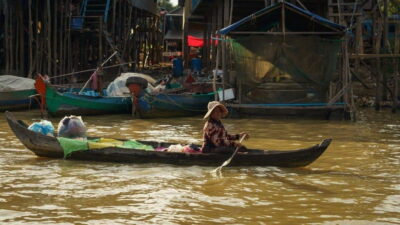
- Kompong Phluk Floating Community
- Artisans Angkor and the National Museum
- What You Get for the $75 Price, and What Costs Extra
- Comfort and Transport: The Air-Conditioned Vehicle Advantage
- The Guide Factor: When Dara’s Communication Makes a Difference
- Who This Tour Fits Best
- Should You Book This Two Days Angkor Tour?
- FAQ
- Where does the tour start and end?
- How long is the Two Days Angkor Tour?
- What is included in the price?
- Are admission tickets included?
- What do you see on day one?
- What do you see on day two?
- Is pickup included?
- What group size should you expect?
- Can I cancel and get a full refund?
Key Highlights You’ll Feel Right Away
- Angkor Wat plus Ta Prohm, then Angkor Thom in one focused day-one sweep
- Pickup with an air-conditioned vehicle to cut down on Siem Reap heat stress
- Small group size (max 10), so your guide can actually manage your pace
- Lunch break on day one so you are not running temples on an empty tank
- Kompong Phluk floating village plus Artisans Angkor and the National Museum for variety
- Admission not included, so budget for tickets separately before you fall in love with the photos
Two Days in Siem Reap: How the Schedule Works
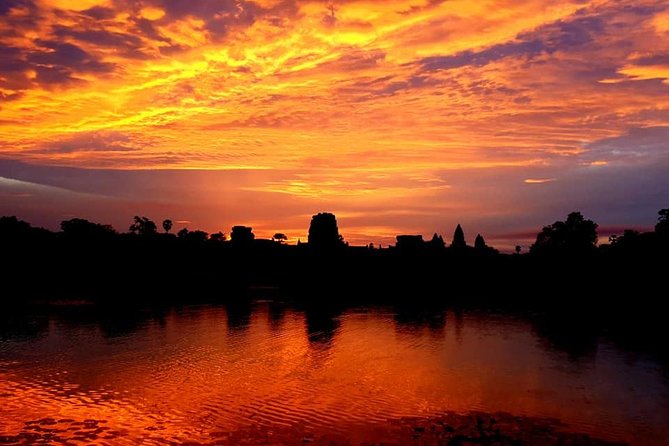
This tour is designed around a simple idea: hit the headline temples first, then switch to the lake-life and culture stops so the whole trip feels varied. Day one is a long temple day at about 8 hours, and day two is a shorter but still packed 6 hours.
You also start and finish back at your meeting point in Krong Siem Reap, and pickup is offered. That matters more than it sounds. When you are dealing with temple sites spread around the Angkor area, having a car arranged means you can focus on seeing, not negotiating transport.
The small-group cap of 10 travelers is another practical plus. It makes it easier for your guide to answer questions, manage timing, and keep the day moving without turning into a herd.
Day 1 at Angkor Archaeological Park: Angkor Wat, Ta Prohm, and Angkor Thom
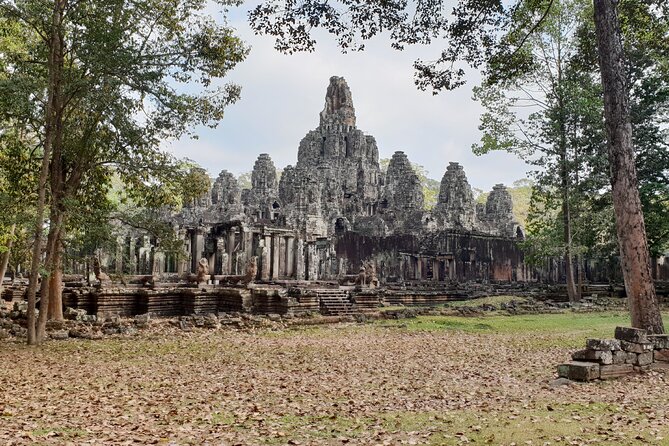
Day one is the heart of the experience, covering the core Angkor sights in one continuous flow. You start at Angkor Archaeological Park with Angkor Wat, then move on to Ta Prohm, take an afternoon lunch break, and finish with Angkor Thom, including several named highlights.
Also on our Siem Reap list, if none of these land
- Siem Reap: Angkor Wat 2-Day Tour with Sunrise and Sunset★ 4.9 · 4,429 reviews
- Angkor 2-Day Sunset & Sunrise Small-Group Tour★ 5.0 · 2,567 reviews
- 2 Days Exclusive Temple Highlights with Sunset and Sunrise Tour★ 5.0 · 1,157 reviews
- Siem Reap: Angkor Sunrise 1- or 2-Day Guided Temples Tour★ 4.9 · 1,132 reviews
Angkor Wat as Your First Big Anchor
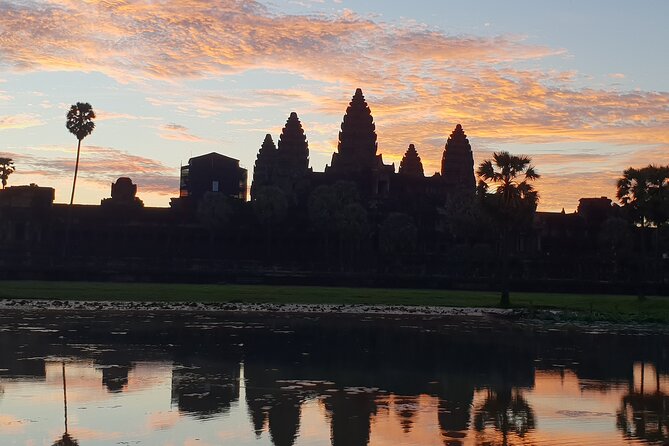
Angkor Wat is the starting point, which is a smart choice for most people. It gives you an immediate anchor for the day. Once you have Angkor Wat in your eyes, you are better able to appreciate how the rest of the complex area feels.
Practical benefit: by the time you reach the other temples, you usually stop trying to “catch everything” and start looking for what you personally care about, like different styles, different layouts, and different photo angles.
Possible consideration: because you are starting with the most famous site, you might feel pressure to move fast. The best way to handle that is to take short pauses when you need them, then keep going.
Ta Prohm, the Jungle Temple Feel
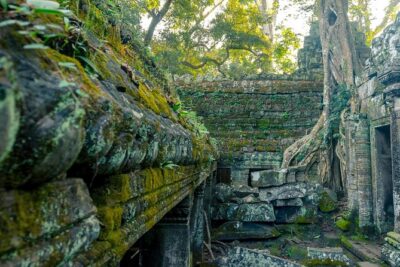
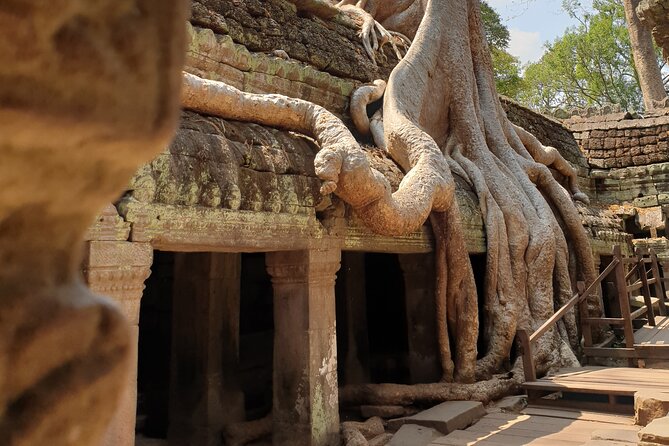
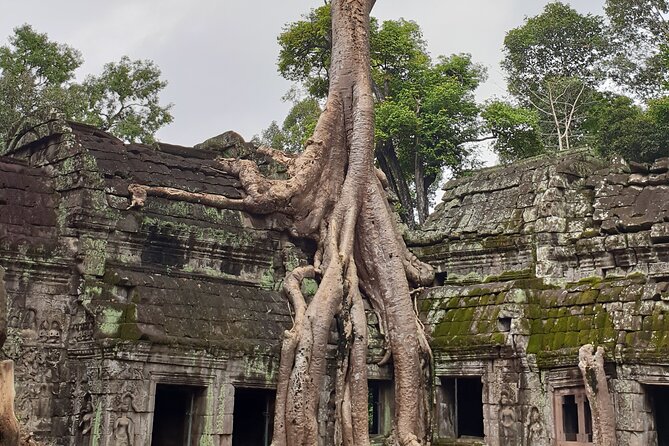
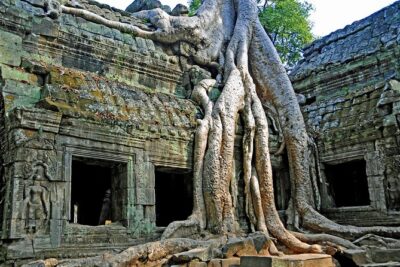
Next up is Ta Prohm, described as the jungle’s temple. That label tells you what this stop is about: it is not just about architecture, it is about atmosphere, with the temple setting feeling more tangled and wild than the more open-feeling areas.
Why it works in this tour: Ta Prohm is a contrast from Angkor Wat. If your first stop feels heavy and monumental, Ta Prohm gives you something visually different. It also gives your brain a breather because you are not comparing it to the same exact style over and over.
Practical tip: plan for shade changes. Even without knowing the exact conditions for the day, jungle-style sites usually mean mixed light, so your photos might be easier if you take a moment to adjust.
Lunch Break, then Angkor Thom’s Main Set Pieces
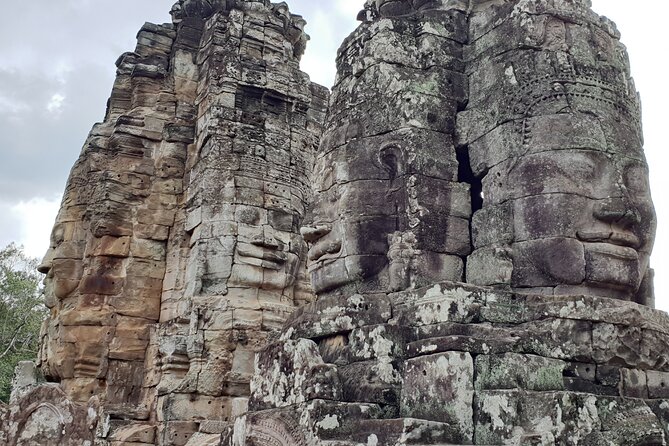
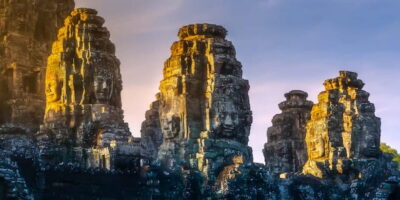
After lunch, the tour heads to Angkor Thom. This is where you get a cluster of named landmarks rather than one single stop. You will pass through and see the South gate, Bayon, the Terrace of Elephant, the Leper King Terrace, and the area formerly of the Grand palace.
This list is valuable because it reduces the guesswork. Instead of wandering and hoping you will stumble on the best areas, you are moving through specific points your guide will connect for you. It can also make the day less overwhelming. You can think of Angkor Thom as several small “must-see” tasks, not one endless maze.
One drawback to keep in mind: day one is long, about 8 hours. If you have a moderate fitness level, you will still likely be doing a lot of walking and standing. Wear shoes you trust and bring water.
Day 2 at Kompong Phluk: Floating Village, Artisans, and Museum Time
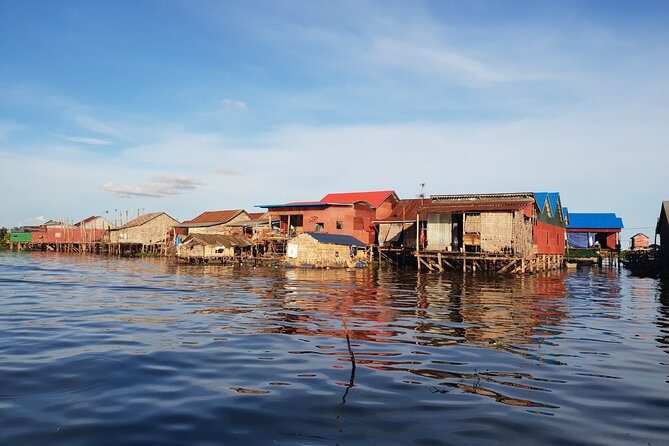
Day two is built to refresh your eyes after the temples. You start with Kompong Phluk, described as a floating village on the great lake. This is a totally different scene, so it breaks up the day-one pattern fast.

Kompong Phluk Floating Community
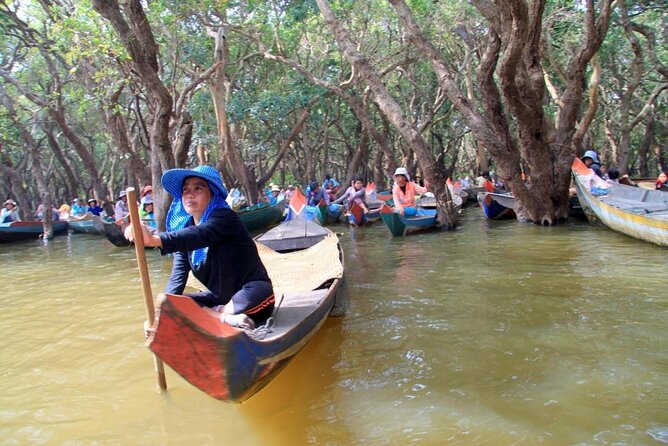
The big draw here is the floating village on the great lake. Even if you know little about local life, this stop gives you a firsthand look at a different way of living and building community.
Why it pairs well with Angkor: after a day of stone temples, you naturally look for movement and daily life. Kompong Phluk gives you that change of pace.
A consideration: day two is only 6 hours, so the stop may feel more focused than slow and lingering. If you are the kind of person who wants to stay until you are bored, you might want to ask your guide how they manage time on this part.
Artisans Angkor and the National Museum
After the lake community visit, you stop at Artisans Angkor and the National Museum. This is a good combo for the practical reason that it helps translate what you just saw into something you can put into context.
Artisans Angkor gives you a cultural and creative angle, while the National Museum adds a learning layer. Together, they turn day two from sightseeing into a more rounded experience.
What You Get for the $75 Price, and What Costs Extra
At $75 for approximately two days, you are paying for a guide-led private tour structure and an air-conditioned vehicle with pickup. That is the value.
What is not included is also clear: all fees and taxes, and admission tickets. That means the final amount you spend will depend on your ticket choices and any other paid access the sites require.
How to think about it: if you were to DIY this route with your own driver and pay for admission separately, you would still face the same ticket costs, plus you would spend time solving transport, timing, and sequencing. The $75 is essentially buying you organization and a smoother day.
If you want the cleanest budget math, plan on admission tickets being separate from the $75, then decide based on how much you care about hitting these specific sites in two days.
Comfort and Transport: The Air-Conditioned Vehicle Advantage
You get an air-conditioned vehicle, and pickup is offered. In Siem Reap, comfort is not luxury, it is survival strategy.
A car with AC helps you reset between stops, especially on day one when your time on the ground will be longer. It also keeps your group together, which makes a guided day easier to manage.
The tour also runs with a maximum of 10 travelers. Even if you are not getting a one-on-one setup, that cap still helps the day feel controlled. It gives your guide room to adjust timing when you need it.
The Guide Factor: When Dara’s Communication Makes a Difference
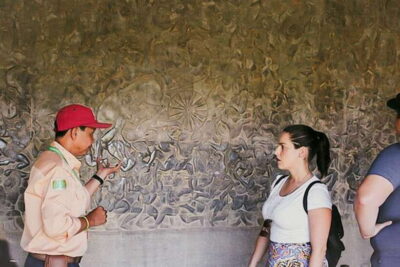
A pattern in the guide experience is responsiveness and flexibility, especially when people work with Dara. You can plan ahead and communicate by WhatsApp, which makes it easier to confirm details, ask questions, and adjust your schedule when needed.
On the day, the guide approach described in accounts includes being prompt with pickup, bringing cold bottled water, and helping with timing and photo spots. That last part matters because at Angkor, the difference between a good photo and a frustrating one often comes down to knowing when and where to stand, and when to step away for a breather.
Families also tend to like the way Dara handles changing needs. The pacing described is not about rushing you through. It is about keeping the day enjoyable even if you need frequent short breaks.
If you are traveling with kids, or you just want a day that feels human instead of factory-style, this guide approach is a real reason to choose this tour.
Who This Tour Fits Best
This is a strong match if you want:
- A two-day hit of the major temple sites without planning the route yourself
- Day-one temple immersion, then day-two lake and culture variety
- A tour with pickup and an air-conditioned vehicle
- A moderate-fitness day plan, not a pure couch-to-famous-scenery fantasy
It may not be ideal if you:
- Hate long days on your feet, since day one runs about 8 hours
- Want everything included in one upfront price, since admission and fees are extra
- Want more downtime than sightseeing, because the schedule is focused and efficient
Should You Book This Two Days Angkor Tour?
I think this one is worth booking if you want a clear, guided two-day plan that covers the big Angkor names and then adds a genuinely different second day at Kompong Phluk. The combination of temples plus a floating community, plus Artisans Angkor and the National Museum, helps the trip feel less repetitive.
Book it if you value convenience, small-group control, and the kind of guide who communicates ahead and keeps the day moving at a workable pace. Just go in with one budgeting mindset: the $75 is for the tour and vehicle, not for admission tickets and fees.
If you are deciding last minute, your decision tool is simple. Are you okay paying admission separately, and are you willing to do a full temple day? If yes, you will likely come away feeling you used your time well.
FAQ
Where does the tour start and end?
The tour starts in Krong Siem Reap, Cambodia, and ends back at the meeting point.
How long is the Two Days Angkor Tour?
It runs for approximately two days. Day one is about 8 hours, and day two is about 6 hours.
What is included in the price?
The included items are an air-conditioned vehicle, and pickup is offered.
Are admission tickets included?
No. Admission tickets are not included, and all fees and taxes are also not included.
What do you see on day one?
Day one covers Angkor Archaeological Park, including Angkor Wat, Ta Prohm, and Angkor Thom with the South gate, Bayon, the Terrace of Elephant, the Leper King Terrace, and the area formerly of the Grand palace.
What do you see on day two?
Day two includes Kompong Phluk (floating village on the great lake), Artisans Angkor, and the National Museum.
Is pickup included?
Yes, pickup is offered.
What group size should you expect?
The tour has a maximum of 10 travelers.
Can I cancel and get a full refund?
Yes. You can cancel up to 3 days in advance of the experience for a full refund, with cut-off times based on local time.
More 2-Day Experiences in Siem Reap
- Siem Reap: Angkor Wat 2-Day Tour with Sunrise and Sunset★ 4.9 · 4,429 reviews
- Angkor 2-Day Sunset & Sunrise Small-Group Tour★ 5.0 · 2,567 reviews
- 2 Days Exclusive Temple Highlights with Sunset and Sunrise Tour★ 5.0 · 1,157 reviews
- Siem Reap: Angkor Sunrise 1- or 2-Day Guided Temples Tour★ 4.9 · 1,132 reviews
More Tours in Siem Reap
- Angkor Wat Sunrise or Sunset Tour with Guide from Siem Reap★ 5.0 · 12,109 reviews
- Siem Reap: Angkor Wat: Small-Group Sunrise or Sunset Tour★ 5.0 · 9,444 reviews
- From Siem Reap: Kampong Phluk Floating Village Tour by Boat★ 4.9 · 6,979 reviews
- Siem Reap: Angkor Wat 2-Day Tour with Sunrise and Sunset★ 4.9 · 4,429 reviews
More Tour Reviews in Siem Reap
- Angkor Wat Sunrise or Sunset Tour with Guide from Siem Reap★ 5.0 · 12,109 reviews
- Siem Reap: Angkor Wat: Small-Group Sunrise or Sunset Tour★ 5.0 · 9,444 reviews
- From Siem Reap: Kampong Phluk Floating Village Tour by Boat★ 4.9 · 6,979 reviews
- Siem Reap: Angkor Wat 2-Day Tour with Sunrise and Sunset★ 4.9 · 4,429 reviews
Newly written up around Siem Reap
- Waterfall & River of 1000 Siva Linga- Kulen Mountain Private Tour
★ 5.0 · 3 reviews - Private Transfer from Siem Reap to Sihanoukville
★ 4.5 · 3 reviews - Private Tour to Koh Ker and Beng Mealea
★ 5.0 · 3 reviews - Private Transfer: Siem Reap Angkor Internation Airport to Hotel
★ 5.0 · 3 reviews - Kulen National Park Ticket -Waterfall & 1000 Lingas
★ 5.0 · 3 reviews - Kulen Waterfall & Kbal Spean Tour
★ 5.0 · 3 reviews
2-Day Experiences, side by side.
 ★ 4.9Angkor Wat 2-Day Tour with Sunrise and SunsetFrom $344,429 reviews
 ★ 5.0Angkor 2-Day Sunset & Sunrise Small-Group TourFrom $492,567 reviews
 ★ 5.02 Days Exclusive Temple Highlights with Sunset and Sunrise TourFrom $491,157 reviews
 ★ 4.9Angkor Sunrise 1- or 2-Day Guided Temples TourFrom $191,132 reviews
 ★ 5.02 Days Guided Historical Tour in AngkorFrom $35855 reviews
 ★ 5.02-Day Angkor Wat With Small, Big Circuit and Banteay Srei TourFrom $158545 reviews
 ★ 4.92-Day Temple Highlights Sunrise and Sunset OptionFrom $46445 reviews
 ★ 4.9Angkor Wat 2-Day complex Sun rise & Sun set with Guided TourFrom $30439 reviews
Also appears in