
REVIEW · KAMPOT & KEP
Cooking Class at La Plantation
Pepper comes first here, not just the food. At La Plantation in Kampot, you start with a pepper-farm spice introduction and then cook traditional Khmer dishes in a small group.
I especially like the hands-on format in a group capped at 10, which keeps the chef’s instructions clear and personal. I also love that you get Kampot pepper tastings tied directly to what you cook, and you end lunch with Kampot Pepper ice cream.
One consideration: the class timing can be a little confusing, with schedules listed around 10am but also mentioned as 11am, so I’d double-check your confirmation. And since it is a team cooking setup, you will do the cooking, but it is not every person acting alone at their own station the whole time.
In This Review
- Key points to know before you go
- La Plantation in Kampot: why pepper becomes your cooking lesson
- Getting there and timing: start at La Plantation, plan for a 2-hour block
- Pepper farm intro and spice talk: making sense of Kampot peppercorns
- The market visit: how your guide connects shopping to cooking
- Hands-on Khmer cooking: what you do during the class
- Lunch plus Kampot Pepper ice cream: the meal is part of the lesson
- Value check: is $36 for 2 hours a fair deal?
- Group size, attention, and the small things that matter
- What to buy and what to remember on the way out
- Who should book this class, and who might skip it
- Should you book La Plantation cooking class?
Key points to know before you go
- Small group (max 10) for real back-and-forth with the chef and helpers
- Pepper farm spice intro in Kampot, a town known for Kampot peppercorns
- Market time with a guide so you can connect ingredients to flavor
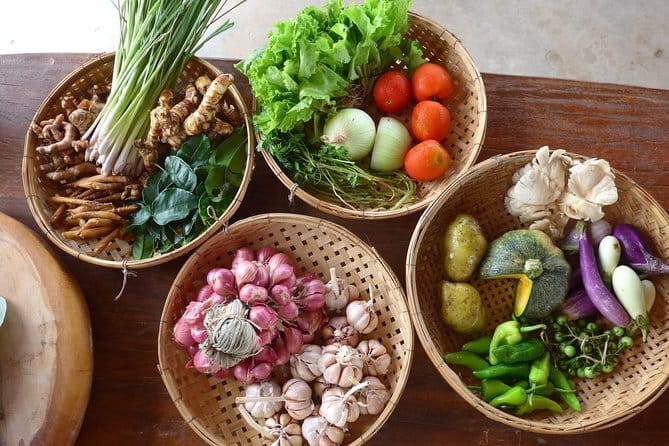
- Hands-on Khmer cooking, including learning new ingredients you might not recognize at home
- Lunch plus Kampot Pepper ice cream, so you are eating what you make
- Recipe take-home energy, with options to bring recipes home
La Plantation in Kampot: why pepper becomes your cooking lesson
La Plantation is in South Coast Cambodia, near Kampot, and the whole experience is built around Kampot peppercorns. Instead of treating pepper like an afterthought, you are introduced to spices that the farm grows, then you cook with that same flavor logic. That makes the class more useful than a generic cooking demo.
What I like about the setup is that you are learning from context. When pepper grows in a specific place, it develops distinct character, and the class uses that idea to teach you how flavors work together. You will get a pepper tasting as part of the experience, which helps you understand what you are adding, not just follow steps blindly.
It also helps that the venue is a farm setting. You are not only in a kitchen, you are learning why certain ingredients show up in Khmer cooking and how local produce and spices shape everyday meals.
Getting there and timing: start at La Plantation, plan for a 2-hour block
The experience starts back at La Plantation (meeting point: J868+CJ, Bosjheng village, ក្រុងកំពត, Cambodia). It runs about 2 hours overall, with the cooking and lunch forming the center of the experience.
Here is what to plan for, based on the description and how the day typically runs:
- You arrive at the meeting point and head to the restaurant area at La Plantation
- You get an intro to spices grown on their pepper farm
- You learn traditional Khmer dishes hands-on
- You eat your creations for lunch time
- You finish with the included Kampot Pepper ice cream
Two small timing notes to keep your day smooth. First, the class is listed as starting at 10am, but there are also references to 11am in scheduling. I’d treat your confirmation message as the authority. Second, because it ends back at the meeting point, it is easy to build your afternoon plans right after, as long as you know the exact start time.
If you want it easier logistically, an optional pickup from Kampot town has been listed by one participant at $7 per person. That can be worth it if you are tired of haggling for a motorbike or taxi on a schedule.
Still weighing up options? These South Coast trips came up well in our reviews too.
- Exploring the Best of Phnom Penh: A Full Day Tour★ 4.5 · 9 reviews
- Koh Rong Tour: A Snorkeling, Fishing, Sunset, Plankton★ 4.0 · 4 reviews
Pepper farm intro and spice talk: making sense of Kampot peppercorns
Before you touch the cooking, you get an introduction to spices the team grows in their pepper farm. This matters because Kampot pepper is not just pepper. It is part of a bigger flavor pattern that Cambodian cooks use to balance heat, aroma, and sweetness in everyday dishes.
Expect pepper tasting as part of the day. The value here is that tasting is not separate from cooking, it is connected. When you notice differences in pepper style and intensity, your brain starts to understand what to look for when you season later.
This is also where you can ask questions about ingredients you may not see back home. The class is designed to help you discover ingredients you may not have heard of, which is a big reason cooking classes in Cambodia can feel more educational than touristy ones.
One practical tip: come ready to pay attention. If you arrive already full on caffeine and snacks, it is harder to catch subtle flavor differences during the tasting portion and still enjoy lunch.
The market visit: how your guide connects shopping to cooking
The experience includes time to explore a local market with a guide. Even though the kitchen is the main event, market time is what gives the cooking lessons weight.
Market visits are where you start seeing ingredients as Cambodian cooks see them:
- what is used fresh
- what is available locally
- how herbs, aromatics, and spices show up together
I like this part because it shifts the class from instructions to understanding. You are not only learning how to cook, you are learning how ingredients get chosen in the real world. If you plan to cook at home later, you will remember the market context when you try to swap ingredients.
You should expect a guided approach rather than wandering on your own. That guidance helps you name ingredients correctly and gives you a better shot at recreating the dishes after you return.
Hands-on Khmer cooking: what you do during the class

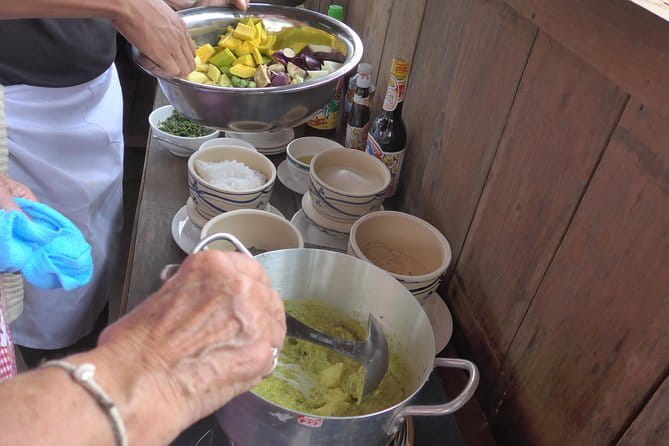
The core of the experience is a hands-on Khmer cooking lesson at La Plantation. It is in a small group limited to 10 travelers, and you can expect personalized attention while you cook.
The day is not just watch-the-chef cooking. You will be involved in preparation and cooking steps, guided by the chef and assistants. One participant specifically called out the quality of instruction from Ning (spelling as written), which is a great sign that the teaching style is clear, patient, and practical.
What dishes will you make? The information says traditional Khmer dishes, and some participants reported making three dishes during the class. Either way, expect a “learn, cook, eat” loop, not just one recipe.
A useful way to think about the class: it is built to teach you Khmer flavor structure. When you taste pepper and spices early, then cook with them, you start understanding what each ingredient contributes. That is why the class works for food lovers who want something more than a fun meal.
Also, plan for group pacing. Cooking is often a shared workflow, and tasks may rotate so everyone can participate. It is collaborative rather than each person doing everything independently, so if you are the type who wants a solo cooking station for every minute, you might find the rhythm a little more “team kitchen” than “private class.”
Lunch plus Kampot Pepper ice cream: the meal is part of the lesson

Your lunch is included, and it is your own creation. That is one of the best parts of this type of class, because tasting your finished dishes is how you learn. You will notice how your seasoning choices and prep steps affected flavor.
Then there is the included dessert: Kampot Pepper ice cream. It is not a random add-on. It reinforces the whole theme of Kampot pepper by showing how peppery warmth can work in a sweet format too.
If you want to make the most of lunch, take a moment before eating to check what you are tasting. Think about what came from pepper, what came from herbs, and what came from other spice blends. It sounds simple, but this is how you retain the learning after the class is over.
Value check: is $36 for 2 hours a fair deal?

At $36 per person for about 2 hours, this class can be excellent value if you care about learning and you plan to eat a real lunch. Many cooking experiences either charge more or give you less than full participation.
Here is what you are getting for the price, based on the experience details:
- hands-on Khmer cooking
- intro to spices grown on their pepper farm
- pepper tasting
- market time with a guide
- lunch (your cooking)
- Kampot Pepper ice cream
That package is the value. If you were only paying for cooking, it might be harder to judge. But the pepper farm element and tastings make it feel like a fuller cultural food experience rather than just a recipe workshop.
If you are on a tight schedule, also remember the duration is short enough to fit into a Kampot day. You can pair it with other nearby plans without losing your whole afternoon.
Group size, attention, and the small things that matter
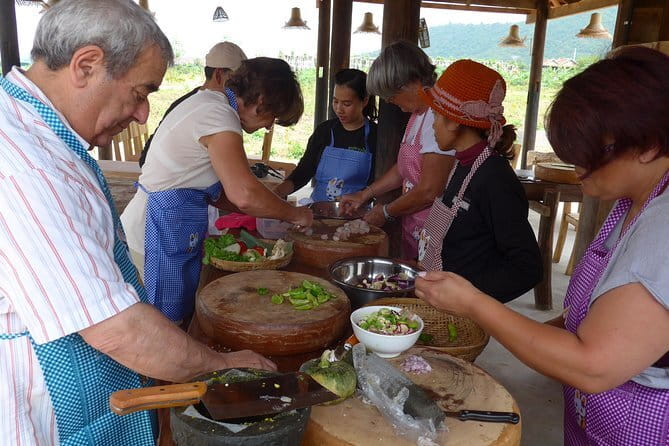
The class is capped at 10 people, and that is not a throwaway detail. In cooking classes, small group size often means:
- you can ask questions without waiting too long
- instructors can spot problems while food is still workable
- you actually get hands-on time
Personal attention is a big theme here, and it shows up in how the class is described. Assistants and the chef help guide you through steps, and the format is designed so you are participating rather than standing around.
One practical note from participant feedback: there was a mention of toilets needing improvement, though it sounded like updates were already planned. If restrooms are a major factor for you, it is worth keeping that in mind when you plan your day. For most people, it is a minor downside compared with the food and the setting.
What to buy and what to remember on the way out
This is a pepper-focused place, so it is normal to want to take some flavors home. In fact, at least one participant described buying lots of pepper after tasting how different peppers vary.
If you do buy pepper, my practical advice is to buy with purpose:
- get enough to try cooking at home
- ask about flavor differences if the staff explains them
- consider how you will use it, since Kampot pepper can be a key ingredient in many Cambodian-style dishes
Also, remember that the class says you can bring recipes at home. That is a big help. Even if you do not cook everything exactly, having the recipe guide makes it easier to recreate flavors you learned in the market and kitchen.
Who should book this class, and who might skip it
You should book if you:
- want hands-on Khmer cooking with small-group attention
- are interested in Kampot pepper as a real ingredient, not just a souvenir
- like learning through tasting and market context
- want lunch included without hunting for a restaurant afterward
You might think twice if you:
- need a strictly independent, solo cooking workflow (this is collaborative)
- are very sensitive to schedule shifts, since the start time has been listed as 10am and also shown as 11am in some references
- strongly prioritize spotless facilities over a farm setting (there was a note about toilets being improved)
Should you book La Plantation cooking class?
Yes, I think this is a smart pick for a Kampot day if you want an experience that feels practical, local, and tied to real ingredients. The combination of pepper-farm spices, a market visit, hands-on Khmer cooking, and a lunch that includes Kampot Pepper ice cream makes the $36 price feel earned, not inflated.
My “book it” checklist is simple:
- Confirm the exact start time in your message
- Arrive hungry, so tasting and lunch both land
- Go in with curiosity about spices you do not recognize
- Use the recipe take-home option right away when you get back
If you want to leave Kampot with more than photos and a jar of pepper, this class is one of the best ways to take flavor knowledge home.
More Tour Reviews in South Coast
- Exploring the Best of Phnom Penh: A Full Day Tour★ 4.5 · 9 reviews
- Koh Rong Tour: A Snorkeling, Fishing, Sunset, Plankton★ 4.0 · 4 reviews
Newly written up around South Coast
- Koh Rong Tour: A Snorkeling, Fishing, Sunset, Plankton
★ 4.0 · 4 reviews - Cooking Class at La Plantation
★ 5.0 · 16 reviews
Kampot & Kep Pepper Farm Tours, side by side.
 ★ 4.8Pepper Farm Tours, Salt, Lake & Phnom Chhngok TempleFrom $23432 reviews
 ★ 4.9Full-day Countryside Tour with Pepper Farm and KepFrom $26245 reviews
 ★ 5.0Discovery Tour: Caving, Climbing, Via Ferrata and Abseiling in KampotFrom $53172 reviews
 ★ 4.7Bokor Mountain Classic or Sunset TourFrom $28147 reviews
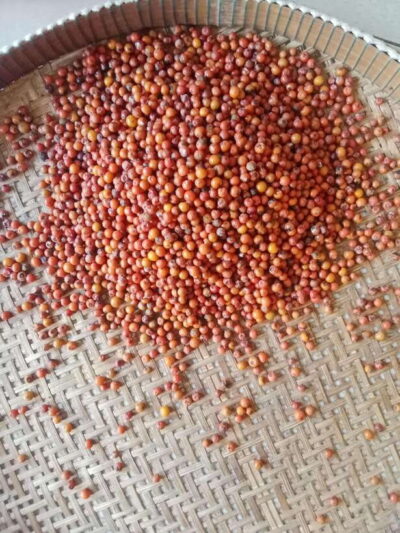 ★ 4.9Tuk Tuk Trip to Pepper Farm, Kep, Crab Market & MoreFrom $25143 reviews
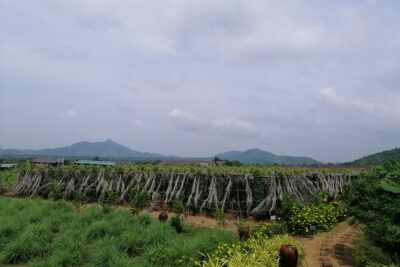 ★ 5.0Kampot Tour Pepper Plantation, Salt Field, Cave, Secret LakeFrom $20128 reviews
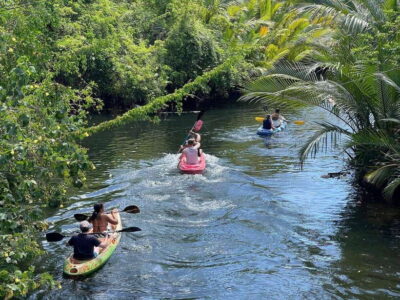 ★ 4.8Green Cathedral Kayaking Journey & Reflection River ViewFrom $28123 reviews
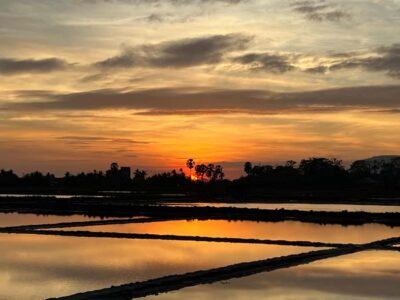 ★ 4.9Kampot Countryside include Pepper farm, Salt field & LakeFrom $16100 reviews
Also appears in