
REVIEW · ANGKOR
From Siem Reap: Banteay Srei Temple & Grand 5 Temple Tour
Banteay Srei is a small masterpiece. This Grand Circuit tour strings it together with Pre Rup, East Mebon, Neak Poan, Ta Som, and Preah Khan, while you also get a peek at daily life in Preah Dak Village. You start early, drive in comfort, and spend your day learning how Khmer belief showed up in stone.
I especially love the focus on Banteay Srei and how guides explain its carvings and Hindu rituals in plain, non-rushed language. I also like the practical side that keeps you going, with cold towels and bottled water built into the day. Guides such as Ry-Cheng and Narath are repeatedly praised for clear explanations and good pacing.
One real consideration: you’re doing a full, hot temple day with uneven stone and plenty of walking, and it’s not recommended if you have mobility issues or use a wheelchair. Add the required temple dress code, and the morning becomes a bit more planning than you might expect.
In This Review
- Key things I’d zero in on
- The Grand Circuit day that feels less crowded, but still iconic
- Pickup timing and how to avoid the morning scramble
- Pre Rup Temple: a quick start with big atmosphere
- Banteay Srei, the Citadel of Women: where the carvings earn their fame
- Preah Dak Village and the lunch rhythm you control
- East Mebon: an island temple idea in a land of reservoirs
- Neak Poan: small temple, big symbolism, healing-water mood
- Ta Som: the famous gate swallowed by tree roots
- Preah Khan: the monastic complex feel, with lots to read
- The guide factor: why names like Ry-Cheng and Narath keep popping up
- Heat, footwear, and the temple dress code you should not ignore
- Price and value: why $20 can still feel like a deal
- Who this tour suits best
- Should you book this Banteay Srei and 5-temple Grand Circuit tour?
- FAQ
- Do I need to buy the Angkor Temple Pass for this tour?
- What’s included in the $20 per person price?
- What time do I need to be ready for pickup in Siem Reap?
- What temples are visited on this tour?
- Is lunch included?
- Is this tour suitable for children or wheelchair users?
Key things I’d zero in on
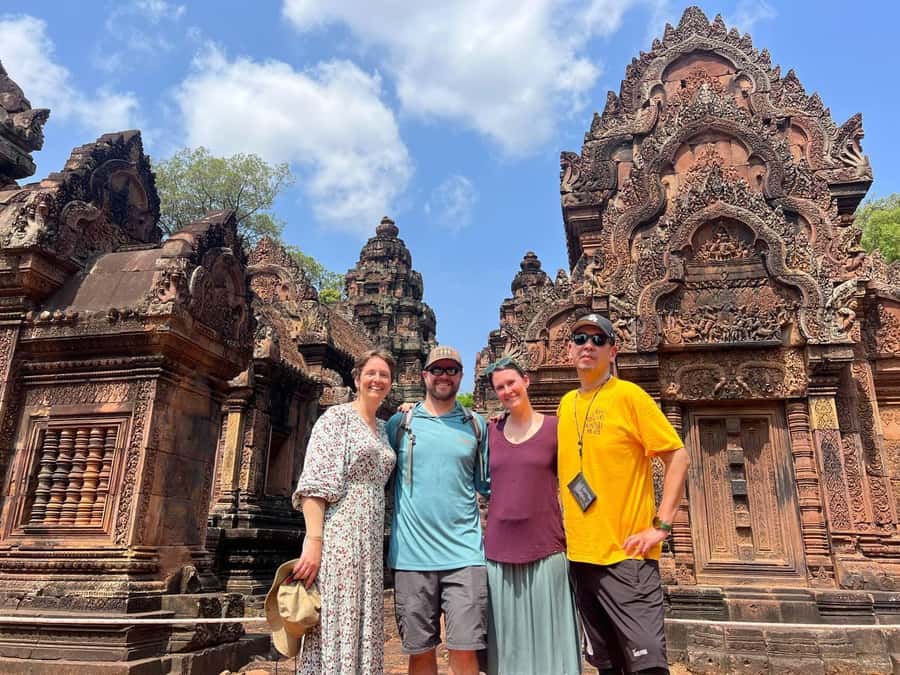
- Banteay Srei’s pink sandstone and fine carvings are the main event, and you’ll be shown how to see the details
- Five Grand Circuit temples in one day, so you can hit the highlights beyond Angkor Wat and Bayon
- Preah Dak Village stop, for a calmer look at local life outside the gates
- Water and cold towels provided, which matters more than you think in Siem Reap heat
- A guide-led connection of Hindu and Buddhist symbolism to what you see on the ground
- Early pickup (7:50 AM) means you beat some crowds and heat, but you also start early
The Grand Circuit day that feels less crowded, but still iconic
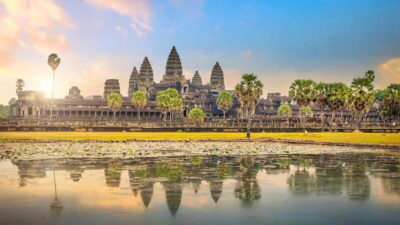
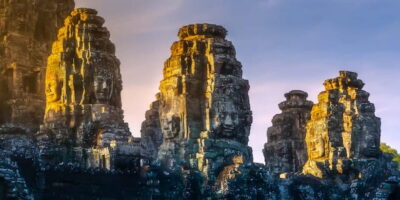
If you’ve already seen Angkor Wat and Bayon, this kind of day trip can feel like a palate cleanser. The Grand Circuit temples are still famous, but they tend to feel more spread out, more local, and less tour-bus busy than the main Angkor core.
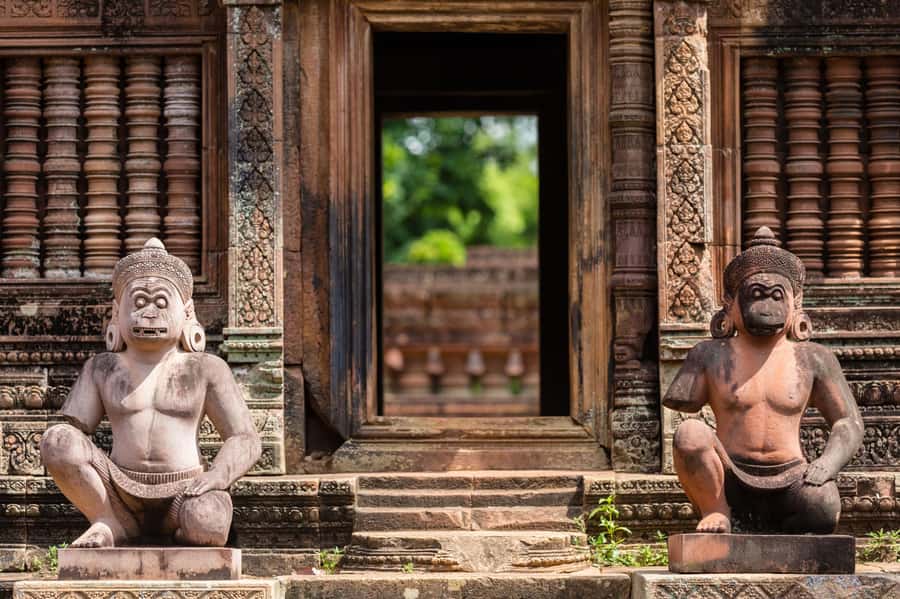
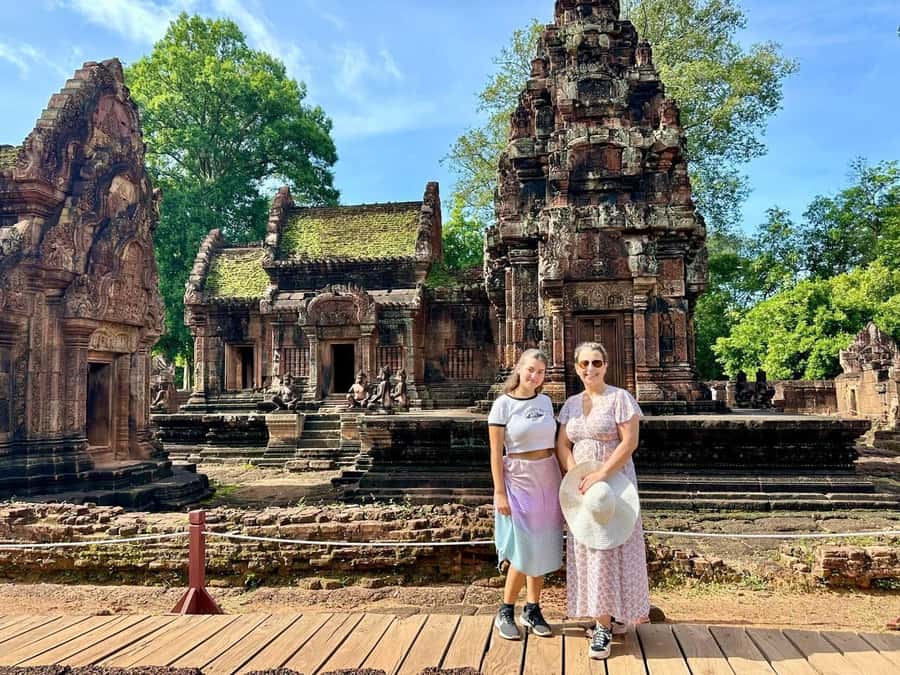
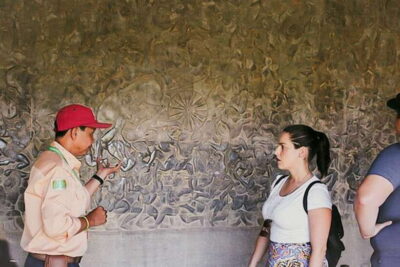
The tour’s heart is Banteay Srei, often called the Citadel of Women. Even if you don’t go into religious history with a textbook brain, the physical details do the talking. Pinkish sandstone, tight carvings, and a temple style that looks delicate next to the bigger, heavier complexes. Your guide’s job is to help you notice what you’d otherwise miss, like how statues, lintels, and architectural details line up with Khmer Hindu rituals and beliefs.
Pickup timing and how to avoid the morning scramble
You meet at your hotel for pickup, and you need to be ready at 7:50 AM. That early start is not just for show. It helps the day feel manageable, and it gives you more daylight for the later sites.
Transportation is by a high-quality vehicle with an English-speaking guide, plus the small but important comfort items: bottled water and cold towels. If you’re the type who forgets sunscreen, this is one more reason to be ready at the hotel lobby on time, so you can sort your basics quickly.
The tour also includes a stop at the Apsara Authority Ticket Office so you can purchase your Angkor entrance pass. The pass is not included in the tour price, so you’ll want to bring enough cash.
Further out: other Banteay Srei and Beng Mealea runs
- Full-Day Banteay Srei & 4 Temples – Grand Tours Join-in Tour★ 5.0 · 1,155 reviews
- Siem Reap Tour: Angkor Wat Sunrise, Bayon, Ta Prohm, Banteay Srei★ 5.0 · 931 reviews
- Kulen Mountain with Beng Mealea and Tonle Sap Small Group Tour★ 5.0 · 780 reviews
- Koh Ker Temple Group & Beng Mealea Full-Day Join-in Tour★ 5.0 · 710 reviews
Pre Rup Temple: a quick start with big atmosphere
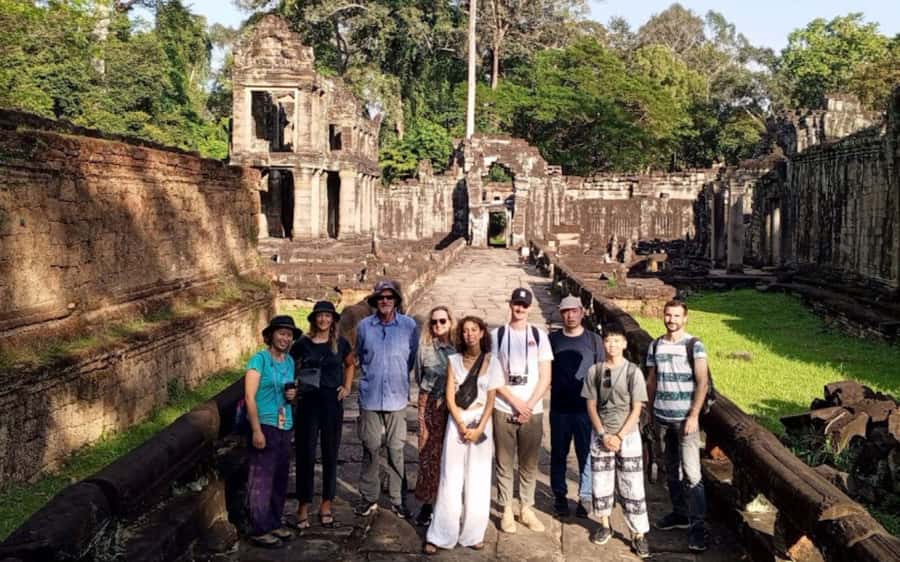
Most people think they know what Angkor looks like, then they land at Pre Rup and realize it’s more than one style of ruin. Pre Rup Temple is one of the smaller, surviving structures in the complex area, which makes it a good warm-up stop.
Why it works early in the day: you get oriented fast. You’ll see how Khmer builders used brick-and-stone layouts, how later temples relate to earlier religious patterns, and how the terrain shapes what you can actually photograph. It’s not the most famous temple of the region, but it’s a strong setup for what comes next.
If you’re prone to rushing, don’t. Take a moment before you move on. A lot of guides do well here because they can set the themes for the rest of the route: ritual space, symbolism, and how the Khmer worldview shows up in layout.
Banteay Srei, the Citadel of Women: where the carvings earn their fame
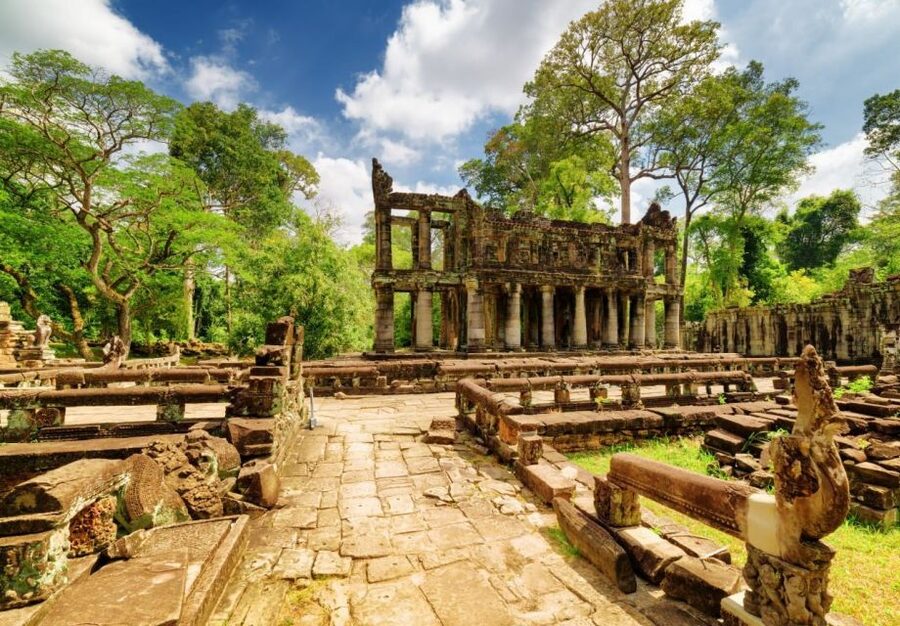
This is the stop you’ll remember. Banteay Srei is widely loved for its fine work in pink sandstone and for the feeling that the temple was designed for careful viewing.
Here’s what makes this temple different from the bigger Angkor giants. The scale is smaller, but the decoration is sharper. Your guide will usually point out the specific places where the stonework changes, like key doorways and surfaces where carvings cluster. The goal is simple: you stop walking past details and start reading them.
A common belief connected to the name is that the refinement reflects craftsmanship associated with women in the Khmer Empire. Even if you treat that as cultural tradition rather than verified fact, it adds meaning to what you’re seeing, because it explains why the temple’s style feels unusually precise.
Practical note: bring good shoes. The temple terrain can be uneven, and you’ll want solid footing for the photo angles that require you to stand and look closely.
Preah Dak Village and the lunch rhythm you control
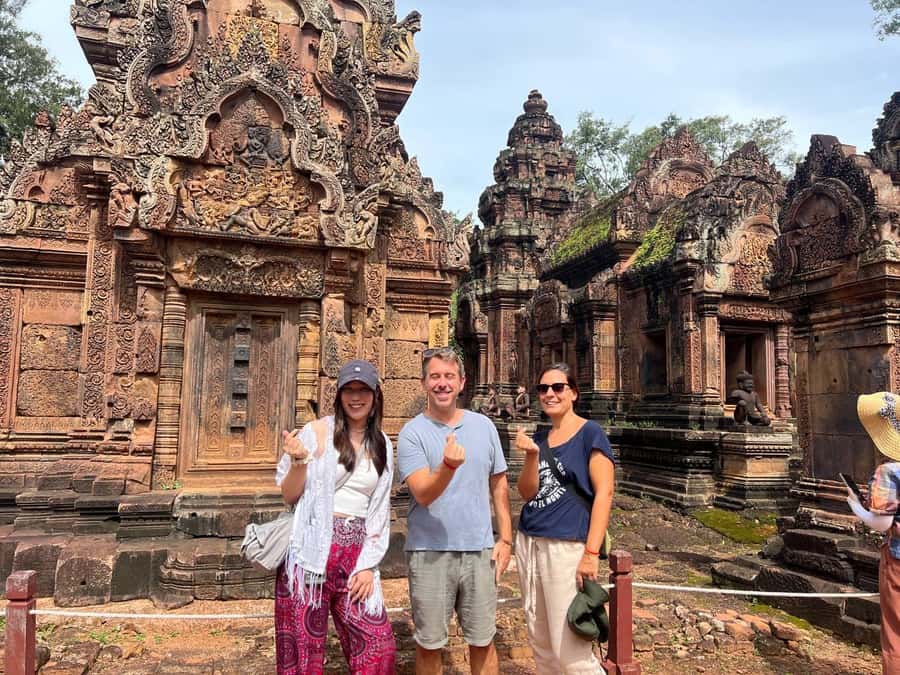
Between temples, you’ll get a break and a chance to see something beyond the archaeological sites. The tour includes a stop at Preah Dak Village, where you can observe local life outside the temple zone.
This part of the day is valuable because it gives your brain a rest from stone symbolism. You can look at everyday routines, how people live with the landscape, and what the region feels like when you’re not in a ticket line.
Lunch is at a nearby restaurant, and it’s at your own expense. You can expect traditional Cambodian options like curries, soups, or stir-fries. I like building this into the day because it prevents the worst kind of travel fatigue: forcing yourself to eat something random and then having no energy left for the afternoon temples.
East Mebon: an island temple idea in a land of reservoirs
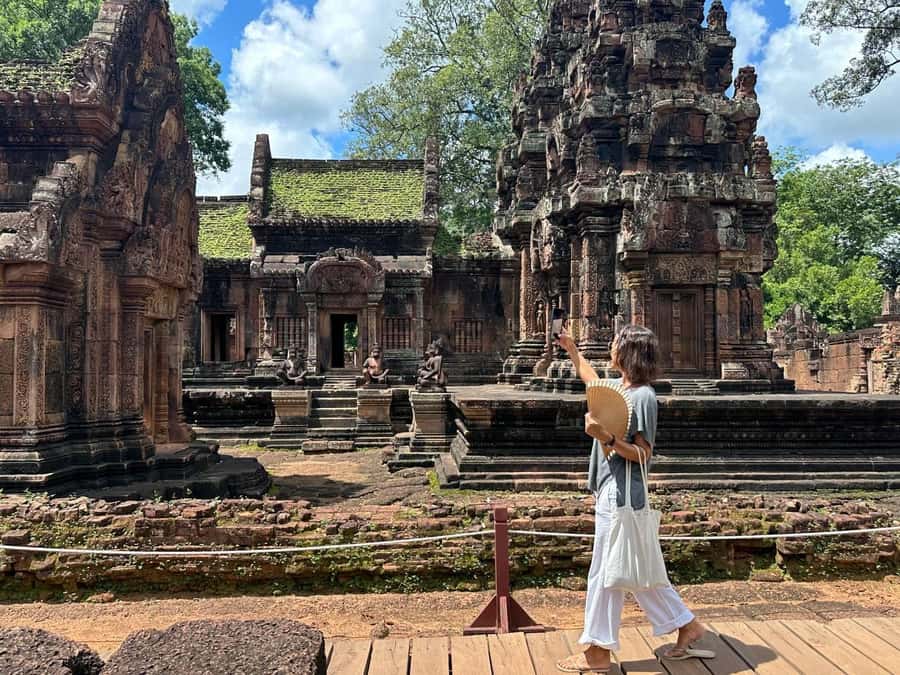
After lunch, the itinerary shifts into more watery, myth-linked spaces. East Mebon is a temple site that once stood on an island at the center of a reservoir. Even without the water surrounding you in the same way today, the location still communicates the old concept: temple geography as part of a spiritual story.
Expect a calmer feel than the morning crowds. Your guide can help you connect what you see to why Khmer sacred spaces often referenced cosmic ideas. You’re not just looking at buildings. You’re looking at a worldview that used water, direction, and sacred structures together.
If the heat hits hard, this is also a good time to slow down. Take shade breaks when you can. You’ll do better for the rest of the day if you don’t push through dehydration.
Neak Poan: small temple, big symbolism, healing-water mood
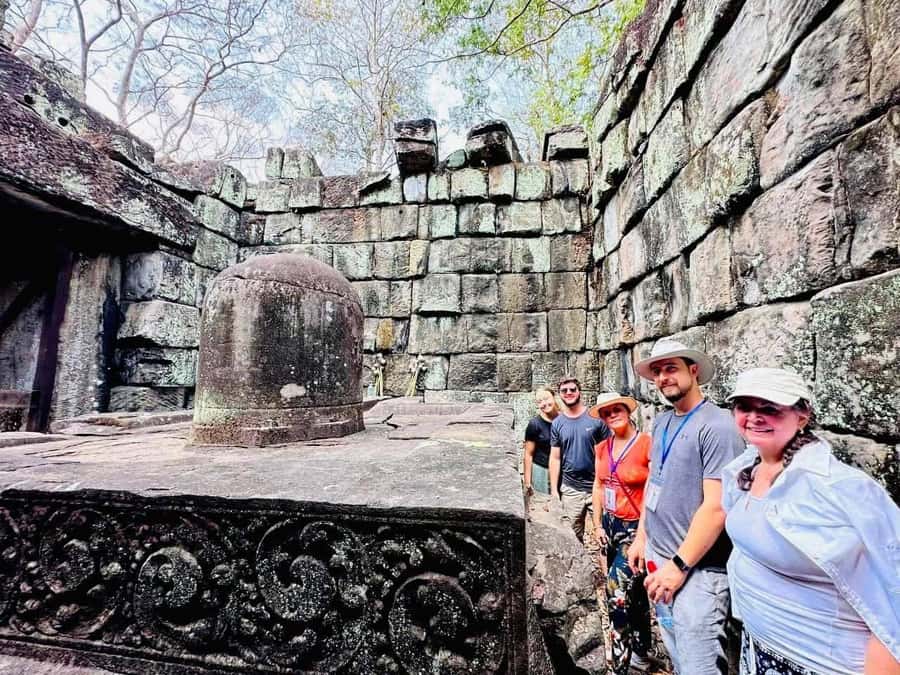
Neak Poan is a smaller temple set on an island in Jayatataka Baray. The story attached to it is the mythical Himalayan lake, along with healing waters. That may sound poetic, but it helps explain why this spot feels peaceful compared to larger ruins.
This is a place where your guide’s explanation makes a real difference. When you know what the site is meant to represent, you tend to notice the layout and the way people gather around certain angles. The temple feels like it’s designed for reflection, not just sightseeing.
Practical tip: don’t over-plan your photos. This is one of those stops where you’ll get better results by stepping back, taking a breath, and letting your eyes find patterns.
Ta Som: the famous gate swallowed by tree roots
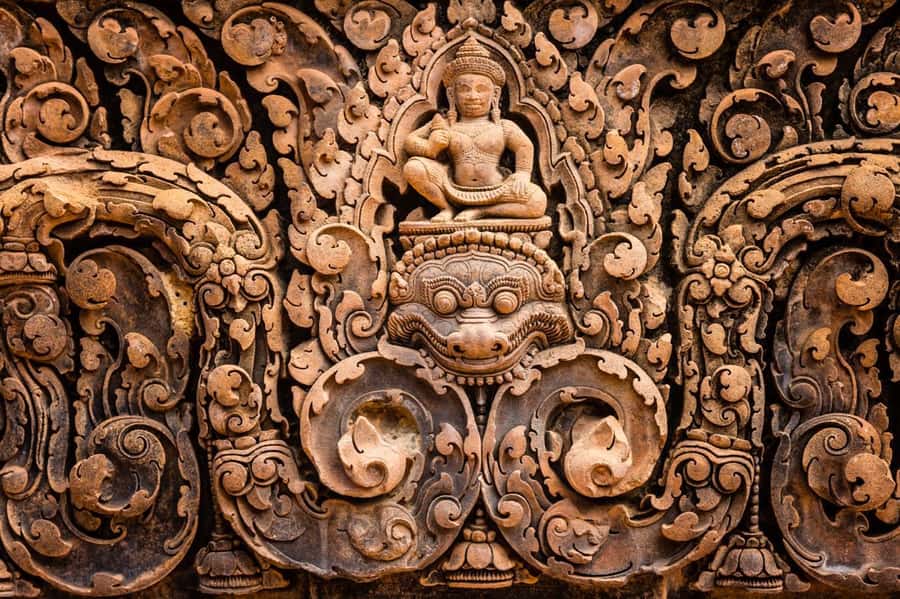
Then you get the classic Angkor cinematic moment at Ta Som: an iconic stone gate embraced by massive tree roots.
This stop is visually dramatic, but it’s also useful for learning. It’s a reminder that time does not just crumble stone, it also changes how you experience a site. When the roots wrap the structure, you’re seeing nature write its own edition of the temple story.
If you’re traveling with a photography habit, you’ll likely find that the best shots come from simple choices: wait for fewer people, pick a consistent angle, and frame the gate with roots as your foreground. Your guide may point out photo spots based on sightlines and shade, which can save you a lot of trial and error.
Preah Khan: the monastic complex feel, with lots to read
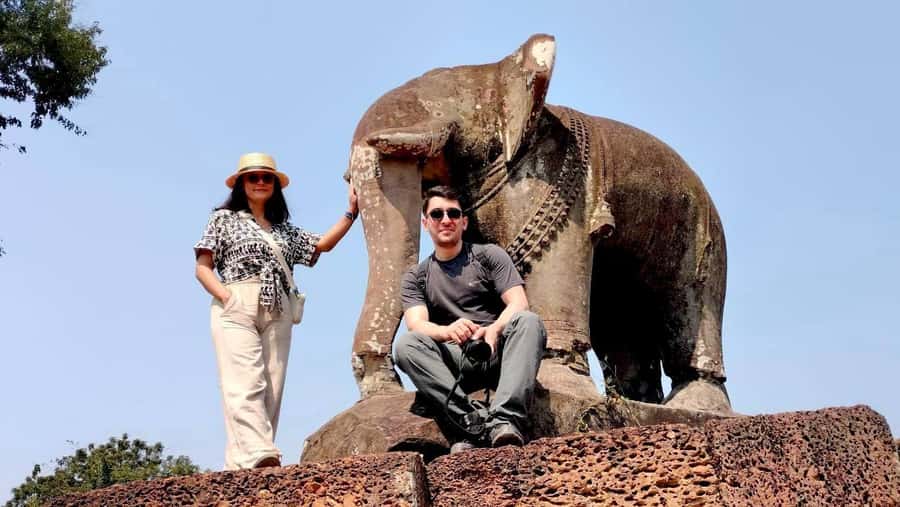
The day ends at Preah Khan, a vast monastic complex known for carvings and layered history. Compared to the smaller, more delicate Banteay Srei, Preah Khan feels more expansive and more complex in layout.
This is where the earlier explanations pay off. If your guide has helped you connect Khmer Hindu rituals and Buddhist traditions to what you see, you’ll likely feel more confident reading statues and carved themes as you walk.
The carvings matter here. They’re not all identical, and the repetition tells a story about devotion and space. Take your time, even if your legs complain. The longer you spend, the more you notice how different sections of a monastic complex relate to worship and daily ritual life.
The guide factor: why names like Ry-Cheng and Narath keep popping up
The tour is not just transport to temples. The biggest value is the human layer that helps you make sense of the place.
You’ll typically get guided explanations about Khmer rituals and beliefs, including Hindu rituals and the Buddhist influence you can see across the region. Many guides, such as Ry-Cheng and Narath, are praised for being calm, respectful, and not rushing people. That matters. Angkor sites can swallow time fast, and a rushed guide makes you miss the best parts.
In practical terms, a good guide also helps with:
- pacing so you don’t burn out early
- pointing out details you would otherwise skip
- answering questions in a way that makes the symbolism click, not just sound impressive
If you’re lucky, you’ll get a guide who also shares real-life context about the surrounding areas. Names like Phyrom, Lok, Dara Try, Pip, and Ra come up often, and a common theme is that they connect temples to everyday Cambodian life, not just academic facts.
Heat, footwear, and the temple dress code you should not ignore
This is one of those days where the logistics can make or break your mood. The tour runs in all weather conditions, so dress appropriately even if it looks fine in the morning.
What to bring:
- Hiking shoes for uneven ground
- Sunscreen and insect repellent
- Cash for the entrance pass at the ticket office
Temple dress code matters:
- no shorts
- no sleeveless tops
- shoulders and knees covered for both men and women
- entry may be refused if you don’t comply
Also note the not-allowed items:
- pets
- smoking
- luggage or large bags
If you’re the type who usually travels with a daypack, you’re fine. Just keep it compact. The goal is to move quickly between stops without turning your bag into a hassle.
Price and value: why $20 can still feel like a deal
The listed price is $20 per person, and it includes hotel pickup and drop-off, transportation by high-quality vehicle, local taxes, cold towels, bottled water, and an English-speaking guide.
What’s not included:
- Angkor entrance fee (your Angkor Temple Pass)
- lunch
- for a private option, a guide for the private booking (availability as an add-on)
Here’s how I’d judge the value. This day packs five major temple visits, plus a village stop, plus a guide who explains what you’re seeing. If you were to arrange transport and a guide separately, the all-in structure would usually cost more than the base tour price. The extra entrance pass and lunch are the obvious add-ons, but they’re normal for this region and time of day.
For me, the big value is simple: you spend your energy on temples and learning, not on logistics. The included cold towels and water help you keep going instead of turning the day into a constant scramble.
Who this tour suits best
This works well if you:
- want Banteay Srei and Grand Circuit temples in a single day
- like architecture and symbolism, and want help noticing what matters
- can handle a long, hot walk on uneven ground
It’s a tough fit if you:
- have walking disabilities or use a wheelchair
- plan to travel with very young children on a shared tour option (the shared tour is not suitable for infants or children under 12)
If you’re traveling solo or as a couple, it’s also a good format because you still get an organized guide experience without the cost of a private trip.
Should you book this Banteay Srei and 5-temple Grand Circuit tour?
Yes, if Banteay Srei is on your list and you want a day that goes beyond the Angkor main core. The combination of five iconic Grand Circuit temples, a Preah Dak Village stop, and consistent guide attention makes it a strong choice for people who want value and meaning in the same day.
I’d especially book it if you appreciate practical sightseeing. This tour doesn’t pretend temples will be easy, but it gives you the support you need to stay comfortable, with water, cold towels, and an early start.
But if you’re worried about mobility, heat, or dress code hassles, reconsider. This is a full-day temple circuit, not a short gentle stroll. If that’s your situation, you’ll enjoy Angkor more with a slower plan.
FAQ
Do I need to buy the Angkor Temple Pass for this tour?
Yes. The tour includes a stop at the Apsara Authority Ticket Office so you can purchase your Angkor entrance pass. The entrance fee is not included in the tour price.
What’s included in the $20 per person price?
The price includes hotel pickup and drop-off, transportation by a high-quality vehicle, local taxes, cold towels, bottled water, and an English-speaking guide.
What time do I need to be ready for pickup in Siem Reap?
Be ready in your hotel lobby at 7:50 AM for pickup.
What temples are visited on this tour?
You’ll visit Pre Rup Temple, Banteay Srei, East Mebon, Neak Poan, Ta Som, and Preah Khan, plus a stop at Preah Dak Village outside the temples.
Is lunch included?
No. Lunch is not included, but there is a break at a restaurant where you can buy traditional Cambodian dishes.
Is this tour suitable for children or wheelchair users?
The shared tour option is not suitable for infants or children under 12 years old. It is also not recommended for people with walking disabilities or for those in a wheelchair.
More Tours in Siem Reap
- Angkor Wat Sunrise or Sunset Tour with Guide from Siem Reap★ 5.0 · 12,109 reviews
- Siem Reap: Angkor Wat: Small-Group Sunrise or Sunset Tour★ 5.0 · 9,444 reviews
- From Siem Reap: Kampong Phluk Floating Village Tour by Boat★ 4.9 · 6,979 reviews
- Siem Reap: Angkor Wat 2-Day Tour with Sunrise and Sunset★ 4.9 · 4,429 reviews
More Tour Reviews in Siem Reap
- Angkor Wat Sunrise or Sunset Tour with Guide from Siem Reap★ 5.0 · 12,109 reviews
- Siem Reap: Angkor Wat: Small-Group Sunrise or Sunset Tour★ 5.0 · 9,444 reviews
- From Siem Reap: Kampong Phluk Floating Village Tour by Boat★ 4.9 · 6,979 reviews
- Siem Reap: Angkor Wat 2-Day Tour with Sunrise and Sunset★ 4.9 · 4,429 reviews
Banteay Srei and Beng Mealea, Compared
- Siem Reap: Kulen Mountain, Beng Mealea and Tonle Sap Tour★ 5.0 · 1,483 reviews
- Full-Day Banteay Srei & 4 Temples – Grand Tours Join-in Tour★ 5.0 · 1,155 reviews
- Siem Reap Tour: Angkor Wat Sunrise, Bayon, Ta Prohm, Banteay Srei★ 5.0 · 931 reviews
- Kulen Mountain with Beng Mealea and Tonle Sap Small Group Tour★ 5.0 · 780 reviews
Newly written up around Siem Reap
- Waterfall & River of 1000 Siva Linga- Kulen Mountain Private Tour
★ 5.0 · 3 reviews - Private Transfer from Siem Reap to Sihanoukville
★ 4.5 · 3 reviews - Private Tour to Koh Ker and Beng Mealea
★ 5.0 · 3 reviews - Private Transfer: Siem Reap Angkor Internation Airport to Hotel
★ 5.0 · 3 reviews - Kulen National Park Ticket -Waterfall & 1000 Lingas
★ 5.0 · 3 reviews - Kulen Waterfall & Kbal Spean Tour
★ 5.0 · 3 reviews
Banteay Srei & Beng Mealea Tours, side by side.
 ★ 5.0Kulen Mountain, Beng Mealea and Tonle Sap TourFrom $481,483 reviews
 ★ 5.0Full-Day Banteay Srei & 4 Temples – Grand Tours Join-in TourFrom $201,155 reviews
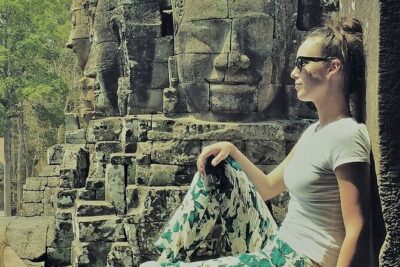 ★ 5.0Siem Reap Tour: Angkor Wat Sunrise, Bayon, Ta Prohm, Banteay SreiFrom $130931 reviews
 ★ 5.0Kulen Mountain with Beng Mealea and Tonle Sap Small Group TourFrom $54780 reviews
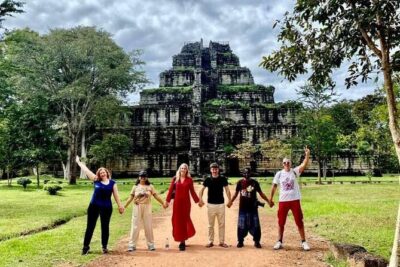 ★ 5.0Koh Ker Temple Group & Beng Mealea Full-Day Join-in TourFrom $50710 reviews
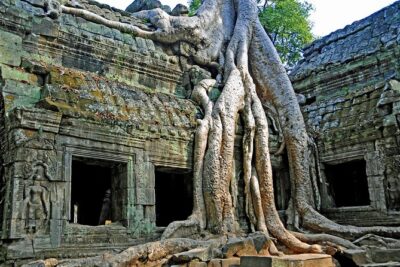 ★ 5.02-Day Angkor Wat With Small, Big Circuit and Banteay Srei TourFrom $158545 reviews
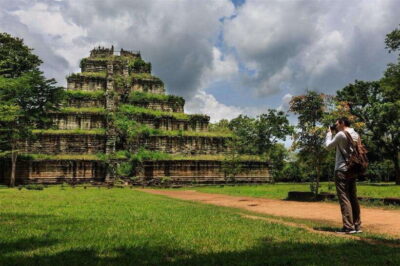 ★ 4.9Koh Ker and Beng Mealea Temples TourFrom $50293 reviews
 ★ 5.03-Days Discovery Of Angkor: Waterfalls,Floating Village and Banteay Srei templeFrom $183214 reviews
Also appears in