
REVIEW · SIEM REAP
Silk Island & countryside of Phnom Penh by Tuk Tuk
A Mekong ferry and Silk Island in one afternoon. This half-day escape lets you swap Phnom Penh traffic for a Mekong crossing and a calm walk through Silk Island villages and farms. I love the mix of hands-on rural crafts and the calm pacing that feels like you are spending time with the river life, not rushing past it.
The one catch is simple: this is real countryside. Meals are local, and you may notice insects near the river and fields, plus the day can feel warm.
In This Review
- Key things that make this Tuk Tuk + Silk Island trip worth it
- From Phnom Penh to the Mekong: why this starts with a ferry
- Phsar Areyksat and the river craft stops you will remember
- Tuk tuk country roads and crop fields: the slow travel that works
- Silk Island itself: walking villages at your own pace
- Silk weaving workshops: what you learn beyond the finished product
- Bean curd and tofu skin production: a food stop with real context
- Temples and a monastery stop: spirituality without the heavy feel
- Lunch or dinner by the river: the simple meal that ties it together
- Price and timing: what you get for $45 and why it feels fair
- Logistics that actually matter: dress, heat, and how to prepare
- Who should book this Silk Island tour from Phnom Penh
- Should you book it?
- FAQ
- How long is the Silk Island and countryside tour?
- How much does the tour cost?
- Do you get hotel pickup and drop-off?
- Is a guide provided, and in what language?
- Do I eat during the tour, and is vegetarian food possible?
- Does the tour include ferry rides?
- How many people are in the group?
- What is the dress code?
- What is the cancellation policy?
Key things that make this Tuk Tuk + Silk Island trip worth it
- Romork tuk tuk rides plus ferry crossings, so you keep switching scenery and sounds
- Silk weaving and farm visits at a family-run pace, with time to ask questions
- Tofu skin and bean curd production, a food stop that actually teaches you something
- Temples and monastery moments, not just photos, but context for Khmer spirituality
- Dinner or lunch by the water, usually the most relaxing part of the whole day
From Phnom Penh to the Mekong: why this starts with a ferry
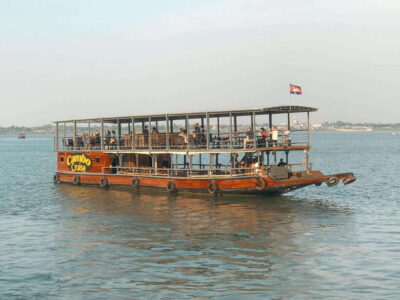
The tour’s rhythm is smart. Instead of heading straight out by road, you get a ferry crossing at the confluence of the Mekong, Tonle Sap, and Bassac. That first change in scenery does two things for you: it cools down the experience and it sets the tone. You start to feel how daily life is tied to water.
I also like that the tour begins with a local market area at Phsar Areyksat. It is not a staged show. You get the sights and smells of a working place where people buy produce and everyday items, which makes the later farm visits make more sense.
One practical tip, dress and expectations: the itinerary includes walks and a formal dress code. Bring something that looks neat but still lets you move in heat.
Phsar Areyksat and the river craft stops you will remember
The early part of the day focuses on how people live around the rivers. After the ferry, you head to local village areas for a leisurely stroll and a stop at a wet market. This is where you can notice everyday routines, like how families shop, how produce looks in-season, and how many of the tour stops connect to what people actually grow.
Then you shift from market energy to craft. The tour includes a stop to see sedge mat weaving, a traditional craft linked to riverside communities. You do not just see finished mats. You get a sense of why the craft exists and how it fits into rural livelihoods.
Here is the value angle: these stops act like a storyline. Market, farming, then craft work. By the time you reach the silk side of the day, you understand the logic of the place, not just the product.
Other rides out past the rice fields
- Silk Island & countryside of Phnom Penh by Tuk Tuk★ 5.0 · 68 reviews
- Killing Field & Paddy Rice Fields Tuk Tuk Adventure★ 5.0 · 27 reviews
- Phnom Penh Countryside Cycle Tour★ 5.0 · 9 reviews
Tuk tuk country roads and crop fields: the slow travel that works
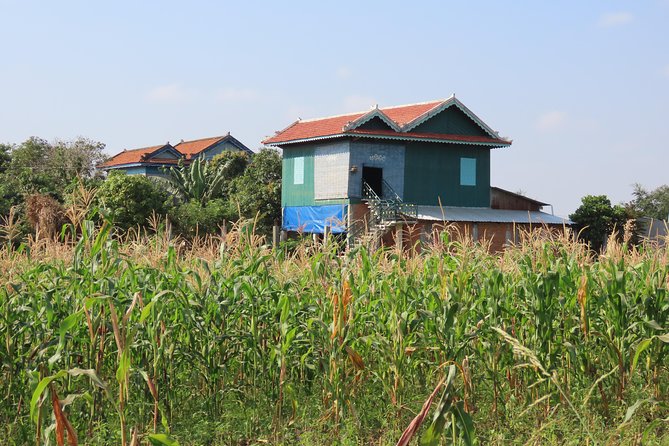
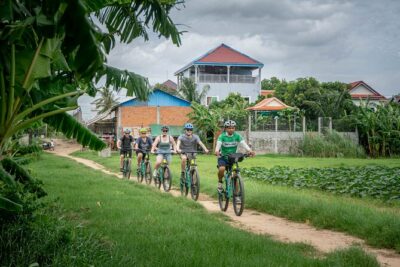
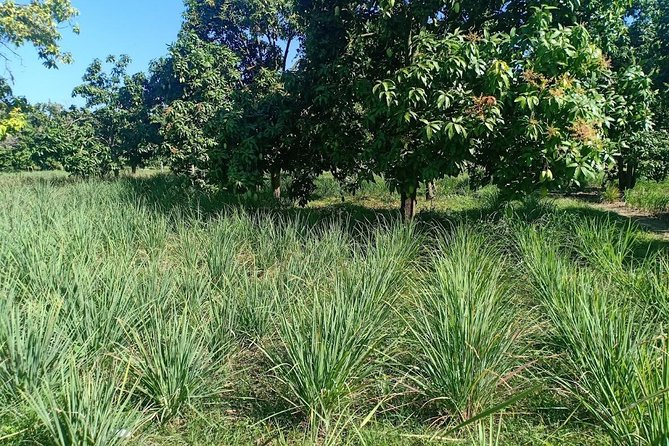
Once you leave the market area, the ride becomes part of the experience. You travel through plantations and fields with crops such as mango, banana, corn, and lemongrass. You also get a break along the way in a village area, which matters because the day is outdoors and the heat can sneak up on you.
In practice, this is the kind of pacing that helps you enjoy rural Cambodia without feeling trapped in a strict schedule. A maximum group size of 12 keeps it from becoming chaotic, so your guide can answer questions and adjust at a human pace.
Also, pay attention to the ferry rhythm. The tuk tuk plus ferry mix means you are not just going on one long boat ride. You will likely switch between land driving and short water crossings, which keeps the day feeling varied.
Silk Island itself: walking villages at your own pace
Silk Island is the heart of the day, and the tour gives you time to explore at your own pace in either the morning or early evening. That flexibility is valuable because it helps you match the experience to your energy level. If you love walking, you can take your time. If you prefer short, focused stops, you can keep moving.
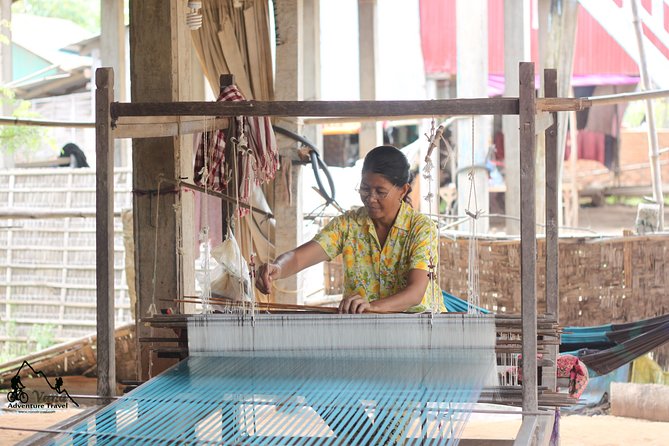
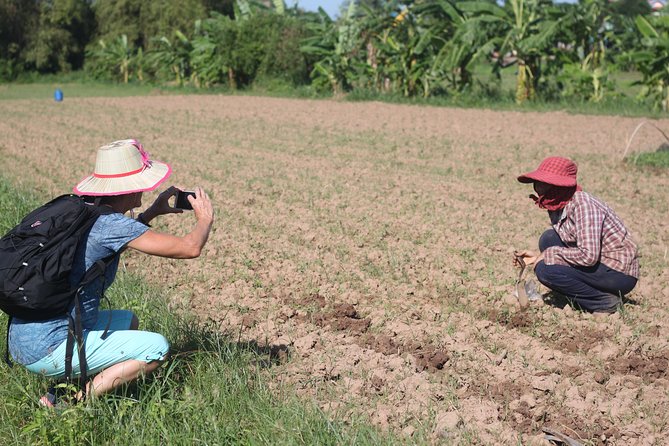
On the island, you get an organized visit to silk weaving and a chance to walk through rural farm areas, including ginger and vegetable farms. The point is not a photo safari. It is understanding how work is built into daily life on the island.
If you care about “how things are made,” you will appreciate this section most. The silk side is where the tour goes from scenery to process.
Silk weaving workshops: what you learn beyond the finished product
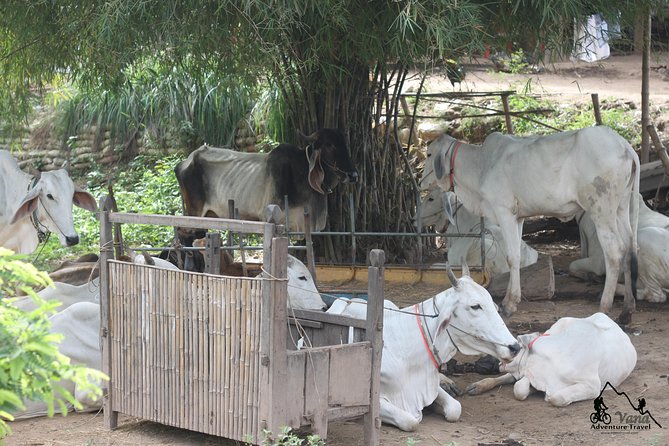
The silk stop is designed to make you see the effort behind the item. You connect the dots between farm life and the actual weaving work you will observe at the workshop.
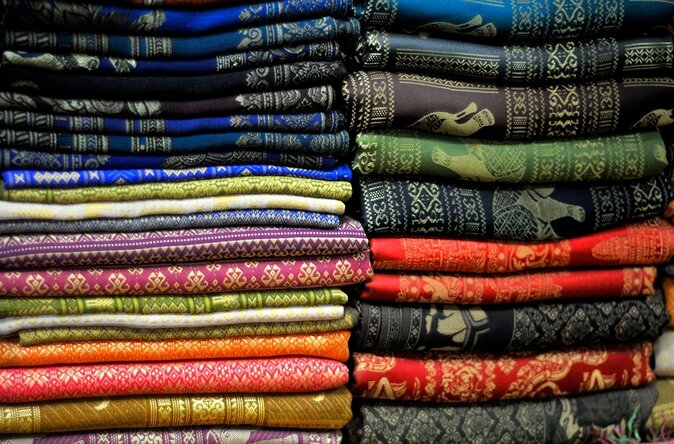
You may also get to try a small weaving activity, which is one of those moments that turns a craft visit into a memory. Even when it is not a long hands-on session, it changes the way you look at scarves and table runners later.
This tour can be especially strong if you are the type who enjoys asking “why this, why here?” questions. Guides on this trip have been praised for clear, practical explanations and for connecting the craft to Cambodian daily life. Names that have shown up in the experience include Mon, Suk Mon, Thong Chea, Narith, and Pi, each with a friendly style and a focus on making the day understandable.
Bean curd and tofu skin production: a food stop with real context
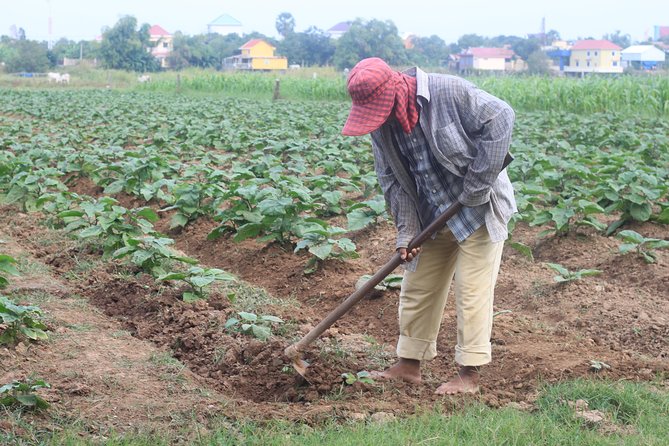
One of the smartest inclusions is the visit to a place producing bean curd, a staple ingredient in Cambodian cooking. If you eat Khmer food, you already know bean curd shows up in soups and stir-fries, but here you learn how it starts as a local process.
Some stops are described as making tofu skin, and that detail matters. It is not just “we stopped at a shop.” You get the sense that food production and farm life are connected, and that families support their livelihoods through the right local ingredients.
This is also where the tour feels value-for-money. For $45, you are not only paying for transport. You are paying for guided context and access to small-scale food production you would struggle to find on your own.
More of the capital, other guides

Temples and a monastery stop: spirituality without the heavy feel
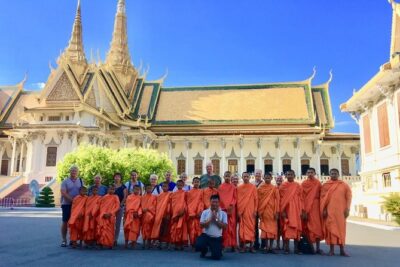
After the craft and farm time, the tour includes a serene Buddha monastery visit. This is a calmer moment on the schedule and it gives your day balance. You switch from work-focused stops to a place of reflection and local religious practice.
Just be aware of the basic etiquette side. With a formal dress code and active walking, you will want clothing that covers appropriately and still feels comfortable enough for warm weather.
If you like seeing how belief shows up in everyday life, you will likely enjoy this part more than you expect.
Lunch or dinner by the river: the simple meal that ties it together
Food is a highlight here. You get tropical fruits and lunch or dinner with locals, and many people describe the meal setting as peaceful, with a view over the water. In the same day that you watch crafts and food production, the meal feels like a finishing lesson.
Vegetarian options are available if you ask in advance. That is important for planning because rural restaurant meals can be simple, and you want your choices to be clear from the start.
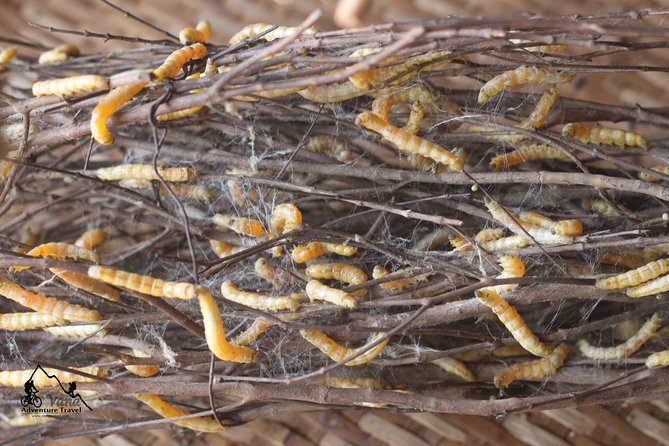
One consideration: local dining can be informal, and some places are close to river and farm areas. You might see insects, and the setup may not match what you expect from a polished restaurant. If you accept that, the meal becomes part of the charm, not a problem.
Price and timing: what you get for $45 and why it feels fair
At $45 per person for about 3 to 5 hours, this is priced like a serious half-day experience, not a quick drive-by. You get hotel pickup and drop-off, an English-speaking guide, ferry crossing fees and a contribution to villagers, transport in a tuk tuk (romork) with an experienced driver, plus fruits and lunch or dinner.
That combination is the value. You are paying for access: ferries, local stops, and guided explanations. If you tried to recreate it alone, you would likely spend more time figuring out local transport and still struggle to get the same craft and food production access.
The small group size of up to 12 also matters. It keeps the day from feeling like a bus tour and makes it easier to ask questions.
Logistics that actually matter: dress, heat, and how to prepare
A few practical points will make the day smoother:
- Dress code is formal. Bring neat, breathable layers you can walk in.
- Expect outdoor time. Even if the tuk tuk and ferries cool things down, you will still be walking and standing.
- Bring a light bag for small items. Water is part of the experience, but it helps to have your own essentials too.
- Be ready for rural dining. It is not themed, it is real. Simple settings are part of what you are paying for.
If you are sensitive to bugs, plan for that. The river and fields are part of the environment.
Who should book this Silk Island tour from Phnom Penh
This is a great fit if you want a real break from the city without going too far from Phnom Penh. The trip suits you if you like hands-on crafts, food production, village walking, and a calmer pace.
It is also a strong choice for couples and families who want a structured day with local knowledge but still want freedom to walk around on the island. Many people who do this trip are happy because it feels close to Phnom Penh but far from the usual tourist routine.
If you want large-scale, polished attractions and strict, fully indoor comfort, this may not match your style. This is family-run countryside work and local life, with all the normal rural realities that come with it.
Should you book it?
Yes, I think you should book it if your goal is to see Cambodia beyond the city lights. The best reason is the pairing of crafts and food with water travel, plus the guide attention and small group size.
If you are the kind of traveler who hates any messiness at all, or you need restaurant-level cleanliness, then consider your comfort level for rural meals and the possibility of insects near the river. For most people, that trade is worth it because the silk, tofu skin and bean curd context, temple stop, and the calm island walking make the day feel genuinely different.
FAQ
How long is the Silk Island and countryside tour?
The tour is listed as about 3 to 5 hours.
How much does the tour cost?
It costs $45.00 per person.
Do you get hotel pickup and drop-off?
Yes, hotel pickup and drop-off are included.
Is a guide provided, and in what language?
You get a professional English-speaking guide.
Do I eat during the tour, and is vegetarian food possible?
Yes. The tour includes tropical fruits and lunch or dinner with the locals. Vegetarian options are available if you advise when booking.
Does the tour include ferry rides?
Yes. You take a ferry crossing and then continue with additional ferry travel as part of the route back and forth.
How many people are in the group?
The tour has a maximum of 12 travelers.
What is the dress code?
The dress code is formal.
What is the cancellation policy?
You can cancel up to 24 hours in advance for a full refund. If you cancel less than 24 hours before the start time, the amount paid is not refunded.
Other Days Given to the Mekong
- Phnom Penh Silk Island Bike Tour/ E-Bike or Tuk Tuk★ 5.0 · 495 reviews
- Phnom Penh: Mekong Sunset Dinner Cruise with Live Music★ 4.7 · 261 reviews
- Silk Island Cycling Adventure & lunch with locals★ 5.0 · 246 reviews
- Phnom Penh to Silk Island By Tuk-Tuk with local Expert★ 5.0 · 165 reviews
Phnom Penh, Further In
- Phnom Penh: Sunset Cruise with Unlimited Beers & BBQ Buffet★ 4.5 · 727 reviews
- Phnom Penh Full Day Private Tour Included All Admission Tickets★ 5.0 · 585 reviews
- Phnom Penh: Sunset Cruise with Unlimited Beer &Fruit platter★ 4.7 · 515 reviews
- Phnom Penh Silk Island Bike Tour/ E-Bike or Tuk Tuk★ 5.0 · 495 reviews
Beyond the Paddy Bunds
- Killing Field & Paddy Rice Fields Tuk Tuk Adventure★ 5.0 · 27 reviews
- Cambodia Wildlife Sanctuary and Countryside Tour★ 5.0 · 11 reviews
- Phnom Penh Countryside Cycle Tour★ 5.0 · 9 reviews
Newly written up around Phnom Penh
- Private Transfer From or to Phnom Penh <=> Sihanoukville
★ 5.0 · 3 reviews - Prasith and Reap Temples Private Day Trip from Phnom Penh
★ 4.5 · 3 reviews - Phnom Penh Full Day Private Tour By Tuk Tuk or Taxi Car
★ 5.0 · 3 reviews - Private Transfer From Phnom Penh To Sihanoukville
★ 5.0 · 3 reviews - Phnom Penh Private Pick-Up: Techo International Airport ( KTI )
★ 5.0 · 3 reviews - Island Community Life in Phnom Penh
★ 4.5 · 3 reviews
Siem Reap Countryside Tours, side by side.
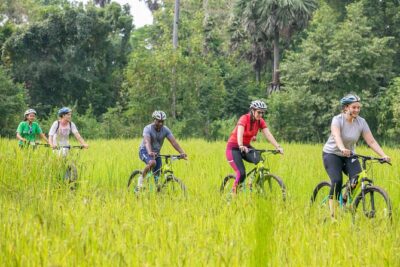 ★ 5.0Siem Reap Countryside Bike Tour / E-Bike or Tuk TukFrom $35935 reviews
 ★ 5.0Afternoon tour by tuk tuk to bamboo train,bat cave,killing cave,countryside.From $15344 reviews
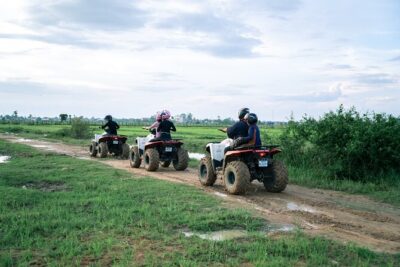 ★ 5.0Siem Reap Countryside Quad Biking TourFrom $45322 reviews
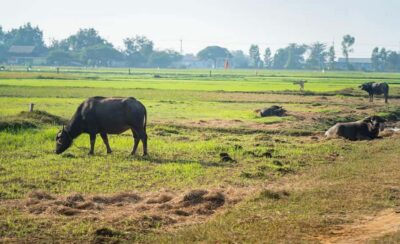 ★ 4.9Guided Countryside Bike TourFrom $35294 reviews
 ★ 5.0Local Livelihood Half Day Bike Tour in BattambangFrom $30287 reviews
 ★ 4.7Siem Reap Quad Bike Countryside TourFrom $33283 reviews
 ★ 4.9Khmer Village and Fish Farm ATV TourFrom $33266 reviews
 ★ 4.9Full-day Countryside Tour with Pepper Farm and KepFrom $26245 reviews