
REVIEW · PHNOM PENH
Angkor Silk Farm & Lotus Silk Farm: Siem Reap Discovery Tour
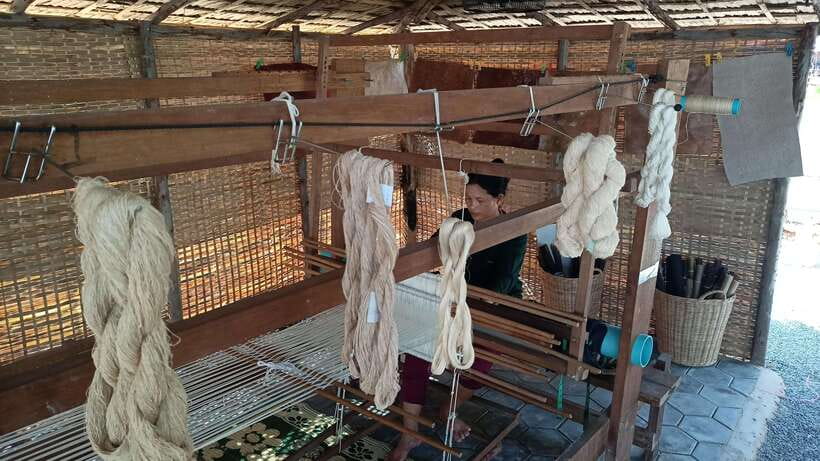
Silk is hidden in plain sight here. This half-day tour links traditional silk to an inventive lotus-fiber mission, with live demos and real craftsmanship you can actually see up close. I love that you get the full production story, from silkworm life stages to thread-making, not just a quick stop for photos.
I also really like the contrast between the two sites. At Angkor you follow classic silk steps on wooden looms, and at the Lotus farm you see how lotus stems become fiber through a more modern, social-enterprise approach that supports local women.
One consideration: it is a warm, open-air countryside drive between farms, so pack sun protection and plan for some heat waiting on the move, especially in midday sun.
In This Review
- Key takeaways before you go
- Silk Farms in Siem Reap: Why This 4-Hour Combo Works
- Meeting at Biolab Café and How the Day Flows
- Angkor Silk Farm: From Mulberry to Silk Thread
- The Countryside Drive Between Farms: What to Expect
- Lotus Silk Farm by Samatoa: Lotus Fiber, Social Enterprise, and Tea
- Boutiques, Quality, and What Your Purchase Actually Does
- How Long It Takes, and What Fits Your Schedule
- Photos, Heat, and What to Bring So You Enjoy It More
- Who Should Book This Silk Farm Tour?
- Should You Book Angkor Silk Farm and Lotus Silk Farm?
- FAQ
- Where is the meeting point for the tour?
- What time do the morning tours depart?
- Is hotel pickup included?
- How long is the tour?
- What’s included in the $25 price?
- Are meals or purchases included?
Key takeaways before you go
- Two farms, two systems: silkworm silk versus lotus fiber, so you can compare materials and methods.
- Live demonstrations: you watch the process instead of just reading about it.
- Short, structured visits: guided stops plus quick shopping windows so you can fit it into a busy Siem Reap day.
- Ethical impact you can shop for: boutique purchases go toward local artisan work and social enterprises.
- Comfort-focused logistics: pickup from Biolab Café in town, plus air-conditioned transport between sites.
- Great for photos: you can capture weaving, farm stages, and the countryside views.
Silk Farms in Siem Reap: Why This 4-Hour Combo Works
If you only do temples, you can miss a whole side of Cambodia that is just as hands-on. This tour is built around one idea: textile work is culture you can watch in motion.
You visit Angkor Silk Farm first, where the process starts with planting mulberry for silkworms and ends with people weaving on traditional wooden looms. Then you head to Lotus Silk Farm by Samatoa for lotus fiber extraction and the story of how those materials connect to sustainability and local livelihoods. The best part is the sequencing. You learn what the raw material is, how it gets turned into usable thread or fiber, and what the craft looks like at the end.
Price-wise, it is $25 per person for a 4-hour outing that includes guided farm tours, transport between farms, live demonstrations, and a small refreshment at the Lotus site. That is solid value if you care about process. If you just want a souvenir and one pretty photo, you might find it a bit more educational than you planned.
Meeting at Biolab Café and How the Day Flows
Your tour starts at Biolab Café in downtown Siem Reap. The meeting point is easy to spot, with a lotus-colored flag marked PICKUP – Lotus Silk Farm, and the van is grey. You are told to arrive about 10 minutes early, which is smart because the tour time counts.
Departures for the morning tours are 8:30 AM and 10:00 AM. The whole experience is listed as 4 hours total, including the scenic countryside drive time between farms. That matters because in this kind of tour you are not just spending time inside a workshop, you are also traveling through rural areas, seeing everyday life beyond the main tourist loop.
In practice, this format keeps expectations realistic. You get two guided segments with timed walkthroughs, a short shopping window at each farm, and a tea break at Lotus. It is structured enough that you will not lose the day, but flexible enough that the guide can manage the flow for a shared group.
More river days and Silk Island crossings
- Siem Reap Lotus Silk Farm Discovery tour & Lake experience★ 4.7 · 291 reviews
- Siem Reap: Lotus Silk Farm- Tour, Lake & Masterclass★ 4.9 · 77 reviews
- Angkor Silk Farm & Lotus Silk Farm: Siem Reap Discovery Tour★ 4.8 · 68 reviews
- Siem Reap: Silk Farm & Countryside Offbeat Jeep Tour★ 4.5 · 11 reviews
Angkor Silk Farm: From Mulberry to Silk Thread
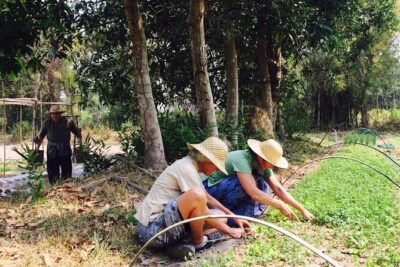
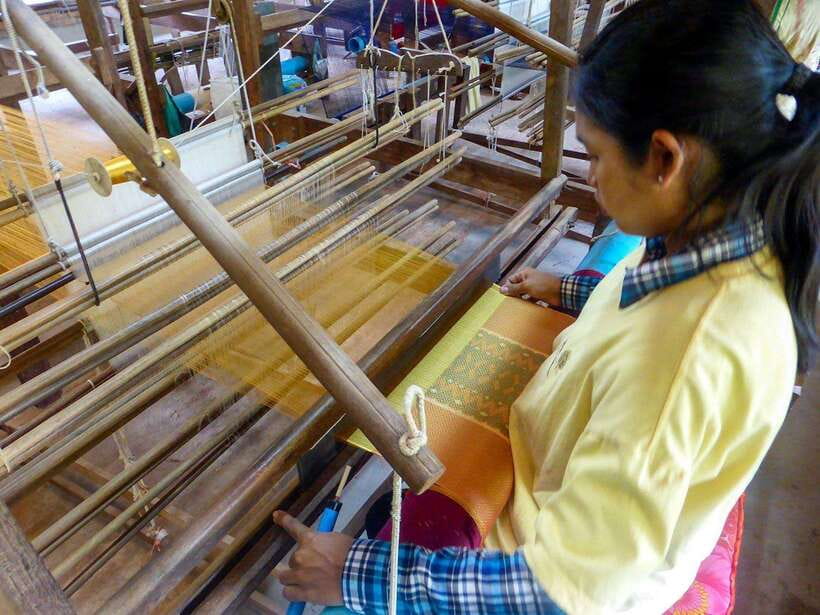
Angkor Silk Farm runs a guided visit of about 45 minutes, and it is where the craft feels most traditional and step-by-step. You start with the foundation of silk: mulberry cultivation and the silkworm life cycle, moving through the stages that eventually lead to cocoons. Then you see how the delicate work turns cocoons into usable thread.
Watch for the small details here. Silk making is not one dramatic moment, it is a chain of precise tasks. Even if your Khmer textile knowledge is zero, the guide’s English (or French) explanation helps you connect each stage to the next. That is why I think Angkor is such a good anchor stop. It teaches you the logic behind the fabric.
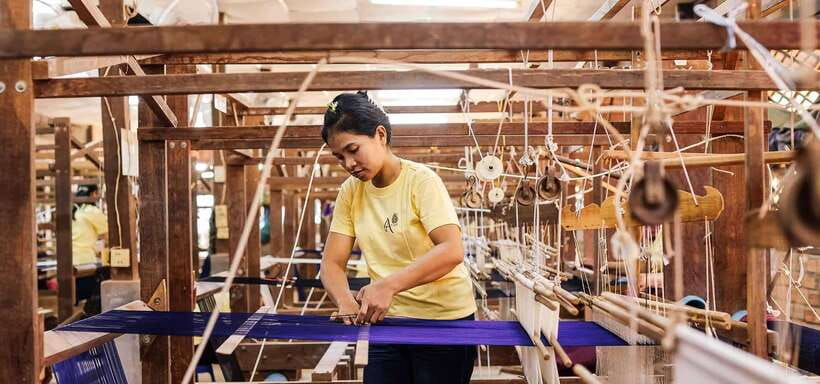
You also get a weaving techniques showcase on traditional wooden looms. This is one of the most satisfying parts to see in person because you can spot how patterns form through the work rhythm. The loom is not hidden, and the process is not rushed.
After the guided tour, there is 15 minutes of shopping at the Angkor site. I like that you are not sent on a long “browse everything” loop. It gives you time to look closely at product quality while it is still fresh in your mind.
The Countryside Drive Between Farms: What to Expect
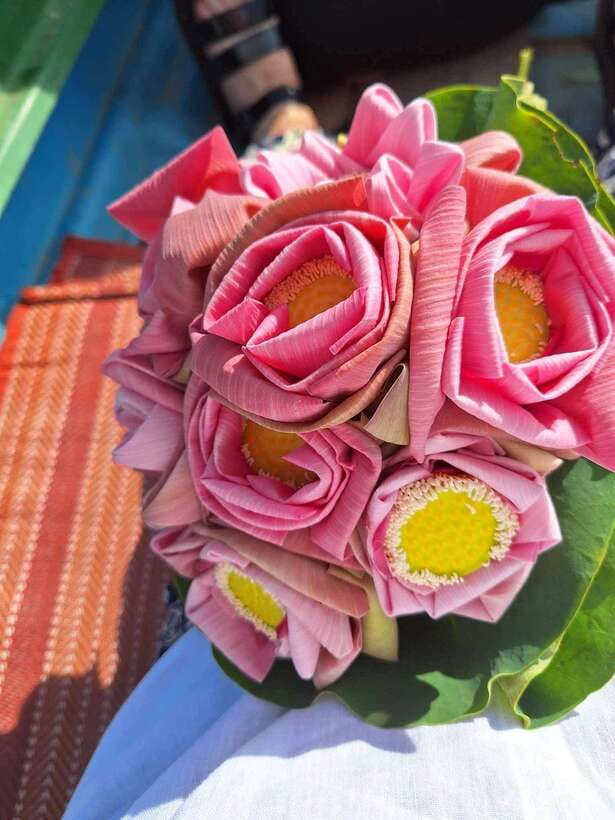
Between farms, you are in a comfortable vehicle for a scenic countryside drive. The experience is designed to add real views, not just travel time. You are traveling through rural Siem Reap Province, which gives the day a more grounded feel than staying in town the whole time.
That said, one practical note for planning: this is still Cambodia in the warmer months. Even if the car is air-conditioned, you may be walking outdoors or stepping in and out for photos. I recommend wearing light clothing, bringing sun protection, and keeping your camera ready before you feel rushed.
One guest experience described the ride between farms as longer than expected with heat making it harder, especially when the vehicle was shared and there was less to look at once you left the first stretch. The takeaway for you is simple: if you hate heat, schedule this earlier rather than later, and pack accordingly.
Lotus Silk Farm by Samatoa: Lotus Fiber, Social Enterprise, and Tea
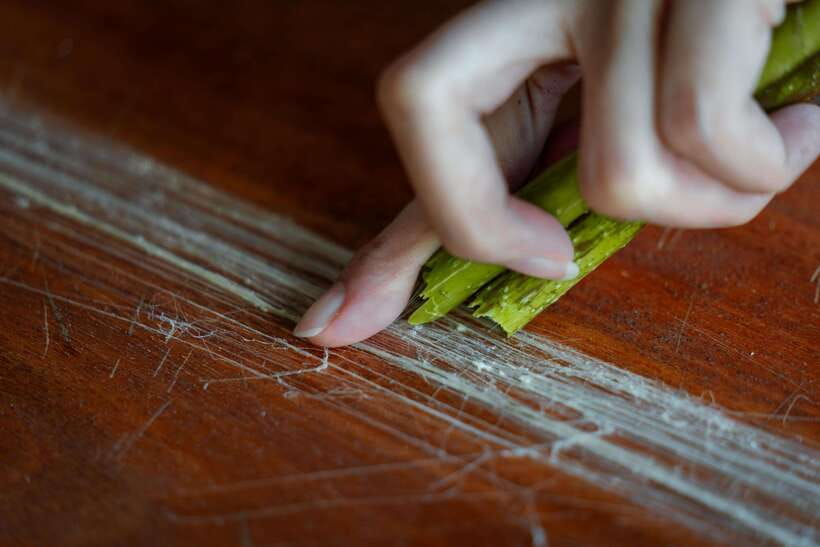
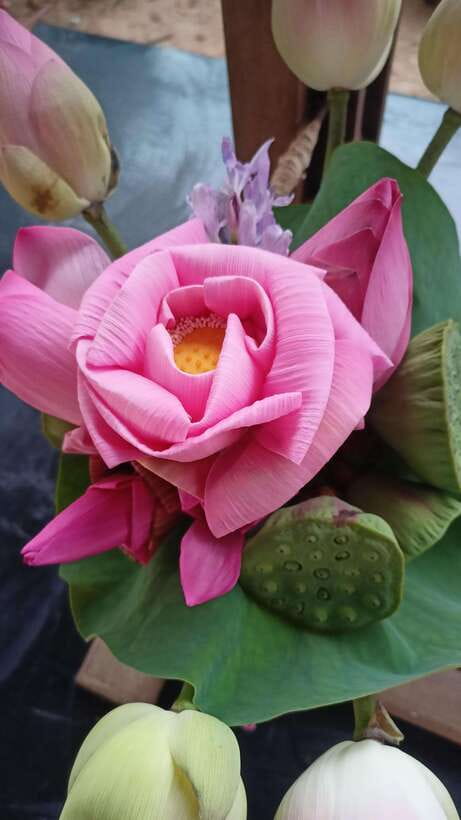
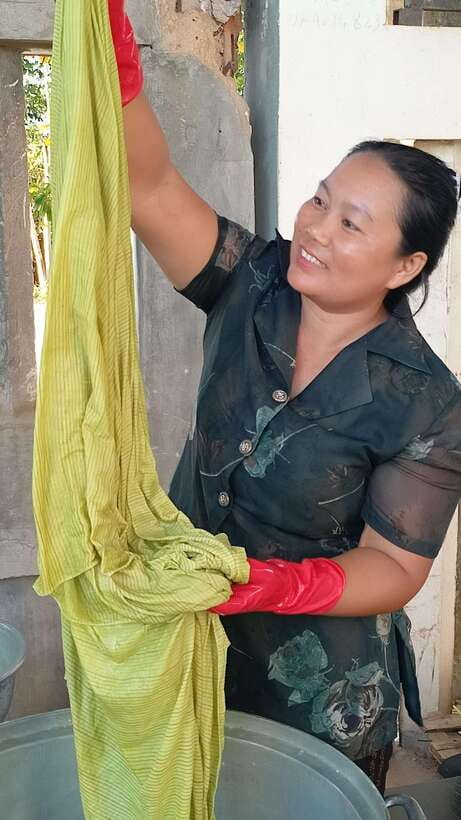
Lotus Silk Farm is where the story becomes more futuristic. Your guided visit is shorter, about 30 minutes, but it is packed with meaning. The tour focuses on lotus fiber extraction, specifically how artisans pull precious fibers from lotus stems and turn them into textile material.
What I like about this stop is the blend of sustainability and people. Lotus fiber is not just a material novelty. It ties into the farm’s role as a social enterprise that supports local women, and you can see the work as something more than a product line. It is linked to jobs, training, and community impact.
You also get a tea break and lotus tea and biscuits. This is not just a snack pause. It slows the pace so you can absorb what you just saw. When you are switching from silkworm silk to lotus fiber, your brain needs a moment to reset.
Then there is shopping at the Lotus farm as well. The boutiques at both places are where you will likely spend money if the craft speaks to you. The tour explicitly notes that purchases are not included in the $25 price, so come with a realistic budget if you want items like scarves, threads, or finished fabric goods.
One more practical detail: the Lotus farm site lists free WiFi, and that can be handy if you want to send a quick update or check instructions for the rest of your day.
Boutiques, Quality, and What Your Purchase Actually Does
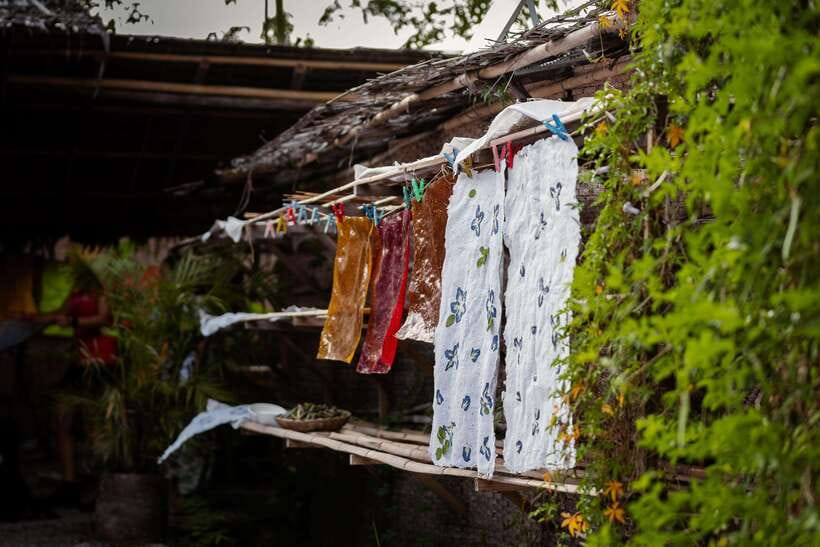
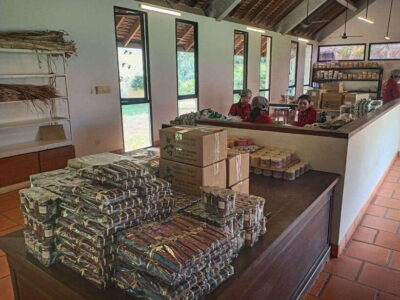
You will see products at both farms’ boutiques. This is where the tour becomes more than observation, because buying supports the artisan community and ethical textile production.
I think this matters because textile-making takes time and skill. Once you understand even a little of the labor behind silk or lotus fiber, the price tags make more sense. In fact, several guest notes emphasize that when you see the amount of work involved, you are less likely to compare these items to mass-produced fabrics.
A tip I can actually use: spend your shopping minutes on one or two questions, not ten. Ask what the item is made from (silk versus lotus fiber), and look for finishing details, not only the pattern. If you are the kind of person who buys scarves or small textiles as trip souvenirs, plan to do it here. This is the place that justifies the shopping.
Also remember: the tour includes access to farm areas and exhibitions, but it does not include meals beyond the complimentary lotus tea and biscuits. So if you are hungry later, do not assume this tour ends with a full lunch included. Some people do mention meal choices at the Lotus site, but the basic offering is tea and biscuits.
Other farm visits around Siem Reap

How Long It Takes, and What Fits Your Schedule
Everything totals about 4 hours including transportation time. That makes it a good half-day option for your Siem Reap itinerary, especially if you are mixing temples with something more hands-on.
If you enjoy process travel, this works well. It is not a generic “see a craft shop” stop. You watch steps, see demonstrations, and leave with a clearer picture of how Khmer textile traditions adapt across time.
It is also suitable for all ages and fitness levels, with the caveat that you will do some walking on farm grounds and spend time outside for photos. Bring comfortable walking shoes. You do not need hiking boots, but you do want your feet to feel good.
Photography is allowed at both farms, and you will have multiple photo opportunities during the visit. That means you can keep it relaxed. You do not have to chase formal photo spots.
The tour runs with an expert English or French-speaking guide throughout, and it can be shared with other guests. If you prefer private attention, you can still ask questions, but shared group format means you may not get every story detail for as long as you want.
Photos, Heat, and What to Bring So You Enjoy It More
Here is what I would pack for this kind of farm day, based on what the tour calls out and how farm visits feel in real life.
- Comfortable walking shoes
- Camera (and some extra battery time)
- Sun protection, like a hat and sunscreen
- Cash for purchases, since USD is accepted
- Light clothing for warm weather
Because the tour does not list bottled water or full meals as included, I suggest bringing your own water if you know you drink a lot when it is hot. The tour provides lotus tea and biscuits at the Lotus farm, but that is not the same as a full refreshment plan.
Also, plan your photos with the route in mind. The Angkor stop is the one where you will likely want more shots of the silkworm life stages and the weaving on wooden looms. The Lotus stop is where you’ll want close-ups of lotus fiber processes and the garden setting.
If you are shopping, keep your receipts and check item size before you buy. Small textiles are easy to pack. Larger pieces can take up space fast once you start getting tempted by the boutique displays.
Who Should Book This Silk Farm Tour?
This tour is a great match if you want something more meaningful than temples alone.
Book it if you:
- Like hands-on explanations and watching production steps
- Are curious about sustainable materials and ethical social enterprises
- Want a short, organized cultural day without committing to a full workshop
- Enjoy comparing two crafts side by side, silk versus lotus fiber
You might not love it as much if:
- You want a lot of free time at the sites
- You only care about finished products and not how they are made
- You strongly dislike countryside travel in warm weather
It is also a smart choice for engineers, artists, designers, and science-minded travelers. One review even described the tour as a favorite for someone who likes learning how products are made. If that is your vibe, this kind of process tour will feel rewarding.
Should You Book Angkor Silk Farm and Lotus Silk Farm?
If you are deciding between another generic tour and this one, I would lean toward booking if you care about craft and local impact. The value comes from structure: guided farm tours at both sites, live demonstrations, and a guided comparison between two textile worlds.
For me, the decision comes down to one question: do you want to understand the “how” behind what you buy in Cambodia? If yes, this half-day fits beautifully. If no, it may feel too instructional for a day you wanted to spend wandering independently.
If you do book, go with a plan for shopping. Set a small budget, buy one or two quality items, and enjoy the fact that your purchase is tied to the work you just watched.
FAQ
Where is the meeting point for the tour?
The meeting point is Biolab Café in downtown Siem Reap.
What time do the morning tours depart?
The morning departures are 8:30 AM and 10:00 AM. Arrive about 10 minutes early.
Is hotel pickup included?
No. Transportation is only provided from and to the meeting point at Biolab Café, not from hotels.
How long is the tour?
The total duration is 4 hours, including transportation time.
What’s included in the $25 price?
You get guided farm tours at Angkor Silk Farm and Lotus Silk Farm, live demonstrations, transportation between farms, and refreshments that include lotus tea and biscuits at Lotus. You also have access to farm areas and exhibitions.
Are meals or purchases included?
Meals are not included beyond the complimentary lotus tea and biscuits. Purchases from the farms’ boutiques are not included, either.
More Tours in Siem Reap
- Angkor Wat Sunrise or Sunset Tour with Guide from Siem Reap★ 5.0 · 12,109 reviews
- Siem Reap: Angkor Wat: Small-Group Sunrise or Sunset Tour★ 5.0 · 9,444 reviews
- From Siem Reap: Kampong Phluk Floating Village Tour by Boat★ 4.9 · 6,979 reviews
- Siem Reap: Angkor Wat 2-Day Tour with Sunrise and Sunset★ 4.9 · 4,429 reviews
More Tour Reviews in Siem Reap
- Angkor Wat Sunrise or Sunset Tour with Guide from Siem Reap★ 5.0 · 12,109 reviews
- Siem Reap: Angkor Wat: Small-Group Sunrise or Sunset Tour★ 5.0 · 9,444 reviews
- From Siem Reap: Kampong Phluk Floating Village Tour by Boat★ 4.9 · 6,979 reviews
- Siem Reap: Angkor Wat 2-Day Tour with Sunrise and Sunset★ 4.9 · 4,429 reviews
Other Days Given to the Mekong
- Siem Reap Lotus Silk Farm Discovery tour & Lake experience★ 4.7 · 291 reviews
- Siem Reap: Lotus Silk Farm- Tour, Lake & Masterclass★ 4.9 · 77 reviews
- Siem Reap: Silk Farm & Countryside Offbeat Jeep Tour★ 4.5 · 11 reviews
- Half Day Trip: Silk Farm, Satcha, and Senteur d’Angkor Tour★ 4.7 · 10 reviews
Newly written up around Siem Reap
- Waterfall & River of 1000 Siva Linga- Kulen Mountain Private Tour
★ 5.0 · 3 reviews - Private Transfer from Siem Reap to Sihanoukville
★ 4.5 · 3 reviews - Private Tour to Koh Ker and Beng Mealea
★ 5.0 · 3 reviews - Private Transfer: Siem Reap Angkor Internation Airport to Hotel
★ 5.0 · 3 reviews - Kulen National Park Ticket -Waterfall & 1000 Lingas
★ 5.0 · 3 reviews - Kulen Waterfall & Kbal Spean Tour
★ 5.0 · 3 reviews
Mekong River & Silk Island Tours, side by side.
 ★ 5.0Phnom Penh Silk Island Bike Tour/ E-Bike or Tuk TukFrom $35495 reviews
 ★ 4.7Siem Reap Lotus Silk Farm Discovery tour & Lake experienceFrom $20291 reviews
 ★ 4.7Mekong Sunset Dinner Cruise with Live MusicFrom $9261 reviews
 ★ 5.0Silk Island Cycling Adventure & lunch with localsFrom $45246 reviews
 ★ 5.0Cycling Adventure on Islands of the MekongFrom $65225 reviews
 ★ 5.0Phnom Penh to Silk Island By Tuk-Tuk with local ExpertFrom $29165 reviews
 ★ 4.8Oudong Mountain – Phnom Penh Former Capital Private Day TourFrom $40146 reviews
 ★ 5.0Phnom Penh Silk Island Vespa Tour / Tuk Tuk AvailableFrom $29102 reviews
Also appears in