
REVIEW · PHNOM PENH
Half-Day: Silk Farm, Senteur Angkor, and Satcha Workshop
Silk and bamboo make a surprisingly moving morning. I especially love the step-by-step silkworm lifecycle and how silk becomes cloth, and I also like the Satcha Handicraft Center because it shows traditional know-how with a modern, clean look. One consideration: this is a walking and outdoor-friendly tour, so you’ll want comfortable shoes, sunscreen, and a hat to stay sane in the sun.
You’ll get a smooth, time-friendly run with hotel pickup and drop-off plus a private group and an English-speaking driver. You’re also routed through separate entrances to skip the line, which helps when you have a tight schedule. The half-day shape is great, but it does mean you’ll spend more time watching and shopping than sitting down to linger.
In This Review
- Key things you’ll enjoy
- A four-hour crafts circuit from your Siem Reap hotel
- Angkor Silk Farm: from mulberry to woven silk
- Satcha Handicraft Center: six bamboo workshops, Khmer-inspired design
- Senteurs d’Angkor: sustainable Cambodian treasures you can browse
- Artisan d’Angkor: where local handicrafts get made
- Price and value: what $25 for up to 2 really buys you
- How to shop smarter without turning it into a chore
- Timing, comfort, and what to bring (so you stay relaxed)
- Who should book this half-day crafts tour, and who should skip it
- Should you book Silk Farm, Senteur Angkor, and Satcha Workshop?
- FAQ
- What is the duration of this experience?
- Where does the tour take place?
- How much does it cost?
- What does hotel pickup and drop-off include?
- Are meals included?
- Is there shopping during the tour?
- What craft sites do you visit?
- What should I bring?
- What is not allowed during the tour?
- Is the tour accessible for wheelchair users?
- What if I need to cancel?
Key things you’ll enjoy
- Mulberry to silk, explained in plain steps at Angkor Silk Farm, including the silkworm lifecycle and weaving.
- Six bamboo-built workshops at Satcha, where Khmer-inspired design shows up in the details.
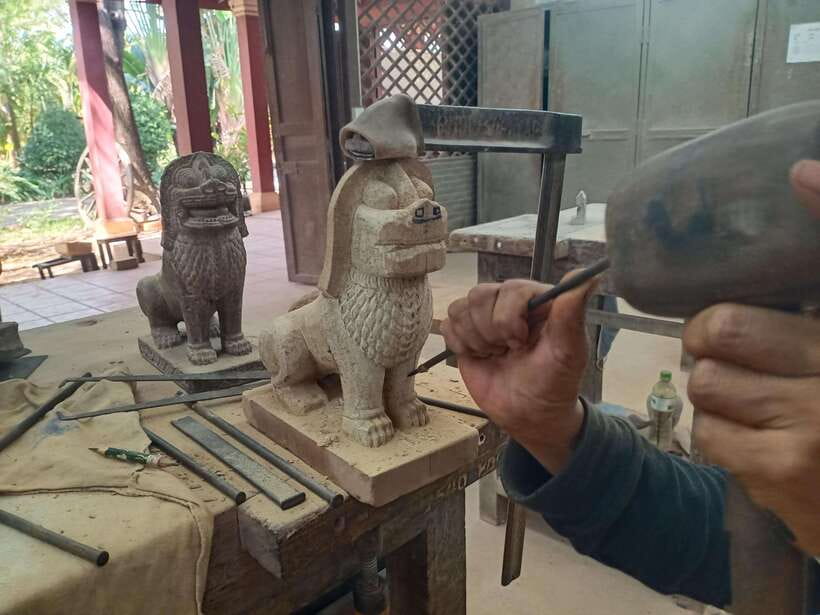
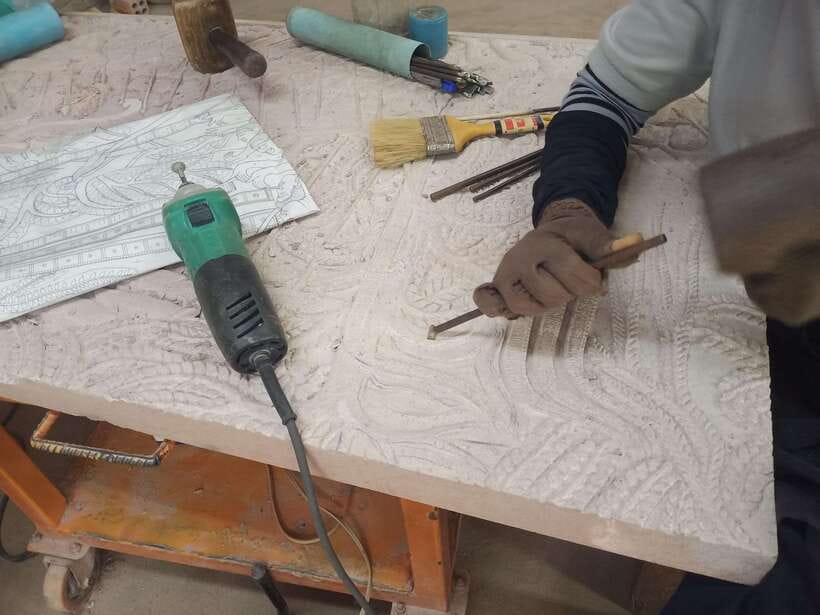
- A wide craft “menu” in one stop, with carving, weaving, lacquer, jewelry, and even silver plating mentioned as part of the know-hows.
- Sustainable Cambodian treasures at Senteurs d’Angkor, focused on local products and responsible practices.
- Artisan work you can watch at Artisan d’Angkor, where handicrafts are made rather than just sold.
- Shopping time with context, so you can buy gifts with a story, not just a price tag.
A four-hour crafts circuit from your Siem Reap hotel
This is a tight half-day tour designed for people who want real craft culture without giving up a whole day. Your day starts with pickup in Krong Siem Reap, then you ride by van between stops. The schedule moves quickly but not chaotically, with multiple on-site blocks of time to look, walk, and watch demonstrations.
Because it’s a private group, you’re not stuck waiting for ten strangers to decide what shade of scarf they want. Your English-speaking driver helps keep the route simple and the timing manageable. Also, you get skip-the-line access via a separate entrance at the craft sites, which is one of those small perks that makes the whole outing feel smoother.
In 4 hours, you’ll hit four craft-focused places: a silk farm, a bamboo handicraft center, a sustainable treasures hub, and a place where local handicrafts are made. That mix matters. If you only visit one factory-style spot, you miss the bigger story of Cambodia’s materials, skills, and finishing touches.
Angkor Silk Farm: from mulberry to woven silk
The tour begins at a silk-focused farm area where you can see how traditional silk fabrics actually get made. This is one of the most satisfying stops because it’s not abstract. You’re guided through the silk story in the order it happens in real life.
You start with the mulberry trees, since mulberry leaves are what the silkworms eat. Then you move through the silkworm lifecycle, and finally you get to the weaving process. It’s simple, but it clicks. When you understand what went into the thread, the final garment stops feeling like a souvenir and starts feeling like a craft product.
Expect a mix of guided explanation and time to look around and take photos. The outdoors parts can be sunny, so bring the practical stuff: sunscreen, a hat, and shoes with grip. If you’re tempted to buy immediately, do it thoughtfully. Silk products vary a lot by weave and finishing, so it helps to know what you’re looking at after seeing the lifecycle first.
One more reality check: the farm stop includes a shopping component. That’s not bad, but it does set a tone for the rest of the day. If you want to compare prices later, take notes mentally while you’re there, then revisit what you like once you’ve seen the other workshops.
More river days and Silk Island crossings
- Siem Reap Lotus Silk Farm Discovery tour & Lake experience★ 4.7 · 291 reviews
- Siem Reap: Lotus Silk Farm- Tour, Lake & Masterclass★ 4.9 · 77 reviews
- Siem Reap: Silk Farm & Countryside Offbeat Jeep Tour★ 4.5 · 11 reviews
- Half Day Trip: Silk Farm, Satcha, and Senteur d’Angkor Tour★ 4.7 · 10 reviews
Satcha Handicraft Center: six bamboo workshops, Khmer-inspired design
Next comes Satcha Handicraft Center, where you’ll see six workshops built exclusively with Cambodian bamboo from Kampong Cham. This is a big part of why the stop feels different. The buildings and workspace reflect a local material story, not just a craft sales floor.
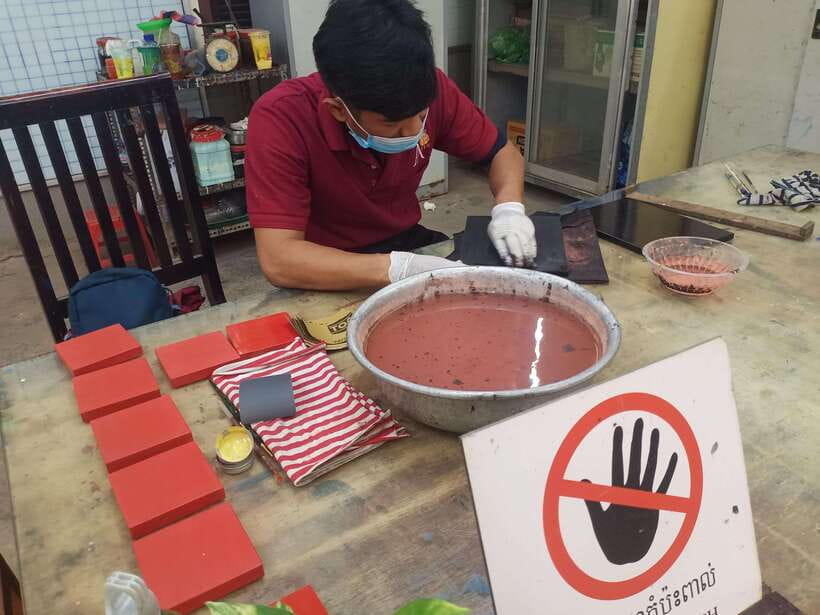
Satcha also has a strong skills network. The center hosts 50+ artisans and supports 15 different know-hows. The list is long, and that’s the point. You get a sense that Cambodian craft isn’t one single tradition. It’s many skills working together, sometimes in the same day, sometimes across the same community.
You might see work and materials connected to:
- carving
- stone, wood, and bamboo work
- leather
- weaving
- rattan and seagrass
- water hyacinth
- silk and cotton
- painting and lacquer
- jewelry
- silver plating
For me, the best value here is the way traditional techniques meet contemporary design inspired by Khmer ornaments. You’re not just looking at items that look old. You’re seeing how heritage motifs can be updated for modern tastes. That makes it easier to buy something you’ll actually wear at home, not just display in a drawer.
And yes, there can be variety in pricing across workshops. One practical tip from experience patterns you’ll likely notice: the first workshop block can be where the most selection and good deals appear. Later stops may feel more focused and price-heavy. If you’re budget-conscious, pick your priorities early and don’t let momentum do the shopping for you.
Senteurs d’Angkor: sustainable Cambodian treasures you can browse
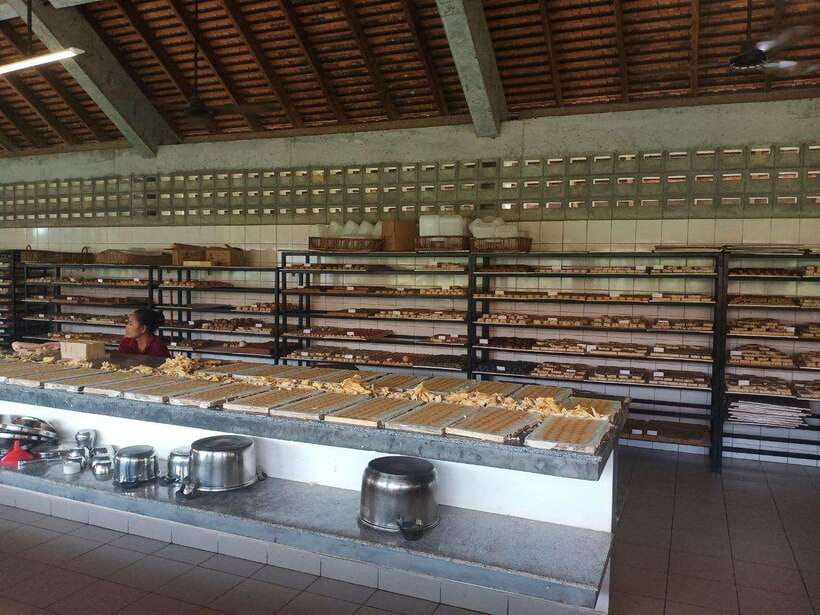
After Satcha, the tour heads to Senteurs d’Angkor, described as a hub for sustainable Cambodian treasures. Think of this as a culture and product stop where you can slow down a bit and browse with purpose.
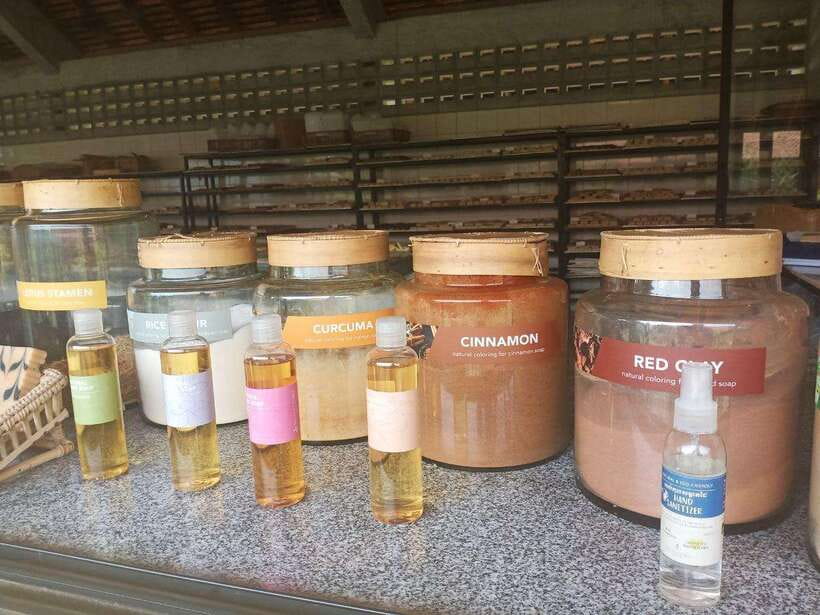
The value here is that “sustainable” is tied to products coming from local artisans and traditional materials. You’re not just wandering through generic souvenirs. You’re learning how the local craft ecosystem produces items you can take home, and you’re seeing how the brand frames those products as part of Cambodia’s ongoing craft identity.
This is also a good time to ask questions. Since your guide is there for the group, use that moment to clarify what’s handmade, what’s finished on-site, and what’s more mass-produced. The tour format keeps you moving, but you can still turn browsing into learning.
If you want to buy gifts, this is where you’ll likely find smaller items, decorative pieces, and other thoughtful add-ons. The trick is to keep your shopping grounded in what you already learned at the silk farm and the bamboo workshops. When your brain has the craft context, you can spot quality more easily.
Artisan d’Angkor: where local handicrafts get made
The final craft stop is Artisan d’Angkor, where local handicrafts are made. This matters because it shifts the day from learning to observing the work in action. Instead of only seeing the end product, you get a sense of the process behind it.
You’ll have guided time to look and walk through the work areas, with shopping mixed into the experience. The tone tends to be practical here: you’re seeing what artisans produce and how the items move from raw craft to finished goods.
A nice bonus is that you can connect what you saw earlier to what you see now. Silk was the thread of the morning, bamboo and building design shaped the middle, and now you get the broader local handcraft picture at the end. By the time you’re here, you’ve usually got a sense of what you’re attracted to, whether that’s textiles, decor, jewelry-style items, or other artisan goods.
If you’re sensitive to high-pressure sales, this last stop is still a craft market environment, so stay in control. Browse first, ask how it’s made, then buy. You’re spending money, so spend attention too.
Price and value: what $25 for up to 2 really buys you
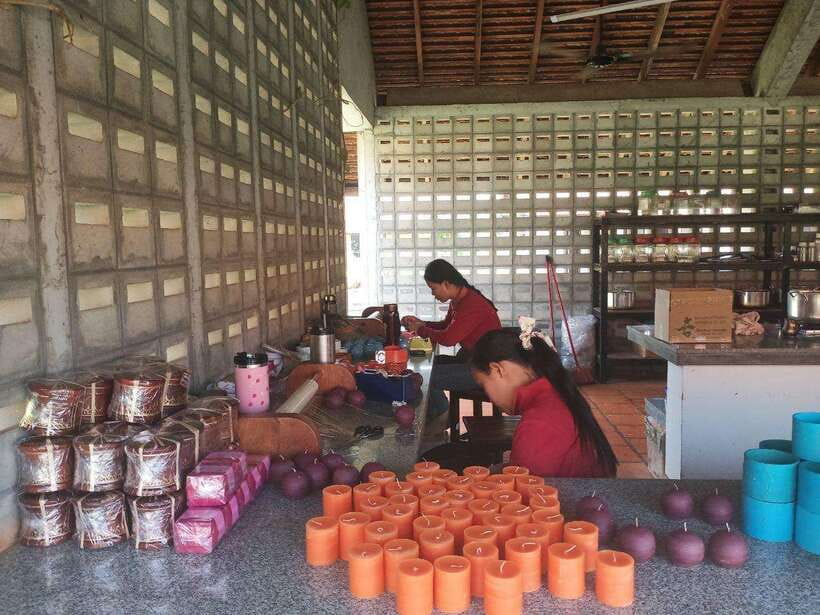
The price is listed as $25 per group up to 2 for the 4-hour experience. On paper, that can sound like a simple “cheap half-day.” In practice, the value comes from the number of stops you get in one go, plus the guided explanations and hotel pickup.
You’re not just visiting one craft location. You’re doing four distinct experiences: a silk farm, the Satcha bamboo workshop center, Senteurs d’Angkor, and Artisan d’Angkor. That’s a lot of on-site time, and it’s exactly the kind of route that can be expensive if you piece it together on your own with separate admissions and taxis.
There’s also a hidden value: time. Pickup and drop-off remove the planning headache. Separate entrance access reduces waiting. And because the tour is private, you avoid the “everyone moves at a different speed” problem.
One caution on value: pricing of products varies by workshop and item type. A review pattern you should take seriously is that some workshop areas can feel more expensive than others. If you’re planning to buy, treat the tour like a guided showroom. Let the explanations help you judge value, not just the label price.
Other farm visits around Siem Reap



How to shop smarter without turning it into a chore
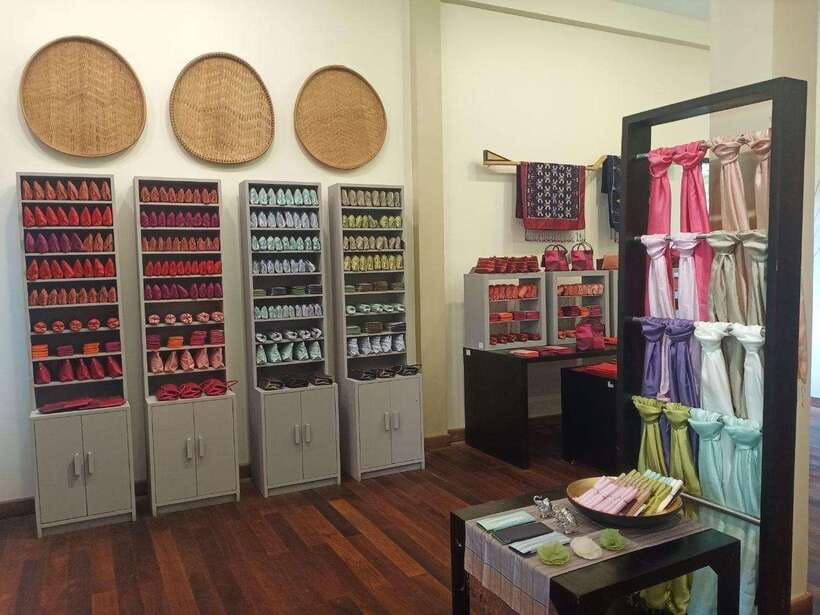
Shopping is part of this tour, so decide how you want to handle it before you start. I like to pick one “main buy” and one “small add-on,” then stop there. That keeps the process fun instead of stressful.
Here are practical ways to shop smarter:
- Start with what you learned. After the silk farm, you’ll have a clearer sense of what silk production involves. Use that knowledge when comparing items.
- Prioritize early craft stops. The tour often hits selection-rich workshops first. If you see a good deal you truly love, grab it rather than assuming the best price is always last.
- Ask what’s handmade versus finished elsewhere. Your guide can help you interpret what you’re seeing on-site.
- Don’t buy solely based on how pretty it looks. If the craft process is clear to you, quality tends to show up in texture, weave, and finishing.
Also, keep your travel reality in mind. Bring a camera, but plan for how gifts will fit into your luggage. Silk and craft items can be lightweight but bulky, depending on what you choose.
Timing, comfort, and what to bring (so you stay relaxed)
This tour is about movement. There’s walking, outdoor time for the farm, and multiple stops with guided viewing and browsing. The most important comfort items are the ones the tour suggests: comfortable shoes, a hat, sunscreen, and your camera.
Because food and drinks are not allowed during the tour, plan your morning or your schedule so you’re not hungry at the worst time. The tour doesn’t list meals as included, so you’ll want breakfast and water strategy outside the craft sites.
One small but useful planning tip: wear clothes you don’t mind getting a little warm. You’re moving between places and spending time looking closely at displays. If you’re photographing, set aside a bit of time at each stop to reset your camera settings and avoid rushing.
Who should book this half-day crafts tour, and who should skip it
This experience is best for you if you like hands-on learning, want to understand how traditional Cambodian crafts are made, and enjoy browsing for gifts with a story. It’s also ideal for people who want a guided route through multiple specialty craft stops without dealing with transportation logistics.
You might also like it if you’re the type who cares about materials. The tour specifically ties the silk journey to the mulberry-silkworm-weaving chain, and it ties Satcha’s workshops to bamboo construction from Kampong Cham. Those are concrete, material-first details.
Who should consider skipping? The tour is not suitable for wheelchair users, and the walking and outdoor parts can be tough for anyone with mobility issues. If you need full accessibility support, you’ll want to look for a different format.
Should you book Silk Farm, Senteur Angkor, and Satcha Workshop?
If you have only half a day in Siem Reap and you want craft culture that feels real, I think this tour is a strong buy. You get a meaningful silk farm explanation, a well-structured stop at Satcha with bamboo-built workshops and a wide set of artisan skills, and then two additional craft hubs that help you see the bigger ecosystem of Cambodian handiwork.
Book it if you’re excited by process, not just product. The silkworm lifecycle and weaving piece is the kind of detail that makes your shopping decisions easier and more confident.
Skip it if you hate markets, dislike shopping stops, or need an accessibility-friendly route. This is a craft and buying experience, not a quiet museum morning.
FAQ
What is the duration of this experience?
It lasts about 4 hours.
Where does the tour take place?
It operates in Siem Reap Province, Cambodia.
How much does it cost?
The price is $25 per group for up to 2 people.
What does hotel pickup and drop-off include?
Pickup and drop-off are provided, with pickup listed in Krong Siem Reap.
Are meals included?
No. Meals are not included.
Is there shopping during the tour?
Yes. Shopping is part of multiple stops.
What craft sites do you visit?
You visit a silk farm, Satcha Handicraft Center, Senteurs d’Angkor, and Artisan d’Angkor.
What should I bring?
Bring comfortable shoes, a hat, a camera, and sunscreen.
What is not allowed during the tour?
Smoking is not allowed. Food and drinks are also not allowed during the tour.
Is the tour accessible for wheelchair users?
No. It is not suitable for wheelchair users.
What if I need to cancel?
Free cancellation is available up to 24 hours in advance for a full refund.
Other Farm Gates Worth Opening
- Siem Reap Lotus Silk Farm Discovery tour & Lake experience★ 4.7 · 291 reviews
- Siem Reap: Lotus Silk Farm- Tour, Lake & Masterclass★ 4.9 · 77 reviews
- Angkor Silk Farm & Lotus Silk Farm: Siem Reap Discovery Tour★ 4.8 · 68 reviews
- Siem Reap: Khmer Water Blessing by Monk and Lotus Farm Visit★ 5.0 · 15 reviews
More Tour Reviews in Siem Reap
- Angkor Wat Sunrise or Sunset Tour with Guide from Siem Reap★ 5.0 · 12,109 reviews
- Siem Reap: Angkor Wat: Small-Group Sunrise or Sunset Tour★ 5.0 · 9,444 reviews
- From Siem Reap: Kampong Phluk Floating Village Tour by Boat★ 4.9 · 6,979 reviews
- Siem Reap: Angkor Wat 2-Day Tour with Sunrise and Sunset★ 4.9 · 4,429 reviews
Other Days Given to the Mekong
- Siem Reap Lotus Silk Farm Discovery tour & Lake experience★ 4.7 · 291 reviews
- Siem Reap: Lotus Silk Farm- Tour, Lake & Masterclass★ 4.9 · 77 reviews
- Angkor Silk Farm & Lotus Silk Farm: Siem Reap Discovery Tour★ 4.8 · 68 reviews
- Siem Reap: Silk Farm & Countryside Offbeat Jeep Tour★ 4.5 · 11 reviews
Newly written up around Siem Reap
- Waterfall & River of 1000 Siva Linga- Kulen Mountain Private Tour
★ 5.0 · 3 reviews - Private Transfer from Siem Reap to Sihanoukville
★ 4.5 · 3 reviews - Private Tour to Koh Ker and Beng Mealea
★ 5.0 · 3 reviews - Private Transfer: Siem Reap Angkor Internation Airport to Hotel
★ 5.0 · 3 reviews - Kulen National Park Ticket -Waterfall & 1000 Lingas
★ 5.0 · 3 reviews - Kulen Waterfall & Kbal Spean Tour
★ 5.0 · 3 reviews
Mekong River & Silk Island Tours, side by side.
 ★ 5.0Phnom Penh Silk Island Bike Tour/ E-Bike or Tuk TukFrom $35495 reviews
 ★ 4.7Siem Reap Lotus Silk Farm Discovery tour & Lake experienceFrom $20291 reviews
 ★ 4.7Mekong Sunset Dinner Cruise with Live MusicFrom $9261 reviews
 ★ 5.0Silk Island Cycling Adventure & lunch with localsFrom $45246 reviews
 ★ 5.0Cycling Adventure on Islands of the MekongFrom $65225 reviews
 ★ 5.0Phnom Penh to Silk Island By Tuk-Tuk with local ExpertFrom $29165 reviews
 ★ 4.8Oudong Mountain – Phnom Penh Former Capital Private Day TourFrom $40146 reviews
 ★ 5.0Phnom Penh Silk Island Vespa Tour / Tuk Tuk AvailableFrom $29102 reviews
Also appears in