
REVIEW · CAMBODIA
Traditional Khmer Water Blessing by Monk and Lotus Farm Visit
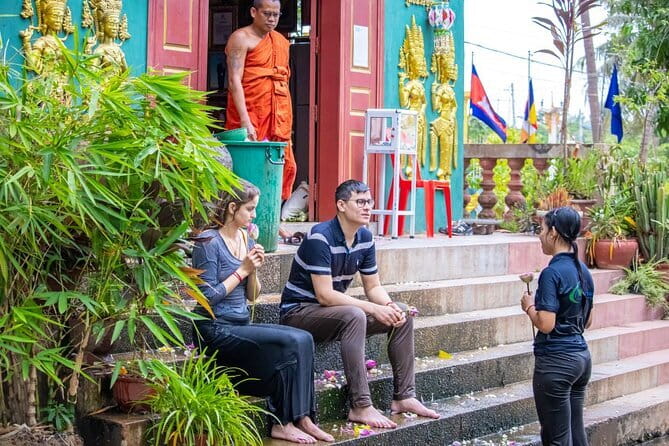
One simple ritual can change how you see a place. This Traditional Khmer Water Blessing and Lotus Farm visit blends spiritual stops, real local routines, and time outdoors near the Tonle Sap Lake area. I like that you are not just watching from the side, you actually take part in the ceremony. You also get a practical cultural primer from your guide, so the chanting and symbols make sense.
Two things I really appreciate: the monk-led blessing feels personal and respectful, and the lotus farm visit adds calm, hands-on context for Cambodian beliefs and daily life. The one drawback to plan around is that this experience depends on good weather, so you may need flexibility if conditions are not ideal.
In This Review
- Key highlights you will feel fast
- A monk water blessing in Siem Reap, what makes it special
- Pickup, tuk-tuk transport, and your half-day rhythm
- Royal Residence and the spiritual house you learn to read
- Psar Chaa old market snack stop, fried banana and sweet potato
- Lotus farm along the road to Tonle Sap Lake
- Wat Po Banteaychey, temple structure and what you learn before the blessing
- The Khmer water blessing, how it works and how to participate respectfully
- What is included at a glance, and why it feels like value at $70
- Group size, questions, and choosing the right mindset
- What to wear and how to be prepared on ceremony day
- Who should book this tour, and who might skip it
- Should you book the Traditional Khmer Water Blessing and Lotus Farm visit?
- FAQ
- What is the duration of this experience?
- Where does this tour take place?
- Is pickup from my hotel included?
- How many people are in the group?
- What language is the guide?
- What is included in the tour price?
- Are there any snacks during the tour?
- Do I get to participate in the water blessing?
- What should I do after the blessing?
- What happens if the weather is poor?
- Is there free cancellation?
Key highlights you will feel fast
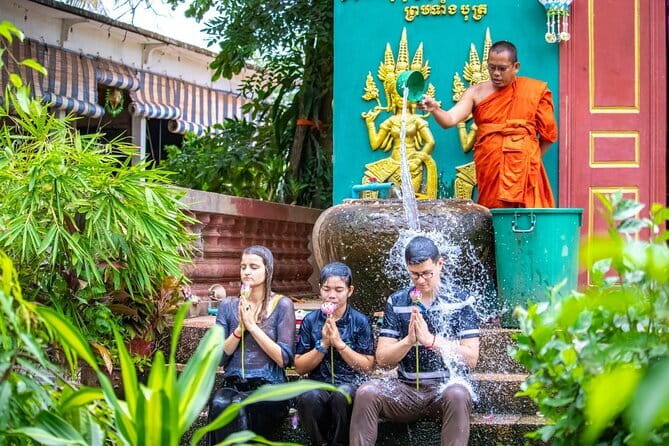
- Monk-led Khmer water blessing where you can make wishes for good fortune, pleasure, or health
- Women-led, locally guided vibe with guides such as Hong and Bo sharing lived-in context
- Lotus farm scenery with a guide explaining farming and harvesting along the way to Tonle Sap Lake
- Temple education first, so Wat Po Banteaychey is more than a photo stop
- Low-key tuk-tuk transport on a route that stays manageable for a half-day feel
A monk water blessing in Siem Reap, what makes it special
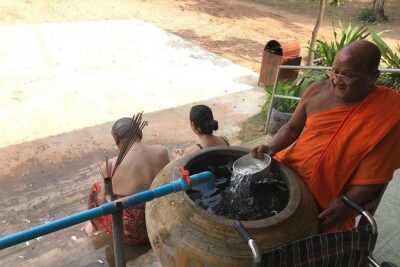
If you have ever wondered how religion works in everyday life, this is the kind of activity that gives you an answer you can feel in your body. In Siem Reap, the big temples can look timeless, but a monk water blessing is time-specific. It happens in the moment, with chanting, with a guide translating what you are seeing, and with a ceremony that centers on wishes.
What I like is the pacing. You are not rushed straight into the ritual. You build up context first, then you change clothes afterward and keep wandering around the pagoda area. That means the blessing does not end the experience, it becomes the start of a more grounded visit to the temple world.
There is also a small group limit, up to 15 people. That matters. With a smaller group, you have a better chance to ask questions and to take your time during the quieter temple moments.
Pickup, tuk-tuk transport, and your half-day rhythm
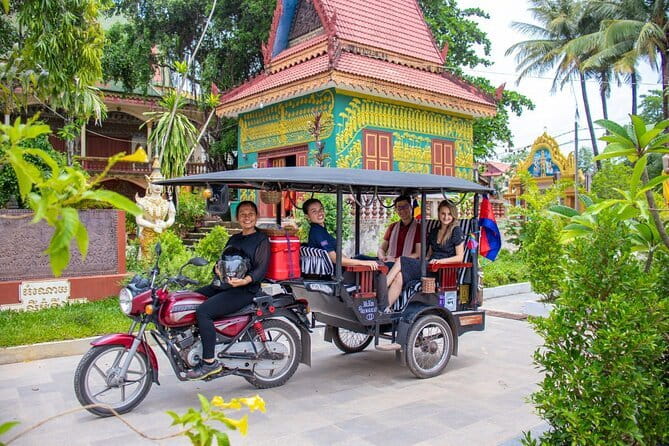
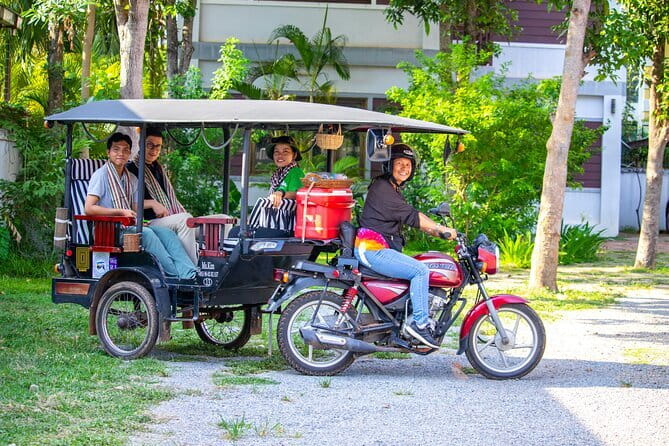
Most Siem Reap tours feel like a checklist. This one feels like a guided loop. Hotel pickup is offered, and the exact time depends on where you stay, which is helpful if you are not in the center. Then you ride in a tuk-tuk (remork) with your local driver and English-speaking guide.
The transport choice is more than a gimmick. A tuk-tuk tends to keep the mood casual, and the ride supports the small pauses you get along the way. You will also stop long enough at key places to transition from one part of the day to the next without feeling like you are sprinting across town.
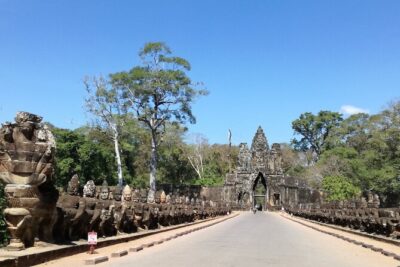
Plan for a 3 to 4 hour window. That is long enough to do meaningful stops, but short enough that you are still free later for Angkor ruins, dinner, or a sunset walk if you want it.
Other quiet mornings at the pagodas
- Siem Reap: 1-Hour Cambodian Buddhist Water Blessing★ 4.9 · 68 reviews
- Monk Blessing Ceremony in Siem Reap★ 5.0 · 24 reviews
- Private Guided Angkor Wat Tour by Lady Tuk Tuk with Monk Blessing★ 5.0 · 19 reviews
- Siem Reap: Khmer Water Blessing by Monk and Lotus Farm Visit★ 5.0 · 15 reviews
Royal Residence and the spiritual house you learn to read
Your first major cultural stop is the Royal Residence, and specifically the spiritual house area linked with Phreah Ang Chek and Phreah Ang Chom. This is where your guide’s role becomes important. Without a bit of explanation, a lot of “important buildings” blur together.
Here, the guide gives you a tour and explains what you are looking at, including how the site relates to local spirituality. I like this because it keeps you from treating the day as only sightseeing. You start noticing how Cambodian belief shows up in built spaces, not just in ceremonies.
You should expect a short but focused stop. The goal is not to overwhelm you. It is to help you understand the theme of the day: spirituality is structured, practiced, and integrated into daily life.
Psar Chaa old market snack stop, fried banana and sweet potato
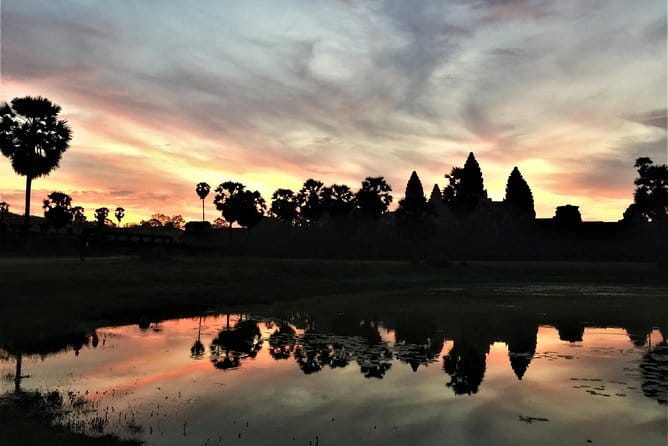
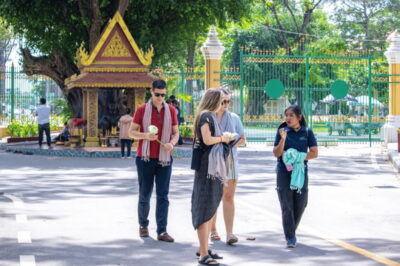
Then you head to Psar Chaa, the old market area. Right away, you meet a long-running fried banana business owner. You get to try fried banana and sweet potato as your first snack.
This is the part of the tour that feels like a real daily rhythm. You are not eating a packaged “tour snack.” It is a small taste that ties the day to local streets and the food people actually buy, not just what is served for tourists.
It is only a brief stop, but it is a smart one. Food early helps if you are going to be in temple areas later and you want to stay comfortable. It also gives you something to focus on besides chanting and religious terms.
Lotus farm along the road to Tonle Sap Lake
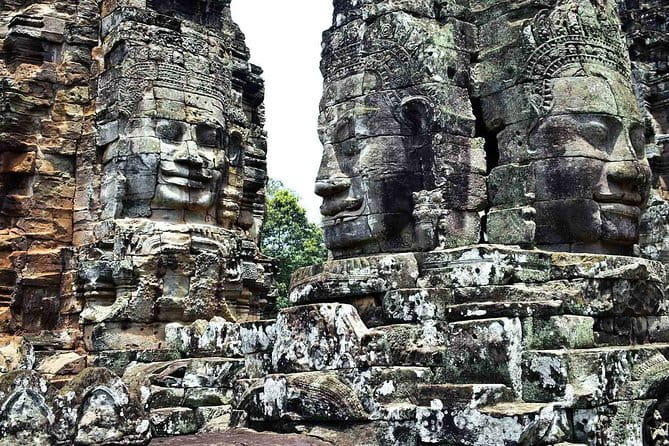
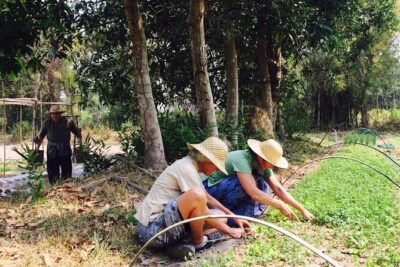
Next comes the lotus farm segment. As you travel, you start seeing lotus fields and ponds along the road toward the Tonle Sap Lake direction. Even if you do not know anything about lotus symbolism, the fields do the work for you. They create a calm visual break between temple stops.
At the lotus farm, your guide explains how lotus farming works, including harvesting and what the plant provides. You get a 30-minute visit that is long enough to look around and ask questions, but not so long that it drags.
This stop is a big value point. It is included in the tour cost through the entrance fee, and it connects the day’s themes. Lots of Cambodian spirituality is tied to the natural world, and lotus plants are one of the simplest ways to see that connection.
Wat Po Banteaychey, temple structure and what you learn before the blessing
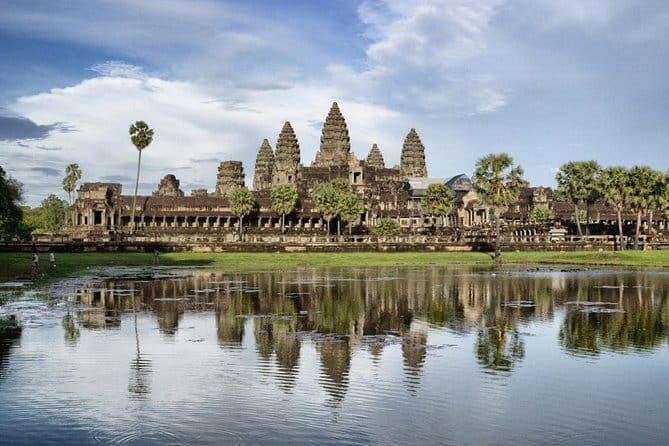
Before the water blessing, you visit Wat Po Banteaychey. This is where you get the best “why” part of the day. You learn about Buddhist belief, the role and structure of a local temple, and what happens during temple activities.
I strongly recommend you treat this time as the key to the whole ceremony. When your guide explains the basics first, the ritual stops feel less like theater and more like meaning made visible. It also helps you know what behaviors are expected, and how to be a respectful visitor.
Your guide also helps you get ready for the blessing itself. That matters because water blessing ceremonies have a specific flow, and you will feel calmer if you know what to expect.
Other farm visits around Siem Reap
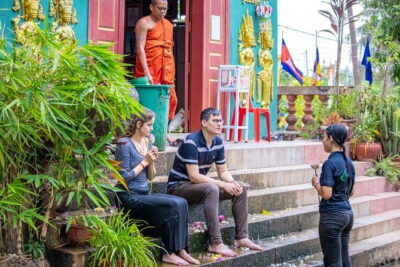
The Khmer water blessing, how it works and how to participate respectfully
This is the main event: a traditional Khmer water blessing led by a monk. The ceremony includes chanting and the monk sprinkling or pouring holy water over you.
You will have a chance to make wishes. The tour describes wishes related to good fortune, pleasure, or health. In practical terms, that means you should think of what you want to ask for before you enter, even if it is simple. Quiet intentions fit well with this kind of ceremony.
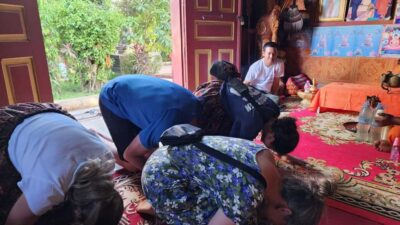
You are also supported during the process. The tour includes a monk offering and donations, so you are not left scrambling for what is appropriate. Your guide can also help you with questions. That can be the difference between feeling awkward and feeling grounded.
After the blessing, you change your clothes and then get ready to wander around the pagoda area. That is a nice touch. It turns the day into a continued visit rather than a one-and-done moment.
What is included at a glance, and why it feels like value at $70
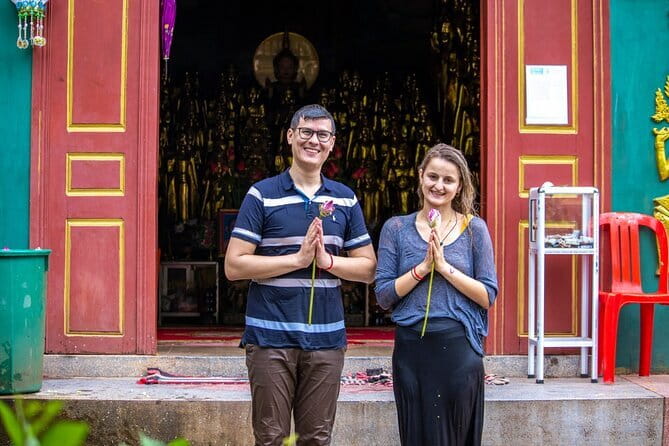
For $70, you are paying for more than a ritual. You are getting a guided cultural circuit with transportation, included site visits, and ceremony participation support.
Included highlights:
- Local English-speaking guide
- Transportation in tuk-tuk
- Cold water and local snacks
- Monk offering and donations
- Lotus farm entrance fee
The value here is the combination. You are not just paying for the monk moment, you are also paying for the guide time at the Royal Residence and the temple, plus the practical help during the water blessing itself.
If you were to do these pieces independently, you would likely pay for multiple entrances, a private guide, and separate transport. So while $70 is not “cheap,” it is a fair price for a structured half-day with real local access.
Group size, questions, and choosing the right mindset
The group limit of 15 is one of the reasons this tour tends to work well. You can keep a respectful pace without feeling like you are constantly moving with a crowd.
Come with curiosity. Ask about the meaning of what you see, how temples function day to day, and what lotus farming has to do with the symbolism you notice. Guides in this program, like Hong and Bo, are described as sharing stories that make the day feel personal, not scripted.
Also, keep your expectations realistic. This is not a long multi-day retreat. It is a short, structured cultural experience with a clear purpose, and that is exactly why it fits well into a busy Siem Reap itinerary.
What to wear and how to be prepared on ceremony day
You will be changing your clothes after the blessing, so plan for that part of the day. Wear comfortable clothing for temple areas before the ceremony.
Because you will be in religious spaces, keep your clothing respectful. If you are unsure, bring something easy to adjust or cover. Your guide can advise, but having a simple plan saves stress.
Also bring a small bag for items you want to keep dry or secure. The ceremony involves water, and it is better to be practical than to gamble.
Who should book this tour, and who might skip it
This is a great fit if you want:
- A Buddhist ceremony with real participation, not just a viewpoint
- A guide who can explain meaning at the stops, especially before the blessing
- A mix of spirituality and nature, through the lotus farm and temple areas
Skip it if you only want Angkor ruins and nothing else. This tour is culture and faith-focused, not ruin-focused.
Should you book the Traditional Khmer Water Blessing and Lotus Farm visit?
I think it is worth booking if you want a meaningful Siem Reap moment that is shorter than a full day, and you like understanding what you are seeing. The ceremony itself is the headline, but the best part is how the guide helps you interpret it before the monk begins chanting.
Book it sooner rather than later if your schedule is tight, and be mindful of weather since this experience depends on good conditions. If you have ever felt that Cambodia’s spirituality is hard to read as a visitor, this tour gives you a guided way to do it, with a calm pace and a tuk-tuk route that keeps the day from getting exhausting.
FAQ
What is the duration of this experience?
It runs about 3 to 4 hours.
Where does this tour take place?
It takes place in Siem Reap, Cambodia.
Is pickup from my hotel included?
Hotel pickup is offered, and the exact time depends on where you are staying.
How many people are in the group?
The group has a maximum of 15 travelers.
What language is the guide?
You get a local English-speaking tour guide.
What is included in the tour price?
Transportation by tuk-tuk, a local guide, cold water and local snacks, monk offering and donations, and the lotus farm entrance fee are included.
Are there any snacks during the tour?
Yes. You get cold water and local snacks, including fried banana and sweet potato.
Do I get to participate in the water blessing?
Yes. A monk chants and sprinkles or pours holy water over you, and you can make wishes during the ceremony.
What should I do after the blessing?
Afterward, you change your clothes and then you can wander in the pagoda area.
What happens if the weather is poor?
The experience requires good weather. If it is canceled due to poor weather, you will be offered a different date or a full refund.
Is there free cancellation?
Yes. You can cancel up to 24 hours in advance for a full refund.
Other Farm Gates Worth Opening
- Siem Reap Lotus Silk Farm Discovery tour & Lake experience★ 4.7 · 291 reviews
- Siem Reap: Lotus Silk Farm- Tour, Lake & Masterclass★ 4.9 · 77 reviews
- Angkor Silk Farm & Lotus Silk Farm: Siem Reap Discovery Tour★ 4.8 · 68 reviews
- Siem Reap: Khmer Water Blessing by Monk and Lotus Farm Visit★ 5.0 · 15 reviews
More Tour Reviews in Siem Reap
- Angkor Wat Sunrise or Sunset Tour with Guide from Siem Reap★ 5.0 · 12,109 reviews
- Siem Reap: Angkor Wat: Small-Group Sunrise or Sunset Tour★ 5.0 · 9,444 reviews
- From Siem Reap: Kampong Phluk Floating Village Tour by Boat★ 4.9 · 6,979 reviews
- Siem Reap: Angkor Wat 2-Day Tour with Sunrise and Sunset★ 4.9 · 4,429 reviews
More Pagoda Mornings
- Siem Reap: 1-Hour Cambodian Buddhist Water Blessing★ 4.9 · 68 reviews
- Monk Blessing Ceremony in Siem Reap★ 5.0 · 24 reviews
- Private Guided Angkor Wat Tour by Lady Tuk Tuk with Monk Blessing★ 5.0 · 19 reviews
- Siem Reap: Khmer Water Blessing by Monk and Lotus Farm Visit★ 5.0 · 15 reviews
Newly written up around Siem Reap
- Waterfall & River of 1000 Siva Linga- Kulen Mountain Private Tour
★ 5.0 · 3 reviews - Private Transfer from Siem Reap to Sihanoukville
★ 4.5 · 3 reviews - Private Tour to Koh Ker and Beng Mealea
★ 5.0 · 3 reviews - Private Transfer: Siem Reap Angkor Internation Airport to Hotel
★ 5.0 · 3 reviews - Kulen National Park Ticket -Waterfall & 1000 Lingas
★ 5.0 · 3 reviews - Kulen Waterfall & Kbal Spean Tour
★ 5.0 · 3 reviews
Monk Blessings & Monastery Visits, side by side.
 ★ 5.0Phnom Penh City Tour, Silver Pagoda, Genocide Museum, Killing FieldsFrom $65123 reviews
 ★ 4.91-Hour Cambodian Buddhist Water BlessingFrom $3768 reviews
 ★ 5.0Oudong Mountain History and Pagoda TourFrom $11039 reviews
 ★ 5.0Monk Blessing Ceremony in Siem ReapFrom $4524 reviews
 ★ 5.0Private Guided Angkor Wat Tour by Lady Tuk Tuk with Monk BlessingFrom $3719 reviews
 ★ 5.0Khmer Water Blessing by Monk and Lotus Farm VisitFrom $5515 reviews
 ★ 5.0Siem Reap Cambodian Buddhist Water Blessing and Local MarketFrom $1913 reviews
★ 4.8Siem Reap Cambodian Buddhist Water Blessing and Local MarketFrom $5411 reviews
★ 5.0Siem Reap Cambodian Buddhist Water Blessing and Local MarketFrom $1913 reviews
★ 4.8Siem Reap Cambodian Buddhist Water Blessing and Local MarketFrom $5411 reviews
Also appears in