
REVIEW · TONLÉ SAP
Bird Watching at Tonle Sap Forest and Lotus Farm Siem Reap
Tonle Sap birding starts early for a reason, the light is magic and the birds wake up fast. You’ll cruise around the wetland with an expert guide at Peraing Biodiversity Conservation Center, and you’ll also stop at the Lotus Silk Farm to see how lotus plants connect to daily Cambodian life. One tradeoff to know up front: sunrise means an early pickup, and in hot months you may feel the day quickly, even with A/C during transfers.
I especially like how calm and conservation-focused this area feels, not like a loud, touristy zoo. I also like the mix of water birds and wetland wildlife, since the center is home to wetland and water birds, reptiles, and even “mother fish” as part of its conservation work. If you’re hoping for a full-day city tour, this is more nature and observation than temples and shopping.
This is a private setup, so it works well if you want your pace and your questions answered, plus you’re not stuck watching through other groups’ shoulders.
In This Review
- Quick highlights
- Tonle Sap birding, minus the chaos
- Getting moving: sunrise at 5:00 am or sunset around 13:00
- Pearaing Biodiversity Conservation Center boat cruise: what you actually do
- Watching smarter: how to get more from the wetlands
- Stop 1 in Siem Reap: short arrival time, long payoff
- Lotus Silk Farm in 1 hour: a gentle cultural add-on
- Comfort and guide support: private, A/C, and built for questions
- Price check: is $70 per person fair for what you get?
- Best season and timing: when birding is easiest
- Who should book this tour, and who should skip it
- Should you book this birding day at Tonle Sap?
- FAQ
- How long is Bird Watching at Tonle Sap Forest and Lotus Farm?
- What time is hotel pickup?
- What is included in the price?
- Is the tour private?
- What is the best time of year for bird watching?
- Is tipping included?
- Can I get a refund if I cancel?
Quick highlights
- 5:00 am sunrise or 13:00 sunset pickup keeps the timing birders care about front and center
- Boat cruising at Boeng Pearaing gives you a moving vantage point over Tonle Sap’s wetlands
- A/C transport plus hotel pickup and drop-off takes the stress out of early starts
- A conservation center that includes more than birds (reptiles and fish are part of the story)
- Lotus Silk Farm stop for culture in 1 hour, with snacks and drinks included
- Guides Seki and Parith are repeatedly praised for energy, facts, and making the experience feel personal
Tonle Sap birding, minus the chaos
Tonle Sap is huge, seasonal, and famously alive with water. That matters because birds don’t just show up for you, they follow food, cover, and timing. At the Pearaing area, you’re watching that whole wetland system work in real time.
This center is about 13 km southeast of Siem Reap, and it’s described as one of the closest bird watching areas to town. That proximity is a practical win. You get nature without losing half your day in travel, and you can still make the most of early morning light.
Also, this isn’t marketed as a “collecting sightings” kind of trip. It’s framed as biodiversity and conservation, and that changes how the morning feels. When you understand the setting, you watch longer, not just harder.
Getting moving: sunrise at 5:00 am or sunset around 13:00
There are two timing options, and both are designed around bird activity. For the sunrise experience, pickup is at 5:00 am from your hotel in Siem Reap. For the sunset option, pickup is around 13:00 noon.
Why this matters: early light helps birds show better movement, and it usually makes spotting easier. If you’re the kind of person who checks the weather even on vacation, you’ll probably love that the tour itself is built around natural rhythms.
One consideration is that a 5:00 am pickup is not subtle. Even if you get A/C during the ride, your body still feels the early start. If you want maximum comfort, plan to go to bed earlier the night before and bring a light layer for dawn.
More time on the lake, other boats
- From Siem Reap: Kampong Phluk Floating Village Tour by Boat★ 4.9 · 6,979 reviews
- Kompong Phluk Floating Village Half-Day Tour ( Morning / Sunset )★ 5.0 · 1,494 reviews
- Siem Reap: Kulen Mountain, Beng Mealea and Tonle Sap Tour★ 5.0 · 1,483 reviews
- Tonle Sap Lake & Kampong Phluk Village Half-Day Tour★ 5.0 · 1,045 reviews
Pearaing Biodiversity Conservation Center boat cruise: what you actually do
The heart of the experience is your time at Peraing Biodiversity Conservation Center and the boat cruise at Boeng Pearaing. The format is simple: you get onto the water, the boat slowly cruises around the wetland, and you observe birds in their real habitat.
From the description, the center supports a hundred species of wetland and water birds, plus reptiles and “mother fish.” That broader ecosystem matters because it affects what you notice. Even when the birds are the main event, you’ll likely pick up other wildlife cues, and that tends to make the time fly.
Boat pace is part of the value. A slow cruise keeps you steady, it reduces noise, and it lets your guide track what’s worth focusing on. If you’re used to fast tours where you glance and go, this feels more like observation.
Admission for the conservation center is included, so you’re not nickel-and-dimed once you arrive. That’s a small thing, but it keeps the experience smooth.
Watching smarter: how to get more from the wetlands
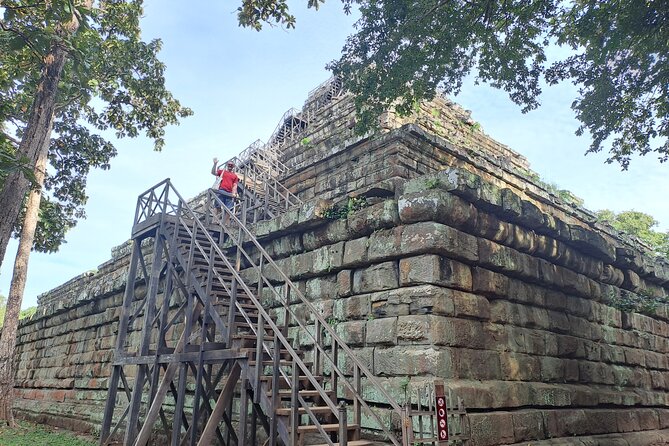
If you want more than “I saw birds,” you need a plan for what to look for. Your guide is there to help, and the feedback highlights guides like Seki and Parith for energy and knowledge sharing, and Parith for deep understanding. That kind of guide makes it easier to connect bird shapes and behaviors to what you’re seeing.
Here are practical moves that work well in wetland birding:
- Bring a pair of binoculars if you have them. If you don’t, you might still spot birds well from the boat, but binoculars make the trip feel richer.
- Keep your attention on movement, not just feathers. Many birds reveal themselves by motion, then you identify.
- Expect different bird behavior at sunrise versus sunset. Birds aren’t static decorations. They feed, perch, and shift, and those changes help you learn.
Also, don’t ignore the “where.” Wetlands create edges, islands, and sheltered spots. Even without advanced birding skills, you can often improve your odds by watching the edges where water meets vegetation.
If you’re lucky, you’ll catch moments that feel like the whole scene turns on at once. That’s the kind of morning birders chase.
Stop 1 in Siem Reap: short arrival time, long payoff
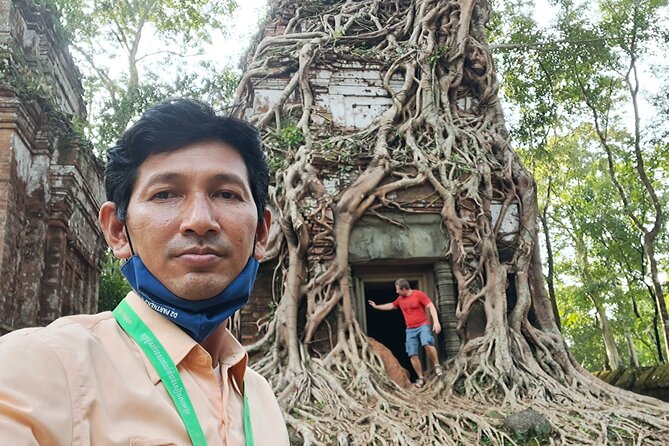
Stop 1 is basically your start point in Siem Reap, with hotel pickup and the day getting rolling. There’s a brief admission-ticket-free stop component built into the schedule, and the bigger message here is timing.
For sunrise, you’re leaving early. For sunset, you’re leaving midday. Either way, your day is structured so you arrive at the birding area with enough time to actually watch, not just transfer.
A practical note: early pickup can feel like you’re missing breakfast. If you’re sensitive to that, set expectations. You’re choosing bird time over sleep, and you’ll probably feel it in the first hour.
Lotus Silk Farm in 1 hour: a gentle cultural add-on
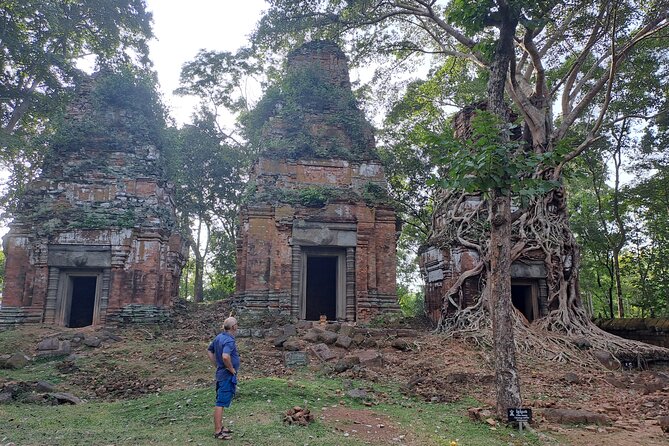
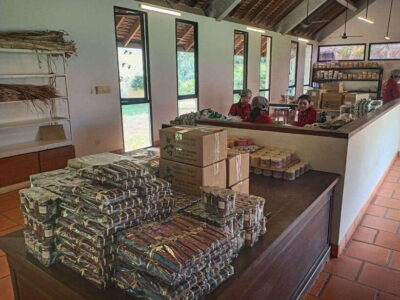
After the bird time, the tour shifts gears for a shorter stop at Lotus Silk Farm and Lotus Farm (by Samatoa). This is an authentic lotus experience, and the description calls out blooming lotus, plus snacks and drinks.
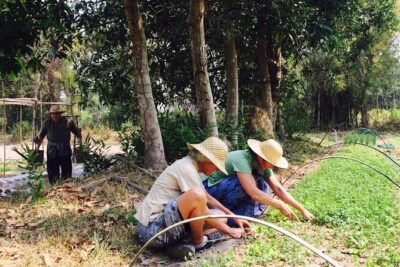
In one hour, you’re not getting a full agriculture course, but you do get interactive exhibits and demonstrations about Cambodian agri-culture and daily living. That’s a smart pairing with birding because it gives you a land-and-water connection. Lotus grows where conditions are right, and in a wetland region, plants and birds are tied together.
If you’re thinking “I came for birds,” you’ll still likely enjoy this. It’s calm, it breaks up the pace, and it adds context for what you just watched. The admission for this stop is listed as free as well, so it doesn’t feel like an extra paid detour.
Other farm visits around Siem Reap

Comfort and guide support: private, A/C, and built for questions
This is a private tour, meaning only your group participates. That matters because birding is personal. Some people want to linger. Others want the guide to focus on species spotting. Private time makes that easier.
Transport is in a good air-conditioned car or minivan, and tuk-tuk is available upon request. That’s helpful because Siem Reap roads can be unpredictable, and early mornings can feel rough if you’re crammed in a hot vehicle.
The guide is an important piece. The feedback emphasizes passionate nature guidance, energy, and knowledge sharing. When your guide can explain what you’re seeing, the experience stops being luck and starts being understanding.
Also, your group gets pickup and drop-off at the hotel in Siem Reap, and that reduces the stress of coordinating transport on your own. With early starts, convenience is value.
Price check: is $70 per person fair for what you get?
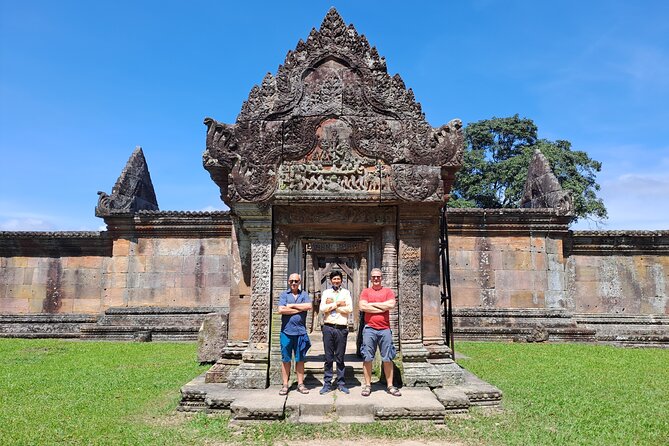
At $70 per person, you’re paying for a specific experience: early or late departures, private guide time, A/C transport, boat sightseeing, and included admission at the conservation center. You’re also getting a nature setting that’s described as one of the closest bird watching areas from Siem Reap, which helps justify the time and cost.
If you tried to DIY this day, you’d still need reliable transport, entry planning, and someone to interpret what you’re seeing. Those pieces are exactly what the tour organizes for you. The lotus farm add-on is extra bonus time, especially since snacks and drinks are included.
One cost-related thing to plan for: gratuities are not included. That’s normal in Cambodia, but it does mean you should budget for tipping your guide and driver.
Overall, for a half-day nature outing with boat time and private attention, this price looks fair. It’s not a bargain safari deal, but it also doesn’t pretend to be a premium luxury experience. It’s an efficient, practical value.
Best season and timing: when birding is easiest
The tour notes a birding season recommendation: for best time to visit birds on dry season, March to May each year. That’s a helpful planning anchor because wetlands change with season. In the dry months, you may get better access and more predictable bird activity patterns.
What you should do with that info: if you’re traveling outside March to May, you can still book and enjoy the experience, but you should adjust expectations about how easy it is to spot certain birds. Nature follows the seasons first, schedules second.
If you’re the kind of traveler who packs layers, the early pickup makes that extra relevant. Even with A/C in transport, mornings can feel cool before the sun fully warms things up.
Who should book this tour, and who should skip it
This tour fits best if you want:
- Bird watching with a guide who helps you interpret what you’re seeing
- A calm, nature-focused half day rather than a temple marathon
- The convenience of hotel pickup, A/C transport, and included admissions
It might not fit if:
- You want a long, multi-stop city tour with lots of landmarks
- You hate early mornings and are sensitive to fatigue
- You need guaranteed, specific species sightings. Wetlands don’t work like that.
That said, even if you’re a first-time birder, the guided setting helps. The tour is set up for participation by most travelers, and it’s private, which makes it less stressful than joining a big group where everyone moves at different speeds.
Should you book this birding day at Tonle Sap?
Yes, if you want a genuine nature morning or evening near Siem Reap, and you like the idea of learning as you watch. The strongest reasons to book are the boat cruise at Boeng Pearaing and the conservation-center setting, because they make the experience feel grounded in the wetland itself, not just a checklist.
If the main thing you want is sleep and a lazy start, pick the sunset timing around 13:00 noon. You still get a water-based bird setting, and you avoid the 5:00 am shock.
Just be honest about your priorities. This is a quiet, observational day. If you bring patience, you’ll leave with that rare feeling that you really watched something.
FAQ
How long is Bird Watching at Tonle Sap Forest and Lotus Farm?
The tour runs about 5 to 6 hours (approx.). The birding portion is listed as 3 to 3 1/2 hours, with additional time for transport and stops.
What time is hotel pickup?
For sunrise, pickup is at 5:00 am. For sunset, pickup is around 13:00 noon.
What is included in the price?
Included items are hotel pickup and drop-off in Siem Reap, an experienced birding tour guide, and A/C transportation. The conservation center admission is included, and the lotus farm stop includes snacks and drinks.
Is the tour private?
Yes. It is a private tour, and only your group will participate.
What is the best time of year for bird watching?
The dry season is recommended, especially March to May each year.
Is tipping included?
No. Gratuities are not included, so you should plan to tip your guide and driver.
Can I get a refund if I cancel?
No. The experience is non-refundable and cannot be changed for any reason.
Other Farm Gates Worth Opening
- Siem Reap Lotus Silk Farm Discovery tour & Lake experience★ 4.7 · 291 reviews
- Siem Reap: Lotus Silk Farm- Tour, Lake & Masterclass★ 4.9 · 77 reviews
- Angkor Silk Farm & Lotus Silk Farm: Siem Reap Discovery Tour★ 4.8 · 68 reviews
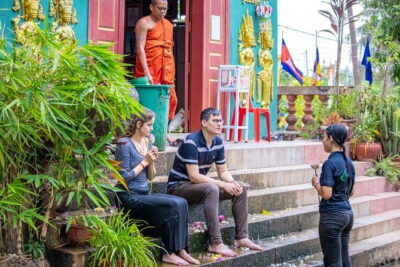
- Siem Reap: Khmer Water Blessing by Monk and Lotus Farm Visit★ 5.0 · 15 reviews
More Tour Reviews in Siem Reap
- Angkor Wat Sunrise or Sunset Tour with Guide from Siem Reap★ 5.0 · 12,109 reviews
- Siem Reap: Angkor Wat: Small-Group Sunrise or Sunset Tour★ 5.0 · 9,444 reviews
- From Siem Reap: Kampong Phluk Floating Village Tour by Boat★ 4.9 · 6,979 reviews
- Siem Reap: Angkor Wat 2-Day Tour with Sunrise and Sunset★ 4.9 · 4,429 reviews
More Hours Out on the Tonle Sap
- From Siem Reap: Kampong Phluk Floating Village Tour by Boat★ 4.9 · 6,979 reviews
- Kompong Phluk Floating Village Half-Day Tour ( Morning / Sunset )★ 5.0 · 1,494 reviews
- Siem Reap: Kulen Mountain, Beng Mealea and Tonle Sap Tour★ 5.0 · 1,483 reviews
- Tonle Sap Lake & Kampong Phluk Village Half-Day Tour★ 5.0 · 1,045 reviews
Newly written up around Siem Reap
- Waterfall & River of 1000 Siva Linga- Kulen Mountain Private Tour
★ 5.0 · 3 reviews - Private Transfer from Siem Reap to Sihanoukville
★ 4.5 · 3 reviews - Private Tour to Koh Ker and Beng Mealea
★ 5.0 · 3 reviews - Private Transfer: Siem Reap Angkor Internation Airport to Hotel
★ 5.0 · 3 reviews - Kulen National Park Ticket -Waterfall & 1000 Lingas
★ 5.0 · 3 reviews - Kulen Waterfall & Kbal Spean Tour
★ 5.0 · 3 reviews
Tonlé Sap & Floating Village Tours, side by side.
 ★ 4.9Kampong Phluk Floating Village Tour by BoatFrom $206,979 reviews
 ★ 4.9Kampong Phluk Floating Village Tour with BoatFrom $193,843 reviews
 ★ 5.0Siem Reap Floating Village Kampong Phluk Sunset with BoatFrom $181,962 reviews
 ★ 5.0Kompong Phluk Floating Village Half-Day Tour ( Morning / Sunset )From $241,494 reviews
 ★ 5.0Kulen Mountain, Beng Mealea and Tonle Sap TourFrom $481,483 reviews
 ★ 5.0Tonle Sap Lake & Kampong Phluk Village Half-Day TourFrom $491,045 reviews
 ★ 5.0Kampong Phluk Floating Village Tour by BoatFrom $201,020 reviews
 ★ 4.8Kompong Phluk Floating Village Half-Day TourFrom $24966 reviews
Also appears in