
REVIEW · KAMPOT & KEP
Cooking class in Kampot
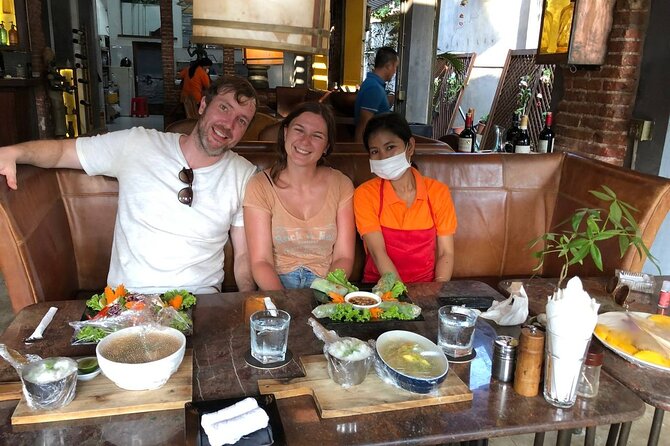
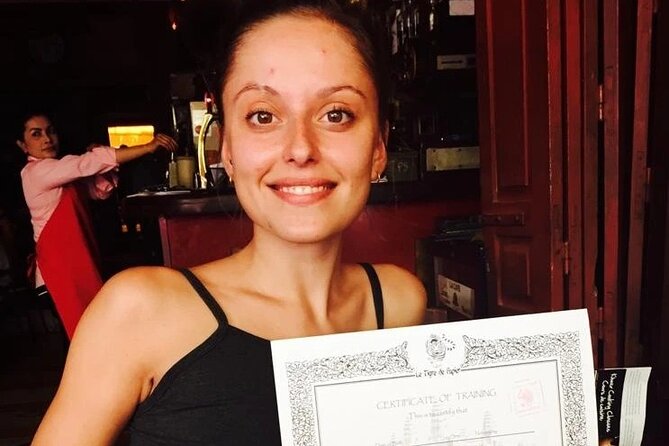
Spices start with a market walk. This private Kampot cooking class sends you to a Khmer local market with a professional chef tutor, then brings you back to a traditional colonial house near the river to cook Cambodian favorites. You finish with practical recipes you can repeat later, including larb, papaya salad, and amok.
I love that everything you need to cook is included, from training to ingredients, so you can focus on learning instead of shopping. I also like the private setup, just your group, plus the menu choice that makes it easy to match your tastes, with dietary swaps possible like tofu. One thing to plan for: drinks are not included.
In This Review
- Key Points to Know Before You Cook
- Where the Class Starts: Kampot Seafood and Pepper and a Colonial Kitchen
- Khmer Market Tour With a Chef Tutor (and Why It Matters)
- Cooking Khmer Staples: Larb, Papaya Salad, and Amok
- The Menu Choice and Dietary Swaps That Make It Feel Personal
- A 3-Course Meal, Generous Portions, and What to Do With Leftovers
- Restaurant Recommendations From Your Tutor
- Price and Value: What $33 Covers and Why It Adds Up
- Should You Book the Kampot Cooking Class?
- FAQ
- How long is the cooking class in Kampot?
- Is the class private or shared with strangers?
- What does the price include?
- Are drinks included in the class price?
- Where does the class start and where does it end?
- Can I choose what dishes to cook and are dietary needs handled?
Key Points to Know Before You Cook
- Private, only your group means a calmer pace and more direct help from the chef
- Khmer market tour included, guided so you understand ingredients, vegetables, and spice choices
- Menu choice for what you cook (starter, main, and dessert) keeps it fun and personal
- You’ll make Cambodian classics like larb, papaya salad, and amok, not vague versions
- Generous portions often mean leftovers, so plan to pack up if you want
Where the Class Starts: Kampot Seafood and Pepper and a Colonial Kitchen
This class begins at Kampot Seafood & Pepper (the cooking class location) in central Kampot, at 1 Ousaphea. It is also described as near public transportation, which matters in Cambodia, where getting across town can be quicker when you are not far from a main route. The activity ends back at the same meeting point, so you are not dealing with an extra transfer later.
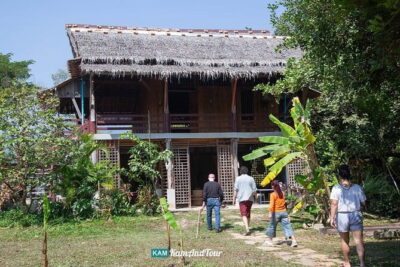
The cool part is the setting. After you meet up, the cooking happens in a traditional colonial house near the river in the center of Kampot. That gives the whole experience a different feel than a cooking class that is stuck in a random storefront kitchen. You are in a real, lived-in space, and it helps you connect what you see at the market to what you actually cook.
Timing is also part of the value. It is about 4 hours, which is long enough to do real cooking and eat what you make, but not so long that you lose an entire day. And since this is private for your group, the chef tutor can pace the class to your questions, your speed, and your comfort level in the kitchen.
The only logistics note I would keep in mind: drinks are not included. That is not a dealbreaker, but it does mean you might want to budget for a beverage separately, especially in Cambodia’s heat.
Khmer Market Tour With a Chef Tutor (and Why It Matters)
The experience includes a food and market tour, and it is guided by a professional chef tutor. This is not just a quick walk for photos. The point is to learn what you are actually cooking with, and why those ingredients work in Cambodian dishes.
In the market, you get a chance to discover ingredients and vegetables that you will use in your dishes. The chef’s guidance is where this becomes more than a tourist activity. You start seeing the building blocks of the cuisine, instead of treating the recipes like a locked box.
Here’s why I think this is worth your time. If you skip this market step, you might still learn a dish, but you often learn it as a list of steps. With the market tour, you learn how to recognize the ingredient categories and how to pick what looks and smells right. Even if you do not buy the exact same brands at home, that skill carries over.
You also get context for local flavor decisions. Cambodian cooking leans on balancing freshness, herbs, and spice. In a market setting, you can understand those choices early, so later in the class your cooking makes sense.
A practical tip: if you have food allergies or strong preferences, say it early. This kind of market-guided class works best when the chef knows what you need before you start cooking.
More pepper farms, salt fields and crab market runs
- Discovery Tour: Caving, Climbing, Via Ferrata and Abseiling in Kampot★ 5.0 · 172 reviews
- Kampot Tour Pepper Plantation, Salt Field, Cave, Secret Lake★ 5.0 · 128 reviews
- La Plantation tour (discovering Kampot Pepper) + Lunch★ 4.5 · 97 reviews
- KAMPOT TRAVEL-Pepper farm. Cave.Secret lake-Crab market & Salt…★ 5.0 · 87 reviews
Cooking Khmer Staples: Larb, Papaya Salad, and Amok
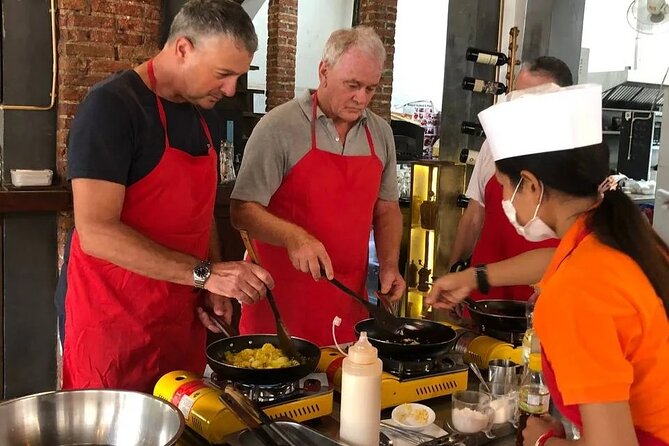
After the market, you move into hands-on cooking in the colonial house kitchen. The class focuses on traditional Cambodian dishes such as larb, papaya salad, and amok. That matters because these are not “tourist versions.” You are being taught how to create the real thing using the ingredients you just saw.
Each dish teaches something. Larb tends to reward attention to texture and seasoning. Papaya salad is the kind of recipe where the balance of fresh ingredients and dressing decisions makes a big difference. Amok, especially fish amok, is often a highlight because it is a signature Cambodian dish and it can feel like a lot of flavors in one bowl.
In one review, the fish amok was described as something the person could not stop thinking about. That lines up with why chefs tend to choose amok for a class setting: it gives you a real “wow, I made this” moment, not just a mild starter you forget by dinner.
You will also hear guidance from the chef as you work. The chef tutor is professional, and at least one class experience noted excellent English plus a sense of humor. That helps when you are learning hands-on, because you want clear instruction and a relaxed vibe, not stiff lectures.
One consideration: classes move in real time. If you are expecting a slow, casual cooking session with no intensity, you might find the pace a bit brisk. Reviews did mention that one class felt a little fast, but the overall impression stayed very positive. So just go in with the right mindset, hands ready, questions welcome.
The Menu Choice and Dietary Swaps That Make It Feel Personal
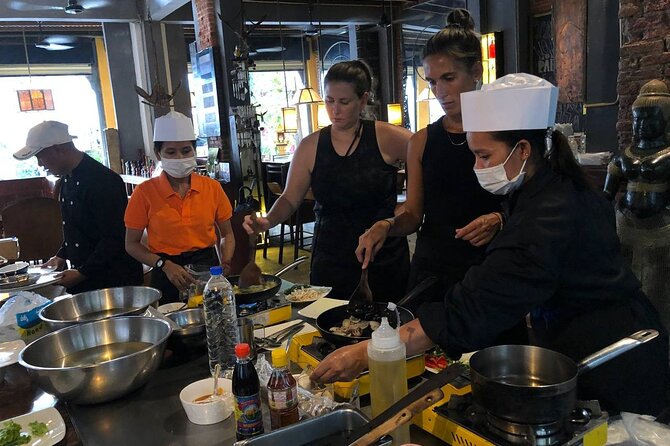
A big reason people rate this class so highly is that you do not just get assigned one dish. You can often choose from the menu what you want to cook. One reviewer described selecting an entry, main, and dessert, and the class building toward a large 3-course meal.
Another common pattern is that each person cooks a starter and a main, and the group comes together for the dessert. That structure is smart. It keeps everyone involved, and it makes sure you are not stuck waiting while someone else does all the work.
Dietary flexibility also shows up in the class experience. One review specifically mentioned being able to replace meat with tofu for dietary needs. That is a big deal because it means the class can feel inclusive rather than forcing everyone into the same ingredients.
Here is how you can make this work best for you:
- Tell the chef your dietary needs at the start.
- Choose dishes you are curious about, even if you have not cooked them before.
- If you are adventurous, ask what the chef recommends within the menu options.
This combination of menu choice and dietary accommodation is part of why the learning sticks. When you cook something you chose, you pay attention to details because you want your dish to come out right.
A 3-Course Meal, Generous Portions, and What to Do With Leftovers
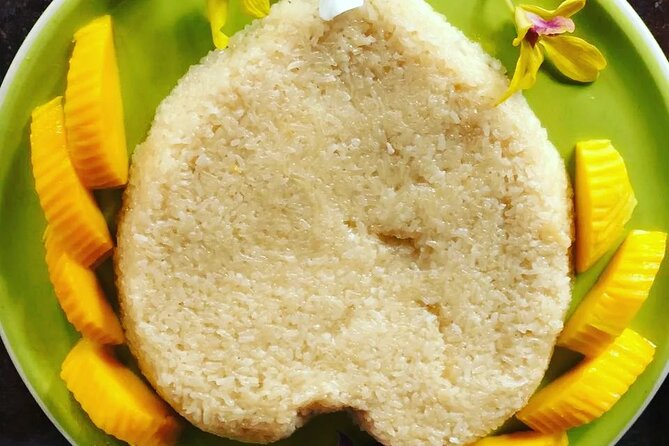
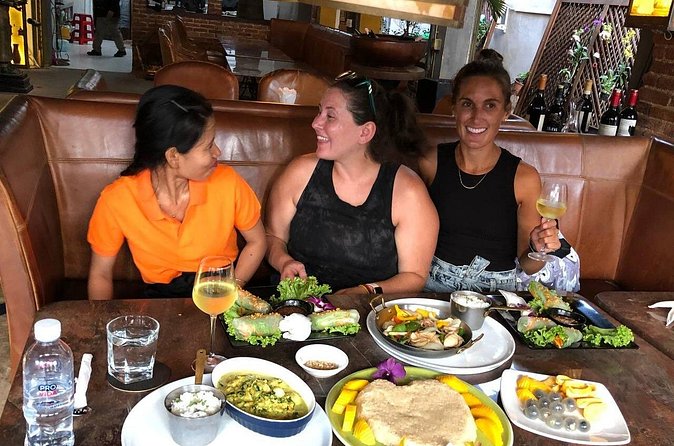
After you cook, you eat. The class is essentially built around a meal that functions like a large 3-course experience. Multiple reviews point out that the portions are super generous, with people saying they could not finish.
One reviewer even mentioned taking food to go because there was so much. Another described it as a large 3-course meal and recommended it. That tells you something important about value. You are not just learning technique, you are leaving full.
That also means you should plan your day accordingly. If you book this and then try to squeeze in a heavy dinner afterward, you might be setting yourself up for a food coma. Instead, think of this as your main meal of the day, or at least the meal you build your evening around.
Also note the class is described as including food and the market tour. That matters because sometimes cooking classes make you pay for ingredients and then charge extra for the meal. Here, the meal is part of the included experience.
And since drinks are not included, decide what you want to buy ahead of time. You can pair your meal with something you like, but you will handle it yourself.
Restaurant Recommendations From Your Tutor
One more practical perk: the chef tutor gives recommendations for places to eat during the rest of your trip. It is described as advice for finding smaller local restaurants.
That is useful because Kampot has plenty of dining options, and it can be hard to know what is worth your time. A chef who has just spent hours guiding you through market ingredients and cooking technique can point you toward spots that match the flavors you learned.
This is also where a private class adds value. In a group class, you might not have time for targeted questions. In your own class, you can ask what to order, what is similar to the dishes you cooked, and what to try next.
More Khmer kitchens taking visitors
Price and Value: What $33 Covers and Why It Adds Up
The price is listed as $33 for about 4 hours, and the class says that cookery training and ingredients are included. You also get a food and market tour included in that price.
So what exactly are you paying for?
- A guided market experience focused on ingredients and vegetables you will cook with
- Hands-on cooking instruction in a traditional colonial house setting near the river
- The ingredients for the dishes, so you are not doing extra shopping
- A meal that is essentially a full 3-course experience, with portion sizes that many people described as more than they expected
Drinks are the one clear extra, since they are listed as not included. But in many cooking classes, drinks can quietly add up, so it helps that this one is upfront about that.
Now, compare it to what you would do on your own. You could visit a market alone, but you would likely miss the why behind the ingredient choices. You could eat Cambodian food alone, but you would not learn the technique. And you could book a cooking class without a market step, but then you lose the ingredient learning that makes the recipes easier to repeat later.
That is why this feels like strong value for the price point. You get a full learning loop, market to kitchen to table, and the class is private, so you are not competing for attention.
Who this fits best?
- First-timers in Cambodia who want real local cuisine skills
- Food lovers who like hands-on learning rather than watching
- Small groups who prefer a private pace
- People with dietary needs who want to ask about alternatives like tofu
Should You Book the Kampot Cooking Class?
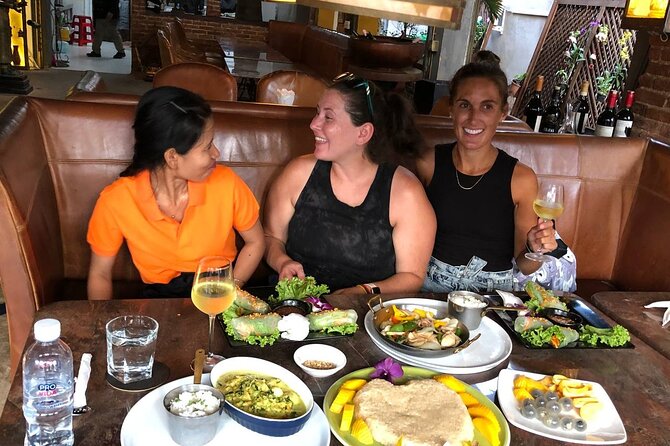
If you want a class that is not just a show, this is a strong pick. I would book it if you:
- Want to learn Cambodian cooking from a professional chef tutor
- Like the idea of starting with a Khmer market tour so ingredients make sense
- Care about being able to choose dishes from a menu and cook what you are excited to eat
- Prefer a private class where questions are easier to answer
Skip it if you only want light involvement, because you are cooking and you are staying for a full meal. Also, plan for the fact that drinks are not included, so bring your budget or plan to purchase them separately.
If you are in Kampot for a short stay, this is one of those activities that gives you more than one takeaway: a dish you can recreate, ingredient knowledge you can apply, and a chef-tutor who can point you toward where to eat next.
FAQ
How long is the cooking class in Kampot?
The experience lasts about 4 hours.
Is the class private or shared with strangers?
It is private. Only your group participates.
What does the price include?
The price includes cookery training and ingredients, plus a food and market tour.
Are drinks included in the class price?
No, drinks are not included.
Where does the class start and where does it end?
It starts at Kampot Seafood & Pepper/cooking class at 1 Ousaphea, 07000, Kampot, Cambodia. The class ends back at the meeting point.
Can I choose what dishes to cook and are dietary needs handled?
You can choose dishes from the menu. The class also caters to dietary choices, including replacing meat with tofu for one participant.
More Khmer Kitchens
- Kampot Cooking Class by Eco Lotus Kampot★ 5.0 · 8 reviews
More Tour Reviews in Sihanoukville
- Discovery Tour: Caving, Climbing, Via Ferrata and Abseiling in Kampot★ 5.0 · 172 reviews
- Sihanoukville Highlights Day Tour for Cruise Passengers★ 4.5 · 171 reviews
- Kampot Tour Pepper Plantation, Salt Field, Cave, Secret Lake★ 5.0 · 128 reviews
- La Plantation tour (discovering Kampot Pepper) + Lunch★ 4.5 · 97 reviews
More Pepper Country
- Discovery Tour: Caving, Climbing, Via Ferrata and Abseiling in Kampot★ 5.0 · 172 reviews
- Kampot Tour Pepper Plantation, Salt Field, Cave, Secret Lake★ 5.0 · 128 reviews
- La Plantation tour (discovering Kampot Pepper) + Lunch★ 4.5 · 97 reviews
- KAMPOT TRAVEL-Pepper farm. Cave.Secret lake-Crab market & Salt…★ 5.0 · 87 reviews
Newly written up around Sihanoukville
- Exploring Kampot With SUV Car By English Local Tour Guide
★ 5.0 · 4 reviews - Discover Bokor National Park
★ 3.0 · 4 reviews - Sihanoukville Small-Group City Tour for Cruise Passengers
★ 4.5 · 5 reviews - Small Group Sihanoukville Exploration from Cruise Pier
★ 5.0 · 5 reviews - Sihanoukville to Phnom Penh by Private Car or Minivan
★ 4.5 · 5 reviews - Kampong Trach Off-Roads
★ 5.0 · 5 reviews
Kampot & Kep Pepper Farm Tours, side by side.
 ★ 4.8Pepper Farm Tours, Salt, Lake & Phnom Chhngok TempleFrom $23432 reviews
 ★ 4.9Full-day Countryside Tour with Pepper Farm and KepFrom $26245 reviews
 ★ 5.0Discovery Tour: Caving, Climbing, Via Ferrata and Abseiling in KampotFrom $53172 reviews
 ★ 4.7Bokor Mountain Classic or Sunset TourFrom $28147 reviews
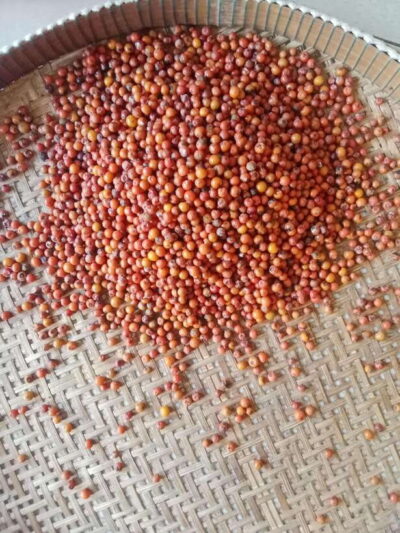 ★ 4.9Tuk Tuk Trip to Pepper Farm, Kep, Crab Market & MoreFrom $25143 reviews
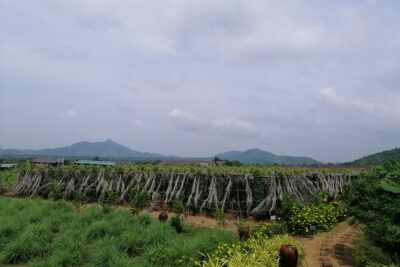 ★ 5.0Kampot Tour Pepper Plantation, Salt Field, Cave, Secret LakeFrom $20128 reviews
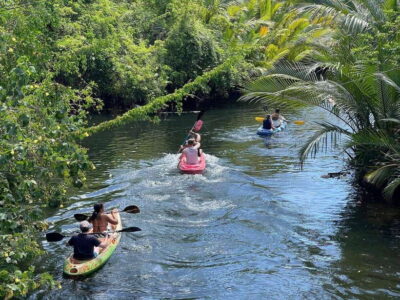 ★ 4.8Green Cathedral Kayaking Journey & Reflection River ViewFrom $28123 reviews
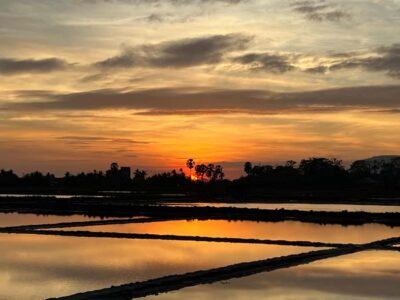 ★ 4.9Kampot Countryside include Pepper farm, Salt field & LakeFrom $16100 reviews
Also appears in