
REVIEW · ANGKOR
Kbal Spean, Banteay Srei & Banteay Samre temple
Three temples, one long countryside morning. This private Siem Reap trip keeps you out of the usual Angkor Wat loop, combining a hill hike with two beautifully detailed Khmer-era temples, and it’s built around real pacing and an English speaking guide. I love the sweep from Kbal Spean’s riverbed carvings to the quieter temple stops, and I like that you get full-day transport plus bottled water instead of coordinating everything yourself. The main drawback is budget math: the Angkor Pass (and optional Landmine Museum ticket) are not included, and Kbal Spean is a proper hike.
You start at 8:00 am and should plan on about 7 to 8 hours total, with stops laid out so you’re not rushing. Keep in mind the temples have a strict dress code, meaning you’ll need covered thighs and shoulders, and good walking shoes are a must for the hillside section.
In This Review
- Key Things to Know Before You Go
- A Countryside Day Beyond the Main Angkor Loop
- Stop 1: Kbal Spean and the River of 1000 Lingas Trail
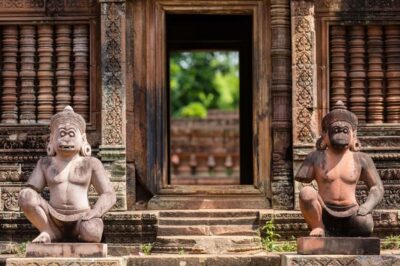
- Stop 2: Banteay Srei, the Citadel of Women
- Stop 3: Banteay Samre, a 12th-Century Temple Off the Tourist Trail
- Optional Add-On: Cambodia Landmine Museum (30 Minutes)
- Price and Value: What This Day Really Costs You
- What the Day Feels Like: Timing, Guides, and Comfort
- Dress Code and Shoes: The Two Things That Can Ruin a Day
- Dress code
- Shoes
- Who This Tour Is Best For
- Should You Book Kbal Spean, Banteay Srei, and Banteay Samre?
Key Things to Know Before You Go
- River of 1000 Lingas hike at Kbal Spean: expect hill walking and a more active start than flat temple visits
- Banteay Srei called the Citadel of Women: go for the famed carving detail and the story behind it
- Banteay Samre in Angkor Wat style: a 12th-century Hindu temple you’ll likely find less crowded
- Optional Cambodia Landmine Museum stop: a 30-minute history add-on with a separate admission fee
- Your day is guided and handled: English speaking guide, air-conditioned vehicle, and cold bottled water included
A Countryside Day Beyond the Main Angkor Loop
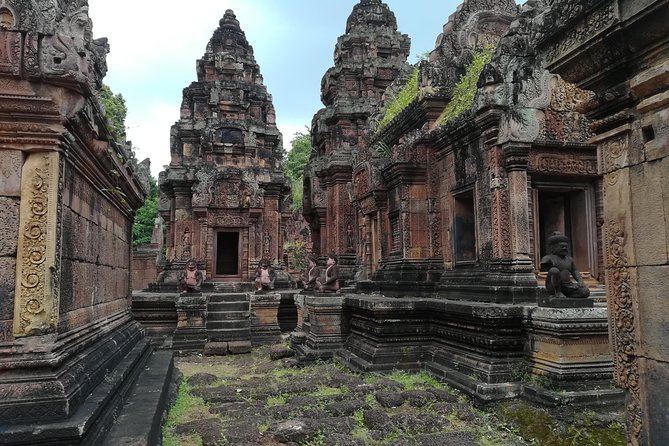
This is the kind of tour that makes Siem Reap feel bigger than just one famous site. Instead of doing another photo run, you’ll head 45 km out toward Kbal Spean, then work your way back through temples with strong Khmer identity but different vibes from what most first-timers expect.
What makes it practical is the pacing. You’re not bouncing every hour across town. The morning focuses on the active stop, and the rest of the day turns into temple time, with Banteay Srei and Banteay Samre giving you contrast in size, style, and feel. And because it’s private, your guide can set the rhythm for your group.
One more thing I like for value: transportation and bottled cold water are included. In Cambodia’s heat, that small comfort matters more than people think.
Stop 1: Kbal Spean and the River of 1000 Lingas Trail
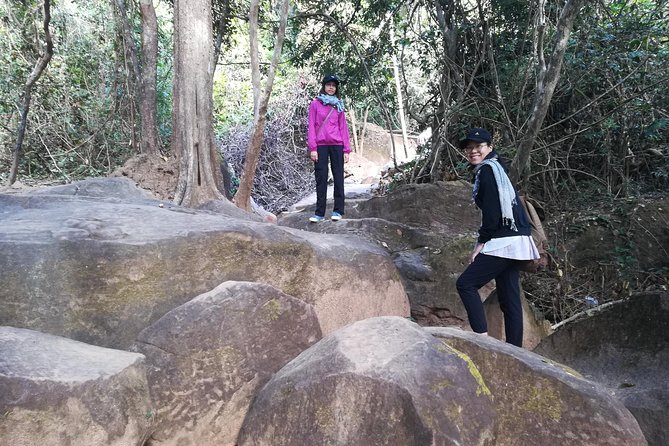
Kbal Spean is about 45 km from Siem Reap city, and the tour starts there after breakfast at around 8:00 am. This is the stop that turns the day from sightseeing into walking. The tour is recommended for visitors who are fit because it involves hill hiking.
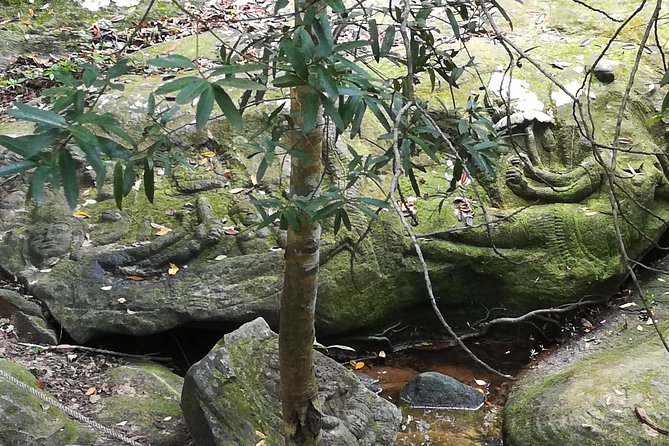
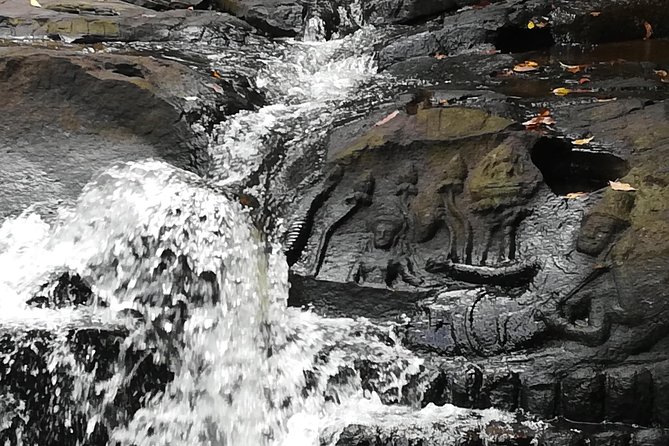
What you’re going for is the River of 1000 Lingas, a famous carved riverbed concept tied to Hindu worship. Even if you’re not a temple scholar, you’ll understand why people go: the whole idea is physical. The carvings live in the landscape itself, so you’re not just looking at a building from a distance. You’re approaching, climbing, and then seeing the story unfold in the setting it was made for.
Practical tips so you enjoy it instead of regretting it:
- Wear good walking shoes with grip. Dust and uneven steps can be slippery.
- Go in with the expectation that this is active time, not just a stroll.
- Start strong. If you wait until you feel tired, the hike can feel longer than it is.
Possible drawback: the entry ticket for Kbal Spean is not included, and the hiking effort may not match everyone’s fitness level. If you’re unsure, focus on shoe choice and pace. A slower pace here usually improves the whole day.
Further out: other Banteay Srei and Beng Mealea runs
- Full-Day Banteay Srei & 4 Temples – Grand Tours Join-in Tour★ 5.0 · 1,155 reviews
- Siem Reap Tour: Angkor Wat Sunrise, Bayon, Ta Prohm, Banteay Srei★ 5.0 · 931 reviews
- Kulen Mountain with Beng Mealea and Tonle Sap Small Group Tour★ 5.0 · 780 reviews
- Koh Ker Temple Group & Beng Mealea Full-Day Join-in Tour★ 5.0 · 710 reviews
Stop 2: Banteay Srei, the Citadel of Women
After Kbal Spean, you shift into temple mode at Banteay Srei, often called the Citadel of Women. The story you’ll hear is that the carvings are so intricate that it was believed they could only have been made by delicate hands of women.
That belief is part history, part cultural explanation, but the result is what matters for your visit: you’re going to slow down for details. Banteay Srei is a temple where fine work is the point. If you enjoy looking closely at how designs sit in stone, this is the stop that can turn into your favorite.
What to watch for during your time there:
- Look for how the carving style changes across different areas of the temple.
- Take your time with viewpoints. Even small shifts in position can make details pop.
- Don’t treat it like a quick photo stop. This is the kind of temple that rewards patient watching.
Drawback to plan around: entrance fees are not included for this stop. Also, like the rest of the temple experience, the dress code applies. Cover thighs and shoulders, or you may be refused entry.
Stop 3: Banteay Samre, a 12th-Century Temple Off the Tourist Trail
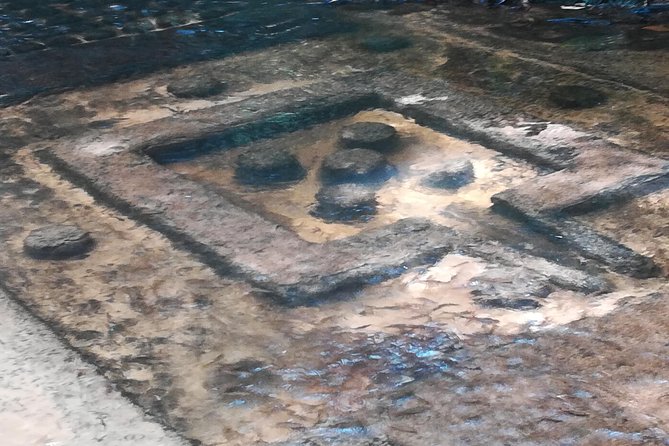
Next comes Banteay Samre, a 12th-century Hindu temple built in the same style as Angkor Wat. This is a key contrast to Banteay Srei. Instead of being famous for delicate intricacy, Banteay Samre tends to appeal to people who want a different kind of temple atmosphere and more breathing room.
One of the big selling points is that it’s well off the tourist trail. In plain terms, that usually means you can spend more time observing without feeling rushed by constant crowds.
What I like about this stop is that it helps you build a fuller picture of Khmer temple building. When you see a temple described as Angkor Wat style but far from the standard circuit, it makes the whole Angkor-era story feel more connected to real life across Cambodia’s provinces.
Practical considerations:
- Expect the day to be warmer later on. Hydrate and use the included water.
- Keep your clothing ready for entry. Covered thighs and shoulders are required at temple complexes.
- Leave a little buffer time for walking around slowly. This stop works better when you treat it as a calm museum-like visit.
Optional Add-On: Cambodia Landmine Museum (30 Minutes)
If you opt to add it, the Cambodia Landmine Museum is a separate, short stop with a 30-minute time window. Admission is not included, and it costs extra on your own.
Why add it? Because it shifts the story from ancient Khmer kingdom history to Cambodia’s more recent past, covering the period from 1970 to 1998. If you want your day to feel grounded in the full human timeline, this is the most direct way to do it.
How to make this visit fit your day:
- Keep it short and focused. The museum slot is brief, so pick what you want to learn from, not everything.
- If you feel emotionally affected, that’s normal. Then give yourself a few minutes to reset before you continue with the rest of your day.
Not required, but worth considering if you like history that connects past to present.
Price and Value: What This Day Really Costs You
The listed price is $64.11 per person for the tour. That’s for a private experience with transportation in an air-conditioned vehicle, an English speaking guide, and cold bottled drinking water.
Here’s the part to budget for before you book:
- One-Day Angkor Pass is required, and it is not included. It’s listed at $37.00 per person.
- Food and drinks are not included.
- If you add the Landmine Museum, the museum admission is listed at $6.00 per person (also not included).
So the realistic planning math depends on your choices. If you do the full temple day with the required pass, your total spend is higher than the base price suggests. The upside is that you’re getting three major stops in one day, including the active Kbal Spean hike plus two temples. And you’re doing it without worrying about transport timing or guide translation.
Also, note that mobile ticket is included, and group discounts are offered. If you’re booking with friends or family, ask how pricing works for your group size.
My take on value: this is a solid deal if you’re already planning to buy the Angkor Pass anyway, and you want to see more than the usual one-site circuit. If you’re not planning on touring multiple major sites in that general time range, the pass cost can feel heavy.
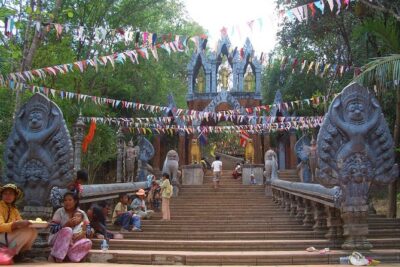
More trips up into the Kulen hills

What the Day Feels Like: Timing, Guides, and Comfort
This tour is built as a full day: start at 8:00 am, finish around 7 to 8 hours later. The itinerary is set up so you can do the uphill morning effort first, then settle into temple walking.
Your guide is English speaking, which matters a lot here. At Banteay Srei and Banteay Samre, a simple checklist visit can turn into just looking at stones. With guiding, you’ll actually understand what you’re seeing, including the stories tied to names like Citadel of Women and the temple style connections to Angkor Wat.
The vehicle and water are included too. In Siem Reap heat, that’s not just convenience. It helps you stay focused on the sights, not on logistics.
One more human detail I’ve seen highlighted: a guide named Chen gets especially positive mentions. That matters because a day like this can go two ways. You can either feel like you’re in a rush, or you can feel like someone is pacing it with you.
Dress Code and Shoes: The Two Things That Can Ruin a Day
If you take only two preparation steps, make them these.
Dress code
Temple entry has strict rules. You need to cover your thighs and shoulders when entering temple complexes. If you show up without the right clothing, you may be refused entrance.
This is one of those rules that doesn’t care how good your intentions are. Bring a light layer or plan your outfit accordingly, especially if you’re taking photos.
Shoes
Kbal Spean involves hill hiking and is recommended for visitors who are fit. Good walking shoes are strongly recommended. Skip sandals, and avoid thin soles that slip on uneven ground.
If you’re the type who hates carrying things, consider wearing comfortable clothing you can hike in, then carry a light wrap for temple cover-up.
Who This Tour Is Best For
This works well if you:
- Want more than the standard Angkor Wat day pattern
- Enjoy temple variety, especially when sites feel less crowded
- Don’t mind a real hike as part of the itinerary
- Prefer a private setup with an English speaking guide
- Like history that spans both ancient Khmer eras and more recent Cambodian events (if you add the Landmine Museum)
It’s less ideal if you:
- Have limited mobility or aren’t comfortable with hillside walking
- Want a low-effort half-day sightseeing rhythm
- Are hoping entrances and meals are included in the base price
Should You Book Kbal Spean, Banteay Srei, and Banteay Samre?
Yes, I’d book it if you’re aiming for a full, meaningful Siem Reap countryside day that goes beyond the most obvious stops. The combination makes sense: you start with the active River of 1000 Lingas experience at Kbal Spean, then shift into Banteay Srei’s detailed storytelling and finish with Banteay Samre in Angkor Wat style.
Just do the math first. The Angkor Pass cost is required and not included, and food is on you. If you’re okay with that and you’re prepared for the dress code and the Kbal Spean hike, this is a strong way to use a single day well. If those points feel stressful, you might choose a less active temple-focused option instead.
If your ideal day is a mix of walking, temple details, and guided context, this one fits that goal very cleanly.
More Tour Reviews in Siem Reap
- Angkor Wat Sunrise or Sunset Tour with Guide from Siem Reap★ 5.0 · 12,109 reviews
- Siem Reap: Angkor Wat: Small-Group Sunrise or Sunset Tour★ 5.0 · 9,444 reviews
- From Siem Reap: Kampong Phluk Floating Village Tour by Boat★ 4.9 · 6,979 reviews
- Siem Reap: Angkor Wat 2-Day Tour with Sunrise and Sunset★ 4.9 · 4,429 reviews
More Days in the Kulen Hills
- Kulen Mountain: Small-Group Tour and Picnic lunch★ 4.9 · 1,802 reviews
- Siem Reap: Kulen Mountain, Beng Mealea and Tonle Sap Tour★ 5.0 · 1,483 reviews
- Phnom Kulen Waterfall & the Sacred 1000 Lingas (with Lunch)★ 4.8 · 974 reviews
- Kulen Mountain with Beng Mealea and Tonle Sap Small Group Tour★ 5.0 · 780 reviews
Banteay Srei and Beng Mealea, Compared
- Siem Reap: Kulen Mountain, Beng Mealea and Tonle Sap Tour★ 5.0 · 1,483 reviews
- Full-Day Banteay Srei & 4 Temples – Grand Tours Join-in Tour★ 5.0 · 1,155 reviews
- Siem Reap Tour: Angkor Wat Sunrise, Bayon, Ta Prohm, Banteay Srei★ 5.0 · 931 reviews
- Kulen Mountain with Beng Mealea and Tonle Sap Small Group Tour★ 5.0 · 780 reviews
Newly written up around Siem Reap
- Waterfall & River of 1000 Siva Linga- Kulen Mountain Private Tour
★ 5.0 · 3 reviews - Private Transfer from Siem Reap to Sihanoukville
★ 4.5 · 3 reviews - Private Tour to Koh Ker and Beng Mealea
★ 5.0 · 3 reviews - Private Transfer: Siem Reap Angkor Internation Airport to Hotel
★ 5.0 · 3 reviews - Kulen National Park Ticket -Waterfall & 1000 Lingas
★ 5.0 · 3 reviews - Kulen Waterfall & Kbal Spean Tour
★ 5.0 · 3 reviews
Banteay Srei & Beng Mealea Tours, side by side.
 ★ 5.0Kulen Mountain, Beng Mealea and Tonle Sap TourFrom $481,483 reviews
 ★ 5.0Full-Day Banteay Srei & 4 Temples – Grand Tours Join-in TourFrom $201,155 reviews
 ★ 5.0Siem Reap Tour: Angkor Wat Sunrise, Bayon, Ta Prohm, Banteay SreiFrom $130931 reviews
 ★ 5.0Kulen Mountain with Beng Mealea and Tonle Sap Small Group TourFrom $54780 reviews
 ★ 5.0Koh Ker Temple Group & Beng Mealea Full-Day Join-in TourFrom $50710 reviews
 ★ 5.02-Day Angkor Wat With Small, Big Circuit and Banteay Srei TourFrom $158545 reviews
 ★ 4.9Koh Ker and Beng Mealea Temples TourFrom $50293 reviews
 ★ 4.8Banteay Srei Temple & Grand 5 Temple TourFrom $20262 reviews