
REVIEW · CAMBODIA
Siem Reap: Angkor National Museum Admission Ticket
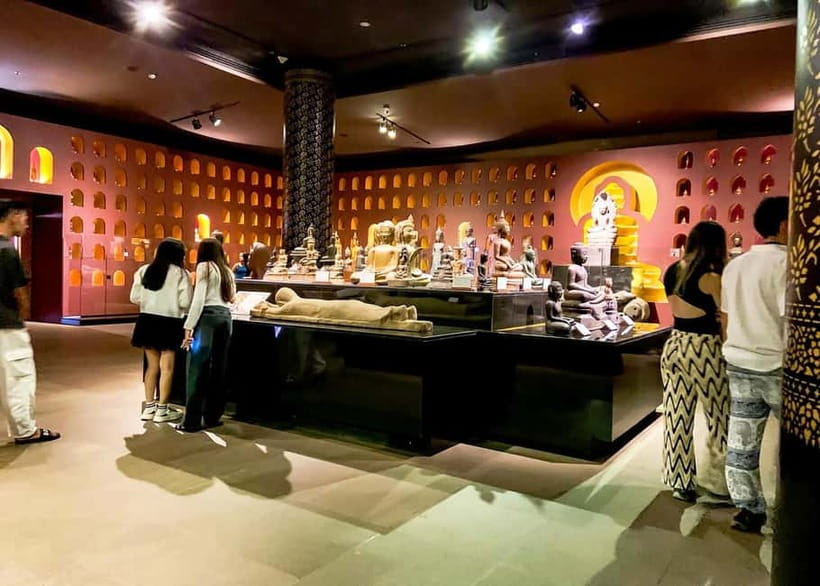
A calm museum stop in Siem Reap. With this $15 admission ticket you can explore Angkor National Museum at your own pace, and I love how the collections make the Khmer world feel readable, not random. Two of my favorite moments are the scale of the Buddha statues and the way the exhibits use wall information to connect art, culture, and religion. One tradeoff to plan for: there is no included guide, and the audio guide costs extra.
You’re basically buying time and access, plus the chance to skip the ticket line. In practice, that means you can linger where you care and speed up where you do not. It also helps if you want a museum visit either before you face the temples, or after you’ve already seen them and want better context.
In This Review
- Key Highlights to Know Before You Go
- Angkor National Museum Ticket: What You Really Get
- Planning Your Visit Around Self-Paced Touring
- Entering the Museum and Skipping the Line
- Walking Through the Eight Galleries at Your Own Tempo
- Over a Thousand Buddha Statues: What to Look For
- Ancient Inscriptions and Excavated Artifacts: Reading Between the Lines
- Audio Guide Worth the Extra $5
- Price and Value: Is $15 a Good Deal?
- When to Book: What the One-Day Validity Means
- Practical Tips for a Smoother Museum Visit
- Who This Museum Ticket Suits Best
- Should You Book This Angkor National Museum Admission Ticket?
Key Highlights to Know Before You Go
- Skip the ticket line so you lose less time at the entrance.
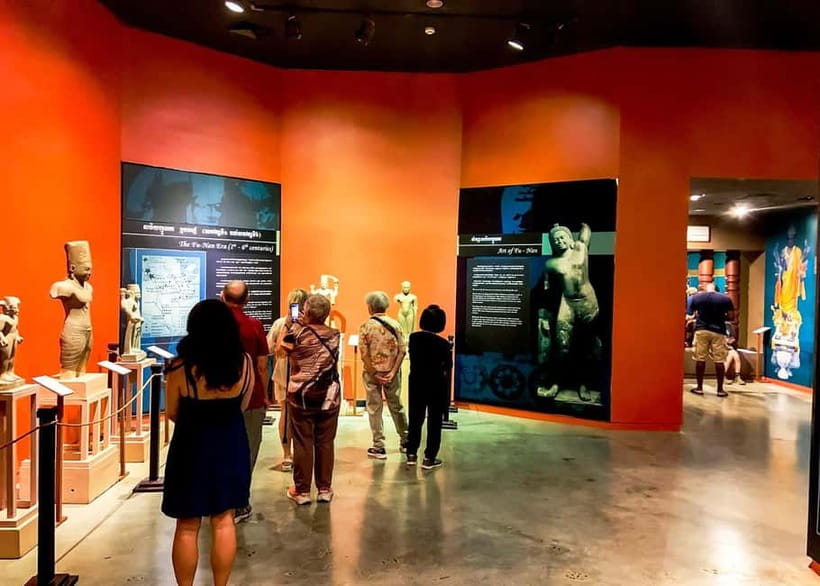
- Eight galleries that follow the evolution of Khmer art, culture, and religion.
- Over a thousand Buddha statues plus ancient inscriptions and excavated artifacts.
- Self-paced touring, no tour guide service included with the ticket.
- Audio guide costs $5 extra, but it can make the labels more useful.
- Wheelchair accessible, and you get to explore comfortably at your own tempo.
Angkor National Museum Ticket: What You Really Get
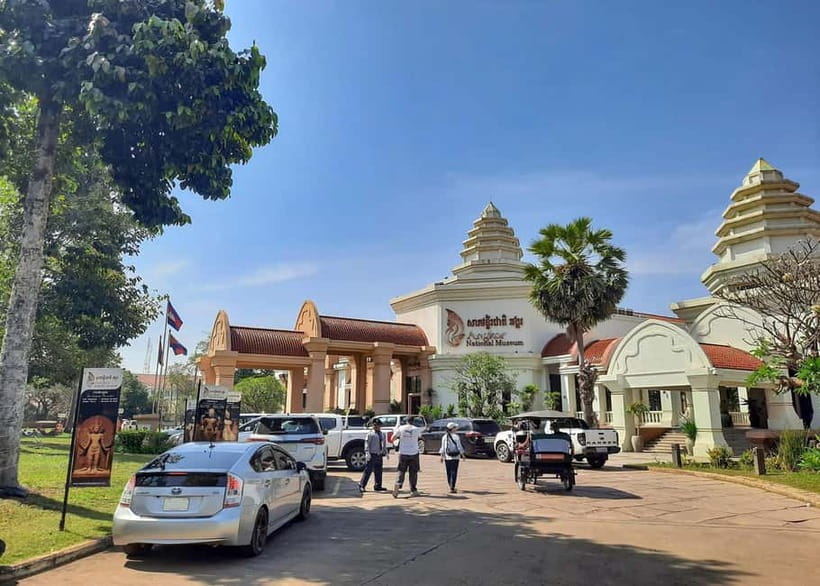
This is an admission ticket for Angkor National Museum in Siem Reap, valid for one day. The key value is simple: you get entry and the freedom to move through the museum when it suits you.
You are not paying for a guided tour here. That’s great if you like choosing your own pace, but you should know it up front so you can decide if you want extra context with the audio guide (which is not included).
Planning Your Visit Around Self-Paced Touring
You can explore the museum at your own pace, and that matters because museum time can stretch. One review described a visit around 1.5 to 2 hours when using an audio guide device, while another person took more than 3 hours going through everything slowly.
Here’s a practical way to plan: wear comfortable shoes and set yourself up for walking indoors and out in Siem Reap heat. Bring a camera, comfortable clothes, and cash. The museum is wheelchair accessible, which is a comfort factor if you need step-free routes and easier pacing.
One more detail: your ticket is not necessarily handed over immediately. After booking, you provide a reachable WhatsApp number so the operator can send the ticket before your visit, and you may get a quick reconfirmation message. Use a number you can actually answer on, not a dead SIM or a number you only check at night.
Other entry tickets worth sorting in advance
- Siem Reap: Phare, the Cambodian Circus Show Tickets★ 4.9 · 1,850 reviews
- Angkor Wat Admission Ticket★ 5.0 · 227 reviews
- Phnom Kulen National Park Admission Ticket★ 4.7 · 30 reviews
- Angkor Wat Temples Tour with Entrance Ticket and Lunch★ 5.0 · 29 reviews
Entering the Museum and Skipping the Line
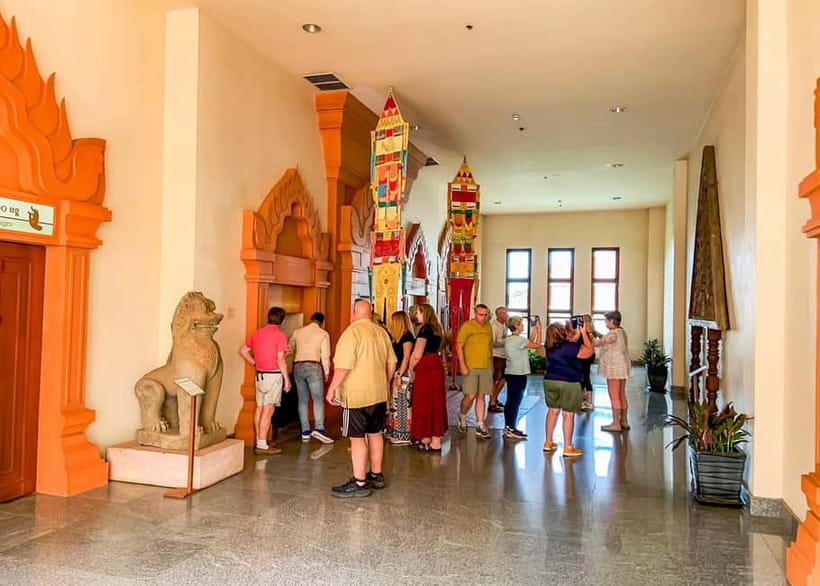
The ticket includes skip the ticket line, and that is a big deal on busy travel days. Even if you are not in a rush, less waiting usually means you start your visit calmer and more focused.
Because you arrange your own transportation, you should budget time to get there first, then let the museum timing work for you. Think of this ticket as your “door key,” not a full service tour package.
Once you’re inside, you can start at the beginning or wherever catches your eye first. The galleries are set up to guide you through Khmer art, culture, and religion, but your route can still be flexible.
Walking Through the Eight Galleries at Your Own Tempo
The museum is organized into eight galleries, designed to show how Khmer art and religious life evolved over time. Since you’re self-paced, the best strategy is to treat the galleries like chapters, not like a checklist.
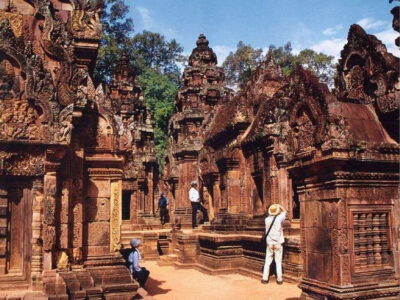
I like how this structure helps you avoid the common problem of temple sightseeing. You can come in after seeing Angkor sites and then use the galleries to interpret what you just noticed. Or you can come beforehand, so the statues and symbols feel less mysterious when you’re outside.
A helpful move is to pick one or two themes per gallery. For example, you might focus on how Buddhist imagery appears in different forms, or how temple art connects to everyday beliefs. The museum information boards help glue these ideas together, and multiple visitors highlighted that the labels are what make the exhibits click.
Over a Thousand Buddha Statues: What to Look For
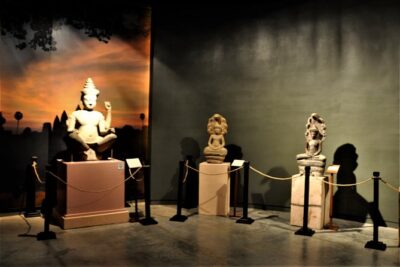
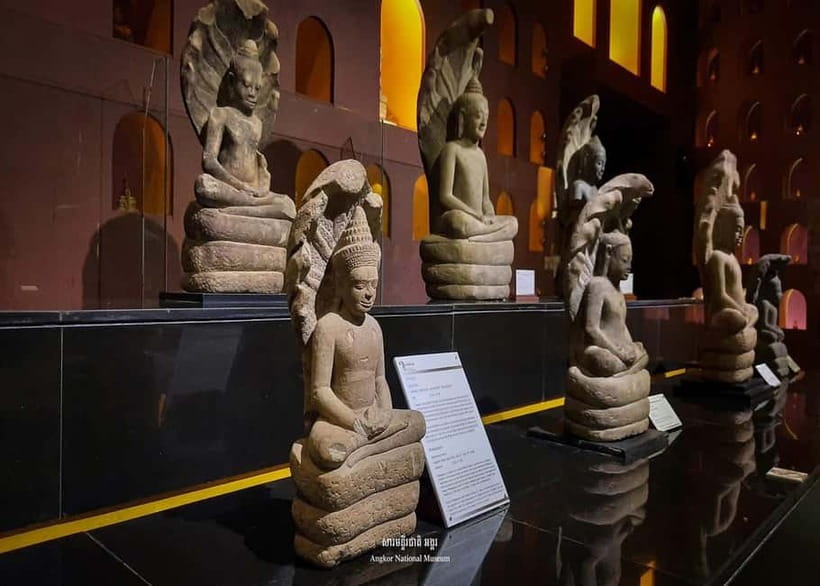
One of the loudest highlights is the sheer number of artworks on display, including over a thousand Buddha statues. When you see that kind of quantity, the museum becomes more than a single highlight stop. It turns into a pattern-spotting exercise.
As you look at statues, I suggest you slow down and scan for small differences. Notice how posture, clothing style, and facial details can shift from one piece to another. Even when the subject is similar, the artistic choices tell you something about changing styles and religious expression.
This is also why self-paced touring is the right format. If you were forced into a group pace, you might miss the “aha” moments that come from comparing multiple statues in a row.
Ancient Inscriptions and Excavated Artifacts: Reading Between the Lines
Beyond statues, the museum includes ancient inscriptions and artifacts excavated from Angkor’s archaeological sites. Even if you cannot read everything, inscriptions and the way artifacts are presented add weight to the story.
Here’s what I find useful: the museum approach connects objects to the broader world that produced them. You’re not just seeing something old, you’re seeing evidence that can be traced back to the Khmer civilization and its beliefs.
In your own viewing, give yourself time around the inscriptions and artifact displays. Don’t rush through these sections because they’re the strongest “why does this matter” part of the visit.
Other Siem Reap museum halls worth an hour


Audio Guide Worth the Extra $5
The ticket does not include an audio guide, and the audio guide device costs $5 extra. That might sound like a small add-on, but it can change how much you get out of the museum, especially if you want the context behind what you’re seeing.
If you like reading every label, you might feel fine skipping it. But if you want help turning the museum into a smoother story, the audio guide is often worth it. Reviews also back this up, with visitors recommending renting the guiding device and saying it helped deepen understanding of Khmer culture and religion.
My practical advice: if you are on a tight schedule, you can still use the audio guide to focus your attention. If you have half a day in Siem Reap beyond temple time, take your time and let the audio guide help you slow down in the right places.
Price and Value: Is $15 a Good Deal?
At $15 per person, this ticket is priced as an affordable museum experience, especially given what you get: self-paced entry, a line-skipping benefit, and access to multiple galleries built around major themes of Khmer art and belief.
What makes the value feel real is time. People reported visits ranging from about 1.5 to 2 hours up to 3+ hours, depending on pacing and whether they used the audio guide. If you treat this as a focused, sit-down learning stop, it can stretch into a meaningful part of your day.
Also consider how it fits into the rest of your trip. One visitor described using the museum to learn more after visiting temples, while another used it as preparation before they explored the temples. That flexibility can make the $15 feel like it pays you back twice, once through better understanding, and again through a more satisfying follow-up visit outdoors.
When to Book: What the One-Day Validity Means
The ticket is valid for one day, and you check availability for starting times. That’s good because it lets you match the museum to your best energy window.
If you’re also doing Angkor temples, pick a time when you can walk comfortably and not feel rushed. A museum is easiest when you’re not trying to cram it between peak heat hours and a late dinner plan.
And remember the WhatsApp requirement. Because the operator contacts you to send the ticket before the visit, you should book with a phone number you can actually monitor when travel plans change.
Practical Tips for a Smoother Museum Visit
A great museum experience is often just good preparation. Here’s what I’d do so the visit stays easy and not stressful:
- Wear comfortable shoes, the museum experience depends on walking.
- Bring a camera if you like comparing statue details.
- Use cash, since it is on the bring list.
- Plan around your pace, some people go through in about 2 hours, others take longer.
- If you want more context, budget $5 for the audio guide.
Also note what is not allowed. Pets are not allowed, and alcohol and drugs are not allowed. If you’re thinking of bringing anything extra, keep it simple and visitor-friendly.
Who This Museum Ticket Suits Best
This is a strong fit for you if you like history but do not want the pressure of a strict tour schedule. It’s also a good match if you enjoy museums where you can linger and compare objects side by side.
You’ll probably enjoy this ticket even more if:
- You want to understand the Khmer Empire through art, religion, and daily meaning.
- You plan to visit Angkor temples and want better context before or after.
- You appreciate information boards and want to turn labels into something you actually remember.
If you only want a quick glance and you dislike slow indoor sightseeing, you might find the museum too much. But if you like stepping into stories made from objects and symbols, this works.
Should You Book This Angkor National Museum Admission Ticket?
I’d book it if you want a low-stress, self-paced way to understand what you’ll see around Angkor. The skip the ticket line perk saves time, and the combination of over a thousand Buddha statues, ancient inscriptions, and excavated artifacts gives the visit real substance.
The only reason not to book is if you are determined to have a guided explanation included, or if you hate reading and prefer purely visual stops. In that case you would need to plan for the audio guide extra cost, since no tour guide service is included.
If you’re on the fence, I’d make the decision like this: if you think you can enjoy 1.5 to 3 hours of museum time and you want context for Khmer art and belief, the $15 ticket looks like good value.
More Museum Stops
- Bantey Srei, Kbal Spean and Landmine museum Private Tuk-Tuk★ 4.7 · 30 reviews
- Siem Reap City Tour with War Museum and Killing Field★ 5.0 · 27 reviews
- Private Tour: HERO Rats & Angkor National Museum★ 4.5 · 16 reviews
- Kbal Spean Trekking Tour with Banteay Srei and Landmine Museum★ 5.0 · 14 reviews
Other Tickets Worth Pre-Booking
- Siem Reap: Phare, the Cambodian Circus Show Tickets★ 4.9 · 1,850 reviews
- Angkor Wat Admission Ticket★ 5.0 · 227 reviews
- Siem Reap: Angkor Wat Admission Ticket★ 4.7 · 106 reviews
- Phnom Kulen National Park Admission Ticket★ 4.7 · 30 reviews
More Tour Reviews in Siem Reap
- Angkor Wat Sunrise or Sunset Tour with Guide from Siem Reap★ 5.0 · 12,109 reviews
- Siem Reap: Angkor Wat: Small-Group Sunrise or Sunset Tour★ 5.0 · 9,444 reviews
- From Siem Reap: Kampong Phluk Floating Village Tour by Boat★ 4.9 · 6,979 reviews
- Siem Reap: Angkor Wat 2-Day Tour with Sunrise and Sunset★ 4.9 · 4,429 reviews
Newly written up around Siem Reap
- Waterfall & River of 1000 Siva Linga- Kulen Mountain Private Tour
★ 5.0 · 3 reviews - Private Transfer from Siem Reap to Sihanoukville
★ 4.5 · 3 reviews - Private Tour to Koh Ker and Beng Mealea
★ 5.0 · 3 reviews - Private Transfer: Siem Reap Angkor Internation Airport to Hotel
★ 5.0 · 3 reviews - Kulen National Park Ticket -Waterfall & 1000 Lingas
★ 5.0 · 3 reviews - Kulen Waterfall & Kbal Spean Tour
★ 5.0 · 3 reviews
Museums, side by side.
 ★ 5.0The Killing Field and Toul Sleng Genocide Museum (S21) TourFrom $191,977 reviews
 ★ 5.0Killing field and Toul Sleng genocide museum TourFrom $19610 reviews
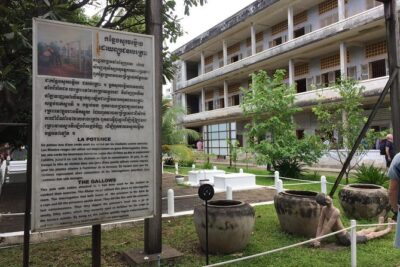 ★ 5.0Private Half Day To Killing Field & S21 Genocidal Museum in Phnom PenhFrom $130137 reviews
 ★ 5.0Tuol Sleng Genocide Museum (S-21) and Choeung Ek Killing Fields TourFrom $19123 reviews
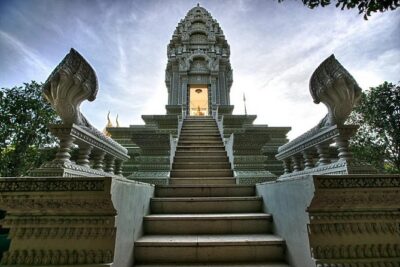 ★ 5.0Phnom Penh City Tour, Silver Pagoda, Genocide Museum, Killing FieldsFrom $65123 reviews
 ★ 4.7Bantey Srei, Kbal Spean and Landmine museum Private Tuk-TukFrom $4330 reviews
 ★ 5.0Siem Reap City Tour with War Museum and Killing FieldFrom $4727 reviews
★ 4.5The killing field and Toul Sleng Genocide museum (S21) TourFrom $1819 reviews
★ 5.0Siem Reap City Tour with War Museum and Killing FieldFrom $4727 reviews
★ 4.5The killing field and Toul Sleng Genocide museum (S21) TourFrom $1819 reviews
Also appears in