
REVIEW · KAMPOT & KEP
Exploring the Best of Kampot and Kep in a Full-Day Tour
Pepper, salt, crabs, and a park in one day. This full-day route strings together Kampot’s working sights and Kep’s seafood atmosphere, then adds a proper nature break at Bokor National Park, all with pickup from Kampot city. You’ll start at 8:00am and get dropped back the same day.
I love how practical this is, especially the tuk tuk transport and the small 18-person group limit. It keeps the day from turning into a rushed checklist, and it also makes it easier to hear your guide when stories start flying.
One thing to consider: it’s a long day, 8 to 9 hours, and meals are not included. If you don’t plan for snacks and water, you’ll feel it later, especially on the park portion.
In This Review
- Key highlights you should care about
- Kampot and Kep in One Day, the Route That Makes Sense
- Stop 1: Kampot Salt Fields, See Salt-Making Up Close
- Stop 2: Brateak Krola Lake, a Dam With a Heavy Past
- Stop 3: La Plantation Pepper Farm, Learn How Kampot Pepper Grows
- Stop 4: Kep Crab Market, Seafood Energy in Real Life
- Stop 5: Bokor National Park, 4 Hours of Forest Trails and Big Views
- Tuk Tuk Transport and Guides Who Actually Explain Things
- Timing, What to Pack, and How to Keep the Day Enjoyable
- Price and Value: Is $55 Fair for This Much Ground?
- Who Should Book This Tour, and Who Might Skip It
- FAQ
- What time does the full-day tour start?
- How long is the tour?
- What’s included in the price?
- Are meals included?
- Is hotel pickup available?
- How large is the group?
- What is the cancellation policy?
Key highlights you should care about
- Salt fields you can actually watch, with a full hour at the working pans
- Brateak Krola Lake, a dam story, not a typical postcard lake stop
- Pepper farm time with a guide at La Plantation, included and built around how pepper is grown and harvested
- Kep Crab Market makes seafood visual, with easy access to the famous Kep crab scene
- Bokor National Park gives you real walking time, about 4 hours in rainforests and trails
Kampot and Kep in One Day, the Route That Makes Sense
If you only have one day to cover this part of Cambodia, this tour does a smart thing: it connects the region’s big themes without wasting your time going back and forth. You get working agriculture (salt), a Khmer Rouge-era infrastructure story (the dam that forms Brateak Krola Lake), a signature crop (Kampot pepper), and then food and nature.
What makes the pacing work is that the stops are varied. You’re not just driving and staring. You spend enough time at salt fields and La Plantation to see how things are made, and you get a longer stretch in Bokor National Park where you can slow down and focus on the surroundings.
Stop 1: Kampot Salt Fields, See Salt-Making Up Close
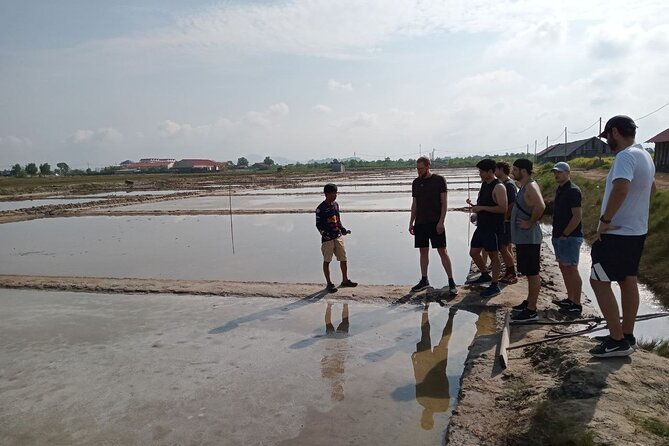
Your day starts at the salt fields of Kampot, with about an hour on site and an admission ticket included. The best part of this kind of stop is that it’s not a museum version of salt. You’re watching a real, ongoing process, which tends to make the whole thing feel grounded.
During the salt-making cycle, you’ll see workers harvesting salt from large salt pans. Even if you’re not an expert, it helps to look at the simple logic: sun, time, and careful harvesting. Salt is one of those products that everyone uses, but few people actually watch being made.
A practical tip: bring sun protection. This is the kind of place where shade can be limited, and the day starts early enough that the heat can still build quickly. Good footwear also helps, since you may be stepping on uneven ground around the pans.
More pepper farms, salt fields and crab market runs
- Discovery Tour: Caving, Climbing, Via Ferrata and Abseiling in Kampot★ 5.0 · 172 reviews
- Kampot Tour Pepper Plantation, Salt Field, Cave, Secret Lake★ 5.0 · 128 reviews
- La Plantation tour (discovering Kampot Pepper) + Lunch★ 4.5 · 97 reviews
- KAMPOT TRAVEL-Pepper farm. Cave.Secret lake-Crab market & Salt…★ 5.0 · 87 reviews
Stop 2: Brateak Krola Lake, a Dam With a Heavy Past
Next is Brateak Krola Lake, sometimes described as the secret lake. You’ll have about 15 minutes here, and an admission ticket is included. This matters because Brateak Krola Lake is not a natural lake in the usual sense. It’s described as a dam, built during the Khmer Rouge era with slave labor.
That detail is the reason this stop feels different from a typical photo break. You’re not just checking off a viewpoint, you’re meeting a site shaped by Cambodia’s modern history. If you’re sensitive to heavy topics, I’d treat this as a short, reflective pause rather than a long hangout.
Because the stop is brief, come with the mindset of noticing structure and place rather than trying to do everything. Take a few photos if it feels appropriate, but also give yourself a minute to understand why a man-made dam can become part of local identity over time.
Stop 3: La Plantation Pepper Farm, Learn How Kampot Pepper Grows
La Plantation pepper farm is next, and it’s one of the best value stops on the day because you get about 2 hours and a guide there. Entrance is included, and you’ll have an English or French speaking guide specifically for this segment.
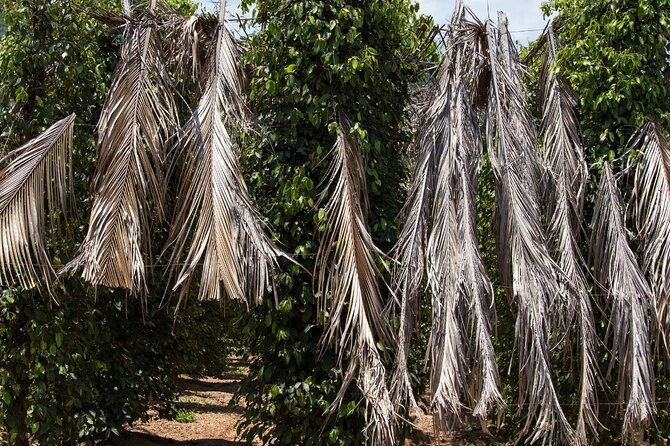
What you can expect is a hands-on style explanation of pepper cultivation. The tour centers on the process of growing and harvesting Kampot pepper, which is a practical way to understand why this region’s pepper is so sought after. It’s also a nice break from pure sightseeing because it’s focused on agriculture and technique, not just scenery.
I also like that the guide experience is timed for learning. Two hours is long enough to ask questions and get answers you can actually use later when you’re buying pepper or cooking. If you care about food, this is where your brain switches from looking at sights to connecting the dots between place and product.
If you get warm easily, plan for it here too. Pepper farms can be sunny and humid, and you’ll likely be outside for most of the visit. A hat and water bottle go a long way.
Stop 4: Kep Crab Market, Seafood Energy in Real Life
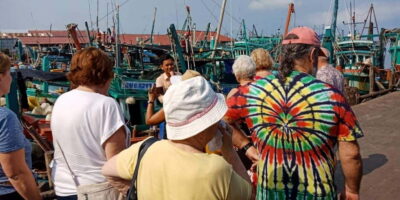
Kep Crab Market is your food stop, with about 1 hour on the schedule and the market entrance listed as free. This is the kind of place where you learn by watching: you see the seafood action and get close to the famous Kep crab scene.
What I like about going to the Crab Market as part of a bigger tour is that it doesn’t feel like a standalone errand. You’re in Kep anyway, and this gives you an immediate sense of what the coast is about. It’s also a place where you can take your time looking, even if you don’t plan to make big purchases.
The market is known for fresh seafood, and the tour description highlights the famous Kep crab and fishermen unloading seafood. That combination makes it more than just stalls. It’s an ecosystem, and the pace reflects that.
Since meals are not included, treat this as a chance to snack or choose your own bite. If you prefer to eat lightly during tours, you can keep it to a drink and a quick taste, then save a fuller meal for later. Either way, bring cash if you want to buy anything, since personal expenses are not covered.
Stop 5: Bokor National Park, 4 Hours of Forest Trails and Big Views
Bokor National Park is where the day shifts from coastal culture to nature time. You’ll spend about 4 hours here, with an admission ticket included.
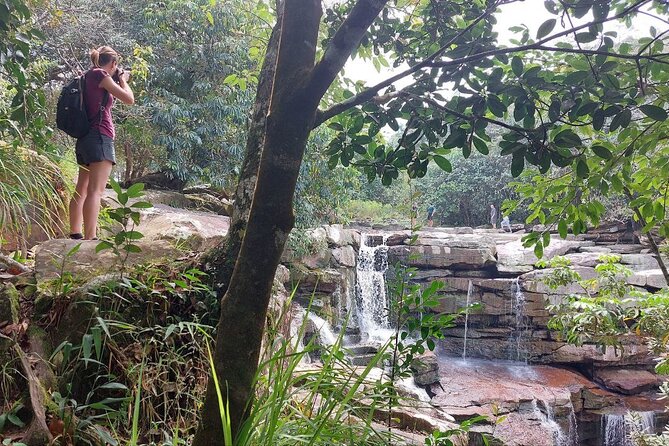
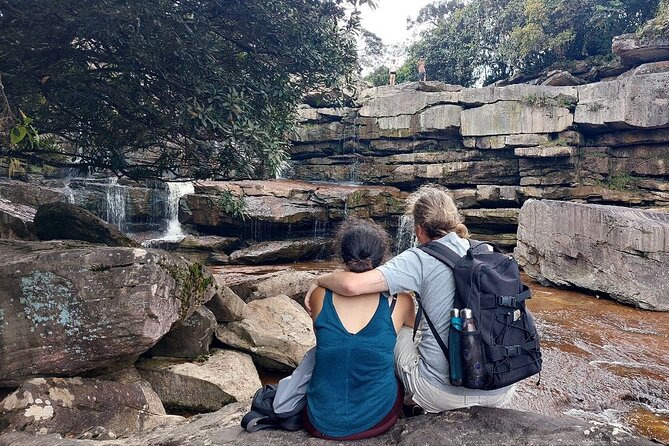
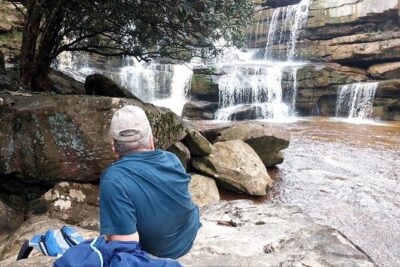
The tour focuses on rainforests, flora and fauna, and winding trails. That’s not just marketing language. In practice, it’s a chance to move your legs, breathe differently, and reset after earlier stops that are more structured and stop-and-go.
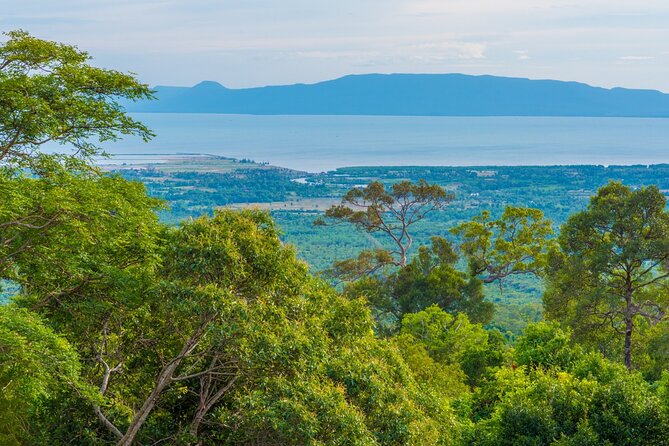
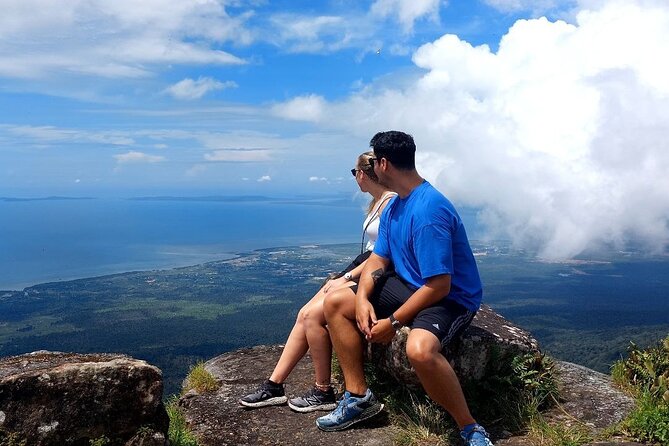
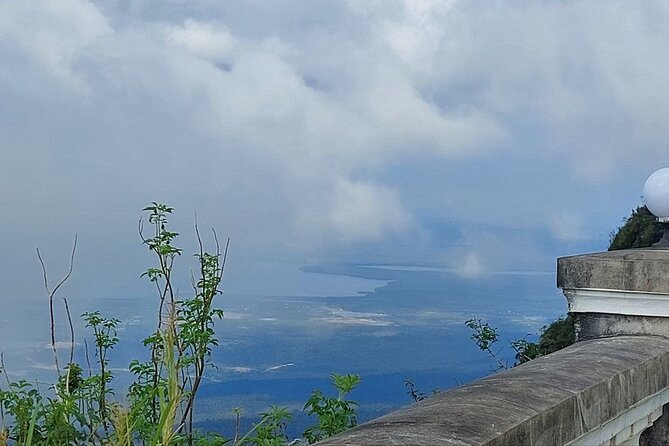
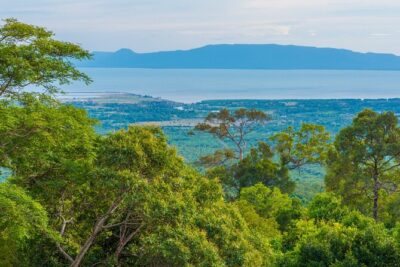
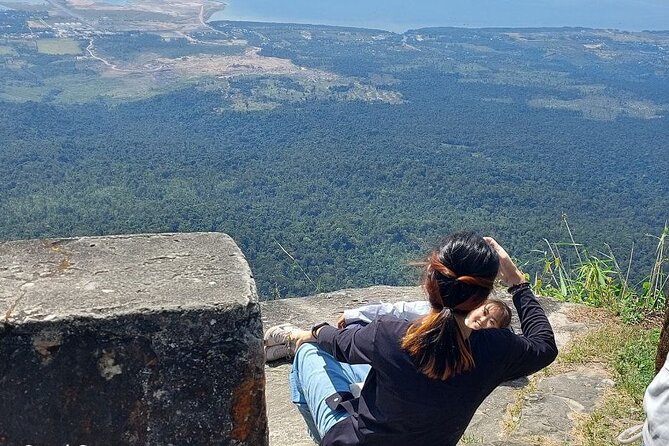
I’d especially watch for views from Bokor Mountain. The guide mentions this kind of payoff often in a well-paced visit, and it’s a major reason people remember the park portion. The setting can feel cooler and more open at overlooks, which also helps if the coast has been humid.
Practical notes for the park:
- Wear shoes you trust on uneven paths.
- Bring sun protection anyway. “Forest” does not always mean “shade everywhere.”
- Expect mosquitoes depending on timing. You’ll feel better if you’re prepared.
If you’re not a big walker, you can still enjoy the park by focusing on viewpoints and short sections of trail. Just don’t wait until the last minute to slow down. The day moves, and Bokor gives you the best long stretch.
Also on our Sihanoukville list, if none of these land
Tuk Tuk Transport and Guides Who Actually Explain Things
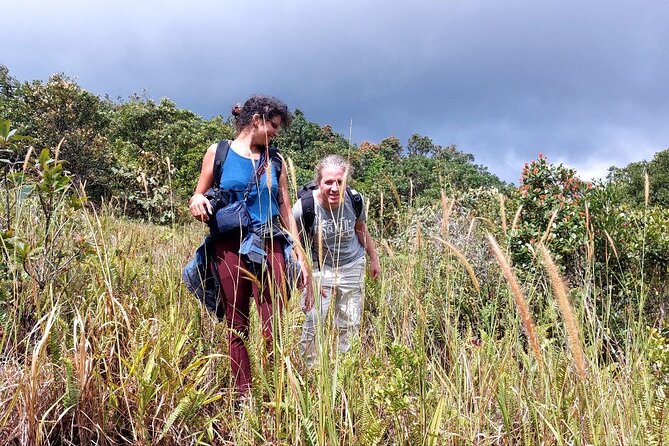
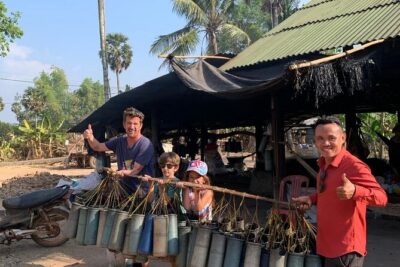
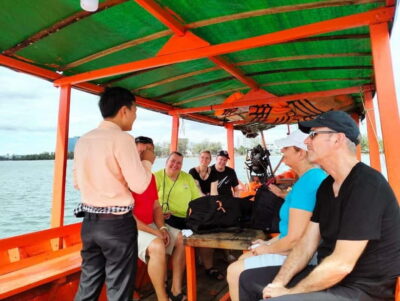
This tour uses a tuk tuk, and you get an English speaking driver as your tour guide. Hotel pickup and drop-off is included for hotels in Kampot city center. The maximum group size is 18, which is small enough that your guide can keep track of questions.
One detail that stands out from the guide experience is how strongly English skills show up in real-world comfort. Multiple people specifically asked for guides by name, like Roy and Micki, and praised how well they explained local stories. Roy gets mentioned for punctuality, friendliness, and strong English. Micki gets mentioned for experience and an easy conversation style.
That matters because this route includes places where context helps. Salt fields are easier to appreciate when you understand what you’re looking at. The Brateak Krola Lake dam story lands differently when your guide sets the scene clearly. Pepper farm explanations also feel more useful when you can ask follow-up questions without language friction.
Yes, the roads can be intense. Some routes in this region involve twisty driving, and you may feel that in a tuk tuk. The upside is that tuk tuk riding can feel nimble and local, and a good driver keeps you feeling safe. If you’re sensitive to motion, plan for it like you would on any long road day: sit comfortably and take breaks at stops.
Timing, What to Pack, and How to Keep the Day Enjoyable
This is an 8 to 9 hour day starting at 8:00am. That timing is useful because you avoid the later afternoon heat for many outdoor stops. It also lines up well with most people’s desire to see Kampot and Kep without losing the entire rest of the day.
Since meals are not included, you’ll want your own plan. At minimum, bring water and a snack you’ll actually eat. If you skip food until the crab market hour, you might still have energy, but you’ll be crankier, and Bokor will be harder.
What to pack:
- Refillable water bottle
- Sunscreen and a hat
- Light layers, since park air can feel different
- Comfortable shoes for trails
- Cash for personal expenses and any snacks
Also, the tour has admission tickets included for key stops like salt fields, Brateak Krola Lake, La Plantation, and Bokor National Park. That helps with value because you’re not tracking several separate entry fees throughout the day.
Price and Value: Is $55 Fair for This Much Ground?
At $55 per person, this tour offers a lot of built-in costs. You get tuk tuk transport, hotel pickup and drop-off in Kampot city center, an English speaking driver and guide time at La Plantation, plus entrance fees where listed as included.
Meals are not included, and that’s the main gap in the price. But compared to piecing together separate transport, admission tickets, and a guide, the package feels efficient. It’s especially good if you want someone else to coordinate timing between salt fields, pepper farm, crab market, and the park without you mapping it out.
The group limit of up to 18 also helps value, because it keeps the experience more personal than a huge bus day. You’re not paying just to sit in traffic.
Who this fits best:
- You want one day that connects Kampot and Kep with meaningful stops
- You like food and agriculture, not only sightseeing
- You want English guidance that explains more than directions
- You’re staying in Kampot city center and want pickup convenience
Who Should Book This Tour, and Who Might Skip It
Book it if your priority is variety. This route covers salt, pepper, seafood, and a national park in one sweep, and the time at pepper farm and Bokor makes it feel more like a day trip with substance rather than quick photo stops.
You might skip it if you’re the type who hates road time. Some parts of Cambodia are not smooth, and this route includes a full day of driving. Also, if you need a strict vegetarian or special meal plan, meals are not included, and your choices are up to you.
That said, even if you’re flexible, this is a strong way to avoid decision fatigue. You arrive, you follow the schedule, and your guide handles the storytelling.
FAQ
What time does the full-day tour start?
It starts at 8:00am.
How long is the tour?
The duration is listed as about 8 to 9 hours.
What’s included in the price?
The tour includes tuk tuk transport, an English speaking driver as tour guide, a tour guide at La Plantation (English or French speaking), hotel pickup and drop-off in Kampot city center, and entrance fees.
Are meals included?
No. Meals are not included, so you will need to cover food with your own budget.
Is hotel pickup available?
Yes, pickup and drop-off are included for hotels in Kampot city center.
How large is the group?
The tour has a maximum of 18 travelers.
What is the cancellation policy?
You can cancel for a full refund up to 24 hours in advance of the experience start time.
Should you book? If you want a well-paced day that connects Kampot’s salt and pepper story to Kep’s seafood and Bokor’s park walking, this is an easy yes. It’s priced fairly for a full circuit, and the guide experience, especially with English support like Roy or Micki, is the kind of difference that turns a list of stops into a day you actually remember.
More Tours in Sihanoukville
- Discovery Tour: Caving, Climbing, Via Ferrata and Abseiling in Kampot★ 5.0 · 172 reviews
- Sihanoukville Highlights Day Tour for Cruise Passengers★ 4.5 · 171 reviews
- Kampot Tour Pepper Plantation, Salt Field, Cave, Secret Lake★ 5.0 · 128 reviews
- La Plantation tour (discovering Kampot Pepper) + Lunch★ 4.5 · 97 reviews
More Tour Reviews in Sihanoukville
- Discovery Tour: Caving, Climbing, Via Ferrata and Abseiling in Kampot★ 5.0 · 172 reviews
- Sihanoukville Highlights Day Tour for Cruise Passengers★ 4.5 · 171 reviews
- Kampot Tour Pepper Plantation, Salt Field, Cave, Secret Lake★ 5.0 · 128 reviews
- La Plantation tour (discovering Kampot Pepper) + Lunch★ 4.5 · 97 reviews
More Pepper Country
- Discovery Tour: Caving, Climbing, Via Ferrata and Abseiling in Kampot★ 5.0 · 172 reviews
- Kampot Tour Pepper Plantation, Salt Field, Cave, Secret Lake★ 5.0 · 128 reviews
- La Plantation tour (discovering Kampot Pepper) + Lunch★ 4.5 · 97 reviews
- KAMPOT TRAVEL-Pepper farm. Cave.Secret lake-Crab market & Salt…★ 5.0 · 87 reviews
Newly written up around Sihanoukville
- Exploring Kampot With SUV Car By English Local Tour Guide
★ 5.0 · 4 reviews - Discover Bokor National Park
★ 3.0 · 4 reviews - Sihanoukville Small-Group City Tour for Cruise Passengers
★ 4.5 · 5 reviews - Small Group Sihanoukville Exploration from Cruise Pier
★ 5.0 · 5 reviews - Sihanoukville to Phnom Penh by Private Car or Minivan
★ 4.5 · 5 reviews - Kampong Trach Off-Roads
★ 5.0 · 5 reviews
Kampot & Kep Pepper Farm Tours, side by side.
 ★ 4.8Pepper Farm Tours, Salt, Lake & Phnom Chhngok TempleFrom $23432 reviews
 ★ 4.9Full-day Countryside Tour with Pepper Farm and KepFrom $26245 reviews
 ★ 5.0Discovery Tour: Caving, Climbing, Via Ferrata and Abseiling in KampotFrom $53172 reviews
 ★ 4.7Bokor Mountain Classic or Sunset TourFrom $28147 reviews
 ★ 4.9Tuk Tuk Trip to Pepper Farm, Kep, Crab Market & MoreFrom $25143 reviews
 ★ 5.0Kampot Tour Pepper Plantation, Salt Field, Cave, Secret LakeFrom $20128 reviews
 ★ 4.8Green Cathedral Kayaking Journey & Reflection River ViewFrom $28123 reviews
 ★ 4.9Kampot Countryside include Pepper farm, Salt field & LakeFrom $16100 reviews
Also appears in