
REVIEW · KAMPOT & KEP
Kampot/Cambodia pepper farm . Cave. lake. Kep Crab market & more.
One ride through Kampot tells the whole story. This private tuk-tuk route with Pheary packs Hindu cave temple views, Brateak Krola Lake (often called the Secret Lake), and hands-on stops at La Plantation spice farms and Kampot salt fields. I also love that the day is paced for real curiosity, with included entry fees and helpful local context, not just checkboxes. The main thing to consider is the day runs about 7 to 8 hours, so it can feel long if you are sensitive to car time plus some walking at temple and farm stops.
What makes this work well is the mix of “learn something” and “see something.” You get cold water and coconut fruit juice along the way, and Pheary’s knowledge comes from growing up around Kampot, so the route feels personal. You also get the comfort of a private group (up to 3 people), so you can ask questions without a crowd deciding the pace.
One more practical note: there is an extra $5 charge if you stay outside Kampot, specifically more than 5 km from the Durian roundabout. If your hotel is far out, it can change the value.
In This Review
- Key highlights to look forward to
- A tuk-tuk day with Pheary through Kampot and Kep
- Price and logistics: what $38 per group really means
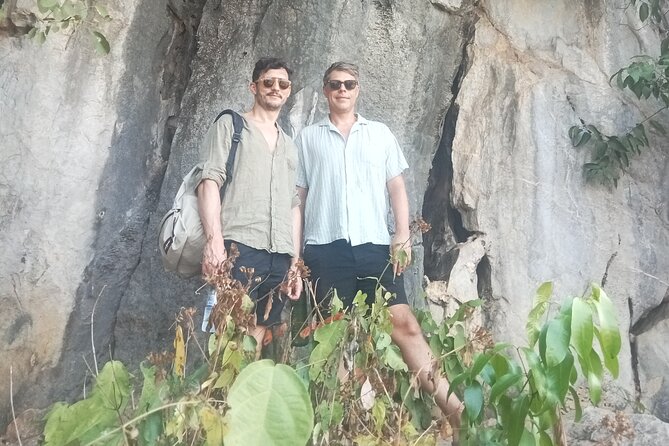
- Phnom Chhnork Cave Temple: Hindu cave temple calm in Kampot Province
- Brateak Krola Lake, the Secret Lake: a quick nature reset
- La Plantation fair spices: hands-on learning without the lecture
- Salt fields near the coast: watching Kampot’s other famous product
- Kep Crab Market: good scene, mixed feelings, useful context
- Food and drink included: the small comforts that matter on a long day
- Why this itinerary feels like real value, not just a checklist
- Who should book this Kampot and Kep day with Pheary
- Should you book this tour?
- FAQ
- How long is the tour?
- What is the group size and price?
- Is pickup available?
- What stops are included?
- What is included in the price?
- Is the tour private?
Key highlights to look forward to
- Pheary as your guide who grew up around Kampot and talks through what you are seeing
- Tuk-tuk transport that keeps this day feeling flexible and local
- Phnom Chhnork Cave Temple with included admission and a focused 1 hour visit
- Brateak Krola Lake, aka Secret Lake with a short, scenic stop
- La Plantation spice agro-tourism built around sustainable growing and fair spice production
- Kampot salt fields plus Kep Crab Market for a full picture of what the coast produces and sells
A tuk-tuk day with Pheary through Kampot and Kep
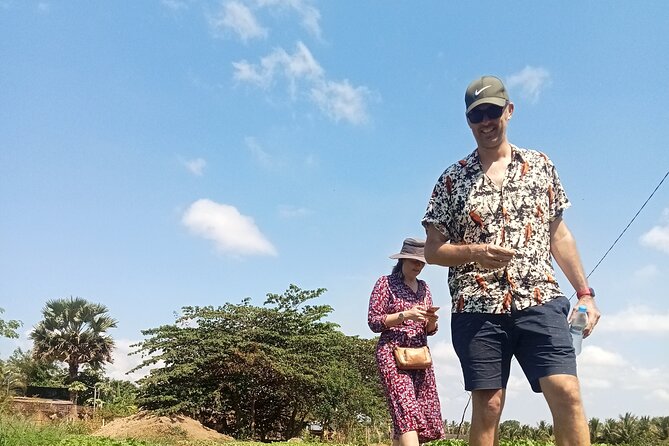
This is the kind of day that makes you feel like you are traveling inside the place, not just above it. You hop into a tuk-tuk and head out with Pheary, the local guide tied to the area, and the route is built around Kampot Province’s most recognizable natural and food-related stops. It is part culture, part food and agriculture, and part “just look at this” scenery.
I like that the tour is private for your group. That matters more than you might think. When you are not sharing with strangers, you can slow down for photos, ask why something is done a certain way, or spend extra minutes looking at a farm process without getting rushed.
The day also has a steady rhythm: one strong attraction, then a complementary stop, then another theme. You go from temple cave to lake, then to spice production, then to salt, and finally into Kep’s market scene. It feels like a clean circuit that builds understanding as you move.
Price and logistics: what $38 per group really means
The price is $38 per group with a maximum of 3 people. That is a big deal for value because the transport is covered and the stops include entry fees. So even though it is one fixed price, you are not paying separately each time you arrive somewhere.
Also note the fine print that affects your actual cost. If your stay is outside Kampot, there is an additional $5 charge when you are more than 5 km from the Durian roundabout. If your hotel is in the main Kampot area, you likely avoid that extra fee.
Two more details that affect how smooth the day feels:
- Pickup is offered, so you are not doing the “where do we meet” scramble.
- You use a mobile ticket, which is handy for a long day when you do not want to manage paper.
The tour duration is about 7 to 8 hours, which is long enough to feel satisfying, but still realistic if you want one active day without burning your whole trip. If you hate long car days, this might be a lot. If you like being on the move, it is a good fit.
More pepper farms, salt fields and crab market runs
- Discovery Tour: Caving, Climbing, Via Ferrata and Abseiling in Kampot★ 5.0 · 172 reviews
- Kampot Tour Pepper Plantation, Salt Field, Cave, Secret Lake★ 5.0 · 128 reviews
- La Plantation tour (discovering Kampot Pepper) + Lunch★ 4.5 · 97 reviews
- KAMPOT TRAVEL-Pepper farm. Cave.Secret lake-Crab market & Salt…★ 5.0 · 87 reviews
Phnom Chhnork Cave Temple: Hindu cave temple calm in Kampot Province
Your first anchor stop is Phnom Chhnork, a Hindu cave temple in Kampot Province. It sits about 5 miles (8 km) north-east of Kampot, and the idea here is simple: you get a real temple setting that feels separate from everyday city life.
I like this stop because it is the first “wow” moment early in the day. A cave temple automatically changes the mood. Even if you are not a temple specialist, it gives you atmosphere fast. The visit is 1 hour, and the admission is included, so you can focus on exploring rather than budgeting time for ticket lines.
What to keep in mind:
- A cave environment usually means uneven floors and cooler, darker spaces. Wear closed, grippy shoes.
- Keep your pace steady. This kind of site is better when you take it slow, not when you rush through.
The bigger value is that Pheary can frame what you are seeing. Since he knows the local area from growing up there, he tends to explain the temple and its place in the region in a way that clicks. It is not just facts, it is context you can carry to the next stops.
Brateak Krola Lake, the Secret Lake: a quick nature reset
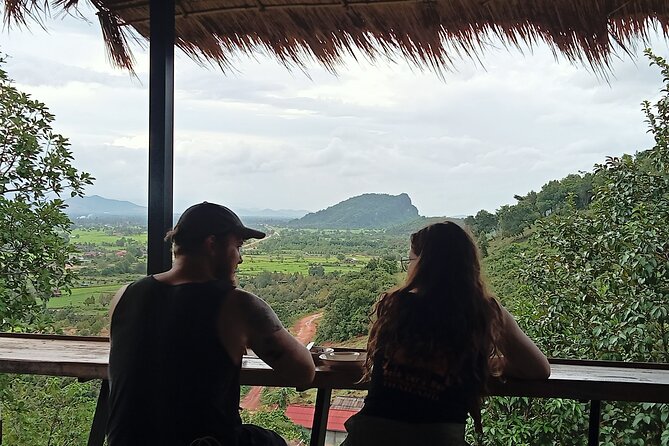
Next comes Brateak Krola Lake, sometimes called the Secret Lake. The stop is 45 minutes. That short time is intentional. You are not trying to do a full hike marathon. You are getting the “pause and look” part of the day, right after the temple.
This is a good counterbalance. After cave temple atmosphere and temple-adjacent walking, the lake stop feels like a breath. You get a chance to reset your brain, take photos, and soak up the calmer side of Kampot Province.
Practical advice:
- Bring or keep an eye on water. It is included overall (cold water shows up), but a short lake stop still means you might want sips while you look around.
- If you are traveling with someone who hates long stops, this is a workable time window.
The lake is also a nice bridge to the agriculture and food stops that come later. It reminds you the region’s identity is not only markets and temples. It is also water, land, and production shaped by the environment.
La Plantation fair spices: hands-on learning without the lecture
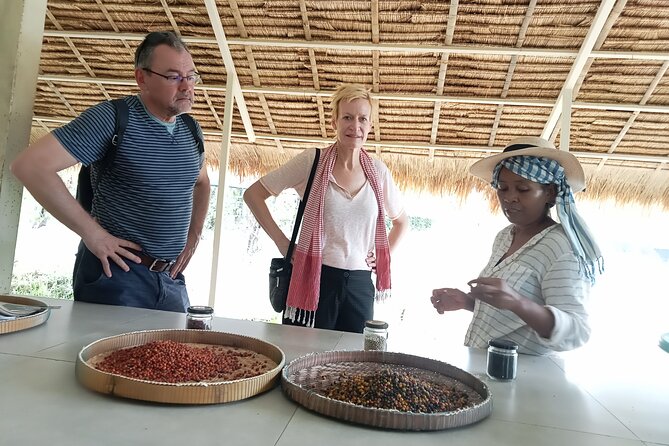
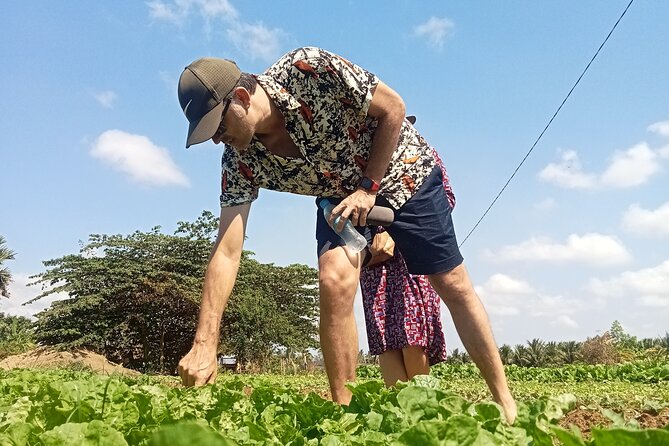
Then you shift into the most food-forward part of the day: La Plantation, a fair spices producer and sustainable agro-tourism project. The stop runs about 3 hours, with admission included.
This is where the tour stops feeling like “just sightseeing” and starts giving you something you can use later. Spices are one of those things people buy without really thinking about how they are grown, processed, and turned into products you might see in stores.
What you can expect here:
- A focus on sustainable growing and how spices are produced as part of an agro-tourism setup.
- A place you can actually spend time in, because 3 hours is enough to wander, watch, ask questions, and get a feel for the process.
The tour description also notes that spices from this kind of project end up in fine delis around the world. That matters because it signals the quality and pathway from local cultivation to the wider market.
If you have a food brain, you will probably enjoy this stop a lot. If you are less interested in spices, you can still find value by paying attention to the sustainability angle. It is not only about taste. It is about how agriculture supports people and local systems.
Tip: plan for the fact that this stop is longer than the others before and after. If you like structure, this is your most “scheduled” segment of the day.
Salt fields near the coast: watching Kampot’s other famous product
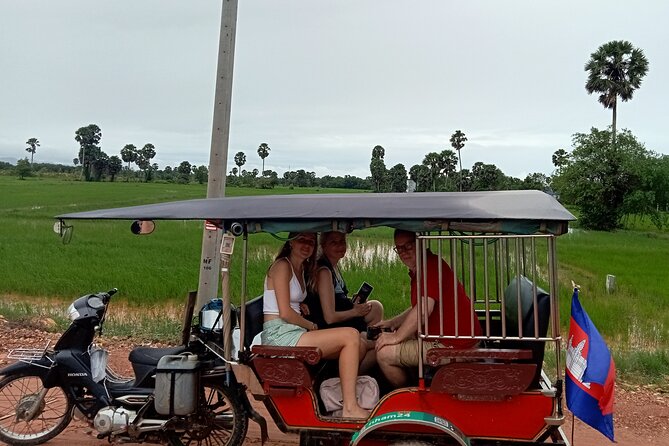
Next up is the salt. Kampot is known for it, and the stop is designed to show you salt production visually. You get about 45 minutes at the salt fields, with admission included.
This is one of my favorite “production stops” because it turns a product you might buy into something you can actually picture. Instead of thinking of salt as something that appears in a jar, you see how it sits across vast pans stretching along the coastline south and southeast of Kampot.
Why this stop works on a tour:
- You get a clear regional identity. Salt is as much a local product as pepper and seafood.
- The time window is short enough to stay interesting. You are not forced to stare at salt for hours.
What to consider:
- Salt fields can mean bright light and open space. Bring sunglasses if you use them, and wear a hat if you like.
- The visuals are strong, but the “comfortable stay” depends on the weather.
Even if you do not buy anything, this stop gives you real context for why Kampot products have a reputation. When you later see peppers and market goods, you understand the local logic behind them.
Also on our Sihanoukville list, if none of these land
Kep Crab Market: good scene, mixed feelings, useful context
Finish with Kep Crab Market, a market where you can find clothes, fruits and vegetables, pepper, and the kind of everyday browsing that makes markets fun. The market stop is 1.5 hours, and admission is included.
This is the most “market energy” portion of the day. It can feel exciting because markets are where the region’s everyday life shows up quickly. You get visual proof of what people buy, sell, and cook.
At the same time, it is not a perfect market. You might find it good in parts and a little disappointing in others. That tracks with how many markets are: some stalls shine, some sections feel more generic, and the overall experience depends on what catches your eye.
How I suggest you approach Kep Crab Market:
- Treat it as a place to scan, not a place to promise yourself a single perfect meal.
- If you are pepper-minded, watch for pepper products and ask questions rather than assuming all pepper is the same.
- If you are hungry, use the time to compare options and then commit.
One extra value from this tour style is that your guide often adds local context around nearby areas, including fishing-related surroundings near Kep. That helps the market feel less random. You start seeing the coast as a connected system, not just a place with stalls.
Food and drink included: the small comforts that matter on a long day
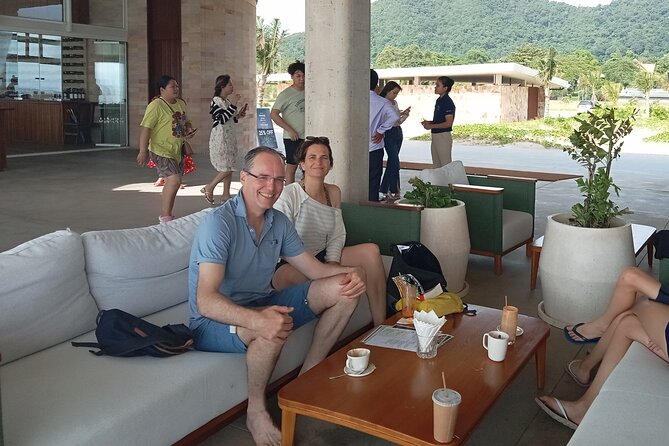
The tour includes cold water and coconut fruit juice. It is a simple benefit, but it matters on a 7 to 8 hour day in the sun and between stops. It also reduces friction. You are less likely to lose time searching for drinks or paying whatever comes up first.
Because the tour includes entry fees, you also avoid surprise costs at each stop. That does not make the day free of expenses, but it keeps it predictable. Predictability is a form of value when you are spending a full day away from your plans.
Why this itinerary feels like real value, not just a checklist
This route hits the themes that make Kampot and Kep make sense: temple culture, water and nature, spice and farming, salt production, and then the market where products and daily life meet.
A lot of tours sell a long list of stops. This one sells understanding through variety. The pacing helps too. Your early energy comes from the temple and lake, then the day shifts into agriculture and food, then you end with a market that lets you connect the dots.
And the private tuk-tuk setup is key. You are not stuck in a rigid group schedule. You are not fighting crowds to move from one place to the next. You get the flexibility that makes the day feel personal.
If you are a solo traveler, this is still a practical deal because the pricing is per group up to 3, so you may end up sharing with friends or pairing with a small group. If you are traveling as a couple, it is also easy to split and compare against hiring a tuk-tuk for only part of the day.
Who should book this Kampot and Kep day with Pheary
I would book this if you want:
- A local guide who grew up around Kampot and can explain what you see
- A day focused on food and agriculture, not only temples and photos
- A private tuk-tuk route that mixes nature, production, and markets
- Included entry fees so your budget stays simple
It is also a solid pick for people who do not want a full-day excursion that turns into a museum lecture. The stops are varied and time-balanced. Even when one stop is longer, it is because it helps you understand the region’s food chain.
You might skip it if:
- You hate long days, because this is 7 to 8 hours.
- You are staying far from Kampot and would pay the extra $5 pickup charge.
Should you book this tour?
Yes, if you want one day that makes Kampot and Kep feel connected through caves, water, spices, salt, and the market scene at the end. The price works because transport and entry fees are bundled, and the guide, Pheary, adds the local context that usually turns a “tour” into a day you remember.
If you are sensitive to time or you are not interested in food production topics, you might prefer a shorter route. But if you like learning while you wander, this is a strong choice for value and genuine local pacing.
FAQ
How long is the tour?
The experience lasts about 7 to 8 hours.
What is the group size and price?
It is $38 per group for up to 3 people.
Is pickup available?
Yes, pickup is offered. There may be an additional $5 charge if you are staying outside Kampot, more than 5 km from the Durian roundabout.
What stops are included?
The tour includes Phnom Chhnork Cave Temple, Brateak Krola Lake (Secret Lake), La Plantation spice farm, Kampot salt fields, and Kep Crab Market.
What is included in the price?
Cold water and coconut fruit juice, tuk-tuk transport, and free entry fees.
Is the tour private?
Yes, it is a private tour or activity, with only your group participating.
More Shopping Tours in Sihanoukville
- KAMPOT TRAVEL-Pepper farm. Cave.Secret lake-Crab market & Salt…★ 5.0 · 87 reviews
- Full day Tour, Countryside, Pepper farm & Kep, crab market…★ 5.0 · 49 reviews
- Private Kampot Countryside Tour & Pepper farm, Kep/Crab Market★ 5.0 · 21 reviews
- KAMPOT- Pepper farm ..salt fields.Kep/Crab market & more……..★ 4.5 · 12 reviews
More Tour Reviews in Sihanoukville
- Discovery Tour: Caving, Climbing, Via Ferrata and Abseiling in Kampot★ 5.0 · 172 reviews
- Sihanoukville Highlights Day Tour for Cruise Passengers★ 4.5 · 171 reviews
- Kampot Tour Pepper Plantation, Salt Field, Cave, Secret Lake★ 5.0 · 128 reviews
- La Plantation tour (discovering Kampot Pepper) + Lunch★ 4.5 · 97 reviews
More Pepper Country
- Discovery Tour: Caving, Climbing, Via Ferrata and Abseiling in Kampot★ 5.0 · 172 reviews
- Kampot Tour Pepper Plantation, Salt Field, Cave, Secret Lake★ 5.0 · 128 reviews
- La Plantation tour (discovering Kampot Pepper) + Lunch★ 4.5 · 97 reviews
- KAMPOT TRAVEL-Pepper farm. Cave.Secret lake-Crab market & Salt…★ 5.0 · 87 reviews
Newly written up around Sihanoukville
- Exploring Kampot With SUV Car By English Local Tour Guide
★ 5.0 · 4 reviews - Discover Bokor National Park
★ 3.0 · 4 reviews - Sihanoukville Small-Group City Tour for Cruise Passengers
★ 4.5 · 5 reviews - Small Group Sihanoukville Exploration from Cruise Pier
★ 5.0 · 5 reviews - Sihanoukville to Phnom Penh by Private Car or Minivan
★ 4.5 · 5 reviews - Kampong Trach Off-Roads
★ 5.0 · 5 reviews
Kampot & Kep Pepper Farm Tours, side by side.
 ★ 4.8Pepper Farm Tours, Salt, Lake & Phnom Chhngok TempleFrom $23432 reviews
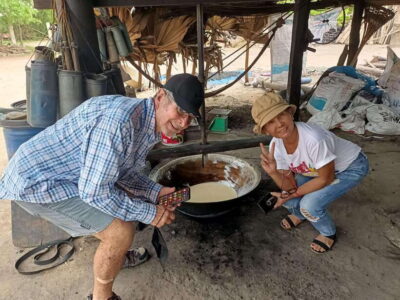 ★ 4.9Full-day Countryside Tour with Pepper Farm and KepFrom $26245 reviews
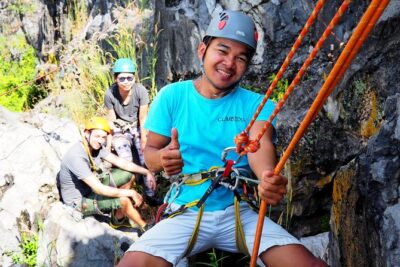 ★ 5.0Discovery Tour: Caving, Climbing, Via Ferrata and Abseiling in KampotFrom $53172 reviews
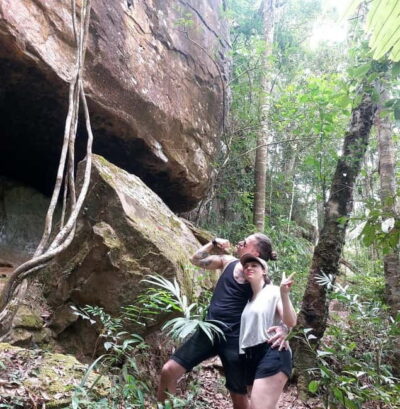 ★ 4.7Bokor Mountain Classic or Sunset TourFrom $28147 reviews
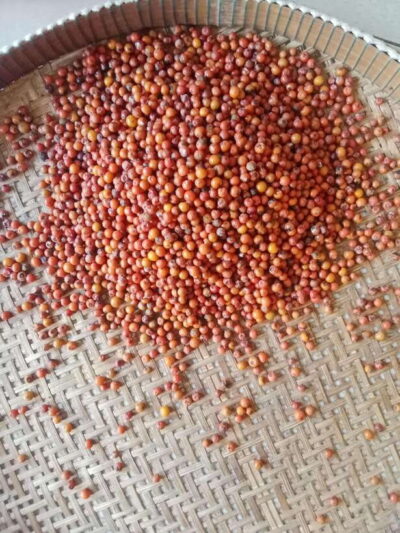 ★ 4.9Tuk Tuk Trip to Pepper Farm, Kep, Crab Market & MoreFrom $25143 reviews
 ★ 5.0Kampot Tour Pepper Plantation, Salt Field, Cave, Secret LakeFrom $20128 reviews
 ★ 4.8Green Cathedral Kayaking Journey & Reflection River ViewFrom $28123 reviews
 ★ 4.9Kampot Countryside include Pepper farm, Salt field & LakeFrom $16100 reviews