
REVIEW · CAMBODIA
Khmer Gourmet Cooking Class
Market-to-meal cooking beats another temple tour. This Khmer Gourmet Cooking Class is built around a market walk and a hands-on 3-course meal, with you choosing what you cook and getting guided steps from the teacher. I love how the Old Market ingredient stroll makes Khmer flavors feel less mysterious, and I love the private setup where you get more time to ask questions. One thing to consider: the kitchen can run hot, and a few past guests noted fan or A/C issues.
For about $21.50 per person and roughly 2 hours 30 minutes, you’re not just watching. You’re selecting ingredients, cooking a starter, main, and dessert, then eating what you made. Hotel pickup can be arranged, but I recommend you confirm whether the ride back to your hotel is included.
In This Review
- Khmer Gourmet Cooking Class at a Glance: Market, Menu, and a Real Meal
- Why This Siem Reap Cooking Class Fits a Tight Itinerary
- Picking Your Menu: Six Choices and a Three-Course Game Plan
- The Old Market Stop: Where Flavor Starts Before the First Chop
- Back to the Kitchen: Stations, Clean Tools, and the Teacher Factor
- Cooking What You Chose: Starter, Main, and Dessert in Real Khmer Style
- Tasting and Finishing Strong: Certificates, Recipe Links, and Leaving Full
- Price and Value in Siem Reap: What $21.50 Really Buys
- Heat, Bugs, Stairs, and Other Real-World Considerations
- Who Should Book This Class (and Who Might Skip It)
- Should You Book Khmer Gourmet Cooking Class in Siem Reap?
- FAQ
- How long is the Khmer Gourmet cooking class?
- Is this a private experience?
- Does the class offer hotel pickup?
- What happens at the market?
- What dishes will I cook?
- Will I eat what I cook?
- Is free cancellation available?
Khmer Gourmet Cooking Class at a Glance: Market, Menu, and a Real Meal
- Private class, your group only: You work with the instructor without the pressure of a large crowd.
- Choose from 6 menu options: You pick your starter, main, and dessert before you cook.
- Old Market ingredient walk: You shop for fruits and vegetables, plus you learn what you are actually using.
- Clean, organized kitchen setup: Aprons and chef hats show up, and most guests say stations are well run.
- 3-course eating, not just tasting: Expect a proper Khmer meal and often more food than you can finish.
- Certificate at the end: You get a certificate and a link to the recipes.
Why This Siem Reap Cooking Class Fits a Tight Itinerary
Siem Reap can eat your days alive. One minute you are planning temples, the next you are chasing sunset spots, and suddenly dinner is late and expensive. This class is designed for that exact problem: it is short enough to slot into a busy schedule, but complete enough to feel like a full experience.
The market-to-cooking flow matters. A lot of cooking classes start with ingredients already on the table. Here, you go out first to select fresh produce and get your bearings with Khmer food basics before you turn on the stove. That sequence helps you understand what you are making and why the flavors work together.
The private format also changes the vibe. Even when you are not a confident cook, you are not waiting in line. You can ask simple questions without feeling rushed.
Picking Your Menu: Six Choices and a Three-Course Game Plan
The class is built around a clear structure: choose a menu (from 6 options) and then cook a starter, main course, and dessert. That one decision point does a lot for your enjoyment. You get to steer the experience toward what sounds good to you, instead of being locked into whatever the kitchen picked for the group.
You can also plan around your energy level. If you want something familiar, pick a main you recognize from Cambodian cuisine. If you want a sweeter payoff, go for the dessert option that tempts you most. Most importantly, you get the satisfaction of leaving with a finished plate in each course, not just sample bites.
More Khmer kitchens taking visitors
- Khmer Cooking Class at a Local’s Home in Krong Siem Reap★ 5.0 · 2,731 reviews
- Award-Winning Cooking Class Experience with Professional Teacher★ 5.0 · 745 reviews
- Cambodian Village Cooking Class★ 5.0 · 265 reviews
- Cambodian Cooking Class from Siem Reap★ 4.9 · 190 reviews
The Old Market Stop: Where Flavor Starts Before the First Chop
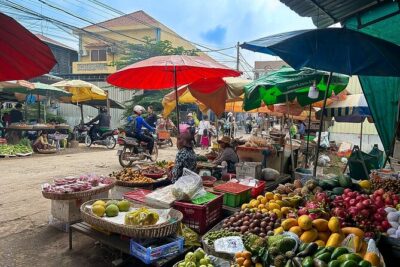
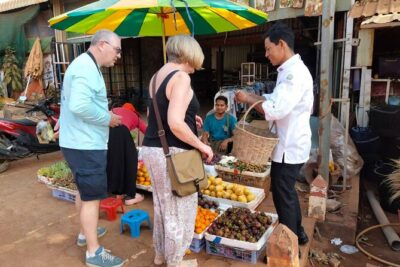
The market portion is more than a photo stop. It is where you learn the “what” of cooking in Cambodia, starting with fresh fruits and vegetables. You pick ingredients from what is offered, so by the time you reach the kitchen, you are cooking with ingredients you already saw and selected.
This is also one of the best ways to make Siem Reap markets feel less intimidating. If you are new to the area, the walk can give you context for what you will see later on your own. It is practical education you can use again, even if you never cook at home.
What I like is that the market walk supports the cooking later. Your teacher can point out herbs and spices and connect them to the dishes you chose. That connection is what turns “I tried something” into “I understand what went into it.”
Back to the Kitchen: Stations, Clean Tools, and the Teacher Factor
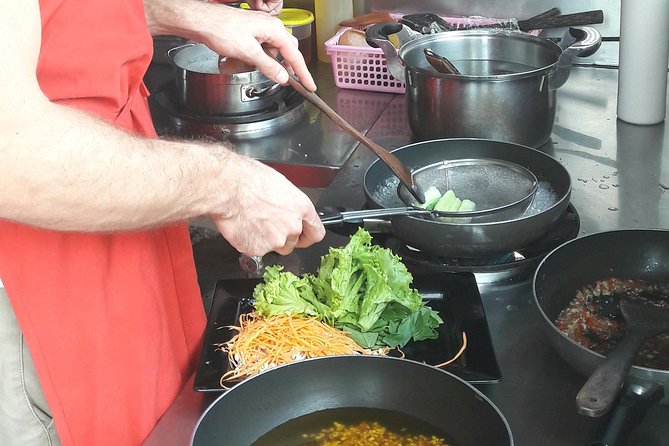
After the market, you head back to the cooking kitchen where you put on aprons and chef hats and get started. Many guests praise the kitchen for being clean and well organized, with a stainless setup and prep done in advance so you are not fighting with equipment.
The biggest variable is how the teaching rhythm matches the group size. Since this is a private experience for your group only, you usually have a smoother path into cooking. Some guests reported having their own cooking station and getting to work through steps themselves. Others noted a “turn-taking” style, especially when the class includes multiple cooks at once. Either way, the instructor is there to guide you step by step.
English support is a recurring theme in the feedback. Teachers named Narong and Naphom are both mentioned as patient, helpful guides with clear communication. Other instructors also get called out, including Saroun, so you are likely to be in good hands as long as you arrive ready to ask questions.
Cooking What You Chose: Starter, Main, and Dessert in Real Khmer Style
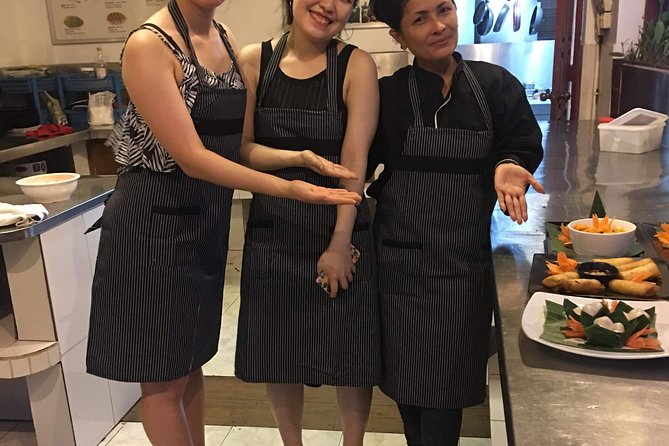
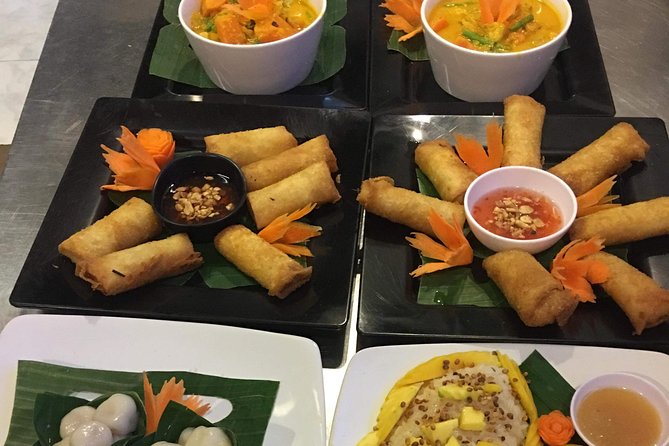
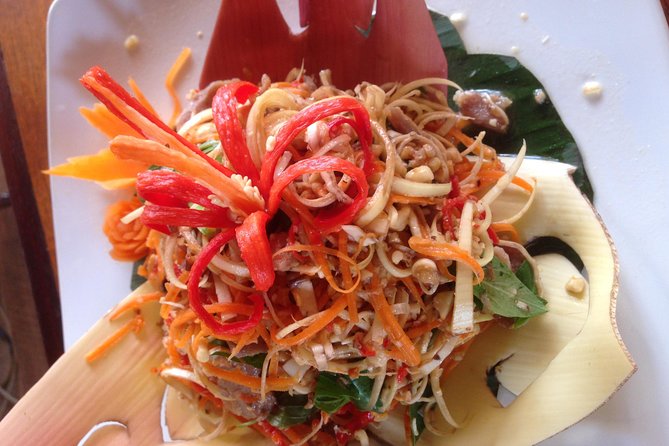
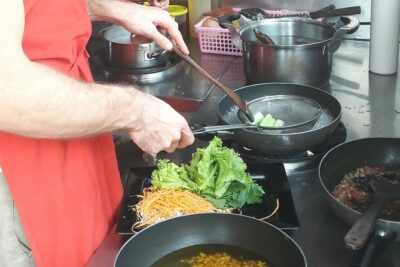
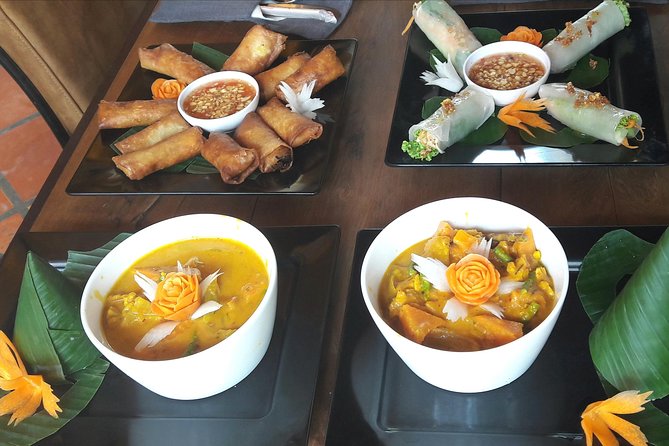
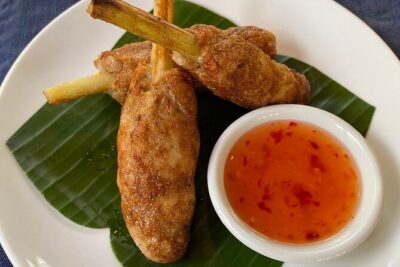
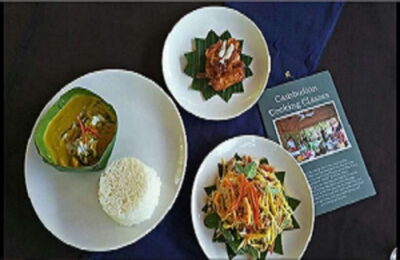
This class is hands-on from start to finish. You will cook your starter, main, and dessert with guidance, and then you eat a degustation of what you made. The dishes people mention most often include:
- Khmer amok (and amok-style dishes)
- Fried spring rolls
- Beef lok lak
- Banana flambe
- Mango sticky rice
A practical point: you will likely do several types of prep during the session. Expect chopping and mixing early, then cooking tasks that match your dish choices. Fried items mean you should be mindful of hot oil and steam. Desserts tend to move faster once you get the method down, so pace yourself when you are hungry but still at the beginning.
One of the most valuable things you get here is confidence. Even if you do zero cooking at home, the class structure gives you a road map. You follow steps, see what it should look like, and end up with a meal that is recognizably Khmer rather than just “something I made.”
Tasting and Finishing Strong: Certificates, Recipe Links, and Leaving Full
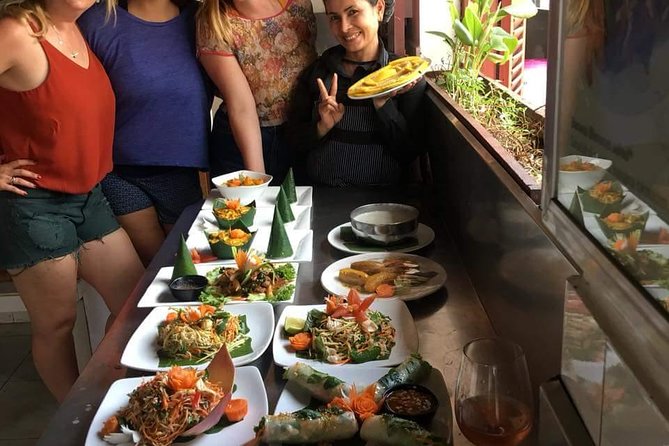
After cooking, you sit down and eat the results. Multiple guests say the portions are big enough that they could not finish everything, so you should treat the class as a dinner plan, not a quick snack.
This is where the “market-to-meal” concept pays off. You already know what you selected, you already handled the ingredients, and now the final plate makes sense. The meal feels earned.
You also get a certificate at the end, plus a link to the recipes. That part is not just sentimental. It is genuinely useful if you want to repeat what you learned later, or if you want to share the dishes with friends back home.
More hands on sessions in Siem Reap

Price and Value in Siem Reap: What $21.50 Really Buys
At $21.50 per person, this class is good value for three reasons.
First, you get a full 3-course meal made by you, guided by a teacher, not just tasting. Many cooking classes cost more while still feeding you less.
Second, the private format is a real perk. When you are only cooking with your group, you lose less time and ask more questions. For couples and solo travelers, that matters. You also avoid the “everyone watches while two people cook” feeling that can happen in larger classes.
Third, the market walk adds context. You are not only paying for cooking time, you are paying for ingredient education and a guided experience of how Khmer food starts at street level.
The one money move I would make is asking about transfers. Hotel pickup can be arranged, but one guest reported the ride back was not included and felt awkward about sorting it out. You can avoid that hassle by confirming pickup and return coverage up front so you end the night relaxed.
Heat, Bugs, Stairs, and Other Real-World Considerations
Most of the feedback is very positive. Still, it is fair to plan for a few practical issues.
Heat in the kitchen: A couple guests said it was extremely hot and that fans or A/C were not working. If you are sensitive to warm indoor spaces, bring a light layer you can tolerate sweating in, and hydrate before you arrive.
Bugs around food: One guest mentioned bugs landing or crawling in food. That is not something you should ignore. If you see anything like that while you are cooking, bring it to the instructor’s attention right away. Also consider choosing dishes that do not require a lot of exposed waiting.
Cooking pace and station setup: Some people got a clear station with full involvement; others described turn-taking and not always cooking start to finish. If you care deeply about cooking every step, ask how hands-on your session will be for your specific group size.
Stairs: One review warns the site has steep stairs. If you have any mobility concerns, wear grippy shoes and consider asking in advance how difficult it will be to access the kitchen area.
Staff vaccination note: The class states that all staff are vaccinated three times. It is not a substitute for common sense hygiene, but it is a reassuring data point.
Who Should Book This Class (and Who Might Skip It)
You will love this class if:
- You want a Khmer cooking experience in a short window (about 2.5 hours).
- You like learning by doing, not just watching someone else cook.
- You enjoy markets and want the ingredient context, especially the fruits, vegetables, and herbs.
- You are traveling as a couple, solo, or in a small group and want a more personal teaching style.
You might choose something else if:
- You hate hot kitchens or you get uncomfortable easily in warm environments.
- You want guaranteed individual cooking start-to-finish with no turn-taking, no matter the group size. Private does help, but kitchens can still run with shared equipment and teaching flow.
- You are worried about the logistics of getting back to your hotel. Confirm transfers up front.
Should You Book Khmer Gourmet Cooking Class in Siem Reap?
Yes, I think you should book it if you want a high-value, hands-on evening that teaches you Cambodian food from the market outward. The standout strengths are the ingredient walk at the Old Market, the clear 3-course structure, and the teacher support that helps even non-cooks succeed. Guests repeatedly mention that the food is excellent and that the class feels organized and fun.
My only “wait and check” advice is practical. Confirm whether hotel pickup includes the return ride, especially if you are traveling solo or you do not want to deal with tuk tuk logistics after dark. Also come hungry. One of the best tips from the experience is to skip lunch so you can fully enjoy the 3-course meal.
If you get that sorted, this is exactly the kind of cultural activity that makes Siem Reap feel less like a checklist and more like something you can taste and remember.
FAQ
How long is the Khmer Gourmet cooking class?
It lasts about 2 hours 30 minutes.
Is this a private experience?
Yes. It is private, and only your group participates.
Does the class offer hotel pickup?
Hotel pick up can be arranged.
What happens at the market?
You go to a local market to select ingredients, including fruits and vegetables, before you start cooking.
What dishes will I cook?
You choose a menu (from 6 options) and then cook a starter, main course, and dessert.
Will I eat what I cook?
Yes. After you finish, you do a degustation tasting of what you made.
Is free cancellation available?
Yes. You can cancel up to 24 hours in advance for a full refund.
More Hands On Sessions
- Khmer Cooking Class at a Local’s Home in Krong Siem Reap★ 5.0 · 2,731 reviews
- Siem Reap: Khmer Cooking Class at a Local’s Home★ 5.0 · 1,108 reviews
- Award-Winning Cooking Class Experience with Professional Teacher★ 5.0 · 745 reviews
- Siem Reap: Cambodian Pottery Class★ 4.9 · 339 reviews
More Khmer Kitchens
- Khmer Cooking Class at a Local’s Home in Krong Siem Reap★ 5.0 · 2,731 reviews
- Siem Reap: Khmer Cooking Class at a Local’s Home★ 5.0 · 1,108 reviews
- Award-Winning Cooking Class Experience with Professional Teacher★ 5.0 · 745 reviews
- Cambodian Village Cooking Class★ 5.0 · 265 reviews
More Tour Reviews in Siem Reap
- Angkor Wat Sunrise or Sunset Tour with Guide from Siem Reap★ 5.0 · 12,109 reviews
- Siem Reap: Angkor Wat: Small-Group Sunrise or Sunset Tour★ 5.0 · 9,444 reviews
- From Siem Reap: Kampong Phluk Floating Village Tour by Boat★ 4.9 · 6,979 reviews
- Siem Reap: Angkor Wat 2-Day Tour with Sunrise and Sunset★ 4.9 · 4,429 reviews
Newly written up around Siem Reap
- Waterfall & River of 1000 Siva Linga- Kulen Mountain Private Tour
★ 5.0 · 3 reviews - Private Transfer from Siem Reap to Sihanoukville
★ 4.5 · 3 reviews - Private Tour to Koh Ker and Beng Mealea
★ 5.0 · 3 reviews - Private Transfer: Siem Reap Angkor Internation Airport to Hotel
★ 5.0 · 3 reviews - Kulen National Park Ticket -Waterfall & 1000 Lingas
★ 5.0 · 3 reviews - Kulen Waterfall & Kbal Spean Tour
★ 5.0 · 3 reviews
Cooking Classes, side by side.
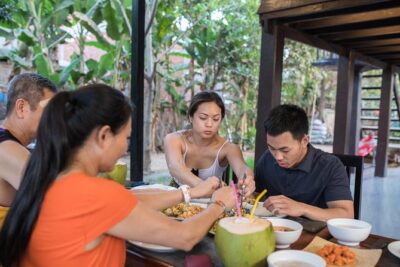 ★ 5.0Khmer Cooking Class at a Local’s Home in Krong Siem ReapFrom $272,731 reviews
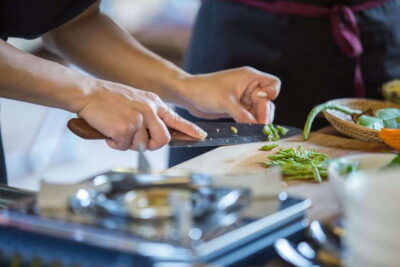 ★ 5.0Khmer Cooking Class at a Local’s HomeFrom $291,108 reviews
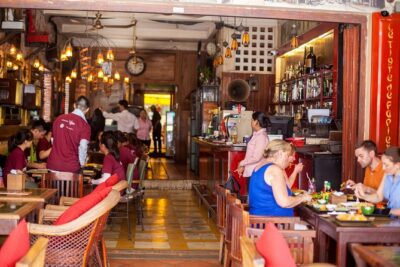 ★ 5.0Award-Winning Cooking Class Experience with Professional TeacherFrom $22745 reviews
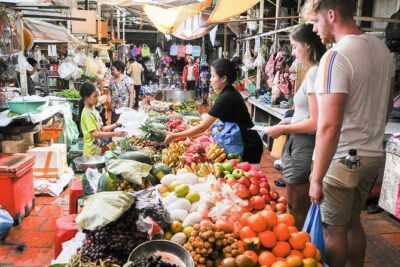 ★ 5.0Khmer Cooking Class Half Day (AM or PM)From $31316 reviews
 ★ 5.0Cambodian Village Cooking ClassFrom $32265 reviews
 ★ 4.9Cambodian Cooking Class from Siem ReapFrom $32190 reviews
 ★ 5.0Siem Reap Cooking ClassFrom $35170 reviews
 ★ 4.8Cooking Class and Market TouringFrom $2580 reviews
Also appears in